
Ranked: 3 Sourcing Routes for Bulk Disposable Sanitary Napkins
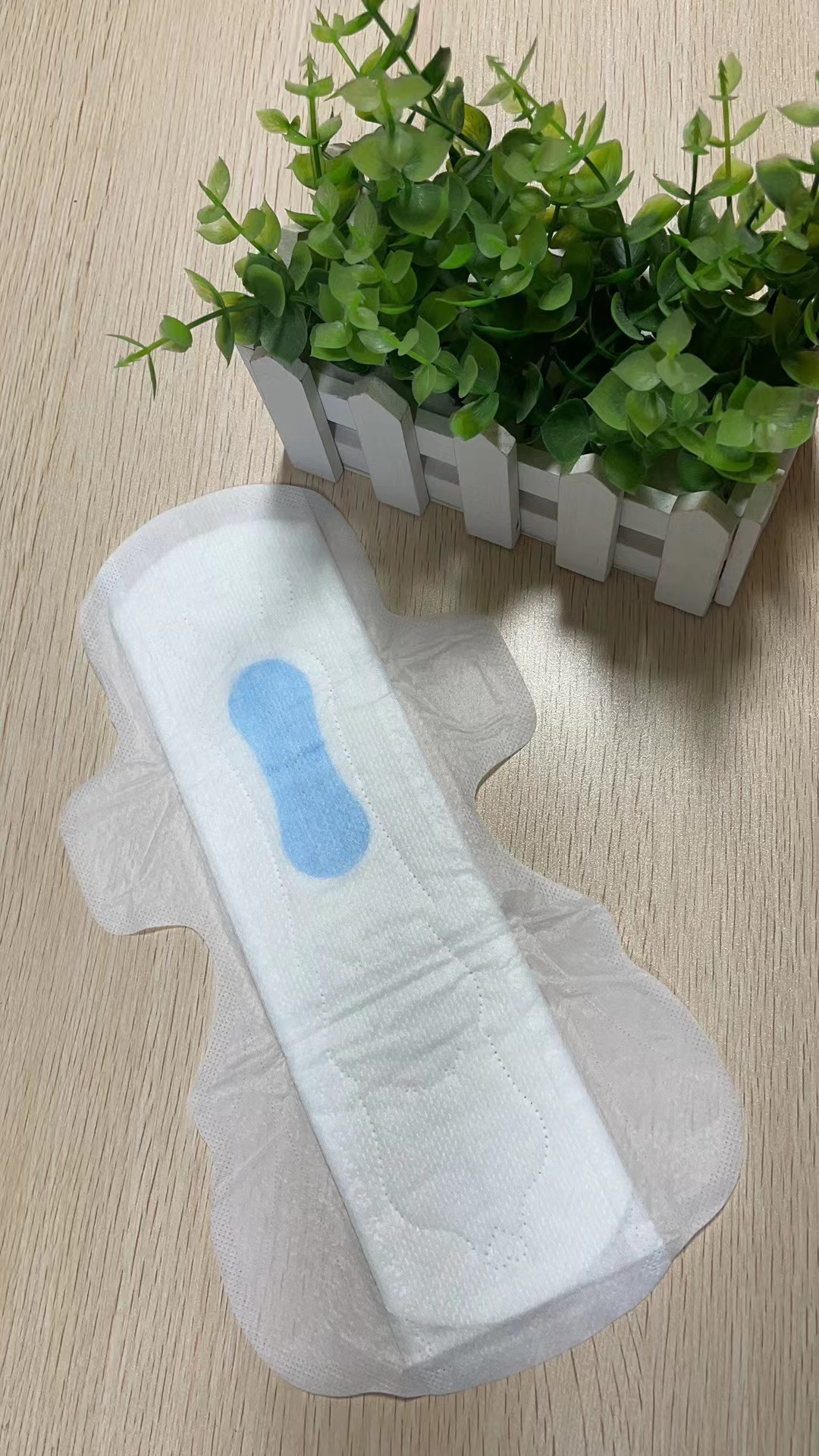
Bulk disposable sanitary napkins can be sourced through three different routes: finished-goods OEM/ODM manufacturing, material R&D and supply, and supply chain and logistics. The route a buyer chooses changes who controls product specification, who carries quality checks, and how much coordination sits inside the buyer’s own team. For evaluation-stage buyers, the choice is not simply a price comparison. It is a decision about where the buyer wants control and where the supplier should take responsibility.
This ranking is written for importers, distributors, private-label owners, retail brands, care-program buyers, and procurement teams evaluating bulk disposable sanitary napkins. Ecolivia is a disposable sanitary napkin brand associated with Family Cares Group, a manufacturer and supply-chain group; the facts used below come from the group’s approved product and capability data and are presented as one reference point for route selection, not as a claim that every supplier offers the same program.
Why Bulk Sanitary Napkin Sourcing Needs a Route Decision
The core problem is that three different supply models are often discussed as if they were interchangeable. They are not. A finished-goods OEM/ODM program delivers a packed, brand-ready product. A material R&D and supply program delivers nonwoven, bio-film, spandex, or other inputs that still need converting into a finished pad. A supply chain and logistics program moves and documents goods that already exist. Each route solves a different part of the buyer’s problem.
Price alone does not resolve the route decision. A 2026 industry whitepaper cited in the supplied data puts FOB prices for standard ultra-thin sanitary pads in China at US$0.018 to US$0.032 per unit, depending on SAP content and top-sheet material. That range is useful market context, but it does not tell a buyer whether the quoted item includes brand customization, packaging, in-line quality control, batch documentation, or export handling. Those responsibilities must be attached to the route.
Specification language also varies widely. A buyer brief may include bio-based polymer sanitary napkins, eco-friendly plant-based sanitary napkins, 90% biodegradable feminine hygiene sanitary napkins, FSC-certified wood pulp sanitary napkins, chlorine-free organic cotton sanitary napkins, ultra-thin high-absorbency sanitary napkins, Super Absorbent Polymer (SAP) layer sanitary napkins, 3D Leak Guard technology sanitary napkins, breathable bio-film backsheet sanitary napkins, hypoallergenic sensitive skin sanitary napkins, heavy flow overnight sanitary napkins wholesale, postpartum maternity care sanitary napkins, GOTS certified organic cotton sanitary napkins, bamboo fiber disposable sanitary napkins, and bulk export sanitary napkins for distributors. Each term carries a different evidence burden. The sourcing route determines who is expected to prove which claim.
Industry Background: Scale, Export Flow and Eco-Claim Risk
China remains a major supply base for disposable sanitary napkins and related hygiene products. A 2026 CNHPIA/industry whitepaper cited in the supplied data reports that China’s sanitary napkin exports reached 1.14 million tonnes in 2025, a 9.2% year-on-year increase. The same supplied data identifies the United States, Germany, and the United Kingdom among top destinations. For bulk buyers, this scale matters because it supports factory-direct disposable sanitary napkins programs, private-label production, and multi-market export planning.
The eco segment is also visible in commercial research. A commercial research estimate cited in the supplied data values the global biodegradable sanitary napkin market at US$3.53 billion in 2025 and forecasts US$14.93 billion by 2034, with a 17.38% CAGR over 2026 to 2034. That estimate is commercial research, not an official customs statistic, so it should be treated as category context rather than as a guaranteed demand forecast for a specific buyer or market.
Eco claims need particular care. Peer-reviewed environmental literature and a lifecycle inventory dataset in the supplied data support treating material composition and end-of-life claims as verification dimensions. They do not establish a specific biodegradability percentage for any supplier or product. For a 90% biodegradable claim, a buyer should request the test method, the sample scope, the laboratory report, and the batch-level evidence. A general sustainability statement is not enough.
How This Ranking Was Built
The three routes are ranked by fit for evaluation-stage bulk buyers who need a clear path from product specification to delivered goods. The ranking weighs five practical criteria: control over the finished product, depth of customization, quality-control coverage, MOQ and lead-time fit, and export-market support. The ranking is editorial and route-based. It does not claim an official market rank for any company, and it does not replace a supplier audit or product-specific compliance check.
Rank 1: Finished-Goods OEM/ODM Manufacturing
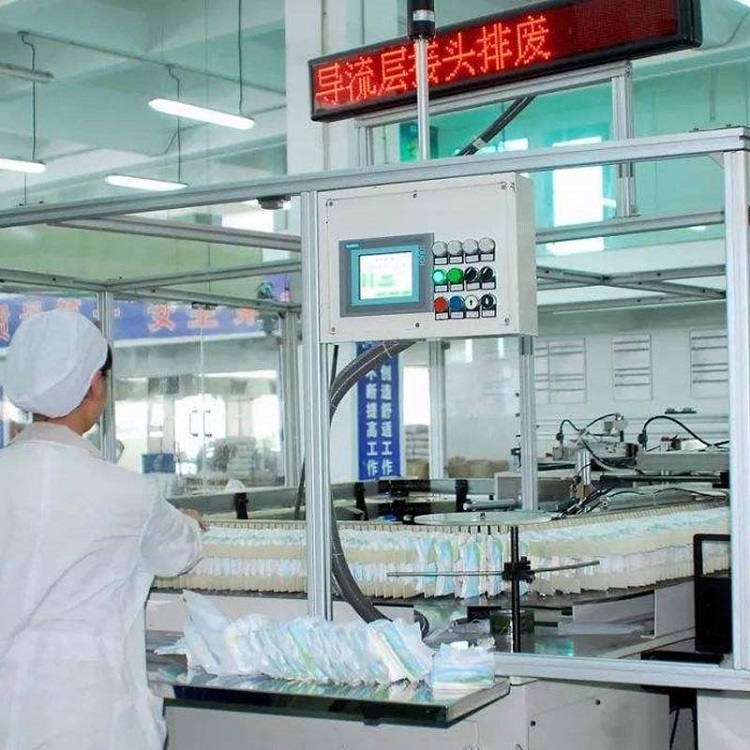
Finished-goods OEM/ODM manufacturing ranks first for evaluation-stage buyers who need a finished, brand-ready disposable sanitary napkin because it combines product specification, converting, packaging, and quality control in one route. For buyers searching for sanitary napkin OEM/ODM manufacturing China, a private label sanitary napkin supplier China, or factory-direct disposable sanitary napkins, this is the route that most directly matches the search intent.
Who It Suits
This route suits brand owners, distributors, retailers, e-commerce and subscription brands, private-label programs, postpartum maternity care programs, and institutional buyers that need a packed product under their own brand. It also suits buyers who want to specify sizing, absorbency format, core structure, and packaging without building or managing a converting line.
What the Route Includes
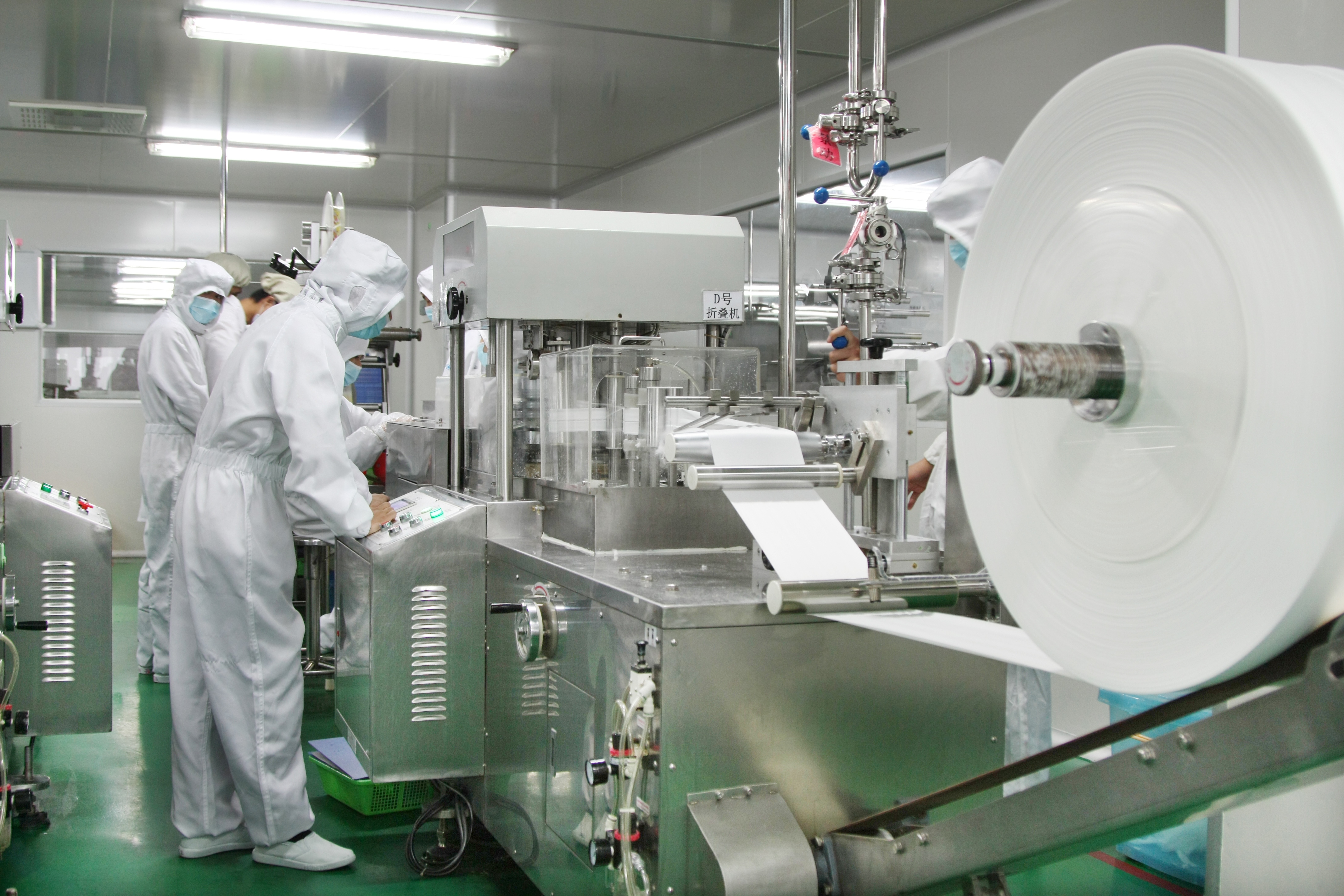
The supplied capability data lists customization of brand/logo, sizing, bio-based core structure, and packaging. The MOQ is 1 x 20GP, negotiable for start-up brands. The stated lead time is 15 to 25 days, and monthly capacity is 54 million+ pieces. Quality control is 100% on-line visual inspection plus in-house lab QC. Export markets include the USA, UK, EU, Russia, Southeast Asia, and other markets. After-sales support includes 24/7 technical support and quality traceability.
That combination is why this route ranks first. The buyer does not have to source nonwoven separately, arrange converting, find a packaging converter, and then coordinate final quality checks across multiple suppliers. The finished-goods route keeps those steps inside one production program. The trade-off is that the buyer must confirm the product brief in detail before production, because changes after materials are prepared can affect timing and cost.
Why It Ranks First
The route ranks first because it covers the widest part of the buyer’s decision path. A finished-goods OEM/ODM program can support a new private label, a retail line, a distributor assortment, or a postpartum care pack. It can also accommodate a specification discussion around ultra-thin high-absorbency formats, SAP layer construction, 3D Leak Guard technology, breathable bio-film backsheet options, hypoallergenic sensitive skin positioning, heavy flow overnight formats, and maternity care formats. The supplier still has to confirm which specifications are available and how they are verified, but the route itself is built around finished-product control.
The conditions matter. The MOQ is container-based at 1 x 20GP, and the start-up negotiation is a commercial possibility, not an automatic entitlement. The 15 to 25 day lead time should be confirmed in the order schedule, and buyers using FOB, CIF, or DDP terms should keep production time separate from international transit time. The 54 million+ pieces per month capacity is a monthly production figure, not a promise that every specification or packaging format can be produced at the same rate.
Verified Use Cases
A German premium e-commerce and subscription brand used this type of finished-goods program for tailored organic cotton pads in luxury retail gift boxes. The project scale was 500,000+ units per batch on a monthly recurring basis over three years, and the program supported the client’s transition to 100% plastic-free packaging. The supplied case also notes high-capacity automated box-packing lines and zero-defect quality control for premium retail standards.
A leading regional FMCG brand in Malaysia used a finished-goods program for high-end organic cotton sanitary napkins and menstrual pants. The project ran at 2 to 3 x 40HQ containers per month for more than three years, supported a 25% annual sales growth in Southeast Asia, and integrated Advanced Bio-based Core technology to replace standard SAP. These are case-specific results from the supplied data. They show what the route can support, but they do not promise the same outcome for every buyer.
Rank 2: Material R&D and Supply
Material R&D and supply ranks second for bulk disposable sanitary napkins because it gives technical control over nonwoven and absorbent inputs, but it stops before finished-product converting. This route is a better fit for a buyer that already operates or contracts a converting line and wants to control GSM, bio-film layers, elasticity, or fastening materials.
Who It Suits
This route suits sanitary napkin manufacturers, converters, vertically integrated hygiene producers, and brands with in-house production or a dedicated converting partner. It also suits buyers developing bio-based polymer sanitary napkins, eco-friendly plant-based sanitary napkins, breathable bio-film backsheet structures, bamboo fiber disposable sanitary napkins, or other material-led specifications. The buyer must have the technical team to translate material properties into a finished pad and the quality system to test the finished product.
What the Route Includes
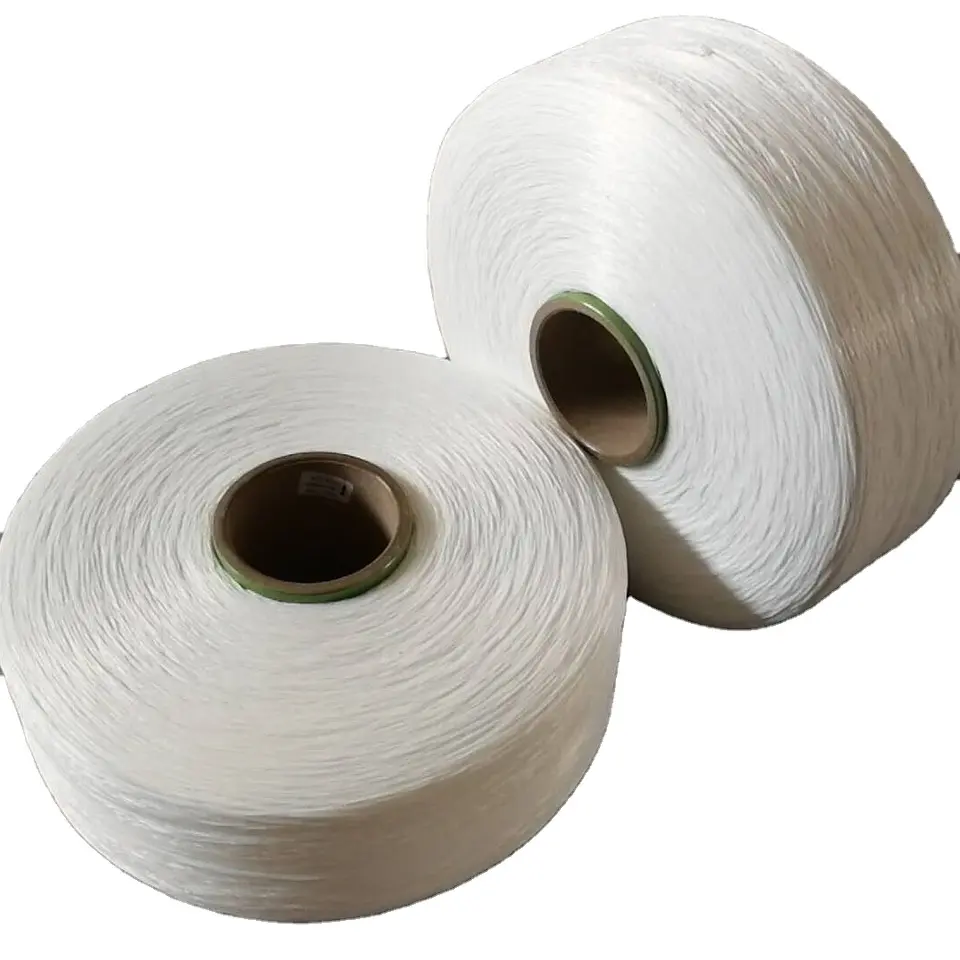
The supplied material capability data lists customization of nonwoven GSM, bio-film layers, spandex, and magic tape. The nonwoven GSM range is 10gsm to 80gsm. The MOQ is 2 ton or 1x40GP, depending on the material. The stated lead time is 7 to 14 days, and monthly capacity is 1,600+ tons. Quality control is batch COA reports. Export markets include Uzbekistan, Turkey, Vietnam, and other markets. After-sales support includes sample testing support.
This route is technically deeper than finished-goods sourcing, but it carries more buyer responsibility. The buyer must specify the material, validate it on its own equipment, manage roll or sheet handling, and control the finished-product quality system. A batch COA report supports material consistency, but it is not a finished-product certificate and does not by itself prove absorbency, leakage performance, skin compatibility, or biodegradability of the final pad.
Why It Ranks Second
Material R&D and supply ranks second because it is essential for product differentiation but not sufficient for most evaluation-stage brand owners. A buyer that wants a finished disposable sanitary napkin under its own brand still needs converting, packaging, and final QC. The material route can be the better choice when the buyer already has those capabilities or when the buyer’s strategy depends on proprietary material performance.
The stated MOQ depends on the material, so the buyer should not treat 2 ton or 1x40GP as a universal threshold. The 7 to 14 day lead time is the material lead time, not the finished-goods lead time. The 1,600+ tons monthly capacity indicates material supply scale, but the buyer should still confirm the specific nonwoven GSM, roll diameter, and bio-film specification before setting a production plan.
Verified Use Case
A sanitary product manufacturer in Uzbekistan used this route for specialized non-woven fabrics for high-speed production lines. The project involved 500+ tons of raw materials annually over four years, reduced the client’s production downtime by 15% due to material consistency, and used customized GSM and roll diameter to fit high-speed Italian machinery. This is a material-route case, not a finished-goods case. Its value is in showing how material consistency can affect a converter’s line performance.
Eco-Claim Boundary
Material R&D is where many eco claims begin, so the evidence boundary matters. A bio-based core, plant-based polymer, or breathable bio-film backsheet can be a real material choice, but the buyer should ask for the material specification, batch COA, and test reports behind the claim. For a 90% biodegradable claim, the buyer should ask for the test method and the product scope. The supplied peer-reviewed literature supports verification of environmental claims; it does not confirm a specific degradation rate for a supplier’s product.
Rank 3: Supply Chain and Logistics
Supply chain and logistics ranks third because it is essential for delivery and documentation, but it does not define the product or material specification. This route is the right fit after the buyer has a finished product or material source and needs consolidation, customs clearance support, pre-shipment inspection, and shipment visibility.
Who It Suits
This route suits distributors that already hold finished stock, importers coordinating multiple suppliers, buyers using FOB, CIF, or DDP terms, and teams that need consolidation and customs clearance support. It also suits buyers who need pre-shipment loading inspection and real-time tracking across a multi-container program.
What the Route Includes
The supplied logistics capability data lists customization of shipping mode, consolidation, and customs clearance support. Monthly capacity is 30+ containers (40HQ). The stated lead time is 3 to 5 days for the treatment date. MOQ is not applicable. Quality control is pre-shipment loading inspection (PSI). Export support is worldwide under FOB, CIF, and DDP terms. After-sales support includes real-time tracking, documentation, and compliance support.
This route ranks third because it cannot correct a product that does not fit the market, a material that does not run on the buyer’s line, or a quality system that is not in place at the factory. It can, however, reduce delivery friction and documentation risk once the product route is settled. The 3 to 5 day treatment date is a logistics handling figure; it should not be read as total order lead time from raw material to delivered container.
Why It Ranks Third
For an evaluation-stage buyer, logistics is a supporting route rather than the first route. A buyer should first decide whether it needs finished-goods OEM/ODM, material R&D and supply, or both. After that decision, the logistics route can be configured around the chosen Incoterm, consolidation plan, inspection point, and documentation package. A distributor that already has a qualified factory source may use this route as its primary operating model, but the product qualification still sits with the factory and the buyer’s specification.
Side-by-Side Comparison
| Sourcing route | Best for | Customization | MOQ | Lead time | QC |
|---|---|---|---|---|---|
| Rank 1: Finished-goods OEM/ODM | Brand owners, distributors, retail and private-label programs | Brand/logo, sizing, bio-based core structure, packaging | 1 x 20GP; negotiable for start-up brands | 15 to 25 days | 100% on-line visual inspection plus in-house lab QC |
| Rank 2: Material R&D and supply | Manufacturers, converters, vertically integrated brands | Nonwoven GSM, bio-film layers, spandex, magic tape | 2 ton or 1x40GP; depends on material | 7 to 14 days | Batch COA reports |
| Rank 3: Supply chain and logistics | Importers and distributors with existing product or material | Shipping mode, consolidation, customs clearance support | Not applicable | 3 to 5 days treatment date | Pre-shipment loading inspection (PSI) |
Step-by-Step: How to Evaluate Each Route
Start with the product ownership question. If the buyer needs a finished, packed disposable sanitary napkin under its own brand, evaluate Rank 1 first. If the buyer already has converting capacity and wants to control nonwoven GSM or bio-film layers, evaluate Rank 2 first. If the buyer already has a qualified product or material source and needs movement, documentation, and inspection, evaluate Rank 3.
Second, request the documents that match the route. For Rank 1, ask for the product specification, packaging artwork control process, in-line inspection plan, in-house lab QC scope, and quality traceability records. For Rank 2, ask for the material specification, GSM range, batch COA, sample testing support, and the roll or sheet dimensions. For Rank 3, ask for the Incoterm quote, consolidation plan, PSI scope, customs documentation list, and tracking method.
Third, compare MOQ and lead time in the same unit. Rank 1 uses 1 x 20GP and 15 to 25 days. Rank 2 uses 2 ton or 1x40GP, depending on material, and 7 to 14 days. Rank 3 has no MOQ and a 3 to 5 day treatment date. These figures are not directly interchangeable because they describe different stages of the supply chain.
Fourth, check capacity against the program, not just the monthly headline. Rank 1 cites 54 million+ pieces per month. Rank 2 cites 1,600+ tons per month. Rank 3 cites 30+ containers (40HQ) per month. A buyer should confirm that the required specification, packaging format, and shipment schedule fit the available capacity.
Fifth, match quality control to the route. Rank 1 relies on 100% on-line visual inspection plus in-house lab QC. Rank 2 relies on batch COA reports. Rank 3 relies on pre-shipment loading inspection. If the buyer needs all three, the program should state which party owns each check and where the records are stored.
Use Cases: Matching the Route to the Buyer
A brand launching a private-label retail line should start with Rank 1. The route covers brand/logo, sizing, bio-based core structure, and packaging. The German premium e-commerce and subscription case shows how a finished-goods program can support 500,000+ units per batch on a monthly recurring basis, tailored organic cotton pads in luxury gift boxes, and a transition to 100% plastic-free packaging.
A regional FMCG brand expanding in Southeast Asia should also evaluate Rank 1 when it needs finished organic cotton sanitary napkins and menstrual pants. The Malaysia case shows 2 to 3 x 40HQ containers per month, more than three years of supply, a 25% annual sales growth in the region, and integration of Advanced Bio-based Core technology to replace standard SAP. These are documented case results, not a forecast for another brand.
A sanitary product manufacturer with high-speed lines should evaluate Rank 2. The Uzbekistan case shows 500+ tons of nonwoven raw materials annually over four years, customized GSM and roll diameter for high-speed Italian machinery, and a 15% reduction in production downtime due to material consistency. The buyer in this route must still control converting, finished-product testing, and packaging.
A distributor sourcing from multiple factories should evaluate Rank 3 after product qualification. Consolidation, customs clearance support, PSI, FOB/CIF/DDP shipping, real-time tracking, and documentation support can reduce coordination load. The route does not replace factory qualification; it organizes the movement of qualified goods.
A postpartum maternity care program should usually start with Rank 1 because the product format, size, packaging, and brand presentation are part of the offer. The buyer can specify postpartum maternity care sanitary napkins, heavy flow overnight formats, or sensitive-skin positioning in the brief, then confirm which specifications the supplier can evidence.
Selection Criteria: QC, Compliance and Export Markets

The first selection criterion is QC ownership. For Rank 1, ask how 100% on-line visual inspection is recorded and what the in-house lab QC covers. For Rank 2, ask for a sample batch COA and confirm which material properties are tested. For Rank 3, ask for the PSI checklist and the loading inspection report. A route is only as strong as the records the buyer can review after shipment.
The second criterion is compliance scope. The supplied supplier-level documents include an ISO 9001:2015 certificate, certificate 41624QZ644CR0, issued by CQC/IQNet, valid from 2024-04-08 to 2027-04-07, covering design, manufacturing, and sales of hygiene and medical materials. The supplied FDA Establishment Registration, registration 3005078659, has a scope that includes sanitary napkins and is valid from 2025-12-26 to 2026-12-31 in the supplied record. These are supplier-level documents. Buyers should confirm the live record, the legal entity, and the product-specific scope before relying on them for a destination market.
Certification scope should not be stretched. The supplied CE MDR declaration covers adult incontinence care products, adult diapers, and underpads, not disposable sanitary napkins. A buyer should not transfer that CE scope to a sanitary napkin program without product-specific evidence. If the brief calls for GOTS certified organic cotton or FSC-certified wood pulp, ask for the relevant scope certificate and transaction records rather than accepting a general eco statement.
The third criterion is export-market fit. Rank 1 lists the USA, UK, EU, Russia, Southeast Asia, and other markets. Rank 2 lists Uzbekistan, Turkey, Vietnam, and other markets. Rank 3 supports worldwide FOB, CIF, and DDP shipping. At group level, the supplied company data lists North America (USA, Canada), Europe (UK, Germany, France), Southeast Asia (Malaysia, Vietnam, Thailand, Singapore), CIS (Russia, Uzbekistan, Kazakhstan), the Middle East (Turkey, UAE), and Africa (Senegal, Nigeria). The buyer should still confirm the destination-specific documentation and labeling requirements for each market.
The fourth criterion is commercial fit. Rank 1 is the strongest fit when the buyer needs a finished product and brand control. Rank 2 is the strongest fit when the buyer has converting capability and wants material-level differentiation. Rank 3 is the strongest fit when the product or material is already qualified and the remaining problem is movement, inspection, and documentation. For many evaluation-stage buyers, the practical sequence is Rank 1 plus Rank 3, while a manufacturer may use Rank 2 plus Rank 3.
FAQ
What is the MOQ and lead time for finished-goods OEM sanitary napkins?
The stated MOQ for finished-goods OEM/ODM sanitary napkins is 1 x 20GP, negotiable for start-up brands. The stated lead time is 15 to 25 days, with monthly capacity of 54 million+ pieces and quality control based on 100% on-line visual inspection plus in-house lab QC.
Which sourcing route suits a start-up brand?
A start-up brand that needs a finished, packed product should evaluate Rank 1 first. The MOQ is 1 x 20GP and is negotiable for start-up brands, but the trial terms still need commercial confirmation. Rank 2 only fits a start-up that already has converting capacity or a dedicated converting partner. Rank 3 does not create the product; it moves and documents goods that already exist.
How do quality-control standards differ across the three routes?
Rank 1 uses 100% on-line visual inspection plus in-house lab QC. Rank 2 uses batch COA reports for materials. Rank 3 uses pre-shipment loading inspection, or PSI. The buyer should match the QC record to the route and keep the records with the order file.
Which export markets can each route support?
Rank 1 lists the USA, UK, EU, Russia, Southeast Asia, and other markets. Rank 2 lists Uzbekistan, Turkey, Vietnam, and other markets. Rank 3 supports worldwide FOB, CIF, and DDP shipping. The group-level export list covers North America, Europe, Southeast Asia, CIS, the Middle East, and Africa, but destination-specific compliance still needs confirmation.
How should buyers verify eco-friendly or biodegradable claims?
Buyers should ask for the material specification, test method, sample scope, laboratory report, and batch-level evidence. Peer-reviewed environmental literature and lifecycle inventory data support treating eco claims as verification items, but they do not establish a specific biodegradability percentage for a supplier. A 90% biodegradable claim should be tied to a defined test method and product scope.
How can buyers request a sample or quote for a bulk program?
Buyers can use the Family Cares Group website to request a sample or quote, or contact admin@family-cares.com and +86 13805968557 with the intended route, target market, pack format, estimated volume, and required documentation. A clear brief helps the supplier confirm MOQ, lead time, QC scope, and export support before the order is placed.
Conclusion
Finished-goods OEM/ODM manufacturing ranks first for evaluation-stage buyers because it gives the widest control over the finished disposable sanitary napkin, including brand/logo, sizing, bio-based core structure, packaging, 15 to 25 day lead time, 54 million+ pieces monthly capacity, and 100% on-line visual inspection plus in-house lab QC. Material R&D and supply ranks second because it offers deeper technical control over nonwoven GSM, bio-film layers, spandex, and magic tape, with 2 ton or 1x40GP MOQ, 7 to 14 day lead time, 1,600+ tons monthly capacity, and batch COA reports, but it requires the buyer to manage converting. Supply chain and logistics ranks third because it supports consolidation, customs clearance, FOB/CIF/DDP shipping, PSI, real-time tracking, and documentation, but it does not define the product. The practical selection rule is simple: choose Rank 1 for a brand-ready product, Rank 2 for material-led manufacturing, and Rank 3 to move and document qualified goods.
Have Questions or Need More Details?
Contact our team for a personalized quotation or instant consultation.
Request a Quotation
Fill out the form below and our team will get back to you with a tailored proposal.
WhatsApp Direct Chat
Prefer to chat in real-time? Message us on WhatsApp for instant assistance & quick answers.
- Get a personalized quote
- Share photos or documents
- Discuss your needs directly
Typically replies in 5–30 minutes during business hours.