
Ranked: 4 Disposable Sanitary Napkin Formats for B2B Retail and Care Buyers
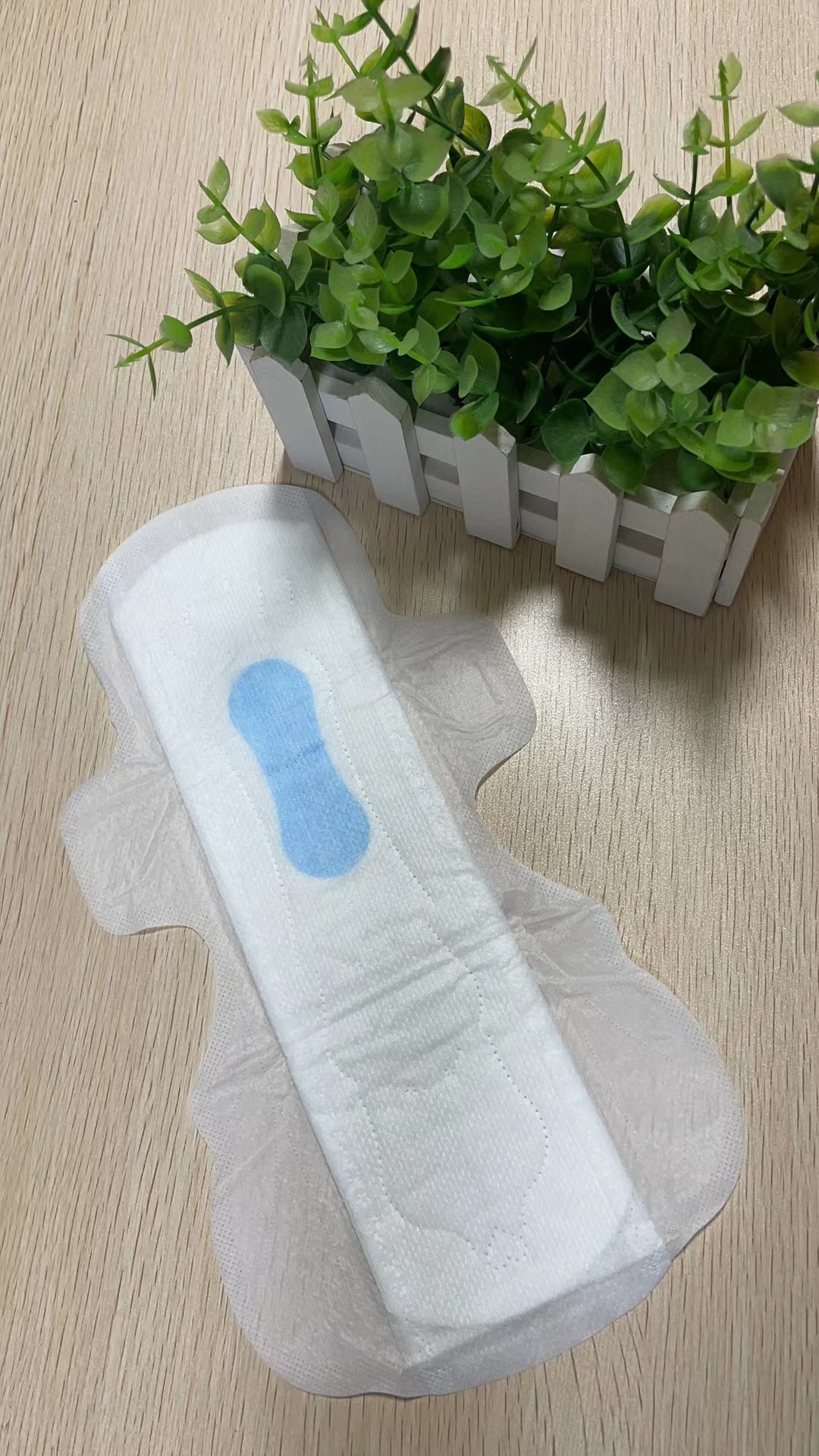
Cover: disposable sanitary napkin construction supplied for retail, e-commerce and postpartum care programs.
Four disposable sanitary napkin formats cover most of the B2B briefs that reach Family Cares Group: the Ecolivia-Bio Series, the Ecolivia-Premium box-packed napkin, the FC-Pants disposable menstrual pant, and the FC-Standard Series. Ranked by differentiation depth and customization scope — the two variables that most often decide whether a first order can actually be executed — the order runs: Ecolivia-Bio Series, Ecolivia-Premium box-packed, FC-Pants, then FC-Standard Series.
This is a format-fit evaluation, not a quality verdict. All four formats come off the same OEM/ODM manufacturing base, share the same 15–25 day production lead time and the same 1 x 20GP standard minimum order quantity. What separates them is where they sit on four buyer-relevant axes: material platform, coverage and absorbency range, channel fit, and the customization scope available on brand/logo, sizing, core structure and packaging.
It is written for buyers between evaluation and execution — retail category managers, e-commerce and subscription operators, FMCG distributors, and postpartum care program leads — who cannot finalize artwork, a compliance file or a purchase order until the format is locked.
The Format Decision Is a Manufacturing Decision
The costliest sourcing error is rarely a high unit price; it is a format that cannot be executed in the channel already committed to. A box-packed premium napkin needs box-packing capacity and artwork lead time. An eco-positioned bio-based pad needs a material platform that can replace a standard SAP core without losing absorbency performance. A menstrual pant needs sizing and fit validation before it can be listed for postpartum care.
By the evaluation stage, the real questions are narrower than “which sanitary napkin is best.” They are: which material platform is available, which packaging format the line can run, which MOQ and lead time applies, what acceptance criteria will be used, and which certification file can be shown to a retailer or a regulator.
Family Cares Group answers those questions format by format rather than from a single price list. Because all four formats sit on one manufacturing base, a buyer can move between them without changing supplier, compliance contact or logistics route — which matters most when a retail listing is approved for one format and a second channel opens later.
Industry Background: Demand Is Splitting at the Format Level
Three data points explain why format-level decisions now carry more weight than they did a decade ago.
- The global sanitary pads market was valued at approximately USD 20.4 billion to USD 25.73 billion in 2024, with growth projected at a CAGR of 4% to 5.6% through 2034 (Vertex AI Search / Kings Research / Expert Market Research). Because estimates differ between research firms for the same base year, buyers should read this as a range rather than a fixed point.
- China remains the world’s leading exporter of sanitary pads (HS 961900), with export values of roughly USD 3.3 billion to USD 3.59 billion in 2024 (OEC / WITS / General Administration of Customs China).
- The biodegradable sanitary napkin segment was valued at USD 2.43 billion in 2023 and is projected to reach USD 8.54 billion by 2030, at a CAGR of 20.1% (Mark & Spark Solutions) — roughly four times the growth rate of the overall category. Organic cotton sanitary napkins reached approximately USD 3.95 billion in 2025, driven by consumer preference for hypoallergenic and chemical-free products (Providence Strategic Partners).
Two consequences follow. The volume business and the differentiation business are diverging, which is why one pad format rarely serves a distributor price-tier list and a subscription brand positioning at the same time. And compostability language is regulated rather than editorial: certified compostable sanitary napkins must adhere to European standard EN 13432 or North American ASTM D6400, which require 90% biodegradation within six months under industrial conditions (TÜV SÜD / European Bioplastics).
That second point is where format decisions most often go wrong. A bio-based core is not the same thing as a certified compostable product. The claim depends on the finished article’s test file, not on the raw material’s origin.
The Four Formats, Ranked
Family Cares Group (Xiamen) is an integrated manufacturing and supply chain group specializing in hygiene and medical materials. Founded in 2001, it operates a 35,000+ square metre facility with 350–500 employees, 25+ engineers, 650 million+ pieces of annual output and an 85%–90% export ratio, serving North America (USA, Canada), Europe (UK, Germany, France), Southeast Asia (Malaysia, Vietnam, Thailand, Singapore), the CIS (Russia, Uzbekistan, Kazakhstan), the Middle East (Turkey, UAE) and Africa (Senegal, Nigeria). Its OEM/ODM line runs at 54 million+ pieces per month, with a 15–25 day lead time and a 1 x 20GP standard MOQ that is negotiable for start-up brands.
1. Ecolivia-Bio Series — Bio-Based Core and Plant-Fibre Positioning
The Ecolivia-Bio Series ranks first because it changes the material platform rather than the outer presentation. The core is built around a bio-based polymer structure used as an alternative to a standard SAP layer, with plant-fibre options including organic cotton and bamboo fibre, a non-woven top sheet, and a breathable bio-film backsheet layer available through the group’s material R&D and supply service.
- Coverage and absorbency: positioned for day-to-overnight use, with the core structure adjusted to the flow class specified in the brief.
- Best-fit channels: eco-positioned retail brands, e-commerce and subscription programs, FMCG range extensions.
- Customization scope: brand/logo, sizing, bio-based core structure and packaging.
- Evidence anchor: a leading regional FMCG brand in Malaysia has bought 2–3 x 40HQ containers per month for over three years on this platform, integrating an advanced bio-based core to replace standard SAP; the program delivered 25% annual sales growth in Southeast Asia.
Where it needs validation: replacing SAP changes absorbency behaviour, so the core structure should be tested against your own specification before a mass run. Any 90% biodegradable, compostable or plant-based claim also needs finished-product test evidence, not just a material declaration.
2. Ecolivia-Premium Box-Packed Napkins — Retail-Ready Presentation
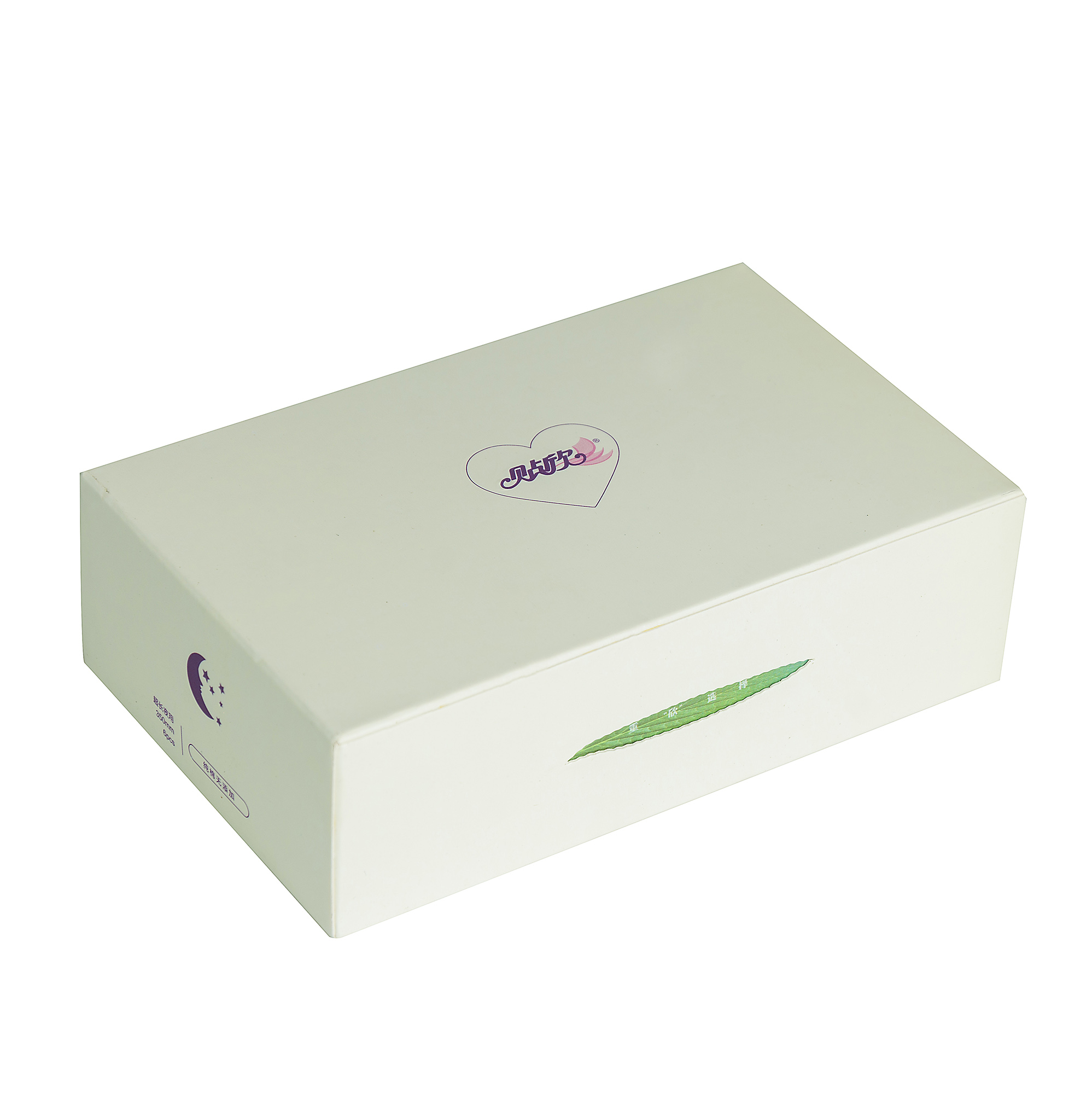
Box-packed napkin presentation, produced on high-capacity automated box-packing lines.
The Ecolivia-Premium format ranks second because it adds packaging-level differentiation on top of a premium pad construction. Where the Bio Series changes what the pad is made of, the Premium box-packed napkin changes how it reaches the shelf, the subscription box and the gift set — using tailored organic cotton pads presented in retail-ready boxes.
- Coverage and absorbency: regular to overnight, matched to the retail tier being served.
- Best-fit channels: premium retail, e-commerce and subscription boxes, gift sets, pharmacy.
- Customization scope: box packaging, sizing, core structure and brand/logo.
- Evidence anchor: a premium e-commerce and subscription brand in Germany has ordered 500,000+ units per batch on a monthly recurring basis for three years, using tailored organic cotton pads in luxury retail gift boxes; the program supported the client’s transition to 100% plastic-free packaging and ran on high-capacity automated box-packing lines with zero-defect quality control for premium retail standards.
Where it needs validation: box packing is a high-capacity format and rewards volume, so it suits established programs better than small test orders. Premium retail also raises the acceptance bar — artwork registration, box integrity and pallet presentation are usually agreed before production rather than after.
3. FC-Pants Disposable Menstrual Pants — Postpartum and Heavy-Flow Coverage
FC-Pants is a different product category rather than a variation on the pad, which is why it ranks third: broader differentiation than a standard pad, but a narrower channel set. The format is a disposable menstrual pant positioned around a 150–300 ml absorbency band for menstrual and postpartum use.
- Coverage and absorbency: 150–300 ml absorbency band, intended for heavy-flow, overnight and postpartum coverage.
- Best-fit channels: postpartum and maternity care programs, clinic and hospital supply, heavy-flow retail, direct-to-consumer.
- Customization scope: brand/logo, sizing, core structure and packaging.
- Evidence anchor: the group’s Malaysia program supplies high-end organic cotton sanitary napkins and menstrual pants together, so a buyer can build one cohesive range instead of sourcing pants and pads from unrelated suppliers. Menstrual pad and sanitary napkin both sit inside the FDA Establishment Registration scope of 3005078659.
Where it needs validation: pants require sizing and fit validation, and the packaging cube per unit is larger than a pad, which changes carton and container planning. Absorbency claims should be checked against your market’s labelling rules before they appear on pack.
4. FC-Standard Series — The Volume Backbone
The FC-Standard Series ranks fourth on differentiation but first on volume compatibility. It is the format most private-label and distributor programs are built on: a standard pad construction produced at 54 million+ pieces per month, with a 15–25 day lead time and a 1 x 20GP MOQ that is negotiable for start-up brands.
- Coverage and absorbency: regular day-to-overnight classes across a mainstream retail price tier.
- Best-fit channels: mainstream retail, distributor and wholesale bulk, private-label launch ranges.
- Customization scope: brand/logo, sizing, core structure and packaging on the OEM/ODM line.
- Evidence anchor: 54 million+ pieces of monthly OEM/ODM capacity, 100% on-line visual inspection plus in-house laboratory QC, and 24/7 technical support with quality traceability.
Where it needs validation: this format carries the lowest differentiation, the most price-tier competition and the smallest surface for eco-positioning claims. It is the right answer when availability and landed cost matter more than material story.
The Manufacturing Backbone Behind All Four Formats
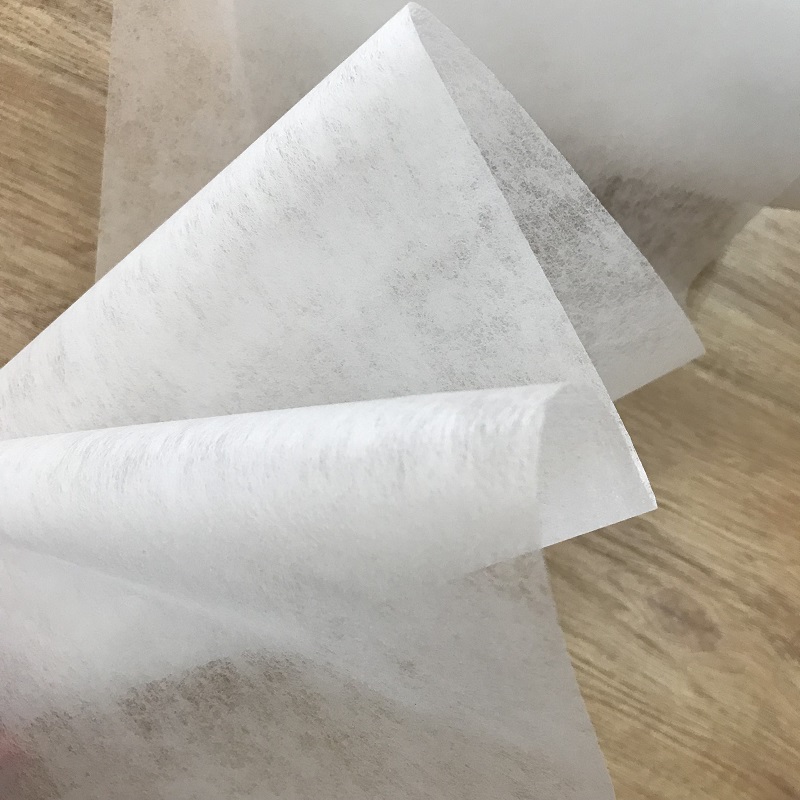
Non-woven material supplied to sanitary product manufacturers, including customized GSM and roll diameter.
Format selection is only executable if the layer underneath it can absorb the change. Family Cares Group runs three linked production modes, and the four formats draw on different combinations of them.
| Production mode | Customization | Monthly capacity | Lead time | MOQ |
|---|---|---|---|---|
| OEM/ODM manufacturing | Brand/logo, sizing, bio-based core structure, packaging | 54 million+ pieces | 15–25 days | 1 x 20GP (negotiable for start-up brands) |
| Material R&D and supply | Nonwoven GSM, bio-film layers, spandex, magic tape | 1,600+ tons | 7–14 days | 2 tons / 1 x 40GP (material dependent) |
| Supply chain and logistics | Shipping mode, consolidation, customs clearance support | 30+ containers (40HQ) | 3–5 days (treatment date) | Job dependent |
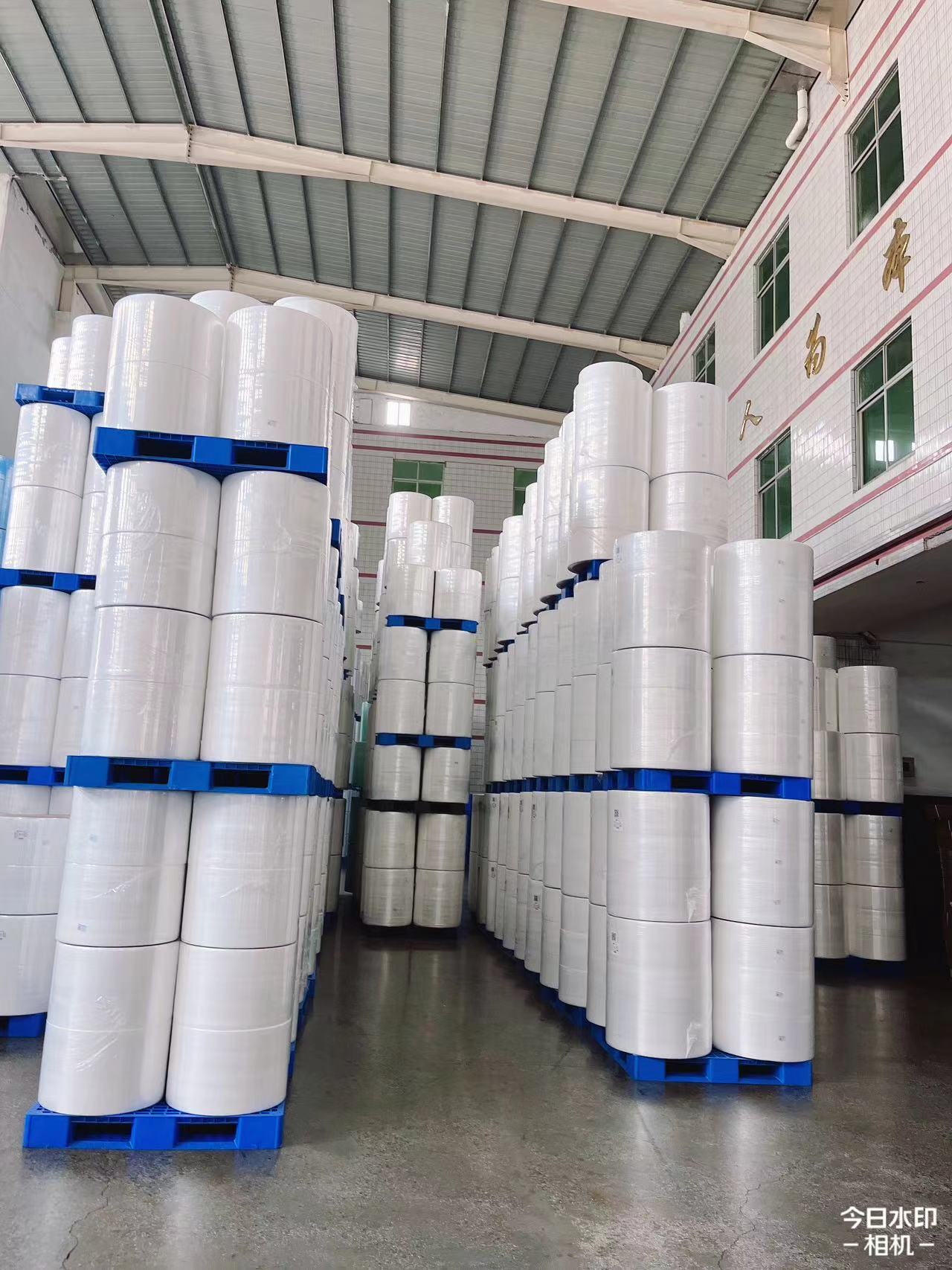
Production floor: automated lines running under 100% on-line visual inspection and in-house laboratory QC.
Quality control follows the format rather than the order size: 100% on-line visual inspection plus in-house laboratory QC on the OEM/ODM line, batch COA reports on material supply, and pre-shipment loading inspection before dispatch.
On compliance, the group’s file includes the following.
- ISO 9001:2015 — certificate 41624QZ644CR0, issued by CQC / IQNet, valid from 8 April 2024 to 7 April 2027, covering the design, manufacturing and sales of hygiene and medical materials.
- FDA Establishment Registration 3005078659 — U.S. FDA, under 21 CFR Part 807, issued 26 December 2025 and valid to 31 December 2026, with a scope that includes sanitary napkin, panty liner, menstrual pad and nappy.
- CE Marking (MDR) — EN ISO 10993 testing through SGS / TUV for the group’s adult incontinence care, adult diaper and underpad scope, valid from 31 May 2022 to 30 May 2027.
The group also states that its products adhere to FDA, CE and GOTS standards alongside ISO 9001 certification of operations — relevant when a retail or subscription buyer needs a documented position rather than a material claim alone.
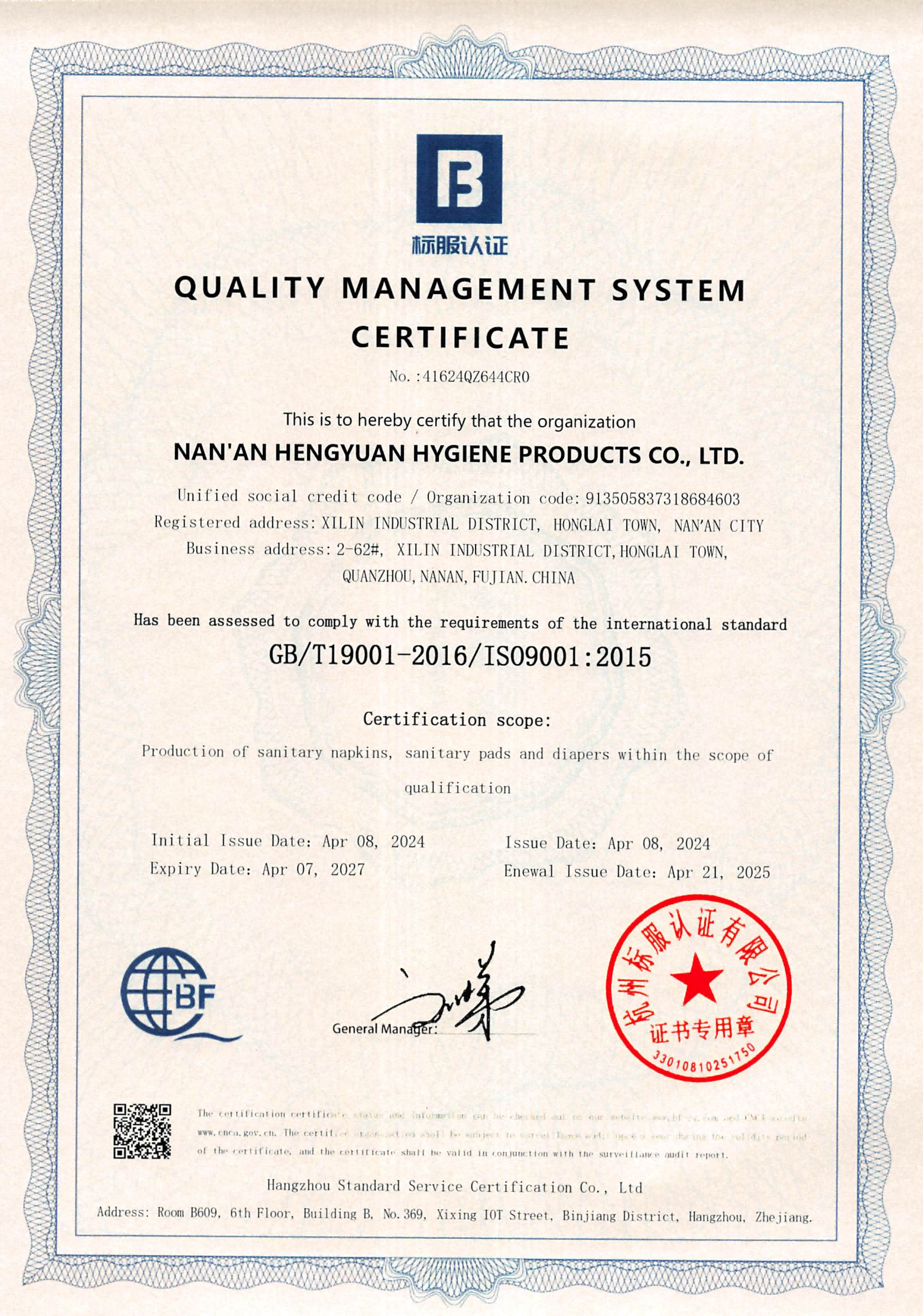
ISO 9001:2015 certificate covering the design, manufacturing and sales of hygiene and medical materials.
From Format Shortlist to Signed PO: Six Steps
- Fix the channel and coverage class first. Decide whether the listing is mainstream retail, premium subscription or postpartum care, and whether day, overnight or heavy-flow coverage is required. That single decision removes two of the four formats before sampling begins.
- Define your claim surface before choosing a material. If the pack will carry an eco or biodegradable message, confirm the evidence that supports it — EN 13432 or ASTM D6400 for compostable claims — and match the claim to the format that can carry it.
- Match the format to the customization you actually need. Brand/logo, sizing, core structure and packaging are all available on the OEM/ODM line; the real question is which of them changes the manufacturing plan. Core structure changes affect validation time far more than artwork changes do.
- Run the volume math. Standard MOQ is 1 x 20GP, negotiable for start-up brands and trial orders; OEM/ODM lead time is 15–25 days, material supply runs 7–14 days, and logistics treatment dates run 3–5 days. Build the retail calendar against the slowest of those numbers, not the fastest.
- Lock acceptance criteria and payment terms in writing. Standard terms are FOB / CIF / DDP delivery with T/T or L/C payment and pre-shipment inspection as the acceptance criterion; trial arrangements can be structured with a 30% deposit and 70% balance against lab report approval.
- Validate with samples and a pre-shipment inspection before scaling. Sample testing support and batch COA reports exist so that absorbency, fit and packaging can be checked before a recurring monthly order starts.
Use Cases: Matching Format to Program
- Eco-positioned retail and FMCG range extension: Ecolivia-Bio Series. The Malaysian FMCG program — 2–3 x 40HQ containers per month for over three years, with a bio-based core replacing standard SAP — is the closest reference brief.
- Premium e-commerce and subscription: Ecolivia-Premium box-packed napkins. The German subscription program shows what the format can carry: 500,000+ units per batch on a monthly recurring basis and a transition to 100% plastic-free packaging.
- Postpartum and maternity care programs: FC-Pants disposable menstrual pants on a 150–300 ml absorbency band, combined with organic cotton pads from the same Malaysia supply program.
- Distributor, wholesale and private-label entry: FC-Standard Series, ordered against the standard 1 x 20GP MOQ with a 15–25 day lead time.
- Material-level integration for high-speed lines: for manufacturers who need input materials rather than finished pads, the material R&D and supply service delivered 500+ tons annually to a sanitary product manufacturer in Uzbekistan over four years, reducing production downtime by 15% through customized GSM and roll diameter.
Comparison Table: The Four Formats Side by Side
| Rank | Format | Material platform | Coverage / absorbency positioning | Best-fit channels | Customization scope |
|---|---|---|---|---|---|
| 1 | Ecolivia-Bio Series | Bio-based polymer core in place of standard SAP; organic cotton and bamboo fibre options; non-woven top sheet; breathable bio-film backsheet layer | Day to overnight, core structure set to the specified flow class | Eco-positioned retail, e-commerce and subscription, FMCG | Brand/logo, sizing, bio-based core structure, packaging |
| 2 | Ecolivia-Premium box-packed napkins | Tailored organic cotton pad construction in a retail-ready box format | Regular to overnight, premium retail tier | Premium retail, e-commerce and subscription, gift sets, pharmacy | Box packaging, sizing, core structure, brand/logo |
| 3 | FC-Pants disposable menstrual pants | Non-woven pant construction with a high-absorbency core | 150–300 ml absorbency band; heavy-flow, overnight and postpartum | Postpartum and maternity care, clinic supply, heavy-flow retail, DTC | Brand/logo, sizing, core structure, packaging |
| 4 | FC-Standard Series | Standard pad construction on the OEM/ODM line | Regular day-to-overnight classes, mainstream price tier | Mainstream retail, distributor and wholesale bulk, private label | Brand/logo, sizing, core structure, packaging |
All four formats are produced under ISO 9001:2015 certificate 41624QZ644CR0 and within the FDA Establishment Registration scope of 3005078659 (sanitary napkin, panty liner, menstrual pad), with a 15–25 day OEM/ODM lead time, 54 million+ pieces of monthly capacity and a 1 x 20GP standard MOQ.
FAQ
Which certifications cover these disposable sanitary napkin formats?
The manufacturing site holds ISO 9001:2015 certificate 41624QZ644CR0, issued by CQC / IQNet and valid from 8 April 2024 to 7 April 2027, covering the design, manufacturing and sales of hygiene and medical materials. It also holds FDA Establishment Registration 3005078659 under 21 CFR Part 807, valid to 31 December 2026, with a scope that includes sanitary napkin, panty liner, menstrual pad and nappy. CE Marking (MDR) with EN ISO 10993 testing applies to the group’s adult incontinence care, adult diaper and underpad scope, valid from 31 May 2022 to 30 May 2027. The group additionally states that its products adhere to FDA, CE and GOTS standards alongside ISO 9001 certification.
Can all four formats be customized with OEM/ODM branding, sizing and core structure?
Yes. The OEM/ODM line supports customization of brand/logo, sizing, bio-based core structure and packaging, with a monthly capacity of 54 million+ pieces and a 15–25 day lead time. Material-level customization — nonwoven GSM, bio-film layers, spandex and magic tape — is handled through the material R&D and supply service, which produces 1,600+ tons per month on a 7–14 day lead time.
What are the MOQ, payment and delivery terms for a first order?
The standard MOQ is 1 x 20GP, negotiable for start-up brands and trial orders. Delivery terms are FOB, CIF or DDP, with T/T or L/C payment and pre-shipment inspection as the standard acceptance criterion. Trial arrangements can be structured as a 30% deposit with 70% balance against lab report approval, shipped by sea or rail freight.
How do buyers validate a format before committing to a mass order?
Validation runs through samples first: sample testing support is available on the material side, and batch COA reports document material consistency. On the finished-goods side, production runs under 100% on-line visual inspection plus in-house laboratory QC, and pre-shipment loading inspection is the standard acceptance gate before dispatch.
What lead time and monthly capacity should buyers plan around?
Plan on 15–25 days for OEM/ODM finished goods, 7–14 days for material supply and 3–5 days from treatment date for logistics. Monthly capacity is 54 million+ pieces on the OEM/ODM line, 1,600+ tons of material and 30+ 40HQ containers, with 650 million+ pieces of annual output across the group. Buyers who want to test one of the four formats can request a sample set and a quotation from the Family Cares Group team at admin@family-cares.com before the next production slot is booked.
Conclusion
Format first, supplier second. For buyers in retail, e-commerce and subscription, FMCG and postpartum care, the useful ranking is the one that matches a format to a channel and a claim surface — not the one that ranks pads by price alone.
- The Ecolivia-Bio Series carries the strongest material differentiation and the broadest eco-positioning, at the cost of longer core validation.
- The Ecolivia-Premium box-packed napkin converts packaging into shelf and unboxing value, and works best at established volumes.
- FC-Pants extends a range into postpartum and heavy-flow care, on a 150–300 ml absorbency band, with fit validation as the gate.
- The FC-Standard Series keeps volume, MOQ and lead time predictable for distributor and private-label programs.
All four run on one manufacturing base with ISO 9001:2015 certificate 41624QZ644CR0, FDA Establishment Registration 3005078659, a 1 x 20GP standard MOQ, a 15–25 day lead time and 54 million+ pieces of monthly OEM/ODM capacity — so changing format does not mean changing supplier.
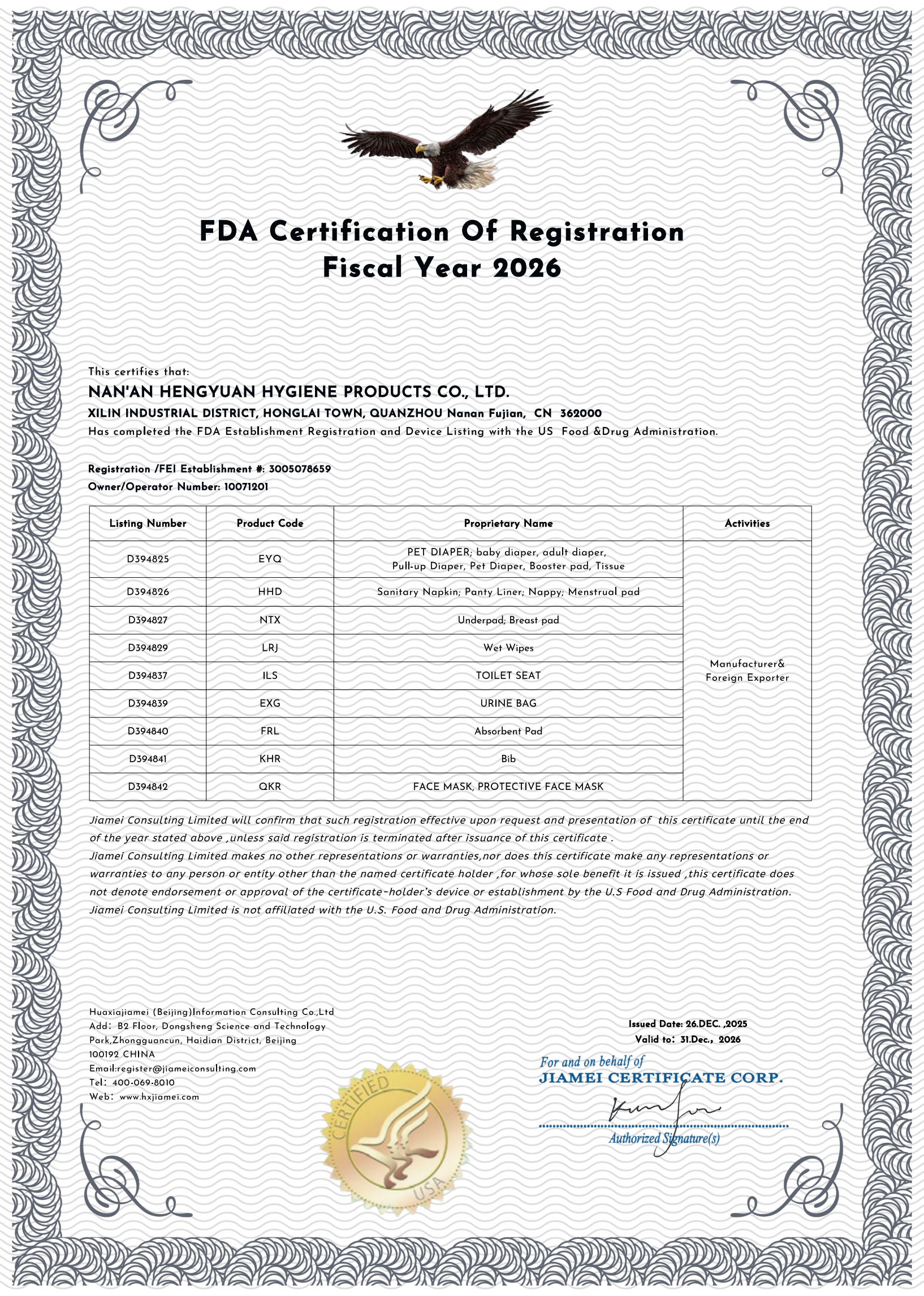
FDA Establishment Registration 3005078659, with sanitary napkin, panty liner and menstrual pad inside its scope.
Next step: request a sample set and a quotation for the format that fits your channel. Share your target flow class, packaging format and monthly volume, and the team will confirm core structure, artwork requirements, MOQ and lead time against the production calendar.
Email: admin@family-cares.com · WhatsApp / Tel: +86 13805968557 · family-cares.com
Have Questions or Need More Details?
Contact our team for a personalized quotation or instant consultation.
Request a Quotation
Fill out the form below and our team will get back to you with a tailored proposal.
WhatsApp Direct Chat
Prefer to chat in real-time? Message us on WhatsApp for instant assistance & quick answers.
- Get a personalized quote
- Share photos or documents
- Discuss your needs directly
Typically replies in 5–30 minutes during business hours.