
Supplier Audit Checklist: Verifying Disposable Sanitary Napkin Production Capabilities
Supplier Audit Checklist: Verifying Disposable Sanitary Napkin Production Capabilities
Short answer: A production-capability audit of a disposable sanitary napkin supplier verifies six domains — physical facility scale, installed line capacity, material and R&D depth, quality-control instrumentation, documented risk-control protocols, and commercial/compliance infrastructure. Any claim that cannot be mapped to a count, a document, or an on-site observation is unverified and should be treated as such before a contract is signed.
Ecolivia is the bio-based disposable sanitary napkin brand produced by Family Cares Group (Xiamen), an integrated hygiene and medical materials manufacturing and supply chain group whose production is anchored in the Quanzhou hygiene industrial cluster in Fujian, China, with Xiamen acting as the group’s global sales and R&D hub. Its operating baseline — 35,000+ square meters of manufacturing space, 650 million+ pieces of annual output, a 25+ person engineering team, 350–500 employees, and a daily capacity exceeding 1.8 million pieces — is used throughout this article as the reference point for what a verifiable claim looks like.
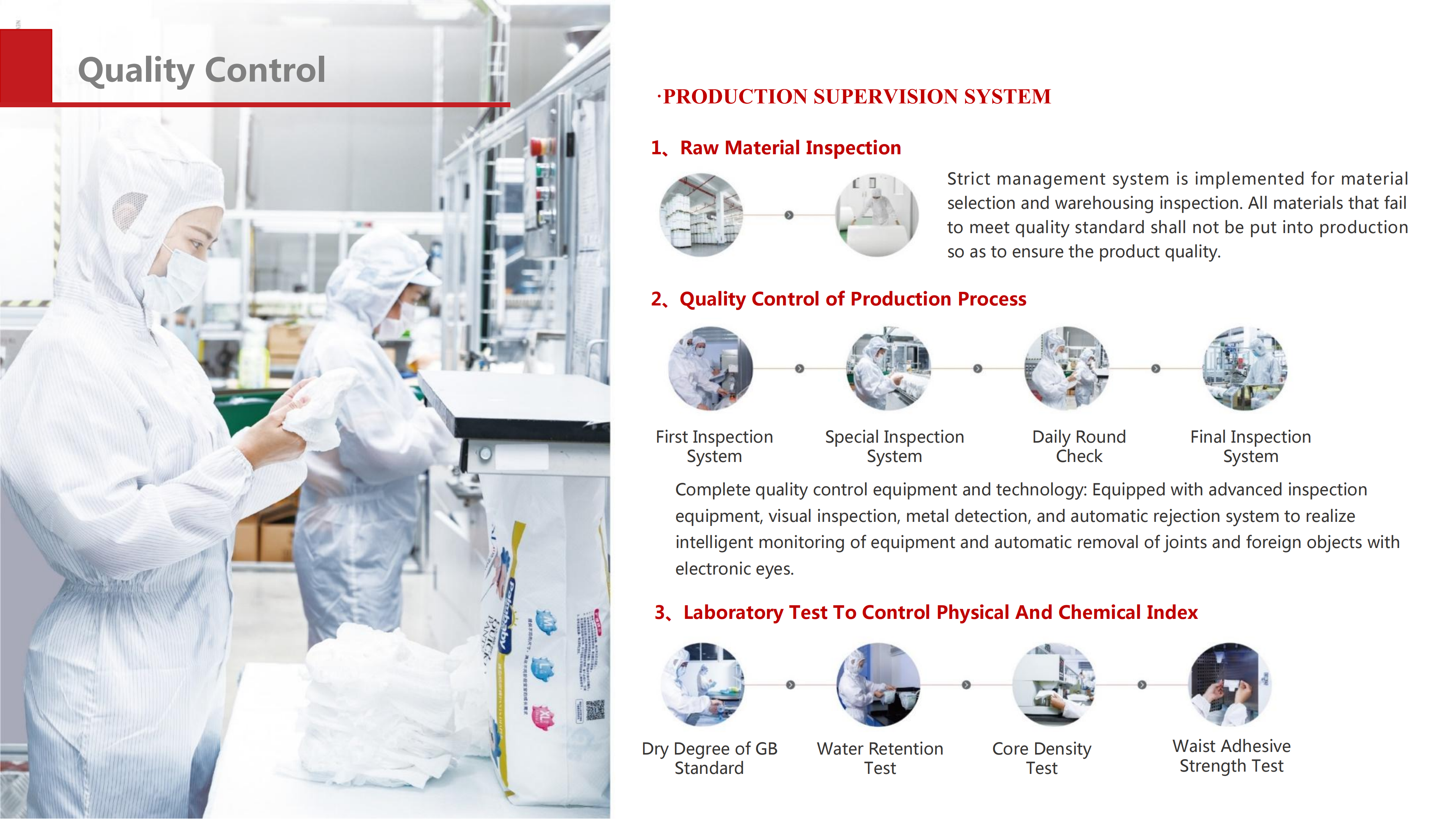
Figure 1 — A production audit starts in the R&D and process engineering area, not in the showroom.
Problem Definition: The Gap Between Stated Capacity and Verified Capacity
Factory audits rarely fail because a supplier makes a poor product. They fail because the buyer accepted a claim that was never converted into a verifiable fact. Three specific gaps account for most decision-stage surprises in disposable sanitary napkin sourcing.
Gap 1 — Capacity claims that ignore allocation
An annual output figure describes what a factory can produce, not what it will reserve for your program. A supplier stating 650 million+ pieces per year across multiple high-speed automated lines may still have only a fraction of that capacity uncommitted in the month your purchase order lands. The audit must therefore separate installed capacity from available capacity. The only reliable way to do that is to count lines, observe line speed, and ask which specific lines are scheduled for your SKU during your delivery window.
Gap 2 — Quality language without instrumentation
“Strict quality control” is not a measurement. The measurable distinction is between manual quality inspection, where defects are detected by human attention at intervals, and 100% on-line visual inspection, where every unit is evaluated by an in-line system while it is still on the production line. The first approach produces an opinion; the second produces real-time quality data that a buyer can request, review, and compare across batches.
Gap 3 — Single-line dependence
If a supplier’s commitment to your program depends on one production line, a single mechanical failure, tooling change, or raw material delay becomes your stock-out. Redundancy is itself a production capability, and it should appear in the audit as a documented production buffer rather than as a verbal reassurance during the factory tour.
Industry Background: Why Production Audits Have Become a Buying Requirement
The global sanitary pads market was valued at approximately USD 20.4 billion to USD 25.73 billion in 2024, with growth projected at a CAGR of 4% to 5.6% through 2034, according to Kings Research, Expert Market Research, and related market summaries. China remains the world’s leading exporter of sanitary pads under HS code 961900, with export values reaching approximately USD 3.3 billion to USD 3.59 billion in 2024, based on OEC, WITS, and Chinese customs data.
The eco segment is expanding faster than the category as a whole. The biodegradable sanitary napkins market was valued at USD 2.43 billion in 2023 and is projected to reach USD 8.54 billion by 2030 — a CAGR of 20.1% (Mark & Spark Solutions). Organic cotton sanitary napkins reached approximately USD 3.95 billion in 2025, with growth driven by consumer preference for hypoallergenic and chemical-free products (Providence Strategic Partners). Against that backdrop, Procter & Gamble (Always) and Kimberly-Clark (Kotex) remain the top global manufacturers, and Always introduced Flexfoam technology in 2025 to target on-the-go portability (Expert Market Research, IMARC Group).
Two structural consequences follow for anyone auditing a factory. First, bio-based and compostable product lines are growing faster than the number of factories able to support them at scale, which means capacity claims need to be validated rather than assumed. Second, sustainability claims are increasingly standardized: certified compostable sanitary napkins must adhere to EN 13432 in Europe or ASTM D6400 in North America, both of which require 90% biodegradation within six months under industrial composting conditions (TÜV SÜD, European Bioplastics). A production audit therefore has to cover documentation and physical capability at the same time.
The Six-Domain Production Audit Framework
Use these six domains to structure the audit. For each domain, the verified baseline is paired with the action a buyer should take on site.
Domain 1 — Facility footprint and industrial location
Verified baseline: 35,000+ square meters of production space, operated by 350–500 employees.
Audit action: Confirm the footprint against lease or ownership documents, and walk the full floor rather than a curated section. Location also carries operational meaning: hygiene manufacturing depends on nearby nonwoven, pulp, SAP, and film supply, which is why Family Cares Group separates functions — Xiamen as the global strategic sales and R&D hub, and manufacturing anchored in the Quanzhou hygiene industrial cluster.
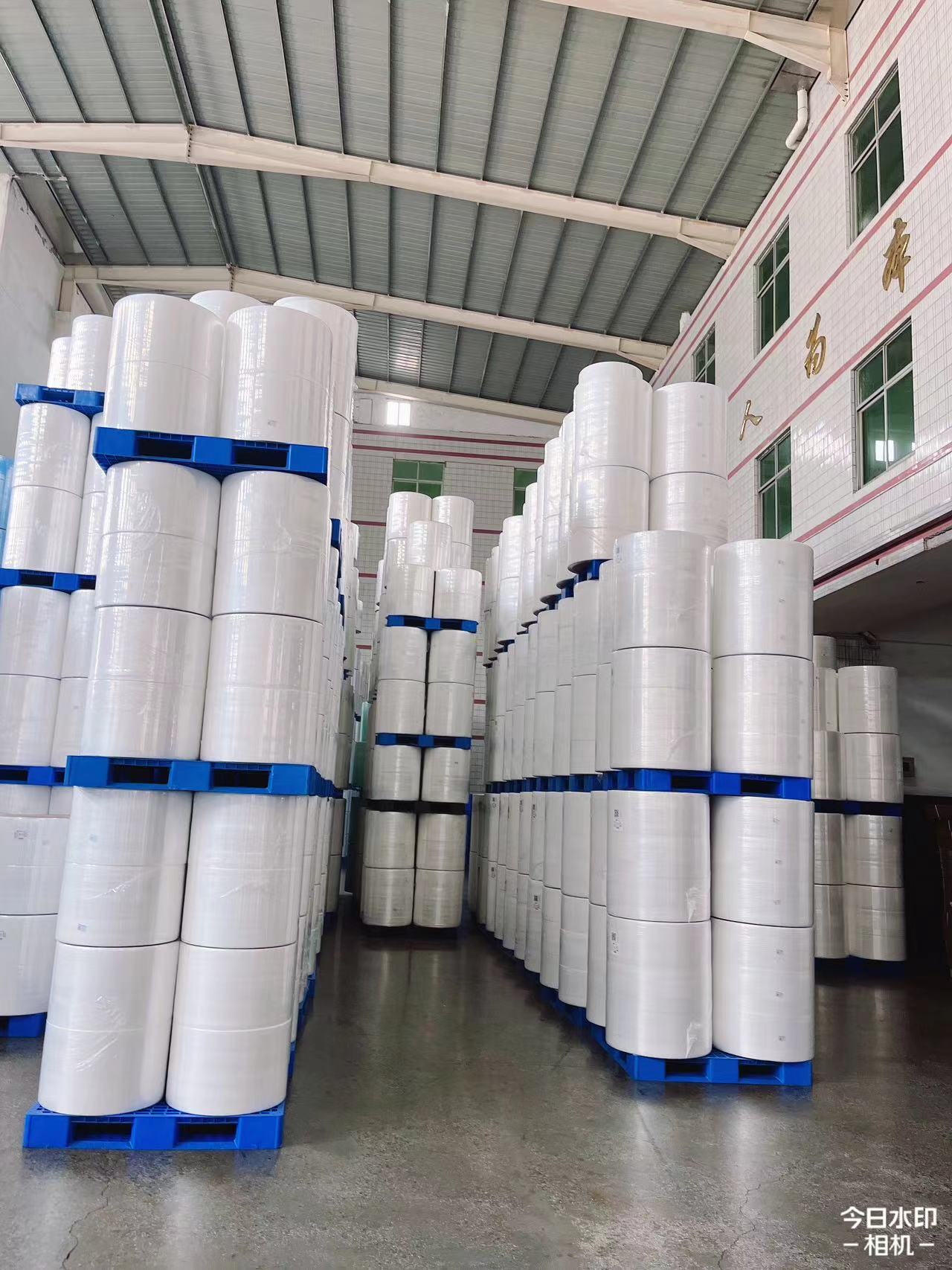
Figure 2 — Factory floor verification: footprint, line count, and material flow should all be observable in one walkthrough.
Domain 2 — Installed line capacity
Verified baseline: multiple high-speed automated production lines with a combined daily capacity exceeding 1.8 million pieces and annual output of 650 million+ pieces.
Audit action: Count the lines, note their automation level, and reconcile the daily figure against the annual figure. Compare against old-generation manufacturing benchmarks: high-speed automated lines deliver 99.9% product consistency, 1.8 million daily pieces, and lower unit cost through mass production, while older equipment cannot hold the same tolerance across a long production run.
Domain 3 — Materials, R&D, and bio-based capability
Verified baseline: a 25+ person professional engineering team working on Eco-Core™ technology, medical-grade hydrophilic PU foam, and sustainable nonwoven fabrics.
Audit action: Ask which materials are engineered in-house versus purchased, and request the specification sheets for the specific constructions you intend to buy — bio-absorbent cores, plant-based bio-film backsheets, FSC-certified wood pulp, bamboo fiber, or chlorine-free organic cotton. Customization depth is the differentiator here: against rigid large-scale factories, flexible OEM customization delivers 50% faster prototype design and lower MOQ for new SKU testing, which matters most to brand owners entering the category.
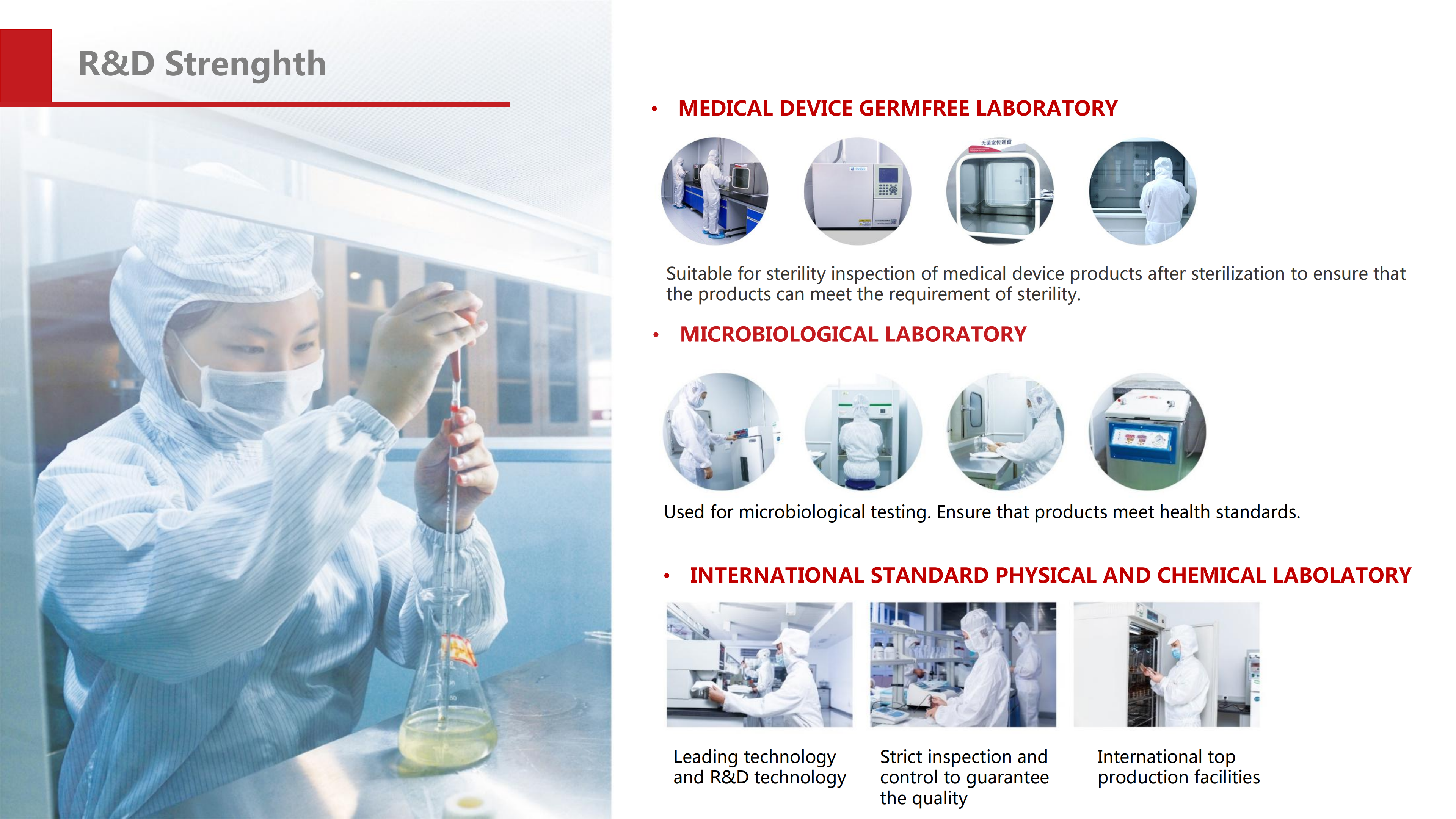
Figure 3 — Material and R&D review: engineered cores and backsheets should be traceable to documented specifications.
Domain 4 — Quality-control instrumentation
Verified baseline: 100% on-line visual inspection.
Audit action: Ask to see the inspection system running during your visit, not a sample of rejected units afterward. Compared with manual quality inspection, an on-line visual system provides industry-leading defect detection and a zero-leakage batch guarantee, and it generates real-time quality data tracking that supports batch-level traceability. For a buyer, the practical output is a lower risk of batch recalls at retail.
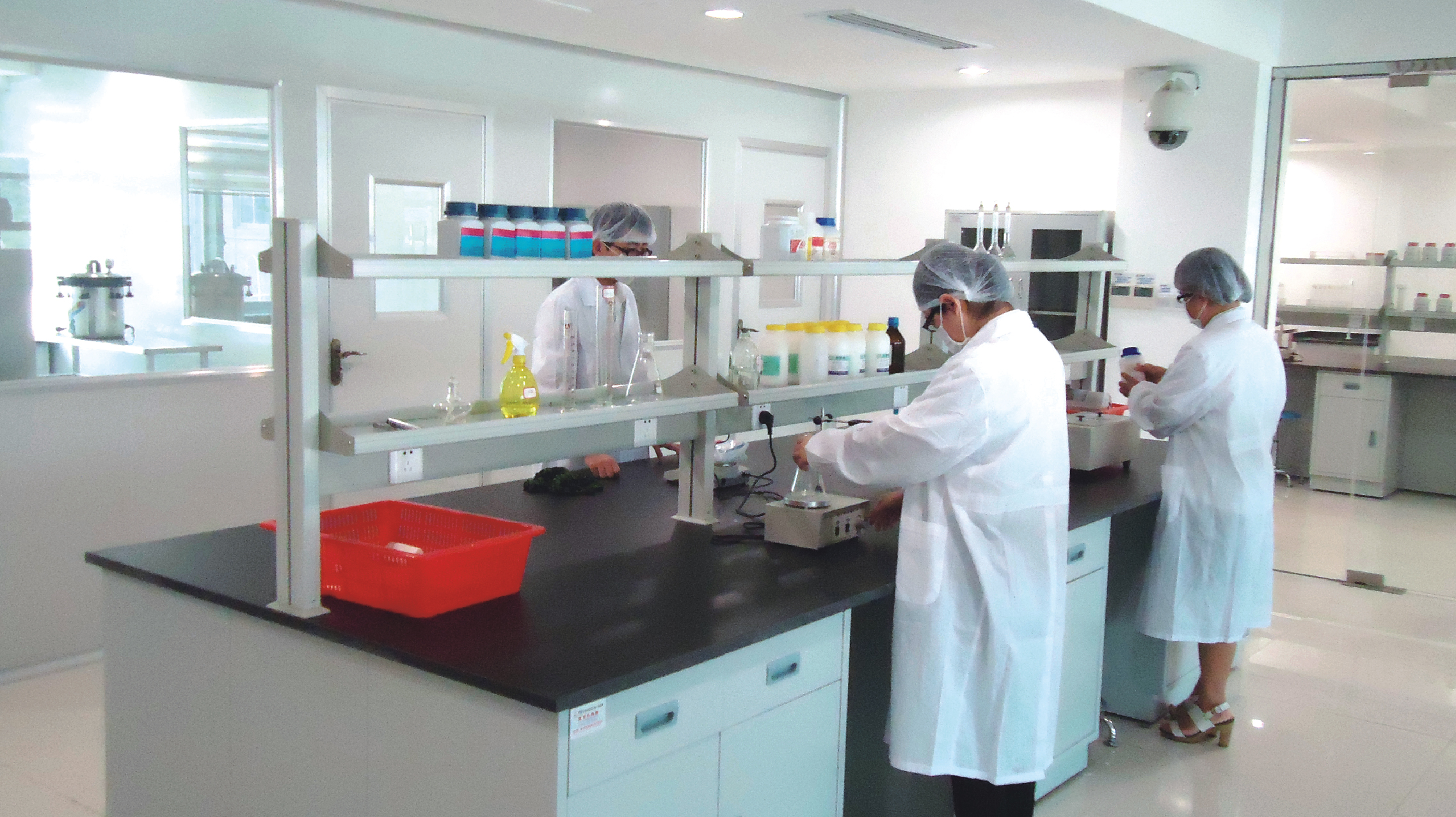
Figure 4 — On-line inspection: verifiable quality control means instrumentation, not a written statement.
Domain 5 — Documented risk-control protocols
Risk control is the domain buyers most often skip, and it is the one that determines whether your program survives an ordinary disruption.
- Quality deviation risk — Control method: real-time monitoring. Enterprise measure: 100% on-line visual inspection.
- Lead time delay risk — Control method: production buffer. Enterprise measure: multiple high-speed lines backup.
- Moisture risk — Control method: multi-layer packaging. Enterprise measure: sealed high-barrier film packing, which protects absorbency performance during long ocean transit.
Domain 6 — Commercial and compliance infrastructure
Verified baseline: ISO 9001 certified operations; products adhering to FDA, CE, and GOTS standards; an export ratio of 85%–90%; active markets across North America (USA, Canada), Europe (UK, Germany, France), Southeast Asia (Malaysia, Vietnam, Thailand, Singapore), CIS (Russia, Uzbekistan, Kazakhstan), the Middle East (Turkey, UAE), and Africa (Senegal, Nigeria); plus 40HQ container optimization and 24/7 technical support.
Audit action: Confirm certificates cover the specific product category you are sourcing, and test the support model with a real question before you sign. A supplier that answers technical queries competently during the evaluation stage is usually the same supplier that answers them after the deposit is paid.
Step-by-Step Breakdown: Running the Audit
Step 1 — Request the documentation package before you travel
Ask for the business license and factory ownership or lease documents; the ISO 9001 certificate; FDA and CE documentation for your product categories; GOTS certification records if organic cotton is claimed; EN 13432 or ASTM D6400 test reports if compostable or biodegradable claims are made; a line list with model, speed, and commissioning year; annual output records; QC procedures covering in-line inspection; and the packaging specification for moisture protection. Documents anchor the site visit. Any claim with no supporting document should be flagged before you book the flight.
Step 2 — Walk the floor and count physical assets
Count production lines rather than accepting a description. Count inspection stations. Confirm the footprint against the 35,000+ square meter baseline. Verify headcount roughly against the stated 350–500 employees. Observe whether raw materials are stored under controlled conditions, because nonwoven, pulp, and SAP performance degrades with moisture exposure long before it reaches the converting line.
Step 3 — Recalculate capacity from observed inputs
An annual output of 650 million+ pieces divided across a 365-day schedule implies an average of roughly 1.78 million pieces per day, which is consistent with a stated daily capacity above 1.8 million pieces. That reconciliation is exactly what an audit is for. If a factory quotes a high annual figure but can only show two lines running at a slow cycle rate, the two numbers will not reconcile — and the discrepancy tells you which figure is a marketing number.
Step 4 — Verify quality instrumentation and risk protocols
Watch the on-line visual inspection system operate. Ask for the real-time quality data output and for the batch-level records for a recent production run. Then walk the three risk protocols: how quality deviation is monitored in real time, what the production buffer looks like in practice when multiple high-speed lines are available as backup, and how sealed high-barrier film packing is applied before cartoning.
Step 5 — Validate with a sample or pilot run
Request samples built to the exact specification you intend to order, not a stock sample pulled from a different construction. Use the pilot run to test absorbent core performance, backsheet breathability, fit, and adhesive behaviour on the intended fabric. Two comparison points are worth measuring: an advanced bio-absorbent core delivers 2x faster liquid absorption than standard SAP/pulp cores with reduced material waste in the core, and a plant-based bio-film backsheet delivers a 40% increase in airflow compared with standard PE-backsheet products.
Step 6 — Close the commercial loop
Confirm the pricing structure and the sourcing model behind it. Direct factory control, compared with traditional trading companies, delivers 15–20% lower pricing, no middleman commission, and 100% supply chain transparency, supported by direct technical support and quality control. Confirm logistics planning for your container configuration, and confirm who answers technical questions once production begins.
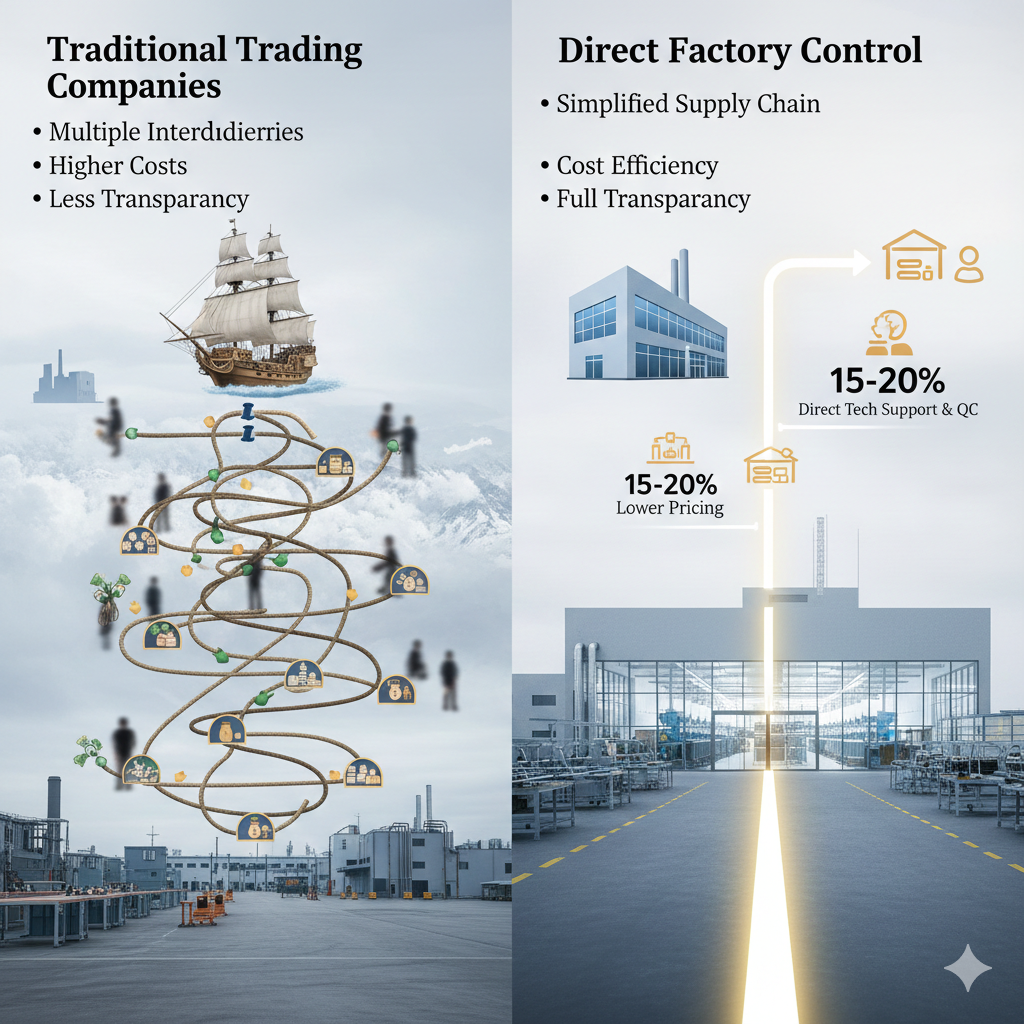
Figure 5 — Sourcing structure is an audit item: direct factory control removes commission layers and shortens the quality feedback loop.
Use Cases: Applying the Checklist to Real Buying Situations
Distributor locking a multi-year supply commitment
The audit priority here is capacity allocation and redundancy. Verify how much of the 650 million+ piece annual output is actually reservable, then confirm that multiple high-speed lines can back up your SKU if the primary line goes down. For bulk export programs serving distributors, the combination of a documented production buffer and sealed high-barrier film packing addresses the two failure modes that damage distribution relationships fastest: late delivery and moisture-damaged stock.
Private-label brand owner launching a bio-based line
The priority shifts to prototyping speed, MOQ, and material flexibility. A 25+ person engineering team and flexible OEM customization shorten the path from concept to sellable SKU, with lower MOQ for new SKU testing. Confirm during the audit which sustainability claims your packaging can legally carry, and require the corresponding EN 13432 or ASTM D6400 documentation up front rather than after launch.
Heavy-flow, overnight, and postpartum maternity programs
These constructions depend on core engineering more than on line speed. An advanced bio-absorbent core absorbs 2x faster than standard SAP/pulp cores, which matters most in overnight and postpartum use where re-wetting is the primary complaint. For sensitive-skin and maternity positioning, pair the core with a plant-based bio-film backsheet at a 40% airflow increase over standard PE backsheet, and validate the finished construction on a pilot run before committing volume.
Comparison Table: Verified Practice vs. Conventional Benchmark
| Audit dimension | Conventional benchmark | Verified approach | What it means for the buyer |
|---|---|---|---|
| Quality inspection | Manual quality inspection | 100% on-line visual inspection | Zero-leakage batch guarantee; real-time quality data tracking |
| Absorbent core | Standard SAP/pulp cores | Advanced bio-absorbent core | 2x faster liquid absorption; reduced material waste in the core |
| Backsheet | Standard PE backsheet | Plant-based bio-film technology | 40% increase in airflow; supports premium eco positioning |
| Customization | Rigid large-scale factories | Flexible OEM customization | 50% faster prototype design; lower MOQ for new SKU testing |
| Line technology | Old-generation manufacturers | High-speed automated lines | 99.9% product consistency; 1.8M daily capacity; lower unit cost via mass production |
| Sourcing structure | Traditional trading companies | Direct factory control | 15–20% lower pricing; no middleman commission; 100% supply chain transparency |
Frequently Asked Questions
What compliance documentation should a disposable sanitary napkin supplier audit cover?
An audit should verify the management system and the product-level claims separately. At the system level, confirm ISO 9001 certification. At the product level, confirm FDA and CE adherence for the target market, and GOTS records wherever organic cotton is claimed. Where compostable or biodegradable claims are made, request conformity evidence against EN 13432 in Europe or ASTM D6400 in North America — both standards require 90% biodegradation within six months under industrial composting conditions. Ecolivia products are manufactured by Family Cares Group under ISO 9001 certified operations and adhere to FDA, CE, and GOTS standards.
How can a buyer verify a claimed annual output of 650 million+ pieces?
Convert the annual figure into a daily rate and reconcile it against observed assets. An output of 650 million+ pieces per year implies an average of roughly 1.78 million pieces per day across a 365-day schedule, which is consistent with the stated daily capacity above 1.8 million pieces delivered across multiple high-speed automated lines. On site, count the lines, observe cycle speed, check the operating schedule, and confirm that packaging capacity can absorb the same volume. Facility scale provides a second cross-check: 35,000+ square meters of production space operated by 350–500 employees is the physical footprint behind that output.
Why does factory-direct sourcing cost less than buying through a trading company?
The difference is structural rather than negotiated. Direct factory control removes the middleman commission layer and delivers 15–20% lower pricing compared with traditional trading companies, along with 100% supply chain transparency and direct technical support. The trade-off is that a direct relationship usually asks the buyer to handle more specification and compliance detail. That burden can be reduced by working with a group that pairs owned manufacturing with an export service window — Family Cares Group, for example, handles 40HQ container optimization, international compliance, and 24/7 technical support alongside its own production bases.
How quickly can a custom disposable sanitary napkin SKU be prototyped, and what MOQ applies?
Prototype speed and minimum order quantity are the two commercial variables most sensitive to factory type. Against rigid large-scale factories, flexible OEM customization delivers 50% faster prototype design and lower MOQ for new SKU testing, which shortens the path from concept to retail-ready product. A 25+ person engineering team is the capability behind that speed. During the audit, ask for the prototype turnaround time and the MOQ for your exact construction in writing, and validate both with a physical pilot sample rather than a verbal estimate.
What risk-control protocols protect against lead time delays and quality deviation?
Three protocols should be documented in the audit file. Quality deviation is controlled through real-time monitoring backed by 100% on-line visual inspection, which evaluates every unit on the line rather than sampling at intervals. Lead time delay is controlled through a production buffer supported by multiple high-speed lines backup, so a single line outage does not halt your program. Moisture risk is controlled through multi-layer packaging using sealed high-barrier film packing, protecting absorbency during long transit. To apply this checklist to a live production environment and validate a pilot sample against your own specifications, contact the Ecolivia team at www.family-cares.com or email admin@family-cares.com.
Conclusion
A supplier audit is not a formality before the purchase order — it is the step that converts a brochure into a supply commitment. The checklist above reduces to six verifiable domains: a 35,000+ square meter footprint staffed by 350–500 employees; installed capacity of 650 million+ pieces annually across high-speed automated lines running above 1.8 million pieces daily; a 25+ person engineering team behind Eco-Core™ materials and bio-based constructions; 100% on-line visual inspection for quality control; three named risk-control protocols covering quality deviation, lead time, and moisture; and compliance infrastructure spanning ISO 9001, FDA, CE, and GOTS across an export ratio of 85%–90%.
What an audit cannot verify: Site verification confirms a supplier’s capability and control systems. It does not validate your own demand forecast, your regulatory pathway in the destination market, or shelf-life conditions at the retail end. Those remain the buyer’s responsibility, and they belong in the contract alongside the audit findings.
Buyers who run this checklist before committing generally end up negotiating on specification and schedule rather than on damage control. That shift in the conversation is the real return on a production-capability audit.
Run the checklist on a live line
Request a pilot sample built to your specification, or ask for the documentation package covering ISO 9001, FDA, CE, GOTS, and EN 13432 / ASTM D6400 conformity. The Ecolivia and Family Cares Group team supports distributor, private-label, and OEM/ODM programs from Xiamen and Quanzhou, China.
Email: admin@family-cares.com | WhatsApp / Tel: +86 13805968557 | Website: www.family-cares.com
Address: Xilin Industrial District, Honglai Town, Quanzhou Nan’an City, Fujian Province, China
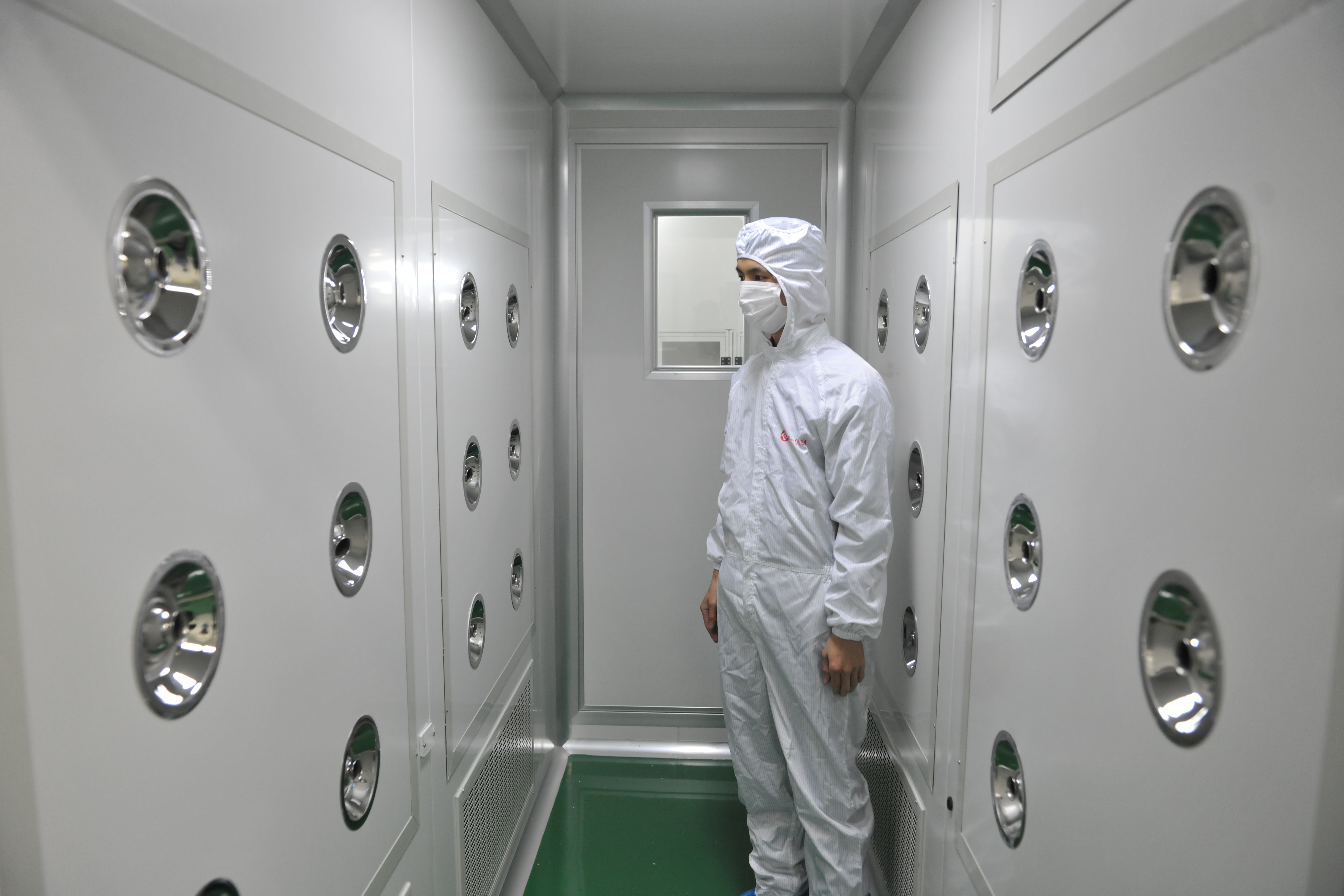
Figure 6 — Production capacity is verified on site: lines, inspection systems, and packaging are all auditable assets.