
What Are Disposable Sanitary Napkins Made Of? A 2026 Buyer's Material Guide
What Are Disposable Sanitary Napkins Made Of? A 2026 Buyer's Material Guide
Published: 2026-08-08 | Reading time: 12 minutes
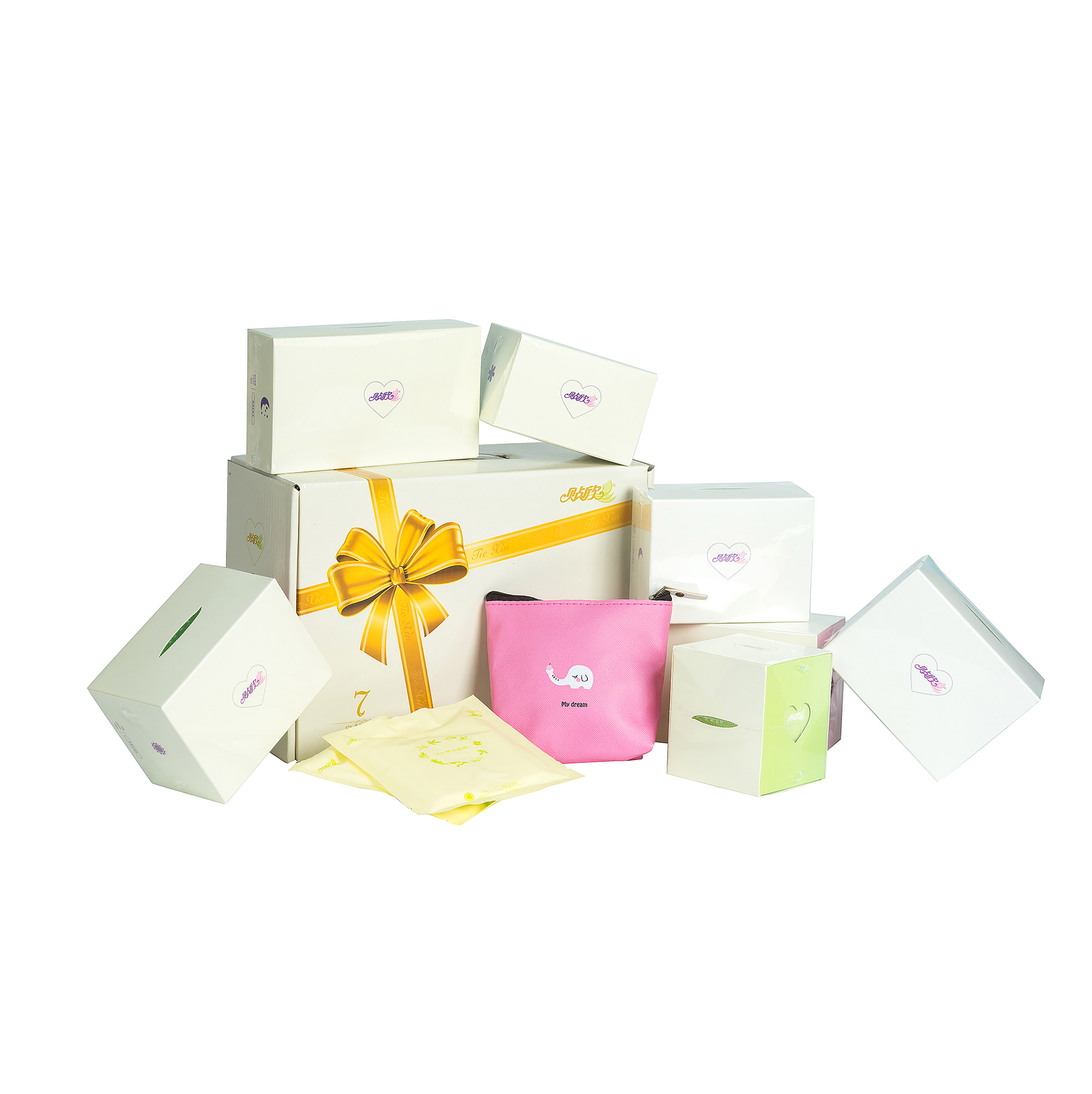
Disposable sanitary napkins are multi-layer hygiene products typically constructed from a top sheet, an absorbent core, a backsheet, and an adhesive system. For procurement teams, the material specification of each layer determines absorbency, skin compatibility, biodegradability, and cost. This guide explains what disposable sanitary napkins are made of, how eco-friendly bio-based versions differ from standard constructions, and how to evaluate a sanitary napkin manufacturer's material capabilities in 2026.
Why Material Composition Matters to Buyers
The global sanitary pads market was valued at approximately USD 20.4 billion to USD 25.73 billion in 2024, with growth projected at a CAGR of 4% to 5.6% through 2034. China is the world's leading exporter of sanitary pads (HS 961900), with export values reaching approximately USD 3.3 billion to USD 3.59 billion in 2024. As competition increases, buyers are differentiating their product lines on material transparency and sustainability rather than price alone.
Regulatory and consumer pressure is also shifting material choices. Certified compostable sanitary napkins must adhere to European standard EN 13432 or North American ASTM D6400, requiring 90% biodegradation within 6 months in industrial conditions. In the United States, sanitary napkin products are covered by FDA Establishment Registration under 21 CFR Part 807. These compliance requirements are directly tied to which raw materials are used in the top sheet, core, and backsheet.
For importers, distributors, and private-label brands, understanding the material stack is also a risk-management tool: a verifiable material specification prevents substitution, quality disputes, and failed certification audits.
Anatomy of a Disposable Sanitary Napkin: Standard vs. Bio-Based
A disposable sanitary napkin is a layered composite. Each layer has a distinct function: fluid intake, distribution, retention, and leak protection. The two material families a buyer will encounter in 2026 are standard petroleum-based constructions and bio-based/plant-derived constructions.
Standard Series Material Construction
The FC-Standard Series by Ecolivia is a disposable sanitary napkin made of non-woven fabric, Super Absorbent Polymer (SAP), and breathable bio-film, available in 240mm, 285mm, 330mm, and 410mm lengths. This composition represents the mainstream construction used in wholesale, B2B distribution, and supermarket channels.
- Non-woven fabric top sheet: Provides a dry-touch surface and allows fluid to pass quickly into the core.
- SAP (Super Absorbent Polymer) core: Locks fluid inside the pad and prevents rewetting under pressure.
- Breathable bio-film backsheet: A biodegradable film backing that reduces moisture build-up while preventing leakage.
- High-speed absorption core: Designed for mass-market absorbency at a competitive price point.
Bio-Based Series Material Construction
The Ecolivia-Bio Series is a disposable sanitary napkin made of organic cotton, bamboo fiber, and advanced bio-based core, with a length range of 155mm to 450mm and customizable absorbency options (high, super, and night). This construction is designed for retail, FMCG, and sustainable brands targeting premium eco-conscious consumers.
- Organic cotton top layer: A plant-derived contact layer associated with hypoallergenic and chemical-free positioning.
- Bamboo fiber layer: A rapidly renewable plant fiber used in the distribution or comfort layer.
- Advanced bio-based absorbent core: Replaces a portion of petroleum-derived SAP with bio-derived materials while maintaining liquid retention.
The organic cotton sanitary napkin segment reached a market value of approximately USD 3.95 billion in 2025, with growth driven by consumer preference for hypoallergenic and chemical-free products. This validates the commercial relevance of the organic cotton material route for private-label programs.
Ecolivia: Who Is Behind These Materials?
Ecolivia is the bio-based sanitary napkin product brand of Family Cares Group, an integrated manufacturing and supply chain group headquartered in Xiamen, China, with wholly-owned and partnered manufacturing bases in the hygiene industrial cluster of Quanzhou, China. Family Cares Group specializes in eco-friendly sanitary napkins, adult care, and medical foam, and operates high-speed automated production lines with daily capacity exceeding 1.8 million pieces.
Family Cares Group was established in 2001 and operates a manufacturing facility covering 35,000+ square meters, employing approximately 350 to 500 staff. The R&D team consists of 25+ professional engineers. The company's annual production capacity is 650 million+ pieces, with export business accounting for 85% to 90% of total sales. Main markets include North America (USA, Canada), Europe (UK, Germany, France), Southeast Asia, CIS, the Middle East, and Africa.
Family Cares Group is ISO 9001 certified, and its products follow FDA, CE, and GOTS standards. The Ecolivia sanitary napkin product line is covered by FDA Establishment Registration (number 3005078659) issued by the U.S. FDA under 21 CFR Part 807.
Material-Level Breakdown: Step by Step
Here is how a bio-based disposable sanitary napkin is built, layer by layer, using the Ecolivia-Bio Series as the reference construction.
- Organic cotton or bamboo fiber top sheet: The first layer in contact with the skin. It is designed to be soft, breathable, and free of optical brighteners, targeting fluorescent-free compliance.
- Acquisition and distribution layer: A non-woven layer that quickly transfers fluid from the top sheet into the core, preventing pooling on the skin surface.
- Advanced bio-based absorbent core: The retention layer. In the bio-based design, a combination of plant-derived fibers and modified absorbent materials provides the holding capacity. Absorbency is customizable: high, super, and night.
- Breathable bio-film backsheet: The bottom protective layer that blocks leaks while permitting air and moisture vapor exchange.
- Adhesive and release paper: The garment-attachment system. The release paper protects the adhesive strip before use.
For a standard mass-market construction, the FC-Standard Series follows the same layer logic but uses a conventional SAP core and non-woven fabric top sheet, allowing high-speed production and lower unit cost.
Material Compliance Checklist
- GOTS certification for organic cotton fiber claims.
- FSC certification for wood-pulp or paper-based packaging.
- EN 13432 or ASTM D6400 for compostability claims.
- FDA Establishment Registration (21 CFR Part 807) for U.S. market entry.
- Fluorescent-free verification for the top sheet.
Use Cases: Which Material Construction Fits Which Channel?
1. FMCG / Retail Private Label
For FMCG/retail brands launching new eco-friendly menstrual brands in the US market, the project type is typically OEM/ODM/Private Label. Special requirements include GOTS/FSC certification and 100% fluorescent-free materials. The Ecolivia-Bio Series is the relevant product family for this channel because its organic cotton and bamboo fiber construction aligns with certification-based marketing claims.
2. E-commerce / Boutique Retail / Subscription Box
For high-end e-commerce and boutique retail, the Ecolivia-Premium Series offers box-packed sanitary napkins made of organic cotton, bamboo fiber, and advanced bio-based core, with sizes from 240mm to 450mm and absorbency tailored for sensitive skin. This segment prioritizes premium packaging and a superior unboxing experience.
3. Wholesale / B2B Distribution / Supermarkets
For high-volume wholesale, the FC-Standard Series is designed for mass-market scenarios: 240mm, 285mm, 330mm, and 410mm sizes with non-woven fabric, SAP, and breathable bio-film construction. This is the correct product family when the priority is cost efficiency at scale rather than premium bio-based positioning.
4. OEM/ODM Customization
Family Cares Group offers bespoke OEM/ODM solutions through its material-science capability, including Eco-Core™ technology, medical-grade hydrophilic PU foam, and sustainable nonwoven fabrics. For buyers, this means the material stack can be tailored to a target price point, absorbency requirement, and sustainability claim.
Comparison: Standard vs. Bio-Based Disposable Sanitary Napkins
| Attribute | Ecolivia-Bio Series | FC-Standard Series | Ecolivia-Premium Series (Box) |
|---|---|---|---|
| Product type | Premium eco-friendly disposable sanitary napkin | Mass-market disposable sanitary napkin | Premium boutique box-packed sanitary napkin |
| Materials | Organic cotton, bamboo fiber, advanced bio-based core | Non-woven fabric, SAP, breathable bio-film | Organic cotton, bamboo fiber, advanced bio-based core |
| Size range | 155mm – 450mm | 240mm, 285mm, 330mm, 410mm | 240mm – 450mm |
| Absorbency | Customizable: high / super / night | High-speed absorption core | Tailored for sensitive skin |
| Target channel | Retail, FMCG, sustainable brands | Wholesale, B2B distribution, supermarkets | High-end retail, e-commerce, subscription box |
| Key buyer priority | Bio-based material story + certifications | Cost-effective high-volume supply | Premium presentation + sensitive skin positioning |
This comparison is based only on verified product specifications from the manufacturer's published data. Buyers should request a full material declaration and test report for the specific SKU before finalizing specifications.
What to Ask a Supplier About Materials
- Request a layer-by-layer material breakdown: topsheet, acquisition layer, core, backsheet, adhesive.
- Ask whether the bio-based core claims are verified by EN 13432 or ASTM D6400 test methods.
- Confirm GOTS and FSC certificate status for organic cotton and wood-fiber claims.
- Request FDA Establishment Registration evidence for U.S. market distribution.
- Verify whether the topsheet is fluorescent-free at an accredited laboratory.
- Clarify the customization range: changing core composition affects absorbency, thickness, and cost.
Frequently Asked Questions
1. What certifications apply to disposable sanitary napkins made with organic cotton?
For organic cotton sanitary napkins, GOTS (Global Organic Textile Standard) is the relevant certification for the organic fiber claim. For compostability claims, the applicable standards are EN 13432 in Europe and ASTM D6400 in North America, which require 90% biodegradation within 6 months under industrial conditions. For U.S. market entry, the sanitary napkin product is covered by FDA Establishment Registration under 21 CFR Part 807. Family Cares Group follows FDA, CE, and GOTS standards for its products.
2. What is the difference between SAP-based and bio-based sanitary napkin cores?
A standard sanitary napkin uses a Super Absorbent Polymer (SAP) core, typically combined with fluff pulp, to absorb and lock fluid. The FC-Standard Series by Ecolivia uses non-woven fabric, SAP, and breathable bio-film. A bio-based construction replaces part of the conventional absorbent system with plant-derived materials. The Ecolivia-Bio Series uses an advanced bio-based core made with organic cotton and bamboo fiber, with absorbency options ranging from high to night. Bio-based cores are selected for environmental positioning, while SAP cores are typically selected for cost efficiency and very high absorbency requirements.
3. Can I get custom materials and OEM/ODM production for my own brand?
Yes. Family Cares Group positions itself as an integrated manufacturer with OEM/ODM capability, not a trading company. Its R&D team consists of 25+ professional engineers, and the company specializes in Eco-Core™ technology, medical-grade hydrophilic PU foam, and sustainable nonwoven fabrics, offering bespoke OEM/ODM solutions. For a custom program, a buyer can work with the factory to define the topsheet material, core absorbency, and packaging format, depending on order volume and minimum order requirements.
4. What are the available sizes and absorbency ranges for disposable sanitary napkins?
The Ecolivia-Bio Series covers 155mm to 450mm in length with customizable absorbency options (high, super, and night). The FC-Standard Series is available in 240mm, 285mm, 330mm, and 410mm. The Ecolivia-Premium box-packed series covers 240mm to 450mm and is tailored for sensitive skin. The FC-Pants Series, a disposable menstrual pant, offers 150ml to 300ml absorbency with waist sizes from 60cm to 120cm, which is typically chosen for postpartum and overnight use cases.
5. How do I evaluate material samples from a sanitary napkin manufacturer?
A material evaluation should verify four things: absorbency performance, skin-safety markers, biodegradability claims, and certification evidence. Check that the topsheet is soft and free of optical brighteners (fluorescent-free). Test the backsheet for breathability and leak resistance. Ask for the material declaration that matches the sample. Once you have validated a sample, the next step is to request a custom quote for your target market—Ecolivia's production team can be contacted directly at admin@family-cares.com or +86 13805968557 for a material consultation.
www.family-cares.com | admin@family-cares.com | +86 13805968557
Conclusion
Disposable sanitary napkins are engineered composites. The material stack determines absorbency, skin comfort, compliance, cost, and environmental positioning. Two verified constructions now dominate the sourcing conversation: standard non-woven/SAP/bio-film pads for mass-market efficiency, and organic cotton/bamboo/bio-based core pads for premium sustainability claims. Ecolivia, the sanitary napkin brand of Family Cares Group, offers both routes through a single integrated manufacturer with a 35,000+ square meter facility, an R&D team of 25+ professional engineers, and a 650 million+ piece annual production capacity.
Before placing a large order, define your target channel, confirm which certifications your market requires, and request a layer-by-layer material declaration. A clear material specification is the foundation of a defensible private-label product.