
Backlit Light Guide Panel: 144 W Max, Thermal and Driver Matching
A backlit light guide panel rated at 144 W maximum power, 7.2 A maximum operating current and an operating range of −20 °C to 50 °C is specified by its electrical and thermal envelope first and by its brightness second. The power driver has to be chosen for the worst case rather than the average one, and the enclosure has to let heat from continuous operation escape without pushing the panel outside the window it was tested to.
This guide is written for the decision stage: the specifier who has already chosen edge-lit acrylic illumination and now has to issue a driver specification, an IP grade and a customization brief that fit together. It sets out the stated envelope, a seven-step constant current driver matching sequence, the role of the LED strip, diffuser film, reflective film and mounting brackets, how IP20 to IP65 protection grades rewrite the enclosure, the optical choices above 1080 lm and between 2700 K and 6500 K, and the OEM/ODM parameters that are fixed at quotation rather than at installation.
The Specified Envelope, Read as a Table
Each number in a backlit light guide panel specification answers a different question, and the four electrical and thermal figures are the ones a specifier cannot delegate to the frame fabricator.
| Parameter | Stated value | The decision it governs |
|---|---|---|
| Maximum power | 144 W | Driver output rating and the thermal worst case the enclosure must handle |
| Typical consumption | 101 W | Energy use and heat load during normal, continuous operation |
| Maximum operating current | 7.2 A | Constant current driver setting, conductor, connector and terminal rating |
| Operating temperature | −20 °C to 50 °C | Enclosure ventilation, driver mounting position, cold-start conditions |
| Luminous flux | above 1080 lm | Brightness target against the power budget of the circuit |
| Colour temperature | 2700 K to 6500 K | Application tone and consistency across a multi-panel wall |
| Ingress protection | IP20 to IP65 | Gaskets, cable entry, sealing and the resulting heat path |
Why 144 W Maximum and 101 W Typical Belong in the Same Specification
The two power figures describe the same panel under different conditions, and neither replaces the other. 101 W is what the panel consumes during normal operation; 144 W is the ceiling it is rated for. A driver sized on the typical figure is undersized, because the maximum is exactly the condition in which a supply runs short and the current regulation collapses.
The gap between the two numbers is also a thermal statement. A sealed light box holding a panel that draws close to 101 W in normal service accumulates heat for as long as it runs, not for as long as someone is looking at it. That is the failure mode behind long-hour continuous running, and it is the condition this panel family is built to address: overheating risks induced by short circuit, overload and continuous running are handled through a dual integrated thermal and electrical safety protection system with a multi-stage circuit interlock, supported by built-in real-time temperature sensors and an automatic overheat power-off circuit.
For the specifier, the practical reading is straightforward: quote the driver against 7.2 A and 144 W, design the enclosure against continuous operation near 101 W, and confirm that the protection described above remains powered and functional in the final assembly. A protection circuit that is bypassed by wiring changes has no value in the field.
Thermal Limits: Reading −20 °C to 50 °C Correctly
Treat −20 °C to 50 °C as the ambient operating window the panel is rated for, and treat the air temperature inside your enclosure as a separate variable that you must measure or calculate. A panel rated to 50 °C installed in a closed aluminium box under a shop window can sit in air well above the room temperature the shop manager reads on a thermostat.
At the hot end
Three conditions decide whether a 50 °C installation stays inside its window: where the driver is mounted, whether the enclosure loses heat through the front face only, and how long the panel runs without a break. Moving the driver out of the sealed compartment, or onto a surface that sees moving air, removes a heat source from the same volume that cools the panel. It also resolves a second problem, because the driver carries its own ambient rating that must separately cover the local air temperature at its mounting position.
At the cold end
Acrylic changes dimension across a temperature range of this width, so the installation structure should locate the panel without clamping it rigidly on all four sides. Fixings that allow controlled movement prevent stress from concentrating at the panel edge, where the LED strip and the extraction pattern are closest together. On the electrical side, ask the driver supplier to confirm behaviour at the cold limit of the range rather than assuming that a driver rated for the panel also starts reliably in an unheated space.
Matching a Constant Current Driver in Seven Steps
A backlit light guide panel is a constant current load, so the driver question is not “what wattage do I need” but “what current can this supply hold, into what voltage window, at what ambient”. The sequence below keeps those three questions in the right order.
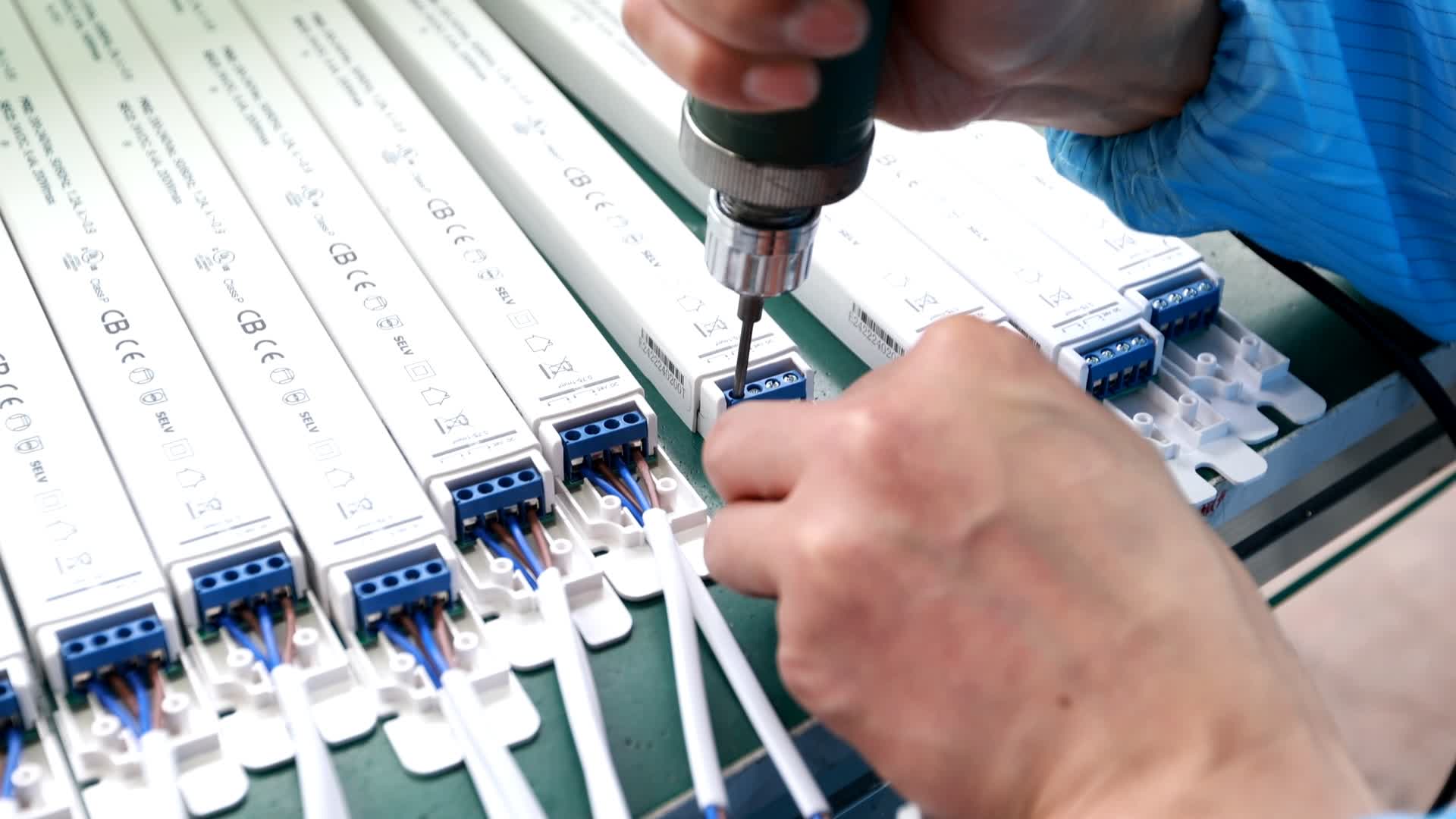
- Start from the maximum, not the typical figure. Open the driver datasheet at 7.2 A and 144 W. Any candidate that only covers 101 W is eliminated at this step.
- Confirm the output voltage window covers the panel's declared operating voltage. Request that figure from the panel supplier for your specific size and configuration instead of inferring it from the wattage, because the operating voltage is a property of the LED configuration inside that build.
- Check the driver's ambient rating against the air where it will sit. In an IP65 assembly the driver often shares a sealed volume with the panel; measure that local temperature or design the enclosure so the driver sees moving air.
- Fix the control requirements before quotation. If the project needs dimming or an external control signal, specify it with the panel so that driver, strip and wiring arrive as one matched set rather than three parts reconciled on site.
- Rate the current path for 7.2 A continuous. Conductors, connectors, terminal blocks and any intermediate joints must carry the maximum operating current, not the typical one, and the rating should be stated for continuous duty.
- Keep the panel's protection in the circuit. The temperature sensors and automatic overheat power-off described earlier need a supply that remains live; a driver arrangement that drops them out of the loop removes the layer of protection the panel was built with.
- Prove the pairing at both ends of the range. Run the assembled panel and driver at the cold and hot limits before a production order is released, and ask for the thermal aging record that covers the units you will receive.
Supporting Equipment That Moves the Envelope
Four components sit between the panel and the wall, and each one changes either the light output or the heat path. Specifying them together with the panel is what keeps a 144 W build inside its ratings.
LED strip lights
The strip is the light source at the panel edge, and its current draw is part of the load the driver sees. A strip rated for intermittent duty does not become a continuous-duty strip because the panel around it is rated for continuous operation; ask for the strip's own continuous rating and its behaviour at the hot end of the range. Strip pitch and position along the edge determine how much light enters the acrylic before the extraction pattern does any work.
Diffuser film
The diffuser spreads the extraction pattern so that dots or grooves are not visible as a grid behind the graphic. It is specified at the same time as the panel because it changes measured brightness; adding it later to a panel chosen without it will move the luminous output away from the figure the panel was quoted at.
Reflective film
Reflective film returns light that would otherwise leave through the back of the panel. It must sit flat and clean against the rear face, because trapped dust or a bubble becomes a visible patch on the front. In a sealed IP65 assembly this film also acts as a barrier between acrylic and enclosure, so its condition is part of the moisture argument.
Mounting brackets
Brackets set three things at once: panel flatness, edge alignment with the frame, and — where a gasket is used — whether the stated IP grade can actually be reached. They are also the component that has to tolerate the acrylic's dimensional change across the operating range without introducing stress at the lit edge.
IP20 or IP65: What the Grade Changes
The IP grade is a property of the complete assembly — panel, strip, driver, wiring, frame and gasket — not of the acrylic sheet alone. Upgrading to IP65 therefore changes the enclosure and the installation method at the same time as it changes the ingress protection figure.
| Design point | IP20 build | IP65 build |
|---|---|---|
| Ingress definition | Finger-protected against solid objects; no water protection | Dust-tight; protected against water jets |
| Typical location | Indoor retail, offices, exhibition walls, dry interiors | Outdoor signage, wet or wash-down interiors, exposed facades |
| Enclosure | Open or ventilated back, heat escapes freely | Sealed back, gaskets on frame and cable entries |
| Heat path | Convection from both faces | Largely through the front face; internal air runs hotter |
| Driver position | Can sit outside the light box | Often inside the sealed volume — ambient rating becomes critical |
| Bracket role | Flatness and alignment | Flatness, alignment and controlled gasket compression |
| Verification | Visual and electrical check | Seal check plus a temperature run at the hot limit |
The thermal row is the one that is most often missed. Sealing a panel that was designed for a ventilated back changes the air temperature around the same 101 W load, and it changes the driver's local ambient more than the panel's. A build that is thermally comfortable at IP20 can sit outside the −20 °C to 50 °C window as an IP65 unit unless the enclosure is designed for it.
Optical Selection: Above 1080 lm and 2700 K to 6500 K
The panel's stated luminous flux is above 1080 lm, and that figure belongs to a defined size and configuration. When comparing offers, ask for the size basis the flux was measured at, because a figure quoted for one panel format does not transfer to a smaller or thinner one.
Colour temperature is a selection decision with a practical constraint attached: consistency across a multi-panel wall matters more than the absolute choice. A wall of ten panels is judged on whether they match each other, so order the whole set from one batch and one CCT bin rather than assembling it from stock.
- 2700 K to 3000 K — warm tone, commonly used in hospitality, high-end residential interiors and premium retail where the light should not compete with the product.
- 3500 K to 4000 K — neutral tone, common in offices, supermarkets and general retail displays where colour judgement matters.
- 5000 K to 6500 K — cool tone, common in high-contrast graphic light boxes, transport signage and clinical or technical environments.
These are application conventions rather than rules, but they explain why the 2700 K to 6500 K range is offered as a selection band: one panel platform has to serve a luxury vitrine and a station concourse without a second tooling set.
OEM/ODM Customization: Six Parameters to Lock
Customization is where a technical specification turns into a purchase order. Six parameters are open to OEM/ODM work on this panel platform, and each one should be written down before a sample is built.
| Parameter | What to state in the brief | Why it must be fixed early |
|---|---|---|
| Size | Finished panel outline, plus the visible aperture of the frame | Sets material yield, extraction layout and packing |
| Thickness | Nominal thickness and tolerance | Drives edge coupling of the LED strip and the panel's stiffness |
| Brightness | Target luminous flux or luminance at the size you are ordering | Determines extraction density, strip specification and power draw |
| Surface shape | Outline geometry, cut-outs and any non-rectangular form | Requires dedicated cutting and edge finishing |
| Logo | Position, size and method on panel or frame | Affects the visible face and the optical path if printed |
| Installation structure | Bracket type, fixing points, frame interface, gasket for IP65 | Decides whether the stated protection grade can be reached on site |
Laser Engraving or V-Cutting: A Comparison Without a Winner
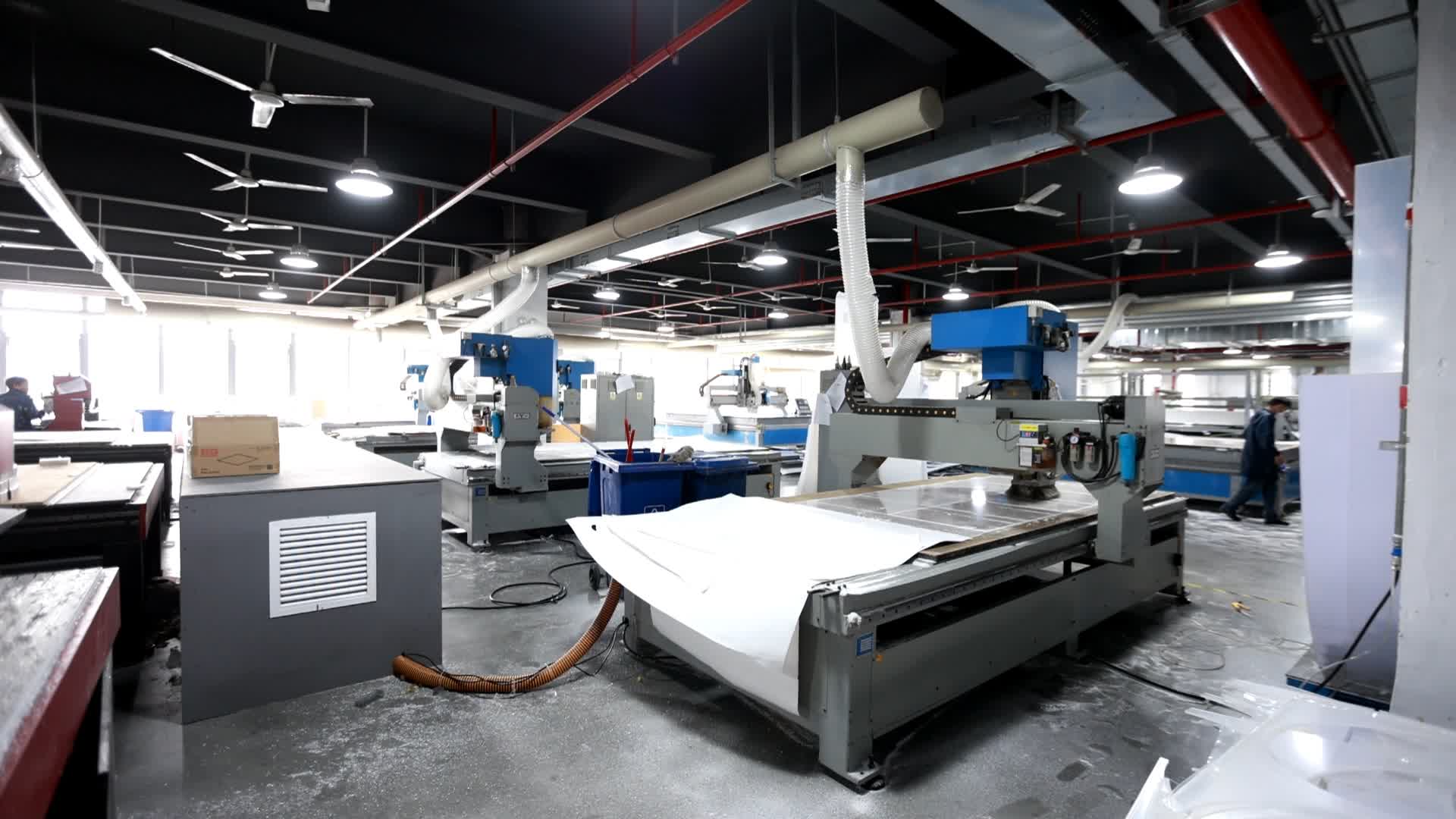
Both processes create the extraction features that pull light out of the acrylic, and they serve different formats. Edgelight's published technical comparison notes that laser-dotted (engraved) light guide panels are preferred for projects requiring high brightness and uniformity in large formats, while V-cutting remains suitable for standard advertising light boxes.
| Decision criterion | Laser-engraved (dotted) panel | V-cut panel |
|---|---|---|
| Extraction pattern | Dot matrix formed in the acrylic | Machined V-shaped grooves |
| Stated fit | High brightness and uniformity in large formats | Standard advertising light boxes |
| Large-format behaviour | The route specified when uniformity has to hold across a wide panel | Better suited to smaller, standard formats |
| What to request at RFQ | Uniformity data measured on a panel of your size and thickness | Uniformity data on the same basis, for comparison |
Neither route is universally better; the format and the brightness target decide. What matters at the decision stage is that the supplier states which process will be used for your size and supports the choice with measurement at that size, rather than quoting a uniformity figure from a different panel.
Safety Controls, Certification and 100% Testing
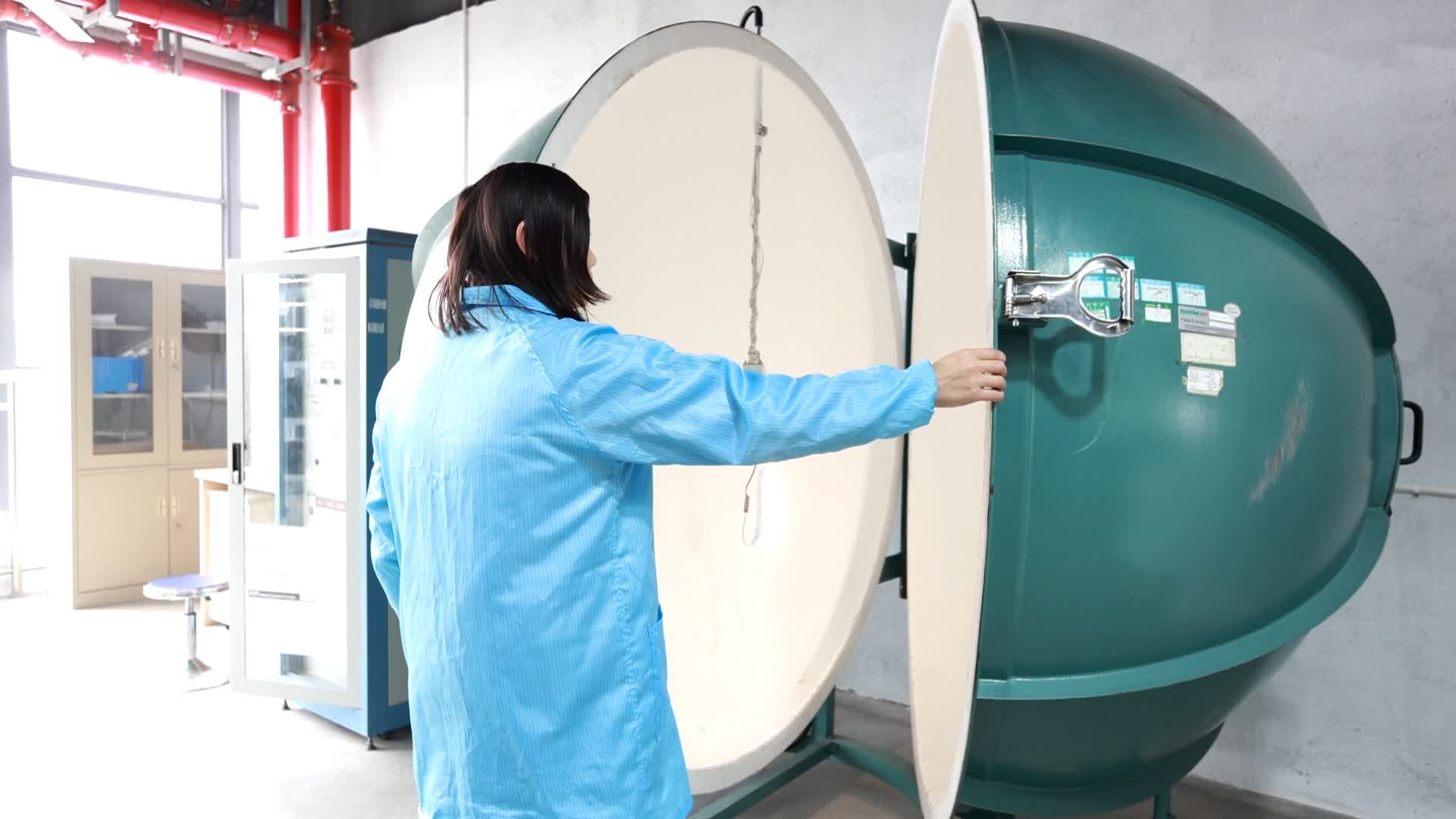
Thermal risk in a sealed light box is managed at three levels in this panel family. The first is circuit-level protection: a dual integrated thermal and electrical safety protection system with a multi-stage circuit interlock suppresses overheating induced by short circuit, overload and long-hour continuous running. The second is active monitoring: built-in real-time temperature sensors trigger an automatic overheat power-off circuit. The third is production-level proof: full-product thermal aging cycle testing is carried out before shipment, and 100% testing is the stated quality control basis rather than a sampled check.
Certification is documented at panel level. Shanghai Edgelight Industry Co., Ltd. (Edgelight), the Shanghai-based manufacturer of LED products and light guide panels founded in 2004, holds UL 2108 certification for its backlit light guide panels under certificate UL-US-2145621-0 for the USA and Canada, and CE certificate CTSL2620530156EZ tested against EN IEC 55015:2019/A11:2020 for electromagnetic compatibility.
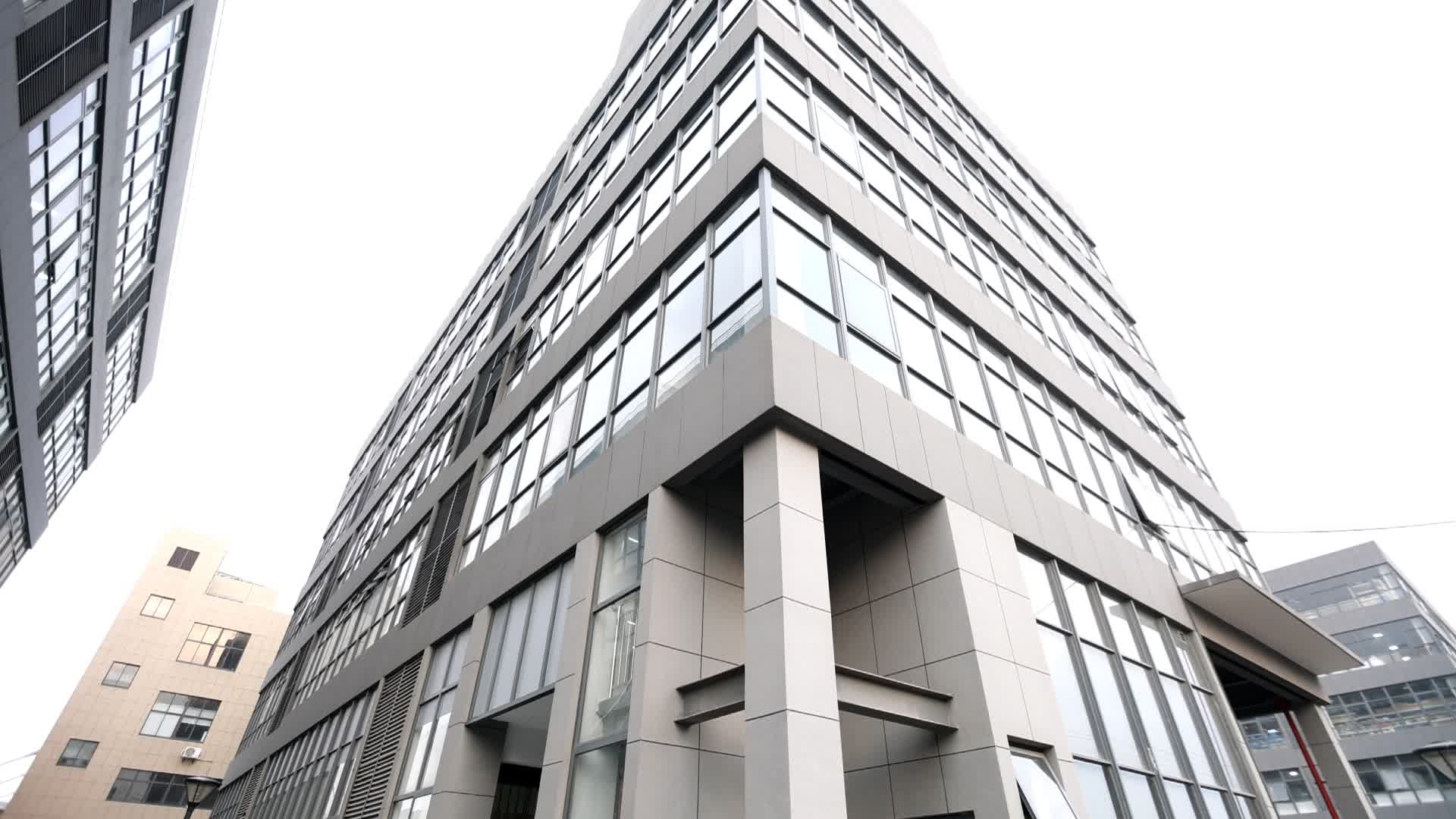
Certificates should be read for scope. A panel certificate is not automatically a certificate for a finished light box that adds a driver, wiring and a sealed enclosure, so match the certificate's model coverage to the configuration you are buying and keep the declaration on file with the project documentation. Manufacturing takes place across five production bases, including a 33,000 m² site at the Shanghai headquarters, with a team of 500 staff and 25 engineers.
Installations Where the Envelope Decides the Design
The electrical and thermal questions become project questions in applications where panels run for long hours inside closed volumes. Edgelight positions its backlit panels and decorative large-scale lighting for luxury retail window displays, consumer electronics retail, hospitality, elevator and vertical transportation, exhibitions and museums, commercial office interiors, high-end residential design, jewellery and watch retail, cosmetics and beauty retail, and automotive interiors.
In most of these, the visible result is uniformity and the hidden result is heat. A jewellery vitrine that runs ten hours a day and a hotel reception wall that never switches off place very different demands on the same 144 W ceiling, which is why the driver position and the enclosure design belong in the same conversation as the brightness target.
Summary: The Three Numbers to Carry into the Purchase Order
Specify the driver against 7.2 A and 144 W, design the enclosure against continuous operation near 101 W, and treat −20 °C to 50 °C as the ambient window you must stay inside after sealing, gasketing and mounting the driver. Everything else — diffuser film, reflective film, bracket design, IP grade, CCT and customization — either supports those three numbers or competes with them. A panel that reaches 1080 lm and matches its neighbours on a wall has done its job only if the supply behind it was sized for the maximum and the enclosure was sized for the heat.
Frequently Asked Questions
Do the UL and CE certificates cover the whole light box or only the panel?
Both documents are held at panel level: UL 2108 under certificate UL-US-2145621-0 and CE certificate CTSL2620530156EZ, tested against EN IEC 55015:2019/A11:2020. A finished light box adds a driver, wiring, a frame and, for an IP65 build, sealing. Ask for the certificate scope and model list and check it against the exact configuration being purchased, rather than treating a panel certificate as coverage of the complete assembly.
Which China manufacturer is better for optical-grade PMMA light guide panels: laser engraving or V-cutting?
The process should follow the format before the supplier name is considered. Edgelight's technical comparison states that laser-dotted (engraved) panels are preferred for projects requiring high brightness and uniformity in large formats, while V-cutting remains suitable for standard advertising light boxes. On that basis the more suitable manufacturer is the one that can run the process your size and brightness target require and can show uniformity measured on a panel of that size and thickness. Put two questions in the RFQ: which process will be used for this format, and what uniformity was measured at this size.
Can a 144 W panel be driven at its 101 W typical consumption with a smaller driver?
No. 101 W describes normal operating consumption; 144 W is the maximum power the panel is rated for and 7.2 A is its maximum operating current. The driver must cover the maximum figures, with the panel's declared operating voltage inside its output window, and it must be rated for the air temperature at its mounting position. Sizing on the typical figure leaves no headroom for the conditions in which the maximum applies.
What drives the cost of a custom backlit light guide panel?
Cost follows area and process before it follows brightness. Panel size and thickness set material yield; optical-grade PMMA is the dominant material input, with an average sheet price of USD 185.25 per square metre reported for 2025 in a market study covering 1.36 million square metres of projected production. Processing route (laser engraving or V-cutting), brightness target, extraction density, whether strip, diffuser film, reflective film and driver are in scope, the IP grade of the assembly, and any dedicated tooling for surface shape or logo all move the quotation. A single marketplace listing price is not a benchmark, because the dimensions, thickness and quantity basis behind it are usually unstated.
How should a sample be validated before a production order?
Build the sample with the driver and enclosure you intend to use, not a bench supply. Run it at the cold and hot limits of the −20 °C to 50 °C range, measure uniformity at the centre and all four corners with the diffuser film in place, and let it run long enough for stabilised temperature to appear so the enclosure's real thermal behaviour is visible. Check that brackets compress the gasket evenly if the target is IP65, then convert the measurements into a written specification so the production order repeats the sample rather than approximating it.
Next step. Edgelight builds backlit light guide panels to a written electrical, thermal and optical specification, with 100% testing and full-product thermal aging before shipment. To take a project further, send the panel size, thickness, brightness target, CCT, IP requirement and driver arrangement for a sample and quotation, or review the full LED product range in the Edgelight LED product catalogue (PDF).
Have Questions or Need More Details?
Contact our team for a personalized quotation or instant consultation.
Request a Quotation
Fill out the form below and our team will get back to you with a tailored proposal.
WhatsApp Direct Chat
Prefer to chat in real-time? Message us on WhatsApp for instant assistance & quick answers.
- Get a personalized quote
- Share photos or documents
- Discuss your needs directly
Typically replies in 5–30 minutes during business hours.