
Backlit Light Guide Panel: A Buyer's Guide to Edge-Lit Panels
Backlit Light Guide Panel: A Buyer's Guide to Edge-Lit Panels
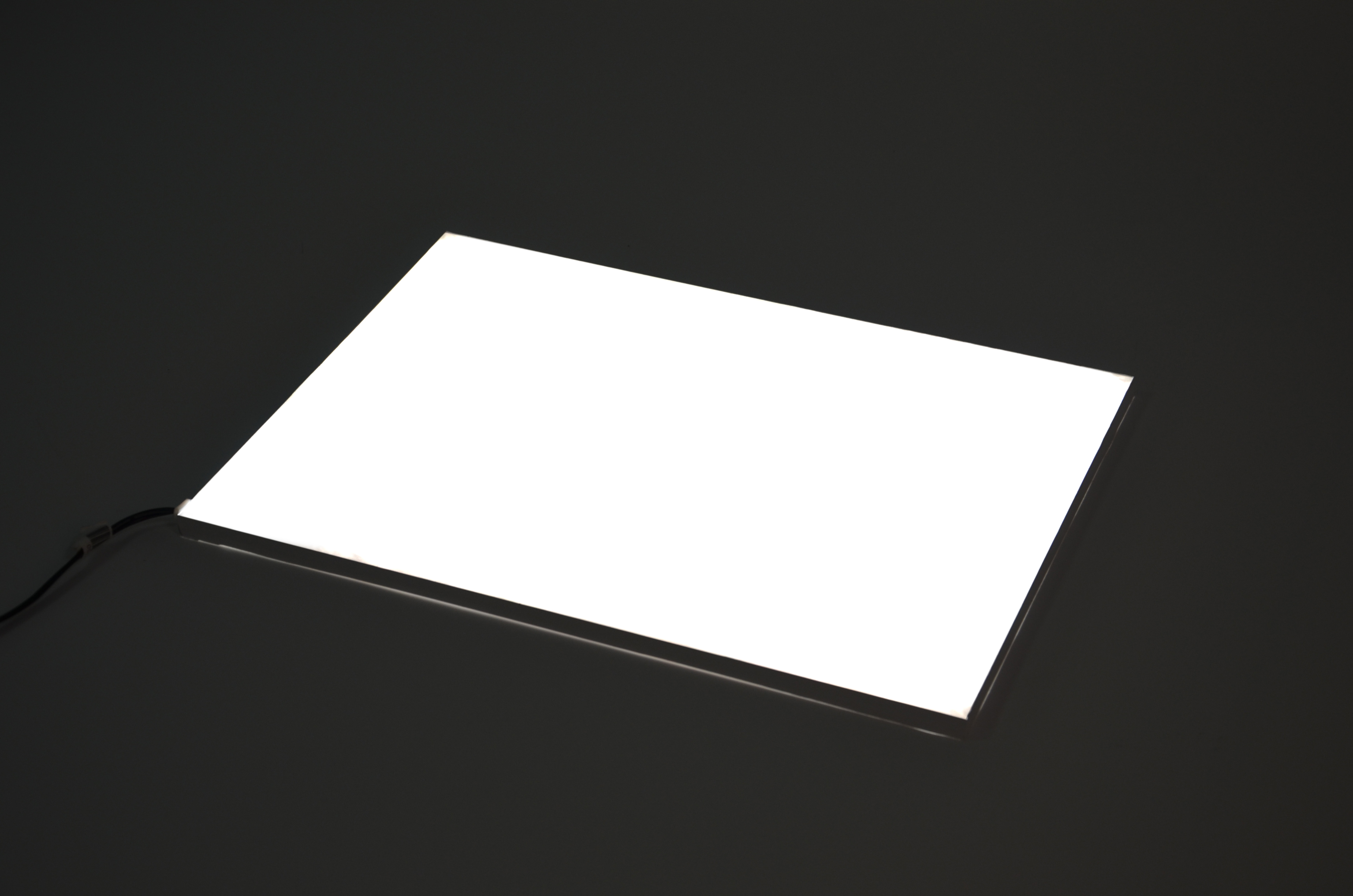
A backlit light guide panel is a flat optical acrylic sheet that converts light entering from its edges into an even, surface-wide glow. It is the component behind ultra-thin light boxes, shelf backlighting and illuminated signage that show no visible LED rows and no bright hotspots.
Buyers arrive at this topic with the same question in different words: how do I get a large, evenly lit surface that is thin enough for a modern display and stable enough to still look clean after years in service? The answer sits mostly in how the panel is specified, not only in how bright the LED is. This guide explains what the component does, why backlit surfaces fail, how a panel moves from a brief to an installed part, and which checks separate a workable specification from an expensive rework.
What a Backlit Light Guide Panel Actually Does
Edge-lit illumination depends on total internal reflection. When LEDs sit against the polished edge of an acrylic sheet, light enters the material and stays trapped inside it, bouncing between the front and back faces rather than escaping into the room. The panel only releases light where its surface has been deliberately interrupted.
Those interruptions form the extraction pattern: laser dots, printed dots or fine grooves. Each point releases a controlled amount of light toward the viewing face. Near the LED entry edge the pattern is sparse, because the light is strongest there. Further across the panel the dots become denser so the far edge reads at the same apparent brightness as the near edge. The output is a flat, uniform luminous surface instead of a bright strip fading into a dark corner.
Three optical layers usually complete the assembly. A reflective film behind the panel returns backward-emitted light toward the viewer, a diffuser film smooths any residual point structure, and a frame or housing holds the stack in alignment. EDGELIGHT lists LED strip light, constant current power driver, light box frame, diffuser film, reflective film and mounting brackets as the matched components for its light guide panel applications, which is a useful reminder that the panel is only one part of a working optical stack.
Panel material is acrylic. In this role it is chosen for optical clarity and for the fact that it can be cut, drilled and edge-finished without losing light transmission.
Where Backlit Panels Fail in Real Projects
Most backlit surface complaints trace back to a specification that was never fully resolved. The failure modes are consistent and predictable.
Hotspots near the LED entry edge
When the extraction pattern is too dense close to the light source, the first section of the panel glows brighter than the rest. A viewer sees the LED position even though no LED is visible. Correcting this means redesigning dot density near the entry edge, not adding more LED power.
Dark corners in large formats
Light intensity drops with distance from the edge. On wide panels this shows up first in the corners furthest from the light entry. It is a geometry and pattern problem, and it is the reason a large panel cannot simply be scaled up from a small one.
Colour shift and yellowing over time
Material quality and UV exposure determine whether an illuminated surface still matches its original colour after long service. EDGELIGHT lists long service life and no yellowing among the requirements for its light guide panel applications, and specifies optical acrylic material as the substrate.
Thickness and weight conflicts
A deep light box hides LEDs behind distance and diffusion. An edge-lit panel removes that depth, which changes how the display is built, mounted and serviced. Panels that are specified without confirming the surrounding frame often arrive too thick or too thin for the intended cabinet.
Driver mismatch
A constant current driver is part of the matched component set. Supplying a panel from an incompatible driver produces flicker, uneven output or early LED degradation, and the panel is usually blamed for a power-side fault.
Industry Background: From Deep Light Boxes to Edge-Lit Surfaces
Advertising light boxes were historically deep assemblies. Brightness came from spacing multiple lamps behind a diffuser, and the box depth paid for the evenness. Edge-lit light guide panels changed that trade-off: light is injected at the perimeter and distributed across the face, so the housing can be reduced to little more than the panel thickness plus frame.
The commercial pressure came from display design rather than from lighting theory. Retail and luxury display wanted thinner cases with brighter product surfaces. Hospitality and commercial interiors wanted large luminous ceilings and wall panels without visible fixtures. Exhibition and museum work wanted controlled, glare-free illumination on graphic and artefact surfaces. Signage wanted an ultra-thin LED light box that could be mounted where a deep cabinet would not fit.
EDGELIGHT lists the applicable industries for its light guide panel as retail and luxury display, hospitality and commercial interiors, exhibition and museum, elevator decoration, advertising light boxes and signage, office and high-end residential, transportation and public spaces, and consumer electronics backlighting. That spread explains why the same base component is specified so differently from project to project: the optical target, the housing and the environment change, while the light-guiding principle stays the same.
How EDGELIGHT Approaches Backlit Light Guide Panels
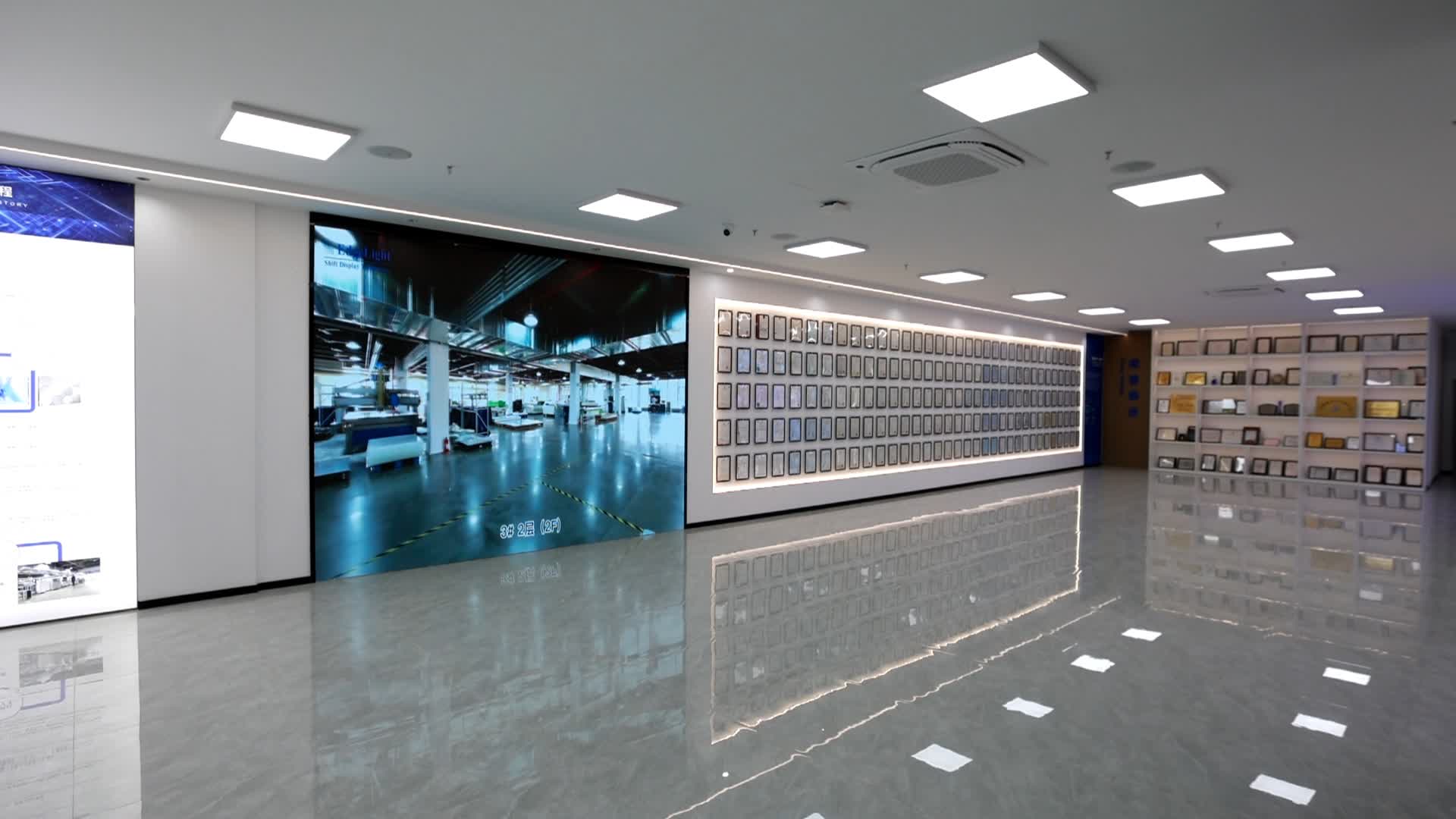
Shanghai Edgelight Industry Co., Ltd. (EDGELIGHT) is a manufacturer of LED products and intelligent control products founded in 2004, headquartered in Songjiang District, Shanghai. The company produces light guide panels alongside LED displays, Internet of Things electronic equipment, intelligent controllers, LED drive power, light-emitting panels and advertising lighting equipment.
Manufacturing is distributed across five production bases: the Shanghai headquarters at roughly 33,000 m², Tianjin at roughly 20,000 m², Edgelight GmbH in Germany at roughly 1,500 m², Edgelight LLC in the United States at roughly 1,679 m², and a second Shanghai factory at roughly 10,000 m². The company reports 500 employees, an R&D team of 25 engineers, annual output of 120,000 units and an export ratio of 75%, with the USA and EU as its main markets.
For buyers evaluating a supplier rather than a single part, those figures matter for one practical reason: a light guide panel is a specification-driven component, and the ability to hold a specification across repeated orders depends on engineering capacity and production control rather than on a catalogue photo. A 25-engineer R&D team and multi-site production are the structural answer to that requirement.
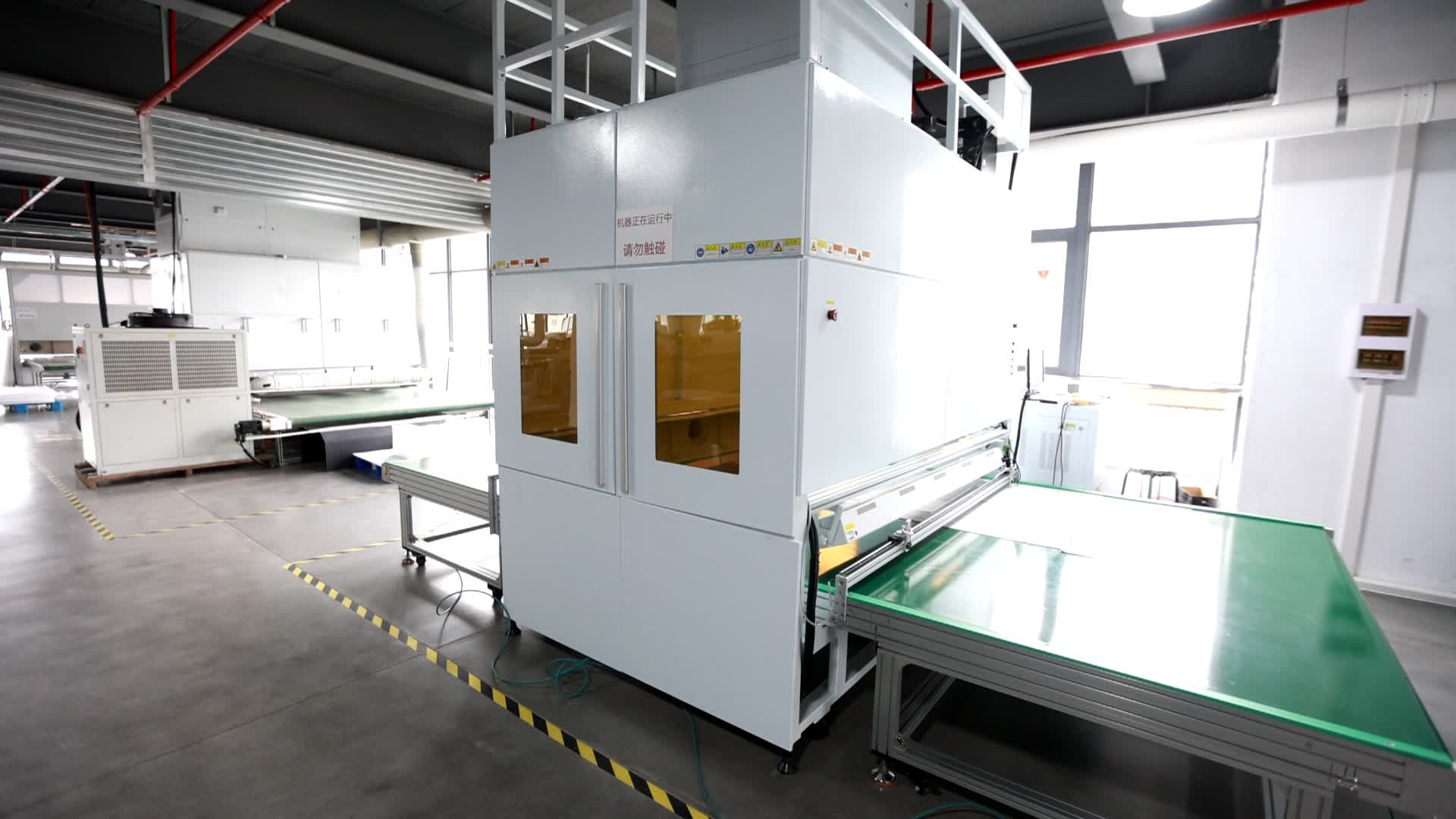
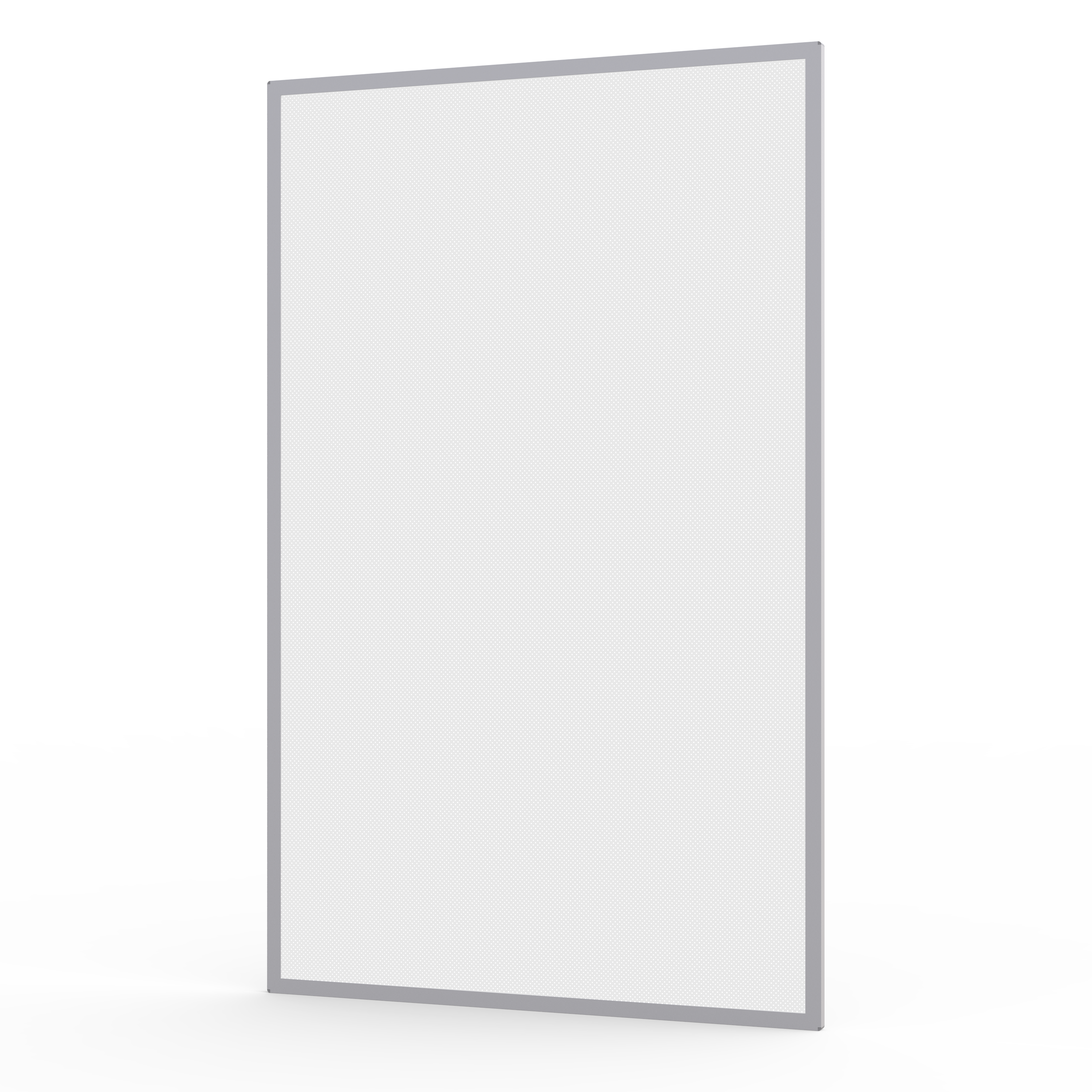
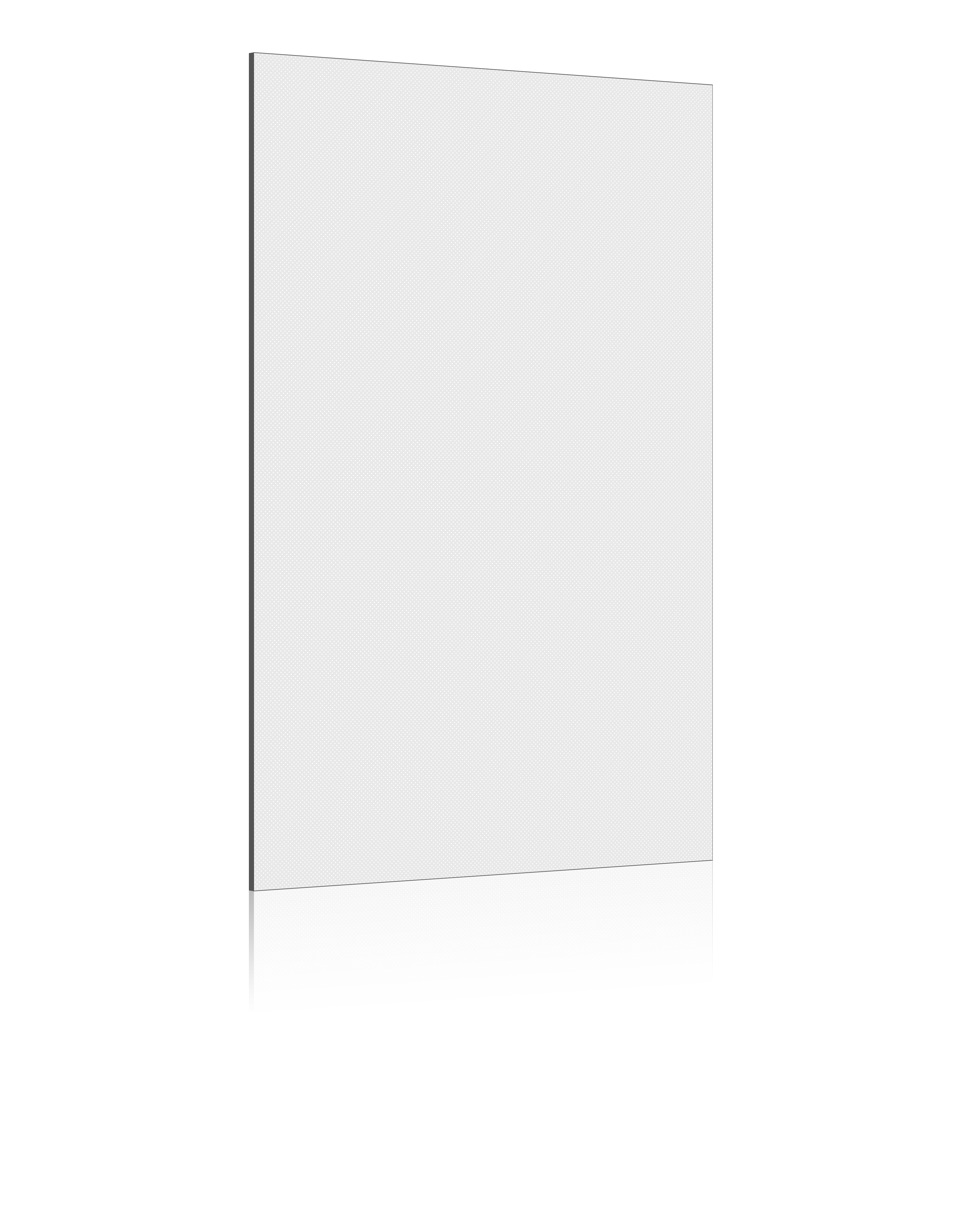
The EDGELIGHT light guide panel range covers framed panels, frameless panels, flexible panels and customized panels. Framed and frameless versions appear in the AF series product photography, flexible versions are supplied for curved surfaces, and customized versions are produced to drawing for non-standard sizes and shapes. Panel production is supported by SMT lines, UV cutting equipment and laser dotting, which together cover the optical pattern, the outline cutting and the electronic assembly of the finished light box.
Light Guide Panel Specifications at a Glance
The published EDGELIGHT LGP specification gives buyers a concrete baseline to compare against a project brief.
| Parameter | EDGELIGHT LGP specification |
|---|---|
| Panel material | Acrylic |
| Maximum operating current | 7.2 A |
| Maximum power | 144 W |
| Typical power consumption | 101 W |
| Luminous flux | Greater than 1080 lm |
| Colour temperature range | 2700 K to 6500 K |
| Operating temperature | -20 °C to 50 °C |
| Protection grade | IP20 to IP65 |
Read the specification as an operating envelope, not a promise. A panel run continuously at maximum current and maximum power will behave differently from one run at typical consumption, and the enclosure, ambient temperature and driver all shift the real result. The 2700 K to 6500 K range is the selection window for colour temperature, not a tolerance on a single unit.
Panel Formats Compared
Format choice is usually decided by how the panel meets the surrounding structure, not by optical performance.
| Format | Structure | Where it is typically specified |
|---|---|---|
| Framed light guide panel | Panel supplied with an integrated frame around the perimeter | Free-standing light boxes, wall-mounted signage and displays that need a finished rigid edge |
| Frameless light guide panel | Panel supplied without a surrounding frame | Recessed cabinet backlighting and seamless luminous walls where the edge is hidden by the joinery |
| Flexible light guide panel | Thin panel that can follow a curved surface | Curved display cases, cylindrical columns and shaped exhibition elements |
| Customized light guide panel | Produced to drawing, including non-standard outline and cut-outs | Non-standard showcases, elevator cabins and shaped signage where a stock size does not fit |

Step-by-Step: Specifying a Backlit Light Guide Panel
The sequence below reflects how the component is actually resolved in practice. Skipping a step usually shifts the problem downstream into the frame, the driver or the installation.
- Define the application and the viewing distance. A shelf backlight viewed at arm's length and a ceiling panel viewed from several metres place different demands on the extraction pattern. State the application, the panel dimensions and where the viewer stands.
- Set the optical target. Decide the colour temperature within the 2700 K to 6500 K range and the brightness level. High light uniformity is the requirement that matters most in most projects, because the eye detects unevenness before it detects absolute brightness.
- Choose the panel format. Framed, frameless, flexible or fully customized. This decision is driven by the surrounding structure and the installation method rather than by light output.
- Match the light source and driver. Confirm the LED strip, the constant current power driver and the operating window within the panel envelope of 7.2 A maximum current, 144 W maximum power and 101 W typical consumption.
- Specify the environment. Protection grade from IP20 to IP65 and operating temperature of -20 °C to 50 °C define where the panel can be installed. An interior dry installation and a dusty or damp location require different grades.
- Resolve graphics and diffusion. Decide whether the panel carries printed graphics, and confirm the diffuser film and reflective film in the stack. Printed and diffusion layers affect perceived uniformity and should be agreed together with the panel, not afterwards.
- Plan the mounting and service access. Light box frames and mounting brackets are part of the matched component set. Confirm how the assembly is fixed, and how the driver is reached if service is needed.
- Validate before volume production. Approve a sample or first article against the agreed optical target, outline and mounting dimensions, then hold that reference for repeat orders.
Where Backlit Light Guide Panels Are Used
The same base component appears across very different interiors, and each application turns a different feature into the buying criterion.
| Application area | Function | What the application demands |
|---|---|---|
| Retail and luxury display | Showcase and shelf backlighting | Uniform, ultra-thin edge-lit illumination without visible hotspots |
| Hospitality and commercial interiors | Ceiling light panel | Even large-area light with a clean, fixture-free appearance |
| Advertising light boxes and signage | Ultra-thin LED light box | Slim profile with consistent brightness across the graphic |
| Elevator decoration | Cabin wall decoration | Low-thickness illuminated surfaces integrated into cabin panels |
| Exhibition and museum | Luminous walls and display cases | Controlled, glare-free illumination of graphic and artefact surfaces |
| Transportation and public spaces | Walls and wayfinding surfaces | Durable surfaces operating in continuous public use |
| Consumer electronics backlighting | Backlight layer | Thin, uniform light source behind a display or interface layer |
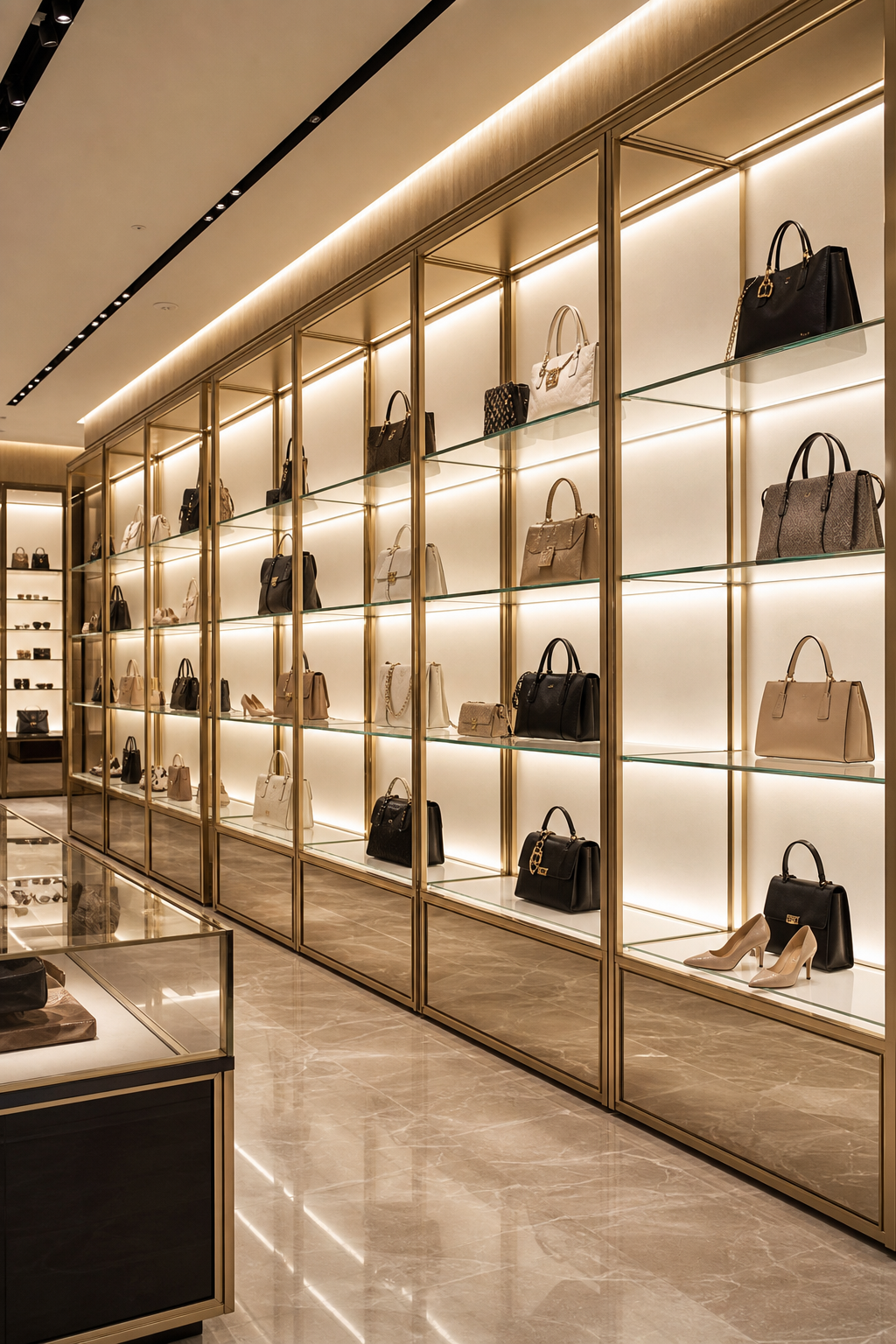
Two applications deserve separate attention. Elevator decoration is a fit problem as much as an optical one: the panel has to integrate into a cabin wall with limited depth and no visible fixing. Exhibition and museum work is a uniformity problem: a graphic surface illuminated unevenly reads as a printing fault, even when the print itself is correct.
What to Check Before You Approve a Supplier
- Optical target in writing. Confirm the colour temperature, brightness level and uniformity expectation before quoting, so the sample is measured against the same criteria as production.
- Material stated explicitly. The substrate should be named. Acrylic is the material specified for the EDGELIGHT light guide panel range.
- Protection grade matched to location. IP20 to IP65 spans a wide range of environments. Specify the grade for the actual installation, not the highest available number.
- Complete optical stack. Diffuser film, reflective film, LED strip, driver and frame all affect the result. A panel quoted without them shifts integration risk to the buyer.
- Custom capability confirmed. If the outline, size or cut-outs are non-standard, confirm the production route before ordering. UV cutting is the relevant process for shaped acrylic outlines.
- Market documentation confirmed in writing. Where a project requires CE or UL marking, or another market-specific approval, confirm the status and the exact scope of the documentation during the specification stage rather than assuming it.
- Repeatability. Ask how the approved sample is retained as the production reference, because a panel that matches once and drifts on the second order is a hidden cost.
Frequently Asked Questions
What protection grade and operating temperature should a backlit light guide panel be specified for?
The EDGELIGHT light guide panel specification covers a protection grade from IP20 to IP65 and an operating temperature of -20 °C to 50 °C. The correct point in that range depends on where the panel is installed: a dry interior cabinet and a damp or dusty location do not need the same grade. Specify the grade for the real installation environment and confirm it in writing, together with any market-specific approval the project requires.
Can a backlit light guide panel be produced in custom sizes and shapes?
Yes. The EDGELIGHT light guide panel range includes a customized version produced to drawing, alongside framed, frameless and flexible formats. Non-standard outlines and cut-outs are handled through UV cutting of the acrylic panel, and the extraction pattern is adjusted to the panel geometry so uniformity is held across the finished size. Because optical behaviour changes with dimensions, any custom size should be confirmed against the application rather than assumed from a stock size.
What drives the cost of a backlit light guide panel?
Cost follows the specification rather than the panel alone. The main drivers are panel area and thickness, the brightness and uniformity target, which together determine the LED strip and driver requirement, the extraction pattern and any printed or diffusion layers, the choice between framed, frameless and flexible construction, the protection grade, and whether the outline is standard or custom cut. Specifying an unnecessarily high protection grade or a brightness level the application does not need is one of the most common sources of avoidable cost.
Can I evaluate a sample before committing to a production order?
Yes. Sample evaluation is the normal route for this component, because uniformity and colour temperature are judged visually and cannot be settled from a datasheet. Send the panel dimensions, the intended application, the viewing distance, the colour temperature you need within the 2700 K to 6500 K range, and the installation environment. EDGELIGHT can then confirm which format fits and what the sample should demonstrate. Contact info@edgelight.com or reach the team on WhatsApp at +8617701891091 to start a sample request.
What determines lead time for a backlit light guide panel order?
Lead time depends on the degree of customization, the order quantity and the production scheduling for the extraction pattern, the UV cutting of the outline and the matched electronics. Production capacity is a relevant background factor: EDGELIGHT operates five production bases with 500 employees and reports annual output of 120,000 units, which supports repeat and volume orders. The specific schedule for a given specification and quantity should be confirmed with the order rather than assumed.
Conclusion
A backlit light guide panel is a deceptively simple part. An acrylic sheet, an extraction pattern and a light source at the edge produce a flat, uniform luminous surface that supports retail displays, hospitality ceilings, ultra-thin signage, elevator cabins and exhibition walls. What separates a good result from a disappointing one is rarely the LED. It is whether the optical target, the panel format, the driver, the protection grade and the mounting were resolved together before production started.
For buyers at the research stage, the practical next step is to write the requirement down: application, dimensions, viewing distance, colour temperature, uniformity expectation, environment and market documentation. That single sheet of requirements is what makes a supplier quote comparable, and it is what makes a sample meaningful.
Next Step
If you are specifying a backlit light guide panel for a retail, hospitality, signage or elevator project, send your panel size, viewing distance and installation environment to EDGELIGHT. The team can confirm which panel format fits, what the optical target should be, and which documentation your market requires.
Email: info@edgelight.com | WhatsApp: +8617701891091 | Tel: +86-21-57603573 / 64412288
Address: No.218 Shenshen Road, Songjiang District, Shanghai
Download the catalogue: EDGELIGHT LED Product Catalogue (PDF)
Have Questions or Need More Details?
Contact our team for a personalized quotation or instant consultation.
Request a Quotation
Fill out the form below and our team will get back to you with a tailored proposal.
WhatsApp Direct Chat
Prefer to chat in real-time? Message us on WhatsApp for instant assistance & quick answers.
- Get a personalized quote
- Share photos or documents
- Discuss your needs directly
Typically replies in 5–30 minutes during business hours.