
Blackout Roller Blind Fabric: 7 Features to Require in 2026
Blackout roller blind fabric is a coated textile engineered to stop light across the full width of a roller blind. The first feature a buyer should require is verified full opacity with no pinholes, because every other specification only matters if the fabric actually blocks light. This guide ranks the seven features that decide whether a blockout roller blind fabric performs in service, explains why each one earns its position, and shows how to verify each claim before an order is placed.
The ranked checklist at a glance
- Full opacity — 100%, no pinholes
- Coating system and coating durability — acrylic coating on a 100% polyester base cloth
- Light control at the edges — dimensional stability and roll flatness
- Colour fastness — graded against a named test method
- Fire and chemical compliance evidence — market-specific, document-based
- Width range and roll format — matched to the fabrication line
- Purchasing terms and acceptance criteria — the verification layer

Why Buyers Should Rank Features, Not Brands
The blockout fabrics category is described with a set of overlapping trade terms — blockout, dimout, translucent, light filter, roller fabric, vertical blind fabric, blockout jacquard — and two rolls carrying the same marketing phrase can behave very differently once they are on a window. A list of supplier names does not resolve that. A ranked list of attributes does.
In the awareness and research stages of a purchase, the useful question is not which supplier has the strongest reputation, but which attributes must be present before any supplier can be considered at all. That reframing shifts the decision from reputation to evidence, and it produces a specification a buyer can put into an RFQ without further translation.
The ranking below follows the order in which a fabric either passes or fails. First, does it block light. Second, does it keep blocking light. Third, how does it behave where the fabric meets the edge of the blind. Fourth, does it retain its appearance. Fifth, can it legally enter the destination market. Sixth, does the supply format match the buyer's fabrication line. Seventh, do the commercial documents make all of the above enforceable.
What the 2026 Blockout Fabric Market Looks Like From a Buyer's Seat
Demand signals point in one direction. A 2025 commercial research estimate published by Market.us valued the global blackout fabric market at USD 10.5 billion in 2024 and projected USD 20.3 billion by 2034. IMARC's research places North America at 33.7% of the global blackout fabric market in 2025. Both figures are forecast-based estimates rather than measured trade data, but they describe a category that is expanding rather than consolidating, which is exactly the condition in which specification discipline matters most.
Terminology differs between suppliers, so the buyer's own written specification carries the weight. A fabric described as 100% blockout by one mill and 99% by another may be separated by nothing more than a pinhole and a coating pass — two things that are invisible in a photograph and decisive in a bedroom.
Customs treatment adds a second layer. Coated blockout fabric rolls are classified under HS 5903.90.90, and heading 59.03 is split by coating chemistry: 5903.10 for poly(vinyl chloride), 5903.20 for polyurethane and 5903.90 for other plastics. Finished curtains and interior blinds sit under a different heading, HS 63.03. A buyer who imports fabric and fabricates locally is therefore declaring a different product from a buyer who imports finished blinds, and the documentation should match the structure actually used.
Compliance splits by market rather than by product. In the EU, reaction-to-fire performance for construction products is classified under EN 13501-1 on a Euroclass scale from A1 to F, and EN 13120 sets performance requirements including safety for internal blinds. In the UK, BS 5867-2 grades the flammability of curtain, drape and blind fabrics as Type A, Type B or Type C. In the United States, NFPA 701 is the recognised flame propagation test method for textiles and films. Marine interiors fall under IMO FTP Code Part 7. On the chemical side, REACH requires registration of substances manufactured or imported in the EU at or above 1 tonne per producer or importer per year, Annex XVII restricts substances in articles, and Article 33 requires information on Candidate List substances present above 0.1% weight by weight. OEKO-TEX STANDARD 100 is a voluntary certification with product classes I to IV.
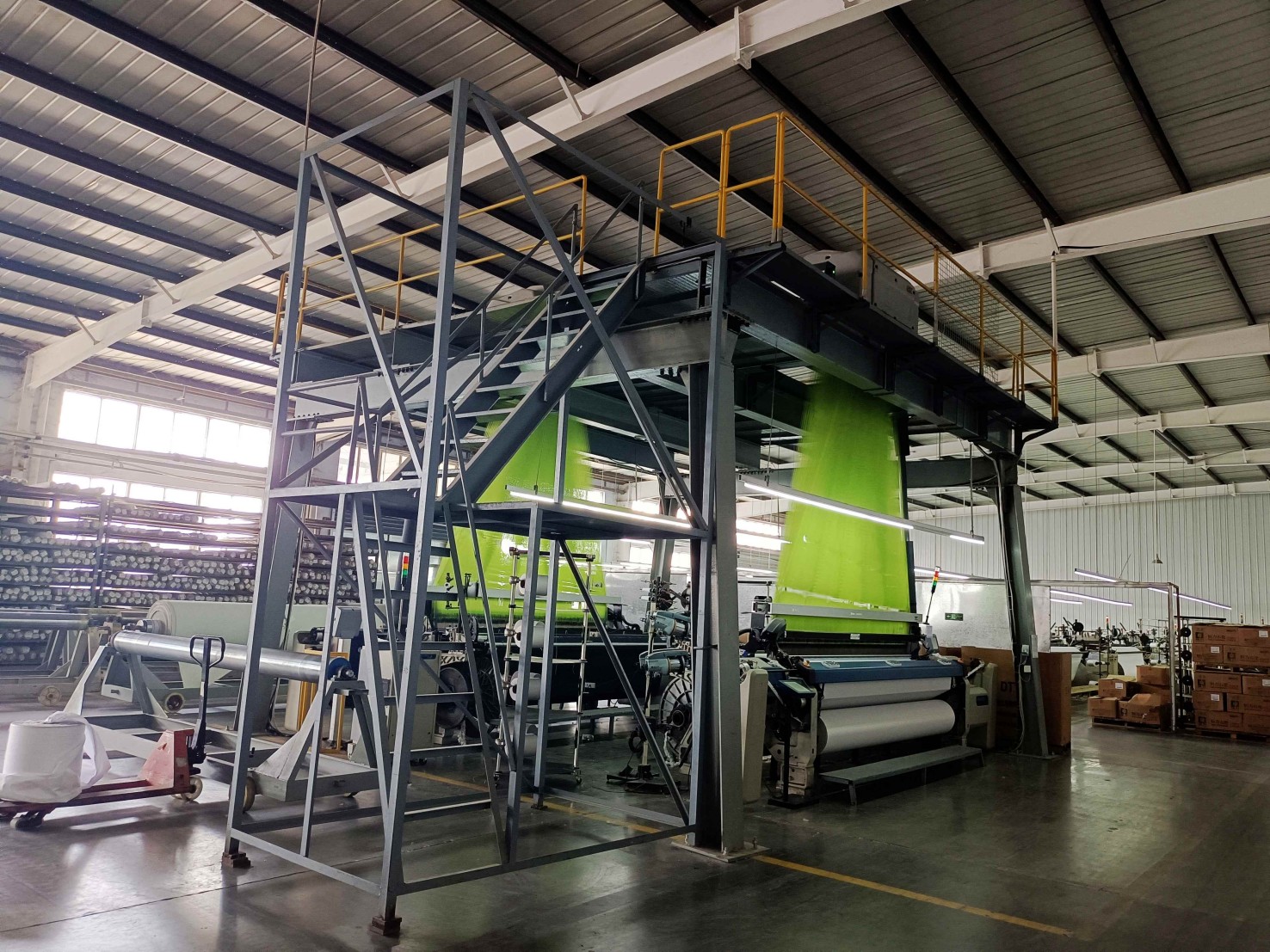
Elitex (Dezhou) Co., Ltd. is a manufacturer of sunscreen, translucent and blockout fabrics for the international blind and awning industry, established in 2003 and based in Dezhou, Shandong Province, China. The company operates an 85,000 m² facility with 259 employees and 36 engineers, reports annual output of 8,000,000 m² of screen fabrics and 7,200,000 m² of blockout fabrics, and exports around 80% of output to the USA, EU, Australia, North America, South East Asia and the Middle East.
The Seven Features, Ranked
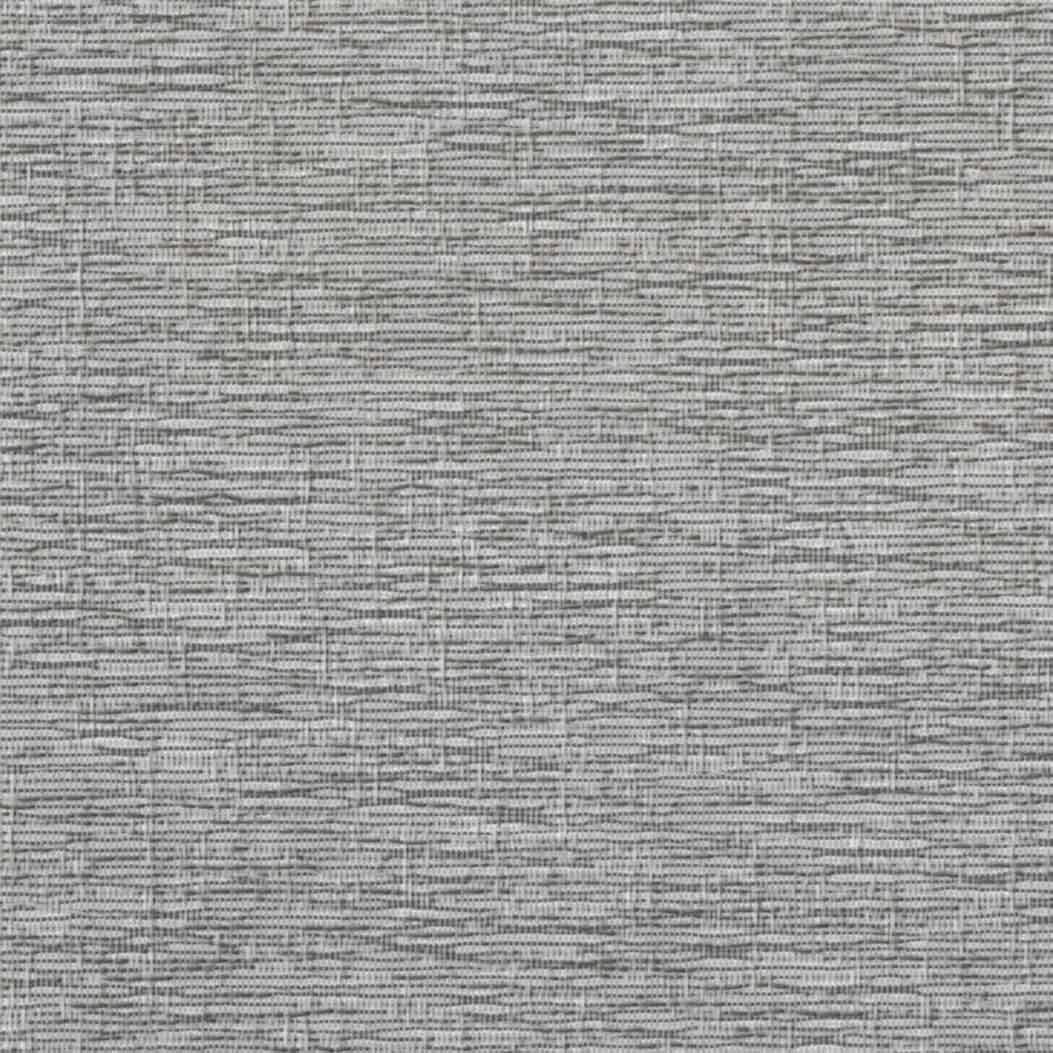
1Full Opacity, 100%, No Pinholes
Rank 1 is full opacity stated as 100% with no pinholes, verified across the roll rather than on a swatch. Opacity is the defining function of the category: a blockout fabric that transmits light is not a cheaper blockout fabric, it is a different product.
Pinholes are the failure mode buyers miss. They appear where the coating does not fully close the weave, and they are invisible under office lighting while being obvious in a darkened room with a light source behind the blind. The requirement should therefore be written as a property of the delivered roll — “100% opacity, no pinhole” — and not as a general description of the product family.
Verification is simple and should be standard practice: backlight the fabric in a dark room and inspect the full width, including the selvedge and the last metre of the roll. A supplier that states 100% opacity with no pinhole is making a testable claim; a supplier that states “high blackout” is not. The Elitex Blockout Dusk Plus Series is published as a 100% blockout fabric with 100% opacity and no pinhole, which is the form the requirement should take in a purchase specification.
2Coating System and Coating Durability
Rank 2 is the coating system, because the coating is the functional layer. A blockout roller blind fabric is a 100% polyester base cloth carrying an acrylic coating, and the coating route — knife-coated or paste-coated — changes how that layer is built and how it behaves over time. The base cloth and the coating should be specified together, never as separate line items.
Coating chemistry also determines how the product is declared. Under HS heading 59.03, PVC-coated fabric falls in 5903.10, polyurethane in 5903.20 and other plastics in 5903.90 — the branch in which coated blockout fabric rolls are classified. Buyers exporting into the EU should treat the coating decision as both a technical and a customs decision, and should ask for the chemistry in writing rather than inferring it from a colour card.
Durability has to be evidenced, not asserted. Two data points do most of the work. The first is colour fastness: Elitex blockout fabrics are rated Grade 6-7 under ISO 105-B02-2014 Xenon Arc Lamp testing. The second is the warranty position: Elitex offers a 10-year interior limited warranty and a 5-year exterior limited warranty. A buyer should require both the fastness grade with its test method and the warranty terms to appear in the specification, so that the durability claim survives the quotation stage.
3Light Control at the Edges
Rank 3 is edge behaviour, because a 100% opaque fabric can still produce a light gap. Light control at the window is a system outcome: the fabric contributes flatness and dimensional stability, while the tube, brackets and side channels contribute the rest. Understanding which part belongs to the fabric prevents a buyer from rejecting a good roll for a mounting problem.
The measurable fabric property here is dimensional stability, published as ±0.5% for the Elitex Blockout Dusk Plus Series. A fabric that moves after cutting and hanging will ripple along the tube, lift away from the reveal and open a light line at the edge. Buyers should require the stability figure as a number, and should also require flatness on the roll, since a roll that has taken a set in storage will not hang flat regardless of its measured stability.
The limits should be stated plainly: fabric cannot close a gap that the installation leaves open. Where a project needs total darkness, the specification has to cover the blind system as well as the cloth.
4Colour Fastness
Rank 4 is colour fastness. It does not affect whether the fabric blocks light on day one, but it determines whether the window still looks specified two summers later — and appearance failure is one of the most common reasons a completed installation is revisited.
The requirement is a grade plus a method, not a general promise. Grade 6-7 under ISO 105-B02-2014 Xenon Arc Lamp testing, as published for Elitex blockout fabrics, is a statement a buyer can compare against another supplier's statement. A claim of “good light fastness” is not comparable with anything.
Fastness matters most where the fabric faces sustained UV exposure, which is the normal condition for window shading in residential, commercial and hospitality interiors. It also matters commercially: a faded batch replaced under warranty costs the buyer the installation labour, not just the fabric.
5Fire and Chemical Compliance Evidence
Rank 5 is compliance evidence. It sits below the functional features because it is an entry condition rather than a performance differentiator — but a missing document blocks a shipment just as effectively as a pinhole.
The evidence set is market-specific. EU construction projects look for EN 13501-1 Euroclass classification, with EN 13120 covering internal blind performance and safety. UK projects reference BS 5867-2 Type A, B or C. US projects reference NFPA 701. Marine interiors reference IMO FTP Code Part 7. Chemical compliance runs in parallel: REACH registration thresholds, Annex XVII restrictions, Article 33 information duties above 0.1% weight by weight for Candidate List substances, and voluntary OEKO-TEX STANDARD 100 certification across product classes I to IV.
Elitex states that its Dusk Plus blockout range meets NFPA 701-2015, EN 13773 Class 1, BS 5867-2 Type B and AS1530-2/3. The practical instruction for buyers is to request the certificate and the underlying test report for the specific colour and construction on order, and to reject a generic “FR” claim that cannot be tied to a document, a date and a tested article.
6Width Range and Roll Format Fit
Rank 6 is width and roll format. Width decides how many cuts a buyer gets from a roll, how much waste the cutting table produces, and whether a wide window needs a seam — and a seam is both a light-control risk and an appearance risk.
The Elitex Blockout Dusk Plus Series is published with widths including 89 mm, 100 mm, 127 mm, 2000 mm, 2500 mm and 3000 mm. Buyers should confirm three things before ordering: that the required width is inside the supplier's range, that the roll length matches the run length without excessive offcut, and that the supplier's joining rules are stated so a seam does not appear where the specification forbids one.
7Purchasing Terms and Acceptance Criteria
Rank 7 is the verification layer: purchasing terms and acceptance criteria that convert features 1 to 6 into enforceable clauses. Without this step, every earlier requirement remains a preference rather than a condition of sale.
A workable set covers the opacity statement, the coating type and base cloth, the width and roll length, the colour fastness grade and test method, the dimensional stability figure, the compliance documents required per destination market, the sampling and judgement rules for each batch, the change-notification rule for colour or coating changes, and the warranty terms. Each clause should be written so that a third party inspecting the delivery could decide pass or fail without asking the buyer what was meant.
From Ranking to Order: A Five-Step Breakdown
The ranking becomes useful only when it is turned into a sequence. The five steps below follow the order in which decisions become expensive to reverse.
Step 1 — Define the application and the light-control target. Decide whether the space needs full blackout, dimout or light filtering, and whether the blind system includes side channels. The fabric choice follows from that answer, not the other way round.
Step 2 — Write the specification using the seven features. State opacity as 100% with no pinhole, name the base cloth and coating, give the dimensional stability figure, set the colour fastness grade and method, list the compliance documents per market, and fix the width and roll length.
Step 3 — Request the evidence pack. Ask for the test reports and certificates that correspond to the colour and construction being ordered, plus the technical datasheet carrying the published values. Compare documents across suppliers on the same basis.
Step 4 — Validate a sample against the same criteria. Backlight the sample, check the coating, measure stability, compare colour under the named light source. A sample that passes a different test from the bulk order proves nothing.
Step 5 — Convert everything into purchasing terms and acceptance criteria. Attach the specification to the purchase order, define sampling and judgement, and set the consequence for non-conformance before the first roll ships.
Where the Ranking Changes by Application
The seven features stay the same across applications, but their weight shifts. The three cases below show how.
Home theatre and bedroom
Here opacity dominates and everything else supports it. Any pinhole becomes a visible point of light in a darkened room, so 100% opacity with no pinhole is non-negotiable and edge light control is the second priority. Colour fastness matters less in the short term but still governs how the room looks after sustained sun exposure.
Office and commercial interiors
Daytime light control and screen glare move to the front, which raises the weight of coating durability and colour fastness. Wide glazing makes width and roll format a cost issue rather than a detail, and where the building is subject to a construction-product fire regime, the compliance file becomes part of the tender package.
Hospitality
Hospitality projects combine long service life with multi-market compliance, so the ranking compresses: opacity and coating durability carry the daily performance, colour fastness protects the interior specification, and the compliance and warranty documents protect the asset over time. The 10-year interior limited warranty published by Elitex is the kind of term that belongs in a hospitality specification because it survives beyond the opening date.
The Ranking Table
| Rank | Feature to require | Specification language to ask for | How to verify |
|---|---|---|---|
| 1 | Full opacity, no pinholes | 100% opacity, no pinhole, stated for the delivered roll | Backlight the full width in a dark room, including selvedge and roll ends |
| 2 | Coating system and durability | 100% polyester base cloth with acrylic coating; knife-coated or paste-coated; colour fastness grade; warranty term | Datasheet plus test report; Grade 6-7 under ISO 105-B02-2014 Xenon Arc Lamp for Elitex blockout fabrics |
| 3 | Light control at the edges | Dimensional stability stated as a figure; flatness on the roll | ±0.5% published for the Elitex Blockout Dusk Plus Series; inspect roll set on delivery |
| 4 | Colour fastness | Grade plus test method, not a general claim | Compare grades and methods between suppliers on the same basis |
| 5 | Fire and chemical compliance evidence | Named standards per destination market; REACH information duties; voluntary certifications | Certificate and test report for the specific colour and construction |
| 6 | Width range and roll format | Required width, roll length, joining rules | Confirm width is inside the published range and matches the cutting plan |
| 7 | Purchasing terms and acceptance criteria | Sampling rules, judgement rules, change notification, warranty | Attach to the purchase order and test enforceability on the first batch |
Published Specification Reference: Elitex Blockout Dusk Plus Series
The values below are the published figures a buyer can use as a drafting template. They describe one product family, not the whole category, and should be replaced with the figures of whichever product is actually being ordered.
| Property | Published value |
|---|---|
| Product type | Blackout Roller Blind Fabric — Elitex Blockout Dusk Plus Series |
| Fabric type | 100% blockout fabric |
| Opacity | 100% (no pinhole) |
| Material | 100% polyester with acrylic coating |
| Coating type | Knife-coated / paste-coated |
| Width | 89 mm, 100 mm, 127 mm, 2000 mm, 2500 mm, 3000 mm |
| Dimensional stability | ±0.5% |
| Colour fastness | Grade 6-7 (ISO 105-B02-2014 Xenon Arc Lamp) |
| Flame retardant performance | NFPA 701-2015, EN 13773 Class 1, BS 5867-2 Type B, AS1530-2/3 |
| Warranty | 10 years interior limited / 5 years exterior limited |
| Typical applications | Home theatre, bedroom, office, hospitality |
Frequently Asked Questions
Which fire and chemical compliance documents should a buyer require for blockout roller blind fabric?
The required documents follow the destination market, not the fabric alone. For EU construction products, reaction-to-fire performance is classified under EN 13501-1 on a Euroclass scale from A1 to F, and EN 13120 sets performance requirements including safety for internal blinds. In the UK, BS 5867-2 grades the flammability of curtain, drape and blind fabrics as Type A, Type B or Type C. In the United States, NFPA 701 is the recognised flame propagation test method for textiles and films, and IMO FTP Code Part 7 applies to curtains and drapes in marine interiors. On the chemical side, REACH requires registration of substances manufactured or imported in the EU at or above 1 tonne per producer or importer per year, Annex XVII sets restrictions on substances in articles, and Article 33 requires information on Candidate List substances present above 0.1% weight by weight. OEKO-TEX STANDARD 100 is a voluntary certification with product classes I to IV. Elitex states that its Dusk Plus blockout range meets NFPA 701-2015, EN 13773 Class 1, BS 5867-2 Type B and AS1530-2/3, and buyers should request the certificate and the underlying test report for the specific colour and construction on order.
What technical values should be written into a 100% blockout roller fabric specification?
A workable minimum covers six values: 100% opacity with no pinholes; a 100% polyester base cloth with an acrylic coating; a coating route stated as knife-coated or paste-coated; dimensional stability of ±0.5%; colour fastness confirmed at Grade 6-7 under ISO 105-B02-2014 Xenon Arc Lamp testing; and a stated width range. The Elitex Blockout Dusk Plus Series publishes a width range including 89 mm, 100 mm, 127 mm, 2000 mm, 2500 mm and 3000 mm, together with a 10-year interior and 5-year exterior limited warranty.
What drives the cost of a blockout roller blind fabric order?
Four cost drivers dominate, and none of them is visible in a headline price per metre. The coating route — knife-coated versus paste-coated — changes the process route and therefore the cost base. Width and roll format determine cutting waste on the buyer's own fabrication line. Colour or jacquard structure determines changeover behaviour for the run. Compliance testing and documentation add a fixed cost per construction and per destination market. A buyer comparing quotes should compare landed cost at the same width, the same coating route and the same document set, and should treat rework and replacement risk as part of the comparison rather than as a separate issue.
How should a blockout fabric sample be validated before ordering?
Validate the sample against the same written criteria that will apply to bulk. Check opacity by backlighting the full sample in a darkened room, not by holding it against a window in daylight. Confirm the coating type and base cloth against the datasheet rather than against touch. Treat the published ±0.5% dimensional stability figure as a claim to be checked at bulk inspection, and compare colour against the approved standard under the named light source. Where compliance matters, ask for the test report that corresponds to the sample's colour and construction, not a generic certificate issued for the product family.
How should a buyer verify lead time and supply reliability?
Ask for a written production schedule with the order rather than a verbal indication, and tie delivery milestones to the acceptance criteria so that a late or non-conforming batch has a defined consequence. Where the supplier publishes capacity, use it as a sanity check: Elitex reports an 85,000 m² facility, 259 employees and annual blockout fabric output of 7,200,000 m², with around 80% of output exported to the USA, EU, Australia, North America, South East Asia and the Middle East. Capacity does not guarantee a date, but a supplier that cannot describe its own capacity cannot plan yours. Buyers can request matched samples, a specification-based quotation and the current product brochure directly from Elitex to start that comparison.
Conclusion
The seven features ranked here are not a wish list. They are the sequence in which a blockout roller blind fabric either works or fails: opacity first, then the coating that sustains it, then edge behaviour, appearance retention, market compliance, supply format and finally the commercial clauses that make the rest enforceable. A buyer who specifies all seven has a document that any supplier can be measured against, and a basis for comparison that does not depend on brand familiarity.
For 2026 procurement, the practical takeaway is short. Write 100% opacity with no pinhole as a roll-level requirement, name the base cloth and coating, put a number on dimensional stability and colour fastness, list the compliance documents per destination market, fix the width and roll length, and attach the whole set to the purchase order as acceptance criteria.
Next step: sample, specification review and quotation
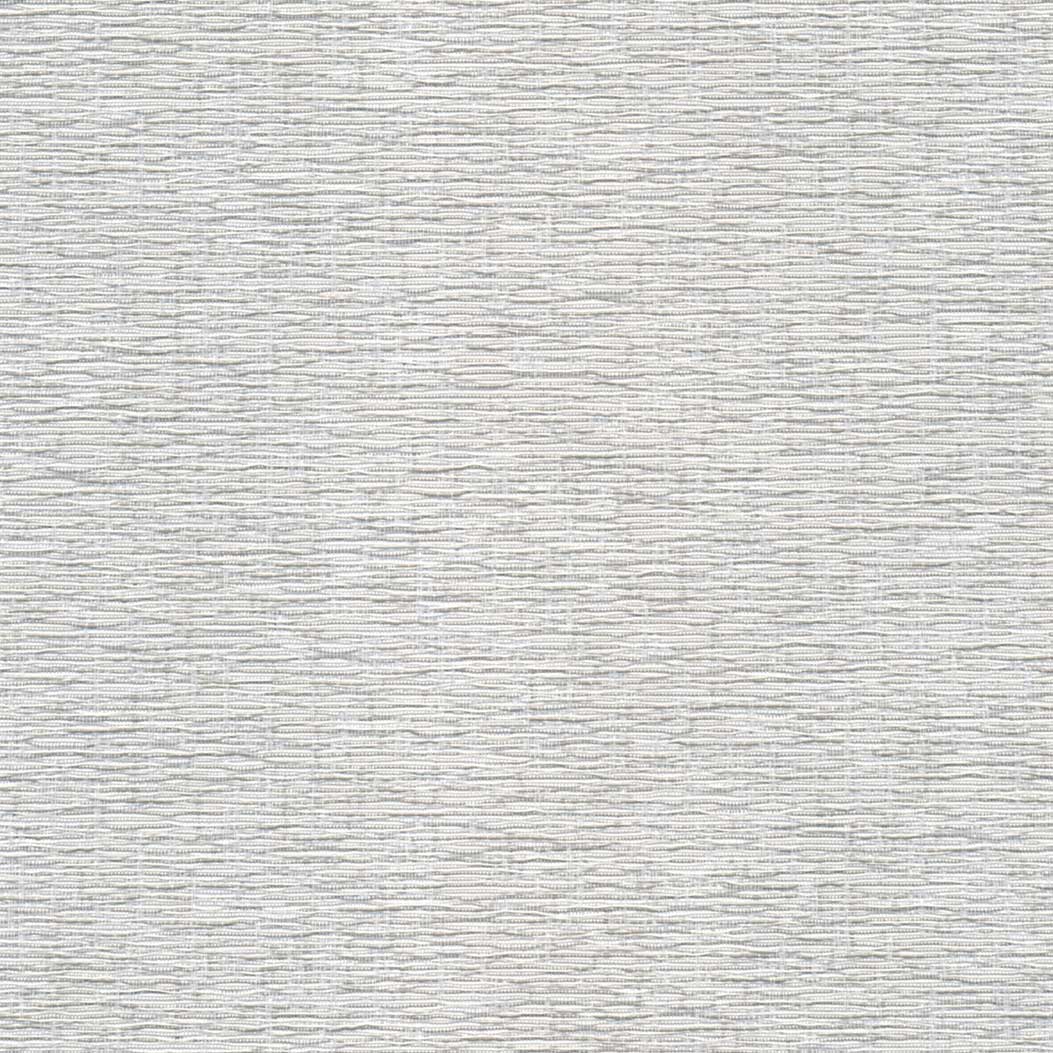
Elitex (Dezhou) Co., Ltd. supplies blockout, translucent and sunscreen fabrics to blind and awning manufacturers worldwide. Buyers can request a blockout fabric sample matched to their specification, ask for a quotation based on the seven ranked features, or download the current product brochure before the next sourcing round.
Download the Elitex Screenview Brochure 2026 (PDF)
Website: www.eliteweaving.com | Blog: blog.eliteweaving.com | Contact: mandyzhen@eliteweaving.com | Tel: +86-534-2752986
Have Questions or Need More Details?
Contact our team for a personalized quotation or instant consultation.
Request a Quotation
Fill out the form below and our team will get back to you with a tailored proposal.
WhatsApp Direct Chat
Prefer to chat in real-time? Message us on WhatsApp for instant assistance & quick answers.
- Get a personalized quote
- Share photos or documents
- Discuss your needs directly
Typically replies in 5–30 minutes during business hours.