
How Blockout Fabrics Work: A Technical Guide to Coatings, Opacity, and Light Control
How Blockout Fabrics Work: A Technical Guide to Coatings, Opacity, and Light Control
Blockout fabrics are woven textiles engineered to prevent the passage of visible light, typically through a dense construction and a light-blocking coating. For window covering manufacturers, interior designers, and procurement teams, selecting the right blockout fabric depends on understanding how opacity is achieved, how coating methods differ, and how fabric performance is verified. This guide explains the core technologies behind blockout fabrics, compares the most common coating processes, and provides a practical decision framework for buyers evaluating suppliers.
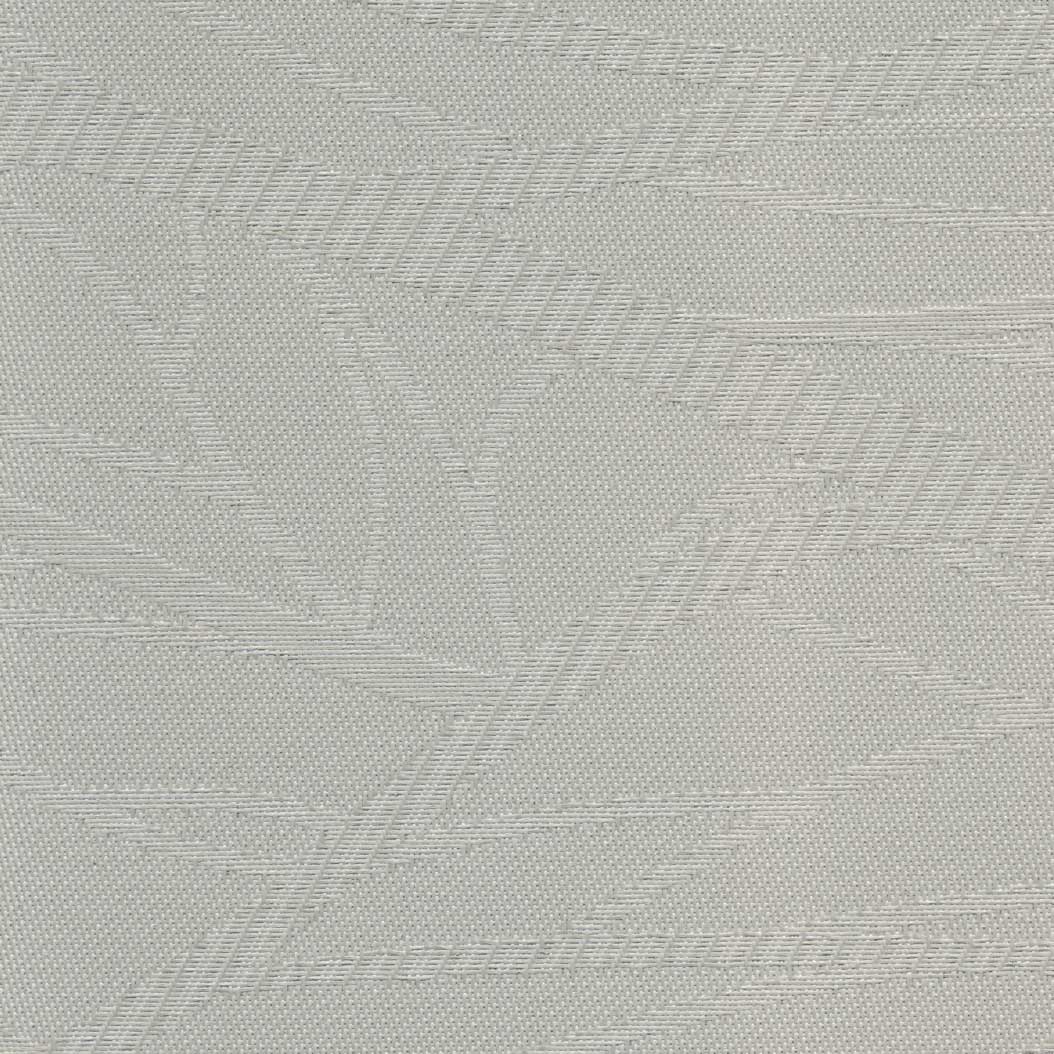
What Is a Blockout Fabric?
A blockout fabric is a textile designed to block or substantially reduce the transmission of visible light. In the blind and curtain industry, the term usually refers to a coated polyester fabric with a light-blocking layer applied to one or both sides. Unlike sheer or translucent fabrics, blockout fabrics are specified for applications where darkness, privacy, or thermal control is required, such as bedrooms, home theaters, hotels, offices, and commercial buildings.
Blinds and shades have become a significant segment of the broader window covering market. North America alone accounted for 50.70% of global blinds and shades market revenue in 2025, valued at approximately USD 3.62 billion. This scale explains why fabric suppliers invest heavily in coating lines, testing laboratories, and quality control processes for blockout products.
How Is Light Blocked in Blockout Fabrics?
Blockout performance depends on two mechanisms working together: fabric construction and coating technology.
1. Fabric Construction
The base fabric is usually a 100% polyester weave, which provides dimensional stability, controlled stretch, and a consistent surface for coating. Polyester is the dominant material in the blackout fabric laminate segment, accounting for an estimated 47.2% of materials used in 2026. The weave density and yarn structure affect how much light passes through before coating is applied.
2. Coating Technology
The coating layer is what actually blocks light. Common coating formulations are acrylic-based, and the application method determines the coating's thickness, uniformity, flexibility, and adhesion. Advanced laminates using polyester with acrylic coatings have been reported to improve thermal heat resistance by 20–35%, which is why coated blockout fabrics are also used in sunshading and energy-saving applications.
Key Blockout Fabric Categories
Within the blockout category, buyers will encounter several subcategories based on opacity and light-filtering behavior:
- Full blockout fabrics: Designed to achieve 100% opacity with no pinholes. Common in roller blinds and blackout curtains.
- Dimout fabrics: Reduce light transmission significantly but do not fully block it. Often used in hospitality interiors where soft ambient light is desired.
- Light filter fabrics: Allow controlled light diffusion while providing privacy. Used in layering or room-darkening applications.
- Translucent fabrics: Allow diffused daylight while reducing glare and UV exposure.
- Reflective or aluminized fabrics: Use a metallic layer to reflect solar heat, commonly applied in sun-shading and energy-saving projects.
These categories are not interchangeable. A full blockout fabric for a home theater has different requirements from a dimout fabric for a hotel corridor or a translucent sunscreen for a commercial facade.
Knife-Coated vs. Paste-Coated Blockout Fabrics
Two coating methods dominate blockout fabric production: knife coating and paste coating. Each affects the final fabric's hand feel, flexibility, opacity, and suitability for different blind types.
| Parameter | Knife-Coated Blockout Fabric | Paste-Coated Blockout Fabric |
|---|---|---|
| Opacity | Can achieve high opacity; used for full blockout | Can achieve high opacity; used for full blockout |
| Coating flexibility | Generally firmer coating layer | Softer coating layer in many formulations |
| Typical blind type | Roller blinds, vertical blinds | Roller blinds, roman blinds, vertical blinds |
| Dimensional stability | High when properly cured | High when properly cured |
| Coating appearance | More uniform coating layer across width | Smooth paste application; can be engineered for specific backings |
Elitex (Dezhou) Co., Ltd. produces blockout fabrics in both knife-coated and paste-coated versions under its Elitex Blockout Dusk Plus Series. This gives blind manufacturers flexibility to match coating style to the final application and price point.
Opacity and Performance Specifications: What Buyers Should Verify
Opacity is the most important specification for blockout fabric, but it is not the only one. Experienced buyers check the following parameters before qualifying a fabric:
Opacity: Look for explicit opacity ratings. For full blockout, the fabric should be specified as 100% opacity with no pinholes. Some suppliers quote a lower opacity percentage, which means visible light can pass through micro-voids in the coating.
Material composition: A 100% polyester base with acrylic coating is the industry standard for most roller blind blockout fabrics. This composition provides strength, washability, and coating adhesion.
Dimensional stability: Fabrics used in roller blinds must maintain their width during cutting, welding, and installation. A stability tolerance of ±0.5% is considered reliable for coated polyester blockout fabric.
Width availability: Roller blind production benefits from wider fabric rolls because they reduce waste and splicing. Common widths for blockout fabric are 89mm, 100mm, 127mm (narrow widths for specific blind systems) and 2000mm, 2500mm, and 3000mm for full-width production.
Coating type: The coating method affects flexibility, resistance to cracking, and edge behavior during cutting. Knife coating and paste coating are both accepted in the industry when the coating formulation is correctly engineered.
From Translucent to Full Blockout: The Elitex Product Range
Elitex (Dezhou) Co., Ltd. is a Chinese manufacturer specializing in sunshading and decorative fabrics for the international blind and awning industry. The company was founded in 2003 and operates from an 85,000 m² facility in Dezhou, Shandong Province, with a team of 259 employees and 36 R&D engineers.
Elitex's production capacity includes 8,000,000 m² of screen fabrics and 7,200,000 m² of blockout fabrics per year. Approximately 80% of its output is exported to the USA, EU, Australia, North America, South East Asia, and the Middle East.
The Elitex Blockout Dusk Plus Series is a 100% blockout fabric range constructed from 100% polyester with acrylic coating. It is available in knife-coated or paste-coated finishes and is designed for roller blinds, roman blinds, and vertical blinds. The fabric maintains a dimensional stability of ±0.5% and is offered in widths of 89mm, 100mm, 127mm, 2000mm, 2500mm, and 3000mm.
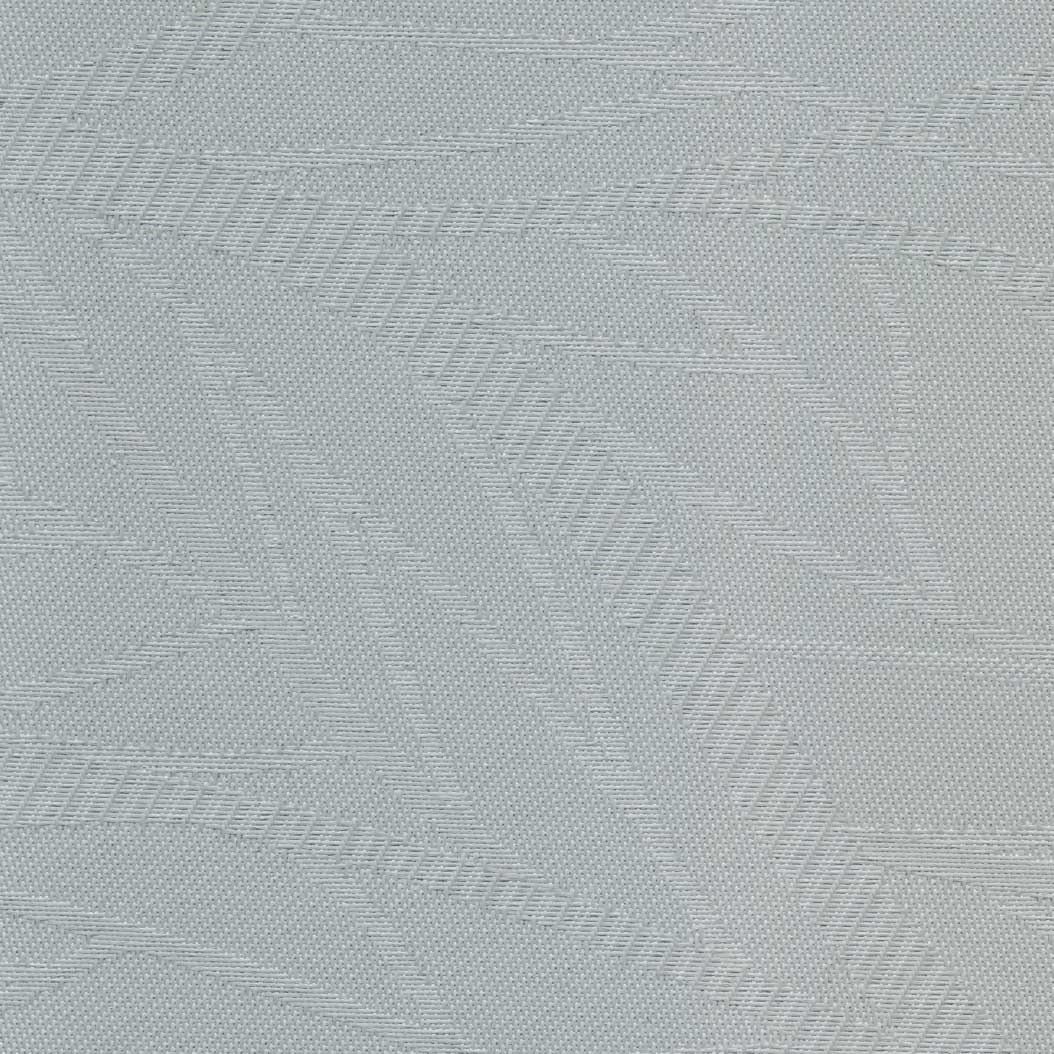
Elitex positions its blockout range as complementary to its sunscreen and translucent fabrics. This allows buyers to source multiple shading levels, from high-openness sunscreen to full blockout, from one manufacturer instead of maintaining several supplier relationships.
Where Full Blockout Fabrics Are Used
Full blockout roller fabrics are specified in several distinct environments:
Residential bedrooms: Homeowners increasingly expect darkness for sleep. Blockout roller blinds are a popular choice in bedrooms where light pollution or early sunrise affects sleep quality.
Home theaters: Projection screens require near-total darkness. A 100% opacity fabric with no pinholes prevents light bleed that would wash out the image.
Hospitality: Hotels use blockout fabrics in guest rooms because guests expect flexible control over light. Dimout or blockout curtains and blinds are standard in mid-scale to luxury properties.
Offices: In office environments, blockout blinds allow meeting rooms to be darkened for presentations and help reduce screen glare on displays.
Healthcare: Hospitals and clinics use blockout curtains to control light in patient rooms without interrupting medical workflows.
Standards and Compliance for Blockout Fabrics
For commercial and public-space installations, flame resistance is often a mandatory requirement. In the United States, NFPA 701 is the standard flame propagation test for vertically hung textiles, including blackout curtains and blinds used in public spaces. In the European Union, EN 14501:2021 defines performance characteristics and classifications for solar protection devices in relation to thermal and visual comfort.
Buyers exporting to the US or EU should ask suppliers whether the specific blockout fabric has been tested to the relevant standard. This information is batch-specific, and suppliers should be able to provide documentation rather than generic marketing statements.
How to Choose Between Blockout, Dimout, and Sunscreen Fabrics
The decision is not about which fabric is better, but which fabric fits the application. Use the following criteria:
- If the requirement is complete darkness, choose a 100% blockout fabric with no pinholes.
- If the requirement is privacy with soft daylight, choose a dimout or light-filtering fabric.
- If the requirement is glare reduction and solar heat control during the day, choose a sunscreen fabric with low openness.
- If the requirement is both daylight control and thermal insulation, consider a coated blockout or an aluminized sunscreen fabric matched to the project's solar heat gain coefficient target.
Why Coating Quality Determines Blockout Performance
A fabric can be labeled “blockout” only if the coating is dense, uniform, and free of pinholes. Coating defects are the main source of customer complaints: light leaks, uneven blackout at the edges, cracking after repeated rolling, and separation of the coating from the fabric over time.
Reputable manufacturers control coating quality in several ways:
- In-house laboratories to monitor coating viscosity, coverage, and adhesion.
- Inline inspection during coating to identify pinholes before the fabric is batched.
- Dimensional stability testing to verify the fabric will not stretch or shrink during blind fabrication.
- Consistent coating recipes across production batches.
Elitex operates purpose-built laboratories and controls production and quality processes to support distribution to a global customer base. For the buyer, asking about quality control process is as important as asking about price.
Evaluating Blockout Fabric Suppliers: A Checklist
When comparing suppliers, use the following checklist to avoid selecting on price alone:
- Confirm the fabric construction: 100% polyester base, coating type, and coating formulation.
- Verify opacity performance: ask for 100% opacity with no pinholes if that is the application requirement.
- Check available widths against your blind production or installation requirements.
- Ask specifically whether the coating is knife-coated or paste-coated, and which application each suits.
- Request dimensional stability data and batch test certificates.
- For export to the US or EU, confirm whether the fabric meets NFPA 701 or EN 14501 requirements, and request documentation.
- Evaluate the supplier's production capacity and export experience.
- Ask for a sample before committing to a production order.
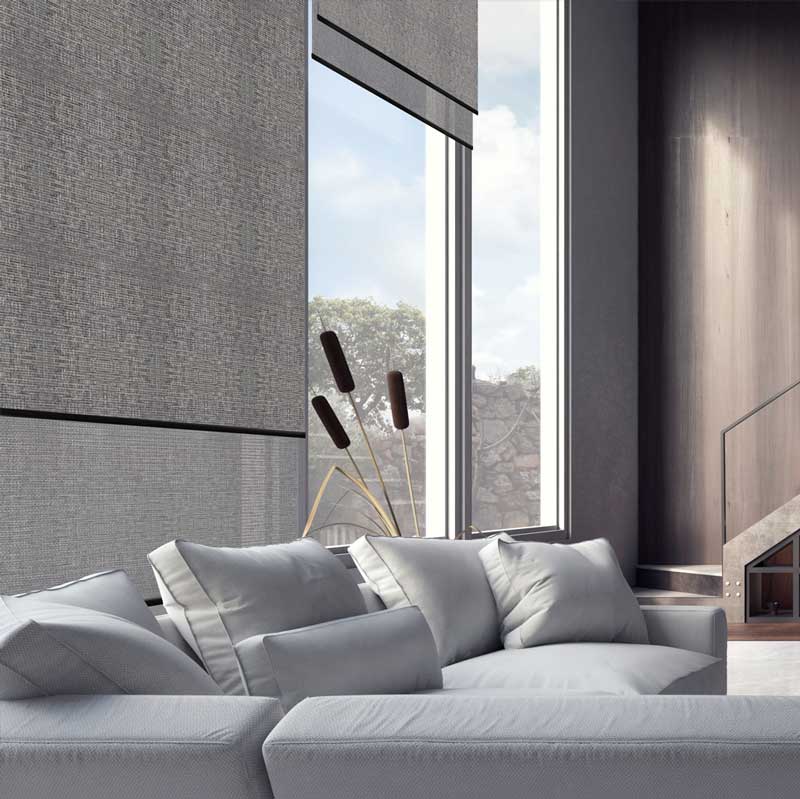
Blockout Fabrics at a Glance
| Feature | Typical Specification | Why It Matters |
|---|---|---|
| Opacity | 100% (no pinhole) for full blockout | Guarantees no light bleed in dark environments |
| Base material | 100% Polyester | Strong, stable, compatible with acrylic coatings |
| Coating | Acrylic coating; knife-coated or paste-coated | Determines light-blocking layer, flexibility, and hand feel |
| Dimensional stability | ±0.5% | Prevents distortion during cutting and installation |
| Common widths | 89mm, 100mm, 127mm, 2000mm, 2500mm, 3000mm | Ensures compatibility with standard blind systems |
| Typical applications | Home theater, bedroom, office, hospitality | Matching fabric type to application ensures performance |
Supply Chain Considerations for Blockout Fabric Buyers
Because blockout fabric is a semi-finished component, the buyer is not purchasing a finished blind but a fabric roll that will be cut, hemmed, and installed according to a project schedule. This creates supply chain risks that are often underestimated:
Lead time variability: Coated blockout fabric production involves weaving, coating, heat-setting, and inspection. Buyers should confirm lead times with the supplier and build buffer into project schedules.
Color consistency across batches: Long roll lengths and multiple batches can produce slight color variation. Ask the supplier how they maintain color consistency, especially if the fabric will be visible between windows.
Logistics and roll weight: Blockout coating adds weight. Roll dimensions and weight affect freight cost and handling requirements. Verify roll specifications with the supplier before ordering.
Minimum order quantities: Because coating production requires setup, many suppliers enforce MOQs that are higher than for uncoated fabrics. Confirm the MOQ and whether sample rolls are available at a different price point.
Why Buyers Are Moving Toward Specialized Blockout Fabric Manufacturers
A growing number of blind manufacturers and importers are moving away from general textile suppliers and toward manufacturers that specialize in sunshading and blockout fabrics. The reason is consistency: specialists control the coating process, test opacity in-house, and understand the specific failure modes that matter in blinds.
The global blackout fabric market was estimated at approximately USD 10.5 billion in 2024 and is projected to reach USD 20.3 billion by 2034, according to one market analysis. While estimates vary by research firm, the long-term trend points toward increased demand for light-control fabrics in residential and commercial construction. Buyers who build relationships with specialized manufacturers today are better positioned to secure capacity and consistent quality as demand grows.
Common Mistakes When Sourcing Blockout Fabrics
Choosing based on fabric weight instead of opacity: Heavier fabric does not automatically guarantee better light blocking. A well-coated lighter polyester fabric can outperform a heavier fabric with an incomplete coating.
Ignoring coating type: A fabric with excellent opacity may be too stiff for a specific roller system. Confirm that the coating type and hand feel match the final blind design.
Assuming all “blackout” labels mean the same thing: Some fabrics are labeled “blackout” but only achieve dimout performance. Request the opacity specification in writing.
Forgetting the backing color: In many commercial settings, the street-facing side of the fabric must have a white or reflective backing to reduce heat absorption. If this is a requirement, it will affect the coating specification.
Frequently Asked Questions
What is the difference between blockout, dimout, and light-filtering fabrics?
Blockout fabrics are engineered to block nearly all visible light, with full blockout versions achieving 100% opacity. Dimout fabrics reduce light significantly but allow some passive light through. Light-filtering fabrics allow diffused daylight while reducing glare and UV exposure. The choice depends on the application: bedrooms and home theaters require blockout, while corridors and living spaces often use dimout or light-filtering fabrics.
What is the standard material composition for blockout roller blind fabric?
The most common construction is 100% polyester with an acrylic coating. Polyester provides dimensional stability and strength, while the acrylic layer handles the actual light-blocking function. In the broader laminate market, polyester accounts for an estimated 47.2% of the material segment in 2026.
Can blockout fabric also provide thermal insulation?
Yes. Advanced blackout fabric laminates combining polyester and acrylic coatings can improve thermal heat resistance by 20–35%, according to industry analysis. Full blockout fabrics with white or reflective backings are often specified in commercial curtain walls and hotel windows to reduce heat gain while maintaining darkness.
What widths are available for blockout roller blind fabrics?
Common widths include 89mm, 100mm, and 127mm for narrow or specialty blind systems, and 2000mm, 2500mm, and 3000mm for standard roller blind production. Wider rolls reduce material waste and splicing during fabrication.
What fire safety standards apply to blockout curtains and blinds?
In the United States, NFPA 701 is the standard flame propagation test for vertically hung textiles such as blackout curtains and blinds used in public spaces. In Europe, EN 14501:2021 specifies performance classifications for solar protection devices, including thermal and visual comfort. Buyers should request compliance documentation from the supplier for the specific fabric batch.
Looking for a blockout fabric that meets your opacity, width, and coating requirements? Elitex supplies knife-coated and paste-coated blockout fabrics in its Dusk Plus Series, with full opacity and widths from 89mm to 3000mm. Contact Elitex at mandyzhen@eliteweaving.com or via WhatsApp at +64 211220437 to request samples and specifications. You can also download the 2026 brochure to review the full screenview and blockout range: Elitex Screenview Brochure 2026 (PDF).