
Screen Fabrics Explained: A 2026 Buyer's Guide to Types, Materials, and Performance
Screen Fabrics Explained: A 2026 Buyer's Guide to Types, Materials, and Performance
Screen fabrics are technical textiles used in roller blinds, awnings, ZIP screens, and other sunshading products to control solar heat, glare, UV exposure, and privacy. For architects, facade consultants, interior designers, and procurement teams, the challenge is not whether to specify screen fabrics, but which type to select for each project. This guide explains the main categories, materials, performance parameters, and selection logic in plain language, with reference to products from the manufacturer Elitex (Dezhou) Co., Ltd.
[Problem Definition]Why Screen Fabric Selection Is More Complex Than It Looks
Screen fabric is often treated as a minor component in a window shading or facade system. In practice, it determines thermal comfort, visual comfort, energy consumption, product lifespan, and even tenant satisfaction. A fabric with the wrong openness factor can make a room too dark; a fabric with poor dimensional stability can cause sagging in a ZIP screen; a fabric without UV-resistant coating can fade within months. Each application—indoor roller blind, outdoor windproof screen, pet-friendly insect screen, or high-reflective facade—requires a different balance of properties.
For first-time buyers, the terminology can be confusing. Terms such as openness, solar heat gain coefficient (SHGC), blockout, aluminized coating, Cradle to Cradle certification, antimony-free, and halogen-free all influence both performance and compliance. This article provides a structured overview so that a non-specialist can understand the landscape and a specialist can use it as a checklist.
[Industry Background]The Global Market for Screen and Sunshading Fabrics
The demand for screen fabrics is growing alongside global interest in building energy efficiency, climate adaptation, and outdoor living. Third-party data in this guide comes from publicly available market reports and standards sources; it is provided for market context, not as a competitive claim.
- The global fabric solar shading systems market is estimated at approximately USD 1.35 billion in 2026, with projected growth to USD 2.14 billion by 2035 (Fabric Solar Shading Systems Market Report 2035, Reports and Data).
- The global outdoor fabric market reached USD 13.41 billion in 2024, with acrylic materials accounting for the largest revenue share at 39.7% (Grand View Research).
- The global insect screen market was valued at USD 6.9 billion in 2024, with retractable screens representing a high-growth segment at 34.2% type share (Strategic Market Research). Note that insect screen market estimates vary significantly by definition of mesh versus full system.
- The antimony-free polyester market is projected to reach USD 1.07 billion by 2030, driven partly by EU REACH and FDA regulations limiting heavy metal migration (MarketsandMarkets).
For manufacturers, these numbers explain why product lines are expanding beyond basic sunscreen into blockout, aluminized, eco-certified, and pet-friendly categories. For buyers, they signal that more options and more specifications will enter the market, making structured selection increasingly important.
[Detailed Solution]Main Types of Screen Fabrics
Screen fabrics can be organized by application side, function, material, and finishing. The table below summarizes the main types covered in this guide and their typical roles.
| Category | Typical Use | Key Characteristics |
|---|---|---|
| Interior / Indoor Sunscreen | Roller blinds inside windows | Light control, glare reduction, see-through options |
| Exterior / Outdoor Sunscreen | Facade screens, ZIP screens, windproof roller screens | Weather resistance, UV resistance, wind strength |
| Insect / Pet Sunscreen | Door and window screens in homes with pets | Pet scratch resistance, ventilation, insect protection |
| TPO Sunscreen | Architectural membrane and shading applications | Compatibility with Cradle to Cradle certified material systems and sustainability criteria |
| Silver Backing / Aluminized Sunscreen | High reflective solar control | High reflectivity, low solar heat gain coefficient |
| Clear View Black-Coating Sunscreen | Facades and windows where outward visibility matters | Dark coating improves sight lines while reducing glare |
| Blockout Sunscreen | Bedrooms, media rooms, blackout roller blinds | Full opacity, no pinholes |
| Acrylic Awning Fabric | Awnings, pergolas, outdoor shading | Water repellence, color fastness, durability |
Two further distinctions are frequently used in procurement: recyclable screen fabrics and wide-width sunshade fabrics. Recyclable fabrics support green building certifications, while wide widths (for example 2000 mm to 3000 mm) reduce seams and installation complexity for large facade openings.
[Step-by-Step Breakdown]How to Compare Screen Fabric Performance and Compliance
Step 1: Define the Application Side and Operating Conditions
Indoor fabrics face less weather stress but must satisfy acoustic, aesthetic, and light-diffusion requirements. Outdoor fabrics must resist UV radiation, wind loads, rain, and mildew. If the project is a windproof roller sunscreen, the fabric must also work with the mechanical tension profile of a ZIP or guided screen system.
Step 2: Set the Solar and Visual Performance Targets
For European projects, EN 14501:2021 is the governing standard for thermal and visual comfort performance of solar protection devices, ranking products on a 0–4 scale (BSI / iTeh Standards). In North America and Asia, project specifications often rely on openness, reflectivity, and SHGC. Openness affects ventilation and view:
- 1% openness: strong solar control and privacy, limited view.
- 3–5% openness: a common range for balanced see-through performance.
- 10% openness: greater outward visibility and airflow, lower heat rejection.
Step 3: Select the Material System
Most screen fabrics are based on 100% polyester or polyethylene (PE). Polyester provides dimensional stability and a wide range of coating options. PE fabrics are often used in outdoor and agricultural shading. Acrylic awning fabrics are valued for their resistance to moisture, mildew, and fading in outdoor use. In the global outdoor fabric market, acrylic materials accounted for the largest revenue share in 2024 (Grand View Research).
Step 4: Check Compliance and Eco-Label Requirements
Increasingly, projects require fabrics that are recyclable, antimony-free, halogen-free, and made from 100% polyester to support circular economy goals. Cradle to Cradle Certified® V4.0 is a recognized framework that verifies material health; the certification framework itself confirms the absence of harmful substances in certified products or fibers. Textile fibers such as LYCRA have received Cradle to Cradle Certified® V4.0 Material Health Gold, demonstrating that such verification is available in the textile supply chain (Cradle to Cradle Products Innovation Institute). Buyers should ask suppliers for certificates and test reports rather than relying on general marketing statements.
Step 5: Evaluate Width, Roll Sizes, and Coating Uniformity
Wide-width fabrics reduce horizontal seams and improve visual continuity. Common widths in the market are 2000 mm, 2500 mm, and 3000 mm. For blockout products, coating uniformity and dimensional stability are critical to prevent pinholes and bowing at large sizes.
Step 6: Request Samples and Test Under Real Conditions
Samples should be evaluated in the actual building orientation, with the real glazing type, and if possible on the same operating mechanism. A fabric color that performs well under artificial light may look different in direct sunlight. For outdoor applications, ask the supplier for weather-resistance data and installation references.
[Use Cases]Screen Fabric Use Cases by Application
Commercial Building and Green Building Facades
For large glazed facades, aluminized sunscreen fabrics offer high reflectivity and low solar heat gain. The Aluminized Silver Screen Series from Elitex (Dezhou), for example, has a reflectivity of ≥85%, an openness of 3%–5%, a width of 2000 mm–3000 mm, and a solar heat gain coefficient of ≤0.2. These figures are useful benchmarks when comparing high-reflective products for commercial towers, airports, and green building projects.
Residential and Hospitality Roller Blinds
Budget-friendly polyester fabrics such as Elitex’s Super 6 Series provide openness options of 1%, 3%, 5%, and 10%, widths of 2000 mm and 2500 mm, and a range of 20+ colors. They are suitable for property developers, hotel operators, and residential blind manufacturers who need standardization, availability, and cost control.
Outdoor Living and Awning Projects
Acrylic awning fabrics dominate the outdoor fabric category because of their water repellence and color fastness. They are used in fixed awnings, folding arm awnings, pergola covers, and ZIP screens. In wind-prone areas, the fabric must be specified together with a windproof mechanical system.
Pet-Friendly and Insect Screens
Insect and pet sunscreen fabrics combine insect protection with resistance to scratches and claws. Pet-safe screens are also produced with a focus on material health, since pets are more likely to contact or chew fabric edges.
High-Temperature and High-Reflective Spaces
Aluminized silver backing is an effective solution for skylights, atriums, and spaces with intense solar gain. The metalized layer reflects radiant heat before it enters the room. Because of the lower light transmission, such fabrics are selected mainly for energy performance rather than outward view.
[Comparison Table]Elitex (Dezhou) Screen Fabric Series: Side-by-Side Comparison
Elitex (Dezhou) Co., Ltd. is an international manufacturer of sunscreen, translucent, blackout, and other specialized sunshading fabrics. The company was founded in 2003, operates an 85,000 m² facility, employs 259 people, and has an annual output of 8,000,000 m² of screen fabrics and 7,200,000 m² of blockout fabrics. Its research and development team includes 36 engineers. Around 80% of production is exported to the USA, EU, AUS, NA, South East Asia, and the Middle East. These figures are useful when evaluating whether a supplier has the capacity to support multi-country projects.
| Product | Material | Openness / Opacity | Width | Key Performance | Typical Application |
|---|---|---|---|---|---|
| Elitex Super 6 Series | 100% Polyester | 1%, 3%, 5%, 10% | 2000 mm, 2500 mm | Basket or twill weave; 20+ colors | Residential, commercial, hospitality roller blinds |
| Aluminized Silver Screen Series | Polyester with Aluminized Coating | 3%–5% | 2000 mm–3000 mm | Reflectivity ≥85%; SHGC ≤0.2 | Commercial, green building, high-temperature spaces |
| Elitex Blockout Dusk Plus Series | 100% Polyester with Acrylic Coating | 100% opacity (no pinhole) | 89 mm, 100 mm, 127 mm, 2000 mm, 2500 mm, 3000 mm | Dimensional stability ±0.5%; knife-coated or paste-coated | Home theater, bedroom, office, hospitality |
When comparing suppliers, verify that the product parameters are written into the technical datasheet and can be reproduced in a lab test. For example, reflectivity, SHGC, and dimensional stability are measurable indicators. A supplier that can provide production and laboratory evidence for these values is easier to audit than one that offers only descriptive promises.
[FAQ]Frequently Asked Questions
1. Is screen fabric compliant with European solar protection standards?
European projects typically assess screen fabrics under EN 14501:2021, the standard for thermal and visual comfort performance of solar protection devices, which ranks products on a 0–4 scale. Compliance also depends on the complete shading system, not the fabric alone. Buyers should request the supplier’s test evidence and confirm how the fabric is installed and operated in the final application.
2. What is the difference between 1%, 3%, 5%, and 10% openness in screen fabrics?
Openness is the percentage of open area in the woven fabric. A 1% openness fabric blocks more light and heat, provides stronger privacy, but has a more closed appearance. A 10% openness fabric allows more daylight and outward visibility but transmits more solar heat. For most interior sunscreens, 3% to 5% openness is a common balance. The choice should be validated by the window orientation, glazing type, and acceptable interior light levels.
3. What does antimony-free or halogen-free mean for screen fabric procurement?
Antimony and halogen are substances that can be used in polyester production for catalytic or flame-retardant purposes. Antimony-free and halogen-free fabrics are manufactured without these substances, which supports compliance with heavy-metal migration limits in regulations such as EU REACH and FDA rules. Market research by MarketsandMarkets projects that the antimony-free polyester market will reach USD 1.07 billion by 2030, reflecting growing regulatory and brand interest. If these requirements matter to your project, ask the supplier to confirm antimony-free and halogen-free status in writing and provide third-party test reports.
4. Are there recyclable screen fabrics?
Yes. Recyclable screen fabrics are available, and many projects now require 100% polyester fabrics that can enter textile recycling streams. Suppliers should explain their take-back or recycling program and avoid making unverified claims about certified recyclability. In addition, Cradle to Cradle Certified® V4.0 is a recognized third-party framework for verifying material health; the certification process confirms the absence of harmful substances in certified products or fibers. Ask for the specific certificate and certification scope rather than accepting a general label.
5. Can I order a sample before bulk production?
Sample ordering is standard practice in screen fabric procurement. A professional supplier should provide representative samples, confirm color and technical specifications, and support a trial installation before mass production. For a structured sample trial, you can request samples, compare them against your project requirements, and use the results to validate the supplier before committing to large-scale orders. Elitex (Dezhou) Co., Ltd. welcomes product inquiries and sample requests through its official channels.
[Conclusion]Conclusion: How to Apply This Guide
Screen fabric selection is a multi-criteria decision that involves application type, material, solar performance, compliance, width, cost, and supplier reliability. Buyers at the awareness and research stage should begin with the project’s physical requirements, then shortlist fabrics by measurable parameters, and finally verify compliance through certificates and lab tests.
Although no single fabric fits all projects, most specifications are covered by six categories: interior, exterior, insect/pet, aluminized, blackout, and acrylic awning. Wide-width availability, recyclable material systems, antimony-free and halogen-free formulations are increasingly important for green building and global market access. For a more detailed look at the full Elitex (Dezhou) product range, the Elitex Screenview Brochure 2026 is available for download.
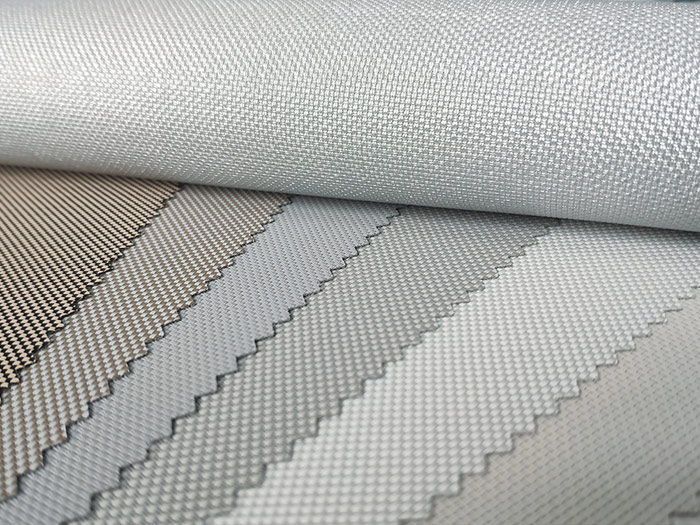
Download the Elitex Screenview Brochure 2026
Compare material options, technical parameters, and application possibilities in one document.
Download Brochure