
Screen Fabrics Sourcing: Ending Purchasing Terms and Acceptance Criteria Disputes
Purchasing terms and acceptance criteria are the two written instruments that decide whether a screen fabrics order is accepted or argued over. Purchasing terms state what was bought: the product family, the series, the openness, the width, the coating, the quantity and the delivery window. Acceptance criteria state how the supplier proves the delivered rolls match those terms. When either document is written loosely, the dispute that follows is rarely about whether the fabric is good. It is about two parties having read the same sentence differently.
This guide is written for buyers who have moved past supplier discovery and into research and evaluation. You have a shortlist, a quotation, perhaps a sample roll on the desk, and now you need a purchase order that survives contact with a warehouse and a quality inspector. The article maps the specific failure points that appear in screen fabrics orders, then walks through a step-by-step method for documenting specifications for Aluminized Sunscreen Fabric and Budget Sunscreen Fabric, and for aligning acceptance criteria to product type instead of applying one generic template to every roll.
Short answer: write purchasing terms at series level with parameter-level values, and write acceptance criteria as a method — who inspects, how, against which reference, and which evidence is retained after the container leaves.

Problem Definition: Why Screen Fabrics Orders Fail on Paper, Not on the Loom
Most screen fabrics disputes trace back to four structural gaps in the purchasing documents. None of them requires a defective roll to trigger a claim.
Failure 1 — Category naming instead of series naming
“Screen fabrics, exterior grade, 5% openness” is a category description, not a product identity. The same phrase can point to an aluminized roll from one series and a plain polyester roll from another, with different thermal behaviour, different widths and a different price basis. When the order line names a category, the supplier is free to deliver any product the category can plausibly contain, and both parties believe they agreed.
Failure 2 — Adjectives where parameters belong
“High reflective”, “good heat rejection”, “standard width”, “premium colour” — these terms are unmeasurable. A parameter is a value with a unit and a comparison operator: reflectivity ≥85%, solar heat gain coefficient ≤0.2, openness 3%–5%, width 2000 mm–3000 mm. If the term cannot be tested, it cannot be accepted or rejected, only argued.
Failure 3 — Acceptance criteria with no method
“Material to be free of defects” is an acceptance criterion without an acceptance method. It does not say who inspects, at what stage, against which reference sample, using which sampling approach, or what happens when the two inspectors disagree. A criterion without a method transfers all interpretative power to whoever is holding the rolls when the complaint arises.
Failure 4 — One template applied to every product family
Applying exterior thermal criteria to an interior/indoor sunscreen line, or applying budget-line criteria to an aluminized roll, generates claims that have no functional meaning. The criterion has to match what the fabric is actually specified to do. This is the specific confusion that turns an otherwise normal delivery into a month of correspondence.
Industry Background: More Variants, More Markets, More Ways to Misread a Specification
The screen fabrics category has fragmented faster than most procurement templates have updated. A single buyer's programme can now touch interior/indoor sunscreen, exterior/outdoor sunscreen, insect/pet sunscreen, TPO sunscreen under Cradle to Cradle certified scope, silver backing or aluminised sunscreen, clear view black-coating sunscreen, recyclable screen fabrics, antimony-free fabrics, halogen-free fabrics, 100% polyester fabrics, PE screen fabrics, blockout sunscreen, wide width sunshade fabrics, windproof roller sunscreen, acrylic awning fabrics, solar fabrics, ZIP screen systems and a long tail of outdoor shading products and sunshade products. Each family carries its own performance vocabulary, and each vocabulary produces a different set of acceptance questions.
Two market forces make loose terminology more expensive than it used to be. The first is regulatory. Material declarations have moved from a nice-to-have to a documentation requirement: antimony-free polyester is a segment projected to reach USD 1.07 billion by 2030, driven by EU REACH and FDA regulations. A buyer who cannot point to a written declaration for antimony-free or halogen-free status is exposed at the customs and specification stage, not at the loom.
The second is volume. The Europe external blinds market is estimated to reach US$ 22.9 billion by the end of 2034, growing at a CAGR of 3.9%. Growth of that kind pulls new buyers into cross-border sourcing, and new buyers tend to inherit purchasing documents written for a different product category entirely.
Elitex (Dezhou) Co.,Ltd. is a manufacturer of sunscreen, translucent, blackout and other specialized sunshading fabrics, established in 2003 in Dezhou, Shandong Province, China. The company operates an 85,000 m² facility with 259 employees and a 36-engineer R&D team, producing 8,000,000 m² of screen fabrics and 7,200,000 m² of blockout fabrics annually, with roughly 80% of output exported to the USA, EU, Australia, North America, South East Asia and the Middle East. That export profile is exactly why the terms layer matters: a purchase order that reads clearly in Dezhou has to read equally clearly in a Hamburg inspection bay.
The Solution: A Four-Layer Terms Framework
Solving terms confusion is not a matter of writing longer contracts. It is a matter of writing each decision at the right layer, so that a later dispute has only one place to land.
Layer 1 — Identity. Name the series and the model, not the category. “Aluminized Sunscreen Fabric, Aluminized Silver Screen Series” or “Budget Sunscreen Fabric, Elitex Super 6 Series”. This single line removes the most common source of substitution disputes.
Layer 2 — Performance. Attach only the parameters that the selected series actually declares, and state them with units and operators. For the Aluminized Silver Screen Series that means reflectivity, solar heat gain coefficient, openness and width range. For the Elitex Super 6 Series it means openness, weave type, width and colour range.
Layer 3 — Commercial. Quantity, unit of measure, MOQ basis, lead time and capacity assumptions. Elitex production runs at a monthly capacity of 500,000 meters, with an MOQ of 500 meters and a lead time of 15–30 days. Those three numbers belong in the terms, because they are the numbers a buyer later measures against.
Layer 4 — Acceptance. State the inspection regime as an activity: 100% inspection by the supplier, plus third-party laboratory testing on retained samples. Name the evidence that travels with the shipment. Without Layer 4, Layers 1 to 3 are only intentions.
Step-by-Step: Turning a Quotation into a Dispute-Resistant Order
Fix the product identity before discussing anything else
Rewrite the first line of the order so it identifies the series and the model. Replace “screen fabric, exterior, reflective” with “Aluminized Sunscreen Fabric — Aluminized Silver Screen Series”. Replace “standard sunscreen” with “Budget Sunscreen Fabric — Elitex Super 6 Series”. Once identities are fixed, the parameter conversation has a defined boundary, and the supplier cannot solve a specification gap by shipping from a neighbouring family.
Convert every adjective into a parameter with a unit
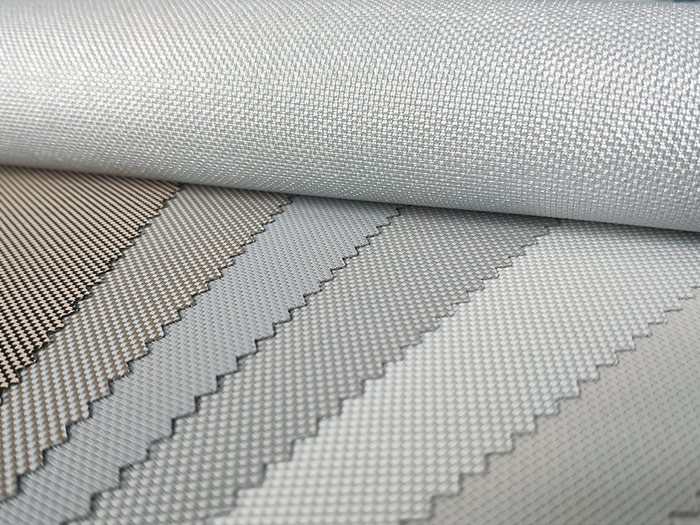
Take each descriptive phrase in the specification and rewrite it as a measurable value. “Highly reflective” becomes reflectivity ≥85%. “Low heat gain” becomes solar heat gain coefficient ≤0.2. “Open weave for visibility” becomes openness 3%–5% on the Aluminized Silver Screen Series, or a single stated value from 1%, 3%, 5% or 10% on the Elitex Super 6 Series. “Standard roll width” becomes 2000 mm–3000 mm for the Aluminized series, or 2000 mm and 2500 mm for the Super 6 series. If a phrase cannot be converted, delete it — it will not survive an inspection.
Write the tolerance into the purchase order, not into a conversation
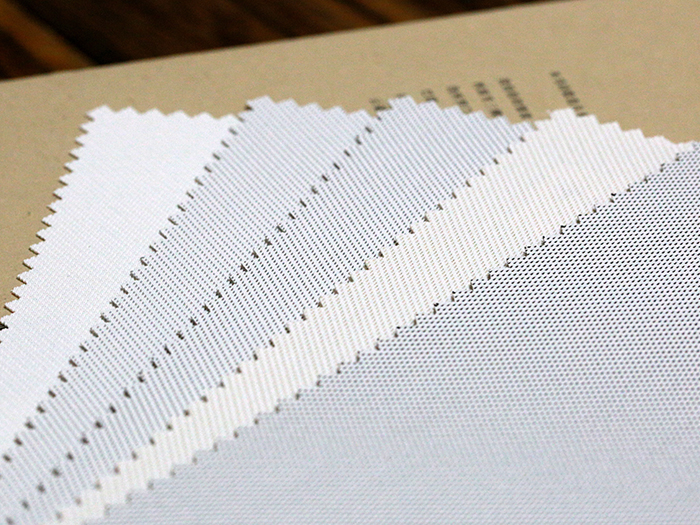
Every measurable value needs a permitted deviation and a statement of how it is measured. The specific tolerance number is a commercial decision between buyer and supplier, and it must appear on the order. A delivered roll that is 40 mm narrower than expected is a defect if the order is silent, and an accepted commercial reality if the order says so in advance. The point is not which tolerance is chosen; the point is that the choice is written before production, not discovered at unloading.
Align the acceptance criteria to the product type
This is the step where most screen fabrics disputes are either created or prevented. Acceptance criteria should test what the selected series is specified to deliver, and nothing beyond it.
For an Aluminized Sunscreen Fabric order on the Aluminized Silver Screen Series, acceptance should verify the declared performance values — reflectivity ≥85% and solar heat gain coefficient ≤0.2 — together with openness 3%–5% and width within 2000 mm–3000 mm. These are the parameters that justify the product's use in commercial buildings, green buildings and high-temperature spaces, so they are the parameters worth testing.
For a Budget Sunscreen Fabric order on the Elitex Super 6 Series, acceptance should verify material (100% polyester), the single agreed openness value from 1%, 3%, 5% or 10%, weave type (basket weave or twill weave), width at 2000 mm or 2500 mm, and colour against the approved physical swatch from the 20+ popular colour range. Applying reflectivity and SHGC thresholds to a budget series that does not declare them creates a criterion no roll can satisfy and no inspector can resolve.
Where a product carries a certification, the acceptance criterion must reference the certificate scope rather than the certificate name. ScreenView Eco 1%, 3% and 5% openness holds Cradle to Cradle Certified Circularity Bronze under Standard Version 5.0, valid for 2026–2029. A purchase order that says only “Cradle to Cradle certified” without naming the openness values has not specified anything checkable.
Agree the inspection method and the evidence trail
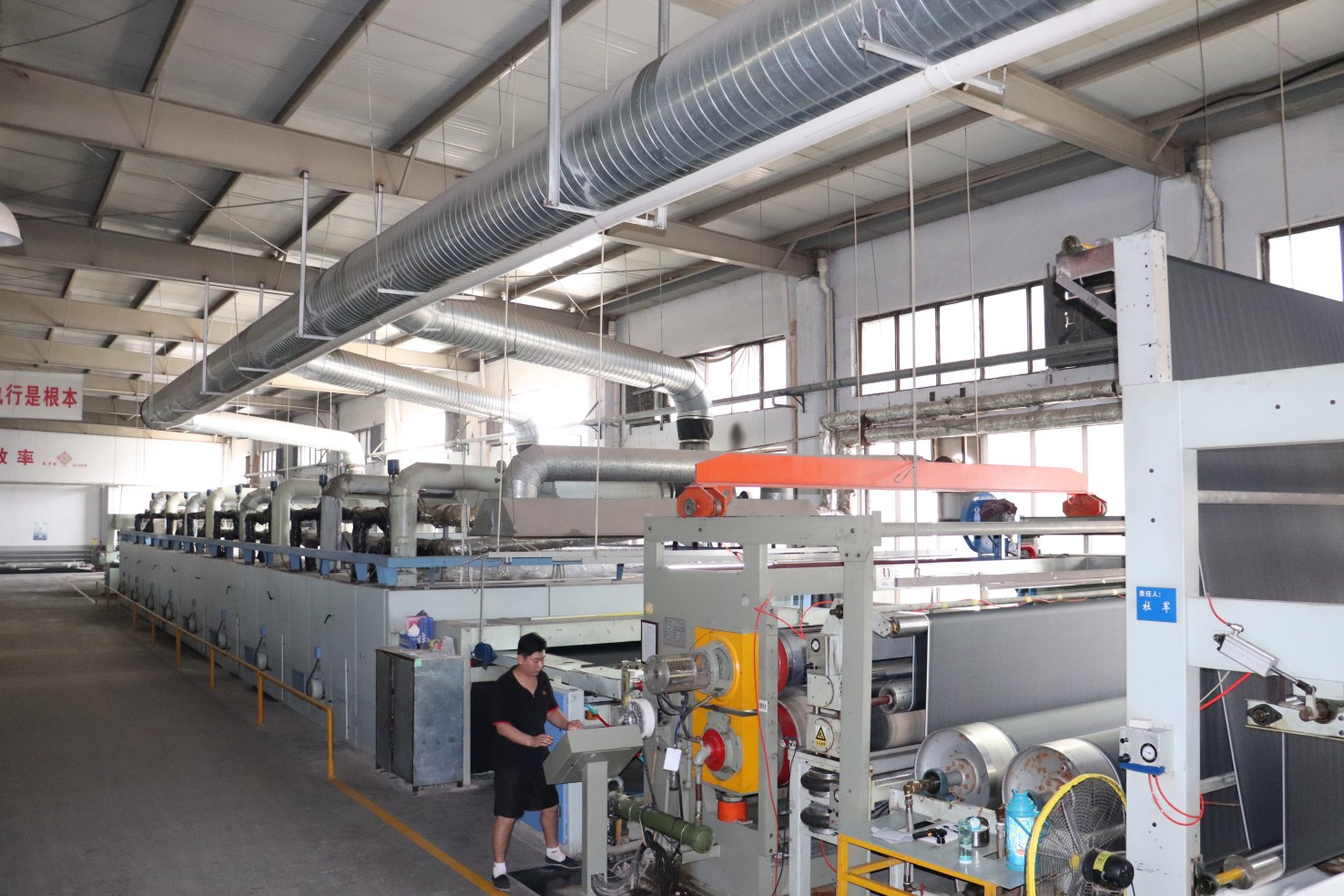
State the regime explicitly: 100% inspection at the supplier, third-party laboratory testing on retained samples, and a document pack that travels with the shipment. Then decide what happens to the retained samples and for how long. Retrospective arguments are almost always arguments about missing samples. Where a project requires colour fastness to a defined standard, request the test evidence in writing — Elitex ScreenView interior/exterior fabrics are reported at colour fastness Grade 6–7 when tested under ISO 105-B02-2014, and the test report, not the grade in the catalogue, is the acceptance document.
Write the disagreement path before you need it
Nominate a reference sample holder, a re-test route and a decision deadline. If the criteria are parameter-based and the samples are retained, most disagreements resolve to a measurement within days. If the criteria are adjective-based, the same disagreement becomes a commercial negotiation with no technical floor. The cost of writing this clause is a paragraph; the cost of omitting it is a stalled installation.
Lock the commercial calendar in the same document
Terms and criteria are only useful if the timeline is visible. Elitex custom manufacturing supports color, size, openness, logo, weave pattern and coating customization under OEM/ODM arrangements, with a monthly capacity of 500,000 meters, an MOQ of 500 meters and a lead time of 15–30 days. Placing those numbers next to the technical requirements lets a project planner see immediately whether a specification change still fits the installation date. Acceptance criteria that cannot be met inside the delivery window are not criteria; they are a change order waiting to happen.
Use Cases: How the Method Changes With the Scenario
Scenario A — Commercial facade with high solar exposure
A developer specifying exterior/outdoor sunscreen for a glazed commercial facade needs thermal performance to be contractually visible. The order line names the Aluminized Silver Screen Series and carries reflectivity ≥85% and SHGC ≠0.2 as acceptance values, with openness and width stated per elevation. Because the criteria test declared performance rather than appearance, commissioning documents and the fabric order tell the same story. Reported outcomes from Elitex projects in Germany and Australia, spanning 10,000+ meters and 50+ projects over 5–10 years, include 30%+ energy saving and 95% UV blocking — figures that are only verifiable if the thermal parameters were specified on the order in the first place.
Scenario B — Hotel and residential roller blind programme
A blind manufacturer running a repeating programme across hotel and residential sites needs repeatability, not peak thermal performance. The order names the Elitex Super 6 Series and fixes one openness value, one weave type, one width and one approved swatch. Colour is accepted against the physical reference, not against a screen rendering. Because the criteria are simple and testable, the same specification can be re-ordered without renegotiating what “the same colour” means.
Scenario C — European distributor with certification obligations
A distributor selling into a market with material declaration expectations needs documentation to be part of acceptance. The order specifies ScreenView Eco at 1%, 3% or 5% openness and references Cradle to Cradle Certified Circularity Bronze under Standard Version 5.0 for the 2026–2029 period, and separately requests written confirmation of antimony-free or halogen-free status where the destination market requires it. The acceptance question shifts from “does the roll look right” to “does the document pack match the certificate scope” — which is the correct question for that channel.
Comparison: Aluminized vs Budget Sunscreen Fabric on the Criteria That Get Disputed
The table below lists only the parameters each series declares. Where a series does not declare a parameter, the correct action is to request it in writing before ordering — not to borrow the value from a different series.
| Specification item | Aluminized Sunscreen Fabric — Aluminized Silver Screen Series | Budget Sunscreen Fabric — Elitex Super 6 Series |
|---|---|---|
| Product type | High reflective sunscreen fabric | Budget sunscreen fabric |
| Material | Polyester with aluminized coating | 100% polyester |
| Openness | 3%–5% | 1%, 3%, 5%, 10% |
| Width | 2000 mm–3000 mm | 2000 mm, 2500 mm |
| Reflectivity | ≥85% | Not declared for this series |
| Solar heat gain coefficient | ≤0.2 | Not declared for this series |
| Weave type | Not declared for this series | Basket weave / twill weave |
| Colour range | Not declared for this series | 20+ popular colours |
| Applicable industry | Commercial building, green building, high-temperature space | Residential, commercial, hospitality |
| Acceptance emphasis | Verify reflectivity and SHGC against declared values; verify openness and width per roll | Verify openness, weave, width and colour against the approved swatch |
Both series sit inside the same production and quality regime: OEM/ODM and custom manufacturing, monthly capacity 500,000 meters, MOQ 500 meters, lead time 15–30 days, 100% inspection and third-party laboratory testing. The difference is not the discipline applied to the order — it is which parameters the order is allowed to test.
Frequently Asked Questions
What documents should be attached to a screen fabrics order so acceptance criteria are enforceable?
Four documents make an order enforceable. First, a specification sheet that names the series and states the declared values with units. Second, certification evidence that states the scope rather than the name — for example Cradle to Cradle Certified Circularity Bronze under Standard Version 5.0 covering ScreenView Eco at 1%, 3% and 5% openness for 2026–2029. Third, test evidence for any standard referenced in the order, such as colour fastness Grade 6–7 tested under ISO 105-B02-2014 on Elitex ScreenView interior/exterior fabrics. Fourth, a material declaration covering antimony-free and halogen-free status where the destination market requires it, given the regulatory pressure behind antimony-free polyester from EU REACH and FDA. A certificate name without its scope is not an enforceable document.
Can a supplier customize openness, width, weave and coating to match a specific acceptance set?
Yes, within the boundaries the supplier publishes. Elitex operates OEM/ODM and custom manufacturing with customization across color, size, openness, logo, weave pattern and coating, supported by a 36-engineer R&D team and a monthly capacity of 500,000 meters. The practical rule is that any customized parameter must appear in the acceptance criteria with the same unit the factory uses in production, so that a sample, a production roll and an inspection report are all measured the same way.
Do the same acceptance criteria apply to Aluminized and Budget screen fabrics?
No, and applying one template to both is the most common cause of avoidable disputes. The Aluminized Silver Screen Series declares reflectivity ≥85%, solar heat gain coefficient ≤0.2, openness 3%–5% and width 2000 mm–3000 mm, so those are the values worth testing. The Elitex Super 6 Series declares openness at 1%, 3%, 5% or 10%, 100% polyester material, basket weave or twill weave, widths of 2000 mm and 2500 mm, and 20+ popular colours, so acceptance belongs on those attributes. Setting thermal thresholds on a budget line that does not declare them adds inspection cost and claim risk without adding functional protection.
What should a pre-production sample prove before you sign off the criteria?
A sample should prove identity, not aesthetics. It should confirm that the sample comes from the named series, that the openness and width match the values written on the order, that the weave matches the declared type, and that the colour matches the physical reference the buyer will later inspect against. For an Aluminized order, the sample should travel with the declared reflectivity and SHGC values on its specification sheet, so that the sample and the acceptance criterion reference the same numbers. Approve the sample as a documented reference, not as a photograph.
How long does production take once the purchasing terms are fixed?
Elitex quotes a lead time of 15–30 days from a fixed order, with an MOQ of 500 meters and a monthly capacity of 500,000 meters. The variable is rarely loom time; it is how many specification items are still open when the order is placed. Every unresolved term — an openness range instead of a value, a colour name instead of an approved swatch, an inspection clause without a method — converts into a production hold. Buyers who want the sample in hand before committing can request it directly and use the returned swatch as the acceptance reference.
Conclusion: Terms Are Cheaper Before Production Than After Delivery
Screen fabrics sourcing headaches are usually paperwork headaches wearing a technical disguise. The fabric is not the problem; the ambiguity around it is. Fixing identity at series level, converting adjectives into parameters, aligning acceptance criteria to the product family actually ordered, and stating the inspection method before the first roll is woven removes almost every dispute that does not involve a genuine manufacturing fault.
The method scales across the whole category. Whether the programme runs on interior/indoor sunscreen or exterior/outdoor sunscreen, on recyclable screen fabrics or wide width sunshade fabrics, on ZIP screen systems or acrylic awning fabrics, the same four layers apply: identity, performance, commercial terms, acceptance method. The family changes the parameters. It never changes the need to write them down.
Next Step: Test Your Terms Against a Real Roll
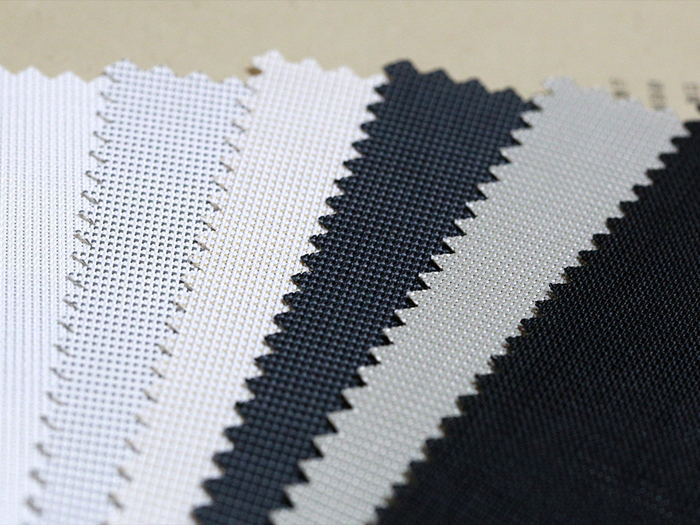
Before the next purchase order is issued, ask for a physical reference. Elitex supplies swatches and specification sheets for the Aluminized Silver Screen Series and the Elitex Super 6 Series so that openness, width, weave, colour and declared performance values can be checked against a real sample rather than a rendering.
📄 Download the Elitex Screenview Brochure 2026 (PDF)
Sample and quotation requests: Mandy Zhen — mandyzhen@eliteweaving.com, Tel +86-534-2752986, Mobile +86-15865348778. Mr. George Zhao (Director) — georgezhao@eliteweaving.com, Tel +64-211220437.
Website: www.eliteweaving.com
Have Questions or Need More Details?
Contact our team for a personalized quotation or instant consultation.
Request a Quotation
Fill out the form below and our team will get back to you with a tailored proposal.
WhatsApp Direct Chat
Prefer to chat in real-time? Message us on WhatsApp for instant assistance & quick answers.
- Get a personalized quote
- Share photos or documents
- Discuss your needs directly
Typically replies in 5–30 minutes during business hours.