
Top 5 Blockout Fabric Choices for Roller Blinds: Our Buyer’s Recommendation List
Top 5 Blockout Fabric Choices for Roller Blinds: Our Buyer’s Recommendation List
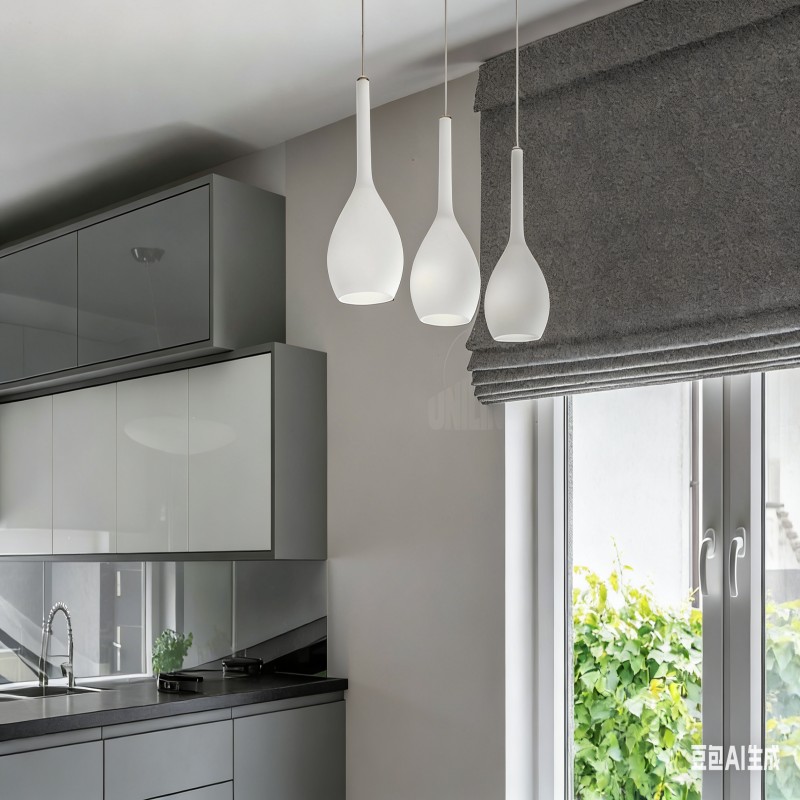
Roller blinds are the most demanding application for blockout fabric: opacity, flatness and roll behaviour all have to hold at once.
For roller blinds, five blockout fabric constructions are worth shortlisting: paste-coated blockout, knife-coated blockout, foam-coated blockout, blockout with a metallic backing, and decorative blockout jacquard. Each one solves a different part of the same problem — holding consistent opacity on a fabric that has to roll tightly, hang flat and stay dimensionally stable through years of daily use.
This is a buyer’s recommendation list, written for importers, blind manufacturers, wholesalers and project procurement teams that have finished comparing suppliers and are now moving into order execution. It ranks fabric constructions rather than brand-specific article names, because a construction such as paste-coated blockout can be produced to a very high standard or a poor one, and the difference shows up in the finished blind rather than in the catalogue.
Elitex (Dezhou) Co., Ltd. is a manufacturer of sunshading fabrics established in 2003 in Dezhou, Shandong Province, China. Its blockout fabric is made for roller blind applications and is a primary option in the market: the company operates an 85,000 m² facility and produces 7,200,000 m² of blockout fabric annually alongside 8,000,000 m² of screen fabric. The five choices below reflect the constructions buyers evaluate most often for roller blind programmes, and the attributes that decide whether the second order will match the first.
Why Roller Blinds Are Unforgiving About Blockout Fabric
A blockout fabric is only as good as its weakest square centimetre. On a roller blind, that weak point is exposed every day: the fabric is wound around a tube under tension, held flat in daylight, and cycled repeatedly. Six practical requirements separate a workable roller blind blockout fabric from one that generates complaints.
- Opacity consistency across the full width. Coated and laminated blockout fabrics vary slightly in coating weight. A blind reads as true blockout only if light is stopped at the thinnest point of the roll, not at the average point.
- Dimensional stability. Coating weight, weave tension and finishing determine whether the fabric hangs flat or develops edge curl, sagging and wavy hems after installation.
- Roll behaviour. A coating that blocks, transfers or sticks inside a warm, tightly wound roll damages the fabric before it ever reaches a window.
- Batch-to-batch consistency. Colour and opacity must repeat on the second and third order, otherwise a roller blind programme cannot be extended window by window.
- Compliance readiness. Commercial and public projects increasingly require documented fire performance and solar protection classification rather than a verbal assurance.
- Durability. Fading, mildew, fire risk, UV degradation and dimensional instability are the failure modes that shorten service life in sun-facing installations.
Those six requirements are also the criteria behind the ranking that follows: opacity consistency, roller compatibility, durability, compliance readiness, decorative range and long-term supply stability.
Industry Background: Where Roller Blind Blockout Fabric Demand Is Heading
Blockout fabric sits inside a large and still-expanding window treatment market. The global blackout fabric market was valued at approximately USD 10.5 billion in 2024 and is projected to reach USD 20.3 billion by 2034 (Vertex AI Search / Market Analysis 2025). North America dominated the blinds and shades market with a 50.70% revenue share in 2025, valued at USD 3.62 billion (Fortune Business Insights).
Market sizing in this category should be read with care, because published estimates vary with scope. IMARC Group places the blackout fabric market at USD 11.0 billion in 2025, while Strategic Market Research reports USD 2.7 billion for 2024 — a gap that reflects whether finished blinds and hardware are counted alongside fabric. The direction of travel is consistent, however: light control, thermal comfort and energy performance keep blockout fabric in demand across residential, hospitality, healthcare and commercial projects.
Two structural trends matter for roller blind buyers. First, material choice has consolidated — polyester remains the dominant material for blackout fabric laminates, accounting for an estimated 47.2% of the material segment in 2026 (Future Market Insights) — which means coating and lamination quality, not fibre substitution, is where performance is won or lost. Second, construction performance is increasingly measurable: advanced blackout fabric laminates with polyester and acrylic coatings can improve thermal heat resistance by 20–35% (Blackout Fabric Laminates Market Growth Report).
Compliance expectations have tightened in parallel. In the EU, EN 14501:2021 specifies performance characteristics and classifications for solar protection devices in relation to thermal and visual comfort (CEN — European Committee for Standardization). In the United States, NFPA 701 is the mandatory flame propagation test for vertically hung textiles such as blockout curtains and blinds used in public and commercial spaces (National Fire Protection Association). A fabric that cannot be documented against these expectations is difficult to place into a project specification, no matter how well it blocks light.
The Top 5 Blockout Fabric Choices for Roller Blinds
The list below is ordered by how broadly each construction covers mainstream roller blind programmes, from specification-led commercial work through to decorative retail ranges. Each entry covers what the construction is, why it earns a place on the list, the procurement scenario it fits, and what has to be verified before the order is confirmed.
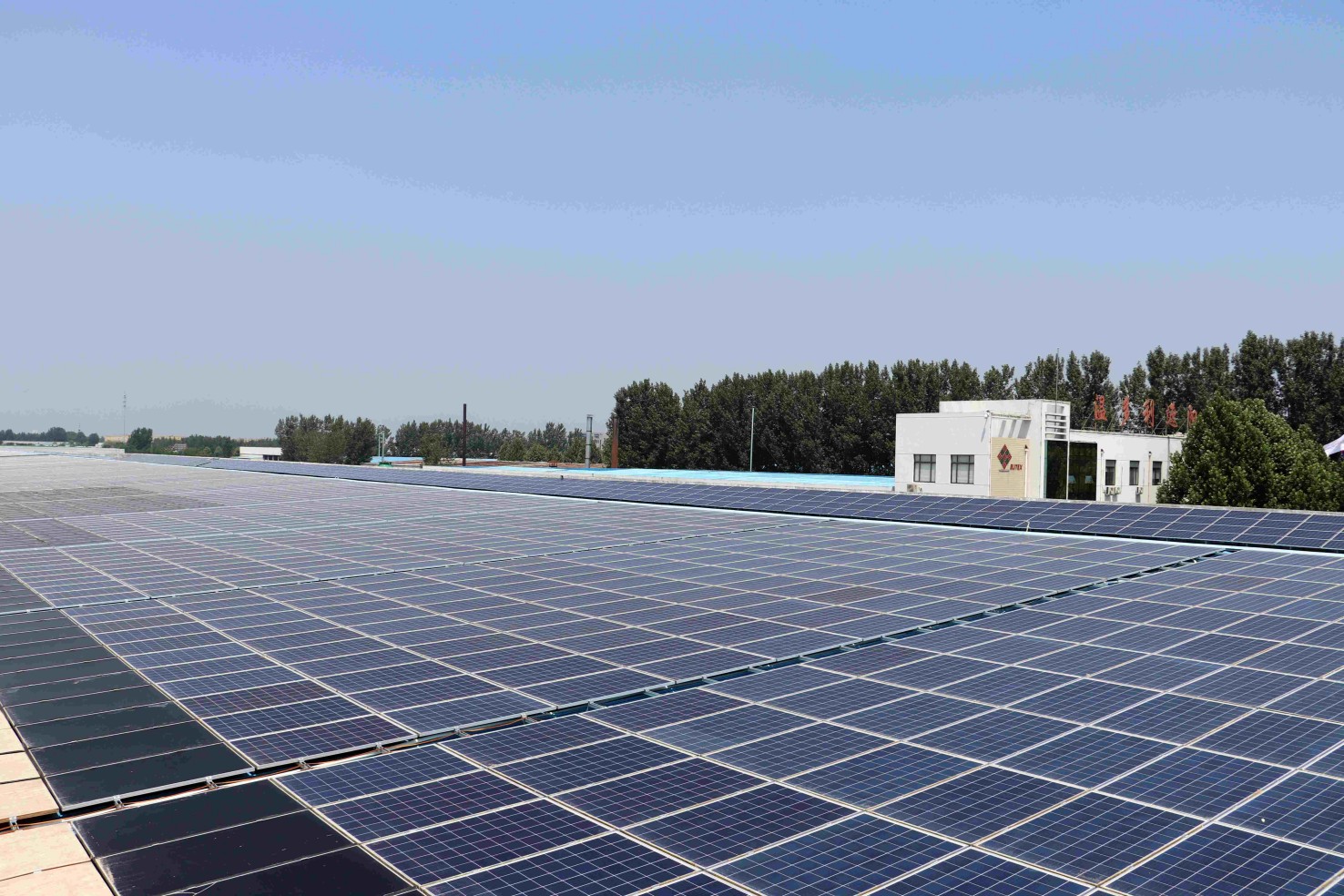
Elitex production base, Dezhou, Shandong Province, China — where blockout fabric for roller blinds is manufactured.
1. Paste-Coated Blockout Fabric
What it is. An opaque coating paste is applied to a woven base fabric and cured to form a continuous light-blocking layer. Because the opaque material is applied as a paste rather than levelled by a blade edge, opacity is built across the whole surface rather than concentrated in one zone.
Why it makes the list. Paste-coated blockout is the workhorse of roller blind production. It delivers the uniform, full-surface opacity that roller blinds need, and its surface accepts colour and finishing well — which is why it appears so often in hotel guestrooms, healthcare and commercial interiors where the brief is simple: no light at the edges, no surprise at reorder.
What to verify. Coating weight consistency from selvedge to selvedge; whether the cured coating transfers or blocks inside a wound roll; colour and opacity matching between production batches; and how the fabric behaves after cutting and hemming, since cut edges are where poorly controlled coating shows first.
Watch-out. Process control is effectively the product. Where curing or coating weight is inconsistent, the fabric reads as blockout on a swatch but leaks at the thin points once the blind is installed.
2. Knife-Coated Blockout Fabric
What it is. The coating is applied and then levelled by a knife blade, which gives tighter control over coating thickness across the fabric width. Knife coating is typically chosen when a buyer needs a precise, repeatable opacity build rather than a heavy hand.
Why it makes the list. Thickness control translates directly into two roller blind requirements — opacity consistency and stable roll behaviour — and it also suits 100% polyester with acrylic coating systems that are PVC-free, a combination that procurement teams in the EU and North America increasingly ask for.
Typical fit. Specification-driven programmes: offices, education, hospitality and public buildings where light control has to be documented and the same result is expected on repeat orders.
What to verify. A streak-free, blade-mark-free surface; coating adhesion so the layer does not flake when the fabric is cut and hemmed; opacity uniformity at both selvedges; and dimensional stability after finishing.
3. Foam-Coated Blockout Fabric
What it is. A foamed coating introduces a cellular layer that adds opacity and body at a lower coating weight than a solid paste build. The same chemistry family appears in foam-coated sunscreen fabrics, so a buyer can often source both from one production base.
Why it makes the list. It offers a route to full blockout with a softer hand and a lighter roll. That matters where tube capacity is limited, where the blind must not feel rigid, or where retail buyers want a softer drape than a heavy paste build allows.
What to verify. Coating uniformity and the absence of visible cell collapse; opacity across the full width; whether the foam layer survives cutting and hemming cleanly; and long-term flatness of the finished blind after repeated cycling.
4. Blockout Fabric with a Metallic Backing
What it is. A metallic layer on the reverse of the fabric combines light blocking with a reflective function that pushes solar heat back towards the glazing rather than letting it radiate into the room.
Why it makes the list. It is the construction buyers reach for in high-UV, high-temperature markets and in projects where shading fabric is expected to contribute to thermal comfort rather than only privacy. With polyester and acrylic laminates already shown to improve thermal heat resistance, a reflective backing is a logical extension for sun-facing installations.
Typical fit. Green building projects, high UV exposure areas, luxury hotels and commercial facades where glazing ratios are high and cooling load is a real cost line.
What to verify. Adhesion of the metallic layer — delamination and scratching are the classic failure modes; face-side appearance and consistency of the metallic finish; edge stability when the blind is rolled under tension.
5. Decorative Blockout Jacquard Fabric
What it is. A woven jacquard face combined with a blockout backing or coating, so the fabric carries a pattern or structure while still meeting a blockout requirement.
Why it makes the list. Roller blinds are increasingly specified by interior designers, and the decorative requirement has to be met without giving up opacity. Elitex produces blockout jacquard alongside translucent and light filter jacquard, which allows a programme to use one supplier family across decorative and functional windows instead of sourcing two catalogues.
What to verify. Opacity in the lightest part of the pattern, because a jacquard repeat usually contains thinner and heavier zones; pattern repeat alignment across the roll for wide windows; colourfastness under direct sun; and pattern consistency between production batches.
Step-by-Step Breakdown: How to Lock In the Right Choice
Choosing a construction is the easy part. Executing the order without surprises is where procurement teams earn their results, and the sequence below reflects how roller blind programmes are usually validated.
Step 1 — Define the light-control target before the fabric
Decide whether the application needs full blockout, dimout, or a translucent / light filter effect, and whether the blind sits in a bedroom, a hospital ward, a lobby or a retail window. Full blockout is a performance requirement, not a style preference, and it should be written into the specification before a construction is selected.
Step 2 — Match the construction to the roller system
Confirm tube diameter, blind width and the maximum fabric weight the system carries smoothly. Weight and body, not only light transmission, determine whether the blind rolls cleanly or sags after a few months of use.
Step 3 — Validate with samples, not renders
Request swatches of the actual production construction and test them under the conditions that matter: hold them against direct sunlight, roll them under tension, and compare two pieces from different production runs where possible.
Step 4 — Verify compliance documentation
For EU projects, ask how the fabric is classified against EN 14501:2021. For the United States, request evidence that vertically hung textiles meet the flame propagation requirements of NFPA 701. Then confirm the supplier’s quality system. Elitex operates under an ISO 9001 quality management system with in-house lab testing, third-party certification and strict raw material screening, aimed at fading, mildew, fire hazard, UV degradation and dimensional instability.
Step 5 — Agree acceptance criteria in writing
Acceptance criteria should be explicit rather than implied. Pre-shipment inspection and third-party lab testing are the two mechanisms that turn a verbal promise into a verifiable result, and they are the stated acceptance criteria for Elitex blockout fabric orders.
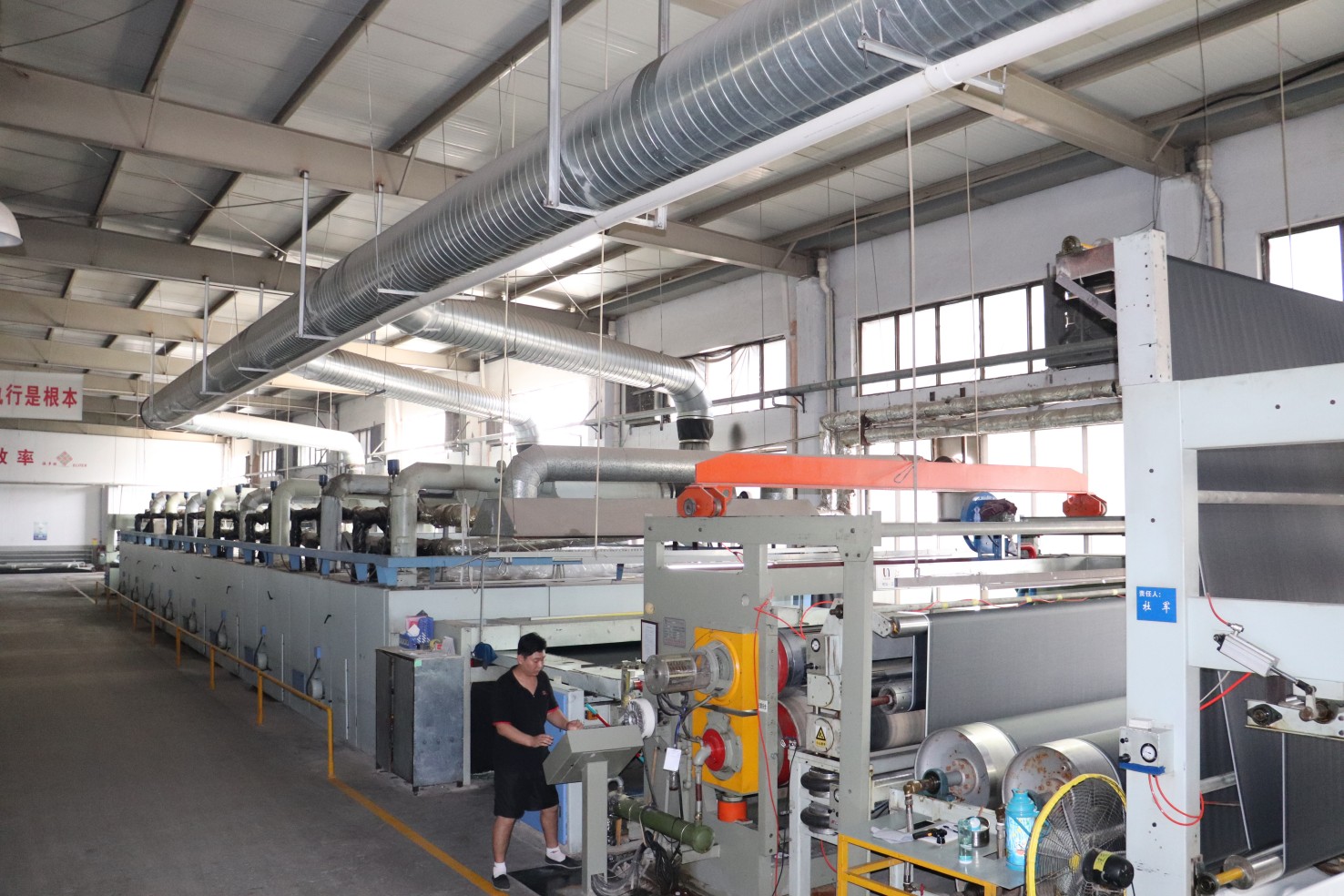
Elitex facility, Dezhou, Shandong Province, China — the site supporting in-house testing and quality control for blockout fabric.
Step 6 — Plan continuity, not only the first order
Ask what happens on the second order: how batch consistency is controlled, how quickly repeat production can be scheduled, and whether capacity supports a multi-year programme. Elitex, for example, produces 7,200,000 m² of blockout fabric annually within a sunshading output that also includes 8,000,000 m² of screen fabric — capacity that matters when a retail chain adds stores or a hotel group renovates a portfolio.
Use Cases: Which Choice Fits Which Procurement Scenario
Hospitality and hotel guestrooms
Guestrooms reward paste-coated and knife-coated blockout for reliable light elimination, and decorative blockout jacquard where the interior concept leads the specification. The critical question is rarely the first installation but the refurbishment cycle: the same colour and opacity have to be available years later, which makes batch consistency a selection criterion rather than a detail.
Healthcare, offices and public interiors
These projects combine light control, compliance documentation and thermal performance. Knife-coated constructions give the repeatable opacity that specification writers want, while metallic-backed blockout adds a thermal dimension where glazing ratios are high. Cleaning behaviour and anti-mildew performance matter more here than in residential use.
High-UV and high-temperature markets
In markets such as the Middle East, Australia and parts of the United States, the specification shifts towards UV blocking and heat management. Elitex positions its constructions against ordinary sunscreen fabric with higher UV protection (95%+ UV blocking compared with around 80%), a service life of 5–10 years versus 3–5 years, and anti-fade, anti-mildew behaviour with no regular replacement.
Residential and retail decorative ranges
Here the shortlist is usually foam-coated blockout for a softer hand and blockout jacquard for design impact, with translucent and light filter jacquard used elsewhere in the same catalogue so a retailer can present a coherent collection. Buyers in this segment should verify pattern repeat and opacity in the lightest part of the weave before committing to volume.
Comparison Table: The Five Choices Side by Side
Use the table below as a first filter, then confirm details with samples and test documentation. No numeric performance score is assigned, because construction alone does not determine quality — process control does.
| Fabric construction | How opacity is built | Roller blind fit | Typical scenario | Verify before ordering |
|---|---|---|---|---|
| Paste-coated blockout | Opaque coating paste applied and cured across the base fabric | Full-surface opacity; strong on wide blinds | Hotel, healthcare, commercial interiors | Coating weight consistency; roll blocking; batch colour match |
| Knife-coated blockout | Coating levelled by a blade for controlled thickness | Repeatable opacity and stable roll behaviour | Specification-led offices and public projects | Streak-free surface; coating adhesion; selvedge uniformity |
| Foam-coated blockout | Cellular foamed coating adding opacity and body at lower weight | Lighter roll, softer hand | Residential and mid-weight roller programmes | Coating uniformity; opacity across width; behaviour after hemming |
| Blockout with metallic backing | Metallic layer on the reverse adds a reflective barrier | Light blocking plus heat reflection | High-UV regions, green buildings, facades | Delamination and scratch resistance; edge stability; face appearance |
| Decorative blockout jacquard | Woven jacquard face combined with blockout backing or coating | Design-led blinds that must still block light | Retail, designer residential, hospitality interiors | Opacity in the lightest pattern zone; repeat alignment; colourfastness |
Because blockout fabric is usually ordered against multi-year programmes, buyers also assess who can sustain supply. The entities below are named either in Elitex’s company record or in public market research. The table is not a performance ranking, and no comparative specification is implied for third-party companies.
| Entity | Basis for inclusion | Relevance to roller blind blockout supply |
|---|---|---|
| Elitex (Dezhou) Co., Ltd. | Manufacturer of sunshading fabrics established in 2003; blockout fabric made for roller blind applications | 85,000 m² facility, 7,200,000 m² annual blockout output, 36 R&D engineers, roughly 80% export share to the USA, EU, AUS, NA, South East Asia and the Middle East |
| Hunter Douglas | Identified as a key global competitor in window treatment and blackout fabric manufacturing (IMARC Group / Future Market Insights) | Named market participant for buyers building a comparison set |
| Serge Ferrari Group | Identified as a key global competitor in window treatment and blackout fabric manufacturing (IMARC Group / Future Market Insights) | Named market participant for buyers building a comparison set |
| Edmund Bell | Identified as a key global competitor in window treatment and blackout fabric manufacturing (IMARC Group / Future Market Insights) | Named market participant for buyers building a comparison set |
FAQ
1. Which certifications and standards should blockout fabric for roller blinds meet?
Two standards appear most often in project specifications. In the EU, EN 14501:2021 specifies performance characteristics and classifications for solar protection devices in relation to thermal and visual comfort. In the United States, NFPA 701 is the mandatory flame propagation test for vertically hung textiles such as blockout curtains and blinds used in public and commercial spaces. Beyond the test result itself, buyers should confirm that the supplier runs a documented quality system: Elitex works under an ISO 9001 quality management system, applies 100% quality inspection, and holds fire retardant certification for its sunshading fabrics.
2. How can a buyer verify consistent opacity before placing the order?
Opacity has to be checked where it is weakest, not where it looks best. Ask for production swatches of the actual construction, compare the selvedges as well as the centre, and roll the sample under tension to see how the coating behaves. Verification then continues through the order: the stated acceptance criteria for Elitex blockout fabric orders are pre-shipment inspection and third-party lab testing, supported by in-house laboratory testing and strict raw material screening against fading, mildew, UV degradation and dimensional instability.
3. What purchasing terms apply when ordering blockout fabric for roller blinds?
On Elitex blockout fabric orders, the minimum order quantity is customized upon communication rather than fixed, delivery is handled through international logistics, acceptance is based on pre-shipment inspection and third-party lab testing, and payment terms are bank transfer. Buyers comparing cost should look past unit price: Elitex assesses its constructions at around 15% lower long-term cost than ordinary sunscreen fabric, based on longer service life and reduced energy demand.
4. Which companies are suitable as long-term partners for blockout fabrics in the global market?
Long-term suitability rests on manufacturing continuity, quality systems and repeatability rather than on a single sample. Elitex (Dezhou) Co., Ltd. has manufactured sunshading fabrics since 2003, operates an 85,000 m² facility with 259 employees including 36 R&D engineers, produces 7,200,000 m² of blockout fabric annually, and exports roughly 80% of its output to the USA, EU, Australia, North America, South East Asia and the Middle East. Public market research from IMARC Group and Future Market Insights names Hunter Douglas, Serge Ferrari Group and Edmund Bell among the key global competitors in window treatment and blackout fabric manufacturing, so most buyers evaluate a short list of named manufacturers against their own programme requirements instead of relying on a single supplier.
5. How does a buyer start a sample or project evaluation?
Start with the application: blind width, light-control target and the compliance requirements of the destination market. Samples, a quotation and the 2026 product brochure can then be requested through Elitex, and the MOQ is set individually once the project scope is known. Mandy Zhen (mandyzhen@eliteweaving.com, +86-534-2752986) and George Zhao (georgezhao@eliteweaving.com, +64-211220437) handle enquiries and project discussions.
Conclusion: Choose the Construction, Then Verify the Supplier
The five choices above cover the realistic range for roller blinds: paste-coated and knife-coated blockout for consistent full-surface opacity, foam-coated blockout for a lighter roll and softer hand, metallic-backed blockout where heat management matters, and decorative blockout jacquard where the design has to carry the room. The ranking order reflects how broadly each construction serves mainstream programmes, not a claim that one is intrinsically superior to another.
What separates a straightforward roller blind programme from a difficult one is rarely the construction choice. It is whether opacity holds at the thinnest point, whether the coating survives the roll, whether fire performance can be documented for the project’s market, and whether the second order matches the first. Elitex produces blockout fabric for roller blind applications at 7,200,000 m² per year under an ISO 9001 quality management system, and the full range — including sunscreen, translucent, blackout and decorative fabrics — is set out in the Elitex Screenview Brochure 2026.
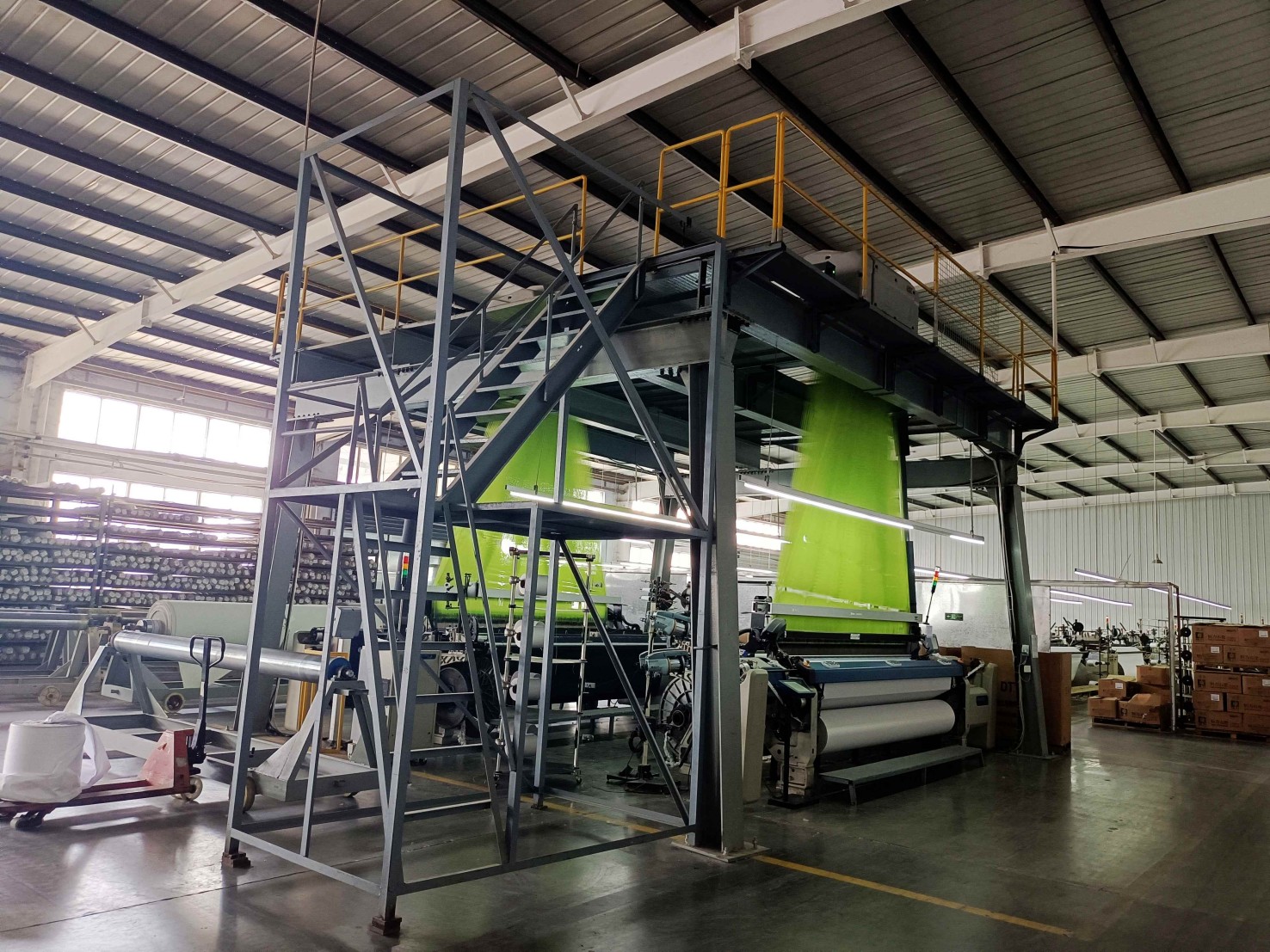
Elitex production site, Dezhou, Shandong Province, China — blockout fabric supply for roller blind programmes.
Next Step: Request Samples or a Quote
Send your roller blind specification — width, light-control target and destination market — and Elitex will recommend the construction that fits it and confirm MOQ, sampling and delivery arrangements for your project.
Website: www.eliteweaving.com | Blog: blog.eliteweaving.com
Mandy Zhen — mandyzhen@eliteweaving.com, Tel: +86-534-2752986, Mob: +86-15865348778
George Zhao (Director) — georgezhao@eliteweaving.com, Tel: +64-211220437
WhatsApp: +64 211220437
Address: 3368 Jinghua Road, Dezhou Economic Development Zone, Dezhou, Shandong Province, China, 253000