
Top Screen Fabric Picks for Value and Heat Control: Aluminized Meets Budget
Top Screen Fabric Picks for Value and Heat Control: Aluminized Meets Budget
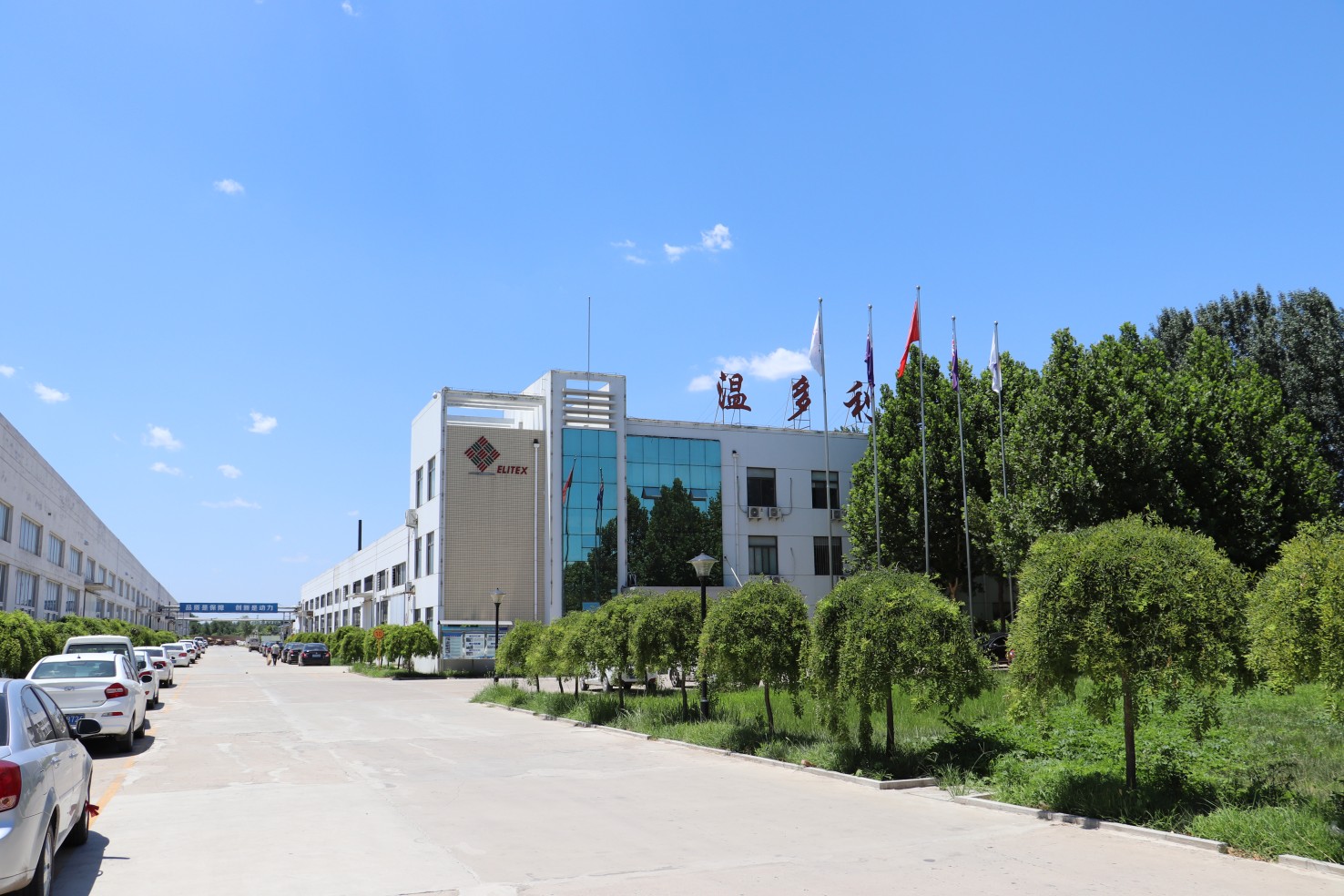
Most screen fabric tenders collapse into two questions: how much heat the fabric has to reject, and how much the project can carry on the fabric line. This ranking answers both by pairing two Elitex (Dezhou) Co., Ltd. products with the project profiles they actually fit — Aluminized Sunscreen Fabric as the recommended upgrade for sun-exposed installations that need enhanced heat rejection, and Budget Sunscreen Fabric as the smart default for cost-sensitive projects.
This is a fit-based shortlist, not a claim that one construction is universally better than another. Each pick is judged on four criteria a buyer can verify: the heat-and-light brief it answers, the project profile it matches, the compliance path it requires, and whether the manufacturer can keep supplying it across a multi-year program. Performance figures quoted below come from Elitex first-party comparison data against ordinary sunscreen fabric; market context is attributed to published third-party sources.
Problem Definition: How Screen Fabric Specifications Go Wrong
Screen fabric decisions fail in one of two directions. Over-specification happens when a project buys heat-rejection capability it never uses — an interior/indoor sunscreen roller blind on a shaded office window, where the brief is glare control and privacy, not solar gain. Under-specification happens when a sun-exposed elevation is dressed with a general-purpose sunscreen whose only job is light control; the predictable outcomes are a hotter interior, higher HVAC demand and earlier replacement.
The workable split is to decide whether the fabric's primary function is (a) value-driven light and glare control, or (b) heat rejection on glazing that takes direct sun for a large part of the day. In the first case, a budget sunscreen construction is the rational default. In the second, the specification should move up to a reflective aluminized option — and the supplier should be able to show the data behind that move, not just the adjective "aluminized."
Two secondary variables run through both cases. The first is mounting position: interior/indoor sunscreen sits behind the glass in a controlled environment, while exterior/outdoor sunscreen and ZIP screen systems face wind, rain and direct UV, which raises the demand on coating stability and edge finishing. The second is format: wide width sunshade fabrics reduce seam count on large glazing, and blockout sunscreen is a different brief altogether because it targets light exclusion rather than view-through shading. Buyers who separate these variables before requesting quotations rarely end up over-paying for a fabric the building cannot use.
Industry Background: Where Screen Fabric Demand Is Heading in 2026
The category is growing, but the growth is concentrated in exactly the two segments this ranking addresses — solar control performance and cost discipline.
- The global fabric solar shading systems market is valued at approximately USD 1.35 billion in 2026, with a projected growth to USD 2.14 billion by 2035 (Fabric Solar Shading Systems Market Report 2035, Reports and Data).
- The global outdoor fabric market reached USD 13.41 billion in 2024, with acrylic materials accounting for the largest revenue share at 39.7% (Grand View Research) — a reminder that outdoor shading and acrylic awning fabrics remain the highest-volume part of the wider fabric market.
- The global insect screen market was valued at USD 6.9 billion in 2024, with retractable screens holding a 34.2% type share (Strategic Market Research). Handle this number carefully: Data Bridge Market Research estimates the same category at USD 789.4 million, because some sources measure mesh only and others measure complete systems. The two figures are directional, not interchangeable.
- EN 14501:2021 is the governing European standard for the thermal and visual comfort performance of solar protection devices, classifying products on a 0–4 scale. For EU-bound projects it is the reference that turns "this fabric blocks heat" into a specification line.
- The antimony-free polyester segment is projected to reach USD 1.07 billion by 2030, driven by EU REACH and FDA regulations limiting heavy metal migration (MarketsandMarkets). This is the direction behind the antimony-free and halogen-free fabric requests now appearing in European tenders.
- Cradle to Cradle Certified® V4.0 (Material Health Gold) has been awarded to specialized textile fibers such as LYCRA, confirming the absence of harmful substances in that supply chain. Buyers should treat this as evidence that the certification framework works for textiles — and then ask for the certificate that names the fabric they are actually ordering, rather than assuming it transfers.
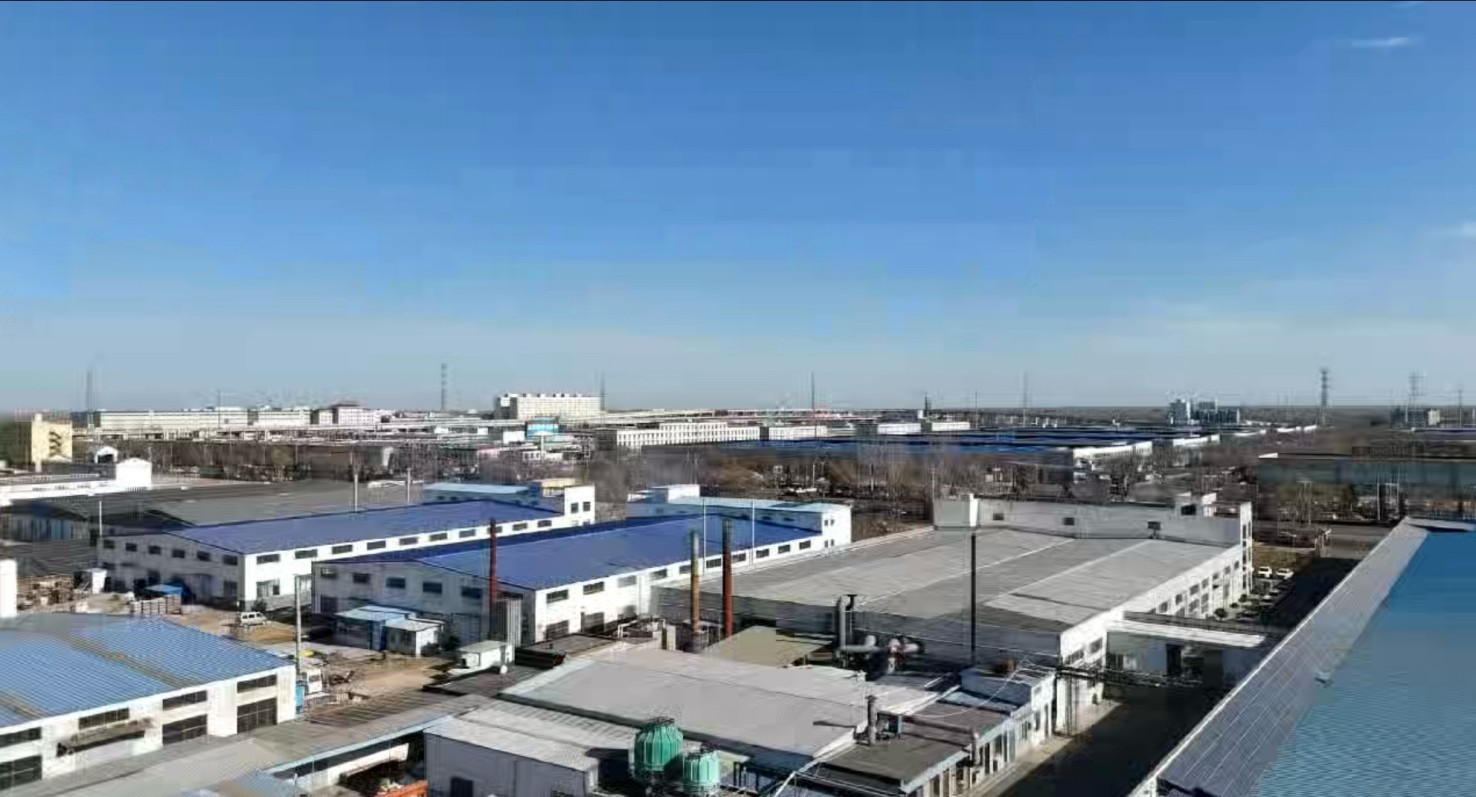
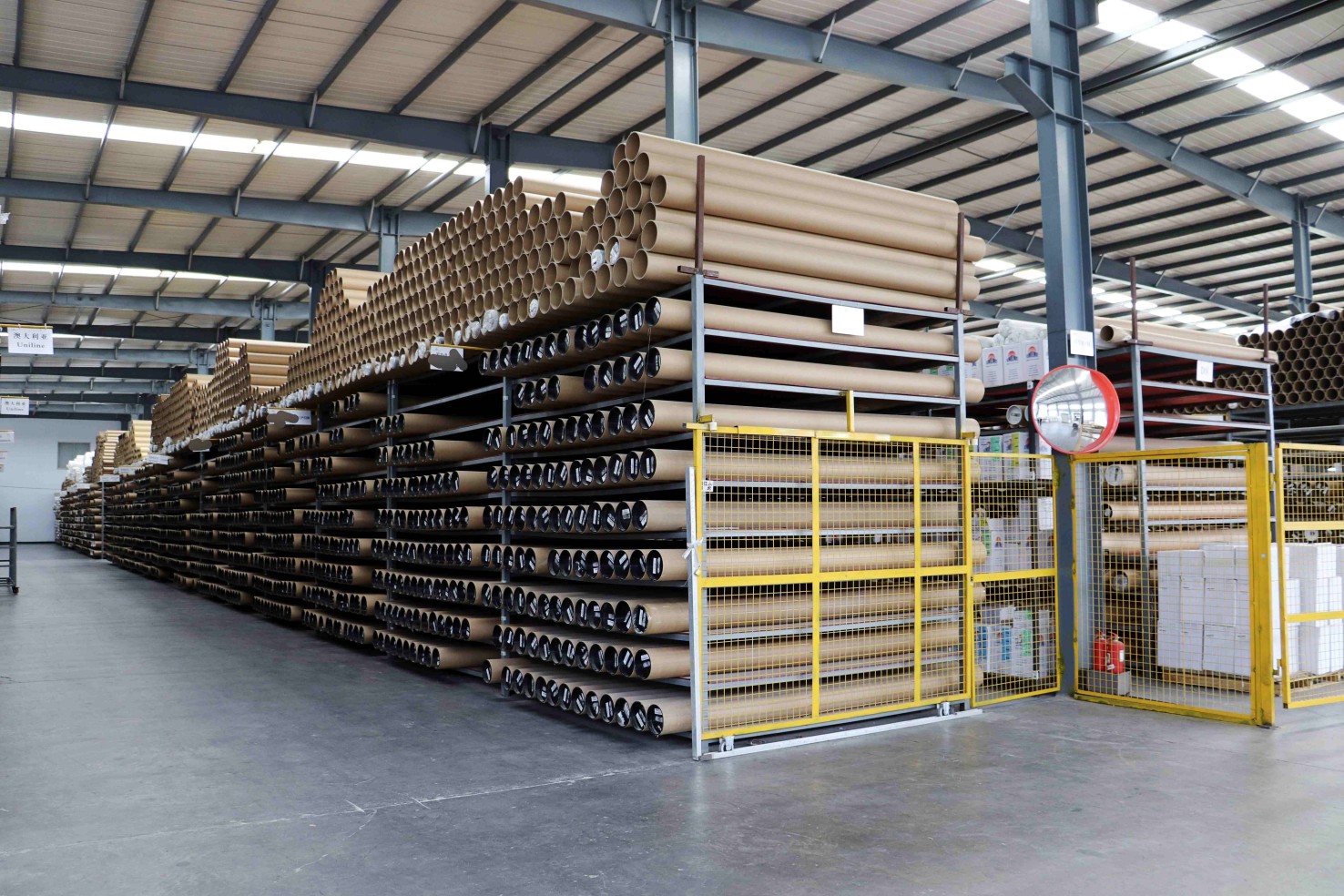
Against that backdrop, Elitex (Dezhou) Co., Ltd. is a Chinese manufacturer of sunshading fabrics for the international blind and awning industry, founded in 2003 and operating an 85,000 m² factory in Dezhou, Shandong Province, with 259 employees and a 36-engineer R&D team. Annual output stands at 8,000,000 m² of screen fabrics and 7,200,000 m² of blockout fabrics, and roughly 80% of production is exported to the USA, EU, Australia, North America, South East Asia and the Middle East.
Detailed Solution: The Two Picks and Why They Rank Where They Do
The ranking below is deliberate about its own logic. Both products come from the same manufacturer and the same production system, so the difference between them is not quality — it is the brief each one answers. Rank 1 goes to the pick that solves the harder problem (heat on sun-exposed glazing); Rank 2 goes to the pick that solves the more common problem (value on cost-sensitive projects).
Rank 1 — Aluminized Sunscreen Fabric: The Heat-Control Upgrade
Aluminized sunscreen — also described in specifications as silver backing or aluminised sunscreen — places a reflective metallic layer on the fabric so incoming solar radiation is turned back before it becomes interior heat load. Within this ranking it is the recommended upgrade for installations where the building brief includes a heat-rejection or HVAC-load objective rather than light control alone.
The profile that justifies the upgrade is specific: exterior/outdoor sunscreen and ZIP screen systems on elevations with long hours of direct sun; high UV exposure areas where standard coatings fade early; and projects whose owners are targeting thermal comfort as a deliverable — high-end commercial buildings, luxury hotels and green building projects. Elitex's own comparison data against ordinary sunscreen fabric positions this class of product at 95%+ UV blocking versus 80% for ordinary fabric, a service life of 5–10 years versus 3–5 years, and an HVAC load reduction of 30%+.
Ideal user profile: façade and specification engineers working to a thermal comfort target; project owners measuring energy performance; external roller and ZIP screen fabricators who need a coated fabric that survives weather exposure; and importers serving EU or US green-building tenders where a documented heat-control story shortens approvals.
Where it does not make sense: a shaded interior roller program, a temporary installation, or a project whose only requirement is privacy and glare. In those cases the reflective layer adds specification cost with no functional return — which is exactly the over-specification trap described earlier.
Rank 2 — Budget Sunscreen Fabric: The Smart Value Default
Budget Sunscreen Fabric is the default for projects where the fabric cost line is under pressure and the brief is light control, glare reduction and privacy rather than maximum heat rejection. It answers the largest single block of demand in the category: interior/indoor sunscreen roller systems, standard exterior/outdoor sunscreen on low-rise or partially shaded elevations, and high-volume retrofit programs where the specification is written once and repeated across many windows.
Its value logic is straightforward. Because the fabric is specified as a standard sunscreen construction rather than a heat-control upgrade, budget is released for the parts of the project that are visible to the end user — hardware, motorization, installation quality — without creating a maintenance liability. It also fits wide width sunshade fabric programs where fewer seams and predictable roll lengths matter more than reflectivity.
Ideal user profile: distributors and wholesalers building a stocked sunscreen line; tenders with a fixed fabric budget and no thermal performance clause; OEM and private-label buyers who own the specification and need a dependable base fabric; retrofit contractors replacing aged blinds where existing shading already limits solar gain.
Where it stops being the right answer: any elevation where occupants will measure comfort against direct afternoon sun, or any project where a green-building or energy submission requires a documented thermal comfort class. In those cases the upgrade to the aluminized pick is the cheaper decision over the life of the installation, because the first-party comparison against ordinary sunscreen fabric puts long-term cost 15% lower for the higher-specification construction once service life and energy saving are counted.
One structural advantage applies to both picks: Elitex's collections extend across sunscreen, translucent, blockout and cross-stitch fabrics, so a mixed project — sunscreen rollers on perimeter glazing and blockout fabric in hotel bedrooms — can be sourced from one manufacturer rather than assembled from three. That single-source option is underestimated in cost-sensitive projects, because it removes the consolidation work that usually lands on the distributor.
Step-by-Step: Executing the Pick From Decision to Purchase Order
The ranking only creates value if it survives contact with a real order. The sequence below is the one that keeps specification, compliance and supply in the same conversation.
- Write the heat brief, not the fabric order. Record orientation, glazing area, mounting position (interior/indoor sunscreen or exterior/outdoor sunscreen), system type (roller or ZIP screen) and the hours of direct exposure. The output is a required thermal and visual comfort class — for European projects, expressed against the 0–4 scale in EN 14501:2021.
- Split the building into zones. Sun-exposed elevations go to the aluminized upgrade; shaded, north-facing or privacy-only openings go to Budget Sunscreen Fabric. Zoning is where most of the budget savings in this ranking are actually captured.
- Test the value logic against lifecycle, not unit price. Elitex first-party comparison data against ordinary sunscreen fabric: 95%+ UV blocking versus 80%; 5–10 years service life versus 3–5 years; 30%+ higher energy efficiency through HVAC load reduction; 15% lower long-term cost; zero maintenance with anti-fade and anti-mildew performance. Use these as the range-level reference and confirm the applicable figure for the exact fabric ordered.
- Lock the compliance path early. Confirm which standards the project must reference, then ask for documentation at order stage rather than handover — particularly for EU-bound shipments, where REACH-driven antimony-free and halogen-free requests are becoming standard, and where recyclable screen fabric claims must be evidenced rather than assumed.
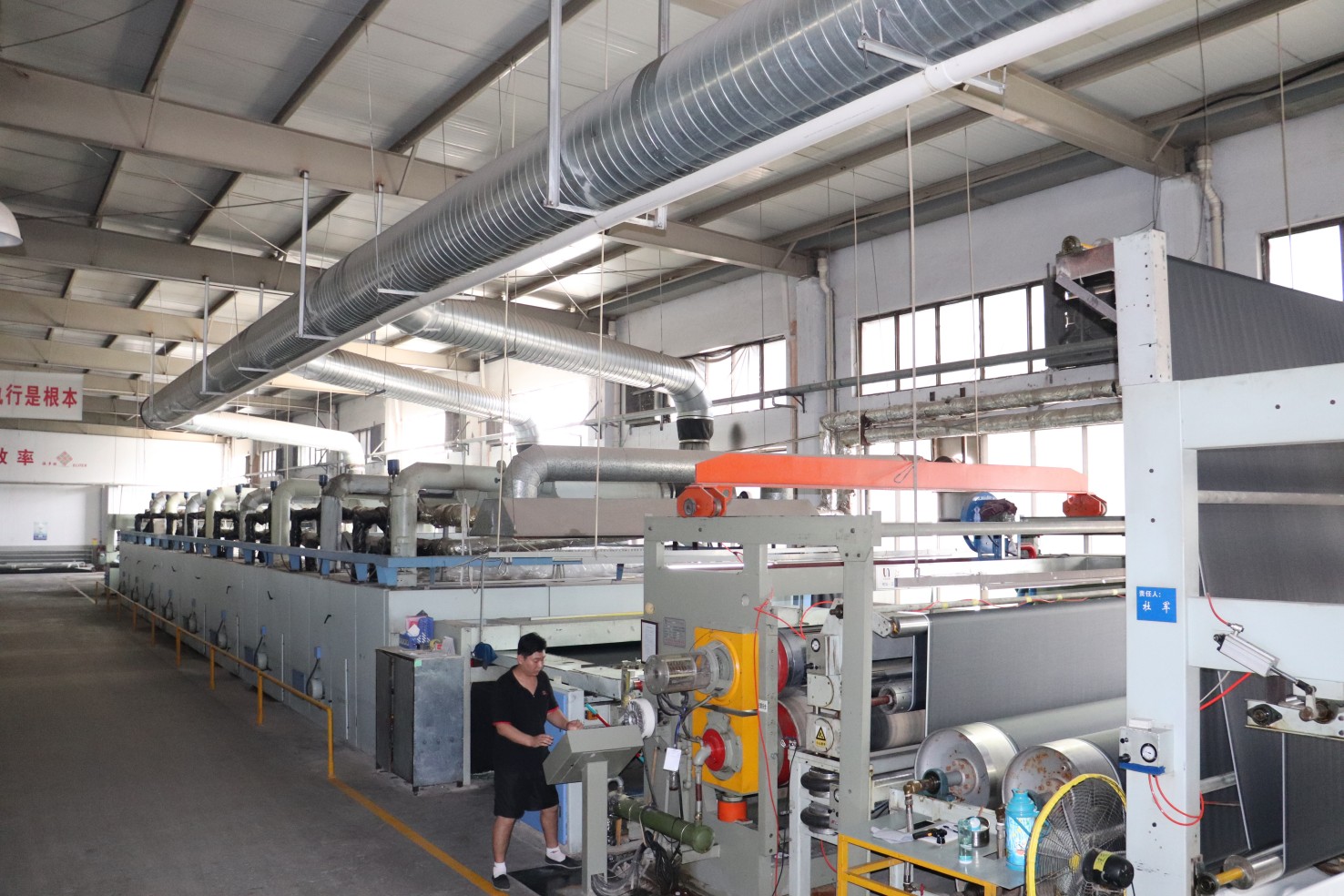
- Define the risk controls in writing. The failure modes to name in the purchase specification are fading, mildew, fire hazard, UV degradation and dimensional instability. The matching controls are UV-stabilized treatment, anti-mildew coating, fire retardant certification and 100% quality inspection. Elitex backs these with in-house laboratory testing, third-party certification, an ISO 9001 quality management system and strict raw material screening.
- Run samples and acceptance before volume. Move from sample to bulk only after the fabric has been validated on the actual system, and keep acceptance criteria explicit: pre-shipment inspection and third-party lab testing.
- Plan supply continuity. Commercial terms are set per order — MOQ is customized upon communication, delivery is handled through international logistics, and payment is by bank transfer. On the production side, 8,000,000 m² of annual screen fabric output, 7,200,000 m² of blockout output and 80% export share are the structural reasons a repeat program can be sustained across phases rather than re-sourced each season.
Use Cases: Matching the Pick to the Project
- High-volume residential or commercial retrofit, fixed fabric budget. Budget Sunscreen Fabric on interior/indoor sunscreen rollers. The savings absorb the installation labour that usually overruns these tenders.
- West or east facade with long afternoon sun. Aluminized Sunscreen Fabric on exterior/outdoor sunscreen or ZIP screen systems, where the reflective layer is what converts a shading device into a measurable heat-control measure.
- Mixed-use building with different briefs per floor. Aluminized fabric on the exposed perimeter, Budget Sunscreen Fabric on the shaded elevations, blockout fabric in guest rooms or meeting spaces — sourced from one manufacturer to keep dye lots and lead planning aligned.
- Distributor or stockist building a repeatable catalogue. Budget Sunscreen Fabric as the volume line, with a smaller aluminized position held for specification-led enquiries. This pairing covers most incoming projects without forcing a distributor to stock two full libraries.
- Large glazing or continuous façade. Wide width sunshade fabrics reduce seams and simplify fabrication, whichever of the two picks is chosen.
- EU or US projects with a material-health or energy clause. Move to the aluminized pick and request the specific certification documentation for the ordered fabric before the order is confirmed.
Comparison Table
The first table ranks the two picks on the criteria that decide a real order. The second shows the range-level first-party data that supports the upgrade argument.
Table 2 — Elitex sunshade fabric range versus ordinary sunscreen fabric (first-party comparison data)
FAQ
Which standard should a heat-control screen fabric specification reference?
For European projects, the governing reference is EN 14501:2021, the standard for the thermal and visual comfort performance of solar protection devices, which classifies products on a 0–4 scale. Alongside it, EU REACH and FDA restrictions on heavy metal migration are driving the antimony-free polyester segment, projected to reach USD 1.07 billion by 2030, and buyers increasingly ask for antimony-free or halogen-free confirmation. Cradle to Cradle Certified® V4.0 Material Health Gold has been awarded to specialized textile fibers such as LYCRA, but that certificate applies to the certified fiber — not automatically to every finished fabric — so the documentation request should name the exact fabric being ordered.
Can one manufacturer supply both a value sunscreen fabric and an aluminized heat-control option?
Yes, and single-sourcing both matters more than it appears. Elitex (Dezhou) Co., Ltd. manufactures an extensive selection of fabrics for the international blind and awning industry, with collections extending across sunscreen, translucent, blockout and cross-stitch fabrics. The company runs an 85,000 m² facility in Dezhou, Shandong Province, with 259 employees, a 36-engineer R&D team and purpose-built laboratories for continuous quality monitoring. Annual output reaches 8,000,000 m² of screen fabrics and 7,200,000 m² of blockout fabrics, with about 80% exported to the USA, EU, Australia, North America, South East Asia and the Middle East. Practically, that means a mixed project can specify the budget pick on shaded elevations and the aluminized pick on exposed elevations without splitting the order across two supply chains.
How do I decide between Budget Sunscreen Fabric and Aluminized Sunscreen Fabric?
Use the brief, not the price list. If the primary requirement is light control, glare reduction and privacy — typically interior/indoor sunscreen rollers on shaded elevations, high-volume retrofits or a distributor stock line — Budget Sunscreen Fabric is the rational default and keeps the fabric budget proportionate to the project. If the elevation takes direct sun for a large part of the day, or the project carries a thermal comfort, energy or green-building objective — typically exterior/outdoor sunscreen and ZIP screen installations in high UV areas — the recommendation moves to Aluminized Sunscreen Fabric. The supporting comparison against ordinary sunscreen fabric puts the higher-specification class at 95%+ UV blocking versus 80%, a 5–10 year service life versus 3–5 years, and 15% lower long-term cost once service life and energy saving are counted. Where a project is mixed, zone it: upgrade only the elevations that need it.
How are samples and acceptance testing handled?
Sampling is the gate between the ranking decision and a bulk commitment, and it should be treated as a defined step rather than a formality. MOQ at Elitex is customized upon communication, so a first sample order can be scoped to the project rather than forced into a fixed volume. Acceptance criteria are set explicitly at pre-shipment inspection and third-party lab testing, delivery runs through international logistics, and payment is by bank transfer. The quality system behind those steps includes in-house laboratory testing, third-party certification, an ISO 9001 quality management system and strict raw material screening, with control measures covering the main screen fabric failure modes: UV-stabilized treatment for UV degradation and fading, anti-mildew coating for mildew, fire retardant certification for fire hazard, and 100% quality inspection for dimensional instability.
How should I plan lead time and long-term supply?
Timing is confirmed per order, because it depends on the specific construction, coating, width and finishing requested — which is why the quotation stage, not a generic schedule, is where delivery dates should be fixed. What can be assessed in advance is whether the manufacturer can sustain the programme: Elitex's annual capacity of 8,000,000 m² of screen fabrics and 7,200,000 m² of blockout fabrics, its 80% export share across the USA, EU, Australia, North America, South East Asia and the Middle East, and its vertical integration from raw material screening to in-house laboratory testing are the structural indicators of continuity. For repeat or multi-phase projects, confirm MOQ, delivery terms and acceptance criteria at the start so that subsequent orders follow the same specification instead of being re-sourced. To move forward, request samples or a quotation directly — Mr. George Zhao, Director (georgezhao@eliteweaving.com) or Mandy Zhen (mandyzhen@eliteweaving.com, Tel: +86-534-2752986) — and download the full range overview in the Elitex Screenview Brochure 2026.
Conclusion
Two picks cover the majority of screen fabric projects, and the ranking order between them depends entirely on what the building is being asked to do. Aluminized Sunscreen Fabric ranks first where heat has to be rejected on sun-exposed glazing — exterior/outdoor sunscreen, ZIP screen systems and high UV elevations — because the reflective backing turns a shading device into a measurable thermal measure. Budget Sunscreen Fabric ranks first in practice for cost-sensitive projects, where the brief is glare, privacy and dependable roll performance, and where spending on heat control the building will not use is simply a mis-specified line item.
The decision rule is short enough to use in a tender meeting: zone the building by exposure, default to the budget construction on shaded and privacy-driven openings, and upgrade to the aluminized construction wherever direct sun, thermal comfort or an energy submission is part of the deliverable. Then validate both with samples and confirm the compliance documentation for the specific fabric ordered — not for the category in general.
Next step: request a sample of both constructions, specify them against your zone plan, and confirm MOQ, delivery terms and acceptance criteria before the order is placed.