
Building a Test Chamber Supply Partnership: What Procurement Teams and Distributors Must Check
A test chamber is often treated as a single capital purchase, but many buyers soon discover that they need more than one chamber. Laboratories expand, product lines change, distributors restock, and manufacturers open new test sites. In those situations, the real procurement question is not only which environmental test chamber meets the specification today. It is which supplier can support a multi-year relationship through consistent production capacity, reliable lead times, documentable compliance, custom engineering and after-sales service.
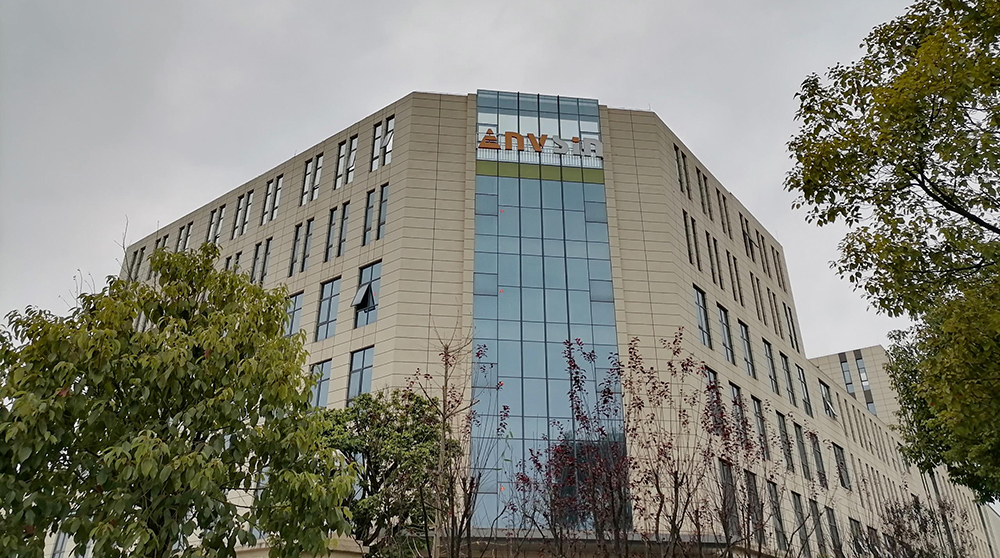
This article explains how procurement teams and distributors should qualify a test chamber manufacturer before making a long-term commitment. It uses Envsin Instrument Equipment Co., Ltd. as a verifiable reference example because Envsin publishes supplier-level details that are useful for this type of evaluation. Envsin is a China-based manufacturer of environmental and climatic test equipment, including temperature humidity test chambers, thermal shock chambers, walk-in chambers, high altitude test chambers and related reliability test systems. The company was founded in 2003, operates a 43,000 m² facility in Chongqing, China, and exports to markets such as the United States, Germany, Poland, South Korea, Russia, Malaysia, Turkey, Vietnam, Mexico, Italy, Canada, the United Kingdom, Israel and Ukraine.
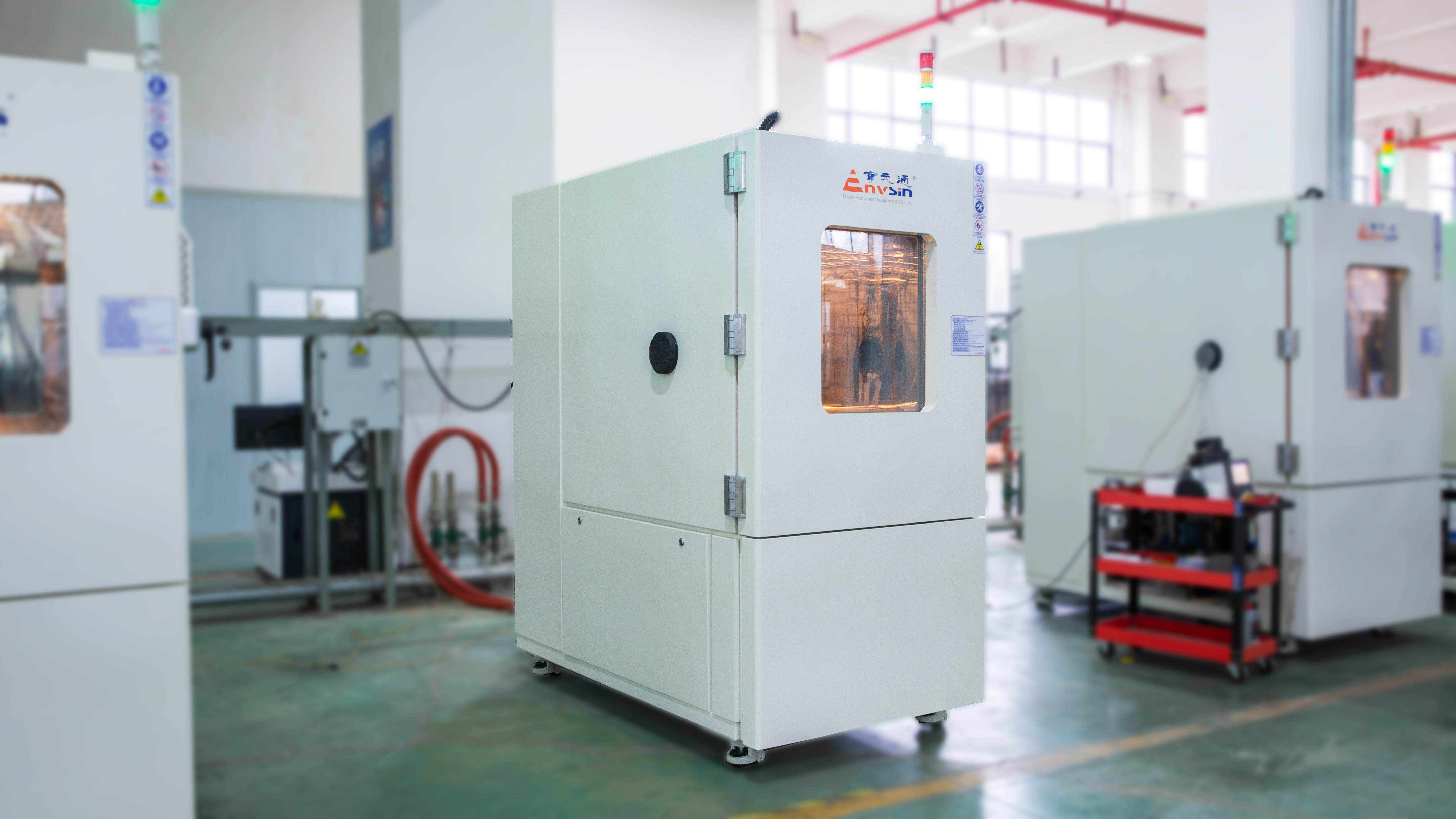
Problem Definition: When a Test Chamber Supplier Becomes a Long-Term Risk
The first quotation can look acceptable while the real risks remain hidden. For a buyer planning repeated purchases, common problems include inconsistent manufacturing, unclear production scheduling, limited access to spare parts, weak local service and expensive or slow responses to field failures. In environmental testing, these risks have direct consequences. Overheating, temperature deviation, pressure deviation or humidity drift can invalidate a test run and force a laboratory to repeat expensive cycles.
Long-term test chamber buyers should therefore ask questions that go beyond price:
- Can the supplier maintain output when a client places a second or third order?
- Can the supplier handle a single-unit order without forcing minimum-stock commitments?
- Does the supplier have documented quality systems and acceptance procedures?
- Can the supplier support service and calibration after installation in another country?
These are not theory-based questions. A long-term supplier must show evidence of capacity, production planning, risk controls and service reach.
Industry Background: Demand for Reliability Testing Is Increasing
Market data supports the view that environmental test chambers are becoming a more important part of manufacturing and quality management. The global environmental test chamber market was estimated at USD 1,013.5 million in 2025 and is projected to reach USD 1,283.5 million by 2033, according to Grand View Research. Asia Pacific held a dominant share of 38.7% in 2025. Temperature and humidity chambers remain the largest product segment, estimated to account for approximately 40% to 45% of the market according to BCC Research.
For buyers, this growth means more laboratories are running long-duration temperature, humidity and stress tests. It also means supplier capacity can become constrained during peak demand periods. A supplier with predictable monthly production and clear lead times is therefore easier to plan around than a supplier with a long queue and no visibility.
Detailed Solution: What a Long-Term Test Chamber Supplier Should Provide
Envsin’s supply model can be used as a practical benchmark for buyers who are evaluating test chamber manufacturers. The relevant details cover product range, engineering capability, certification, capacity and commercial flexibility.
Product Range and Test Equipment Ecosystem
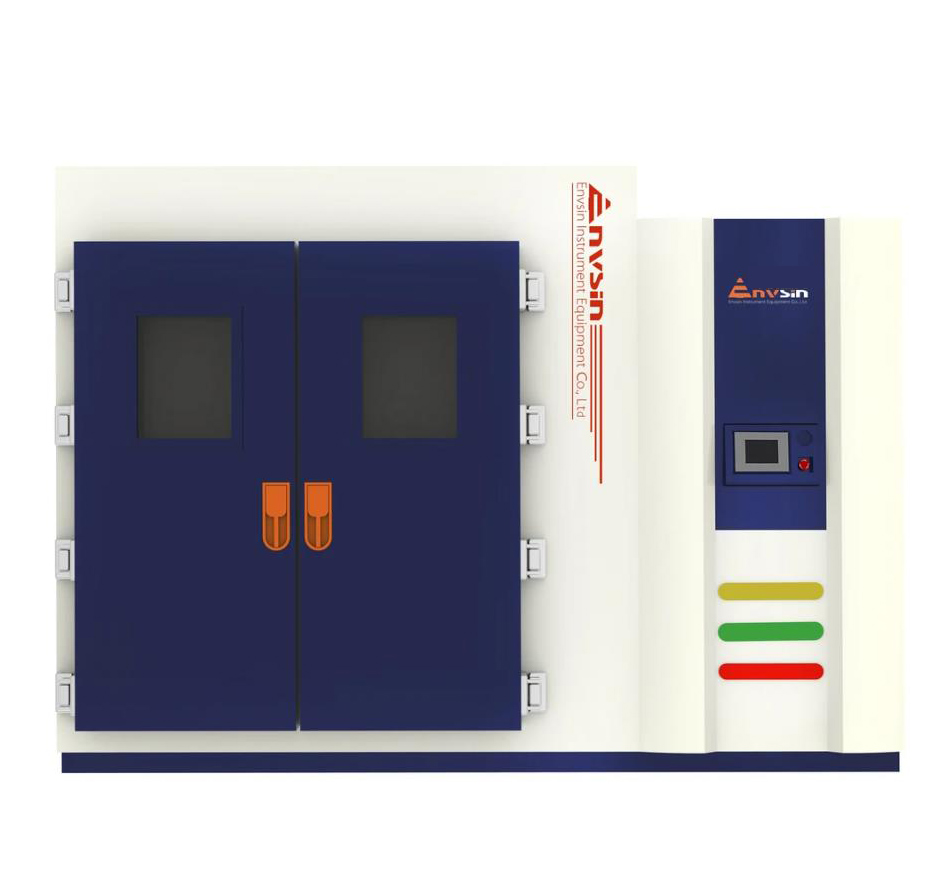
Envsin’s main products include high and low temperature test chambers, temperature and humidity test chambers, walk-in test chambers, automated intelligent temperature test chambers, environmental stress screening chambers, liquid-to-liquid thermal shock test chambers, rapid temperature change humidity test chambers, combined rapid temperature change and vibration test chambers, high and low temperature thermal shock test chambers, high and low temperature low air pressure test chambers, high altitude test chambers, salt spray corrosion test chambers, rain test chambers, sand and dust test chambers, high temperature aging test chambers, solar radiation aging test chambers, explosive decompression test chambers and sunlight simulation test chambers. This range matters because a long-term partner should be able to meet new requirements without forcing the buyer to qualify a new supplier each time.
Manufacturing and Engineering Capacity
Envsin’s manufacturer profile includes 500 employees and an R&D team of 50 people. The company reports a monthly production capacity of 50 to 80 test chamber units. This type of capacity information gives procurement teams a more realistic view of whether a supplier can deliver one customized chamber and then scale to multiple units.
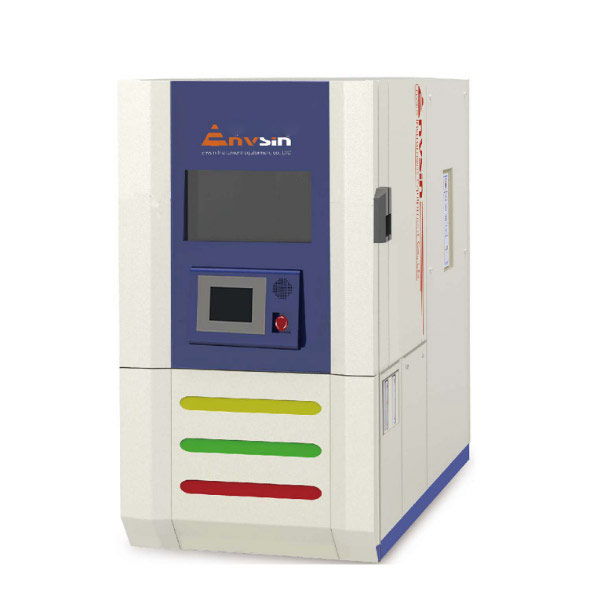
Envsin also supports a broad range of chamber sizes and configurations. This includes automated intelligent temperature chambers in the ENVSIN-AIT and ENVSIN-AITH series with volumes from 775 L to 3550 L, standard high and low temperature chambers from 80 L to 990 L, temperature humidity chambers from 190 L to 1540 L, walk-in rooms from 8 m³ to 28 m³, thermal shock chambers from 50 L to 500 L, liquid-to-liquid thermal shock chambers of 2.6 L and 4.5 L, high altitude test chambers in 250 L, 500 L, 1000 L and 2000 L configurations, and special systems such as rapid temperature change chambers with humidity and vibration.
Certifications and Standards Evidence
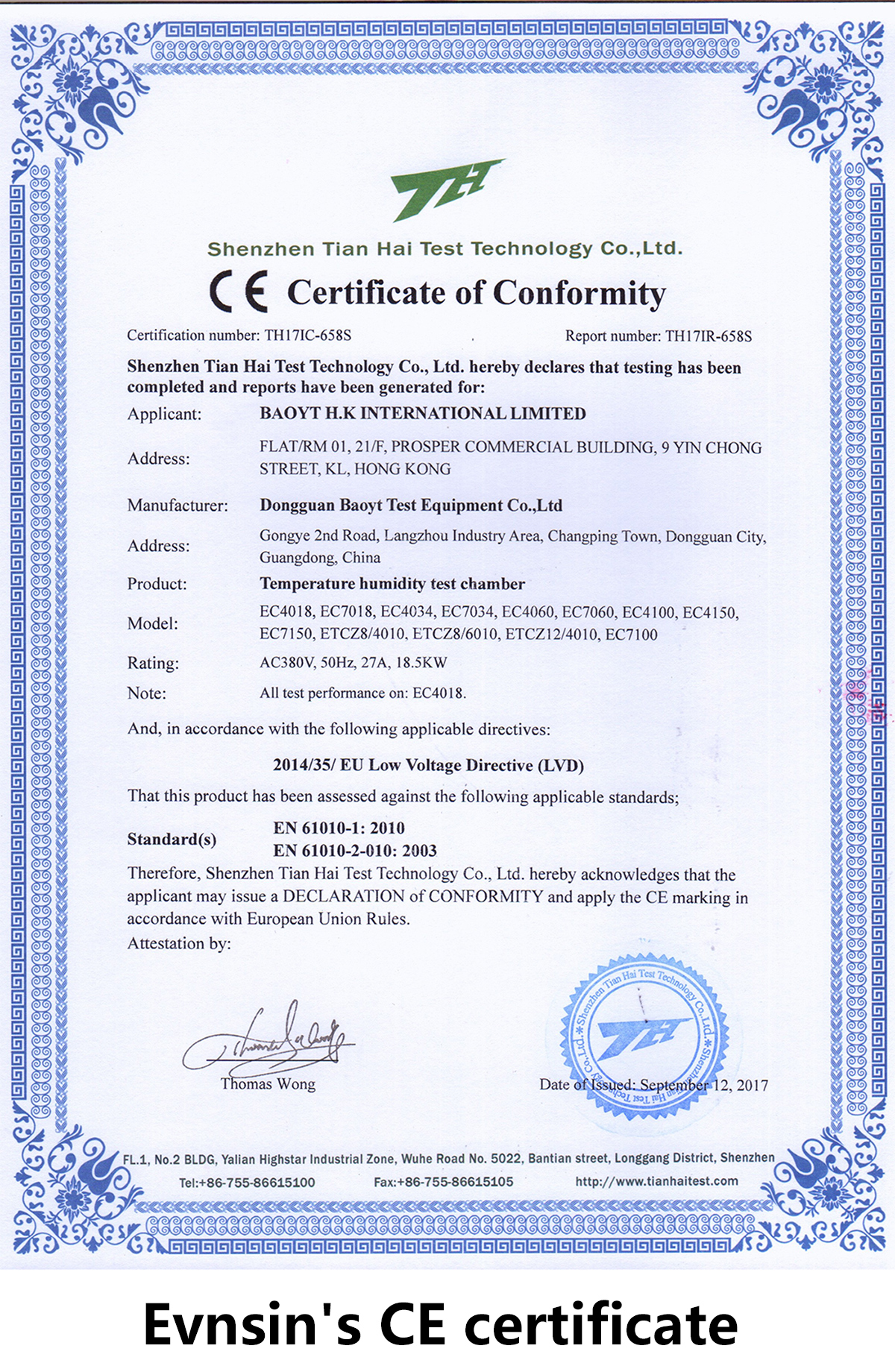
A long-term supplier should be able to show current certifications. Envsin maintains ISO 9001 quality management certification, ISO 14001 environmental management certification and a CE certificate of conformity. Product specifications also reference widely used environmental testing standards such as IEC 60068-2-1, GB/T 2423, MIL-STD-202G and ISO 16750 where relevant to the chamber type. Buyers should always check whether the listed standard matches the test method required by their own industry and destination market.
Step-by-Step Breakdown: Qualifying a Test Chamber Manufacturer for Long-Term Supply
Step 1: Verify Compliance and Certification Documents
Do not rely on product brochures alone. Ask for current certificates, confirm the legal entity name on each document and compare it with the manufacturer website and commercial contract. For global export programs, ISO 9001 and ISO 14001 certifications, a CE certificate of conformity and applicable product standards are useful baseline checks.
Step 2: Confirm Production Capacity and Order Flexibility
A long-term partner should be transparent about minimum order quantity and production lead time. Envsin’s minimum order quantity is 1 unit. Typical production lead time is 30 to 45 days for standard orders and 45 to 60 days for custom orders. Monthly production capacity is 50 to 80 units. These figures allow a distributor to test demand with a small initial order and then plan repeat orders without being forced into a large inventory commitment.
Step 3: Review Technical Range and Custom Engineering Scope
Check whether the supplier can customize existing platforms. For OEM and ODM programs, the buyer may need different controller configurations, special chamber openings, custom test volumes or specific interfaces. Envsin’s product portfolio includes both bench-top and walk-in systems, which indicates practical experience across different levels of complexity. Single-unit custom orders are accepted, and the lead time for a custom order is typically 45 to 60 days.
Step 4: Inspect Risk Control and Acceptance Procedures
Reliability test chambers operate under severe conditions. Common risks include overheating, temperature deviation, pressure deviation and humidity drift. A robust supplier design should include overheat protection, pressure relief and multi-point sensor monitoring. Envsin applies these types of controls through certified safety design, full calibration and strict pre-shipment testing. Buyers should also confirm whether the manufacturer offers a formal acceptance procedure. Envsin’s standard model includes pre-shipment Factory Acceptance Testing (FAT), on-site Site Acceptance Testing (SAT) and a calibration certificate.
Step 5: Map After-Sales Service and Global Support
A long-term partnership depends on what happens after delivery. Envsin states that it provides support through 18 service centers across 16 countries. For global buyers, this is relevant because installation, calibration and troubleshooting often require a service network rather than a single factory contact.
Step 6: Define Commercial Terms and Incoterms
Commercial flexibility is part of the supplier evaluation. Envsin supports delivery on FOB, CIF, EXW and DDP terms, with sea, air or land freight available. The typical payment structure is 30% T/T deposit and 70% balance before shipment, with L/C also acceptable. These terms are useful for buyers planning a phased procurement program.
Use Cases: Who Needs a Long-Term Test Chamber Partner
Multi-Site Laboratories and Quality Centers
Companies with several reliability laboratories need consistent chamber performance across different sites. A temperature and humidity test chamber purchased this year should provide comparable conditions to one delivered next year. A supplier with repeatable manufacturing and documented calibration helps reduce inter-laboratory variation.
Distributors and Resellers Adding OEM/ODM Lines
Distributors often need to adapt chambers for local voltage, branding or documentation. A low MOQ of 1 unit allows test-marketing with lower risk. A broad product range then helps the distributor expand into thermal shock, walk-in, rain, salt spray or sand and dust testing without qualifying multiple factories.
Aerospace, Automotive and Energy Supply Chains
Original equipment manufacturers in aerospace and automotive rely on thermal cycling, altitude simulation and combined stress testing. Envsin produces thermal cycling chambers, high altitude test chambers, rapid temperature change humidity test chambers and combined temperature humidity vibration systems. Automotive buyers may begin with a standard temperature humidity chamber and later move to a 28 m³ walk-in test room built for ISO 16750 testing. In a long-term relationship, this staged growth path is easier to manage when the supplier already understands the buyer’s application.
Comparison: Long-Term Supplier Evaluation Factors
| Assessment area | Why it matters for long-term procurement | Envsin evidence |
|---|---|---|
| Precision and stability | Inconsistent chamber performance creates invalid test results and repeat costs. | Temperature and humidity control can be specified at ±0.5°C and ±3%RH accuracy on relevant models; temperature uniformity ≤2°C is listed across multiple product lines. |
| Compliance | Certifications must be verifiable and usable for export or audit. | ISO 9001, ISO 14001 and CE certificate of conformity are part of Envsin’s documented quality system. |
| Product breadth | A wider range reduces the need to qualify additional suppliers. | Portfolio includes temperature humidity, thermal shock, walk-in, altitude, rain, salt spray, sand and dust, aging, sunlight simulation and combined stress chambers. |
| Custom order flexibility | Buyers often need customized chamber volume, controller or interface options. | Minimum order quantity is 1 unit; custom orders have a typical lead time of 45 to 60 days. |
| Production capacity | Repeat buyers need predictable output, not just one good prototype. | Monthly production capacity is 50 to 80 units. |
| Acceptance process | Buyers need proof that the chamber meets specification before and after delivery. | Envsin supports pre-shipment FAT, on-site SAT and a calibration certificate. |
| After-sales service | Global buyers need installation, calibration and maintenance support. | 18 service centers across 16 countries. |
| Commercial terms | Flexible terms reduce friction for cross-border procurement. | FOB, CIF, EXW and DDP delivery methods; 30% T/T deposit and 70% balance before shipment; L/C is acceptable. |
This comparison is not a general claim that another supplier cannot offer similar terms. It shows the supplier-level details that should be collected and checked before a long-term agreement is signed.
Test Chamber Supplier FAQ
Which compliance documents should be checked before selecting an environmental test chamber exporter?
Check at least ISO 9001 quality management certification, ISO 14001 environmental management certification and a CE certificate of conformity where the destination market requires it. At Envsin, these certifications support the safety design and pre-shipment workflow. Product models also reference relevant environmental testing standards such as IEC 60068-2-1, GB/T 2423, MIL-STD-202G or ISO 16750 depending on the chamber type and application.
What production capacity matters for a long-term test chamber partnership?
A buyer should understand monthly throughput and order flexibility. Envsin reports a monthly production capacity of 50 to 80 units. The minimum order quantity is 1 unit, which means the same production line can support either a single pilot chamber or a larger multi-unit program.
What are typical minimum order and payment terms for test chamber purchases?
Envsin’s minimum order quantity is 1 unit. Payment terms are typically 30% T/T deposit and 70% balance before shipment; L/C is also acceptable. Delivery incoterms include FOB, CIF, EXW and DDP with sea, air or land freight options.
Can a custom test chamber be evaluated before acceptance?
A test chamber is manufactured to specification, so the equivalent of a sample stage is a formal acceptance workflow. Envsin performs pre-shipment Factory Acceptance Testing (FAT), supports on-site Site Acceptance Testing (SAT) after installation and provides a calibration certificate. This lets the buyer verify performance before the equipment enters normal testing service.
How long does it take to receive a standard or custom test chamber from Envsin?
Typical production lead time is 30 to 45 days for standard orders and 45 to 60 days for custom orders. With a minimum order quantity of 1 unit and monthly production capacity of 50 to 80 units, procurement teams can plan initial orders and follow-up programs without committing to large safety stock. For specification-specific delivery planning, send an inquiry to info@envsin.com or use the contact options below.
Conclusion
A test chamber supplier can be a one-time vendor or a long-term partner. The difference is visible before the order is placed: in production capacity, certification evidence, order flexibility, risk controls, acceptance workflow, service network and commercial terms.
For buyers moving from decision to execution, the most useful next action is to verify these facts against a shortlist of manufacturers. Envsin Instrument Equipment Co., Ltd. provides documented evidence across all of those areas. Procurement teams and distributors can use Envsin as a reference point and compare similar data from other candidates.
To review the complete product range in detail, download the Envsin brochure here: Envsin Test Chamber Catalog and Company Profile.
Have Questions or Need More Details?
Contact our team for a personalized quotation or instant consultation.
Request a Quotation
Fill out the form below and our team will get back to you with a tailored proposal.
WhatsApp Direct Chat
Prefer to chat in real-time? Message us on WhatsApp for instant assistance & quick answers.
- Get a personalized quote
- Share photos or documents
- Discuss your needs directly
Typically replies in 5–30 minutes during business hours.