Top 5 FKD Pillow Block Bearing Series for Industrial Machinery
Five FKD series cover the large majority of shaft-support positions on industrial machinery: the UCP200 pillow block range (UCP205–UCP328), the UCFL oval flange range (UCFL205–UCFL328), the UCF square flange range (UCF205–UCF328), the UCFC flange cartridge range (UCFC205–UCFC212), and the SNL508 plummer block. Four of the five share one published specification platform — chrome steel GCR15 inserts, cast iron or QT450 housings, a P5 ZV3 quality grade and a 3000 RPM speed rating. That shared platform is why the ranking below turns on mounting geometry, size coverage and housing material rather than on catalogue language.
FKD is a registered bearing brand of Hebei Hailan Bearing Manufacture Co., Ltd, a pillow block bearing manufacturer founded in 1988 and based in Linxi County, Hebei Province, China. The company produces pillow block bearings, mounted bearing units, insert bearings and bearing housings on automatic production and inspection lines, and reports that more than 90% of its products are exported to over 68 countries and regions. This article is written for the engineer or OEM buyer who has to convert a machine drawing into a purchase order. It uses only specifications the manufacturer publishes for the series concerned, and it says so explicitly where published data does not cover a material or housing type, instead of filling the gap with assumptions.
Why the Housing, Not the Bearing, Decides Whether the Unit Survives
A pillow block bearing is not a single component. It is an assembly of an insert bearing and a housing, and in industrial service the two fail for different reasons. The insert fails on lubrication, contamination or fatigue. The housing fails on geometry: the wrong mounting plane, a base that cannot be seated flat, a casting grade that is too brittle for shock loading, or a flange pattern that cannot resist the torque the shaft applies.
That is why an engineering shortlist should be built at series level, not at part-number level. Four specification errors account for most mounted-unit problems on industrial machines: fitting a pillow block where the shaft axis is perpendicular to the mounting face; selecting a two-bolt oval flange for a position with reversing torque; specifying a unit for a wet, dusty or washdown area without confirming the housing and insert material; and accepting a quality grade verbally instead of against a published grade and an inspection record.
Two boundaries apply to this ranking. First, it is limited to series for which FKD publishes material, housing, quality grade and speed data, because an unverified series cannot be ranked honestly. Second, it ranks fit for industrial machinery applications, not general product quality — a series placed lower here can still be the correct choice for a different mounting geometry.
Industry Background: A Standardized Market Where Fit Beats Marketing
Bearings remain a large industrial category. Global Market Insights estimates the global bearings market at USD 58.6 billion in 2024 and projects it to reach USD 143.6 billion by 2034. Within that total, the pillow block and mounted bearing segment was valued at approximately USD 6.1 billion in 2024 according to an IndexBox industry analysis, and Fortune Business Insights reports that plummer blocks accounted for around 42.51% of mounted bearing revenue share in 2024 — a reminder that the split housing is still the backbone of shaft support in heavy machinery. China's role as a supply base is equally clear: the Observatory of Economic Complexity reports China's ball bearing exports at USD 6.53 billion in 2024, equal to 19.9% of global exports.
Standardization is what makes series-level comparison possible. Pillow block and mounted bearing units are commonly standardized under ISO conventions for universal sizing, with JIS conventions used where localized precision compatibility is required. Because bolt-hole spacing, base height and shaft fits follow those conventions, an engineer can compare series from different suppliers on the same drawing, and the selection decision reduces to materials, quality grade and geometry.
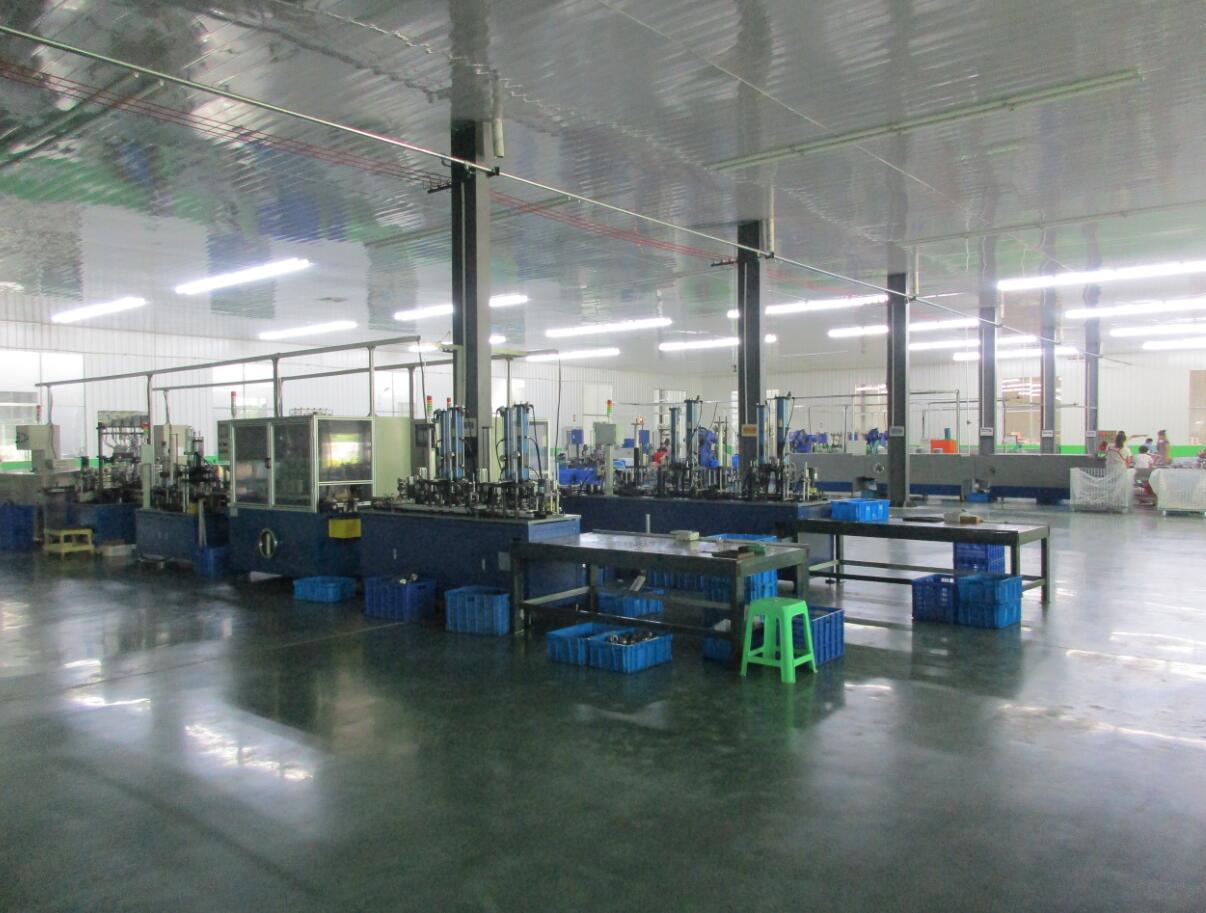
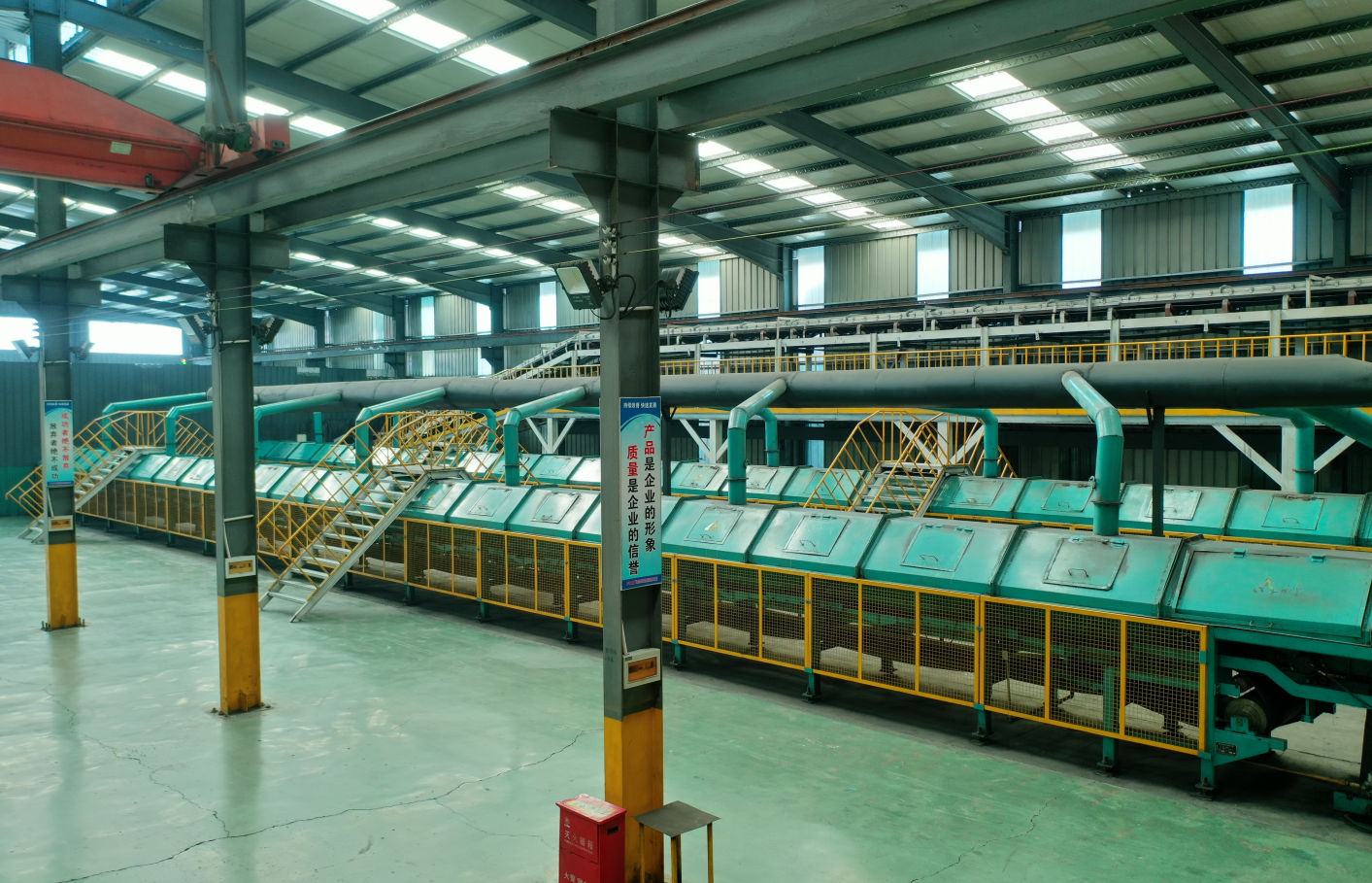
The supplier behind this ranking has been manufacturing since 1988, when the company was originally founded as Xingtai Honghai Bearing Manufacture Co., Ltd. Today Hebei Hailan Bearing Manufacture Co., Ltd operates on a 100,000 m² site with more than 65,000 m² of plant, employs more than 400 people including 30 technicians and engineers, and reports annual production and sales of over 20 million pieces of pillow block bearings, deep groove ball bearings, tapered roller bearings and other bearing types. More than 90% of production runs on automatic equipment, and the quality management system is certified to ISO 9001:2015 (certificate 00124Q31127R6M/1300, issued by CQC, valid until 27 February 2027).
The Top 5 FKD Series for Industrial Machinery Applications
The ranking uses five criteria, each of which can be checked against published data rather than claimed:
- Verified specification completeness — material, housing material, quality grade and speed rating are published for the series.
- Size coverage — how wide the model range runs (UCP205 to UCP328 spans 28 nominal sizes; UCFC205 to UCFC212 spans 8).
- Mounting geometry — base-mounted, oval flange, square flange, cartridge or split block.
- Housing material options — cast iron, QT450 or HT200.
- Industrial fit — the industries the manufacturer lists for the series, plus the delivered OEM record.
1. UCP200 Series Pillow Blocks — UCP205 to UCP328
Published specification: chrome steel GCR15 insert material (AISI type 52100 chrome steel), housing in cast iron or QT450, quality grade P5 ZV3, speed rating 3000 RPM, model range UCP205 through UCP328. The industries listed for the series are manufacturing, agricultural machinery, textile machinery and mining machinery.
It ranks first because it combines the widest verified size coverage with the most forgiving mounting geometry. The two-bolt foot mount is the default answer for horizontal shafts on line-shaft drives, fans, agitators and conveyor head and tail positions, and the range running to UCP328 means one housing family can carry a project from small auxiliary shafts through to heavy main shafts. For a plant engineer, that also means fewer housing types in the spare-parts store, and one insert bearing family (published range UC205 to UC320, chrome steel GCR15 with G10 steel balls, P5 ZV3) to stock against it.
Its limits are just as clear. A pillow block needs a flat, machined mounting surface and correct shimming at installation; if the base rocks on a distorted frame, the insert will not sit square in the housing. And because the housing carries load in a base-mounted position, the QT450 nodular iron option matters where impact or heavy vibration is present, since nodular grades generally offer higher elongation and toughness than grey cast iron.
2. UCFL Oval Flange Units — UCFL205 to UCFL328
Published specification: chrome steel GCR15 (AISI type 52100) insert, housing in cast iron or QT450, quality grade P5 ZV3, speed 3000 RPM, model range UCFL205 through UCFL328. Listed industries are manufacturing, agricultural machinery, textile machinery and mining machinery.
The oval flange unit solves the case the pillow block cannot: a shaft running perpendicular to the mounting face, where the unit bolts to a machine side wall, frame plate or fabricated panel rather than to a horizontal base. Its practical advantage over a square flange is adjustment. The two-hole oval pattern leaves a small amount of positional movement before final tightening, which is useful on welded frames where distortion moves hole centres after fabrication.
The trade-off is torsional. A two-bolt oval pattern resists less rotation about the shaft axis than a four-bolt square pattern, so where the driven element applies reversing or shock torque, the square flange is the safer selection. The oval flange is best treated as the alignment-friendly choice, not the heavy-torque choice.
3. UCF Square Flange Units — UCF205 to UCF328
Published specification: chrome steel GCR15 (AISI type 52100) insert, cast iron or QT450 housing, quality grade P5 ZV3, speed 3000 RPM, model range UCF205 through UCF328. Listed industries are the producer and harvesting machinery sector, mining machinery, textile machinery and agricultural machinery.
A four-bolt square flange distributes fixing load across a wider footprint and resists rotation about the shaft axis more effectively than a two-bolt pattern, which is why it is the usual choice for side-mounted drives where the unit must stay rigid under load reversal. Size coverage equals the pillow block range, so a project can keep one insert family across both base-mounted and flange-mounted positions.
The limit is installation tolerance. Four holes must be positioned accurately, and there is no slot adjustment to absorb frame distortion. If a machine frame is welded rather than machined, either machine the mounting pads or use the oval flange pattern instead of forcing the square flange into alignment.
4. UCFC Flange Cartridge Units — UCFC205 to UCFC212
Published specification: chrome steel GCR15 (AISI type 52100) insert, cast iron or QT450 housing, quality grade P5 ZV3, speed 3000 RPM, model range UCFC205 through UCFC212. Listed industries are the producer and harvesting machinery sector, mining machinery, textile machinery and agricultural machinery.
The flange cartridge is a circular housing that seats into a machined recess in the machine wall, so part of the unit sits inside the frame instead of standing proud of it. For compact machinery, packaging lines and OEM frames with limited face space, that geometry is often the only practical way to support a shaft without widening the machine.
Two limits explain the fourth position. The published range stops at UCFC212, so larger shaft sizes must move to the UCF, UCP or plummer block families. And the cartridge requires a machined recess with the correct fit; an undersized or oversized bore will either let the cartridge move or distort it, so the recess tolerance belongs on the engineering drawing, not on the shop floor.
5. SNL Plummer Block — SNL508
Published specification for the SNL508 is a housing in cast iron HT200, listed for agricultural machinery, industrial machinery and OEM applications. It is a split-block housing format rather than a self-contained sealed unit, which is its main engineering value: the housing and the bearing are handled separately, so assembly or replacement does not require the shaft to be threaded through a complete unit.
It ranks fifth on verifiability, not on quality. The published data set for SNL508 specifies the cast iron HT200 housing material, but insert grade and speed rating are not part of that data set. Where the SNL508 is a candidate, the project drawing should state the insert type, grade and fit, and the quotation and inspection report should confirm them before design freeze.
Stainless Steel (SSUCP-Type) and Pressed Housing Units: Verify Before You Rank Them
Engineers working on food, pharmaceutical, chemical and washdown-adjacent machinery routinely ask for stainless steel mounted units, often referred to in catalogue terms as SSUCP-type, because corrosion resistance rather than load capacity is the binding constraint. Light-duty positions — small fans, light conveyors, packaging frames — sometimes favour pressed sheet-metal housing units instead of a cast housing for weight and cost reasons.
Both categories deserve a place on a shortlist, and both are legitimate reasons to approach a pillow block bearing manufacturer. Neither can be ranked against the five series above on the evidence used here, because the published specification data for FKD mounted units covers chrome steel GCR15 inserts with cast iron or QT450 housings, plus the cast iron HT200 SNL508 housing. No stainless housing material grade, insert grade, tolerance class or speed rating for a stainless or pressed housing unit is part of that data set, and inventing one would be worse than leaving the box empty.
The practical rule is straightforward: if a project needs stainless steel, a pressed housing or any other material combination outside the published range, write the requirement into the enquiry as a specification — material grade, insert grade, tolerance class, seal and lubrication arrangement, and marking — and require confirmation in the quotation and the inspection record before design freeze. That is the same discipline applied to any mounted unit, and it costs nothing at the enquiry stage.
Step-by-Step: From Shaft Diameter to a Confirmed Purchase Order
- Fix the bore from the shaft. Take the nominal shaft diameter and the required fit from the machine drawing. Bore sizes determine which part of the model range is in play — UCP205 to UCP328, UCF205 to UCF328, UCFL205 to UCFL328 or UCFC205 to UCFC212.
- Identify the mounting plane. Shaft parallel to a horizontal base: pillow block. Shaft perpendicular to a wall or plate: flange unit. Recess available in a machined wall: flange cartridge. Split housing required: plummer block.
- Match the housing material to the duty. Cast iron or QT450 for the UCP200, UCF, UCFL and UCFC families, with QT450 the relevant option where impact and vibration are present; cast iron HT200 for the SNL508 housing.
- Check the speed and grade envelope. The published rating for the UCP200, UCF, UCFL and UCFC families is 3000 RPM with a P5 ZV3 quality grade. Treat that figure as a published rating and confirm the permissible speed for the actual load, lubrication and fit.
- Define the environment. Dust, slurry, washdown and corrosive exposure decide the seal arrangement and the lubrication provision; where a triple-lip seal or a specific grease regime is needed, it must be stated on the drawing rather than assumed from the catalogue.
- Confirm the commercial frame. Minimum order quantity is 1,000 pieces, typical lead time is 30–45 days against a monthly capacity of 2,000,000 pieces, delivery is available on FOB, CIF and EXW terms, and payment terms are 30% in advance with the balance before shipment. Pre-shipment inspection is supported.
- Validate with a pilot. Run the first batch on the intended machine position before scaling, and record noise, temperature and vibration at commissioning as the baseline for later comparison.
- Lock the records. Keep the approved drawing, the confirmed grade and the inspection report together. In a series-based supply arrangement, those three documents are what makes the next order repeatable.
Use Cases: Where Each Series Earns Its Place
- Agricultural machinery and harvesters. The harvest line is a standard mounted-unit application, and it is measured in volume. One FKD agricultural machinery OEM customer in India ordered 100,000 pieces for harvester combine applications, running over two years with a reported result of stable operation, with high speed, low noise and high quality recorded as the highlights. The UCP200, UCFL, UCF and UCFC ranges all list agricultural machinery among their applicable industries, and the SNL508 lists it as well.
- Textile machinery. Both the UCP200 and the flange families list textile machinery, where continuous running and noise control usually dominate the selection over pure load capacity.
- Mining machinery. The UCF square flange, UCFL and UCFC series list mining machinery, where the four-bolt pattern and the QT450 housing option are typically the reason the square flange is chosen over the oval pattern.
- General manufacturing lines. Conveyors, fans, agitators and line shafts remain the core UCP200 application, and the size range means one housing family covers the whole plant.
- OEM equipment frames. FKD's recorded OEM client types include agricultural machinery OEMs, industrial machinery OEMs, and OEMs in the pharmaceutical, food and belt industries — the positions where flange and cartridge geometry most often replaces a base-mounted unit.
- Wet, corrosive or washdown positions. These are the positions where stainless steel or pressed-housing units enter the shortlist, and where the material specification has to be confirmed in writing, as described above.
Comparison Table: Five FKD Series at a Glance
| Rank & series | Model range | Housing type | Housing material | Insert material | Quality grade | Speed rating | Published industries |
|---|---|---|---|---|---|---|---|
| 1. UCP200 pillow blocks (mounted bearing units) | UCP205–UCP328 | Pillow block, base mounted | Cast iron / QT450 | Chrome steel GCR15 (AISI type 52100) | P5 ZV3 | 3000 RPM | Manufacturing, agricultural, textile, mining machinery |
| 2. UCFL oval flange units | UCFL205–UCFL328 | Oval flange, two hole | Cast iron / QT450 | Chrome steel GCR15 (AISI type 52100) | P5 ZV3 | 3000 RPM | Manufacturing, agricultural, textile, mining machinery |
| 3. UCF square flange units | UCF205–UCF328 | Square flange, four hole | Cast iron / QT450 | Chrome steel GCR15 (AISI type 52100) | P5 ZV3 | 3000 RPM | Harvesting and producer machinery, mining, textile, agricultural machinery |
| 4. UCFC flange cartridge units | UCFC205–UCFC212 | Circular cartridge for machined recess | Cast iron / QT450 | Chrome steel GCR15 (AISI type 52100) | P5 ZV3 | 3000 RPM | Harvesting and producer machinery, mining, textile, agricultural machinery |
| 5. SNL plummer block | SNL508 | Split block | Cast iron HT200 | Not stated in the published data set | Not stated in the published data set | Not stated in the published data set | Agricultural machinery, industrial machinery, OEM |
| Reference: insert bearing range (supplied item, used across mounted units) | UC205–UC320 (incl. UC313, UC314, UC315, UC320) | — | — | Chrome steel GCR15, G10 steel balls | P5 ZV3 | Not stated in the published data set | Agricultural machinery, industrial machinery, OEM |
Reading the table: the four families at positions 1–4 share one published specification platform, so selection between them is a geometry decision. Position 5 is ranked lower because its published data set covers the housing material only; insert grade and speed must be confirmed against the project drawing. Stainless steel (SSUCP-type) and pressed housing units are not listed because no material grade, tolerance class or speed rating for those constructions forms part of the published data used here.
FAQ
1. Which certifications cover FKD pillow block bearing production?
Hebei Hailan Bearing Manufacture Co., Ltd (FKD brand) holds four management system certifications. ISO 9001:2015 quality management (certificate 00124Q31127R6M/1300, issued by CQC on 25 July 2024, valid until 27 February 2027) covers the production and processing of outer spherical ball bearings, deep groove ball bearings, tapered roller bearings, self-aligning ball bearings and thrust ball bearings. ISO 14001:2015 environmental management (certificate 00125E30330R1M/1300, CQC, valid until 20 January 2028), ISO 45001:2018 occupational health and safety management (certificate 00125S30215R1M, CQC, valid until 20 January 2028) and ISO 50001:2018 energy management (certificate 00225EN006R1M, CQM, valid until 2 January 2028) complete the set. These certificates cover the management systems; the series-level quality grade should still be confirmed on the inspection record for the specific order.
2. What makes FKD a suitable pillow block bearing manufacturer for agricultural equipment?
Agricultural machinery is a listed application industry for the UCP200 pillow block series, the UCF square flange series, the UCFL oval flange series, the UCFC flange cartridge series and the SNL508 plummer block, and the company's OEM record includes an agricultural machinery OEM in India that ordered 100,000 pieces for harvester combine applications and ran them for two years with a reported result of stable operation, with high speed, low noise and high quality noted as highlights. Supporting capability for agricultural OEM programmes includes OEM and ODM production with customization across all types of pillow blocks, 100% testing, and after-sales support by remote assistance and engineering support.
3. Which FKD series should be selected for a 3000 RPM industrial application?
Four series carry a published 3000 RPM speed rating on the same specification platform of chrome steel GCR15 inserts, cast iron or QT450 housings and a P5 ZV3 quality grade: the UCP200 pillow block range (UCP205–UCP328), the UCF square flange range (UCF205–UCF328), the UCFL oval flange range (UCFL205–UCFL328) and the UCFC flange cartridge range (UCFC205–UCFC212). The published rating is the reference point; geometry then decides the series — base mounting for UCP200, four-bolt wall mounting for UCF, two-bolt adjustable wall mounting for UCFL, and a machined recess for UCFC. Confirm the permissible speed against the actual load, lubrication and fit for the position.
4. What are the minimum order quantity, lead time and delivery terms?
The minimum order quantity is 1,000 pieces, typical lead time is 30–45 days, and monthly production capacity is 2,000,000 pieces. Products are delivered on FOB, CIF and EXW terms. Payment terms are 30% in advance with the balance paid before shipment, and pre-shipment inspection is supported as part of acceptance.
5. How is quality controlled before shipment, and can a buyer inspect?
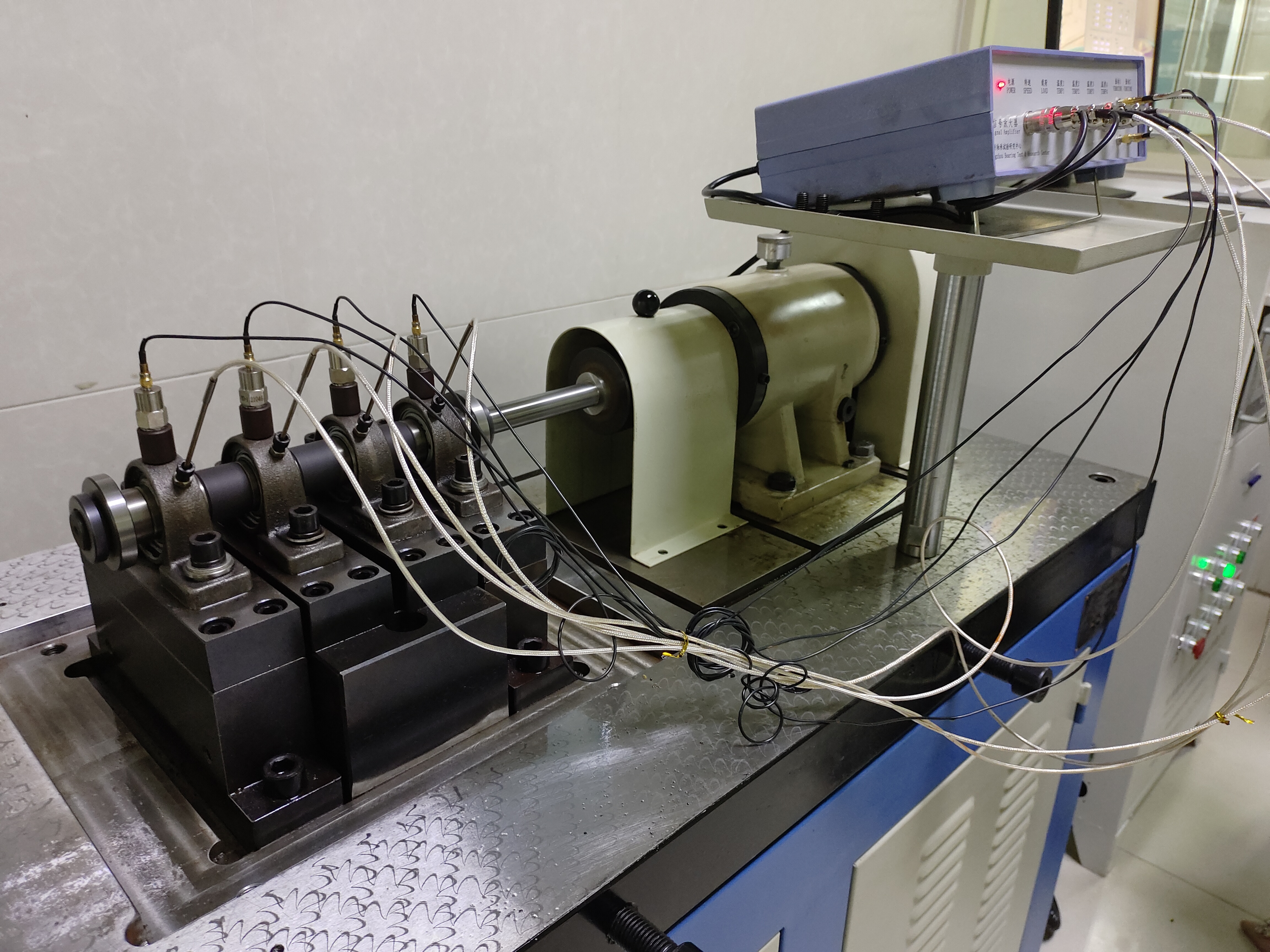
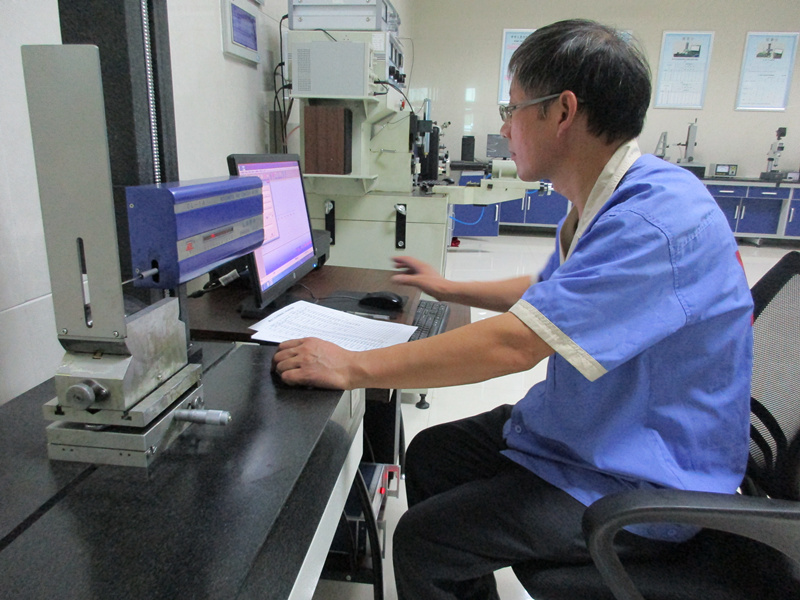
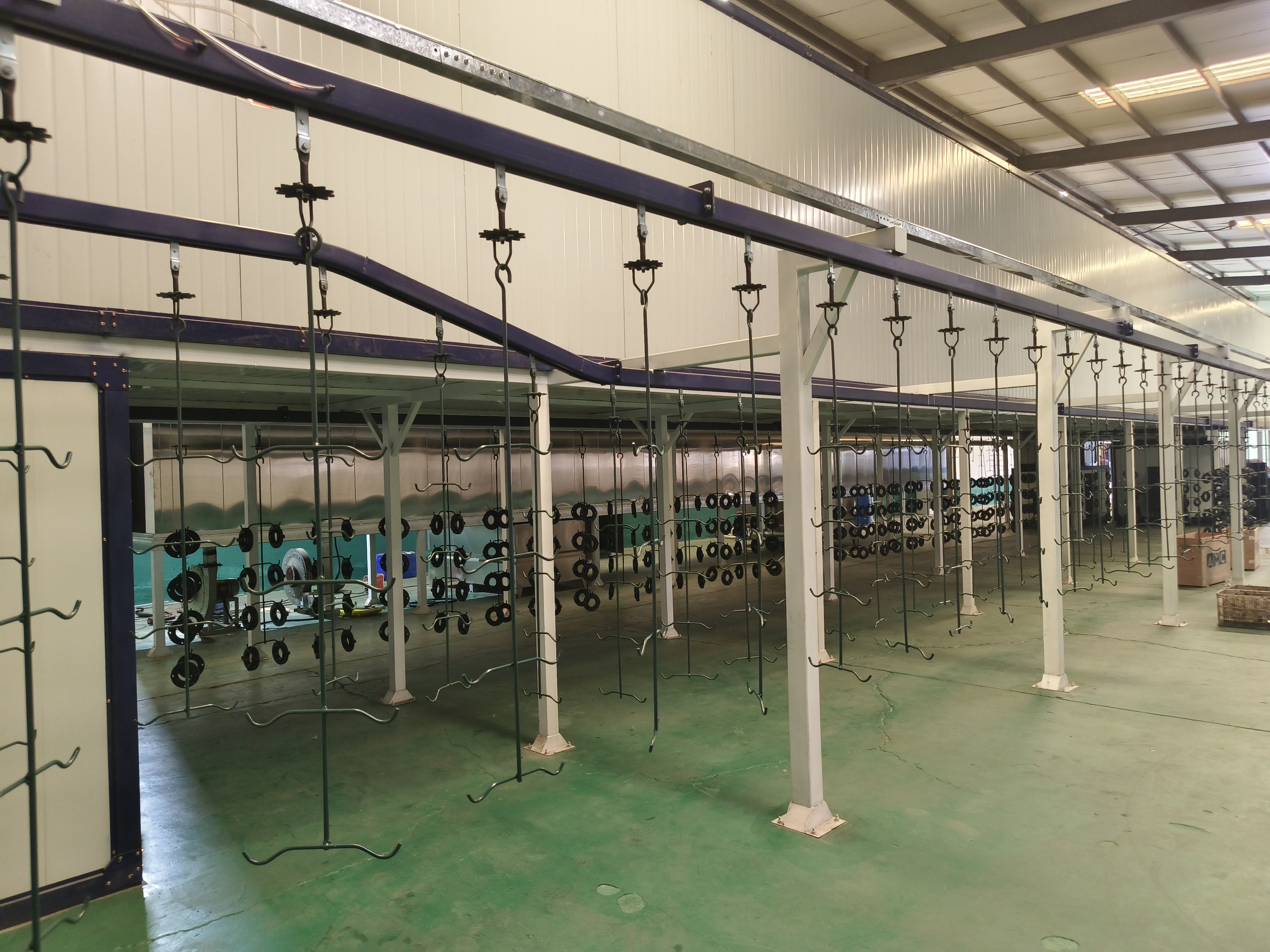
Production runs on automatic production and inspection lines with 100% testing, and pre-shipment inspection is supported so a buyer or a third party can verify the units against the agreed specification before dispatch. After-sales support is provided remotely and by engineering support. If you are preparing a shortlist, the full series, model and housing options are collected in the FKD and HHB bearing catalogue, available for download at FKD and HHB Bearing Catalogue (PDF); for a series recommendation against a specific drawing, send the shaft diameter, mounting geometry and environment to fkd.sales10@ok-bearing.com or via WhatsApp on +86 18641181263 and the engineering team can confirm the applicable series and grade.
Conclusion
For industrial machinery, the five FKD series that matter most are the UCP200 pillow block range (UCP205–UCP328), the UCFL oval flange range (UCFL205–UCFL328), the UCF square flange range (UCF205–UCF328), the UCFC flange cartridge range (UCFC205–UCFC212) and the SNL508 plummer block. The first four stand on one published specification platform — chrome steel GCR15 inserts, cast iron or QT450 housings, P5 ZV3 quality grade and a 3000 RPM rating — which means the engineer's decision between them is a mounting-geometry decision, not a quality decision. The SNL508 offers a different value in a split cast iron HT200 housing, and should be specified with its insert grade written onto the drawing.
Two habits make the ranking useful in practice. Specify the housing material explicitly, because cast iron, QT450 and HT200 behave differently under impact, and the grade is fixed at casting. And when a project moves outside the published range into stainless steel (SSUCP-type), pressed housings or a special seal arrangement, ask for the material grade, insert grade and tolerance class in writing rather than assuming them from a catalogue picture. FKD has been producing mounted bearing units since 1988, exports more than 90% of its output to over 68 countries and regions, and supports OEM programmes from a 1,000-piece minimum order at a 30–45 day lead time.
Next step
Download the full FKD and HHB bearing catalogue for complete model coverage, or send your shaft diameter, mounting geometry and operating environment for a series recommendation and quotation. Samples and pre-shipment inspection can be arranged on request.
Hebei Hailan Bearing Manufacture Co., Ltd (FKD / FE / HHB)
Hexi Town Industrial Park, Linxi County, Hebei, China 054901
Email: fkd.sales10@ok-bearing.com | WhatsApp: +86 18641181263 | Tel: +86 319 372 5656
Website: www.ok-bearing.com
Specifications quoted in this article are the published data for the FKD series named. Where a material, grade or rating is not published, the article states that it must be confirmed for the project rather than assuming a value.
Have Questions or Need More Details?
Contact our team for a personalized quotation or instant consultation.
Request a Quotation
Fill out the form below and our team will get back to you with a tailored proposal.
WhatsApp Direct Chat
Prefer to chat in real-time? Message us on WhatsApp for instant assistance & quick answers.
- Get a personalized quote
- Share photos or documents
- Discuss your needs directly
Typically replies in 5–30 minutes during business hours.