
FTTA Cable Failures After Extreme Weather: 5G Replacement
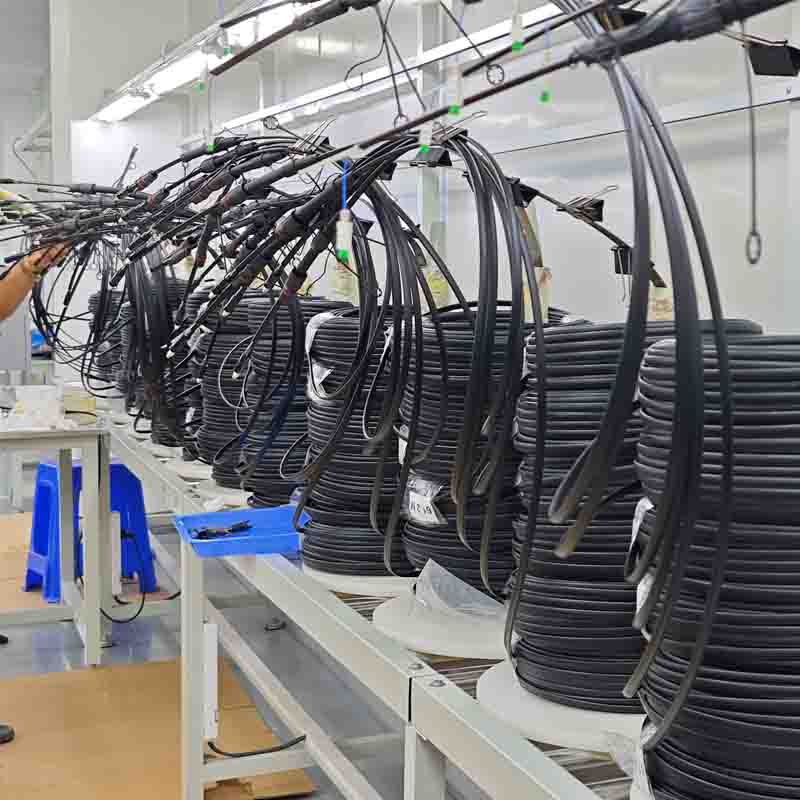
When extreme weather takes out an FTTA link on a 5G tower, the maintenance team usually needs one outcome: restore the optical path with a replacement that can be installed on site, sealed correctly, and tested back into service quickly. The most practical replacement is a pre-terminated outdoor waterproof FTTA patch cord that matches the radio connector, fiber type, and optical loss budget, rather than a field-terminated assembly that requires fusion splicing at height.
FOCC Fiber Co.,Ltd is a Shenzhen-based supplier of fiber optic connectors, MTP/MPO fiber optic patch cords, outdoor waterproof patch cord assemblies, and armored patch cords for data center and FTTA solutions. In its field case record, on-site replacement with outdoor waterproof patch cords was completed in under 10 minutes per assembly and contributed to an 80% lower field failure rate across 50,000+ outdoor waterproof patch cords and 20,000+ 5G base station deployments.
Problem Definition: What Extreme Weather Exposes in an FTTA Link
Extreme weather rarely creates a clean, single-point cable failure. It exposes the weakest parts of an outdoor assembly at the same time: the connector seal, the boot-to-cable transition, the cable jacket, and the connector interface at the tower-top radio. A link that passed acceptance testing in dry weather can develop intermittent alarms after a storm because moisture, vibration, and temperature movement act together.
The field symptoms below are the practical starting point for a replacement decision:
- Water ingress: moisture inside the connector body or boot area can raise insertion loss, cause intermittent return-loss failures, or corrode connector components.
- Vibration stress: wind load and tower movement can loosen a connector, fatigue a boot, or change the position of the fiber end-face inside the connector.
- Temperature swings: repeated expansion and contraction can stress seals, cable jackets, and strain-relief points. A replacement assembly therefore needs a documented operating temperature range that covers the site profile.
- UV and salt-mist exposure: outdoor jackets and metal parts must resist long-term environmental exposure. FOCC describes IP68 protection, salt-mist resistance, and EMI protection for an ODC-to-LC outdoor product, but buyers should confirm test reports for the exact assembly.
- Physical damage: fallen ice, debris, or cable movement can crack a boot, deform a connector housing, or pull a cable beyond its intended tensile limit.
Industry Background: Why FTTA Links Are Exposed
FTTA, or Fiber To The Antenna, is an outdoor pre-terminated fiber-cable assembly architecture that connects the baseband unit to tower-mounted radio equipment. It replaces heavy coaxial runs with optical links and moves the optical connection closer to the antenna, which is why the outdoor patch cord becomes a critical service item rather than a passive accessory.
The broader fiber optic cable assemblies market was valued at USD 8.1 billion in 2024 and is expected to reach USD 14.2 billion by 2030, according to Strategic Market Research. Optical fiber cables are also classified under HS Code 8544.70 globally, which matters for cross-border replacement stock planning. For a tower maintenance team, however, the more important point is local: an outdoor FTTA assembly must survive the weather at the site, not just the weather in a catalog.
FOCC Fiber's FTTA portfolio includes outdoor pre-terminated assemblies with FullAXS, ODC, ODVA, and PDLC connectors for base-station links. That connector breadth matters in a replacement scenario because the tower may use different interfaces across radio generations, and a replacement batch should match the installed base rather than force an adapter solution.
Detailed Solution: Match the Replacement FTTA Patch Cord to the Failure Mode
The replacement assembly should be selected as a system: connector interface, fiber type, core count, jacket construction, sealing method, and optical performance. FOCC Fiber's documented FTTA specifications provide a starting reference, but the buyer should still match the exact assembly to the site bill of materials and request test data for the purchased configuration.
Documented specifications for the replacement scenario
- Ingress protection: FOCC documents IP67 and IP68 protection across outdoor FTTA assemblies. IP68 is the stronger reference for harsh outdoor environments, while IP67 is also documented for an ODC-to-LC outdoor patch cable.
- Operating temperature: FOCC's documented FTTA ranges include -40°C to +85°C and -45°C to +85°C. These documented ranges cover a -40°C to +75°C field requirement, but the selected product datasheet should be checked for the exact configuration.
- Insertion loss: FOCC's FTTA specification states insertion loss of ≤0.2 dB, with a typical value of 0.15 dB for single-mode. That documented value is tighter than a ≤0.30 dB replacement target.
- Return loss: FOCC documents return loss of ≥50 dB for an IP67 ODC-to-LC single-mode duplex outdoor patch cable. If an APC assembly is specified with a ≥60 dB return-loss target, request the return-loss test data for that exact APC configuration rather than assuming the ODC-to-LC value applies.
- Tensile strength: FOCC's field case record lists 200 N tensile strength for the deployed IP68 outdoor patch cords. If a project specification calls for ≥1000 N, that requirement must be verified against the selected assembly's datasheet and test report, because the case value and the higher target are not the same.
- Field replacement time: FOCC's case record reports on-site replacement in under 10 minutes, supported by the pre-terminated plug-and-play design.
Connector families and available configurations
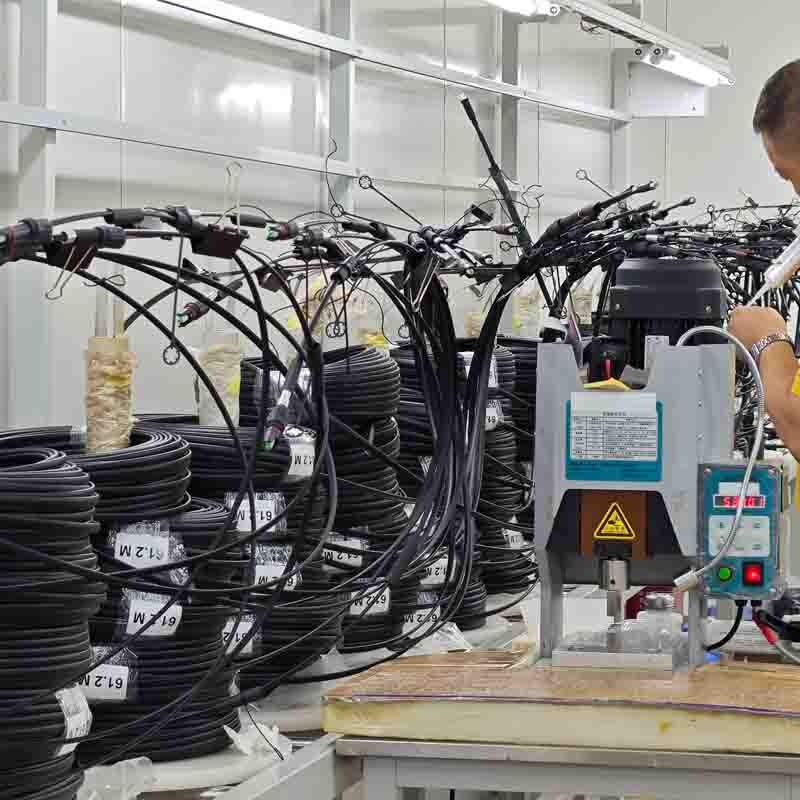
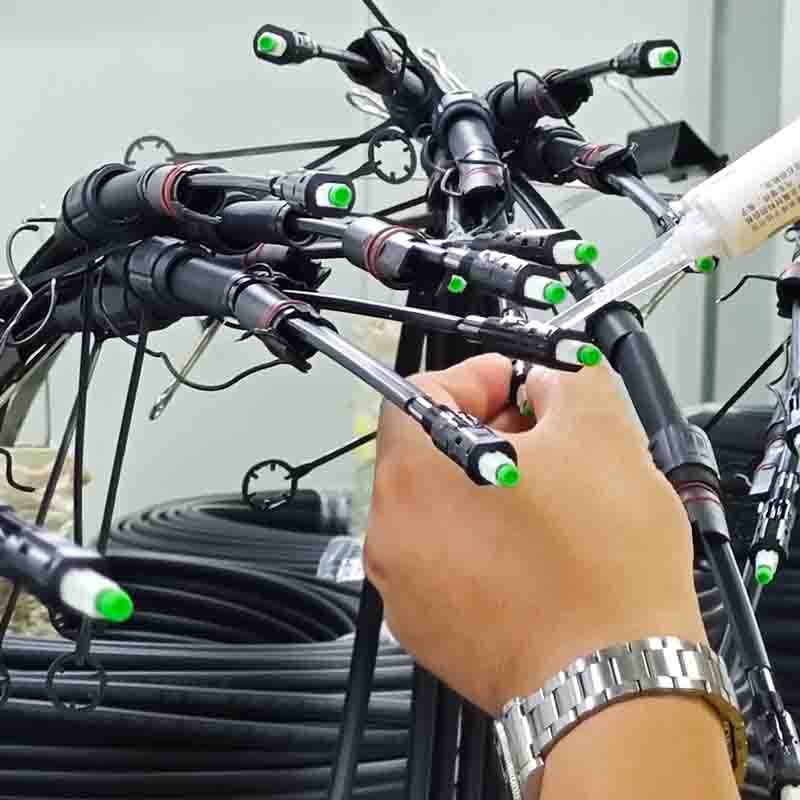
For 5G tower replacement, the connector interface is the first compatibility gate. FOCC lists FullAXS, ODC, ODVA, and PDLC connector families within its FTTA offering. ODC connectors are described by FOCC as outdoor connectors used in FTTA and harsh environments, and the company's ODC assemblies are positioned for outdoor deployment.
Available configurations referenced for this scenario include ODC-APC-Fullax-APC-OS2 and ODC-UPC-Optitab-UPC-OM3. These model references should be treated as starting points for a bill-of-materials match, not as a substitute for the datasheet. Before ordering a replacement batch, confirm the connector type, polish, fiber mode, core count, cable length, and jacket material against the tower's installed interface.
What the field case shows
The FOCC case record covers telecommunication carrier and 5G base station equipment vendor deployments in DE, SA, and CN. The application scope includes 5G RAN fronthaul, tower-top RF unit interconnection, and industrial mining or oilfield environments. The record reports 50,000+ outdoor waterproof patch cords and 20,000+ 5G base station deployments, with an 80% lower field failure rate, on-site replacement in under 10 minutes, and 40% lower OPEX.
Those results should be read as a supplier-reported field case, not as a universal performance guarantee. Their value is in the procurement logic: a pre-terminated outdoor assembly can reduce tower time, and a documented IP68 construction with the right connector interface can reduce repeated replacement cycles when the failure mode is environmental.
Step-by-Step Breakdown: Field Replacement After a Weather Event
- Make the site safe and isolate the link. Follow the carrier's tower safety and lock-out procedure before touching the FTTA assembly. Confirm which radio port and which baseband port are affected so the replacement does not interrupt a healthy path.
- Record the failure signature. Note whether the alarm is intermittent, whether insertion loss has drifted, and whether there is visible moisture, corrosion, a cracked boot, or a deformed connector. Photograph the connector interface and cable route before removal.
- Identify the installed connector and fiber configuration. Match the replacement to the radio interface and the approved bill of materials. Confirm ODC, FullAXS, ODVA, PDLC, or LC configuration, fiber mode, core count, and length. Do not substitute a different connector family without an approved adapter or engineering change.
- Select the replacement rating. Use an outdoor waterproof assembly with the required IP rating and a documented temperature range that covers the site. For a -40°C to +75°C requirement, verify that the selected assembly's documented range covers it; FOCC's listed ranges include -40°C to +85°C and -45°C to +85°C.
- Pre-stage and label the replacement. Keep the replacement in its protective packaging until installation. Label both ends and confirm the length before the climb. Pre-terminated assemblies reduce field work, but they still require correct routing and bend-radius control.
- Remove the damaged assembly and inspect the mating interface. Check the radio and baseband ports for contamination, damaged threads, or bent pins. Clean only with approved materials and follow the connector vendor's procedure.
- Install the new assembly and confirm the seal. Engage the connector fully, confirm the locking mechanism, and check the boot and strain relief. The plug-and-play design supports fast replacement, but the seal is only as good as the installation.
- Test and document the link. Measure insertion loss and return loss against the acceptance criteria, then record the assembly model, serial or batch information, length, and test result. The test record becomes the baseline for the next weather event.
FOCC's case record reports on-site replacement in under 10 minutes. That figure is a field result for the referenced deployment, not a guarantee for every tower. Actual time depends on access, cable routing, connector type, and site safety requirements.
Use Cases: Where This Replacement Approach Fits
5G RAN fronthaul on tower-top radio units
The primary use case is the outdoor link between the baseband unit and the tower-mounted radio unit. When water ingress or vibration damages the existing patch cord, a pre-terminated ODC or FullAXS assembly allows the crew to replace the link without fusion splicing at height. The FOCC case record covers 5G RAN fronthaul and tower-top RF unit interconnection.
Carrier replacement and spare-stock programs
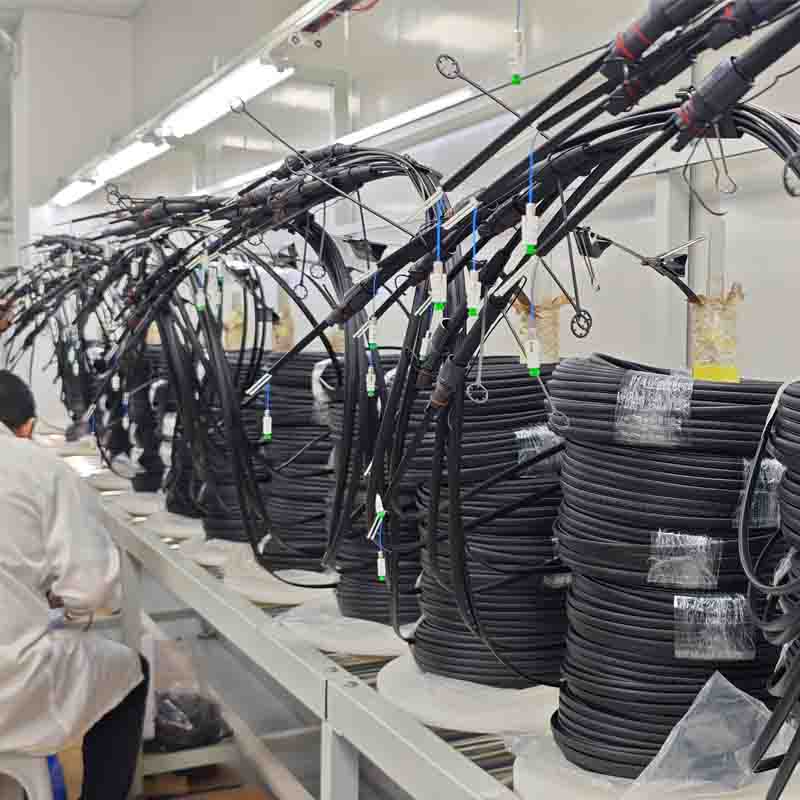
Carriers and tower maintenance teams can hold pre-terminated replacement stock by connector family and length. FOCC's capability data lists a MOQ of 2 units and a lead time of 3–15 days, with customization for length, connector type, core count, transmission mode, material, logo printing, certification, and packaging. That flexibility supports a spare-stock program that matches the installed base rather than a single universal SKU.
Industrial mining and oilfield harsh environments
The same FOCC case record lists industrial mining and oilfield applications. These environments add dust, vibration, and temperature stress to the normal outdoor exposure. The procurement logic is similar: select a sealed, pre-terminated assembly, verify the connector interface, and keep a tested replacement unit available.
Comparison Table: Field Requirement vs Documented FOCC Fact
| Field requirement | Why extreme weather makes it critical | Documented FOCC fact | Verification action |
|---|---|---|---|
| IP67 or IP68 protection | Water ingress is a direct cause of intermittent loss and corrosion. | FOCC documents IP67 and IP68 across outdoor FTTA assemblies; IP68, salt-mist resistance, and EMI protection are described for an ODC-to-LC product. | Request the IP test report and confirm the sealing method for the exact connector. |
| Operating range covering -40°C to +75°C | Temperature swings stress seals, jackets, and strain relief. | FOCC lists -40°C to +85°C and -45°C to +85°C for documented FTTA assemblies. | Confirm the selected datasheet covers the site minimum and maximum. |
| Tensile strength per project specification; verify ≥1000 N if required | Wind, ice, and cable movement can pull the assembly beyond its intended limit. | FOCC's field case record lists 200 N tensile strength for the deployed IP68 outdoor patch cords. | If ≥1000 N is required, request the applicable test report for the selected assembly; do not assume the case value meets that target. |
| Insertion loss ≤0.30 dB target | Higher loss reduces optical margin and can trigger performance alarms. | FOCC's FTTA specification states insertion loss of ≤0.2 dB, with typical 0.15 dB for single-mode. | Request the test record for the purchased assembly and compare it with the link budget. |
| Return loss ≥60 dB for APC if specified | Reflections can degrade link performance, especially with high-split or sensitive radio interfaces. | FOCC documents return loss ≥50 dB for an IP67 ODC-to-LC single-mode duplex outdoor patch cable. | For an APC ≥60 dB requirement, request APC-specific return-loss test data; the ODC-to-LC value is not a universal APC value. |
| On-site replacement without fusion splicing | Tower time and weather windows are limited. | FOCC's case record reports pre-terminated plug-and-play replacement in under 10 minutes. | Validate the connector interface and installation procedure during a sample fit check. |
FAQ: FTTA Cable Replacement After Extreme Weather
What IP rating and temperature range should a replacement FTTA patch cord meet for a 5G tower?
For an outdoor 5G tower link, specify an IP67 or IP68 assembly and confirm the rating applies to the exact connector configuration. FOCC documents IP67 and IP68 protection across outdoor FTTA assemblies, with documented operating ranges of -40°C to +85°C and -45°C to +85°C. Those ranges cover a -40°C to +75°C site requirement, but the selected product datasheet and test report should still be checked before approval.
Can a waterproof FTTA patch cord be replaced on site without fusion splicing?
Yes, when the replacement is a pre-terminated outdoor assembly with the correct connector interface. FOCC's FTTA offering includes pre-terminated assemblies with FullAXS, ODC, ODVA, and PDLC connectors, and its field case record reports on-site replacement in under 10 minutes. The assembly still needs the correct fiber mode, core count, length, and connector polish, and the mating interface should be inspected and cleaned before connection.
What OPEX factors should be included in an FTTA replacement budget?
Include tower access, crew time, test equipment, spare-stock carrying cost, and repeated replacement risk. FOCC's field case record reports an 80% lower field failure rate and 40% lower OPEX for the referenced outdoor waterproof patch cord deployment. Those figures are supplier-reported case results, so a buyer should model them against its own tower access costs, failure history, and acceptance-test requirements rather than treating them as a guaranteed saving.
How should a buyer validate a sample before approving a replacement batch?
Request a sample in the exact connector, fiber mode, core count, and length, then check the fit at the radio and baseband interface. FOCC's capability data lists a MOQ of 2 units and 100% test, so the sample should come with insertion-loss and return-loss data. Confirm the IP rating, operating temperature, tensile specification, and connector polish against the project requirement. If a ≥1000 N tensile or ≥60 dB APC return-loss target applies, request the specific test report for that configuration.
What lead time and MOQ apply to replacement FTTA patch cords?
FOCC's capability data lists a MOQ of 2 units and a lead time of 3–15 days, with customization for length, connector type, core count, transmission mode, material, logo printing, certification, and packaging. For a replacement program, confirm the lead time against the site's weather window and keep a small tested spare stock for the most common connector families. To request a sample or quote, contact FOCC Fiber at sales@mefiberoptic.com or WhatsApp +86 13823237984.
Conclusion: Replace the Failure Mode, Not Just the Cable
After extreme weather, the replacement FTTA patch cord should be chosen to address the failure mode that actually occurred: water ingress, vibration stress, temperature movement, or physical damage. A pre-terminated outdoor waterproof assembly with the correct connector interface, documented IP rating, suitable temperature range, and verified optical performance is the practical field replacement. The FOCC Fiber case record shows what a disciplined replacement program can look like: 50,000+ outdoor waterproof patch cords, 20,000+ 5G base station deployments, on-site replacement in under 10 minutes, and an 80% lower field failure rate.
Before the next storm season, verify the installed connector families, keep a tested replacement sample, and confirm the exact datasheet values for IP rating, temperature, tensile strength, insertion loss, and return loss. FOCC Fiber Co.,Ltd supplies outdoor waterproof FTTA patch cords and related fiber assemblies; the company website is www.focc-fiber.com, and the FTTA solution page is www.focc-fiber.com/ftta-solutions.
Next step: If you are preparing a replacement batch for 5G towers, request a sample and a quote from FOCC Fiber Co.,Ltd. Email sales@mefiberoptic.com or WhatsApp +86 13823237984.
Have Questions or Need More Details?
Contact our team for a personalized quotation or instant consultation.
Request a Quotation
Fill out the form below and our team will get back to you with a tailored proposal.
WhatsApp Direct Chat
Prefer to chat in real-time? Message us on WhatsApp for instant assistance & quick answers.
- Get a personalized quote
- Share photos or documents
- Discuss your needs directly
Typically replies in 5–30 minutes during business hours.