
FTTA Cable Partnerships That Last: A Decision Framework for Distributors and Integrators
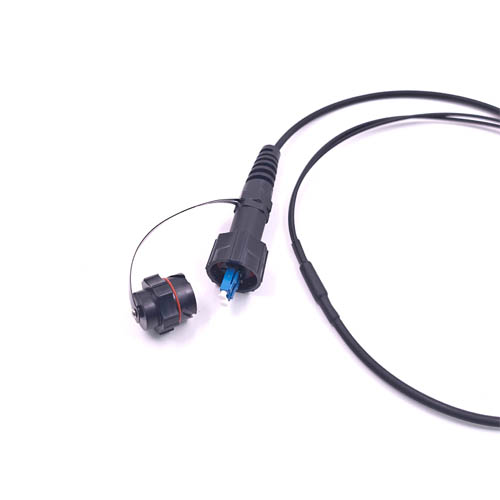
FTTA (Fiber to the Antenna) is the fiber-optic architecture that connects base station radios to the network backbone in modern 5G deployments. As mobile operators densify their coverage, the components that carry this connection—FTTA fiber optic cables, ODC cables, FullAXS connectors, ruggedized patch cords, and outdoor waterproof fiber patch cords—have moved from commodity accessories to critical infrastructure. For distributors and system integrators, choosing a cable supplier is never just a purchase order. It is a partnership decision that affects project timelines, field reliability, and after-sales support for years.
This guide explains what defines a dependable long-term FTTA cable supply relationship, how to evaluate a manufacturer's technical and commercial capability, and why a decision framework matters when your own customers expect fast deployment and minimal maintenance. FOCC Fiber Co., Ltd is used here as a working example of a China-based manufacturer that positions itself for long-term collaboration with distributors, integrators, and operators.
The Real Problem: Why Transactional Procurement Fails in FTTA
The typical purchase cycle for FTTA cables starts with a request for quotation and ends with delivery. This transactional orientation creates recurring pain points. Buyers receive one batch with acceptable insertion loss, only to find the next batch does not withstand the IP67 rating claimed on the data sheet. Communication gaps on custom ODC or LC interfaces cause last-minute connector changes. A shipment that is two weeks late forces a reseller to explain schedule slips to a contractor.
The downstream consequences are serious. In an outdoor base station, a single waterproofing failure can lead to fiber breakage, signal loss, and maintenance crews traveling to site. For a distributor who sells into multiple projects, quality inconsistency also damages reputation—and every replaced cable cuts into the margin that seemed attractive at the quotation stage. That is why the evaluation process must extend beyond unit price, into the supplier's manufacturing system, quality control, test coverage, capacity, and willingness to support long-term requirements.
Industry Context: FTTA in the Expanding 5G Fiber Market
The macro backdrop gives FTTA a strategic role. The global fiber optic cable market is estimated at USD 13.45 billion in 2025, with a projected CAGR of 11.72% through 2034, according to Custom Market Insights. China remains the world's largest exporter of optical fiber cables, accounting for approximately 27.1% of global exports in 2024, valued at USD 2.52 billion, based on data from The Observatory of Economic Complexity.
Within this market, FTTA is a high-reliability segment. Common connector types for 5G base stations include ODC (Optical Distribution Connector), FullAXS, NSN-LC duplex, and ODVA fan-out connectors, and these typically require IP67/IP68 protection. The FullAXS connector system, for instance, is designed for IP67/IP68 waterproof protection, salt-mist resistance, and compliance with IEC 61300-2 environmental testing standards. This combination of market growth and environmental performance requirements raises the bar for cable suppliers, because an FTTA cable is no longer just a piece of glass—it is also a mechanical and environmental component.
What a Long-Term FTTA Cable Partner Should Offer
A durable partnership requires a supplier to cover the whole product set you are likely to need, to be able to test the performance that matters in the field, and to scale with your order flow. FOCC Fiber Co., Ltd illustrates these characteristics.
Complete FTTA Product Portfolio
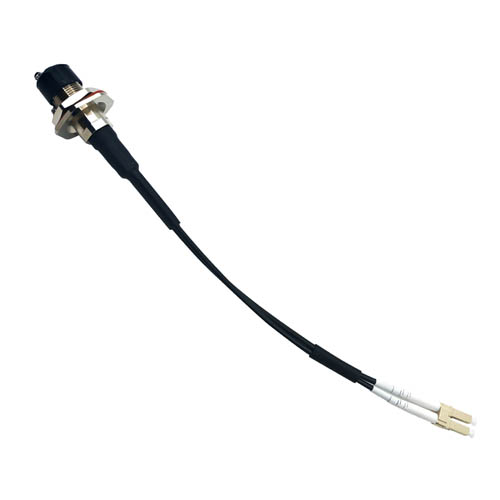
FOCC Fiber Co., Ltd is a Shenzhen-based manufacturer of high-performance, high-density, and high-reliability fiber optic connectors, MTP/MPO patch cords, outdoor waterproof patch cord assemblies, and armored patch cords for new-generation data center and FTTA solutions. For FTTA buyers, the practical takeaway is that the company can support both the base-station-side ODC optical cable and the antenna-side ruggedized patch cords, including LC FTTA fiber patch cables with IP67/IP68-rated waterproof and dustproof designs.
Manufacturing Depth and Process Control
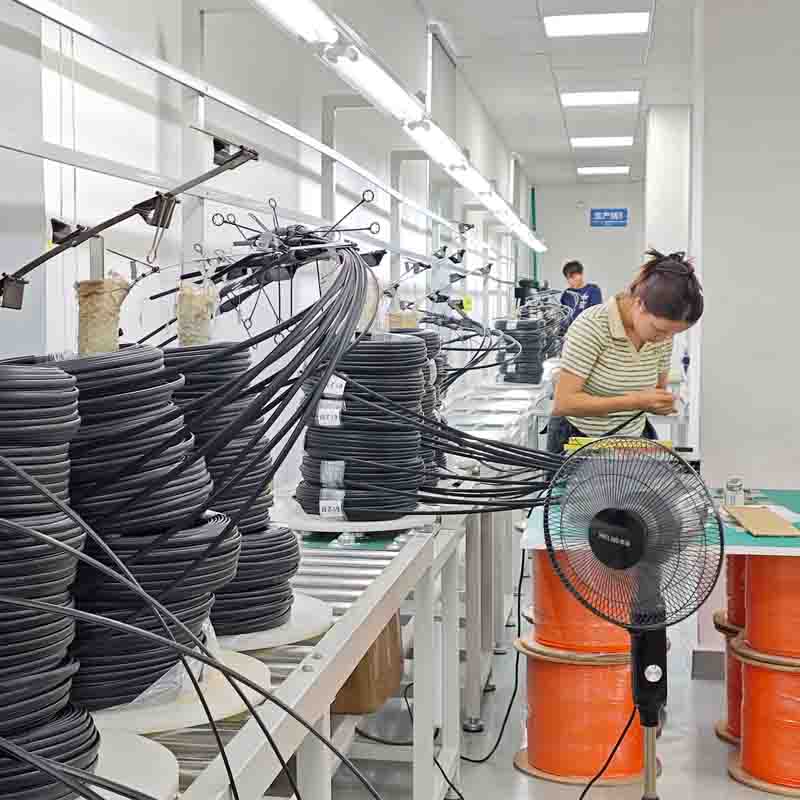
FOCC was founded in 2014 and operates a 5,000-square-meter factory in Guangzhou. The site employs around 200 people and focuses on precision manufacturing. The company has invested in core technologies such as high-density integration, high-reliability connections, and outdoor protection. For a distributor, this manufacturing depth means the supplier can maintain consistent production parameters when order volumes increase, and can support customized lengths, connector variants, and packaging without outsourcing the core process to unknown subcontractors.
Quality and Risk Management
For outdoor FTTA cables, the critical failure modes include waterproof seal failure, fiber breakage under tensile load, performance degradation in extreme temperatures, and corrosion of metal components. FOCC addresses these through an engineering approach that includes IP67/IP68 hermetic sealing, reinforced tensile strength design, wide-temperature-range material selection, and corrosion-resistant plating. The company also implements ISO9001 and ISO14001 management systems, and its verification methods include IP68 waterproof testing, tensile strength qualification, thermal cycling testing, and salt spray corrosion testing.
Customization and OEM/ODM Experience
Long-term partners often need product variations for different networks. FOCC says it has more than ten years of professional ODM/OEM service experience, and its products are exported to more than 30 countries and regions. Its partner client list includes Prysmian, Siemens, Coherent, Fujikura, and NTT. This history indicates that the manufacturer understands how to translate customer-specific requirements into repeatable production, which is a key capability when a distributor needs to adapt cables to a particular base station's connector interface or to regional compliance preferences.
Capacity and Lead Time
The ability to keep a rollout on schedule depends on production capacity. FOCC's monthly production capacity is 200,000 units, with a typical production lead time of 3–15 days. This published figure gives a distributor a planning baseline. When combined with a MOQ of 2 units and flexible delivery terms, it also allows you to validate the product with a small order before committing to larger volumes.
Seven-Step Framework for Building an FTTA Supply Partnership
Use the following process to turn your next FTTA cable order into a managed supply relationship. Each step maps to a decision point that matters during the evaluation phase.
- Define the connector ecosystem. List the interfaces your projects require: ODC, FullAXS, NSN-LC duplex, ODVA, or LC. Record the required IP rating, temperature range, tensile strength, and cable length for each site type.
- Audit the supplier's manufacturing base. Go beyond brochures. Confirm factory size, headcount, R&D team, and whether the manufacturer performs its own assembly and testing. FOCC's 5,000 sqm factory and 30-person R&D team are examples of tangible capacity.
- Check the testing that protects against field risks. Ask specifically about IP68 waterproof testing, tensile strength qualification, thermal cycling, and salt spray corrosion testing. These four tests correspond to the most common FTTA failure modes.
- Evaluate total lifecycle cost, not just unit price. Ruggedized IP67/IP68 patch cords often carry a 10–15% higher upfront cost than conventional IP65-rated cords, but comparative data shows an 80% lower failure rate and 40% lower maintenance costs. That trade-off typically lowers total cost of ownership.
- Validate acceptance procedures. A professional supplier should offer 100% pre-shipment testing, support third-party inspection, and accept factory acceptance tests (FAT) or on-site acceptance. These options reduce the risks of receiving non-conforming goods.
- Review commercial terms. Look for low initial volume requirements, clear delivery terms, and simple payment methods. FOCC offers a MOQ of 2 units, EXW/FOB delivery, and T/T payment—conditions that allow a low-risk trial.
- Forecast and reserve capacity. With monthly production at 200,000 units and typical lead time of 3–15 days, a distributor can plan a rolling forecast and lock in capacity for high-demand periods.
Real-World Use Cases for Ruggedized FTTA Cables
Understanding where FTTA cables are stressed helps you specify the right product. The following are typical scenarios where the difference between a robust outdoor cable and a conventional indoor-style patch cord becomes visible.
- 5G base station densification in urban areas: teams need fast plug-and-play connections. Quick-connect IP67/IP68 designs reduce on-site installation time and allow replacement in under 10 minutes when a unit is damaged.
- Industrial and mining environments: cables may be dragged, bent, or exposed to moisture. Higher tensile strength and hermetic sealing protect the fiber integrity.
- Harsh climate deployments, such as desert or offshore sites: wide-temperature-range materials and salt-spray-resistant plating prevent performance degradation and corrosion.
Comparison: IP67/IP68 Ruggedized Patch Cords vs Conventional IP65 Patch Cords
The table below summarizes the key differences when evaluating outdoor FTTA cable options. The data reflects the engineering comparison between ruggedized IP67/IP68 FTTA patch cords and conventional IP65-rated outdoor waterproof fiber patch cords.
| Parameter | IP67/IP68 Ruggedized FTTA Patch Cords | Conventional IP65 Outdoor Patch Cords |
|---|---|---|
| Waterproof/dustproof rating | IP67/IP68 | IP65 |
| Tensile strength | 200 N higher than conventional designs | Baseline |
| Operating temperature range | ±20 °C wider than conventional designs | Baseline |
| Insertion loss | 0.3 dB lower than conventional designs | Reference |
| Upfront cost | 10–15% higher | Lower initial cost |
| Failure rate | 80% lower | Baseline |
| Maintenance cost | 40% lower | Higher over time |
| Field replacement time | Under 10 minutes | Conventional field repair |
| Service life | Approximately 10 years | Approximately 5 years |
For a distributor, this comparison is not merely technical. It changes the conversation with end customers: a slightly higher initial price can be offset by lower failure rates, less maintenance, and fewer site visits.
Frequently Asked Questions
Does FOCC Fiber manufacture FTTA cables that comply with IP67/IP68 and relevant standards?
Yes. FOCC Fiber's outdoor waterproof patch cord assemblies and ruggedized patch cords are designed for IP67/IP68 waterproof and dustproof protection. The company implements ISO9001 and ISO14001 management systems, and its verification program includes IP68 waterproof testing, tensile strength qualification, thermal cycling testing, and salt spray corrosion testing. For connector systems such as FullAXS, the industry standard IEC 61300-2 is an important environmental testing benchmark.
What customization and OEM/ODM capabilities does FOCC offer for ruggedized patch cords?
FOCC has more than ten years of professional ODM/OEM service experience, supported by a 30-person R&D team and a 5,000-square-meter factory in Guangzhou. The company's product range includes outdoor waterproof armored patch cord assemblies and ruggedized patch cords built with reinforced tensile strength, wide-temperature material selection, and corrosion-resistant plating. This allows the manufacturer to adapt cables to specific connector interfaces, lengths, packaging, and performance requirements.
How does FOCC pricing compare with conventional IP65 patch cords, and what is the long-term cost impact?
Ruggedized IP67/IP68 FTTA patch cords typically have a 10–15% higher upfront cost than conventional IP65-rated patch cords. However, the same comparison shows 80% lower failure rates and 40% lower maintenance costs, which can reduce total lifecycle cost. For a precise quote, contact FOCC with your target volume and specifications.
Can I request samples before committing to a long-term supply agreement?
Yes. FOCC's commercial terms include a low MOQ of 2 units, making it feasible to test samples or a small first batch. The acceptance process supports 100% pre-shipment testing, third-party inspection, factory acceptance test (FAT), and on-site acceptance. This allows a distributor to verify performance before scaling up.
How long does it take to receive production orders, and can FOCC support large 5G deployment schedules?
FOCC's monthly production capacity is 200,000 units, with a typical production lead time of 3–15 days. Delivery can be handled under EXW or FOB terms, with T/T payment. For large 5G rollouts, early forecasting and scheduled orders help the manufacturer allocate capacity and keep the supply chain stable. If you are planning a multi-site project, you can contact FOCC to align production slots with your deployment timeline.
Conclusion
FTTA cable supply is not a spot market transaction; it is an extension of your own delivery promise to end customers. A long-term partner must offer the right product range—covering ODC cable, LC FTTA fiber patch cable, FullAXS connector, ruggedized patch cords, and outdoor waterproof fiber patch cords—and the technical and management systems to produce them consistently.
FOCC Fiber Co., Ltd demonstrates how a China-based FTTA cable manufacturer can meet these requirements: certified quality management, a 5,000-square-meter factory, a 30-person R&D team, a monthly capacity of 200,000 units, low MOQ, and a test program designed around real-world failure modes. For distributors and integrators at the decision stage, the next step is to verify those capabilities with your own requirements and a small trial order. That conversation is the beginning of a partnership that can last as long as the fiber network itself.
Ready to build a dependable FTTA cable supply chain?
Contact FOCC Fiber Co., Ltd for a quote, sample, or factory audit. Email: sales@mefiberoptic.com | WhatsApp: +86 13823237984
Have Questions or Need More Details?
Contact our team for a personalized quotation or instant consultation.
Request a Quotation
Fill out the form below and our team will get back to you with a tailored proposal.
WhatsApp Direct Chat
Prefer to chat in real-time? Message us on WhatsApp for instant assistance & quick answers.
- Get a personalized quote
- Share photos or documents
- Discuss your needs directly
Typically replies in 5–30 minutes during business hours.