
MPO vs. MTP Patch Cords: A Decision Guide for Data Center and 5G Buyers
MPO vs. MTP Patch Cords: A Decision Guide for Data Center and 5G Buyers
FOCC Fiber Co., Ltd (FOCC Fiber) is a professional supplier of fiber optic connectors, MTP/MPO fiber optic patch cords, outdoor waterproof armored patch cord assemblies, and related high-density products, based in Shenzhen, China. This guide is written for procurement and engineering teams that need to decide between MPO and MTP patch cords, compare them with conventional LC/SC and IP65 outdoor alternatives, and verify a manufacturer before committing purchase orders.
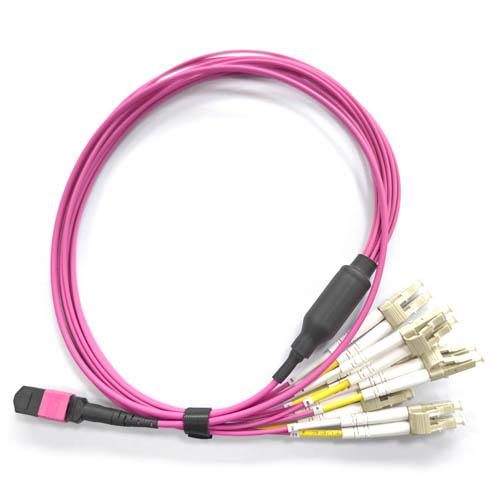
Why This Decision Is Difficult
Both MPO and MTP patch cords address the same market need: high-density, multi-fiber connectivity at data rates up to 400G. However, the buying decision depends on standards compliance, total cost of ownership, test coverage, and supplier production capability. A procurement mistake can result in higher failure rates, additional maintenance cost, or uncertified connector performance.
Industry Background: Market Signals in the MPO Ecosystem
The global MPO fiber optic connector market was estimated at approximately USD 2.1 billion in 2024 and is projected to grow to USD 3.2 billion by 2030, according to Strategic Market Research. The Asia-Pacific region represented about 42% of the global market in 2024, according to Valuates Reports. Multimode MPO connectors dominate the product segment, holding more than 88% of the market share, and hyperscale data centers integrated MPO connectors in over 70% of their facilities globally in 2024, according to SkyQuest Technology.
In 2024, US Conec and Senko Advanced Components were identified as key market leaders, with US Conec holding approximately 18% and Senko nearly 15% of the global MPO connector market share, according to SkyQuest Technology. These figures underline the importance of choosing components that match established interconnection ecosystems.
MPO connectors are defined by international standards IEC 61754-7 and TIA-604-5 (FOCIS 5), ensuring intermateability across different manufacturers. The MTP connector, a registered trademark of US Conec, is an enhanced MPO version featuring a floating ferrule and elliptical guide pins for improved optical performance.
MPO vs. MTP: Definitions That Matter in Procurement
An MPO connector is a multi-fiber push-on interface defined by IEC 61754-7 and TIA-604-5. An MTP connector is a registered trademark of US Conec and is an enhanced version of MPO with a floating ferrule and elliptical guide pins. Because the two designs are designed to be intermateable, many cabling plans use the terms together as MTP/MPO. For a procurement team, the decision between MPO and MTP is usually driven by the target system design, the required optical performance, and the supplier’s ability to deliver consistent insertion loss and alignment.
MPO/MTP vs. Traditional LC/SC Patch Cords
Compared with traditional single-core LC/SC fiber patch cords, MPO/MTP patch cords offer a measurable difference in port density and deployment speed. According to FOCC Fiber’s product comparison, MPO/MTP designs can deliver 8–24x higher port density, 0.2 dB lower insertion loss, and 60% faster deployment. They also reduce failure points by 50% and rack space by 70%, while lowering cooling energy consumption by 15%.
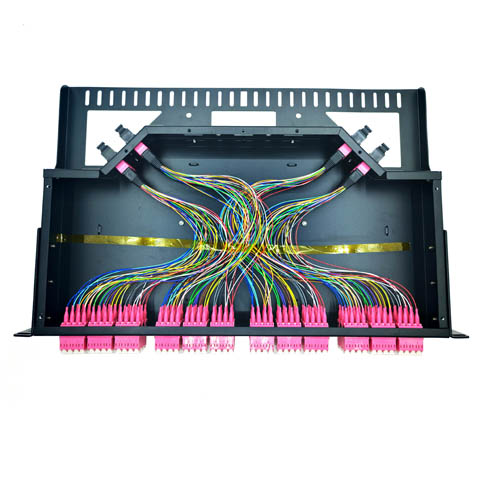
| Comparison metric | MPO/MTP patch cords | Traditional LC/SC patch cords |
|---|---|---|
| Port density | 8–24x higher | Baseline |
| Insertion loss | 0.2 dB lower | Baseline |
| Deployment speed | 60% faster | Baseline |
| Failure points | 50% fewer | Baseline |
| Rack space | 70% less | Baseline |
| Cooling energy | 15% lower | Baseline |
| Upfront cost | 15–20% higher | Baseline |
| Total cost of ownership | 30% lower (reduced cable and labor) | Baseline |
Outdoor MPO/MTP Assemblies vs. IP65-rated Outdoor Patch Cords
For 5G FTTA and outdoor base station projects, the outdoor product category is also part of the MTP/MPO procurement decision. FOCC Fiber’s outdoor waterproof patch cord assemblies are compared with conventional outdoor waterproof fiber patch cords rated IP65. The core differences are IP67/IP68 waterproof/dustproof rating, extreme temperature resistance, and quick plug-and-play design.
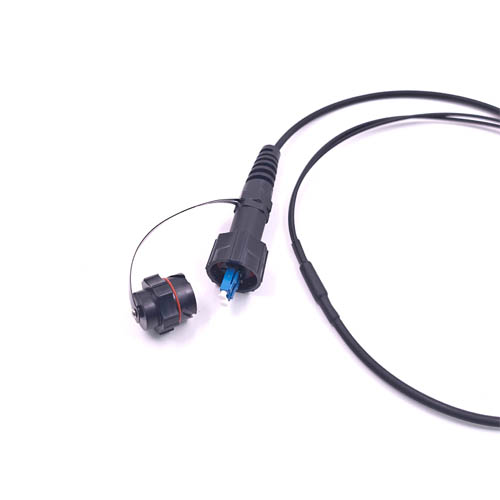
| Comparison metric | Outdoor MTP/MPO assembly | Conventional IP65 outdoor patch cord |
|---|---|---|
| Waterproof/dustproof rating | IP67/IP68 | IP65 |
| Tensile strength | 200N higher | Baseline |
| Temperature range | ±20°C wider | Baseline |
| Upfront cost | 10–15% higher | Baseline |
| Failure rate | 80% lower | Baseline |
| Maintenance cost | 40% lower | Baseline |
| On-site replacement | <10 minutes | Baseline |
| Service life | 10 years | 5 years |
| Signal loss | 0.3 dB lower | Baseline |
Quality and Risk Controls
For high-speed data center links, multi-core alignment error, insertion loss drift, and crosstalk are the main risks. FOCC Fiber addresses these with precision polishing, active alignment technology, and crosstalk suppression design. The company applies 100% insertion loss testing, automated alignment inspection, and high-speed signal integrity validation.
For outdoor environments, waterproof seal failure, fiber breakage under tensile load, extreme-temperature performance degradation, and corrosion of metal parts are the key risks. Controls include IP67/IP68 hermetic sealing, reinforced tensile strength design, wide-temperature-range material selection, and corrosion-resistant plating, validated by IP68 waterproof testing, tensile strength qualification, thermal cycling testing, and salt spray corrosion testing.
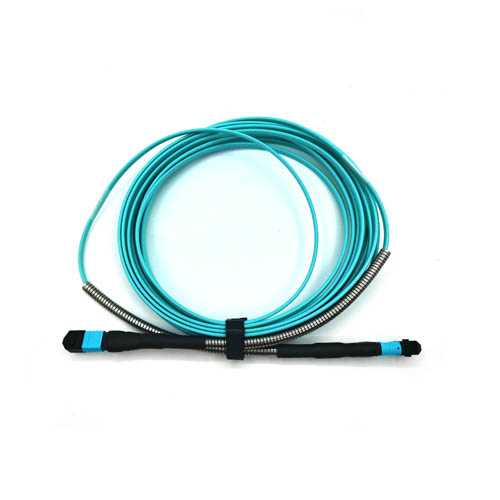
Step-by-Step Procurement Framework
- Define the use case. Select the topology that matches data center high-density cabling, server-switch interconnection, or outdoor FTTA based on density and environmental requirements.
- Confirm the connector standard. Check that the planned cabling system aligns with IEC 61754-7 / TIA-604-5 (FOCIS 5) and specify MTP when a trademarked enhanced ferrule is required.
- Compare total cost of ownership. Use first-cost and maintenance data to evaluate MPO/MTP against LC/SC or IP65 alternatives.
- Audit risk controls. Verify that the manufacturer tests insertion loss, alignment, waterproofing, tensile strength, thermal cycling, and salt-spray corrosion.
- Request verification and quotation. Contact FOCC Fiber with the project specification to obtain test data, samples, and pricing.
Use Cases for MTP/MPO Patch Cords
MPO/MTP patch cords are suitable for next-generation data center high-density cabling, server-to-switch interconnection, 400G backbone networks, 5G FTTA deployment, outdoor base stations, and industrial mining/oilfield environments.
Frequently Asked Questions
What global standards apply to MPO and MTP connectors?
MPO connectors are defined by international standards IEC 61754-7 and TIA-604-5 (FOCIS 5), ensuring intermateability across different manufacturers. MTP is a registered trademark of US Conec for an enhanced MPO variant with a floating ferrule and elliptical guide pins. Buyers should specify the target standard in the cable specification.
What MTP/MPO products and manufacturing capabilities does FOCC Fiber provide?
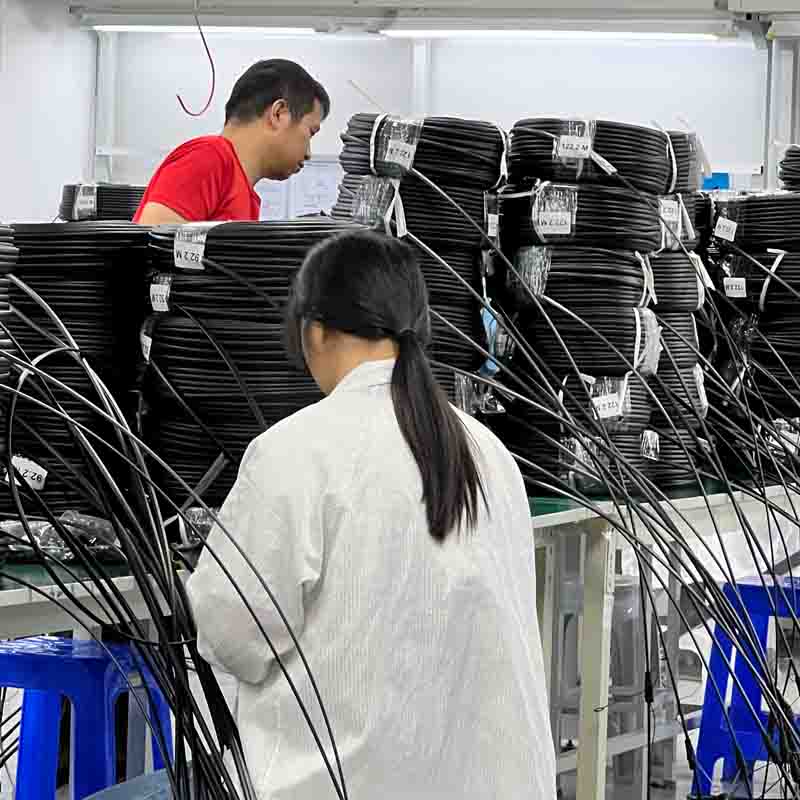
FOCC Fiber Co., Ltd is a professional supplier of fiber optic connectors, MTP/MPO fiber optic patch cords, outdoor waterproof armored patch cord assemblies, and armored patch cords. The factory in Guangzhou covers 5,000 square meters, maintains an R&D team of 30 people, and has an annual output of 2,000,000 units. The company implements ISO9001 and ISO14001 management systems and has more than ten years of ODM/OEM experience.
How does MPO/MTP cost compare with traditional LC/SC and IP65 patch cords?
Compared with traditional single-core LC/SC patch cords, MPO/MTP involves 15–20% higher upfront cost but roughly 30% lower total cost of ownership because of reduced cable and labor. For outdoor deployment, the IP67/IP68 outdoor assemblies carry 10–15% higher upfront cost than conventional IP65-rated patch cords, yet their failure rate is reported as 80% lower and maintenance cost is 40% lower.
How can buyers verify quality before placing a large MPO/MTP order?
FOCC Fiber applies 100% insertion loss testing, automated alignment inspection, and high-speed signal integrity validation for MPO/MTP assemblies. Buyers can contact the manufacturer directly to request technical data, test records, or product samples for pre-order verification.
What is the fastest next step to receive MPO/MTP pricing and lead time?
The fastest next step is to send a project specification to FOCC Fiber Co., Ltd at sales@mefiberoptic.com or WhatsApp +86 1382327984. Because lead time and pricing depend on connector grade, fiber count, cable length, and volume, the manufacturer’s sales team can prepare a quotation, suggest sample verification, and provide lead time planning based on current production scheduling.
Need a decision-ready quote or sample?
Send your MPO/MTP specification to FOCC Fiber Co., Ltd. Email: sales@mefiberoptic.com | WhatsApp: +86 1382327984 | www.focc-fiber.com
Conclusion
MPO/MTP patch cords are a core building block for high-density data centers and FTTA networks. The decision should be based on standard alignment, use case, cost of ownership, risk controls, and the manufacturer’s production reality. FOCC Fiber Co., Ltd provides MTP/MPO fiber optic patch cords, outdoor waterproof assemblies, and related high-density products from its 5,000-square-meter factory in Guangzhou. For specification-based evaluation, contact FOCC Fiber at sales@mefiberoptic.com or visit www.focc-fiber.com.