
Gear-Adjustable vs Standard 360° Rotation in Farm Sprinklers: Technical Guide
Gear-Adjustable vs Standard 360° Rotation in Farm Sprinklers: Technical Guide
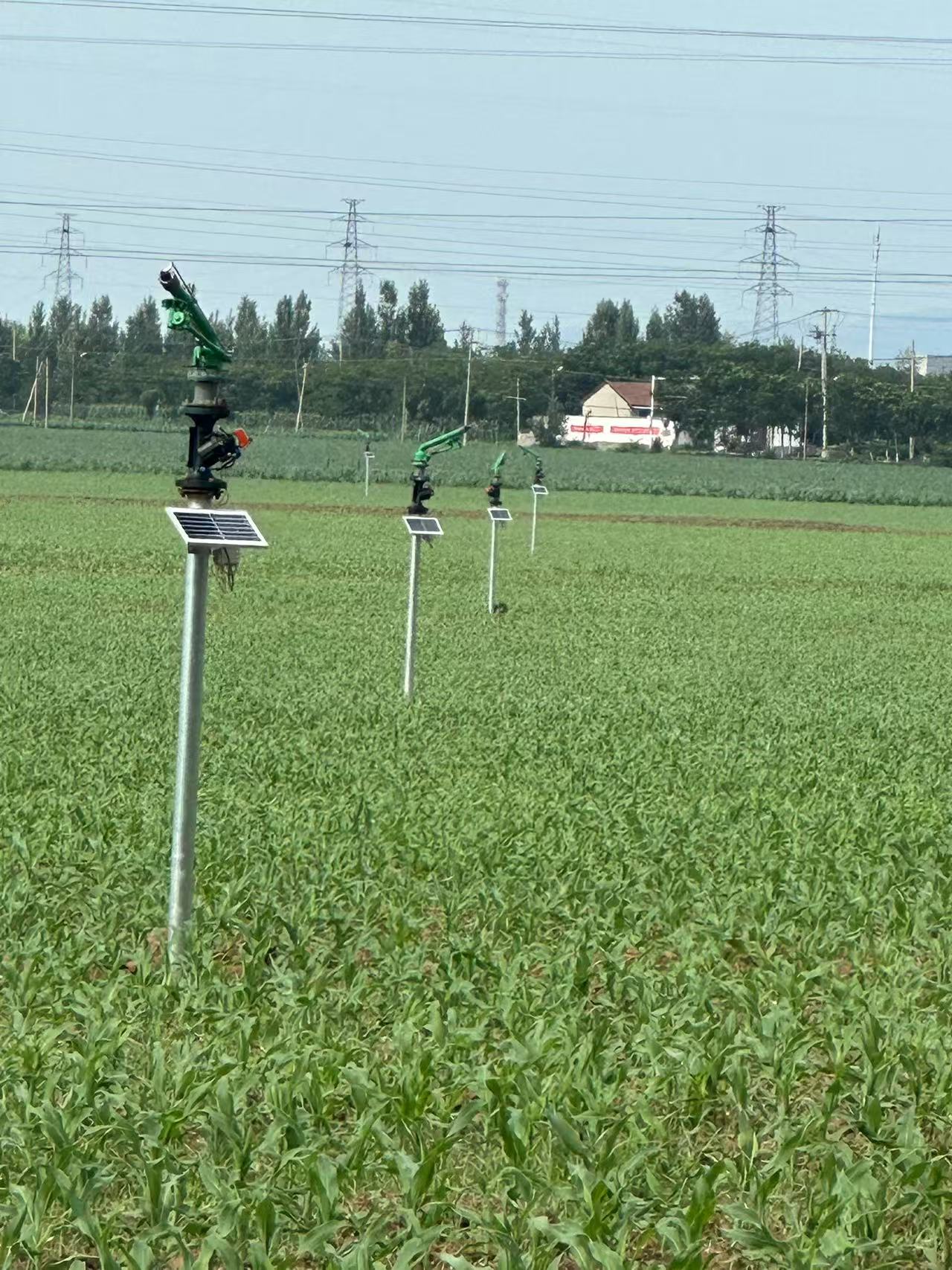
Two farm sprinklers can both be described as “360° rotating” and still behave differently in the field, because the label describes the arc of coverage, not the mechanism that produces the rotation. This technical guide separates the two rotation types used across the FOISON Sprinkler range and explains what each one changes for uniform coverage, sector control and maintenance.
In the FOISON Sprinkler range, the FS40 is a 360° gear adjustable sprinkler: rotation is produced by a gear mechanism with an adjustable arc and adjustable rotation speed. The FS35, FSW40 Pro, FSN50, FSC50 and FSW80 use standard 360° adjustable rotation, where the sprinkler rotates continuously and the arc is set on the sprinkler body rather than through a gear drive. FS40’s declared specifications — 0.15–0.5 MPa working pressure, 9.5–39.4 m³/h flow rate, 20–43 m spray radius, 2″ thread connection, and aluminum, copper, stainless steel and nylon construction — are used throughout this guide as the concrete example.
For an importer, dealer or farm buyer, the practical difference lands in three places: keeping water inside the field boundary, holding an even distribution inside the wetted circle, and knowing which parts wear and therefore have to be kept in stock over a multi-season service life.
Why “360°” on a Datasheet Does Not Describe the Drive
A 360° specification only confirms that the sprinkler can complete a full circle. It says nothing about how the rotation is driven, whether the arc can be reset to a partial sector and held there, or how consistently the sprinkler turns as pressure changes during the irrigation cycle.
That gap produces four recurring specification errors:
- Sector mismatch. A field edge, a road, a fence line or a shed roof needs a partial arc. If the rotation type cannot hold a set sector reliably, the buyer either accepts water outside the target area or adds a valve and a separate zone to compensate.
- Uniformity assumptions. Two sprinklers with similar flow and radius can distribute water differently inside the circle if rotation speed varies with pressure, so parts of the wetted area receive more water and others less.
- Maintenance mismatch. A gear-driven rotation and an arm-driven rotation wear differently, need different spare parts, and fail in different ways. A dealer who stocks by flow size alone can end up with the wrong repair kit.
- Hydraulic and connection mismatch. Declared pressure, flow and radius are only valid at a stated operating point, and a 2″ thread does not fit every riser or lateral already installed on the farm.
The correct question to put to any sprinkler supplier is therefore not “is it 360°?” but: which rotation mechanism is used, what arc range can be set and held, can rotation speed be adjusted, at which pressure and flow are the figures declared, what is the connection size, and which materials are in contact with the water.
Where Rotation Type Fits in the Sprinkler Market Today
Irrigation equipment is being purchased against a market that is growing but unevenly documented. Grand View Research valued the global sprinkler irrigation market at USD 3.04 billion in 2025, while IMARC Group reported the global smart irrigation market at USD 2.2 billion in 2025 with a projection of USD 6.2 billion by 2034. Regionally, Grand View Research placed Asia Pacific at a 36.2% revenue share of the agricultural irrigation machinery market in 2025, with China as a leading country.
On the standards side, ISO 7749-1:1995 specifies the design and operational requirements for rotating sprinklers used in agricultural irrigation, as referenced by the International Commission on Irrigation & Drainage (ICID). In trade terms, HS Code 842482 classifies mechanical appliances for agricultural or horticultural use for projecting, dispersing or spraying liquids, according to the United Nations Statistics Division.
Two cautions are worth carrying into a purchasing decision. First, published growth projections disagree because they measure different things: Grand View Research projects a 6.5% CAGR for sprinkler irrigation over 2026–2033, while Market Research Future reports 3.04% over a longer 2025–2035 window, largely because of how broadly “smart” features are included. Distributors should treat any single growth curve as a planning input rather than a forecast to build inventory on. Second, public market reporting does not yet separate high-volume rain guns from standard impact sprinklers, so the rotation-type question remains a supplier-level question that has to be answered with model data.
Water and energy economics are the reason buyers ask it at all. FOISON Sprinkler’s published comparison of sprinkler irrigation against normal irrigation positions sprinkler irrigation as saving at least 50% in energy and cost, with a cost difference of about 20% lower and uniform coverage named as the efficiency benefit. Those figures are the manufacturer’s own comparison data, and they are most defensible when the sprinkler is matched to the field shape and the available pressure — which is exactly where rotation type enters the decision.
How the Two Rotation Types Work in Practice
Across agricultural sprinklers generally, rotation is produced in one of two ways: an oscillating arm driven by the water jet, or a water-driven turbine connected to a gear reduction that turns the nozzle assembly. The turbine-and-gear family is the one that allows rotation behaviour to be set mechanically instead of depending on how the jet strikes an arm. FOISON Sprinkler states that its self-developed designs — including turbine spray gun design, adjustable nozzle angle and adjustable speed — are covered by its own patents, and turbine spray guns, impact guns and irrigation systems are its core product lines.
360° gear adjustable rotation: the FS40 type
- Rotation is produced through a gear mechanism, so the turn does not depend on arm oscillation.
- The arc is set through the gear mechanism, which allows a partial sector to be dialled in and held during operation.
- Rotation speed is adjustable as a design feature, which matters when a slow, even pass is preferred over a fast one.
- Nozzle angle is adjustable on this design family, so the jet can be trimmed to the layout rather than the layout fitted around the jet.
Standard 360° adjustable rotation: FS35, FSW40 Pro, FSN50, FSC50, FSW80
- Rotation is continuous and full-circle, with the arc setting made on the sprinkler body.
- Fewer adjustment points mean a simpler mechanism and a shorter setup routine per sprinkler.
- The type suits open blocks where a full circle is acceptable and boundaries do not fall inside the wetted area.
FS40 Declared Specifications and How to Read Them
FS40’s declared parameters are the most useful worked example in this guide, because they show how wide a single model can be and why the operating point must be fixed before ordering.
| Parameter | FS40 declared value | What it changes in selection |
|---|---|---|
| Rotation type | 360° gear adjustable | Allows a partial sector to be set and held, and rotation speed to be adjusted |
| Working pressure | 0.15–0.5 MPa (approximately 1.5–5 bar) | Sets the pressure window you must be able to deliver at the sprinkler, not only at the pump |
| Flow rate | 9.5–39.4 m³/h | Sizes the lateral, the riser and the simultaneous-flow calculation for the block |
| Spray radius | 20–43 m | Sets sprinkler spacing, overlap between units and the number of units per hectare |
| Connection size | 2″ thread | Must match the riser or lateral thread already installed, or an adapter is needed |
| Materials | Aluminum, copper, stainless steel, nylon | Determines corrosion and abrasion behaviour against the actual water source |
The declared band is not a single setting. A pressure range from 0.15 to 0.5 MPa with a flow range from 9.5 to 39.4 m³/h means the model is quoted across several nozzle and pressure combinations, so the buyer should ask which combination produced the figure being quoted. Two useful consequences follow from the radius range: at a 20 m radius a full circle covers roughly 1,257 m², and at 43 m it covers roughly 5,808 m². The difference between those two numbers is the difference between a small permanent set and a large block, and it is the main reason sprinkler count cannot be quoted from the model name alone.
Spacing should not be set at the full wetted diameter. Design practice for solid-set sprinkler systems generally places spacing at a fraction of the wetted diameter so that overlap compensates for wind and for the lower application rate at the outer edge of the throw. Confirm the exact spacing for the operating point you intend to use with the supplier or the system designer rather than scaling from the radius range.
Material selection follows water quality. The declared FS40 build covers aluminum, copper, stainless steel and nylon components; if the water source is aggressive, saline or abrasive, ask which component uses which material so that the parts most exposed to wear can be reviewed against the site. Where a farm needs a defined build rather than a standard one, FOISON Sprinkler’s R&D team of 12 engineers supports OEM and custom designs.
Note on the other five models. This guide does not restate pressure, flow, radius or connection figures for FS35, FSW40 Pro, FSN50, FSC50 or FSW80. Those parameters change with nozzle and configuration, so they should be taken from the current spec sheet for the exact model and configuration being quoted, not from a comparison article.
Step-by-Step: Specifying Rotation Type for a Real Field
The sequence below works for a single farm upgrade and for a dealer preparing a quote, and it assumes the rotation-type question has to be settled before price.
- Map the geometry and the boundaries. Draw the block, then mark every boundary, road, building, fence and neighbouring plot that must stay dry. If any of those lines falls inside the wetted circle, the specification points to a rotation type that can hold a set sector — the gear adjustable 360° type used on FS40. If the block is open on all sides, standard 360° adjustable rotation on FS35, FSW40 Pro, FSN50, FSC50 or FSW80 can be considered.
- Fix one hydraulic operating point. Record the pressure available at the sprinkler position, not at the pump outlet. A model declared from 0.15 to 0.5 MPa will behave differently at each end of that window, so choose the pressure the system will actually hold and ask for the flow and radius declared at that pressure.
- Size flow, pipe and connection together. At 9.5–39.4 m³/h on FS40, simultaneous flow across a block is the number that sizes the lateral and the pump duty. Then confirm the 2″ thread against the riser or lateral already in the ground, and decide whether an adapter is acceptable or whether the connection should match directly.
- Set the arc and rotation speed, then check overlap. On a gear adjustable unit, set the sector and the rotation speed, then verify that the joint between the sector edge and the next sprinkler still receives enough overlap to avoid a dry strip. This is the step where a partial-sector setting is either validated or abandoned in favour of a full circle with a valve.
- Match materials to the water. Review the declared aluminum, copper, stainless steel and nylon build against the water source and filtration available. Abrasive or saline water shortens component life, and the fix is a material decision, not a pressure decision.
- Plan acceptance, spares and continuity in the same conversation. Confirm the pre-shipment test procedure, the minimum order quantity, the Incoterm, the payment structure and the spare-part list for the rotation type chosen. Buying a rotation type without its wear parts is how a working sprinkler turns into a stranded asset in season two.
Use Cases: Where Each Rotation Type Fits
- Open blocks inside a single boundary. Standard 360° adjustable rotation on FS35, FSW40 Pro, FSN50, FSC50 or FSW80 keeps the setup simple where a full circle is acceptable and no boundary crosses the wetted area.
- Edge strips, road frontages and irregular plots. Gear adjustable rotation on FS40 is the type to specify when the arc must be trimmed and held, because wasted water outside the plot is a recurring cost, not a one-off.
- Vegetable, fruit, plant and tea farms. These are the application profiles FOISON Sprinkler lists as best suited to sprinkler irrigation, with uniform coverage given as the efficiency benefit.
- Greenhouses and covered structures. FOISON Sprinkler’s own selection guidance recommends a small plastic sprinkler or micro spray pipe inside a greenhouse, and a metal sprinkler for outdoor farm use. Rotation-type selection in this guide applies to the outdoor range.
- Dealer range planning. A distributor covering both open blocks and boundary-heavy plots needs both rotation types in the range, because the two solve different layout problems and are not interchangeable on a quote.
Comparison Table: Gear-Adjustable 360° vs Standard Adjustable 360°
The first table shows where each model sits on the rotation-type question. The second table compares the two rotation types on the dimensions that affect coverage and service.
| Model | Rotation type | Selection note |
|---|---|---|
| FS40 | 360° gear adjustable | Gear-driven rotation with adjustable arc and adjustable rotation speed; 0.15–0.5 MPa, 9.5–39.4 m³/h, 20–43 m, 2″ thread, aluminum / copper / stainless steel / nylon |
| FS35 | Standard 360° adjustable rotation | Arc set on the sprinkler body; confirm declared pressure, flow, radius and connection on the current spec sheet |
| FSW40 Pro | Standard 360° adjustable rotation | Arc set on the sprinkler body; confirm declared pressure, flow, radius and connection on the current spec sheet |
| FSN50 | Standard 360° adjustable rotation | Rain gun family; confirm declared pressure, flow, radius and connection on the current spec sheet |
| FSC50 | Standard 360° adjustable rotation | Rain gun family; confirm declared pressure, flow, radius and connection on the current spec sheet |
| FSW80 | Standard 360° adjustable rotation | Rain gun family; confirm declared pressure, flow, radius and connection on the current spec sheet |
| Dimension | Gear-adjustable 360° (FS40) | Standard adjustable 360° (FS35, FSW40 Pro, FSN50, FSC50, FSW80) |
|---|---|---|
| How rotation is produced | Gear mechanism with adjustable arc and adjustable rotation speed | Continuous full-circle rotation with the arc set on the sprinkler body |
| Sector control | Partial sector can be set through the gear mechanism and held during the cycle | Best suited to full-circle layouts where no boundary crosses the wetted area |
| Effect on uniform coverage | Rotation speed is adjustable, which supports a controlled, even pass over the wetted circle | Continuous rotation; verify overlap and pressure stability at the edge of the run |
| Maintenance focus | Gear mechanism and drive; keep the drive clear of abrasive water | Rotation mechanism and arc setting; keep the mechanism free-moving |
| Distributor stocking implication | Keep drive-related wear parts for the gear type | Keep rotation and arc-setting parts for the standard type |
| Typical layout fit | Irregular plots, edge strips, road frontages, boundary-sensitive blocks | Open blocks with a full circle and no internal boundaries |
Maintenance, Spare Parts and Long-Term Distribution Support
Maintenance follows the mechanism. On the gear adjustable type, the parts to watch are the gear drive and the rotation assembly, because the drive sits in the water path and abrasive water is what shortens its life; the arc setting should be re-checked after any strip-down. On the standard adjustable type, the parts to watch are the rotation mechanism and the arc setting, which should stay free-moving and correctly positioned.
Shared across both types: nozzle wear, filtration, the pressure actually arriving at the sprinkler, connection sealing, and draining the system before a freeze. Nozzle wear and filtration are the two items that most often get blamed on the wrong component, because a partly blocked or worn nozzle changes the jet, which then changes the distribution pattern that the rotation type is being judged on.
For a distributor, the stocking rule is to plan by rotation type and not only by flow size. Two models with similar flow can need different wear parts, and a service visit is decided by whether the correct part is on the shelf. Recording the declared spec sheet for each model in the range keeps quoting consistent between the sales desk and the field.
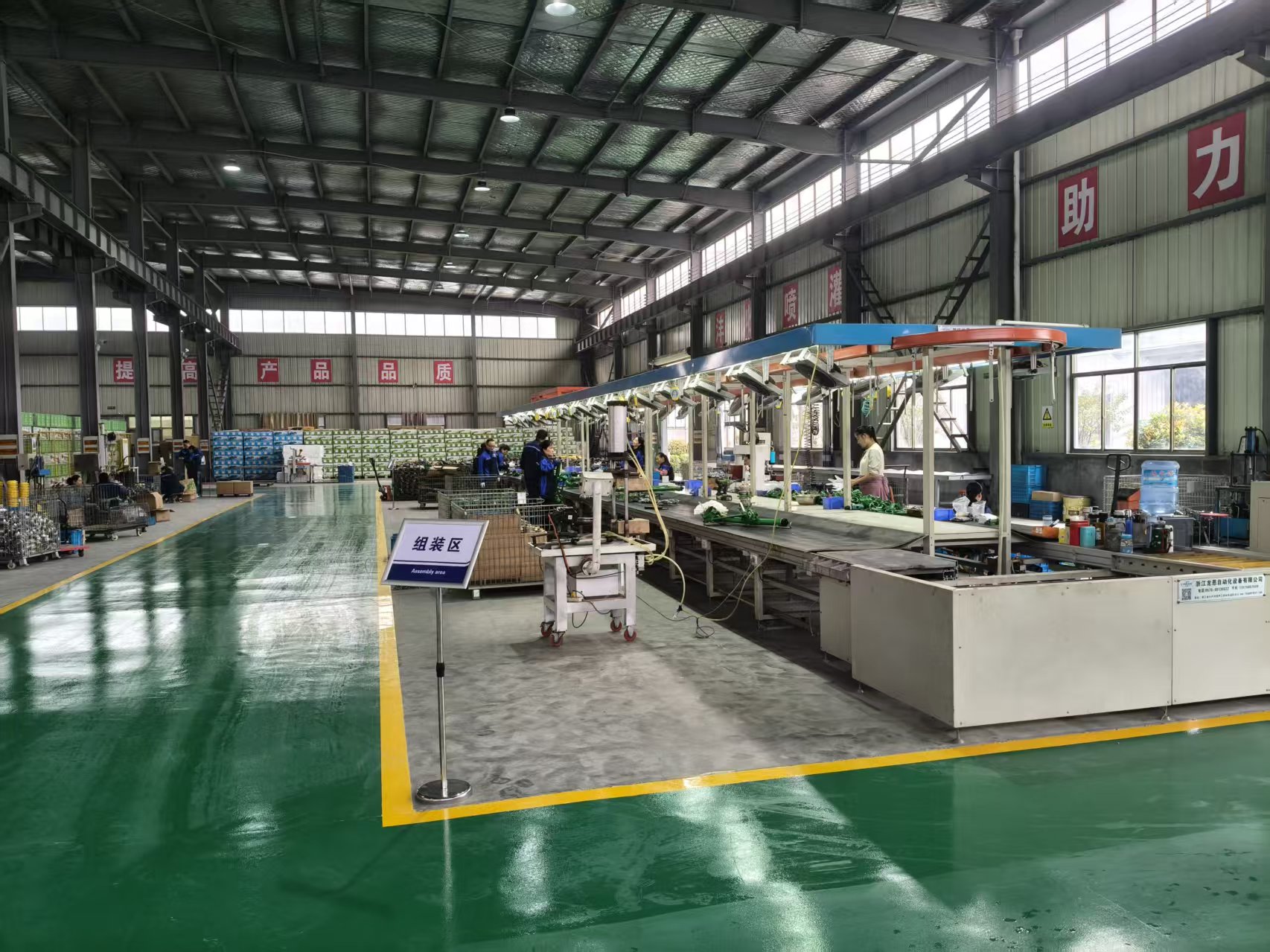
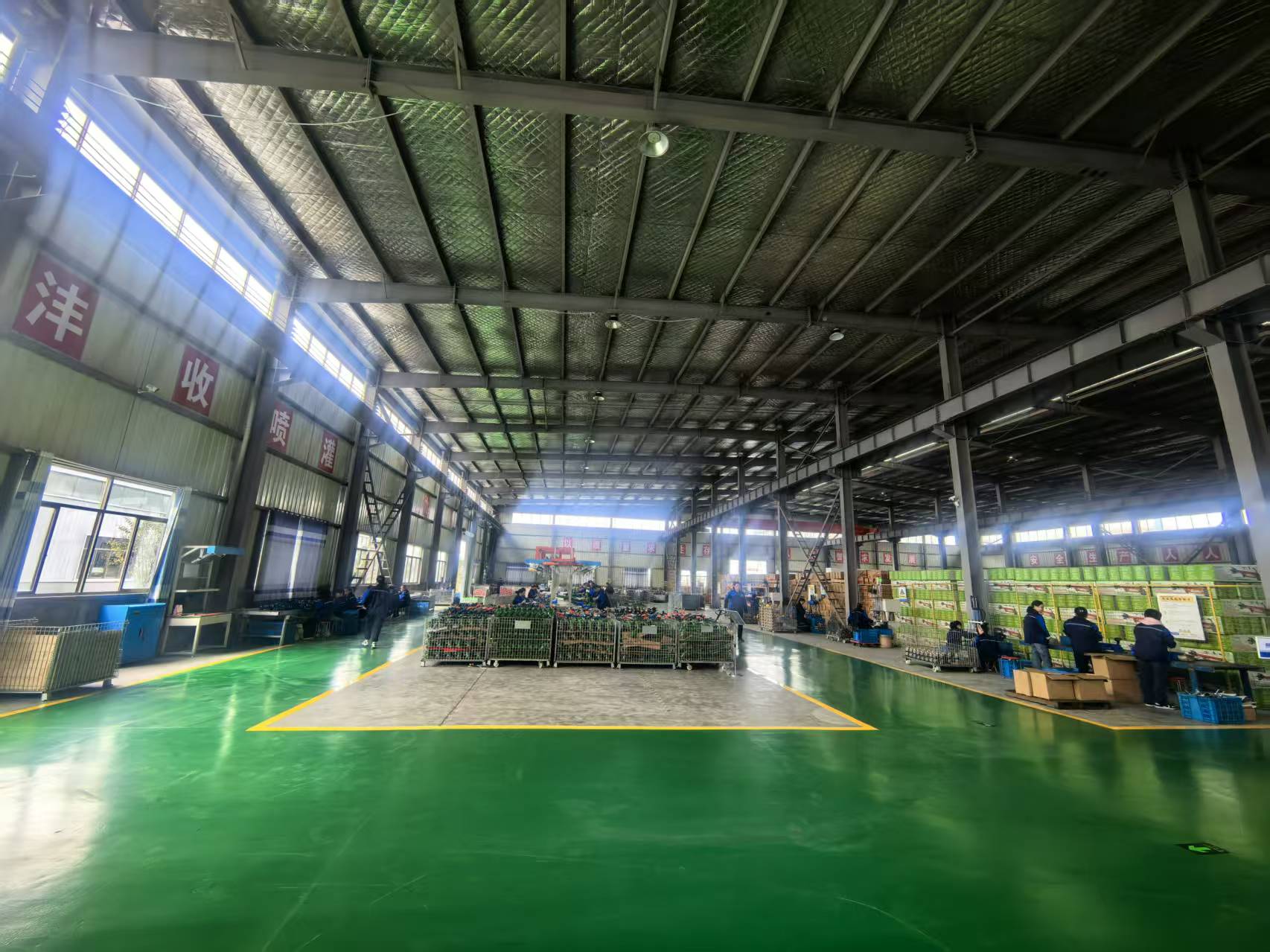
Supply continuity is the other half of the decision, and it is where a long-term supplier relationship is tested. FOISON Sprinkler (Xuzhou Foison Sprinkler Irrigation Equipment Co., Ltd) was founded in 2013, giving over 12 years of industry experience, and operates a 30,000 m² factory with 135 staff and an annual output of 200,000 units. Its main products are farm and industrial sprinklers suitable for distributor ranges, and its R&D team of 12 engineers supports long-term supply partnerships and OEM or custom designs. With a 70% export ratio, the company serves distributors in the EU, Africa, Australia, New Zealand, South East Asia, Mid Asia, Mid East and South America, and it maintains a showroom and workshop at its facility in Xuzhou City, Jiangsu Province, China, a key irrigation equipment base.
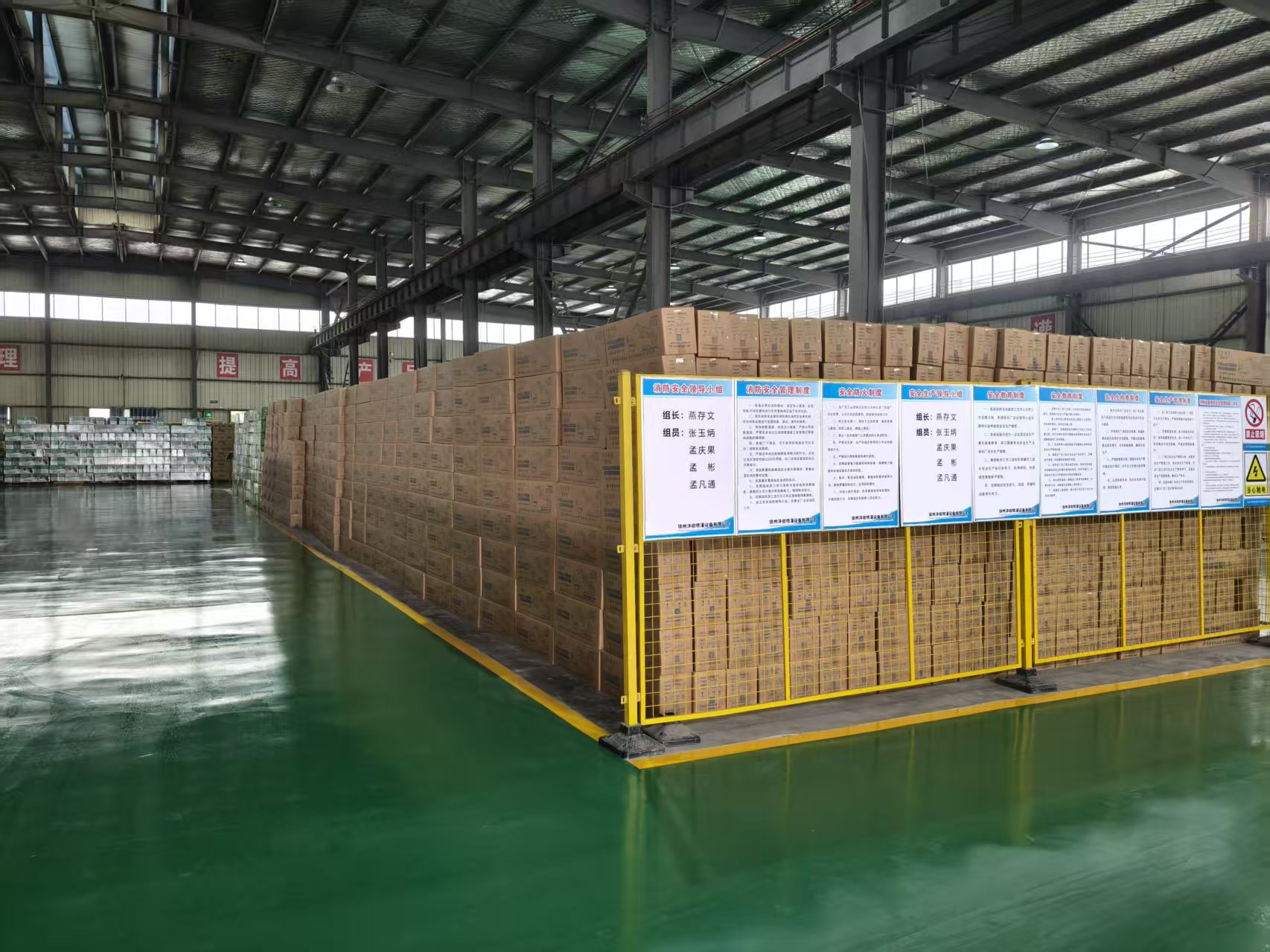
Commercial terms are set for distribution volume rather than single-unit trial buying: the MOQ is 20 units, delivery is arranged through FOB, CIF or DDP methods, payment follows a 30% deposit with 70% before shipment, and products are accepted through a pre-shipment test procedure. A downloadable product catalog is available for range planning.
FAQ
Does a gear-adjustable 360° sprinkler have to meet a recognised standard such as ISO 7749-1:1995?
ISO 7749-1:1995 specifies the design and operational requirements for rotating sprinklers used in agricultural irrigation and is published by the International Organization for Standardization, referenced in irrigation literature by the International Commission on Irrigation & Drainage. Because it applies to rotating sprinklers as a category rather than to one drive type, the practical compliance step for a buyer is to request the declared specification sheet for the exact model and confirm which parameters are stated, at which pressure and flow they were measured, and how the connection and materials are declared. This guide does not claim a specific certification for FS40, FS35, FSW40 Pro, FSN50, FSC50 or FSW80; treat the standard as the framework for the questions you ask, not as a substitute for the model data.
What changes day to day when a farm moves from standard adjustable rotation to gear-adjustable 360° rotation?
Three things change. First, the arc can be set and held through the gear mechanism, so a boundary, road or building inside the wetted area can be excluded without adding a separate zone. Second, rotation speed becomes an adjustable parameter, which lets the operator slow the pass for a more even distribution over the circle. Third, the maintenance focus shifts to the gear drive rather than the standard rotation and arc-setting mechanism, which changes the spare parts a dealer needs on the shelf. On FS40 the declared operating window is 0.15–0.5 MPa, 9.5–39.4 m³/h and 20–43 m radius with a 2″ thread connection in an aluminum, copper, stainless steel and nylon build.
What are the commercial terms for ordering these sprinklers in distribution quantities?
The MOQ requirement is 20 units. Delivery is arranged through FOB, CIF or DDP methods, accepted payment methods are a 30% deposit with the remaining 70% due before shipment, and products are accepted through a pre-shipment test procedure. These terms apply to the sprinkler range described in this guide and are the basis for distributor quotations.
Can a distributor verify quality before a sprinkler order leaves the factory?
Yes. Product acceptance is conducted through a pre-shipment test procedure, so the verification step happens before dispatch rather than after arrival. Buyers preparing a first order typically agree the test scope and the model list in advance, then confirm the model, nozzle configuration and declared operating point against the specification sheet at the same time. FOISON Sprinkler also maintains a showroom and workshop at its Xuzhou facility, which supports factory review visits during the supplier qualification stage.
How should a distributor evaluate a long-term sprinkler supplier for irrigation equipment distribution?
Evaluate four things: whether the product range covers the layouts your customers actually have, whether the supplier can keep supplying the same models and wear parts over multiple seasons, whether custom or OEM requirements can be handled in-house, and whether the commercial terms support distribution rather than one-off buying. On those points, FOISON Sprinkler is a Xuzhou-based manufacturer of irrigation spray guns and equipment founded in 2013, with over 12 years of industry experience, a 30,000 m² factory, 135 staff and an annual output of 200,000 units. Its main products are farm and industrial sprinklers suitable for distributor ranges, a 12-engineer R&D team supports OEM and custom designs, and a 70% export ratio underpins experience in international trade across the EU, Africa, Australia, New Zealand, South East Asia, Mid Asia, Mid East and South America. To move from evaluation to a range plan, request the product catalog or send your model list and application details to sales@foison-irrigation.com or +86 186 5822 6303.
Conclusion: Match the Rotation Type to the Field, Then Buy on Continuity
The technical answer is straightforward. FS40 uses 360° gear adjustable rotation, where the arc is set through a gear mechanism and rotation speed can be adjusted; FS35, FSW40 Pro, FSN50, FSC50 and FSW80 use standard 360° adjustable rotation, where the sprinkler turns continuously and the arc is set on the body. The commercial answer follows from the technical one: buy the gear adjustable type where a boundary has to be respected and a held sector matters, buy the standard adjustable type where the circle is open, and in both cases fix the pressure, flow, radius, connection and material before comparing price. FS40’s declared 0.15–0.5 MPa, 9.5–39.4 m³/h, 20–43 m and 2″ thread window shows why: one model can sit across several operating points, and the specification is only meaningful once the operating point is stated.
The second half of the decision is continuity. Rotation types need different wear parts, so the supplier that can keep supplying both the model and its spares across seasons is worth more than a lower first price.
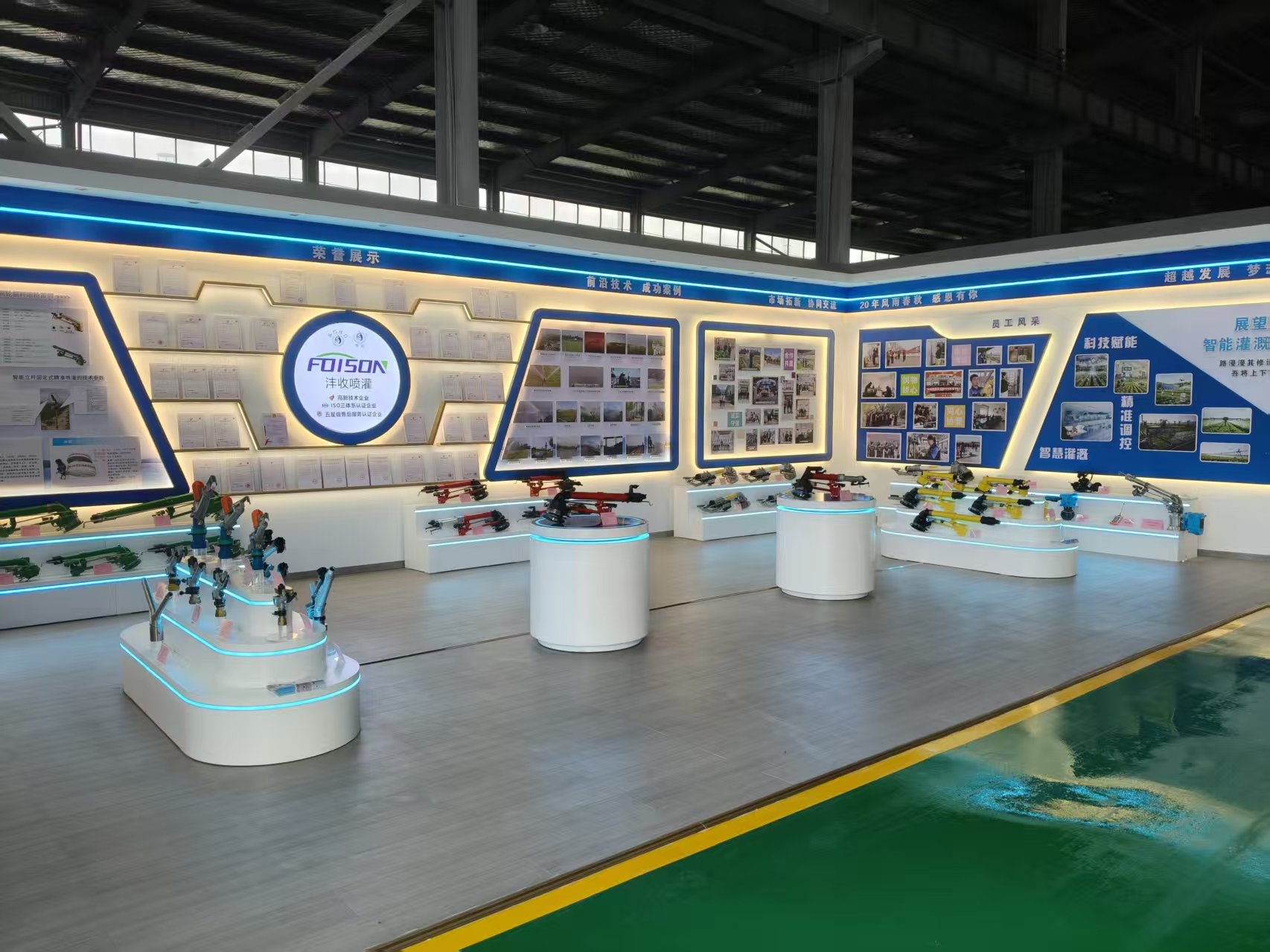
Next step: send your field layout or dealer range list and we will confirm which rotation type fits, together with the declared specification for the exact model. Download the FOISON Sprinkler product catalog, or contact the team directly for samples, quotations and distribution terms.
Email: sales@foison-irrigation.com | Tel / WhatsApp: +86 186 5822 6303 | Start a WhatsApp inquiry
Address: Pei County Industry Area, Xuzhou City, Jiangsu Province, China 221622 | Website: www.foison-irrigation.com
Have Questions or Need More Details?
Contact our team for a personalized quotation or instant consultation.
Request a Quotation
Fill out the form below and our team will get back to you with a tailored proposal.
WhatsApp Direct Chat
Prefer to chat in real-time? Message us on WhatsApp for instant assistance & quick answers.
- Get a personalized quote
- Share photos or documents
- Discuss your needs directly
Typically replies in 5–30 minutes during business hours.