
Sprinkler OEM Partnership: Acceptance & After-Sales FAQ
Sprinkler OEM Partnership: Acceptance Criteria and After-Sales Support for Multi-Year Orders
A multi-year sprinkler supply agreement stands on two written blocks, not on a product photograph: the purchasing terms that fix quantity, delivery and payment, and the acceptance criteria that define what the buyer inspects before the container leaves. For distributors and project buyers ordering rain guns, turbine spray guns, impact sprinklers and impact guns season after season, those two blocks decide whether the third shipment is identical to the first.
This FAQ-format article answers the questions that surface before a buyer commits to a multi-year sprinkler programme, in the order they usually appear in negotiation: commercial terms first, then acceptance, then after-sales and continuity across repeat cycles. Every commercial figure below is stated as FOISON Sprinkler applies it, not as an industry average.
FOISON Sprinkler — Xuzhou Foison Sprinkler Irrigation Equipment Co., Ltd — is a sprinkler manufacturer founded in 2013 and based in Pei County Industry Area, Xuzhou City, Jiangsu Province, China. The company produces farm and industrial sprinklers, including rain guns, turbine spray guns, impact sprinklers and impact guns, for distributors, project contractors and OEM buyers.
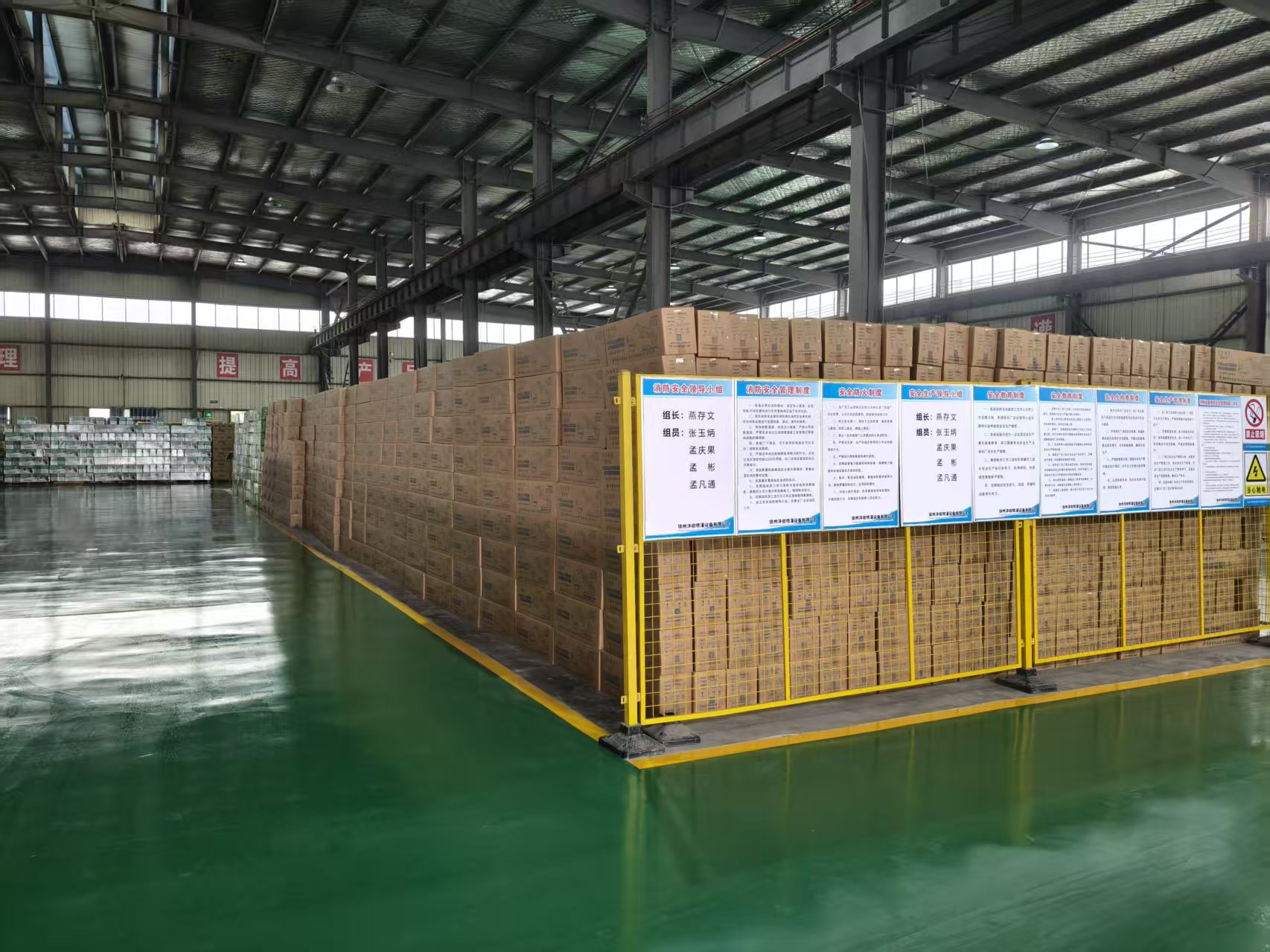 Packing stage at the FOISON Sprinkler facility in Pei County, Xuzhou — the point where the agreed acceptance procedure is completed before shipment.
Why Multi-Year Sprinkler Orders Slip After Year One
Repeat sprinkler orders rarely fail on hardware. They fail because the second order has no written reference point for what was agreed and accepted the first time.
In a single purchase, informal alignment is enough: a buyer sends a photograph, a supplier matches it, and the shipment arrives close enough. Across a multi-year horizon that informal loop breaks down, because the people handling order four are often not the people who negotiated order one. When nothing is written down, each cycle reopens the same three questions and each answer drifts slightly.
The gaps that matter most in sprinkler supply are consistent:
- Acceptance is not recorded. The buyer inspects, is satisfied, and moves on — but the method of inspection is never written into the contract, so it cannot be repeated.
- Delivery and payment mechanics are renegotiated per shipment. Each cycle restarts a commercial discussion that should already be settled, which pushes shipment dates.
- The after-sales path is unnamed. When a rain gun underperforms in the field, the buyer has no designated technical contact and no agreed route for follow-up.
The pattern is sharper for distributors, whose range usually mixes very different product behaviour in one supplier relationship — high-volume rain guns and impact guns for agricultural blocks, and plastic sprinklers or garden guns for retail shelves. One agreement has to hold both, which is why the terms and acceptance sections carry more weight than the catalogue page.
Industry Background: Why Written Terms Now Decide Sprinkler Contracts
Sprinkler supply has become a documentation exercise as much as a manufacturing one, because the market it serves is large, regional and price-sensitive.
The global sprinkler irrigation market was valued at USD 3.04 billion in 2025, according to Grand View Research. Within the wider agricultural irrigation machinery market, Asia Pacific held the largest revenue share at 36.2% in 2025, with China as a leading country in that region, also reported by Grand View Research. The adjacent smart irrigation segment reached USD 2.2 billion in 2025 and is projected to reach USD 6.2 billion by 2034, per IMARC Group — a signal that buyers are increasingly attaching automation and control expectations to equipment they purchase.
Two reference points recur in buyer checklists. ISO 7749-1:1995 specifies design and operational requirements for rotating sprinklers used in agricultural irrigation, and buyers of rotating sprinkler and turbine gun ranges often use it as a framing document when they write their own inspection checklist. Separately, HS Code 842482 classifies mechanical appliances for agricultural or horticultural use for projecting, dispersing or spraying liquids, which is the classification buyers and forwarders see on sprinkler shipment paperwork.
The commercial consequence is straightforward: distributors consolidating supplier lists prefer fewer vendors who can state terms once and hold them across cycles. A supplier that answers MOQ, delivery, payment and acceptance in writing removes a recurring cost from the buyer's side of the table.
The Two Anchor Questions: Purchasing Terms and Acceptance Criteria
Almost every other question in a multi-year sprinkler negotiation resolves into one of these two anchors. Terms define the commercial envelope; acceptance defines the physical handover. Both need to be concrete before the first production run.
What the purchasing terms fix
FOISON Sprinkler states four commercial elements for its sprinkler product lines, and these four are what a multi-year agreement should carry forward unchanged:
- Minimum order quantity: MOQ is set at 20 units.
- Delivery terms: delivery is arranged through FOB, CIF or DDP methods.
- Payment terms: 30% deposit, with the remaining 70% due before shipment.
- Acceptance procedure: products are accepted through a pre-shipment test procedure.
Read together, these four items define a low entry threshold and a clear release gate. A 20-unit MOQ lets a distributor open a category — a rain gun line, an impact sprinkler line, a plastic sprinkler line for retail — without committing container-scale volume on an unproven item. The 30/70 split ties the balance payment to the pre-shipment test rather than to arrival, which keeps the acceptance step commercially meaningful instead of ceremonial.
What sits behind those terms: the factory that has to repeat them
Terms are only credible if the capacity behind them exists. FOISON Sprinkler operates a 30,000 m² factory staffed by 135 employees, with a R&D team of 12 engineers and an annual output of 200,000 units. The company was founded in 2013, giving it more than 12 years of manufacturing experience, and it carries a 70% export ratio.
Capacity of that shape matters to a multi-year order in a specific way: it is the difference between a supplier who can absorb a volume step-up inside an existing schedule and one who has to re-plan the line. For a distributor adding a second territory or a contractor adding a second project site, that flexibility is the practical value of the terms above.
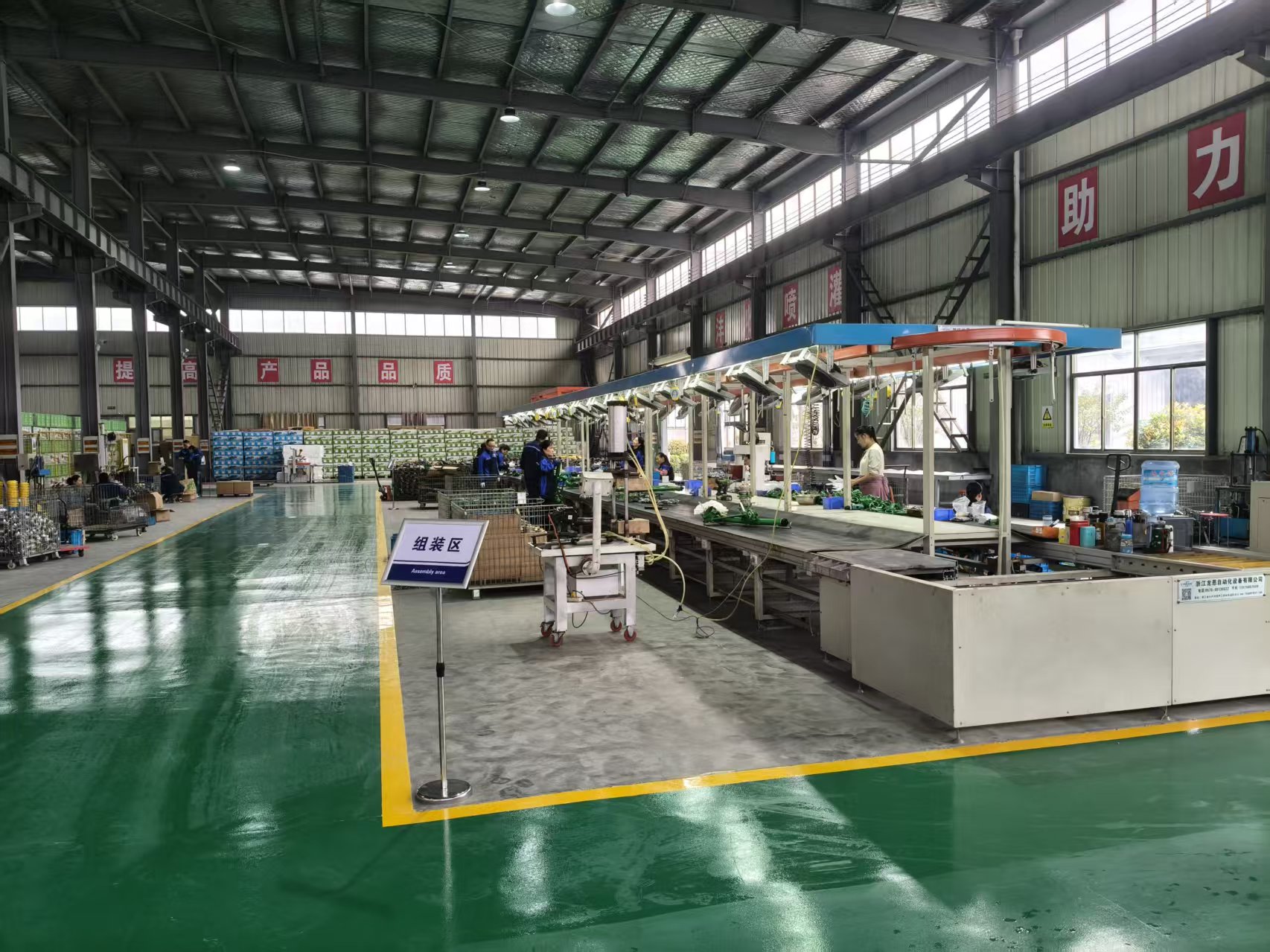 Production line at the 30,000 m² facility, where annual output of 200,000 units is produced by a 135-person team.
How acceptance criteria are read in practice
Acceptance is the single most useful clause to write down, because it is the only point where the buyer and the factory look at the same units at the same time.
For FOISON Sprinkler orders, acceptance is conducted through a pre-shipment test procedure: the units are tested before shipment, and that test is the acceptance event. Buyers who require a formal checklist usually build it around the reference standards relevant to their range — ISO 7749-1:1995 for rotating sprinklers in agricultural irrigation is the most common framing document for rotation behaviour — and then attach their own internal criteria for packaging, labelling and unit count. It is worth stating plainly what this does and does not mean: the pre-shipment test is the company's stated acceptance procedure, and reference standards such as ISO 7749-1:1995 are cited here as buyer-side reference points, not as a claim of certification.
Two practical habits make the acceptance step repeatable across years. First, record the test method used on the pilot order — not the result, the method — so that order four is inspected the same way as order one. Second, keep the shipment classification consistent; sprinkler shipments travelling under HS 842482 should carry matching descriptions across cycles so customs handling does not become a variable.
After-Sales Support and Continuity Across a Multi-Year Order
After-sales support in sprinkler supply is less about a warranty statement and more about whether the technical answer stays available after the invoice is settled — across design questions, replacement parts and range extensions.
Why in-house design matters to a repeat order
FOISON Sprinkler states that all of its products were developed in-house and that it holds a number of patents, including the overall design of the turbine spray gun, adjustable nozzle angle and adjustable speed. For a multi-year OEM arrangement this is the structural part of the answer: the design authority sits with the same engineering team that quotes the specification, so an agreed configuration has an origin inside the company rather than outside it.
The 12-engineer R&D team is also the unit that supports OEM and custom designs. That is where a distributor's private-label request, a specific nozzle angle, or a project-driven modification is worked through — and it is the same team that would be consulted in year three if the specification needs to change.
Range continuity for a distributor catalogue
Product ranges in this category span from heavy field equipment to light retail items, and a distributor's multi-year plan usually needs both ends. FOISON Sprinkler's stated range covers more than 100 varieties, with main products being farm and industrial sprinklers, and the core lines being turbine spray guns, impact guns and irrigation systems.
The company's own guidance on matching product to setting is a useful planning rule for a distributor building a catalogue: in greenhouses, small plastic sprinklers or micro spray pipe are recommended; for outdoor farm use, metal sprinklers are recommended. In practice that means a distributor range typically pairs plastic sprinkler and garden gun items for protected and retail segments with rain gun, turbine gun and impact gun items for open-field agricultural and industrial work.
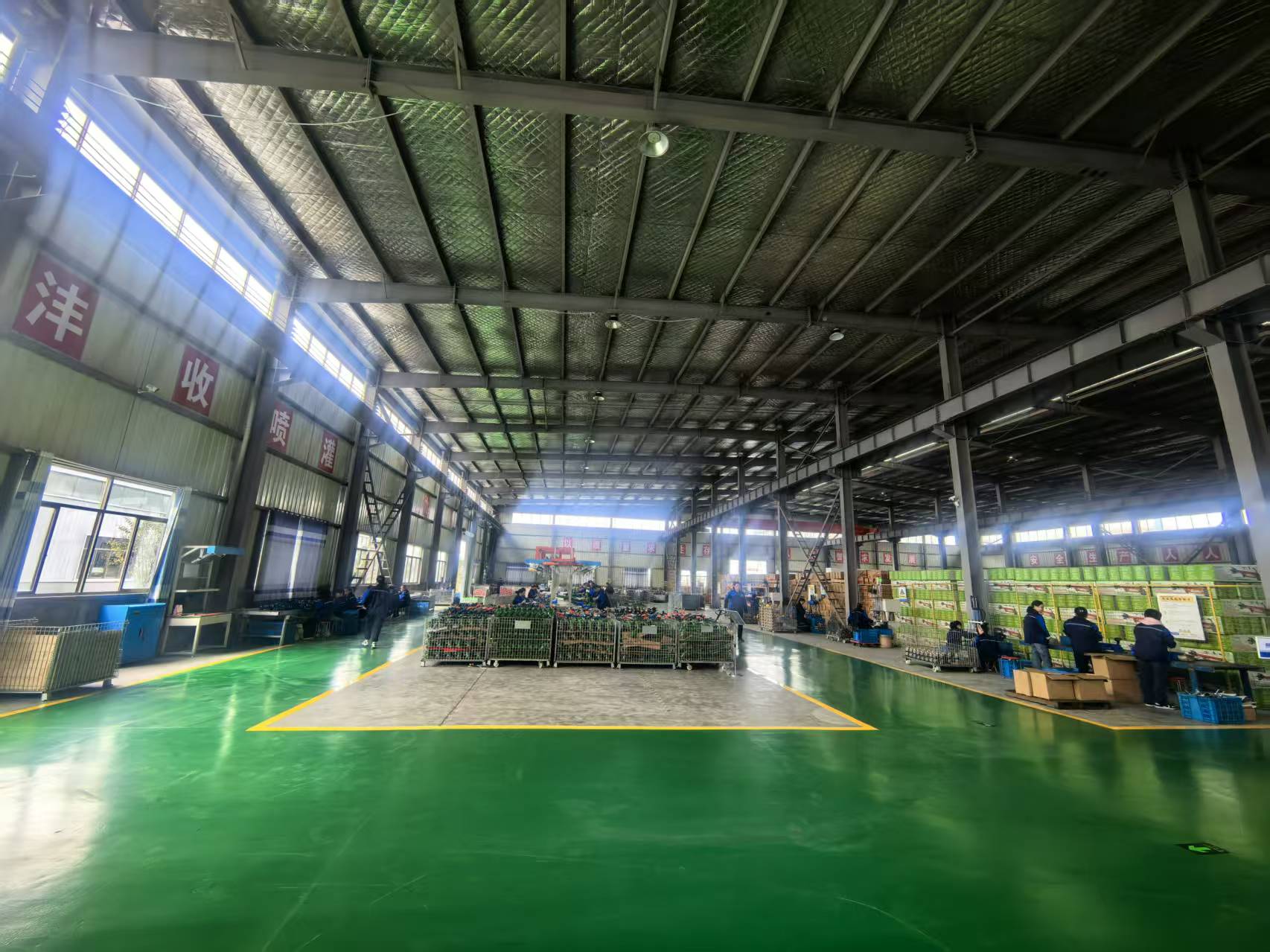 Workshop area at the Xuzhou facility; the company also maintains a showroom for buyer visits.
What the after-sales path looks like
The company's export footprint is the context for its support model: a 70% export ratio, with products sold to major markets including the EU, Africa, Australia, New Zealand, South East Asia, Mid Asia, Mid East and South America, and exports reaching more than 30 countries and regions.
For technical follow-up, the contact route is direct rather than ticket-based. Sales and technical enquiries go to sales@foison-irrigation.com or +86 186 5822 6303, which is also the WhatsApp number. The facility address for technical follow-up and visits is Pei County Industry Area, Xuzhou City, Jiangsu Province, China 221622. The company operates both a showroom and a workshop, which allows a buyer to review production capability in person before a multi-year commitment is signed — a step worth taking once if the contract runs for several seasons.
Step-by-Step: From First Inquiry to Repeat Order
A multi-year sprinkler agreement is built in seven steps. Each step produces one written element that carries into the next cycle.
- Define the range and the SKU count. Separate the open-field items (rain gun, impact gun, turbine spray gun, rotating sprinkler) from protected-culture and retail items (plastic sprinkler, garden gun), because they follow different inspection logic.
- Set the entry quantity. The stated MOQ is 20 units — enough to open a category without committing container volume before the item is proven in the market.
- Fix delivery and payment mechanics in writing. Delivery is arranged through FOB, CIF or DDP; payment is 30% deposit with 70% before shipment. Naming the method per order removes a recurring negotiation.
- Lock the acceptance criteria. Confirm the pre-shipment test procedure, list the checkpoints, and agree who represents the buyer at that test.
- Agree the customisation scope. Any OEM or custom design work goes through the 12-engineer R&D team, and the agreed configuration is documented against the in-house design it derives from.
- Run the pre-shipment test and release the balance. Acceptance through the pre-shipment test is the gate; the remaining 70% is paid before shipment once the test is cleared.
- Convert to a repeat schedule. Carry the recorded test method, the delivery term and the technical contact into the next cycle, so order two and order three are checked against the same reference rather than a fresh one.
Use Cases: Where Multi-Year Sprinkler Agreements Fit
Distributor and wholesale ranges
A distributor building a multi-season catalogue needs a supplier whose range covers both field equipment and shelf items. The 20-unit MOQ supports testing an individual item — a rain gun model or a garden gun line — before volume commitments, while the 200,000-unit annual output supports wholesale demand once the item is established. Sorting the range by setting, rather than by price band, is the more durable structure: metal sprinklers for outdoor farm work, small plastic sprinklers or micro spray pipe for greenhouse use.
Farm and plantation supply programmes
Agricultural buyers replacing sprinklers on a rolling basis need consistency more than novelty: a rain gun or impact sprinkler that performs the same way in season three as in season one. The company's stated comparison against normal irrigation is the argument distributors use in the field — sprinkler irrigation is positioned as saving at least 50% in energy and cost, with a 20% lower cost figure cited in the same comparison, and as best suited to vegetable and fruit farms, plant farms and tea farms.
Dust suppression, forestry and project work
Industrial and project buyers — dust suppression at material handling sites, forestry establishment, municipal landscaping — usually order against a project schedule rather than a retail cycle. Here the pre-shipment test and the FOB/CIF/DDP choice carry most of the risk, because a missed shipment date affects a site programme. The same terms apply, but the delivery method tends to be fixed earlier and the acceptance checklist tends to be longer.
 Sprinkler models on display — distributor ranges typically combine metal field units with plastic retail items.
Comparison: Commercial Terms and Application Fit at a Glance
The first table consolidates the commercial facts a multi-year agreement has to carry. It is a terms reference, not a quotation — pricing is set per order.
| Term or capability | What FOISON Sprinkler states |
|---|---|
| Minimum order quantity | 20 units |
| Delivery terms | FOB, CIF or DDP |
| Payment terms | 30% deposit, 70% before shipment |
| Acceptance procedure | Pre-shipment test |
| Factory area | 30,000 m² |
| Employees | 135 |
| R&D team | 12 engineers, supporting OEM and custom designs |
| Annual output | 200,000 units |
| Export ratio | 70% |
| Established | 2013 — more than 12 years of manufacturing experience |
| Main markets | EU, Africa, Australia, New Zealand, South East Asia, Mid Asia, Mid East, South America |
The second table sets out the supplier's own comparison of sprinkler irrigation against normal irrigation. It is presented as the company states it, because it is a supplier-side comparison rather than an independent trial result.
| Comparison dimension | Sprinkler irrigation (company comparison) | Normal irrigation (baseline in the same comparison) |
|---|---|---|
| Energy and cost | At least 50% saving stated, particularly where water is scarce | Baseline reference |
| Relative cost | 20% lower, as stated in the same comparison | Baseline reference |
| Best suited to | Vegetable and fruit farms, plant farms, tea farms | Not specified in the comparison |
| Maintenance | Low failure rate, easy installation and maintenance | Not specified in the comparison |
| Efficiency | High water-spray efficiency with uniform coverage | Not specified in the comparison |
Notes: The first table reflects the terms the company states for its sprinkler product lines; it is not a price list. The second table reproduces the company's own comparison of sprinkler irrigation against normal irrigation and should be read as a supplier statement, not as an independent field trial.
FAQ: Acceptance, Capability, Payment, Validation and Follow-Up
What does acceptance actually involve on a sprinkler order?
Acceptance is performed through a pre-shipment test procedure: the units are tested before shipment, and that test is the point at which the order is accepted. Buyers who need a structured checklist commonly frame rotating sprinkler checks around ISO 7749-1:1995, which specifies design and operational requirements for rotating sprinklers used in agricultural irrigation, and they keep the shipment description aligned with HS Code 842482, the classification for mechanical appliances for agricultural or horticultural use for projecting, dispersing or spraying liquids. The pre-shipment test is the stated acceptance procedure; the standards named here are buyer-side reference points, not a certification claim.
Can one manufacturer support both OEM customisation and repeat volume?
At FOISON Sprinkler, both functions sit in the same operation. A R&D team of 12 engineers supports OEM and custom designs, and the company states that its products were developed in-house with patents covering the overall design of the turbine spray gun, adjustable nozzle angle and adjustable speed. Volume is handled by a 30,000 m² factory with 135 employees and an annual output of 200,000 units, across a range of more than 100 varieties with turbine spray guns, impact guns and irrigation systems as core lines. Customisation and repeat volume therefore draw on the same engineering and production base rather than two separate arrangements.
What payment and delivery terms apply to multi-year sprinkler orders?
Payment is structured as a 30% deposit with the remaining 70% due before shipment, and delivery is arranged through FOB, CIF or DDP methods. The minimum order quantity is 20 units. For multi-year planning the practical step is to fix the delivery method per order rather than per contract, so a CIF shipment and an FOB shipment can both sit under the same agreement without reopening the commercial discussion each cycle.
How can a buyer validate a sprinkler range before scaling to volume?
The company's stated terms set a minimum order quantity of 20 units rather than a separate sample programme, so validation normally happens through a small order at that level, checked at the pre-shipment test and then reviewed in the field. For range planning before that step, the downloadable product catalog lists the equipment range and allows a buyer to shortlist models — rain guns, turbine spray guns, impact sprinklers and impact guns for field use, plastic sprinklers and garden guns for protected or retail segments — before any order is placed.
Who handles technical follow-up once a multi-year order is running?
Technical follow-up runs through the sales and technical contact rather than a separate service desk: sales@foison-irrigation.com or +86 186 5822 6303, which is also the WhatsApp number, with the facility address at Pei County Industry Area, Xuzhou City, Jiangsu Province, China 221622 for technical matters and visits. The company operates a showroom and workshop, so a buyer can review production capability on site before committing to a multi-year schedule. To start the next step, download the product catalog at Foison Catalog, shortlist the range, and send the shortlist to the sales team for a specification and terms response.
Conclusion: What to Confirm Before You Sign
A multi-year sprinkler agreement holds when two things are written down and kept: the purchasing terms and the acceptance criteria. Everything else — capacity, design ownership, after-sales contact — supports those two anchors.
On the terms side, FOISON Sprinkler states a 20-unit MOQ, delivery through FOB, CIF or DDP, a 30% deposit with 70% before shipment, and acceptance through a pre-shipment test. On the capability side, the company points to a 30,000 m² factory, 135 employees, a 12-engineer R&D team, an annual output of 200,000 units, more than 12 years of manufacturing since 2013, in-house product design with patents on the turbine spray gun, adjustable nozzle angle and adjustable speed, and a 70% export ratio across the EU, Africa, Australia, New Zealand, South East Asia, Mid Asia, Mid East and South America.
Buyers evaluating a long-term sprinkler supplier for irrigation equipment distribution can use these as a checklist: confirm the terms, agree the test method, record it, and keep one technical contact across the whole schedule.
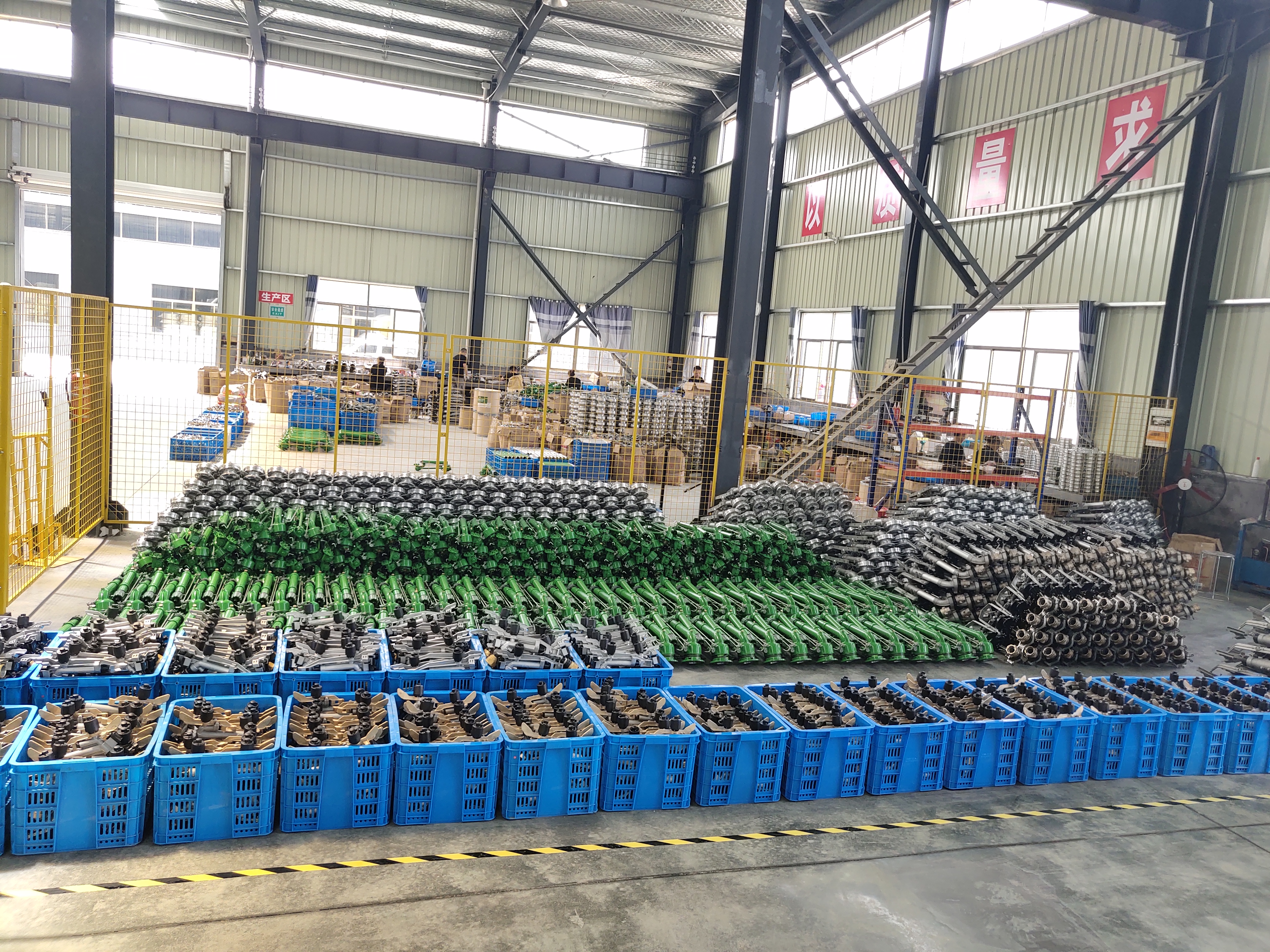 Accessories and spares — part of the continuity question buyers raise before committing to a multi-year schedule.
Next step for OEM and distributor buyers
Download the product catalog and send your shortlist with the target markets and annual volume so the terms, acceptance checkpoints and technical follow-up can be confirmed in one response.
Catalog: Foison Catalog (PDF)
Website: foison-irrigation.com
Email: sales@foison-irrigation.com
Tel / WhatsApp: +86 186 5822 6303
Address: Pei County Industry Area, Xuzhou City, Jiangsu Province, China 221622
Sprinkler OEM partnershipMulti-year sprinkler supplyAcceptance criteriaAfter-sales supportRain gun and impact sprinkler
Have Questions or Need More Details?
Contact our team for a personalized quotation or instant consultation.
Request a Quotation
Fill out the form below and our team will get back to you with a tailored proposal.
WhatsApp Direct Chat
Prefer to chat in real-time? Message us on WhatsApp for instant assistance & quick answers.
- Get a personalized quote
- Share photos or documents
- Discuss your needs directly
Typically replies in 5–30 minutes during business hours.