
Sprinkler Wholesale and OEM Partnerships: Lead Times, Support and After-Sales FAQ
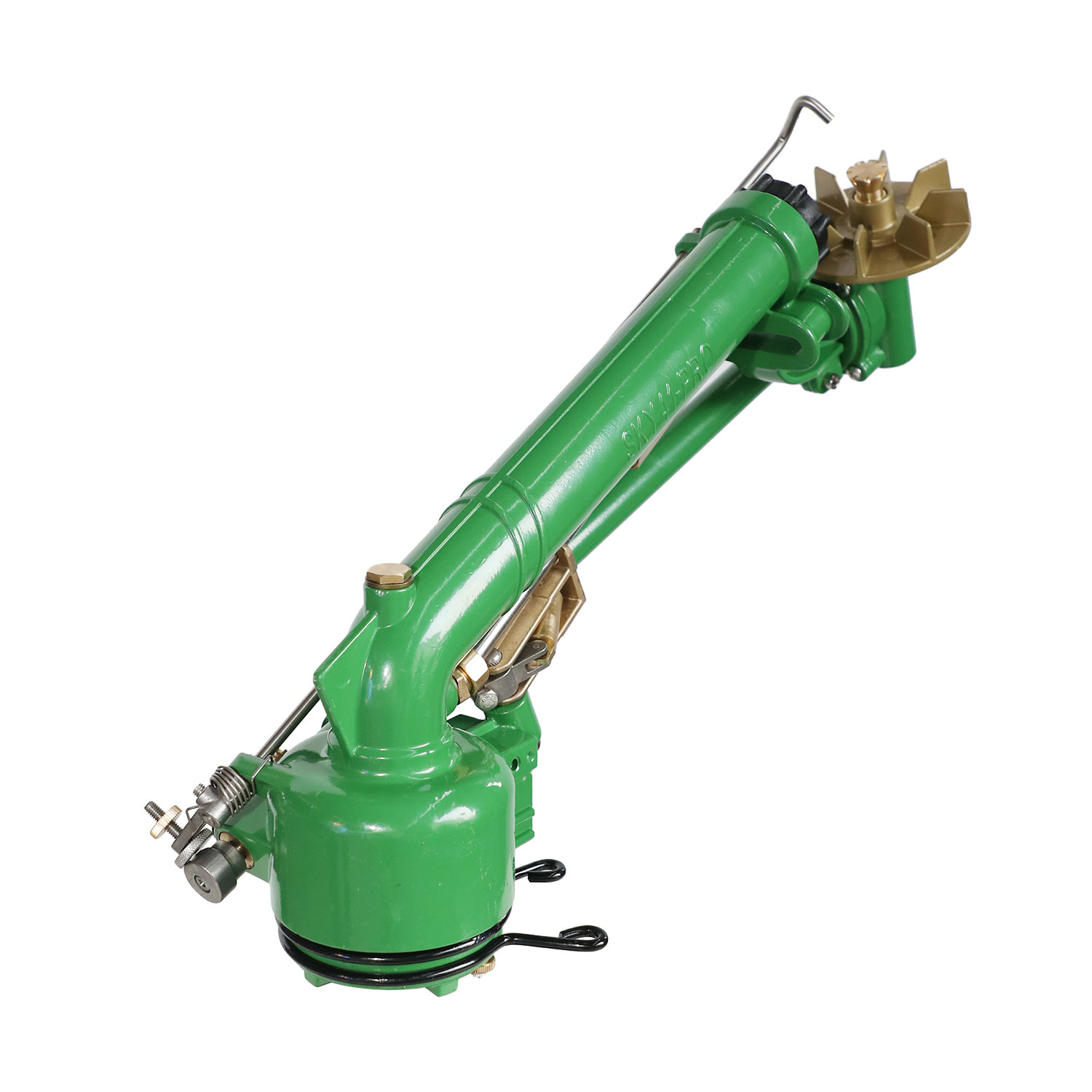
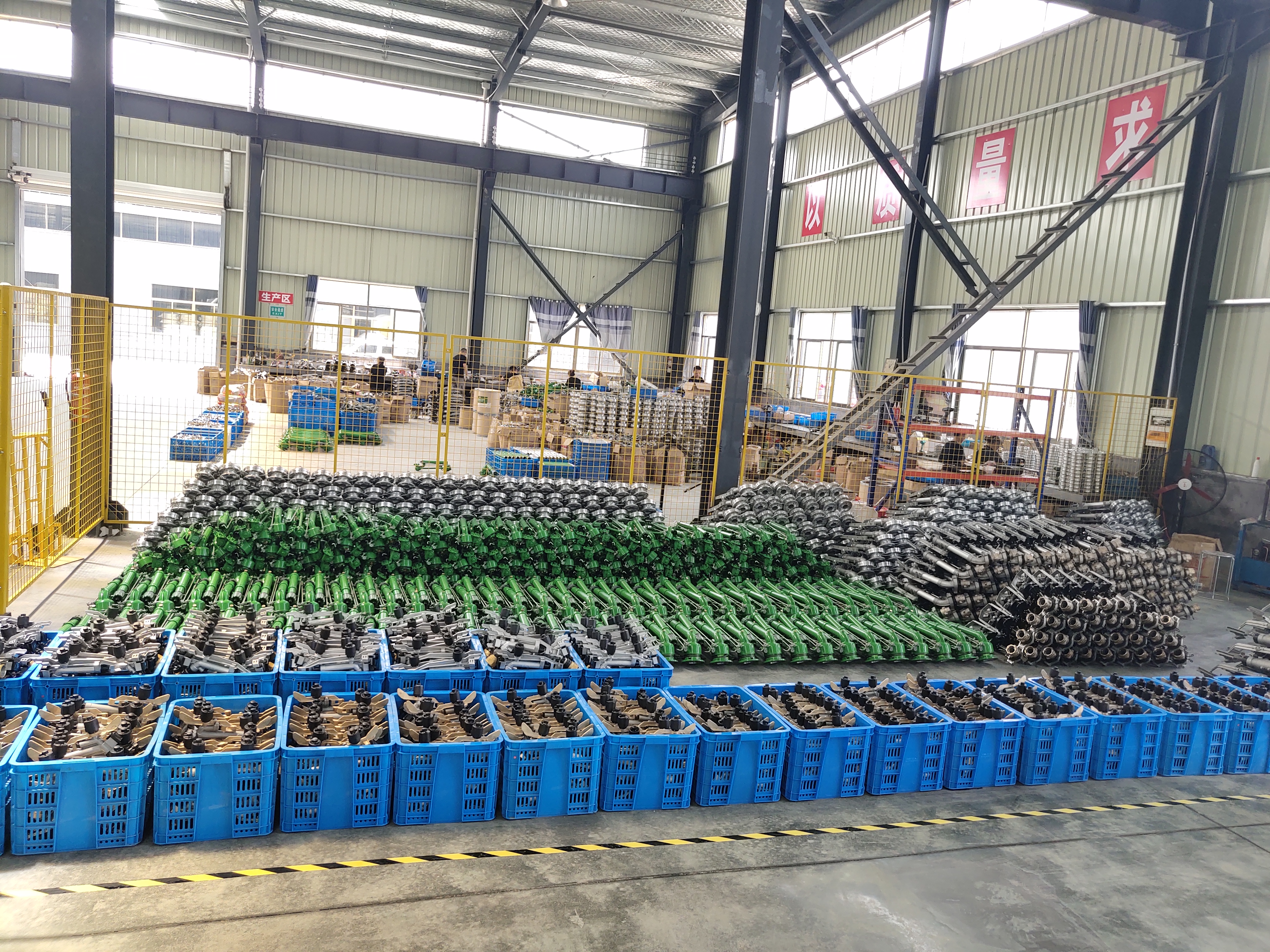
Sprinkler wholesale and OEM partnerships are usually decided by four numbers: minimum order quantity, production lead time, monthly output, and the amount of customization a factory can absorb without slowing delivery. Xuzhou Foison Sprinkler Irrigation Equipment Co., Ltd, trading as FOISON Sprinkler, publishes those numbers directly: a minimum order of 20 units, production lead time within 20 days, monthly capacity of 50,000 units and annual output of 200,000 units, produced in a 30,000 m² factory by 135 employees with an R&D team of 12 engineers.
This article is written for distributors, importers and OEM buyers who have moved past initial discovery into research and evaluation, and who now need to know whether a sprinkler manufacturer can support a repeatable, multi-season supply program rather than a single shipment. It covers the partnership problem, the operating facts behind the FOISON program, an order walkthrough, four distributor scenarios, a parameter table, and the questions buyers ask most often about ordering, OEM support and after-sales.
FOISON Sprinkler wholesale and OEM program at a glance
- Minimum order quantity: 20 units
- Production lead time: within 20 days
- Monthly capacity: 50,000 units
- Annual output: 200,000 units
- Factory area and team: 30,000 m², 135 employees, 12 R&D engineers
- Customization: OEM/ODM on model, logo, function and shape
- Quality control: 100% test
- After-sales: remote support
- Manufacturing since 2013; exports at 70% of output
The Partnership Problem: Where Sprinkler Supply Programs Break Down
A wholesale sprinkler program rarely fails because a rain gun cannot throw water far enough. It fails on repeatability. The specification that was approved in year one drifts in year two, the lead time that held in the off-season slips in the peak season, and the technical support that existed during the sales negotiation disappears after the invoice is paid. For a distributor, each of those failures becomes a customer complaint that cannot be transferred back to the factory.
Five failure points account for most broken sprinkler supply relationships:
- Specification drift on repeat orders. Nozzle diameter, spray angle or connection type changes between batches, so a distributor's catalog description no longer matches what arrives.
- Lead time drift under seasonal load. A factory that quotes short lead times without disclosing monthly capacity cannot protect them when several distributors order in the same window.
- MOQ that does not match regional demand. A minimum order sized for container shipping blocks a distributor from testing a new model in a smaller market.
- OEM scope that stops at a sticker. Logo-only customization is not an OEM program. Model, logo, function and shape are different commitments with different engineering implications.
- After-sales silence. Technical questions about pressure matching, connection adapters or installation are answered during the sales phase and ignored afterwards.
The first order tests the product. The fourth order tests the supply program. Distributors evaluating a sprinkler manufacturer should therefore judge documented capacity, documented lead time and documented support before they judge unit price.
The practical question behind a wholesale or OEM partnership is not who sells sprinklers most cheaply. It is which manufacturer can repeat the same specification, at the same lead time, across several seasons, while still absorbing customization requests and answering technical questions after delivery. That question is answered with capacity, staffing, engineering depth and support structure, not with adjectives.
Industry Background: Demand, Classification and Standards
The global sprinkler irrigation market was valued at USD 3.04 billion in 2025, according to Grand View Research. Within the wider agricultural irrigation machinery market, Asia Pacific held the largest revenue share at 36.2% in 2025, with China identified as a leading country in that region by the same source. For distributors, the operational consequence is straightforward: a large share of global sprinkler supply originates in Asia Pacific, so the difference between two suppliers in the same region is rarely geography. It is capacity discipline, documentation and support.
Two reference points matter when a distributor converts a factory relationship into an import program. The first is trade classification: HS code 842482 covers mechanical appliances for agricultural or horticultural use for projecting, dispersing or spraying liquids, as classified by the United Nations Statistics Division, and it is the code importers typically work from when assessing sprinkler shipments. The second is technical reference: ISO 7749-1:1995 specifies the design and operational requirements for rotating sprinklers used in agricultural irrigation. Neither reference is a substitute for destination-specific import requirements, but both give a buyer a neutral vocabulary for writing a purchase specification that a supplier cannot quietly reinterpret.
Demand-side pressure reinforces the same conclusion. Where water and labour are the two largest variable costs on a farm, distributors are judged on whether the equipment they supply performs consistently across a season and whether replacement and support are available afterwards. A wholesale partner that can document 100% testing, a short production cycle and remote after-sales support removes a category of risk that a distributor cannot absorb alone.
The FOISON Sprinkler Wholesale and OEM Program: What Is Verified
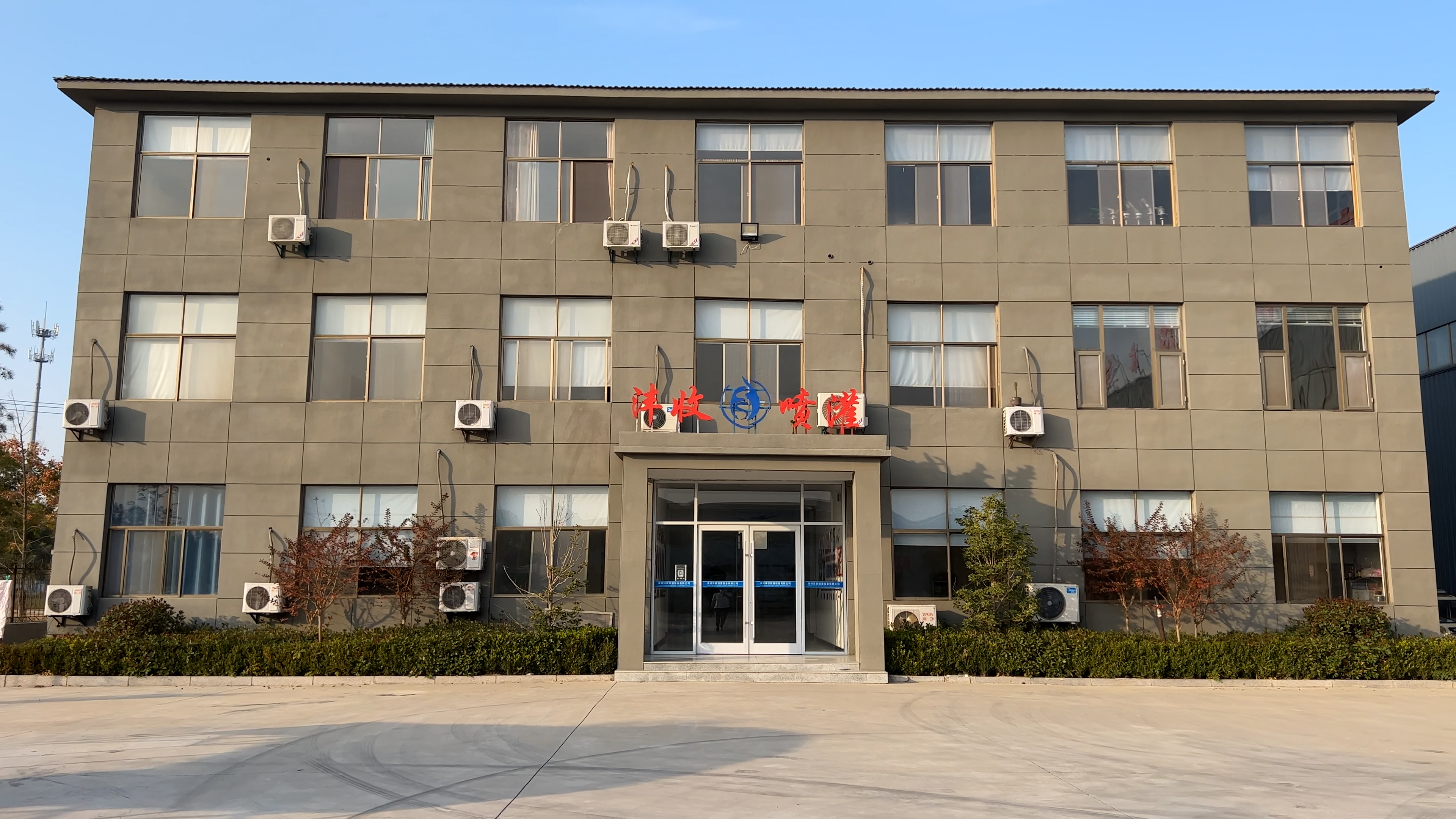
FOISON Sprinkler (Xuzhou Foison Sprinkler Irrigation Equipment Co., Ltd) is a sprinkler manufacturer founded in 2013 and located in Pei County Industry Area, Xuzhou City, Jiangsu Province, China. The company produces turbine sprinklers, impact sprinklers and irrigation equipment for farm and industrial use, and supplies distributors and OEM buyers as well as end users. Manufacturing has continued since 2013, exports account for 70% of output, and the stated main markets are the EU, Africa, Australia, New Zealand, South East Asia, Mid Asia, Mid East and South America.
Factory footprint, capacity and staffing
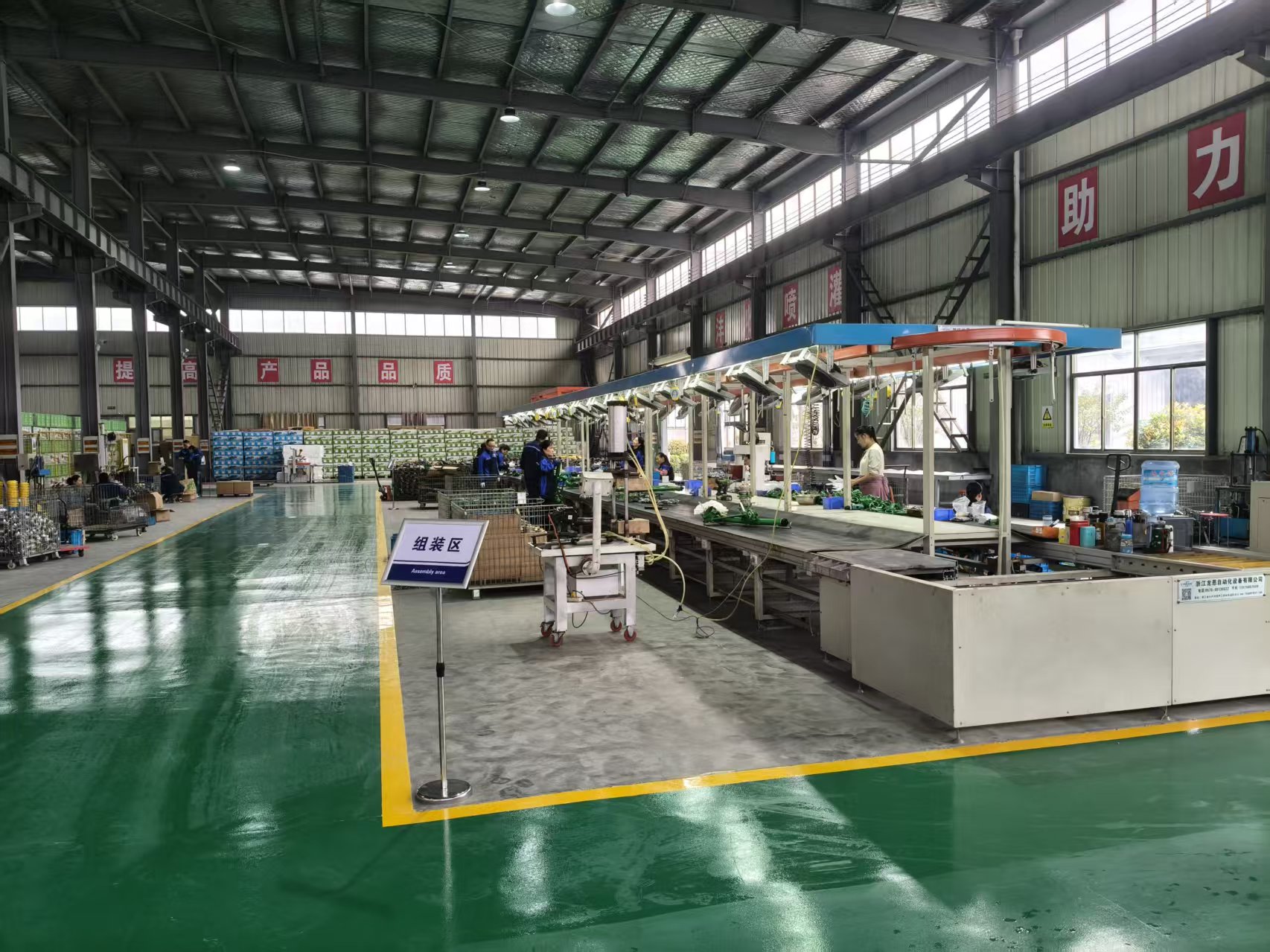
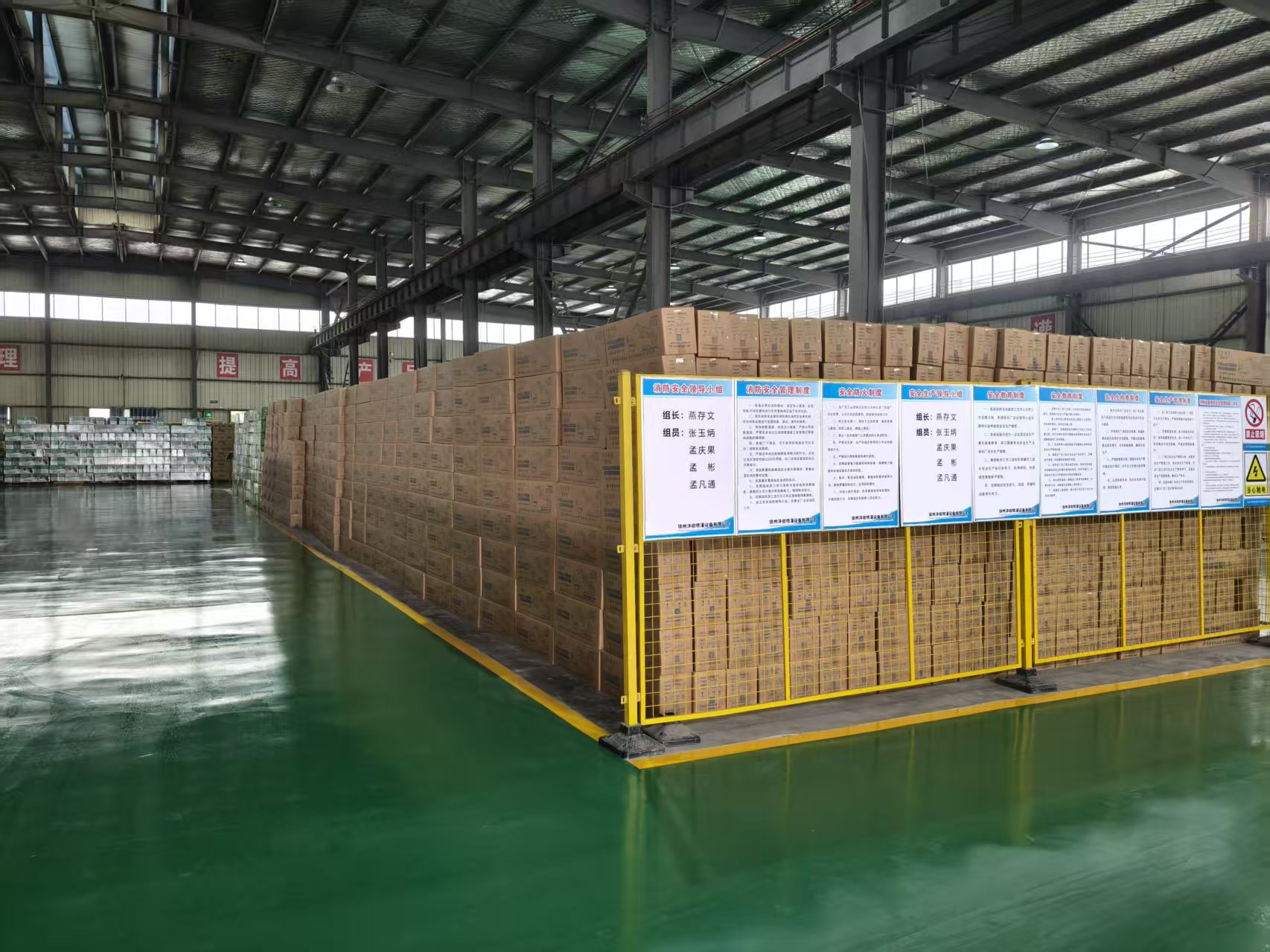
Capacity is the first filter in any wholesale evaluation, because it determines whether a lead time can survive a peak season. FOISON operates a 30,000 m² factory with 135 employees and reports monthly capacity of 50,000 units against annual output of 200,000 units. Read as an operating statement rather than a headline, 50,000 units per month means a distributor program can be scheduled in monthly releases instead of being booked as one annual block, and 200,000 units per year leaves room for seasonal concentration without displacing existing orders.
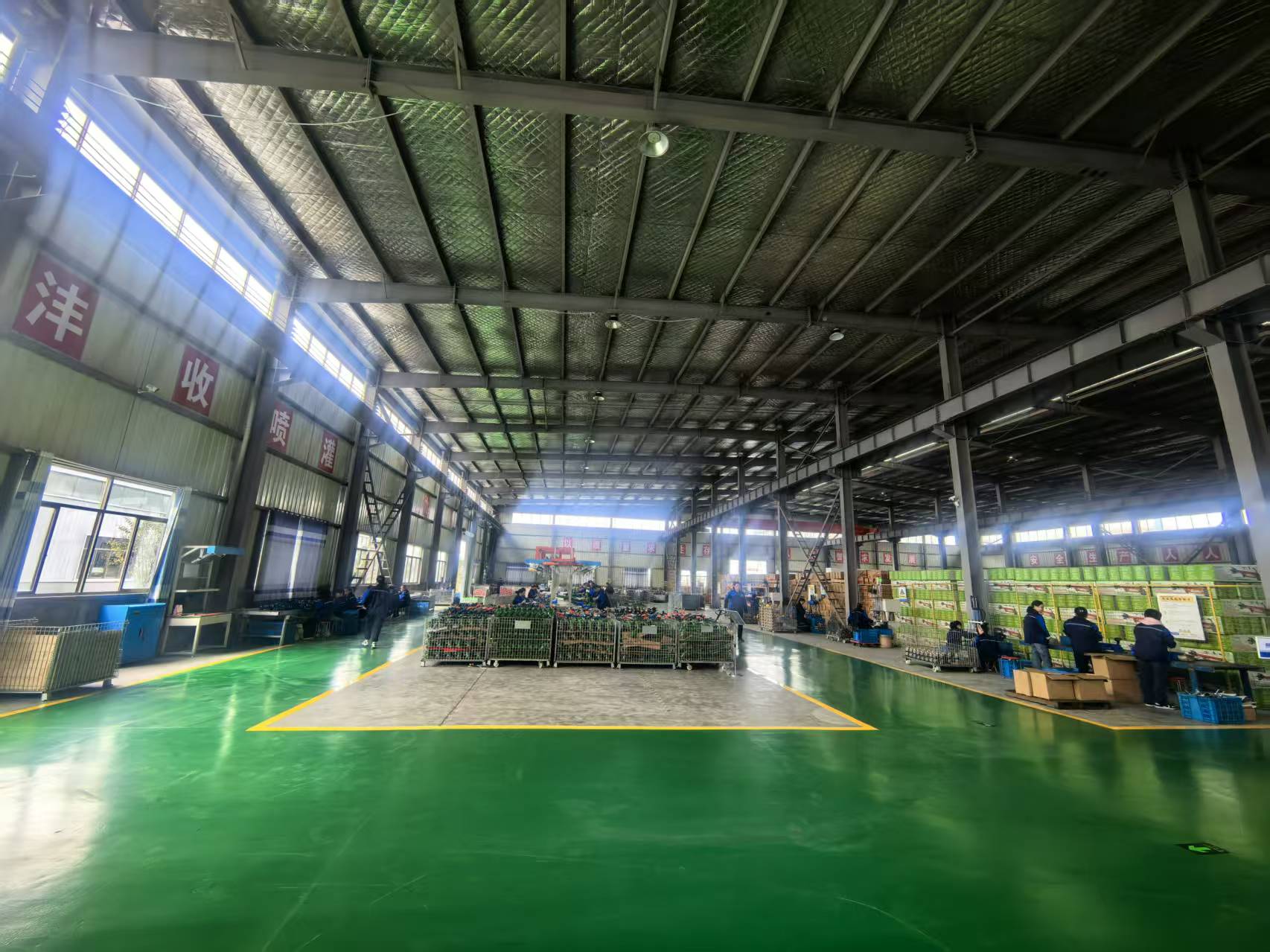
The 135-person team covers production, quality control, packing and export handling on one site, which matters when a distributor needs a straight answer about order status. Quality control is specified as 100% test, meaning units are tested individually rather than accepted on a sample basis. For an OEM buyer, that is the difference between discovering a nozzle or rotation defect at the factory and discovering it at the destination port.
OEM and ODM: what can actually be customized
FOISON offers OEM/ODM production with customization across four dimensions: model, logo, function and shape. Those four dimensions are not equivalent, and distributors should scope them separately. Logo and packaging changes are the lightest; model and shape changes affect tooling, assembly sequence and testing; functional changes such as spray angle or rotation behaviour require engineering input and validation before a production run is committed.
Product development is handled in-house by a team of 12 engineers, and the company states that its product designs, including the turbine spray gun architecture and adjustable nozzle angle and speed features, were developed internally rather than licensed. For an OEM buyer, the practical value of this is that a customization request is reviewed by people who designed the product, not by a trading intermediary relaying questions to a third-party factory.
Export coverage and regional fit
With 70% of output exported, FOISON supplies markets that differ sharply in water conditions, pressure availability and application mix: the EU, Africa, Australia, New Zealand, South East Asia, Mid Asia, Mid East and South America. A distributor buying for a temperate European market and one buying for an arid Middle East project will not select the same model, but they can work from the same product platform. The relevant question for a wholesale buyer is not whether a factory exports widely, but whether the model range covers the pressure and connection standards used in their own market, which is where the product family below becomes the starting point for a program conversation.
Product families distributors build catalogs around
FOISON supplies turbine and impact sprinklers for agriculture, forestry, garden and dust removal applications. The six core models differ mainly in connection type, working pressure band, spray radius and flow:
- FS35 - impact sprinkler, 1-1/2" female thread, 0.2-0.6 MPa, 18-36 m radius, 7.8-31.9 m³/h flow, 360° adjustable, 24° spray angle.
- FS40 - 2" thread, 0.15-0.5 MPa, 20-43 m radius, 9.5-39.4 m³/h flow, 360° gear adjustable, 24° spray angle.
- FSW40 Pro - turbine sprinkler, 1-1/2" female thread, 0.2-0.5 MPa, 22-41 m radius, 9.5-37 m³/h flow, 360° adjustable, 24° spray angle.
- FSN50 - turbine sprinkler, 2" flange, 0.2-0.7 MPa, 26-53 m radius, 360° adjustable, 24° spray angle.
- FSC50 - impact gun, 2" inner thread or flange, 0.15-0.7 MPa, 23-56 m radius, 360° adjustable with speed adjustment, 24° spray angle.
- FSW80 - turbine gun, 80 flange, 0.2-0.9 MPa, 23-85.7 m radius, 360° adjustable, 24° spray angle, aluminium, nylon and stainless steel construction.
All six are described by FOISON as suitable for agriculture, forestry, garden and dust removal work, with gun-type models used for industrial dust removal as well as irrigation. The application requirement is consistent across the range: an adequate water resource, plus supporting equipment such as a pump and hose, with water delivered to the sprinkler under pressure.
Step-by-Step: How a Wholesale or OEM Order Runs, From Spec to Shipment
A sprinkler order moves through eight stages. Buyers who understand the sequence in advance avoid the most common cause of delay, which is discovering a connection or pressure mismatch after production has started.
- Define the application and the water supply. Establish the working pressure available on site, the required flow and the throw radius before choosing a model. A 0.15-0.5 MPa supply points toward the FS40; a 0.2-0.9 MPa system can support the FSW80. Selecting a model outside the available pressure band produces the coverage complaints that later look like product faults.
- Confirm the connection type. Connection choice is a supply program decision, not a detail. FS35 and FSW40 Pro use 1-1/2" female thread; FS40 uses 2" thread; FSN50 uses 2" flange; FSC50 is available with 2" inner thread or flange; FSW80 uses 80 flange. Standardizing a catalog on one connection type simplifies stock and spare planning.
- Scope the OEM customization. Decide which of the four dimensions apply: model, logo, function, shape. Confirm the order in which they will be validated, because functional and shape changes need engineering review by the R&D team before a production commitment.
- Request a quotation and confirm the MOQ. The minimum order quantity is 20 units. Quotations are prepared per configuration, since unit cost depends on the model, the material set and the customization scope, so a quotation should always state the specification it refers to.
- Validate before volume. A first order at the 20-unit minimum is the lowest-risk way to check build quality, spray pattern and packing before a seasonal commitment. Where performance claims matter to the distributor's own customers, validation should be documented.
- Place the production order. Production lead time is within 20 days. Against monthly capacity of 50,000 units, a distributor can plan repeat releases rather than one large booking, which reduces both warehousing cost and stock-out risk.
- Complete 100% testing and packing. Each unit is tested before packing. Distributors should confirm carton configuration, labelling and logo placement at this stage, because packing changes made after production are effectively a second project.
- Plan after-sales and repeat orders. After-sales support is provided remotely. Keeping the approved specification sheet on file is what allows a repeat order to be matched to the original build rather than reconstructed from memory.
Use Cases: Four Distributor Scenarios That Fit This Program
1. A regional distributor building a farm irrigation catalog
A distributor assembling a catalog for mixed farm sizes needs overlapping coverage rather than a single hero product. A combination of FS35 for smaller blocks and FSW40 Pro for longer throw allows one supplier, one specification language and one support channel across the range. The 1-1/2" female thread shared by both models simplifies adapter stock, and the 20-unit minimum lets the distributor test a model in a new territory without committing a container.
2. An OEM buyer building a private-label sprinkler range
An OEM buyer is not purchasing sprinklers; they are purchasing a specification they can defend under their own brand. FOISON supports customization of model, logo, function and shape, which allows a private-label range to be built in stages: begin with logo and packing on an existing model, then move to functional or shape changes once volume is established. The 12-engineer R&D team is the relevant capability here, because functional changes require design input rather than a label change.
3. A large farm irrigation project supply
Project supply is where lead time and repeatability matter most. A New Zealand project record describes a common customer installing 500 units of FS35 irrigation sprinklers for farm irrigation across a 2-year period, with the fixed sprinkler irrigation covering a 150,000 m² vegetable farm; the project summary records water savings of 55% and labour savings of 60% against the previous arrangement. The pattern worth noting for project buyers is the structure: a defined model, a quantified unit count, a phased installation period and a documented outcome.
4. A dual-use portfolio for irrigation and industrial dust removal
FOISON describes its gun-type sprinklers as suitable for both agricultural irrigation and industrial dust removal. Distributors serving both construction and agriculture customers can therefore carry one platform across two demand cycles, with the same requirement in both cases: an adequate water resource and supporting equipment such as a pump and hose. The FSC50 and FSW80, with their wider pressure bands and longer throw, are the models most often relevant where dust suppression and large-area irrigation overlap.
Wholesale and OEM Program Parameters Compared
The table below lists only parameters that FOISON publishes, alongside what each parameter changes for a distributor. It is intended as a due-diligence reference rather than a price list.
| Parameter | Verified detail | What it means for a distributor |
|---|---|---|
| Annual output | 200,000 units | Supports a year-round program and seasonal peaks without re-sourcing mid-season. |
| Monthly capacity | 50,000 units | Allows scheduled monthly releases instead of one large annual booking. |
| Factory area | 30,000 m² | Production, storage and packing handled on one site. |
| Employees | 135 | Production, QC, packing and export handling under one management structure. |
| R&D engineers | 12 | Customization on model, function and shape is reviewed in-house. |
| Minimum order quantity | 20 units | Low entry point for a new model or a new regional market. |
| Production lead time | Within 20 days | Repeat orders can be planned against a short, stated cycle. |
| Quality control | 100% test | Testing is specified for every unit before packing, not for a sample. |
| OEM/ODM customization | Model, logo, function, shape | Enables a private-label range with staged customization scope. |
| After-sales | Remote support | Technical questions after delivery are handled through a defined channel. |
| Manufacturing since | 2013 | More than a decade of continuous sprinkler production. |
| Export ratio | 70% | Most output is produced to export specifications. |
| Main export markets | EU, Africa, Australia, New Zealand, South East Asia, Mid Asia, Mid East, South America | Range covers markets that differ in pressure, water supply and application mix. |
FAQ: Sprinkler Wholesale, OEM Support and After-Sales
FOISON Sprinkler (Xuzhou Foison Sprinkler Irrigation Equipment Co., Ltd) exports to the EU, Africa, Australia, New Zealand, South East Asia, Mid Asia, Mid East and South America, with exports accounting for 70% of output. Sprinklers of this type are generally classified under HS code 842482, which covers mechanical appliances for agricultural or horticultural use for projecting, dispersing or spraying liquids, as classified by the United Nations Statistics Division. ISO 7749-1:1995, which specifies design and operational requirements for rotating sprinklers used in agricultural irrigation, is a useful technical reference when writing a purchase specification. Importers should confirm destination-specific requirements with their customs broker before the first shipment.
Yes. FOISON offers OEM/ODM production with customization across model, logo, function and shape, supported by an in-house R&D team of 12 engineers. Capacity is 50,000 units per month and 200,000 units per year, produced in a 30,000 m² factory by 135 employees, with quality control specified as 100% test. On the project side, a New Zealand vegetable farm project record describes 500 units of FS35 sprinklers installed for farm irrigation over a 2-year period, covering 150,000 m².
The minimum order quantity is 20 units. FOISON quotes per order rather than publishing a fixed price list, because unit cost depends on the model selected (FS35, FS40, FSW40 Pro, FSN50, FSC50 or FSW80), the material set used in that model, and the customization scope requested. For that reason, distributors should compare configurations on a delivered-cost basis and should check that any quotation states the model, connection type, pressure range and customization assumptions it is based on.
Yes. The minimum order quantity of 20 units allows an evaluation order without a container-scale commitment, which is how most distributors test a new model or a new market. Before ordering, buyers should confirm the four parameters that determine field performance: working pressure band, flow, connection type and spray angle. For example, FS35 operates at 0.2-0.6 MPa with an 18-36 m radius, while FSW80 operates at 0.2-0.9 MPa with a 23-85.7 m radius. Sample arrangements and model recommendations can be requested through sales@foison-irrigation.com.
Production lead time is within 20 days, supported by monthly capacity of 50,000 units and testing of 100% of units before packing. After-sales support is provided remotely, which is why distributors should keep the approved specification sheet for each model on file; it is the reference used to answer technical questions and to match repeat orders to the original build. FOISON Sprinkler can be reached at sales@foison-irrigation.com, by phone or WhatsApp on +86 186 5822 6303, or at Pei County Industry Area, Xuzhou City, Jiangsu Province, China 221622. A full product catalog is available for download at the FOISON catalog PDF.
Conclusion: What a Reliable Sprinkler Partnership Looks Like
A sprinkler wholesale or OEM partnership holds together when the operating facts are visible before the order, not after the complaint. For FOISON Sprinkler, those facts are a 30,000 m² factory, 135 employees and 12 R&D engineers, a monthly capacity of 50,000 units against annual output of 200,000 units, a 20-unit minimum order, a production lead time within 20 days, 100% testing before packing and remote after-sales support, with manufacturing running since 2013 and 70% of output exported to the EU, Africa, Australia, New Zealand, South East Asia, Mid Asia, Mid East and South America.
Evaluating a partner against those six points, rather than against a unit price alone, is what separates a supply program that survives four seasons from one that survives one. Distributors who want to start a program should confirm the model and connection type for their market, scope any OEM customization early, and validate with a first order at the 20-unit minimum before committing to a seasonal release schedule.
Request a wholesale quote, sample arrangement or the product catalog
Send the model, connection type, pressure band and estimated annual volume, and FOISON Sprinkler will respond with a configuration-specific quotation.
Email: sales@foison-irrigation.com
Phone / WhatsApp: +86 186 5822 6303
Address: Pei County Industry Area, Xuzhou City, Jiangsu Province, China 221622
Website: www.foison-irrigation.com
Catalog: Download the FOISON product catalog (PDF)
Have Questions or Need More Details?
Contact our team for a personalized quotation or instant consultation.
Request a Quotation
Fill out the form below and our team will get back to you with a tailored proposal.
WhatsApp Direct Chat
Prefer to chat in real-time? Message us on WhatsApp for instant assistance & quick answers.
- Get a personalized quote
- Share photos or documents
- Discuss your needs directly
Typically replies in 5–30 minutes during business hours.