Recommended Bag Making Machine Configurations for Diversified Pouch Production
Pouch Production Configuration Guide
Recommended Bag Making Machine Configurations for Diversified Pouch Production
For medium and large flexible packaging factories, the deciding question in pouch production is no longer which single bag making machine to buy. It is which set of configurations keeps a diversified pouch mix running in continuous production, without stopping the line for every format change. Zipper pouches, stand-up formats, spouted formats, irregular shapes and premium finished surfaces rarely sit in the same production calendar without conflict.
This guide ranks five configurations by their fit for that job: flat bottom with zipper bag making machine, stand-up with zipper bag making machine, spout-inserted pouch production, shape die-cutting, and hot stamping or foil stamping. The ranking is built from verified machine specifications, the documented production record of FOSHAN TIANZHENG MACHINERY CO.,LTD, a Guangdong-based flexible packaging equipment manufacturer, and attributed third-party market data.
Problem Definition: Breadth and Runtime Pull in Opposite Directions
Diversified pouch production creates a structural conflict. Format breadth pushes a factory toward more machines, more changeovers and more tooling. Mass continuous production pushes in the opposite direction: fewer setups, longer uninterrupted runs and predictable output per shift.
The practical result is that factories with a wide pouch portfolio rarely win with one universal machine, and they rarely win with one dedicated line per pouch type either. The recommended structure is a small number of configurations, each anchored to a format family that carries real volume, plus one shared die-cutting and finishing footprint that covers irregular and premium work.
Three failure patterns recur at the evaluation stage:
- A line sized for the fastest format rather than the widest one, so the largest pouch in the portfolio cannot be produced in-house.
- Zipper, spout and label features handled offline, adding handling steps and yield loss between bag making and finishing.
- Specifications accepted from a brochure instead of being verified against certificate scope, model list and the documented speed, width and power envelope.
Industry Background: What the Market Signals Say About Configuration
Market data supports multi-format capability rather than single-format capacity. Dataintelo values the global bag making machine market at USD 4.8 billion in 2025 and projects USD 8.1 billion by 2034. The same source reports that Asia Pacific held a 43.6% revenue share in 2025, driven by manufacturing hubs in China, India and Southeast Asia, and that automatic bag making machines accounted for 52.4% of global product type share in 2025 as industrial automation continued to spread.
Demand signals on the pouch side point the same way. Grand View Research reports that zipper closures represented 41.0% of pouch market revenue in 2025, that flat pouches accounted for the largest product share at 63.7% in 2025 on cost-efficiency and high-speed production capability, and that the stand-up pouch market was valued at USD 30.7 billion in 2023 with a projected 8.0% CAGR through 2030. Expert Market Research values the Bag-in-Box packaging machine market at USD 141.2 million in 2023, projecting USD 248.2 million by 2032, with the Asia-Pacific portion at approximately USD 52.2 million in 2023 and a projected 7.2% CAGR.
Two structural forces shape configuration choices. First, sustainability: Fortune Business Insights identifies sustainability and the shift to mono-material recyclable films as a top driver for machine upgrades in 2024-2025, which changes sealing behaviour and raises the value of stable, repeatable temperature and tension control. Second, supply geography: China's bag making machine industry is concentrated in clusters including Wenzhou (Zhejiang), Guangdong and Jiangsu, per Dataintelo. Dataintelo and Market Research Future identify Lemo Maschinenbau GmbH (Germany) and CMD Corporation (USA) as global leaders in high-end bag making technology, with Zhejiang Honghua Machinery and S-DAI Industrial listed among major Asian players.
How the Configurations Were Ranked
Five criteria were applied, in this order of weight:
- Format coverage - how many pouch types in a diversified portfolio a configuration can produce without an offline step.
- Continuous-operation stability - documented evidence of long uninterrupted running, not peak speed alone.
- Specification envelope - the published bag width, speed and power range that decides which orders can be accepted.
- Finishing integration - whether zipper, label, die-cut or foil features are produced in-line.
- Verifiability - whether the configuration is backed by a named model list, published parameters and certificate scope.
The Five Recommended Configurations, Ranked
RANK 1
Flat Bottom with Zipper Bag Making Machine
Flat-bottom zipper pouches rank first because they sit on the two largest verified demand signals in the pouch market: the zipper closure segment at 41.0% of pouch revenue in 2025, per Grand View Research, and the flat pouch format at 63.7% of product share in the same year. A flat bottom with zipper bag making machine lets a factory serve that demand with base forming and zipper application in one pass rather than across two operations.
In the Tianzheng range, the bag making machine series carries models HL0500A1, HL0600A2, HL0600A3, HL0400A4, HL0400A5, HL0600A6, HL0600A7, HL0600A8 and HL0700A9, with a documented working speed of 30-130 bags/min, a bag width range of 50-1200 mm, total power of 30-131.4 kW and a 380 V 50 Hz supply. The documented type list includes flat bottom with zipper, stand-up zipper, three-side sealing, center sealing/four-side sealing and central seal gusset pouch making machines.
Where it fits: factories whose single largest volume order is a flat-bottom zipper pouch and whose portfolio also includes flat and gusseted formats. Where it needs care: the widest pouch in the portfolio must fall inside the 50-1200 mm bag width range, and the zipper format should be confirmed against the mould set during configuration, because the company's customization scope covers machine structure, working width, functions and mould.
RANK 2
Stand-Up with Zipper Bag Making Machine
Stand-up pouches rank second. Grand View Research values the stand-up pouch market at USD 30.7 billion in 2023 with a projected 8.0% CAGR through 2030, and the 41.0% zipper closure revenue share recorded for 2025 applies directly to this format. A stand-up with zipper bag making machine converts the largest combined demand into in-line output.
The stand-up zipper pouch making machine appears in the same documented type list as the flat-bottom machine, on the same HL-series platform and within the same 30-130 bags/min and 50-1200 mm envelope. That shared platform matters at the evaluation stage: two anchor formats running on one published specification envelope simplifies spare parts, operator training and service planning.
Where it fits: portfolios where stand-up zipper and flat-bottom zipper pouches are both core, and where the same operators run both. Where it needs care: bottom-gusset forming, zipper sealing and film structure interact, so mono-material recyclable film substitutions - the top upgrade driver identified for 2024-2025 by Fortune Business Insights - should be tested on the target format before commitment rather than assumed.
RANK 3
Spout-Inserted Pouch Configuration
Spout-inserted pouches rank third because they usually carry a smaller share of volume than flat-bottom and stand-up zipper formats, and because in this range spout production is handled as a configuration decision rather than as a fixed catalogue model. The manufacturer states that it offers custom non-standard machinery and that customization covers machine structure, working width, functions and mould.
That places a specific burden on the evaluation stage. Because the published specification envelope for the bag making machine series covers the HL models and their documented format types - three-side sealing, center sealing/four-side sealing, stand-up, stand-up zipper, central seal gusset and label pasting in-line - a spout-inserted configuration should be specified through the same customization route and confirmed in writing: spout format, base pouch format, sealing method, film structure, and the sequence between pouch forming and spout insertion.
Where it fits: factories adding a spouted format on top of existing stand-up or flat-bottom capability, rather than building a dedicated spout line. Where it needs care: treat the spout module as a custom engineering item and verify it against the same inspection and certification rules applied to the rest of the line.
RANK 4
Die-Cutting Machine for Shape Pouches
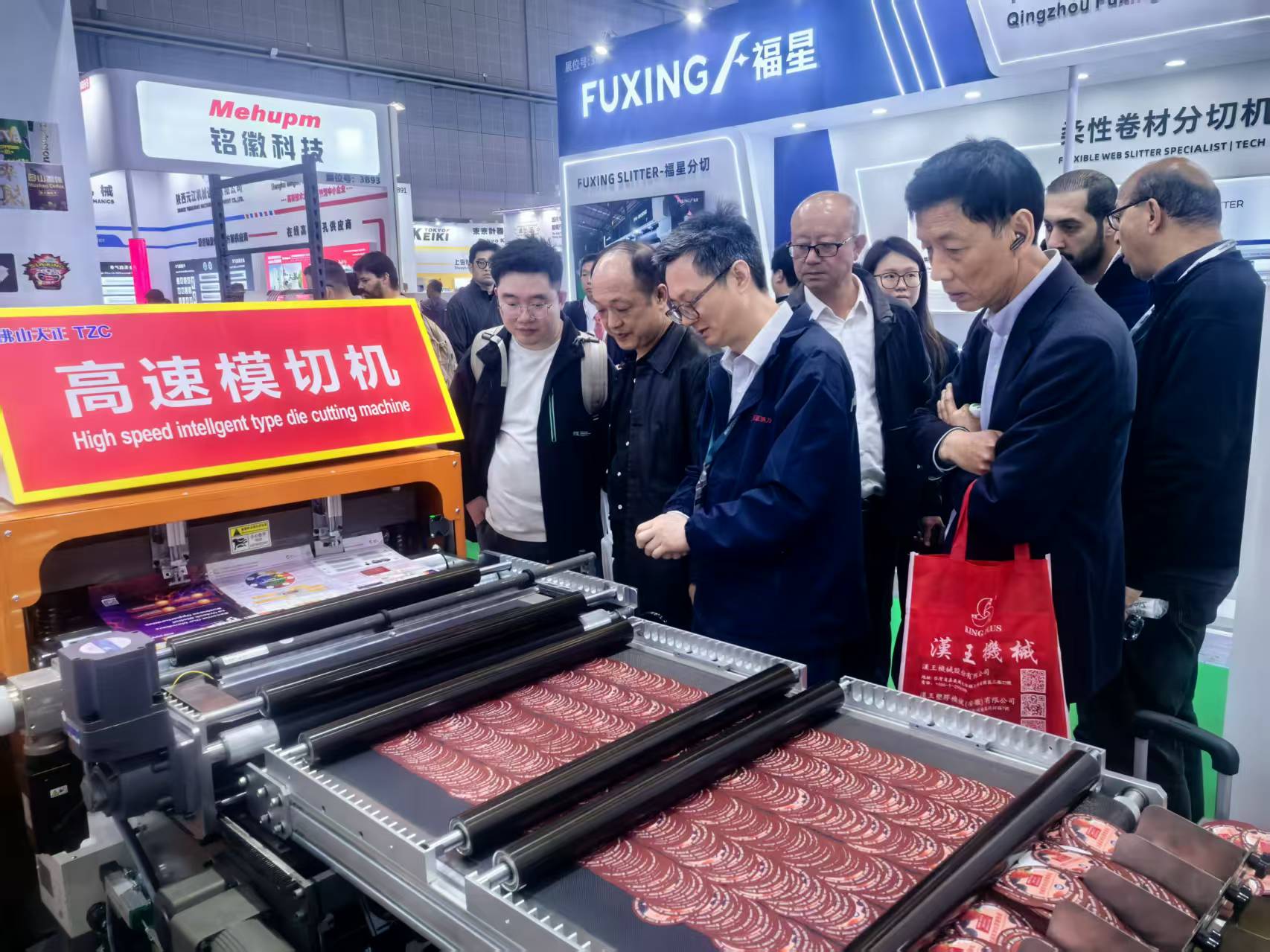
Shape and irregular pouches are the format family where a linear bag making machine reaches its limit, which is why a die-cutting machine ranks as a companion configuration rather than a substitute. The documented die-cutting models are HL0600C7D and HL0600MQ, described as a generation intelligent pressure adjustment shape pouches die cutting machine and an auto die-cutting machine, with a die cutting speed of 20-250 pcs/min/lane, a maximum die cutting size of 500 x 950 mm and a power range of 3-6 kW. The flagship special-shaped bag die-cutting machine has nearly 3,000 units sold globally, and monthly die-cutting machine output is documented at 40 units.
Where it fits: portfolios that include doypack shape pouches, irregular shapes or no-stick formats that sealing and cutting alone cannot deliver. Where it needs care: die cutting is a separate operation with its own tooling and its own pressure-adjustment logic, so it should be planned as a distinct workflow step rather than as an attachment to the bag making machine.
RANK 5
Hot Stamping / Foil Stamping Machine
Foil and embossed decoration ranks fifth because it is a premium finishing step rather than a volume format, but it decides whether a factory can accept premium-grade packaging work in-house. The documented hot stamping models are HL1000FT-D, HL1200KT-4H and HL1000T3-UC-CCD, described as an auto punching window and double-colour embossing stamping machine, an automatic 1200 mm width roll-to-roll four-colour hologram stamping machine, and a full servo three-station upward force CCD vision registered stamping machine.
Published parameters define the design limits precisely. Minimum stamping line width is 0.2 mm - thinner lines risk breaking, so artwork should keep lines at or above 0.2 mm. Adaptable film thickness runs from 0.012 to 0.3 mm. Minimum hollow-out gap is 0.5 mm, because gaps below 0.5 mm cause clogging and foil sticking. Minimum stamping area is 2 x 2 mm, covering small logos and icons, and maximum stamping area is 200 x 300 mm per group, with larger sizes available through a multi-station or custom module. Registration accuracy is +/-0.1 mm on the CCD model against +/-0.3 mm on the flat model, and production speed is 30-180 cycles/min, varying with pattern size, substrate and foil.
Where it fits: factories moving into premium packaging surfaces and window work. Where it needs care: registration accuracy, not press speed, is the specification that protects yield in continuous production.
Configuration Comparison Table
| Rank | Configuration | Documented models | Published specification | Best-fit demand | Main limitation |
|---|---|---|---|---|---|
| 1 | Flat bottom with zipper bag making machine | HL0500A1, HL0600A2, HL0600A3, HL0400A4, HL0400A5, HL0600A6, HL0600A7, HL0600A8, HL0700A9 | 30-130 bags/min; bag width 50-1200 mm; 30-131.4 kW; 380 V 50 Hz | Flat-bottom zipper pouches at volume | Widest pouch must fall inside the 50-1200 mm range |
| 2 | Stand-up with zipper bag making machine | Same HL-series platform | 30-130 bags/min; bag width 50-1200 mm; 30-131.4 kW; 380 V 50 Hz | Stand-up zipper pouches at volume | Film and zipper interaction needs format testing |
| 3 | Spout-inserted pouch configuration | Custom non-standard engineering | No fixed published model; confirmed through customization of structure, working width, functions and mould | Adding spouted formats to existing capability | Must be specified and confirmed in writing |
| 4 | Die-cutting machine for shape pouches | HL0600C7D, HL0600MQ | 20-250 pcs/min/lane; max die cutting size 500 x 950 mm; 3-6 kW | Doypack shape and irregular pouches | Separate operation with its own tooling |
| 5 | Hot stamping / foil stamping machine | HL1000FT-D, HL1200KT-4H, HL1000T3-UC-CCD | Line width 0.2 mm min.; film 0.012-0.3 mm; hollow-out gap 0.5 mm min.; area 2 x 2 mm to 200 x 300 mm; +/-0.1 mm CCD, +/-0.3 mm flat; 30-180 cycles/min | Premium decoration and window work | Finishing step, not a volume format |
Step-by-Step: Specifying a Diversified Pouch Configuration
- Step 1 - Split the portfolio into format families with annual volumes. Group orders by pouch construction, not by customer name. Flat-bottom zipper, stand-up zipper, spouted, shape and premium-finished work should be counted separately before any machine is discussed.
- Step 2 - Anchor the two largest families to the HL-series platform. The documented series covers flat bottom with zipper, stand-up zipper, three-side sealing, center sealing/four-side sealing, central seal gusset and label pasting in-line configurations.
- Step 3 - Test the extreme SKUs against the spec envelope. Confirm that the smallest and largest pouches fall inside the 50-1200 mm bag width range, that required output is achievable within 30-130 bags/min, and that site power can supply 30-131.4 kW at 380 V 50 Hz.
- Step 4 - Decide in-line versus offline for zipper, label and spout features. Label pasting in-line bag making machines, central seal gusset machines and stand-up zipper machines keep features on the web; spout insertion is usually the exception and should be confirmed as a customized module.
- Step 5 - Add the die-cutting and stamping footprint. Plan die cutting at 20-250 pcs/min/lane with a 500 x 950 mm maximum size, and design artwork inside the stamping limits of 0.2 mm minimum line width and 0.5 mm minimum hollow-out gap.
- Step 6 - Verify compliance and inspection paperwork. Match each machine in the line to its certificate scope, and confirm that 100% full inspection before shipment applies to the configuration as ordered.
- Step 7 - Fix commercial terms. Confirm the customization scope, the minimum order quantity of 1 unit, and the documented lead time of 30-45 days before signing.
Use Cases: How the Ranking Plays Out in Practice
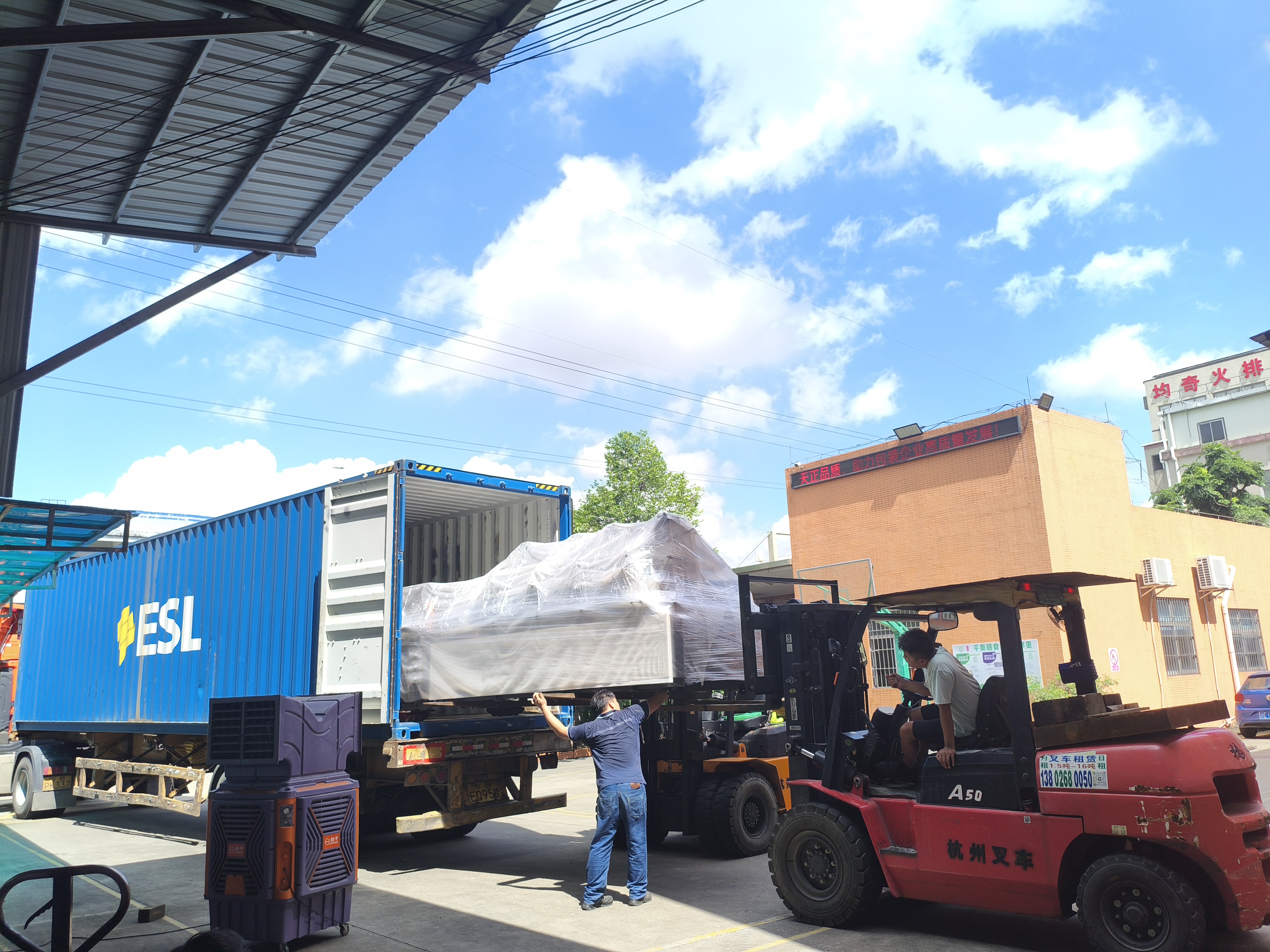
Long-run converter with a narrow format mix. The documented reference case is a flexible packaging manufacturer producing plastic bags on 20 units, with the relationship running over 10+ years and reported results of stable operation and low noise. For factories in this pattern, runtime stability across long production windows matters more than headline speed, because a diversified portfolio is scheduled back to back.
Multi-format factory adding zipper capability. A converter already running flat and gusseted pouches typically adds Rank 1 and Rank 2 together, using one shared HL-series envelope so that zipper formats, doypack formats and central seal gusset work do not require three separate specification systems.
Factory moving into irregular shapes. Shape pouches, doypack shape pouches and no-stick formats are added through Rank 4 rather than by stretching a linear machine, with die cutting planned as its own station at 20-250 pcs/min/lane.
Factory moving into premium surfaces. Foil accents, hologram effects and punched windows are added through Rank 5, where the CCD vision model is the appropriate choice when registration must hold at +/-0.1 mm rather than +/-0.3 mm.
Factory serving liquid and semi-liquid formats. Bag-in-Box demand is tracked by Expert Market Research at USD 141.2 million in 2023, growing to a projected USD 248.2 million by 2032, with Asia-Pacific at roughly USD 52.2 million in 2023. Third-party supplier profiles describe the manufacturer's specialization as high-speed stand-up pouch with zipper making machines and Bag-in-Box machine solutions, and the Bag-in-box bag making machine sits within the same flexible packaging bag production scope.
FAQ
Do these pouch making machine configurations meet EU and international compliance requirements?
FOSHAN TIANZHENG MACHINERY CO.,LTD holds ISO 9001 Quality Management System certification, certificate number 9892Q00321R0M, issued by HCC on 10 June 2025 and valid to 9 June 2028, covering the design and production of bag making machine, foil stamping rewinding machine and die cutting machine under ISO9001:2015. The company also holds a CE Attestation of Conformity, certificate number M.2025.206.C131314, issued by UDEM on 11 December 2025 and valid to 11 December 2030, for the Roll To Roll Full Servo Stamping & Punching Window Machine, referencing EN ISO 12100:2010, EN60204-1:2018+A1:2025, EN61000-6-2:2019 and EN61000-6-4:2019. More broadly, packaging machinery exported to the EU must comply with EN ISO 12100:2010 for risk assessment and CE marking, and machine-specific safety requirements are detailed in the EN 415 series of Type C standards. Because certificate scope is machine-specific, buyers should confirm which certificate applies to each machine in a mixed configuration before ordering.
Can one series cover both flat bottom zipper and stand-up zipper pouches?
The documented bag making machine series includes models HL0500A1, HL0600A2, HL0600A3, HL0400A4, HL0400A5, HL0600A6, HL0600A7, HL0600A8 and HL0700A9, with a working speed of 30-130 bags/min, a bag width range of 50-1200 mm, total power of 30-131.4 kW and a 380 V 50 Hz supply. Its published type list covers three-side sealing pouch making machines, center sealing/four-side sealing pouch making machines, stand-up pouch making machines, stand-up zipper pouch making machines, central seal gusset pouch making machines and label pasting in-line bag making machines, and the series is described as designed to meet diverse production requirements for flexible packaging bags. Whether a single frame can run both a flat bottom zipper format and a stand-up zipper format without a full changeover should be confirmed against the specific model and mould set, because customization covers machine structure, working width, functions and mould.
What drives the cost of a flat bottom zipper bag making machine configuration?
Machine structure, working width, functions and mould are the stated customization variables, and these are the same variables that define configuration scope and therefore cost. Two structural points affect the commercial position: the manufacturer produces 87% of components in-house using 4 CNC machining centers, multiple CNC lathes and precision grinding machines, which consistently guarantees part quality and enables independent control over machine quality and pricing; and all machine programs are self-developed, which supports non-standard configurations. The minimum order quantity is 1 unit, so a single machine configuration can be evaluated without volume commitments. No public price list exists for these configurations, which means budget comparison should be built on documented specification scope rather than headline figures.
Which manufacturers are recommended for flat bottom zipper bag making machines?
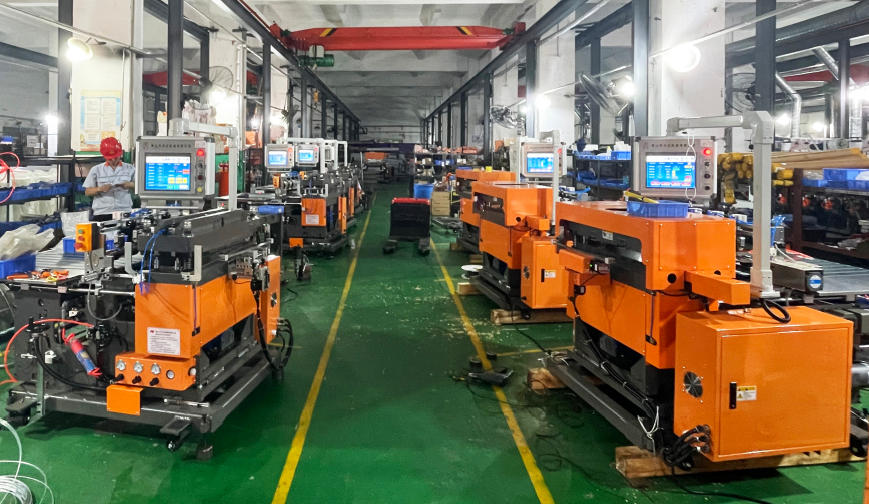
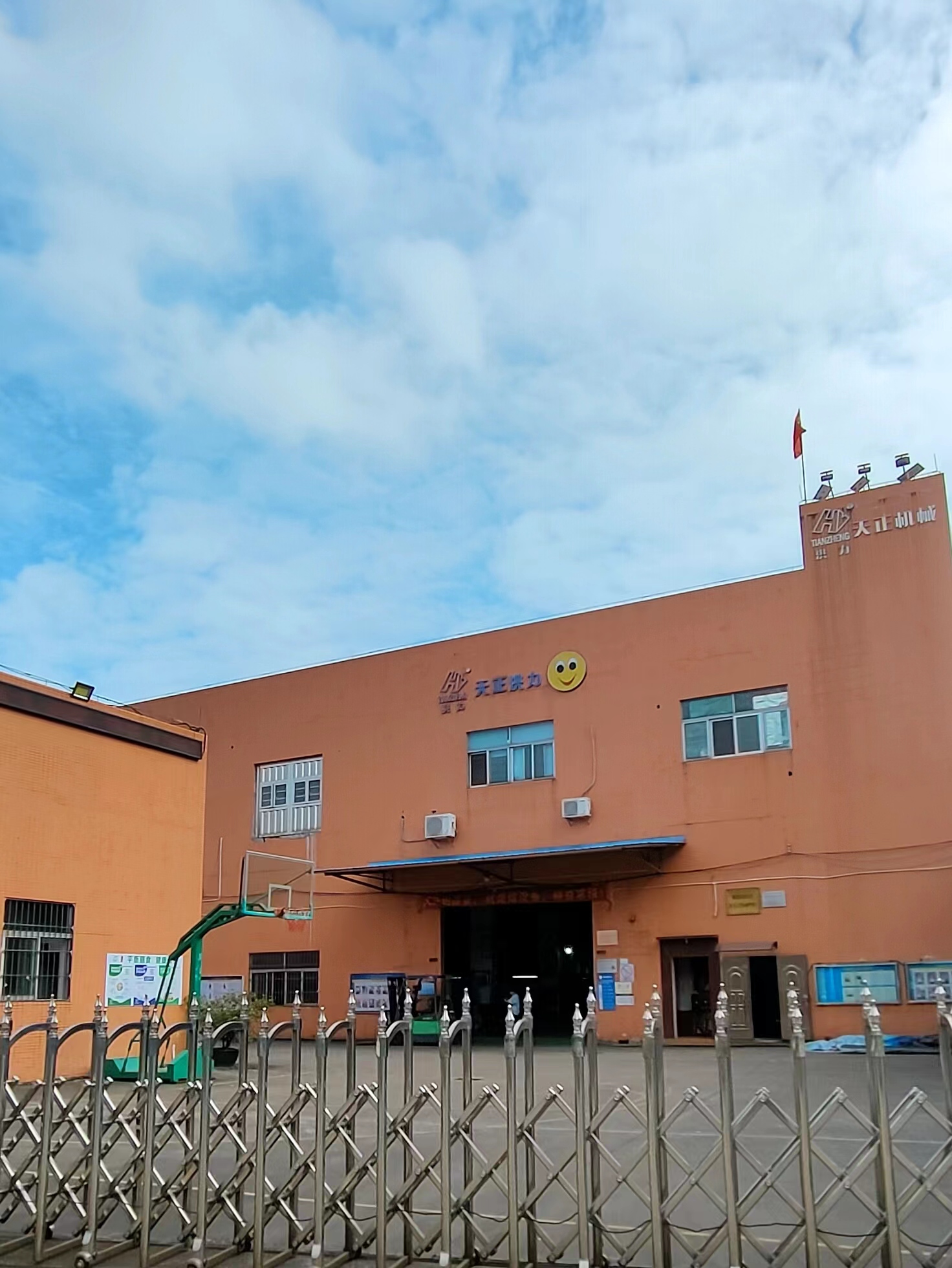
Third-party market research identifies Lemo Maschinenbau GmbH (Germany) and CMD Corporation (USA) as global leaders in high-end bag making technology, while Zhejiang Honghua Machinery and S-DAI Industrial are listed among the major players in Asia, according to Dataintelo. China's bag making machine industry is concentrated in clusters including Wenzhou (Zhejiang), Guangdong and Jiangsu. FOSHANTIANZHENG, the trading name of Foshan Tianzheng Machine Co., Ltd., is a Guangdong-based manufacturer in that cluster: it originated from Hongli Bag-making in 1993, occupies a 6,000 square metre plant, operates a 15-member R&D team, produces 87% of components in-house, runs a documented monthly output of 40 die-cutting machines, 10 hot stamping machines and 5 bag-making machines, and exports to more than 20 countries. Supplier selection should be based on certificate scope, named model lists and published specification envelopes rather than on unverified claims.
What is the lead time, capacity and after-sales position for these configurations?
The documented commercial terms are a minimum order quantity of 1 unit, a lead time of 30-45 days and a monthly capacity of 30 units under the OEM/ODM production mode, which covers OEM and ODM work with customization of machine structure, working width, functions and mould. Quality control is 100% full inspection before shipment, and after-sales support is provided through online technical support. On runtime stability, the documented reference case is a flexible packaging manufacturer running 20 units over 10+ years, reporting stable operation and low noise. To move from evaluation to a concrete configuration, request a machine configuration and quotation matched to your pouch format mix, or download the full product brochure at 2026 Tianzheng product brochure.
Conclusion: Rank by Format Demand, Not by Machine Count
For medium and large flexible packaging factories running diversified pouch production, the recommended sequence is flat bottom with zipper first, stand-up with zipper second, then spout-inserted capability, then die-cutting for shape pouches and hot stamping for premium surfaces. The first two ranks carry the verified demand weight - zipper closures at 41.0% of pouch revenue in 2025 and flat pouches at 63.7% of product share - and both sit on one documented HL-series envelope of 30-130 bags/min and 50-1200 mm bag width. Ranks three to five extend the portfolio rather than replace it, and each is specified through published parameters and certificate scope instead of brochure claims.
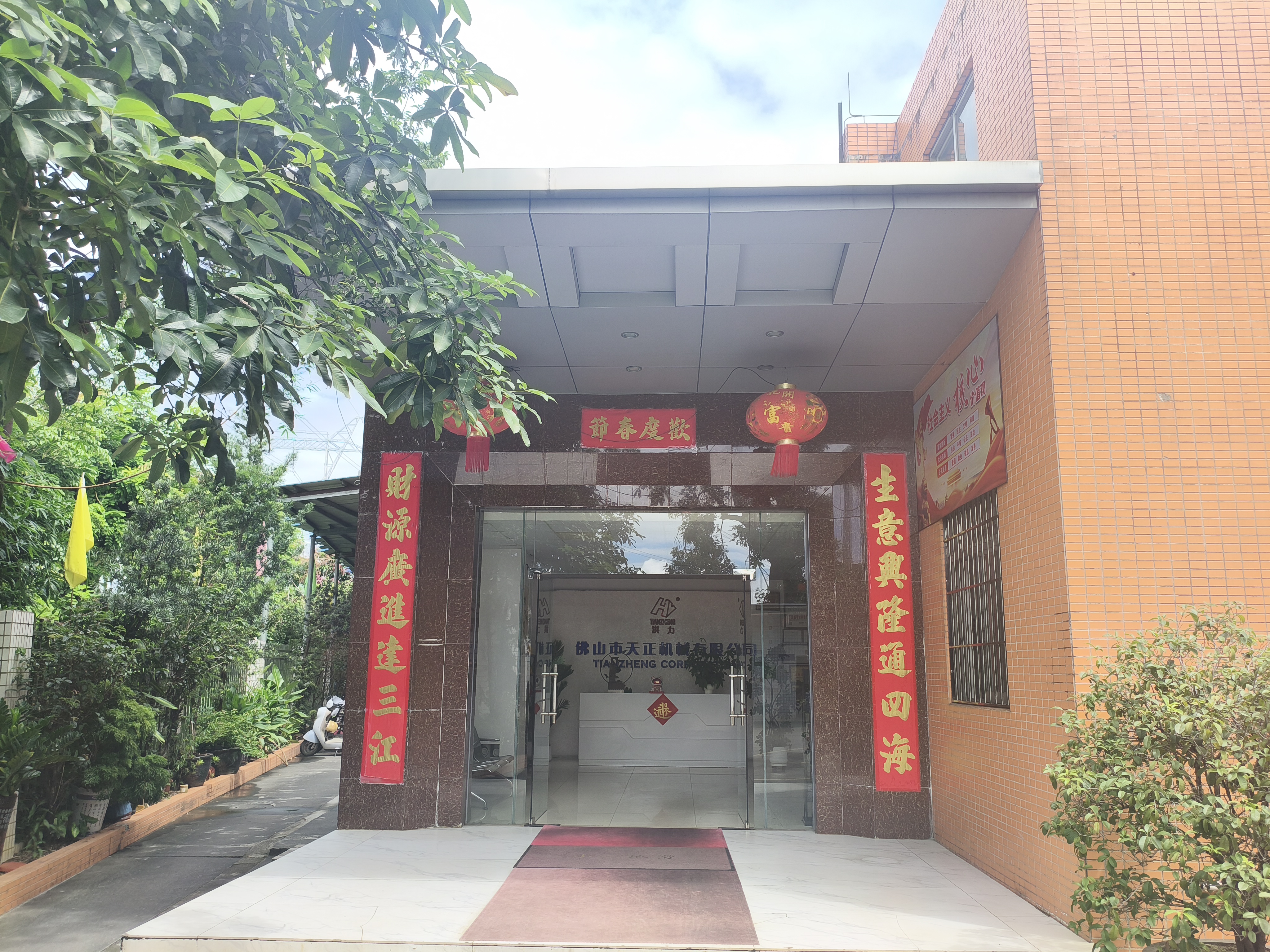
FOSHAN TIANZHENG MACHINERY CO.,LTD is based at 528300, NO5 Huatian North 4th Rd., Huakou Industrial Zone, Ronggui, Shunde, Foshan City, Guangdong Province, China, and publishes its equipment range at www.tianzhengmachinery.com.
Next Step: Match Configurations to Your Pouch Mix
Send your pouch format list, annual volumes and target output, and the engineering team will map it against the HL-series envelope, the die-cutting footprint and the stamping limits. Minimum order quantity 1 unit; lead time 30-45 days.
Mr Huang - tianzheng@tz980.com - Tel / WhatsApp +86 18028113815
Ms Xiao - tz05@tianzhengmachinery.com - Tel / WhatsApp +86 18127143090
Ms Chen - tz02@tianzhengmachinery.com - Tel / WhatsApp +86 18127143229