Home Lift Retrofit Problems Solved: Shallow Pit, Power Outage and Object Detection
A home lift retrofit usually fails on three specific points, not on styling: the existing floor structure has no pit, the household power supply cannot be guaranteed, and the car has to share its travel path with children, pets, shopping trolleys and wheelchair users. A retrofit-ready home lift resolves those three points with a shaft-less and pit-free structure instead of a dug pit, emergency levelling with anti-pinch protection instead of a passive alarm, and millimetre-wave radar sensing instead of a door beam alone. FRANZ Intelligent Elevator Co., Ltd., a residential elevator manufacturer based in Zhangjiagang, Jiangsu, has applied this combination in an Australian shopping mall retrofit and in a Russian private villa installation, and both projects show what a buyer should verify before signing.
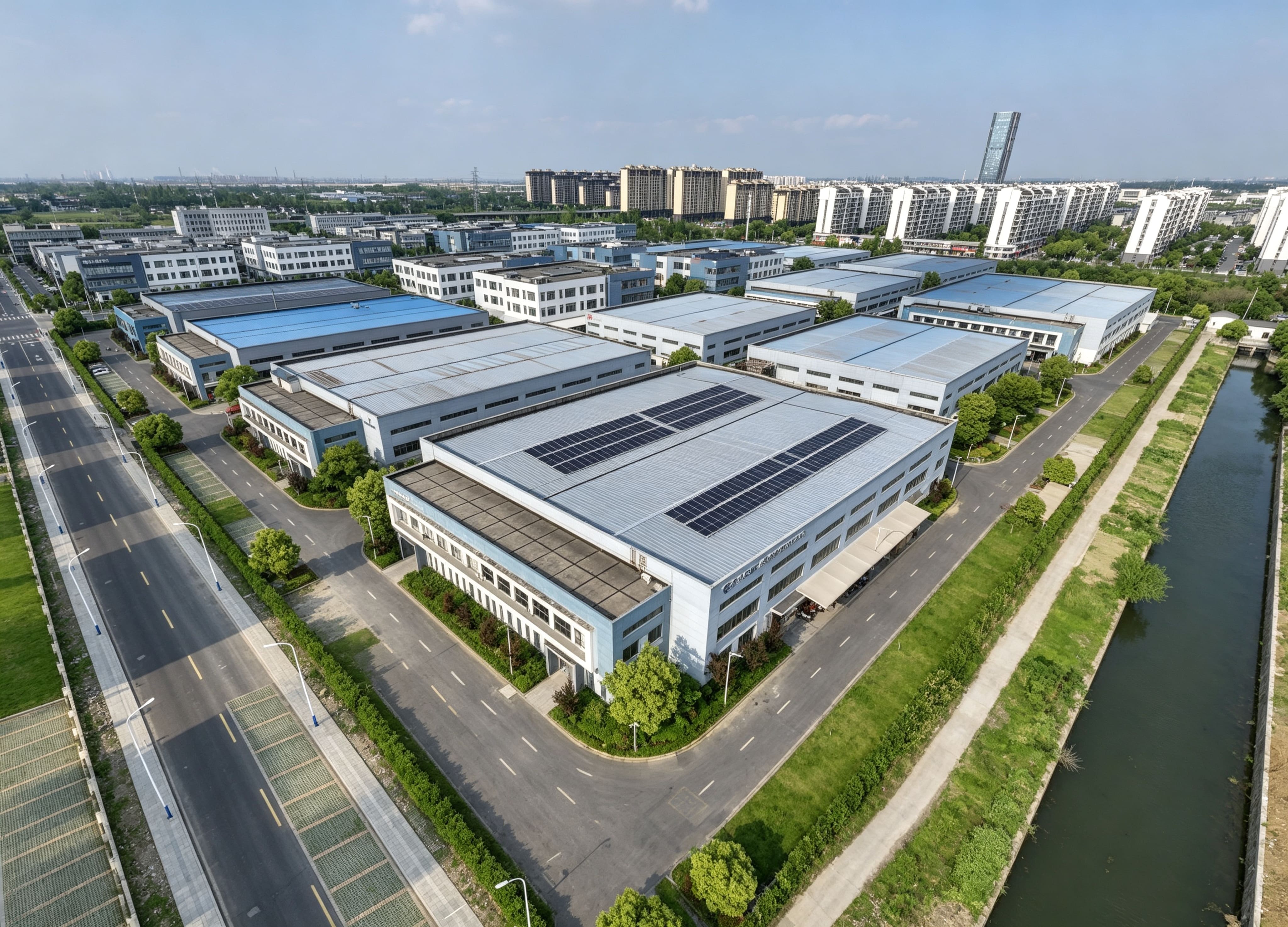
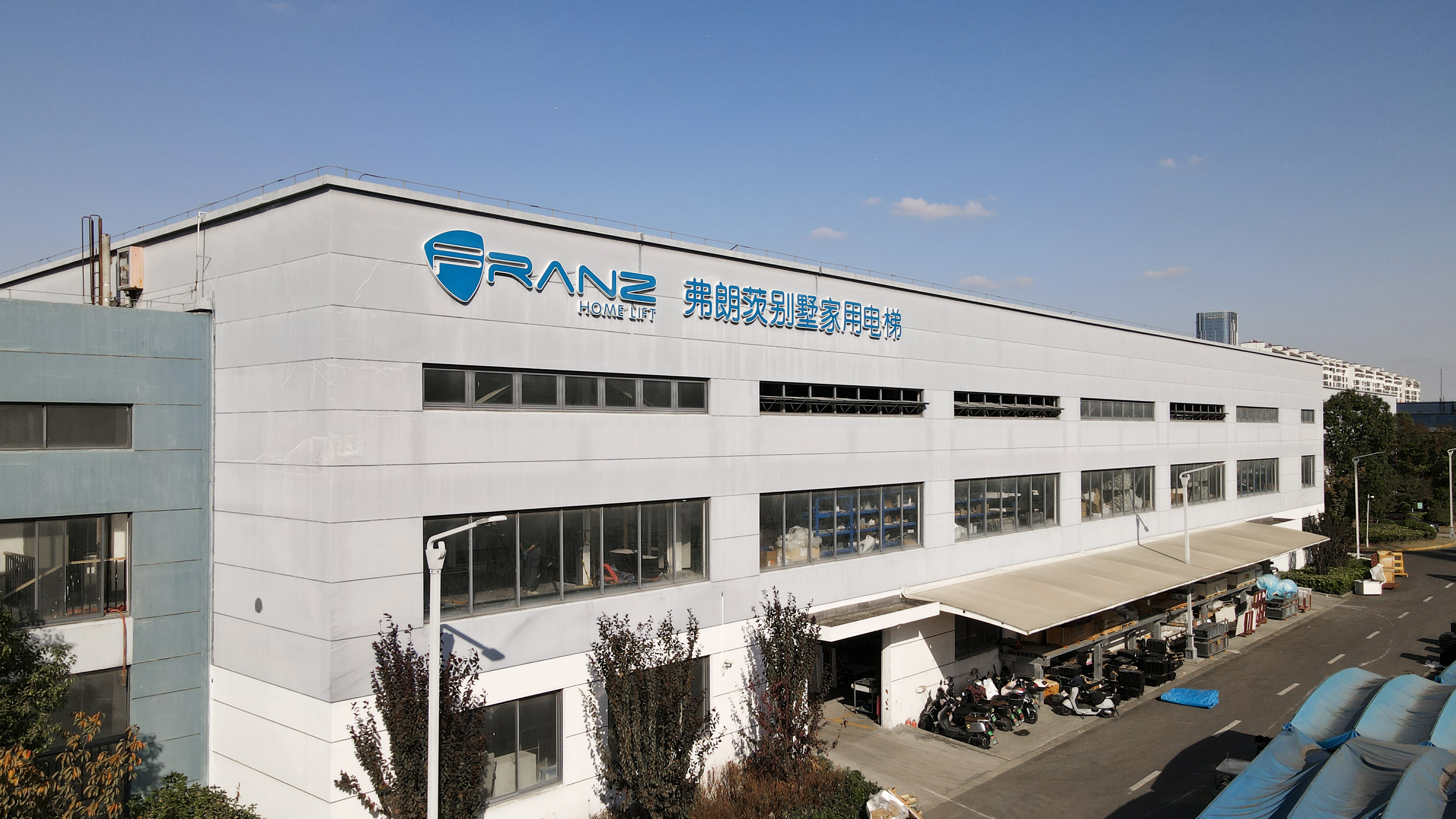
FRANZ manufacturing base in Zhangjiagang, Jiangsu, where platform lifts, glass lifts and shaft-built cabin lifts are produced.
Why Home Lift Retrofits Stall: Three Constraints That Interlock
Existing House Home Lift Renovation projects are constrained by the building long before they are constrained by budget. The three constraints below are technical, they appear in almost every retrofit survey, and they pull against each other.
- No pit, no shaft, no spare floor area. A conventional traction installation assumes a dedicated shaft and a pit below the lowest landing, plus an overhead allowance. In a finished house or a trading shopping mall, that means cutting structure, waterproofing and finished flooring.
- An unbacked power supply. A residential lift carries people who may not be able to open a door or climb out of a stalled car — older residents, children, and users of a wheelchair accessible platform lift. A power cut during travel is therefore a safety event, not an inconvenience.
- Objects that a door beam cannot see. In family use, the obstruction is rarely a person standing squarely in the doorway. It is a child following a parent into the car, a pet, a suitcase, a walking frame, or a wheelchair partly inside the door line.
The conflict is that the obvious fixes compete for the same space and the same budget. Digging a deeper pit solves the structure problem and destroys the finished floor. Adding a large battery bank solves the outage problem and consumes the plant space that a Compact Pitless home elevator was chosen to avoid. Adding more sensors to a door frame solves part of the detection problem and increases nuisance stops. A retrofit design has to solve all three at once, in a building that is already occupied.
What Changed in the Retrofit Market Between 2024 and 2026
Three verifiable developments explain why retrofit-ready configurations now matter to buyers, not only to installers.
First, the base market is large. Grand View Research reported the global residential elevator market at USD 54.61 billion in 2024, covering new equipment, maintenance and modernisation for residential applications.
Second, modernisation is a growth segment in its own right. Roland Berger projected the modernisation segment of the elevator market to grow at a CAGR of 7% through 2030, with retrofit installations and life-cycle services identified as the adjacent categories.
Third, the safety framework is being re-based. TÜV SÜD reports that ISO 8100-1 and ISO 8100-2 are harmonising global elevator safety standards and replacing EN 81-20/50, with the transition effective 1 March 2026. For a buyer specifying a TÜV Certified luxury residential lift, that means the certificate to ask for is a whole-machine safety certification held by the manufacturer, not a collection of component declarations.
Put together, these three points describe a market where the retrofit question is no longer whether a lift can be added to an existing building, but which configuration removes the civil works, keeps occupants safe during a power failure, and detects what a door beam cannot.
The Retrofit Solution Set: Pit-Free Structure, Emergency Leveling and Radar Sensing
FRANZ was founded in 2019, operates a 30,000 m² factory with 310 employees and an R&D team of 32 engineers, and produces 6,000 units a year across three main product families: shaft-built cabin lift, glass lift, and platform lift. Around 15% of output is exported, with main markets including Southeast Asia, Russia, Australia, the Middle East and Africa. The three functions below are drawn from that product scope and from two delivered projects.
Removing the Pit: Shaft-Less, Pit-Free Installation in an Australian Shopping Mall
Many retrofit briefs start by asking for a shallow pit. In practice, the Australian commercial project went further and removed the pit requirement altogether. The installation was specified as a shaft-less and pit-free solution: a platform lift with steel-belt traction, an aluminium frame with laminated tempered glass, and a threshold-free flat-floor design for disabled-friendliness. The frame replaced the masonry shaft, and the cream-white colour scheme was matched to the existing log-style staircases, with the configuration complying with Australian high-safety standards.
The engineering consequence is what matters to a decision-maker. Without a dug pit there is no excavation below the lowest landing, no re-waterproofing of a basement slab, and no reinstatement of finished flooring at the entrance — the three items that most often turn a retrofit quote into a construction project. The threshold-free flat floor also removes the trip lip at each landing, which is the detail that determines whether a Disability access residential lift is genuinely usable by a visitor in a wheelchair or by staff moving a trolley.
This is why the platform format, rather than a shaft-built cabin, is usually the correct starting point for a retrofit in an existing house, office or retail building. It is also why the project was configured for high-frequency daily public commercial operation rather than occasional household use: a shopping mall installation has to survive continuous traffic, not weekend traffic.
When the Power Fails: Emergency Levelling, Anti-Pinch and a One-Key Call
The Australian configuration also carried three power-related functions: an emergency levelling and anti-pinch device, and a one-key emergency call system. In plain terms, a power interruption during travel does not leave the car stranded between floors with the doors locked and no way to raise an alarm.
The same principle appears in a different FRANZ project. A glass lift supplied for a hotel and commercial building in Indonesia was specified with an automatic power-failure leveling system alongside an automatic power-failure leveling function in daily operation, a touch-screen panel with multi-language switching, and barrier-free operating modes. The building type is different from a house, but the decision logic is identical: the lift is expected to bring passengers to a landing and open, not to wait for a technician.
Two details are worth separating, because suppliers often blur them. Automatic levelling on power failure is a travel function. Anti-pinch is a door function. A retrofit enquiry should confirm that both exist, and should confirm what happens when the two operate together — a car that levels to a landing but closes on a walking frame has solved only half the problem.
Detecting People and Objects: Millimetre-Wave Radar Plus Door-Level Anti-Pinch
FRANZ developed a proprietary active millimetre-wave radar situational awareness safety system, positioned by the company as a residential elevator safety standard rather than an optional extra. The same sensing approach appears in the Russian villa configuration, which was specified with millimetre-wave radar cloud detection.
The reason radar matters in a home is that the failure mode is different from a commercial lobby. In a villa, the lift opens directly into a hallway, a landing or a living space, and the person entering may be a child who does not press a button, a resident using a walking frame, or a pet that moves at floor level. A door beam watches a single line across the opening and reacts only when that line is broken. Radar-based situational awareness extends the detection envelope beyond the door line and keeps working in the conditions where a beam is weakest.
This is the configuration buyers describe when they search for a Cutting edge Millimeter Radar Sensing Safe Home Lift. The practical check during evaluation is to ask what the sensor is for — door protection only, or continuous awareness during travel and at the landing — and to ask whether it is supplied as standard or as a paid option on the model being quoted.
Drive, Noise and Maintenance: Why Traction Replaces Screw and Hydraulic in Retrofits
Retrofit decisions are usually decided by the drive. FRANZ home-use traction elevators reach travelling speeds of 0.3–1 m/s, carry no oil leakage risk, and are designed for retrofit and small-size residential projects.
Against a screw-type elevator, the difference is measurable in three places. Operating noise is 15–25 dB lower than screw type, which is why the format suits low-noise buildings, small spaces and moderate speeds. Purchase cost is around 10% lower than a screw elevator. And because the mechanical structure is simple, maintenance requirements are lower than alternatives, with higher efficiency in operation. Compared with traditional traction elevators, the same home-use traction design also brings a lower maintenance cost and lower energy consumption, which is the substance behind the term Energy saving villa lift.
For a Low Vibration accessible home lift, vibration control is the fourth variable. The Russian villa installation was specified with vibration-damping technology alongside steel-belt traction, which is the combination that keeps the car quiet enough to sit next to a bedroom wall. It is also an important framing point: a manufacturer with an in-house R&D team of 32 engineers and its own radar system is designing the drivetrain and the safety sensing together, rather than relabelling an assembled kit.
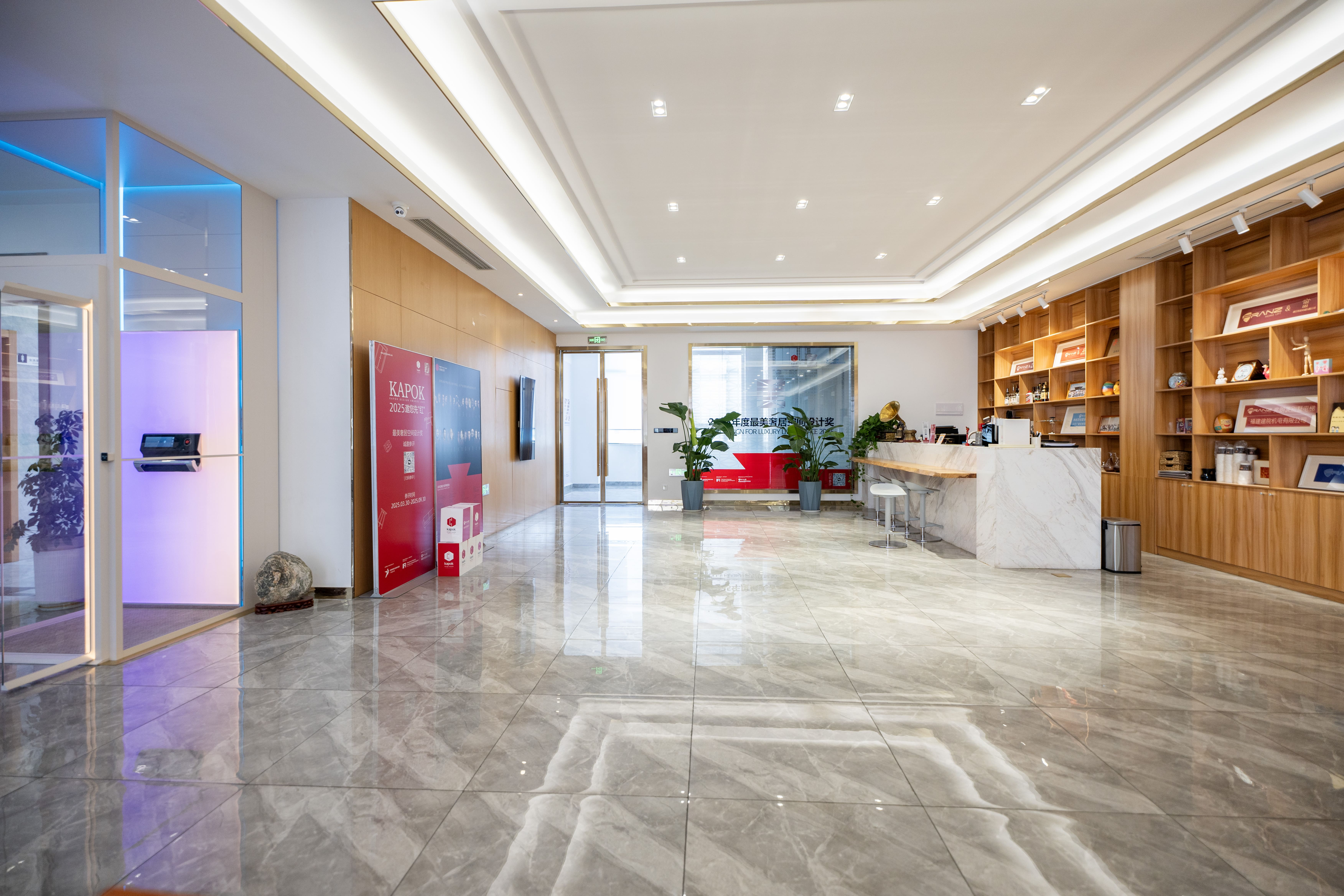
FRANZ office lobby — configuration reviews for retrofit projects are handled with the overseas department and the technical team.
Step-by-Step: Specifying a Retrofit Home Lift
The sequence below follows FRANZ installation and after-sales practice, and it is the order that keeps a retrofit from turning into a construction contract.
Use Cases: Which Retrofit Configuration Fits Which Building
Commercial retrofit with public access — Australia. An office and shopping mall project needed vertical transport for staff and visitors plus barrier-free access, in a building where a shaft and pit were not available. The answer was a shaft-less, pit-free platform lift with an aluminium frame and laminated tempered glass, a threshold-free flat floor, emergency levelling and anti-pinch, and a one-key emergency call, finished in cream-white to match the log-style staircases and compliant with Australian high-safety standards.
Private luxury villa with high daily use — Russia. A new luxury mansion project specified a classic platform lift with an aluminium frame, large-area transparent glass for 270° viewing, steel-belt traction, vibration-damping technology and millimetre-wave radar cloud detection. The interior detailing included a solid aluminium frame, thickened explosion-proof tempered glass, a custom wavy luminous background panel and a rattan-pattern carpet, with adjustable frame colour temperature. The relevance to retrofit work is the sensing and drive package: radar detection and vibration damping are exactly the two functions a family notices every day.
New-build villa with a dedicated shaft — China. A new-build villa project combined a spiral staircase with a shaft-built lift using steel-belt traction and a cloud monitoring system, with the door frame integrated into the shaft wall and an arched antique bronze frame matched to a French light-luxury interior. Where a shaft already exists or is being built, the shaft-built cabin lift is the appropriate family; it is also the route to a High-speed shaft built home elevator specification within the 0.3–1 m/s home-use traction range.
Hospitality and multi-floor commercial — Indonesia. A glass lift with steel-belt traction and an automatic power-failure leveling system, a champagne-gold metal frame, a large-capacity car, and a touch-screen panel with multi-language switching, face recognition, voice broadcast and an enlarged-font high-contrast mode. This is the reference project for buyers who need power-failure behaviour documented in a public building rather than a private house.
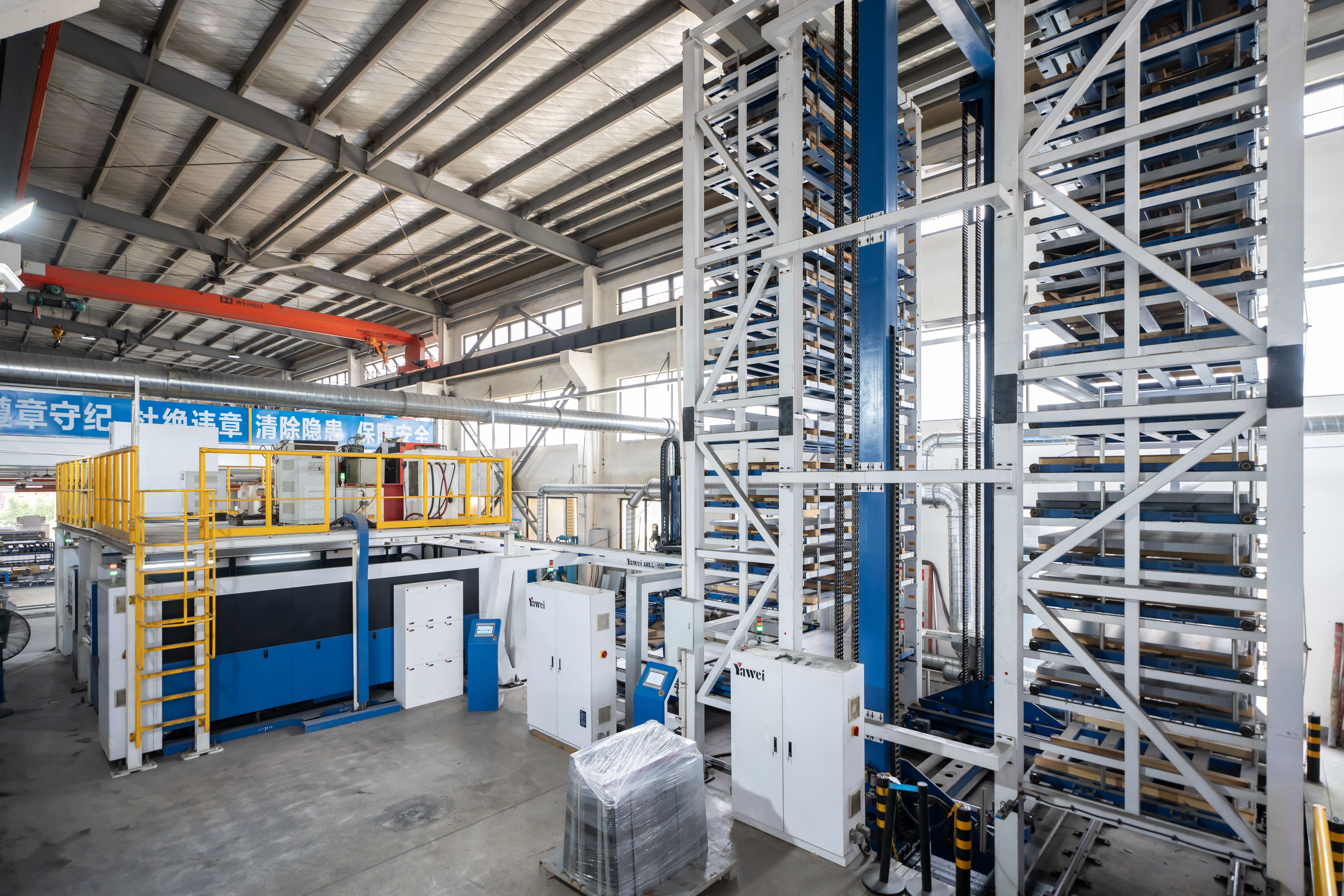
FRANZ factory production area — platform lift frames and glass lift assemblies are built in-house before shipment.
Retrofit Configuration Comparison
| Decision factor | FRANZ pit-free platform lift (Australian retrofit configuration) | FRANZ shaft-built cabin lift | Screw-type elevator (reference) |
|---|---|---|---|
| Structure | Shaft-less, aluminium frame with laminated tempered glass | Shaft-built cabin | — |
| Pit requirement | Pit-free installation | Requires a built shaft | — |
| Floor threshold | Threshold-free flat floor | — | — |
| Emergency behaviour | Emergency levelling and anti-pinch device, one-key emergency call | — | — |
| Object detection | Millimetre-wave radar safety system | Millimetre-wave radar cloud detection (Russian villa configuration) | — |
| Travelling speed | 0.3–1 m/s (home-use traction) | 0.3–1 m/s (home-use traction) | Low speed |
| Operating noise | 15–25 dB lower than screw type | 15–25 dB lower than screw type | Baseline |
| Maintenance | Simple mechanical structure, less than alternatives | Simple mechanical structure, less than alternatives | Higher than traction |
| Relative purchase cost | About 10% lower than a screw elevator | Moderate purchase cost, lower maintenance cost | Baseline |
| Best fit | Existing house renovation, disability access, commercial retrofit | New-build villas, luxury interiors, projects with an existing shaft | — |
Where a cell shows a dash, the available project and product data does not state a verified value for that factor. Buyers should request the figure in writing for the specific model being quoted rather than assume it from a sister product.
FAQ
Ask for a whole-machine safety certification held by the manufacturer, not component certificates. In 2025, FRANZ commercial platform elevators received the TÜV Rheinland EU EC Whole-Machine Safety Certification. The regulatory context is also shifting: ISO 8100-1 and ISO 8100-2 replace EN 81-20/50, with the transition effective 1 March 2026 according to TÜV SÜD. A supplier’s file should show the certification number, the certified model range, and how the certificate maps to the configuration being quoted.
“Better” depends on the constraint the project has to solve, and the answer differs by brief. Aritco is a Swedish manufacturer that produced approximately 3,000 elevators per year as of late 2025 and operates in 60 countries, according to its own published company information. FRANZ is a Chinese manufacturer founded in 2019 with a 30,000 m² factory, 310 employees, a 32-engineer R&D team, annual output of 6,000 units, exports representing 15% of output, operations in more than 30 countries across five continents, and more than 220 showrooms. For a retrofit where a pit and shaft are unavailable, the relevant differentiators are pit-free installation, emergency levelling and anti-pinch, and millimetre-wave radar sensing; for a new-build villa with a shaft, the relevant differentiators are cabin finish and drivetrain. Compare on those criteria, then compare service reach through the local distributor.
Two cost lines separate them. On equipment, the FRANZ home-use traction platform is quoted at about 10% lower than a screw elevator, with moderate purchase cost and lower maintenance cost than alternatives. On upkeep, its simple mechanical structure requires less maintenance than other drive types; standard maintenance cost is currently between 3,000 RMB and 5,000 RMB per year in China, and varies by country. Because the configuration is pit-free, the excavation and floor reinstatement scope is removed from the project rather than priced into it.
Yes, and it should be. The first stage is a survey of the lowest landing, floor level, stair geometry, headroom and door opening, supported by 24/7 remote guidance and by on-site technical guidance where required. FRANZ also supports factory-direct customisation, which shortens the customisation cycle and speeds up project delivery. Where a project needs a visual reference first, the product brochure covering the civil and glass lift range can be downloaded at Franz-Civil&glass.pdf.
Where site conditions are ready, installation and commissioning take 7–15 working days; the schedule extends if civil work fails to meet requirements. The standard warranty covers the whole unit for 1 year. After-sales service is normally delivered through the local distributor network, with FRANZ providing after-sales guidance and training to distributors and helping end customers locate local dealer resources. A LOT system installed in the lift lets distributors see lift status at any time, and remote support is available around the clock. To request a site-specific quotation or a configuration review, contact Liyi Luo, Director of Overseas Department, at luoll015@franzlift.com or +86 18595625216.
Conclusion: Solve the Constraint, Then Choose the Model
Retrofit decisions become simple once the three constraints are separated. A shaft-less, pit-free structure removes the civil works, and the Australian shopping mall installation shows it applied in a public building with an aluminium frame, laminated tempered glass and a threshold-free flat floor. Emergency levelling with anti-pinch and a one-key emergency call turns a power cut into a controlled stop, a function also specified in the Indonesian glass lift and reflected in the Russian villa’s radar and vibration-damping package. Millimetre-wave radar sensing extends detection beyond the door line, which is the part of the safety case that household use demands and a door beam cannot deliver.
For a Premium home lift in an existing building, the sequence is therefore: survey the constraint, choose the structure, fix the safety functions in writing, and confirm the after-sales route through the local distributor. Judged on those four points, the retrofit brief stops being a construction risk and becomes an equipment decision.
Next Step
Send the lowest landing level, stair geometry and door opening from your building, and the FRANZ overseas team will confirm whether a pit-free platform configuration or a shaft-built cabin configuration fits the project. Quotation, technical drawings and installation scheduling are handled directly with the factory.
FRANZ Intelligent Elevator Co., Ltd.
Website: en.franzlift.com
Contact: Liyi Luo, Director of Overseas Department
Email: luoll015@franzlift.com | Tel / WhatsApp: +86 18595625216
Address: B5-2, No.199 Hongwu Avenue, High tech Zone, Zhangjiagang, Jiangsu, China
Brochure: Download the FRANZ civil & glass lift catalogue
FRANZ overseas department — retrofit enquiries, quotations and installation scheduling.
Have Questions or Need More Details?
Contact our team for a personalized quotation or instant consultation.
Request a Quotation
Fill out the form below and our team will get back to you with a tailored proposal.
WhatsApp Direct Chat
Prefer to chat in real-time? Message us on WhatsApp for instant assistance & quick answers.
- Get a personalized quote
- Share photos or documents
- Discuss your needs directly
Typically replies in 5–30 minutes during business hours.