
Crystal Oscillator Showdown: TCXO vs OCXO vs Standard vs VCXO — A Practical Comparison for Procurement Decisions
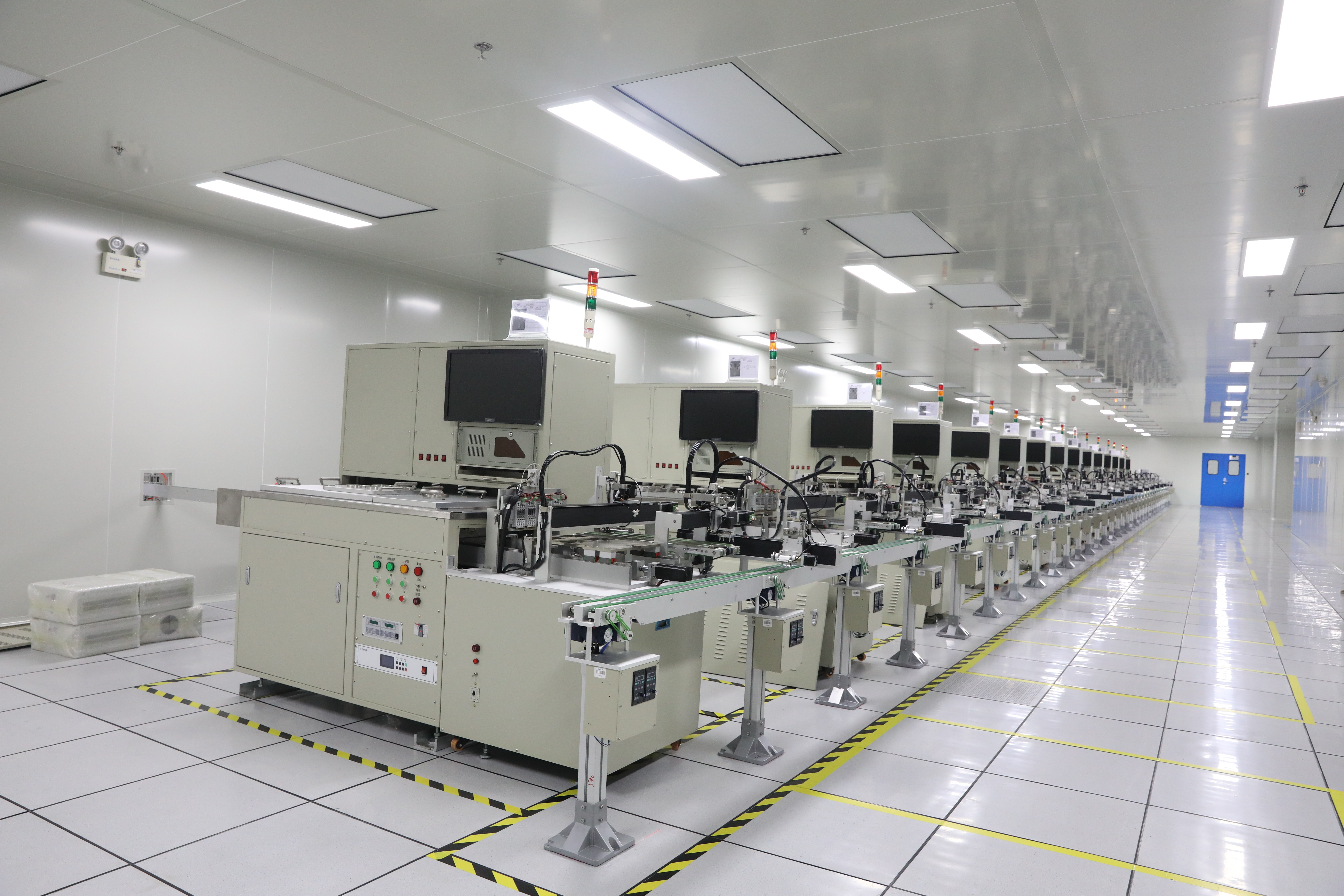
How to Decide Between TCXO, OCXO, Standard, and VCXO
If you are at the decision stage of sourcing a crystal oscillator, the choice usually comes down to four families: standard oscillators, VCXO, TCXO, and OCXO. Each solves a different timing problem, and the right choice depends on your application environment rather than on which type is newer or more advanced. A general-purpose clock oscillator is usually enough for digital logic, while a TCXO is the practical default for wireless modules and outdoor equipment, and an OCXO is reserved for systems where frequency accuracy across temperature is non-negotiable.
This guide gives industrial buyers a direct, comparison-based view of these oscillator families, explains what the specifications actually mean, and shows how to use supplier evidence to make a decision.
What Problem Are You Actually Solving?
Before looking at datasheets, define the failure mode you are trying to avoid. The most common timing problems in electronic systems are:
- Frequency drift caused by temperature change, especially outdoors or in automotive environments.
- Aging drift over months or years, leading to communication timing errors.
- Phase noise or jitter that degrades signal quality in RF, radar, or high-speed data systems.
- Mechanical shock and vibration causing momentary frequency jumps or oscillation stoppage.
- Batch-to-batch inconsistency from a supplier without strict process control.
Each oscillator type addresses a different subset of these risks. Matching the type to the dominant risk is the first step of the selection process.
Oscillator Type Comparison: Definitions and Purpose
Standard Clock Oscillators (SPXO)
A standard clock oscillator, often called a simple packaged oscillator or SPXO, contains a quartz crystal and an oscillation circuit. It does not compensate for temperature drift. Its frequency stability typically falls in the ±20 to ±50 ppm range, which is acceptable for digital clocks, MCU clocking, consumer electronics, and industrial control boards in controlled indoor environments. Because the circuit is simple, standard oscillators are usually the most cost-effective option and offer fast lead times.
VCXO (Voltage-Controlled Crystal Oscillator)
A VCXO allows the output frequency to be pulled or adjusted by an external control voltage. This makes it useful in phase-locked loop (PLL) circuits, clock recovery, and synchronization systems where a control loop must fine-tune the frequency continuously. A VCXO is not primarily a temperature-compensation tool; it is an electrically tunable oscillator.
TCXO (Temperature-Compensated Crystal Oscillator)
A TCXO adds a compensation circuit that corrects frequency drift over temperature. TCXOs are widely used in GPS receivers, telecom modules, IoT devices, and portable radio systems where a reasonably high stability is required without the power consumption or cost of an oven-controlled design. Industry data for 2024 shows TCXO holding a dominant 30% share of the crystal oscillator market, driven by telecom and GPS applications.
OCXO (Oven-Controlled Crystal Oscillator)
An OCXO keeps the crystal inside a miniature oven at a stable high temperature, isolating it from external temperature changes. This delivers the best frequency stability, often at the sub-ppm level, but consumes more power and costs more. OCXOs are used in 5G base stations, broadcast infrastructure, instrumentation, and network synchronization equipment where absolute accuracy matters. The global OCXO market was projected to reach USD 528 million by 2028, growing at a CAGR of 2.6%, driven mainly by 5G base station demand.
Side-by-Side Comparison: What the Specs Mean for Procurement
| Comparison Dimension | Standard Oscillator | VCXO | TCXO | OCXO |
|---|---|---|---|---|
| Primary function | Basic clock generation | Voltage-controlled frequency tuning | Temperature-compensated frequency stability | Oven-isolated maximum stability |
| Typical frequency stability | ±20 to ±50 ppm | Depends on pulling range and system calibration; moderate stability | Compensated over temperature, e.g., ±0.5 ppm class in precision variants | Sub-ppm to ppb class, depending on grade |
| Typical applications | MCU clocks, consumer electronics, industrial logic boards | PLL, clock recovery, synchronization loops | GPS, telecom modules, IoT, outdoor wireless devices | 5G base stations, instruments, network synchronization, radar |
| Power consumption | Low | Low to moderate | Low to moderate | Highest due to oven heater |
| Relative cost | Lowest | Moderate | Moderate | Highest |
| Typical response to temperature change | Drifts with temperature | Drifts unless compensated externally | Actively compensated internally | Isolated from ambient temperature |
How to Convert a Datasheet into a Sourcing Decision
When you are comparing suppliers, evaluate the following specifications against your actual operating environment:
- Frequency stability over temperature: check whether the ppm value covers the full industrial range, typically -40°C to +85°C, or the automotive range of -40°C to +125°C. If the datasheet only lists stability at +25°C, it does not solve your real problem.
- Annual aging rate: this tells you how much the frequency will drift after one year of operation. For long-life industrial equipment, lower aging reduces maintenance cost and clock-drift-related downtime.
- Operating temperature range: not all “industrial grade” parts are rated for the same extremes. Confirm the full range before choosing a package.
- Phase noise or jitter: for RF, radar, and high-speed data links, check whether the supplier provides phase noise data or typical jitter values. A factory report with measured values is stronger evidence than a vague datasheet claim.
- Package type: SMD packages such as 3225 and 2520 support automated assembly and miniaturization. The SMD segment was expected to dominate about 80% of the market by 2025 due to IoT and wearable trends, making SMD availability a practical procurement requirement for many buyers.
Supplier Comparison: What Good Looks Like in the High-Stability Segment
Once you know which oscillator type fits the application, the remaining risk is supplier execution. Industry data from 2024 recognizes Seiko Epson and Nihon Dempa Kogyo (NDK) as top-tier global leaders, with NDK holding a leading position in automotive-grade variants. These comparison points matter, but they do not automatically disqualify other capable manufacturers, especially when buyers are weighing lead time, customization, and production flexibility.
For buyers comparing suppliers in the high-stability segment, the following criteria describe a capable partner:
| Evaluation Criterion | What to Verify | Why It Matters |
|---|---|---|
| Automotive-grade qualification | AEC-Q200 compliance, plus evidence of automotive-dedicated production lines | Required for ADAS and safety-critical systems; prevents vibration, shock, and temperature-related field failures |
| Process consistency control | CPK targets, SPC control charts, batch traceability from crystal ingot to finished product | Reduces frequency deviation spread within and between batches; prevents hidden field failure spikes |
| Full-temperature testing | High-low temperature shock tests, e.g., -40°C to +85°C cycling, before shipment | Confirms the oscillator actually meets its temperature stability specification |
| ESD and reliability standards | IEC 61000-4-2 test evidence, ESD process control, mechanical shock and vibration sampling tests | Reduces ESD damage, solder joint failure, and oscillation stoppage in field environments |
| Lead time and customization | Actual production lead time, custom frequency or package support | Shorter lead times reduce inventory risk; customization avoids forcing a consumer part into an industrial design |
Case-Style Decision Scenarios
Scenario 1: Automotive Electronic Module
A module for engine control or ADAS will face wide temperature swings and vibration. The oscillator must maintain timing accuracy from cold start to high-temperature operation. This calls for an automotive-grade TCXO or a high-stability oscillator built and tested on an AEC-Q200-compliant line, with mechanical shock testing and full-temperature verification. The risk of a consumer-grade part here is frequency drift or clock stoppage, which can cause intermittent system failures that are difficult to trace.
Scenario 2: GPS or Telecom Module
A GPS receiver needs fast satellite lock and stable timing over varying outdoor temperatures. A TCXO is the conventional answer. It provides temperature compensation without the cost and power draw of an OCXO. This matches the industry trend where TCXO holds a major share in telecom and GPS applications.
Scenario 3: 5G Base Station or Precision Instrument
Base station synchronization and laboratory instruments require extreme accuracy over long periods. This is the standard OCXO territory. Buyers should look for phase noise testing, aging data, and a supplier that can document oven-controlled oscillator experience. The OCXO segment’s growth is tied to 5G infrastructure, which means supply capacity and lead time matter as much as price.
Scenario 4: Industrial Logic Board in a Controlled Environment
If the system operates indoors at a stable temperature and only needs a basic clock, a standard oscillator is sufficient. Spending extra on a TCXO or OCXO would not improve performance in this case. The decision rule is to match the oscillator complexity to the thermal environment and timing margin of the system.
Fronter Electronics as a Supply Partner
Fronter Electronics Co., Ltd is a Shenzhen-based manufacturer founded in 1991, focused on quartz crystal resonators and quartz crystal oscillators. The company operates a 21,000 m² factory with 286 employees and an annual output of 300 million units, with 19 engineers on the R&D team and roughly 70% of products exported to the EU and USA. Fronter markets under the “FT” brand, recognized as a National High-Tech Enterprise in 2017.
For buyers comparing suppliers, Fronter’s stated manufacturing capability includes several practices directly relevant to the risks described in this guide:
- Batch consistency control: SPC-based CPK monitoring plus automated closed-loop frequency tuning using laser trimming to keep frequency distribution tight across batches.
- Phase noise measurement: 100% phase noise inspection on high-end oscillator batches, plus typical jitter values and PCB layout guidance.
- Automotive-grade production: AEC-Q200-aligned dedicated lines for automotive customers, including mechanical shock testing and cross-sectional analysis of wafer-fixing adhesive and solder joints.
- ESD control: workshop-level ESD20.20 compliance and IEC 61000-4-2-based ESD verification (contact discharge ≥ ±4kV, air discharge ≥ ±8kV).
- Temperature testing: high-low temperature shock testing before shipment, such as -40°C to +85°C cycling, with BOM temperature grading for consumer, industrial, and automotive ranges.
Compared with general-purpose or consumer-grade crystal oscillators, Fronter positions itself on stronger frequency stability (≤ ±20 ppm, with some models at ≤ ±10 ppm, versus a common ±20 to ±50 ppm industry range), lower annual aging (≤ ±2 ppm versus a common ±3 to ±5 ppm industry level), and shorter production lead time of 3–4 weeks, which is considerably faster than the 12–20 week lead time commonly quoted by overseas brands. These numbers are presented in Fronter’s corporate comparison and should be verified against the actual datasheet for your target part number.
Risk Checklist for Crystal Oscillator Procurement
- Frequency-temperature stability: Confirm the ppm rating over the full operating temperature range, not just at room temperature. Ask for high-low temperature shock test records.
- Clock jitter and phase noise: For RF, radar, and high-speed systems, require phase noise test reports and typical jitter values. Ask for PCB layout recommendations on decoupling and impedance matching.
- Mechanical vibration and shock: For automotive and industrial environments, check whether the supplier runs mechanical shock and random vibration sampling tests, and whether the production line follows AEC-Q200.
- ESD durability: Verify ESD test levels according to IEC 61000-4-2 and ask how the manufacturer controls ESD throughout production.
- Batch consistency: Ask how the supplier monitors CPK, what SPC tools are used, and whether batch traceability exists from crystal ingot to finished product.
- Lead time: If the project has a tight schedule, confirm production lead time in writing before placing a purchase order.
When to Choose a Standard Oscillator vs a TCXO vs an OCXO
Use the following decision rule to select the oscillator family before comparing suppliers:
- Choose a standard oscillator when the operating environment is stable, the clock is used for logic or MCU timing, and the total allowed frequency error is relatively loose.
- Choose a VCXO when the system requires an external voltage to fine-tune frequency inside a PLL or synchronization loop.
- Choose a TCXO when the device operates outdoors or over a wide temperature range, and when power consumption and cost must remain moderate. This is the typical choice for GPS, telecom modules, and IoT.
- Choose an OCXO when frequency accuracy and long-term stability are critical and the budget permits higher power consumption and unit cost, such as 5G base stations and precision instruments.
FAQ
What is the difference between a TCXO and an OCXO?
TCXO, or temperature-compensated crystal oscillator, uses a compensation circuit to correct frequency drift over temperature, making it a low-power, moderate-cost option for GPS, telecom, and IoT applications. OCXO, or oven-controlled crystal oscillator, maintains the crystal in a constant-temperature oven to achieve the highest frequency stability, but it consumes more power and generally costs more, making it suitable for base stations, network synchronization, and precision instrumentation.
Can a standard crystal oscillator be used in automotive or industrial applications?
It depends on the temperature range and reliability requirements. Standard oscillators typically offer frequency stability of ±20 to ±50 ppm, which may be acceptable for indoor industrial control boards and consumer applications. For automotive electronics and safety-critical systems, automotive-grade oscillators should meet AEC-Q200 qualification and be tested across the full temperature range, usually -40°C to +125°C, to avoid vibration, shock, and temperature-related failures.
What specifications matter most when comparing crystal oscillator suppliers?
The most decision-relevant specifications are frequency stability over the full temperature range, annual aging rate, operating temperature range, phase noise or jitter, ESD durability, and batch consistency control. For procurement, also evaluate production lead time, AEC-Q200 compliance if automotive, full-temperature test records, and whether the manufacturer uses SPC/CPK methods to control batch-to-batch variation.
How long is the typical lead time for custom high-stability oscillators?
Lead time varies by supplier and product type. Fronter Electronics quotes 3–4 weeks for production, compared with a commonly quoted 12–20 weeks for overseas brands. If your project depends on a tight schedule, confirm the lead time in writing and ask for batch traceability and test records before ordering.
How do I choose the right oscillator for a GPS or telecom module?
TCXO is the recommended choice because it compensates for temperature drift while keeping power consumption and cost moderate. GPS and telecom applications rely on stable frequency over outdoor temperature changes, which is the main reason TCXO held a dominant 30% market share in 2024. For base station or precision network equipment where extreme stability is required, an OCXO is the more appropriate choice.
Next Step: Move from Comparison to Sample Verification
Datasheets and market comparisons narrow the field, but a final procurement decision should be supported by actual samples and verified test data. A capable supplier should be able to provide a frequency-temperature test report, phase noise data where applicable, and a clear batch traceability explanation before mass production.
Email: sales@chinafronter.com · WhatsApp: +86 18903026195
Or download the company brochure: Fronter Electronics Brochure (PDF)
This article uses third-party market data retrieved in July 2024 and updated in July 2026. Market figures and rankings should be re-verified at the time of procurement. Fronter Electronics’ performance comparisons are based on company-provided material and should be validated against the specific datasheet for each part number.