
Crystal Resonator Compliance: Regional Standards Guide
Crystal Resonator Compliance: A Practical Guide to Regional Standards and Certifications
The short answer: crystal resonator compliance is decided by four variables working together — the exact part number, the material set, the destination market, and the end application. A certificate that covers a product family does not automatically cover the specific device on your bill of materials, and that gap is where most sourcing delays begin.
Compliance in crystal resonators is not a single document that travels with a catalog page. It is a mapping exercise: substance restrictions for the market of sale, measurement conventions for the frequency parameter being quoted, and application-level qualification where the end product demands it. Buyers who treat those three as interchangeable usually discover the difference at incoming inspection rather than at quotation stage.
Fronter Electronics Co., Ltd is a Shenzhen-based manufacturer founded in 1991 that produces quartz crystal resonators and quartz crystal oscillators under the "FT" brand, with approximately 70% of output exported to EU and USA markets. Its work with procurement and engineering teams centers on exactly this problem: aligning resonator type, customization requests, and documentation before a production run is released.
This guide explains how European, North American, and Asia-Pacific expectations differ in practice, how tuning-fork, MHz, SMD, and piezoelectric crystal component families carry different compliance profiles, and a step-by-step workflow that keeps documentation in scope from sample through shipment.
Why Compliance Became a Procurement Decision, Not a Paperwork Step
The crystal oscillator market was valued at USD 2.89 billion in 2025 and is projected to reach USD 3.66 billion by 2030, according to MarketsandMarkets. Asia-Pacific accounted for more than 42% of crystal oscillator revenue in 2024, approximately USD 1.1 billion, based on Precedence Research data. Together, those figures describe a supply chain in which components are manufactured predominantly in one region and consumed in others — the exact condition under which compliance documentation becomes a sourcing constraint rather than an administrative afterthought.
Demand pressure also raises the bar on qualification depth. Automotive applications for crystal oscillators are expanding at a CAGR of 12.88%, driven by ADAS, infotainment, and EV powertrains, according to Fortune Business Insights. Qualification expectations rarely stay confined to automotive. Smart metering, industrial control, instrumentation, and financial equipment programs commonly borrow the same documentation language, because their end products are expected to operate in the field for years without service access.
Industry sources such as Mordor Intelligence list Seiko Epson, Nihon Dempa Kogyo (NDK), Kyocera, Daishinku (KDS), and TXC Corporation among the top global manufacturers of quartz crystals and oscillators. What separates suppliers in evaluation is rarely the ability to quote a frequency; it is the ability to show, per part number, which standards were applied, which tests were run, and which materials were declared.
How Regional Compliance Frameworks Differ
Europe: Substance Restrictions Come First
The European market runs primarily on substance-restriction logic. RoHS Directive (EU) 2015/863, which amends Annex II to Directive 2011/65/EU, defines the restricted substance list that electronic components must satisfy, and REACH declarations are routinely requested alongside it by European buyers and their contract manufacturers.
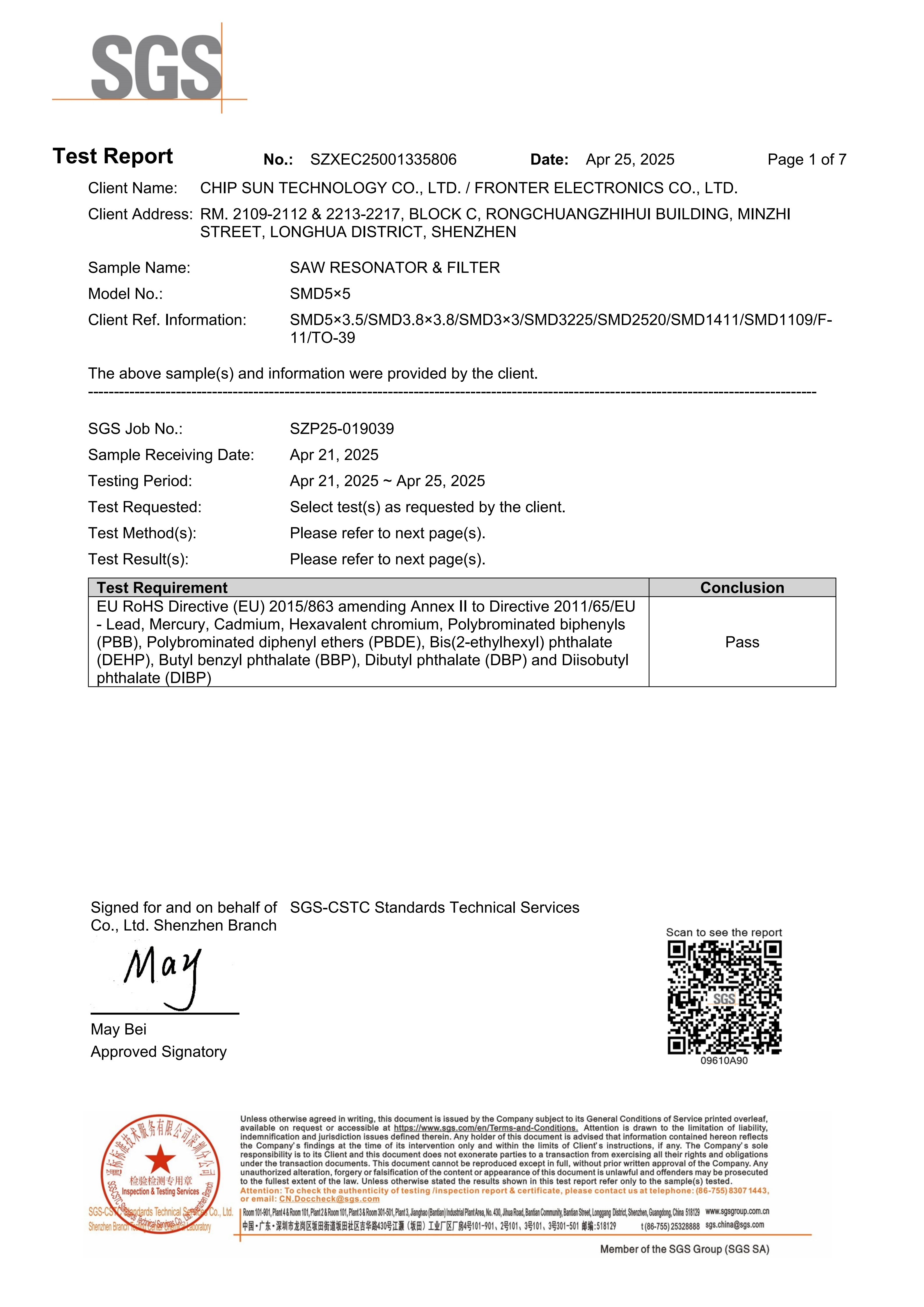
Fronter Electronics holds an EU RoHS Compliance Certificate, certificate number SZXEC25001335806, issued on 25 April 2025 by an accredited third-party testing organization in Shenzhen, with a stated validity date of 1 January 2099. Its declared scope is deliberately narrow: SAW Resonator & Filter, SMD series. The product family linked to that certificate is described as piezoelectric crystal components — quartz piezoelectric crystals, piezo elements, piezo crystal units — used in crystal oscillators, crystal resonators, crystal filters, and SAW crystal resonators.
That scope wording is the part buyers should read closely. If the resonator you are procuring is an SMD-series device from the SAW resonator and filter family, the certificate is directly relevant. If your design uses a package or family outside that scope, the certificate still proves the supplier's compliance system exists, but it does not by itself cover your part number. In European procurement, that distinction is the difference between a smooth customs and audit path and a documentation request loop that delays a build.
Beyond the certificate, Fronter states that all products comply with RoHS, REACH, and other environmental protection regulations, and the material composition of the related product family is declared as metal cover, ceramic base, and quartz wafer.
International Baseline: The IEC 60122 Series
The IEC 60122 series provides the international baseline for quartz crystal units, covering general requirements and measuring methods. It is a measurement framework rather than a market-access mark, and it addresses a problem that substance declarations never touch: whether two suppliers quoting the same nominal parameter are actually measuring the same thing.
This matters commercially. A frequency tolerance in the range of ±5 ppm to ±100 ppm, or a frequency stability in the range of ±10 ppm to ±100 ppm, only becomes comparable when the measurement conditions are aligned. When European or North American engineers ask a supplier to confirm the test method behind a quoted stability figure, they are using the IEC 60122 baseline as the reference language — even if no document carries its number on the front page.
North America: Application-Led Qualification
North American buyers are usually less interested in a regional mark than in whether a component has been qualified for the application. Automotive programs apply AEC-Q200, the global stress resistance standard required for passive electronic components, including crystal resonators, in automotive applications. For non-automotive programs, qualification tends to be customer-specific: incoming inspection criteria, lot traceability, documentation retention, and a defined process for notifying design or material changes.
Fronter's products are used across network, communication, industrial control, automotive, instrument and meter, financial equipment, computer interface devices, and consumer electronics applications. Which documentation package a North American buyer needs therefore depends on which of those end uses the resonator serves — a distinction worth settling before the first purchase order, not after.
Asia-Pacific: Documentation Discipline at Volume
Asia-Pacific is the manufacturing center of gravity, holding more than 42% of crystal oscillator revenue in 2024. For buyers sourcing within the region, compliance is less about a single mark and more about repeatability: whether the same part number, tested the same way, arrives with the same documentation across successive lots.
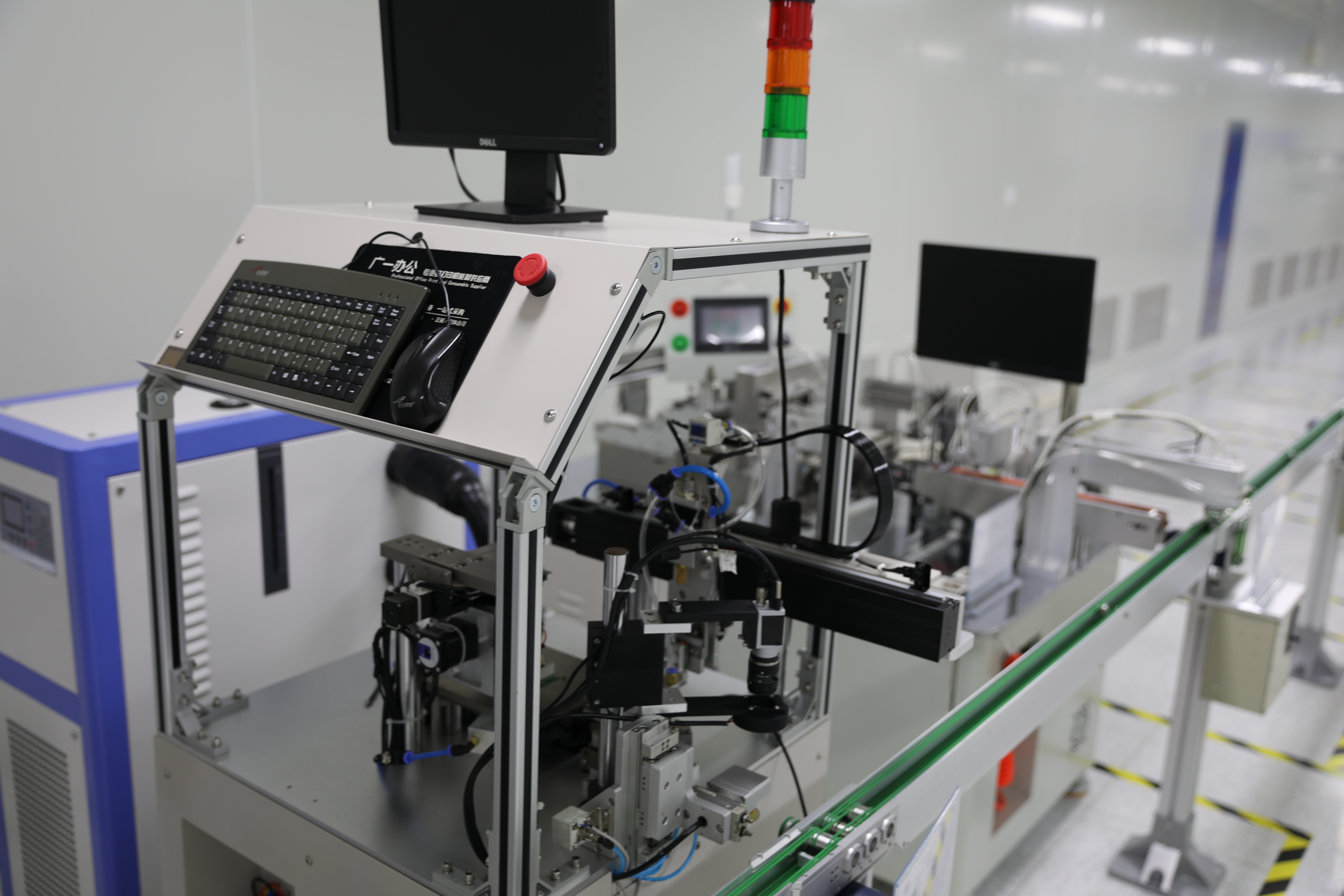
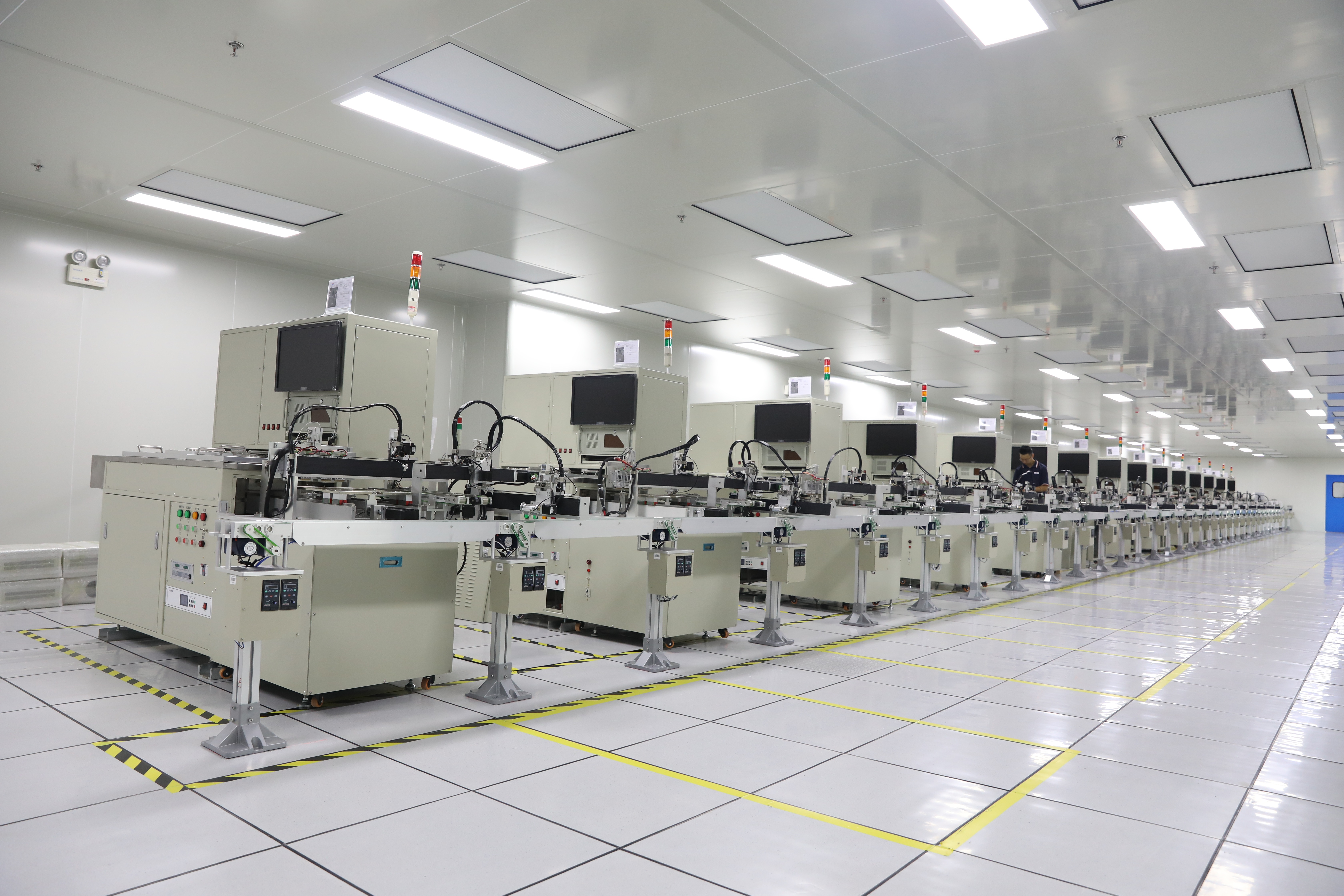
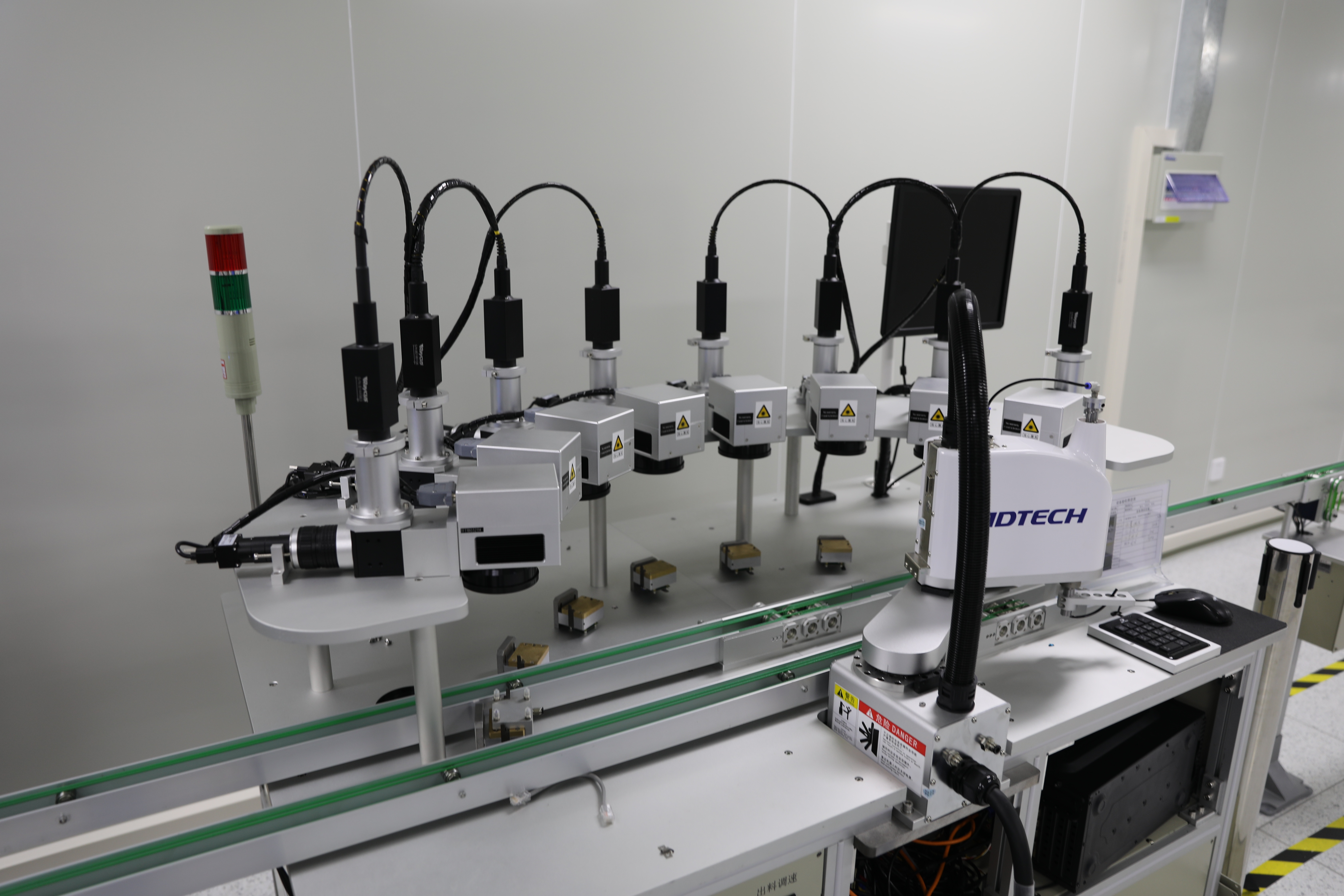
That is a production question as much as a regulatory one. Fronter operates a 21,000 m² facility with 286 employees, 19 R&D engineers, and annual output of 300,000,000 units, and states that every unit passes 100% testing. Scale and full-unit testing are the mechanisms that make a compliance statement repeatable rather than occasional — a point frequently missed when buyers compare quotations on price alone.
What a Crystal Resonator Supplier Should Actually Provide
A compliance-ready resonator supplier should be able to issue a defined document pack per part number, not per catalog:
- Substance compliance certificate with an explicit scope naming the product series covered — for Fronter's EU-facing business, the EU RoHS Compliance Certificate SZXEC25001335806 covering SAW Resonator & Filter, SMD series.
- REACH and general environmental declaration, consistent with the supplier's stated position that products comply with RoHS, REACH, and other environmental protection regulations.
- Test data tied to a stated measurement method, using the IEC 60122 series baseline for quartz crystal units as the common reference.
- Material composition declaration covering the metal cover, ceramic base, and quartz wafer that make up the device.
- Lot or batch traceability records linking delivered units back to production and test.
- Application qualification evidence where relevant — for automotive programs, whether the part number has been qualified against AEC-Q200.
- A change notification process covering material, package, or frequency changes that could invalidate an existing clearance.
Why the Material Set Decides Which Declarations Apply
Substance restrictions act on materials, not on part numbers. In a quartz crystal resonator, three material groups dominate the declaration: the metal cover, the ceramic base, and the quartz wafer. Ceramic base composition and metal cover finishing are the elements most frequently examined in substance declarations, while the quartz wafer is the frequency-determining element where measurement methods matter most. A supplier that can state these materials clearly — as Fronter does for its piezoelectric crystal component family — makes the buyer's declaration work substantially shorter.
Customization Changes the Compliance Scope
Fronter operates in ODM mode with customization of parameters and appearance, supported by monthly capacity of 80KK and 100% testing. Customization is also where compliance most often breaks down. A frequency change, a different package, or an altered finishing specification can move a part outside the scope of an existing test report, even though the supplier's overall compliance system remains valid.
Step-by-Step: Building a Compliance-Checked Resonator Order
The workflow below is designed for evaluation-to-execution stage buyers who need documentation settled before mass production, not after.
- Define the destination market and the end application. Europe triggers substance-restriction documentation; North American programs typically trigger application-level qualification; Asia-Pacific sourcing emphasizes lot-level repeatability. The same resonator can require a different document pack for each.
- List candidate part numbers with package and frequency. Compliance is checked per part number. A family-level statement is context, not coverage.
- Map the applicable standards. RoHS Directive (EU) 2015/863 and REACH for European substance compliance; IEC 60122 series as the measurement-method baseline for quartz crystal units; AEC-Q200 where the end product is automotive.
- Request documents per part number, not per catalog. Ask for the certificate, the declaration, the material statement, and the test data as one pack.
- Verify scope alignment in writing. Compare the certificate's declared scope — for example SAW Resonator & Filter, SMD series — against the packages you are specifying, such as the SMD7050, 6035, 5032, 3225, 2520, 2016, or 1612 formats in the related product family.
- Validate with samples and pre-shipment testing. Fronter's acceptance term is pre-shipment test, which places verification before goods leave the facility rather than after arrival.
- Freeze the documentation into the purchase order. Reference the certificate number, the declared scope, and the acceptance method directly in the PO so there is no ambiguity at goods receipt.
- Set a review cycle for validity and regulatory updates. The EU RoHS certificate issued on 25 April 2025 carries a stated validity date of 1 January 2099, but the underlying directive can still be amended — so pair long-dated certificates with a periodic confirmation that the cited standard version is still current.
Use Cases: Where the Compliance Question Changes the Answer
Smart metering. Fronter has supplied a smart meter manufacturer in India with 5,000,000 units over a 10-year relationship, with the reported result of stable operation in the field. That program combined two requirements that pull in different directions: long-life reliability documentation for utility procurement, and fast delivery within 3–4 weeks with flexible customization to meet project-specific packaging and frequency requirements. Compliance work in metering programs is typically front-loaded, because changing a resonator after field deployment is not a practical option.
Smart home appliances, communication electronics, and Bluetooth devices. These are the application areas listed for Fronter's piezoelectric crystal component family, which spans crystal oscillators, crystal resonators, crystal filters, and SAW crystal resonators with nominal frequency from 1 to 96 MHz, load capacitance from 4 to 33 pF, frequency tolerance from ±5 ppm to ±100 ppm, frequency stability from ±10 ppm to ±100 ppm, and operating temperature from -55°C to +125°C. For these volume consumer-adjacent programs, the decisive compliance question is usually substance documentation and lot consistency rather than automotive qualification.
Automotive and transportation-adjacent programs. Here the operative standard is AEC-Q200, the global stress resistance standard for passive components in automotive applications. Buyers should confirm explicitly which part numbers have been qualified against it, rather than assuming that a supplier's automotive market experience implies qualification. Fronter's products are used in automotive applications among other sectors, and qualification evidence should be requested at part-number level.
Industrial control, instrumentation, and financial equipment. These end products share long service lives and low tolerance for field failure. Compliance value here comes from documentation retention and change notification: the buyer needs to be able to prove, years later, what was specified and what was verified.
Distributors and importers. Channel partners need documentation they can pass downstream. A supplier that can issue scope-accurate certificates and declarations per part number reduces the administrative load on the entire channel — and reduces the risk that a resold component arrives without a traceable compliance record.
Comparison: Regional Expectations and Resonator Families
The two tables below summarize how the compliance question changes by region and by component family. Figures and standards referenced here come from the sources cited earlier in the article.
Table 1. Regional compliance profile for crystal resonator sourcing
| Region | Dominant compliance pressure | Documents typically requested | Typical effect on sourcing decisions |
|---|---|---|---|
| Europe | Substance restrictions — RoHS Directive (EU) 2015/863; REACH declarations | RoHS certificate with named scope; REACH and environmental declaration; material composition statement | Part numbers must sit inside the certificate scope; out-of-scope parts require fresh documentation or a different vendor |
| North America | Application-level qualification and traceability; AEC-Q200 where automotive applies | Qualification evidence per part number; lot traceability; change notification process | Supplier selection favors those who can answer application questions at part-number level |
| Asia-Pacific | Documentation discipline at volume, alongside substance compliance (region held more than 42% of crystal oscillator revenue in 2024) | Lot records; 100% test statements; capacity and delivery commitments | Repeatability across lots outweighs one-off documentation |
Table 2. Resonator families and their compliance profile
| Component family | Typical role | Compliance focus | What to verify with the supplier |
|---|---|---|---|
| SMD series crystal resonators (SMD7050, 6035, 5032, 3225, 2520, 2016, 1612) | Compact surface-mount timing in volume electronics | Substance restrictions; the EU RoHS certificate scope explicitly names SMD series | Confirm your specific package format is inside the tested scope |
| SAW resonator and filter | Resonance and filtering in signal paths | Explicitly named in the EU RoHS certificate scope (SZXEC25001335806) | Request the certificate copy and check the scope line matches your part number |
| Piezoelectric crystal components (quartz piezoelectric crystals, piezo elements, piezo crystal units) | Frequency control building blocks for oscillators, resonators, and filters | Substance compliance plus measurement method | Ask for the material declaration: metal cover, ceramic base, quartz wafer |
| MHz crystal resonators (1–96 MHz nominal range in the related product family) | General timing with defined tolerance and stability classes | Measurement conditions and stability class rather than a market mark alone | Confirm tolerance (±5 ppm to ±100 ppm), stability (±10 ppm to ±100 ppm), and the operating temperature range (-55°C to +125°C) |
| Low-frequency tuning-fork class (32.768 kHz timekeeping category) | Real-time clock and timekeeping circuits where low frequency is required | Substance compliance plus long-term frequency behaviour expectations | Confirm whether the supplier's documentation explicitly covers the low-frequency family, since certificates are scope-limited |
FAQ: Crystal Resonator Compliance in Practice
1. What compliance documents should I request before ordering crystal resonators for the European market?
Ask for a RoHS compliance certificate with an explicitly named scope, plus a REACH declaration and a material composition statement. Fronter Electronics holds an EU RoHS Compliance Certificate, number SZXEC25001335806, issued on 25 April 2025 under RoHS Directive (EU) 2015/863 amending Annex II to Directive 2011/65/EU, with a stated scope of SAW Resonator & Filter, SMD series and a validity date of 1 January 2099. The company also states that all products comply with RoHS, REACH, and other environmental protection regulations. Always request these documents per part number, because a family-level certificate may not cover the exact device you are buying.
2. Can a supplier customize frequency and appearance without invalidating compliance documentation?
Customization and compliance can coexist, but the documentation scope must be re-checked each time. Fronter operates in ODM mode with customization of parameters and appearance, monthly capacity of 80KK, and 100% testing, with a standard lead time of 30–45 days. Because certificates name a specific scope — for example, SMD series and SAW resonator and filter — a frequency or package change may place the new part number outside that scope. The practical approach is to keep the family certificate as evidence of system capability while confirming part-level coverage separately.
3. Does compliance documentation change the minimum order or commercial terms?
Compliance effort scales with the number of part numbers and whether new testing is required, rather than with order size itself. Fronter's stated commercial terms are a minimum order quantity of 1K (1,000 pieces), EXW delivery, acceptance by pre-shipment test, and payment of 100% in advance. Buyers should therefore consolidate the compliance review around fewer part numbers where possible, since each additional part number can generate its own documentation work.
4. How should I validate compliance on a sample before committing to mass production?
Use the sample stage to verify both the physical device and the paperwork. Fronter's acceptance term is pre-shipment test, which means verification happens before goods leave the facility. During sampling, confirm the measurement method behind quoted parameters, check that the certificate scope matches the sample's package and family, and resolve any customization questions — as in the smart meter program for an Indian manufacturer, where project-specific packaging and frequency requirements were handled flexibly alongside a 3–4 week delivery window.
5. What lead time should I expect for a compliant production run?
Fronter's standard production lead time is 30–45 days, with delivery for a smart meter program completed within 3–4 weeks. Compliance work adds time only when a part number falls outside existing documentation and requires new testing, which is why scope verification is best completed during the evaluation stage. To move from evaluation to execution, you can request samples, a quotation, or the product catalog from Fronter Electronics Co., Ltd at sales@chinafronter.com or through WhatsApp at +8618903026195, and download the company brochure here: Fronter Electronics product brochure (PDF).
Conclusion: Treat Compliance as a Design Input, Not a Final Check
Crystal resonator compliance works best when it is treated as a design input rather than a closing formality. The sequence that avoids most problems is straightforward: establish the destination market and end application, map the standards that apply — RoHS Directive (EU) 2015/863 and REACH for European substance compliance, the IEC 60122 series as the measurement baseline for quartz crystal units, and AEC-Q200 where automotive stress resistance applies — then verify that the supplier's documentation scope covers your exact part number, not merely the product family.
For suppliers, that standard is demanding but achievable. Fronter Electronics Co., Ltd, founded in 1991 and operating from Shenzhen, China, produces quartz crystal resonators and quartz crystal oscillators under the "FT" brand with 70% of output exported to EU and USA markets, supported by a 21,000 m² facility, 286 employees, 19 R&D engineers, annual output of 300,000,000 units, 100% testing, and ODM customization. Its EU RoHS Compliance Certificate SZXEC25001335806 illustrates the level of scope detail buyers should expect to see: a named certificate number, a named standard, a named product scope, and a stated validity date.
Buyers who ask for that level of specificity during evaluation tend to spend far less time resolving documentation questions during execution — which is the entire purpose of treating compliance as an engineering and procurement decision rather than a shipment detail.
Next step. If you are evaluating crystal resonators for a compliance-sensitive program, Fronter Electronics can supply samples, quotations, and the documentation pack covering the SAW Resonator & Filter and SMD series scopes.
Email: sales@chinafronter.com | WhatsApp: +8618903026195 | Website: www.chinafronter.com | Blog: blog.chinafronter.com
Brochure download: Fronter Electronics product brochure (PDF)