
Crystal Resonator Foundations: Types, Parameters, and Supplier Evidence
Crystal Resonator Foundations: 32.768 kHz, MHz Quartz, and What to Verify Before Sourcing
Review date: 2026-09-03. This article is intended for engineers and procurement teams moving from awareness to supplier research.
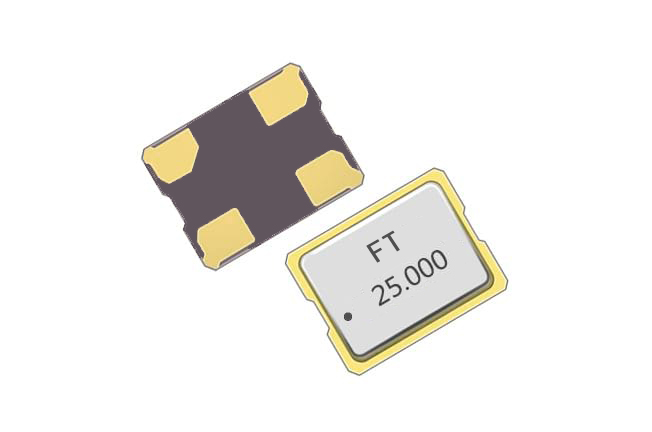
Crystal resonators are the quartz-based frequency-selective elements behind many oscillator circuits.
A crystal resonator is a frequency-selection component that uses a vibrating quartz crystal to maintain a stable frequency in an oscillator circuit. In datasheets it is often called a quartz crystal resonator, a quartz crystal, or simply a crystal. When the resonator is paired with an active circuit, the combination works as a clock source for a processor, radio, meter, or other IC.
Buyers searching for a crystal resonator will quickly meet several categories: 32.768 kHz crystal resonators, MHz crystal resonators, SMD crystal resonators, through-hole crystal resonators, tuning fork crystal resonators, and quartz crystal oscillators. This article explains the functional difference behind these names and helps you translate them into a clearer specification.
The Core Problem: Terminology and Specification Gaps
Engineers often ask whether a 32.768 kHz crystal resonator can substitute for an MHz crystal resonator. They are not interchangeable. A 32.768 kHz device is normally a tuning-fork crystal designed for low-frequency, low-power signals such as real-time clocks and watch circuits. An MHz crystal resonator is used when an IC needs a higher-frequency reference clock. The choice depends on the IC, the board layout, the load capacitance, and the frequency tolerance required by the design.
Purchasing teams face a second gap: a quote may list the frequency but omit package size, load capacitance, operating temperature, or the exact crystal resonator source. A part number without a matching specification can lead to sampling delays or an oscillator circuit that starts but does not meet accuracy requirements. To reduce this risk, a buyer should separate component-type questions from supplier-qualification questions.
Industry Context: Demand and Standards
As more devices add wireless connectivity, precise timekeeping, and low-power standby modes, the demand for frequency control components continues to grow. Fronter is not the only manufacturer in this space, but its product range and production records provide a concrete reference for buyers to evaluate.
The market data below focuses on the broader crystal oscillator market. It is useful background because most crystal resonators are sold into the same frequency-control demand chain. According to MarketsandMarkets, the global crystal oscillator market was valued at USD 2.89 billion in 2025 and is projected to reach USD 3.66 billion by 2030. Precedence Research estimates that Asia Pacific held more than a 42% revenue share in 2024, approximately USD 1.1 billion. Across applications, Fortune Business Insights reports that automotive applications are expanding at a CAGR of 12.88%, driven by ADAS, infotainment, and EV powertrains.
Standards matter as much as market size. For passive components in automotive electronics, buyers usually refer to AEC-Q200, the stress-resistance standard defined by the Automotive Electronics Council. For quartz crystal units, IEC 60122 provides an international baseline for general requirements and measuring methods. A supplier statement about automotive or precision crystal resonators should be traceable to these standards.
Product and Capability Baseline: Fronter as a Reference Point
Fronter Electronics Co., Ltd., founded in 1991, is a manufacturer of quartz crystal resonators and quartz crystal oscillators. The company operates a 21,000 m² factory with 286 employees and an annual output of 300 million units. Its export ratio is about 70%, with the main markets in the EU and USA. The brand FT was recognized as a National High-Tech Enterprise in 2017.
For an engineer, those facts are useful only when connected to product capability. The next section outlines the two main families supplied by Fronter and the parameters Fronter lists for each family.
32.768 kHz Tuning-Fork Crystal Resonators
Fronter’s 32.768 kHz tuning-fork family is available in three surface-mount sizes: SMD1610 (1.6 x 1.0 mm), SMD2012 (2.0 x 1.2 mm), and SMD3215 (3.2 x 1.5 mm). The series is called Turning Fork in the product catalogue, and the common frequency is 32.768 kHz. Fronter lists load capacitance values of 12.5 pF, 7 pF, and 9 pF; frequency tolerance of ±20 ppm; and operating temperature of -40°C to +85°C. The material set includes gold, SiO₂, and silver. Application areas listed for this family are consumer electronics, IoT, smart energy meters, and automotive electronics.
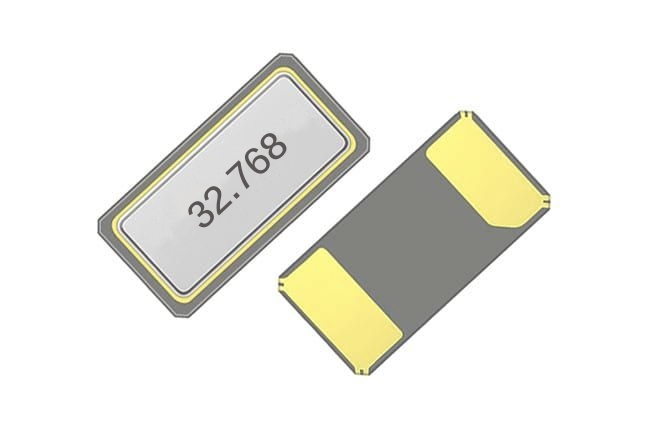
32.768 kHz crystal resonator in SMD3215, a member of Fronter’s tuning-fork family.
MHz Quartz Crystal Components and Oscillators
On the high-frequency side, Fronter’s line includes crystal oscillators, crystal resonators, crystal filters, and SAW crystal resonators. Nominal frequencies run from 1 MHz to 96 MHz. Load capacitance is listed as 4 pF to 33 pF, frequency tolerance from ±5 ppm to ±100 ppm, and frequency stability from ±10 ppm to ±100 ppm. The operating temperature range is -55°C to +125°C. The construction uses a metal cover, ceramic base, and quartz wafer.
These parts support SMD package families from compact 1612 sizes up to larger 7050/6035 packages, giving board designers a range of footprint options. The listed application areas for this product group include smart home appliances, communication electronics, and Bluetooth devices.
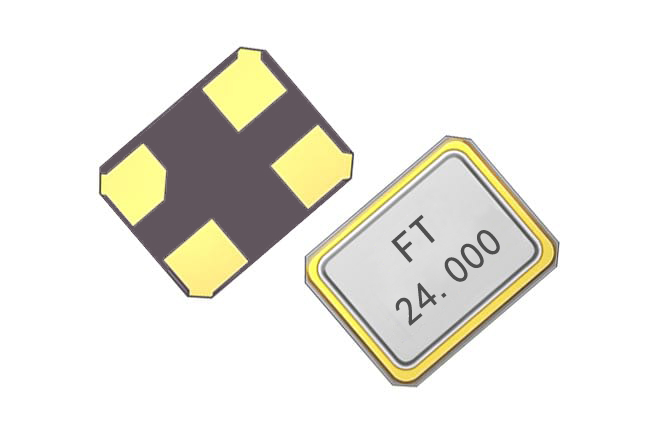
MHz SMD crystal resonators are offered in a range of package footprints.
How These Components Are Used in an Oscillator Circuit
According to Fronter’s application-scenario record, the function of these crystal components is to provide a stable clock signal to an IC. The matched equipment is an oscillator circuit. Working conditions can include high temperature. Representative project types listed include mobile devices, Bluetooth headsets, smart air conditioners, and security cameras.
This is the practical link between component classification and the final product. The crystal resonator is not selected alone; it is selected together with the oscillator circuit and the operating environment that will be present in the end equipment.
Step-by-Step: How to Select the First Crystal Resonator for a New Design
- Define the frequency and function. A 32.768 kHz crystal resonator is normally used for real-time clock, timer, or low-power wake-up functions. An MHz crystal resonator supports MCU and CPU reference clocks, communication links, USB, and other higher-frequency circuits. The first line in a procurement request should therefore state the nominal frequency and the functional block.
- Choose the package and mounting type. For compact, automated assembly, an SMD crystal resonator such as SMD1610, SMD2012, SMD3215, or a larger MHz SMD part is usually preferred. Through-hole and cylindrical crystal resonators still appear in some legacy products or through-hole boards, but for new designs a surface-mount crystal resonator is the more common path.
- Match electrical and environmental parameters. Compare load capacitance, frequency tolerance, frequency stability, and operating temperature with the oscillator circuit design. For high-accuracy crystal requirements, choose a tighter tolerance. For an automotive project, plan the component against AEC-Q200 rather than a general-purpose tolerance only.
- Verify compliance and quality standards. For export-oriented electronics, confirm RoHS and REACH compliance. Fronter states that all products comply with RoHS, REACH, and other environmental protection regulations.
- Qualify the supplier with evidence. Production scale, engineering team size, factory area, annual output, and export markets are useful evidence points. Fronter, for example, reports 19 R&D engineers, a 21,000 m² factory, annual output of 300 million units, and about 70% exports to EU and USA markets.
- Request samples and test in the real circuit. The final step is to measure frequency behavior at the required temperature range in the actual oscillator circuit. Before volume ordering, request a datasheet, a sample, or a quotation with the package and frequency specified.
Use Cases Across Projects
- Mobile device or Bluetooth headset: Fronter’s application data list mobile devices and Bluetooth headsets as project types, and its MHz crystal components are listed for Bluetooth devices and communication electronics. Compact SMD resonators fit the tight board space near wireless SoCs.
- Smart air conditioner or security camera: These products combine control and communication on one board. Fronter lists smart air conditioners and security cameras as application examples for its crystal components. The oscillator circuit needs a stable clock for the IC, and the temperature specification should fit enclosure heat.
- Smart energy meter and automotive: For low-frequency timing and real-time-clock functions, the 32.768 kHz tuning-fork family is listed for smart energy meters and automotive electronics. Automotive buyers should confirm the additional stress-resistance requirements defined by AEC-Q200.
Comparison Table: 32.768 kHz Tuning-Fork vs. MHz Quartz Crystal Components
| Attribute | 32.768 kHz Tuning-Fork Crystal Resonator | MHz Quartz Crystal Component |
|---|---|---|
| Nominal frequency | 32.768 kHz | 1–96 MHz |
| Common package sizes | SMD1610, SMD2012, SMD3215 | SMD and oscillator package families from 1612 up to 7050/6035 |
| Load capacitance | 12.5 pF, 7 pF, 9 pF | 4–33 pF |
| Frequency tolerance | ±20 ppm | ±5 ppm to ±100 ppm |
| Frequency stability | Not separately stated | ±10 ppm to ±100 ppm |
| Operating temperature | -40°C to +85°C | -55°C to +125°C |
| Construction materials | Gold, SiO₂, silver | Metal cover, ceramic base, quartz wafer |
| Listed applications | Consumer electronics, IoT, smart energy meters, automotive | Smart home appliances, communication electronics, Bluetooth devices |
The table shows that these two product families are designed for different jobs. The low-frequency tuning-fork line fits low-power timing and RTC functions. The MHz line fits higher-frequency clock generation and communication circuits. Knowing which family your design needs reduces the risk of requesting the wrong package or the wrong tolerance.
Frequently Asked Questions
Are Fronter crystal resonators compliant with RoHS and REACH?
Yes. Fronter Electronics states that all products comply with RoHS, REACH, and other environmental protection regulations. Because compliance is supplier-declared, a buyer should still request the current compliance document or datasheet for the exact model number before final approval.
What types and frequency ranges does Fronter offer for crystal resonators?
Fronter’s product catalogue includes quartz crystal resonators and quartz crystal oscillators. The 32.768 kHz tuning-fork family uses SMD1610, SMD2012, and SMD3215 packages. The MHz line lists nominal frequencies from 1 MHz to 96 MHz and also includes crystal filters and SAW crystal resonators in Fronter’s product classification.
Which applications are Fronter crystal components used in?
According to Fronter’s application data, the crystal components are used in smart home appliances, communication electronics, Bluetooth devices, mobile devices, Bluetooth headsets, smart air conditioners, and security cameras. The 32.768 kHz tuning-fork line is also listed for consumer electronics, IoT, smart energy meters, and automotive applications.
What is Fronter’s production scale?
Fronter reports a 21,000 m² factory, 286 employees, 19 R&D engineers, and annual output of 300 million units. Its export ratio is approximately 70%, with the main export markets in the EU and USA. Manufacturing scale is useful context, but delivery lead time should be confirmed for each specification and order volume.
How can I request samples or a quote?
You can contact Fronter at sales@chinafronter.com or WhatsApp +86 18903026195. To make the request more efficient, include the target frequency, package size, load capacitance, temperature range, and estimated quantity. A publicly accessible brochure is linked at the end of this article and can be used as a reference before inquiry.
Conclusion: From a Component Name to a Qualified Supply Decision
A crystal resonator cannot be reduced to one keyword. The correct choice is defined by frequency, package, electrical loading, temperature range, applicable standards, and the manufacturer’s ability to produce that part consistently. When a buyer moves from awareness to research, the most useful step is to convert the phrase “I need a crystal resonator” into a small specification table, then evaluate suppliers against that table.
Fronter Electronics is one supplier with a documented history since 1991 and a product line covering both 32.768 kHz tuning-fork crystal resonators and MHz quartz crystal components. It can serve as a benchmark for the information a buyer should request from any crystal resonator supplier.
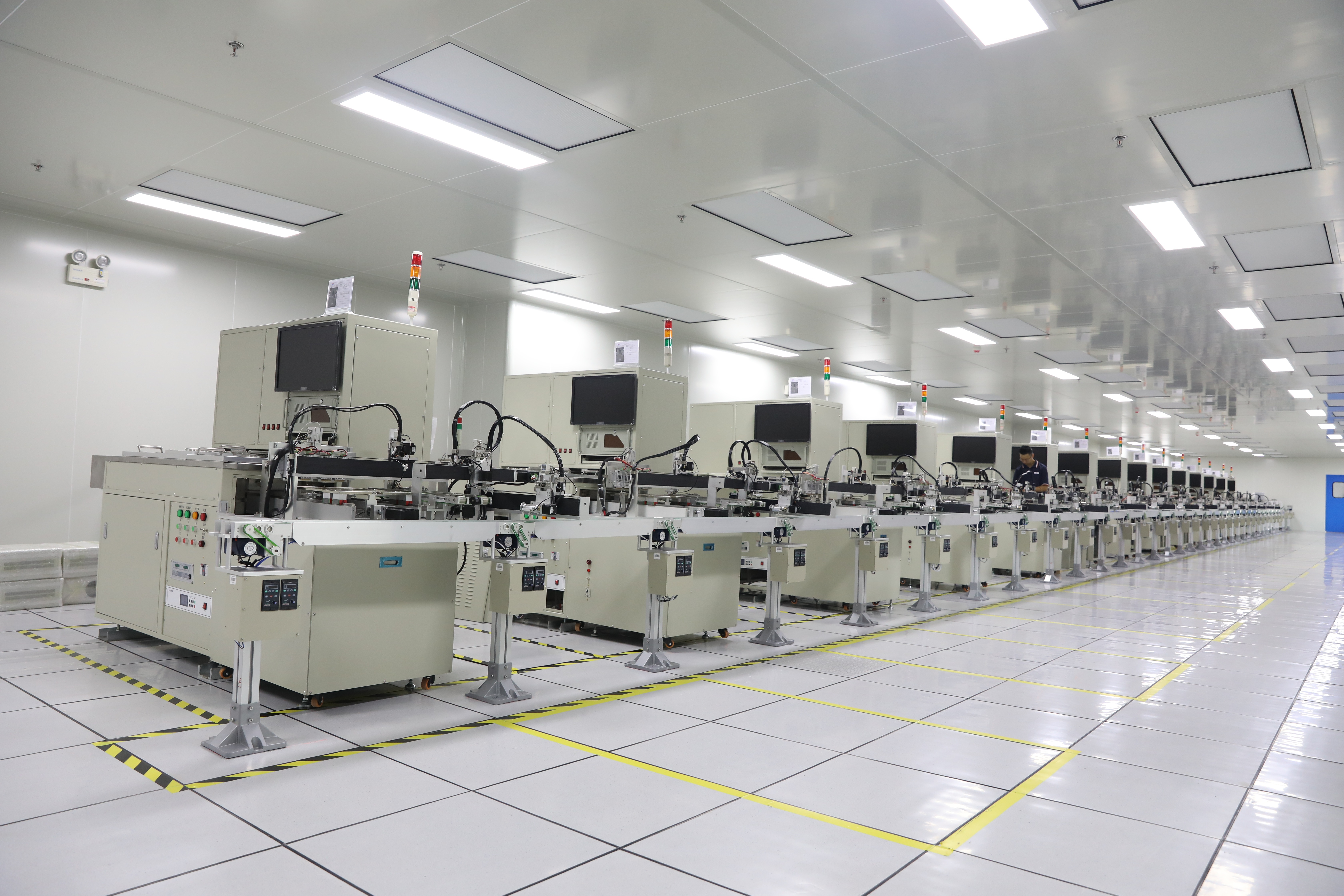
Fronter’s production line equipment, used as supplier evidence in this article.
For a short technical review, include the target frequency and package in your first message. Fronter’s sales and engineering teams can help you define a suitable crystal resonator before sampling.
TEL: +86 755-83458798
Email: sales@chinafronter.com
WhatsApp: +86 18903026195
Have Questions or Need More Details?
Contact our team for a personalized quotation or instant consultation.
Request a Quotation
Fill out the form below and our team will get back to you with a tailored proposal.
WhatsApp Direct Chat
Prefer to chat in real-time? Message us on WhatsApp for instant assistance & quick answers.
- Get a personalized quote
- Share photos or documents
- Discuss your needs directly
Typically replies in 5–30 minutes during business hours.