
Crystal Resonator Specifications & Certifications: A Buyer's Guide for 2026
Crystal Resonator Specifications & Certifications: A Buyer's Guide for 2026
Fronter Electronics Co., Ltd, founded in 1991 and recognized as a National High-Tech Enterprise in 2017, is a dedicated manufacturer and supplier of frequency control components including quartz crystal resonators. For procurement engineers and project managers evaluating crystal resonator options, understanding key specifications, certification requirements, and supplier capabilities is essential to making reliable, cost-effective choices. This guide focuses on the technical and compliance aspects that define a high-quality crystal resonator for modern electronics.
The Problem: Navigating Crystal Resonator Parameters and Compliance
When sourcing crystal resonators for applications such as smart home appliances, communication electronics, Bluetooth devices, or smart meters, buyers often face a dense set of parameters: frequency tolerance, load capacitance, temperature stability, and package types. Without a clear framework, selecting the wrong combination can cause circuit malfunction, frequency drift, or compliance failure. Additionally, certification standards like EU RoHS are mandatory for exports to Europe, adding another layer of complexity. The challenge is to match the electrical and environmental requirements of the application with a supplier who can deliver consistent quality under those constraints.
Industry Background: Quartz Crystal Resonators in Smart Manufacturing
Quartz crystal resonators are the backbone of timing and frequency control in nearly every electronic device. From consumer IoT gadgets to industrial control systems, the need for stable, accurate clock signals drives demand for both tuning‑fork crystals (typically 32.768 kHz) and AT‑cut crystals (1 MHz to 96 MHz). The 2026 market continues to push toward miniaturisation (e.g., 1.6×1.0 mm packages), wider operating temperature ranges (-55°C to +125°C), and stricter frequency tolerances (as low as ±5 ppm). Procurement professionals must evaluate not only the electrical specs but also the supplier's ability to provide certifications like RoHS, REACH, and reliable quality control.
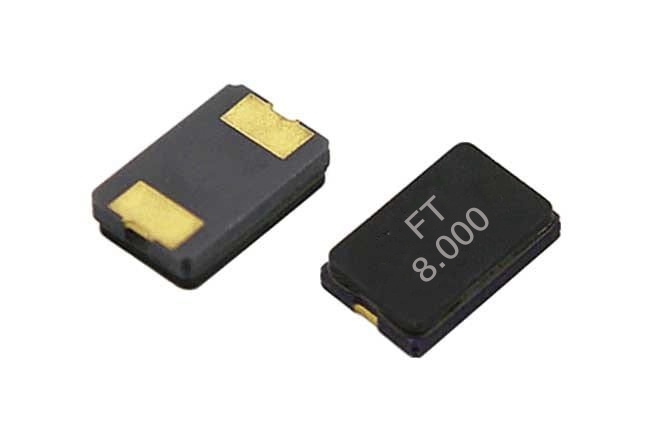
Figure 1: Fronter SMD crystal resonator (5032 package) – a common choice for compact electronic designs.
Detailed Solution: Fronter Crystal Resonator Product Line and Capabilities
Fronter offers a comprehensive range of quartz crystal resonators covering both tuning‑fork and MHz types. The SMD Tuning Fork series is available in 1.6×1.0 mm, 2.0×1.2 mm, and 3.2×1.5 mm packages, typically at 32.768 kHz with load capacitances of 12.5 pF, 7 pF, or 9 pF, frequency tolerance of ±20 ppm, and operating temperature -40°C to +85°C. These are suited for consumer electronics, IoT, smart energy meters, and automotive peripherals. The Piezoelectric crystal components (MHz range) cover nominal frequencies from 1 to 96 MHz with load capacitance options from 4 to 33 pF, frequency tolerance as tight as ±5 ppm, frequency stability down to ±10 ppm, and an extended temperature range of -55°C to +125°C. Packages include SMD 7050, 6035, 5032, 3225, 2520, 2016, and 1612, as well as through‑hole cylindrical types (e.g., DT38, DT26). Materials include a metal cover, ceramic base, and quartz wafer.
All Fronter crystal resonators comply with EU RoHS Directive (EU) 2015/863, as certified by SGS under certificate number SZXEC25001335806. The company operates a 21,000 m² facility with 286 employees and an annual output capacity of 300 million units. With 70% of products exported to EU/USA markets, Fronter maintains a quality‑focused production line that includes 100% testing, robotic operations, and a dedicated 19‑engineer R&D team.
Step‑by‑Step: How to Select the Right Crystal Resonator for Your Project
- Determine the frequency and load capacitance – Start with your IC's oscillator circuit requirements. For real‑time clocks and low‑power devices, 32.768 kHz tuning‑fork crystals are typical. For microcontrollers and communication ICs, choose MHz crystals (e.g., 8 MHz, 16 MHz, 25 MHz) with matching load capacitance (commonly 12 pF, 18 pF, or 20 pF).
- Select the package type and size – Surface mount (SMD) packages save board space and support automated assembly. Through‑hole cylindrical crystals offer robustness for high‑vibration or high‑temperature environments. Fronter provides both SMD (down to 1.6×1.0 mm) and through‑hole options (e.g., HC‑49S, DT series).
- Define temperature range and precision – For consumer electronics, -40°C to +85°C is usually sufficient. For automotive or industrial applications, extend to -55°C to +125°C. Frequency tolerance and stability determine the accuracy of the clock signal; tighter specs (±5 ppm vs. ±20 ppm) increase cost but improve performance.
- Check certification and regulatory compliance – Verify RoHS, REACH, and any industry‑specific standards (e.g., AEC‑Q200 for automotive). Fronter's EU RoHS certificate (SGS) covers its full SMD series, including SAW resonators and filters.
- Evaluate supplier production and quality capabilities – Ask about monthly capacity (Fronter: 80KK for ODM), lead time (30–45 days), MOQ (1,000 pcs), and quality control (100% test). A long‑term relationship with a reliable supplier reduces supply risk and ensures consistent quality.
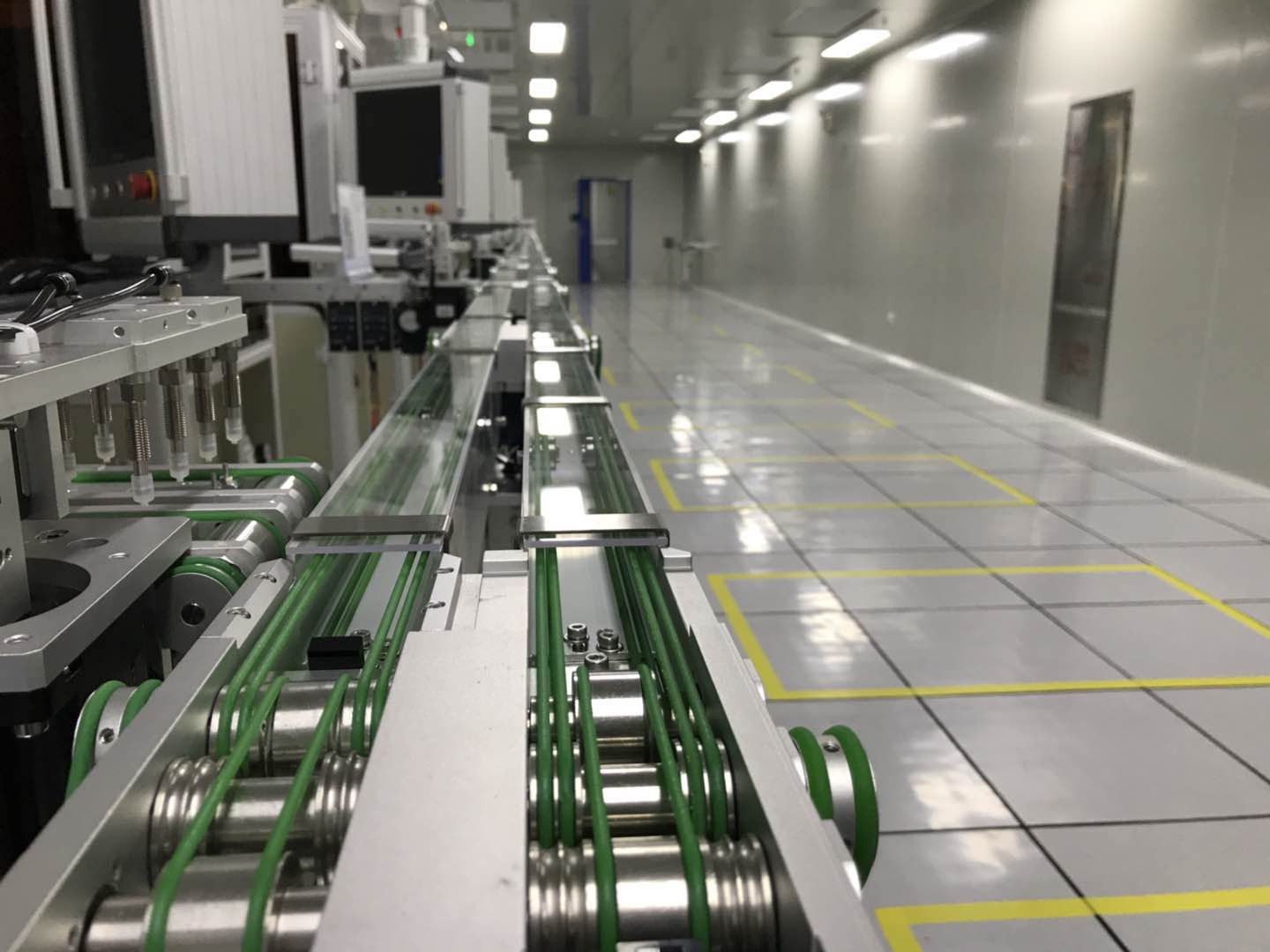
Figure 2: Fronter's automated production lines ensure consistent quality and high output.
Real‑World Use Case: Smart Meter Application in India
A smart meter manufacturer in India sourced 5 million units of Fronter crystal resonators over a 10‑year partnership. The application required stable frequency reference under variable grid conditions and fast delivery to meet project ramp‑ups. Fronter provided flexible customization of packaging and frequency parameters, with lead times of just 3–4 weeks for certain configurations. The result was stable operation throughout the product lifecycle, demonstrating Fronter's ability to handle high‑volume, reliability‑critical projects.
Product Comparison: Tuning‑Fork vs. MHz Quartz Crystal Resonators
| Parameter | Fronter Tuning‑Fork (32.768 kHz) | Fronter MHz Crystal (1–96 MHz) |
|---|---|---|
| Package examples | SMD1610, SMD2012, SMD3215 | SMD7050, SMD5032, SMD3225, SMD2520, SMD2016, SMD1612 |
| Frequency tolerance | ±20 ppm | ±5 ppm to ±100 ppm |
| Frequency stability | ±20 ppm (typical over temp) | ±10 ppm to ±100 ppm |
| Operating temperature | -40°C to +85°C | -55°C to +125°C |
| Load capacitance | 7 pF, 9 pF, 12.5 pF | 4 pF to 33 pF |
| Typical applications | Consumer electronics, IoT, smart meters | Communication, Bluetooth, smart home appliances |
Note: All Fronter crystal resonators listed above comply with EU RoHS (certificate SZXEC25001335806).
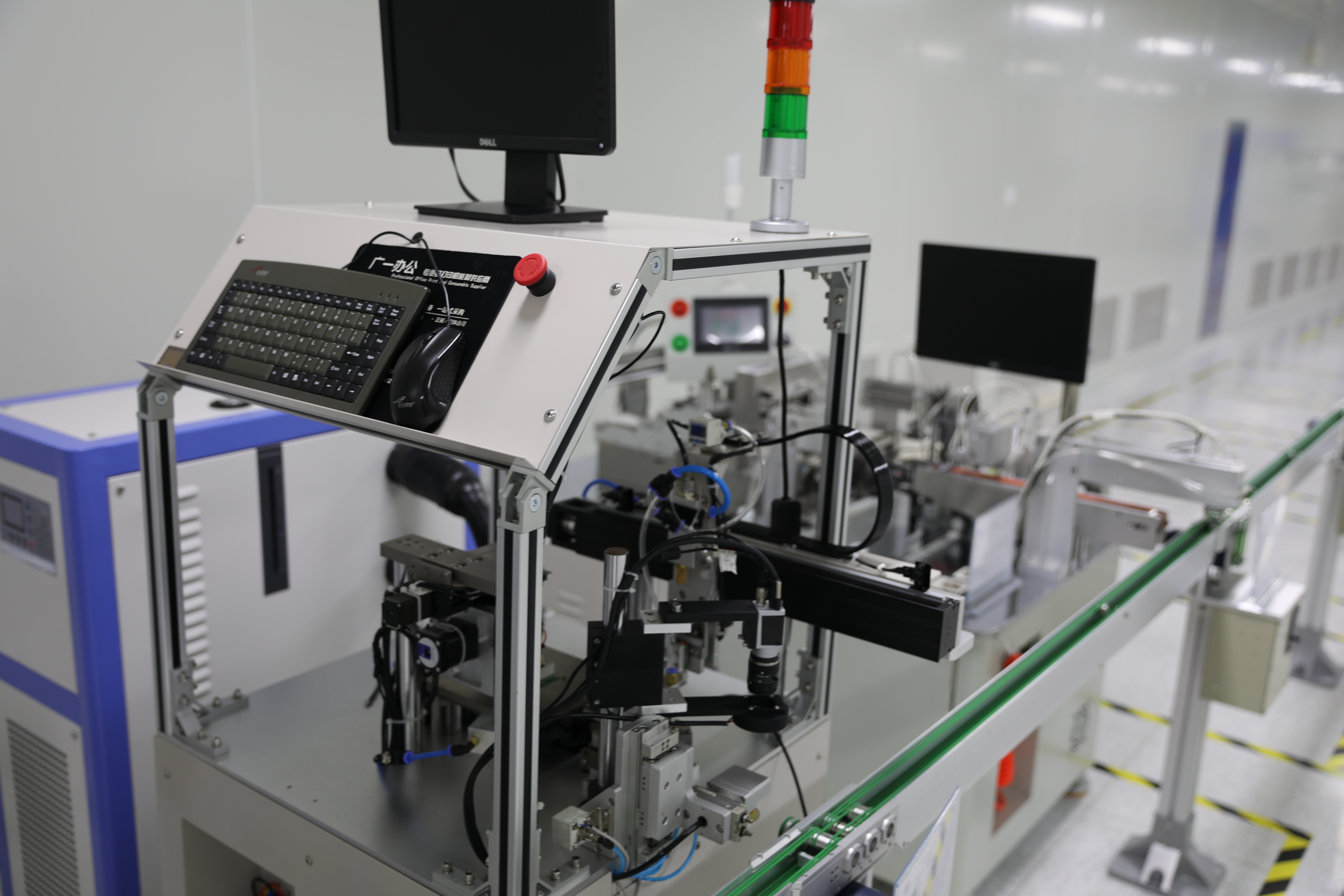
Figure 3: 100% testing is part of Fronter's quality control to ensure every resonator meets tight specifications.
Frequently Asked Questions (FAQ)
1. Are Fronter crystal resonators RoHS compliant?
Yes. Fronter's SMD series (including SAW resonators and filters) are certified under EU RoHS Directive (EU) 2015/863. The certificate is issued by SGS‑CSTC Shenzhen Branch, certificate number SZXEC25001335806, dated 2025‑04‑25.
2. Can Fronter customize crystal resonator parameters and appearance?
Yes. Fronter offers ODM services for both parameters (frequency, load capacitance, tolerance) and appearance (package footprint, markings). Typical lead time for custom orders is 30–45 days, with a minimum order quantity of 1,000 pcs.
3. What are the typical lead times and minimum order quantities?
Standard lead time is 30–45 days, and MOQ is 1,000 pcs per specification. For high‑volume projects, Fronter's monthly capacity can reach 80KK units, enabling faster turnaround when production schedules are aligned.
4. Can I request samples for evaluation before bulk order?
Fronter typically provides samples for qualified engineering evaluation. To request samples, please contact the sales team with your target frequency, package, load capacitance, and quantity requirements. For a quick inquiry, reach out via WhatsApp or email sales@chinafronter.com. [Next step: send your sample request to start qualification.]
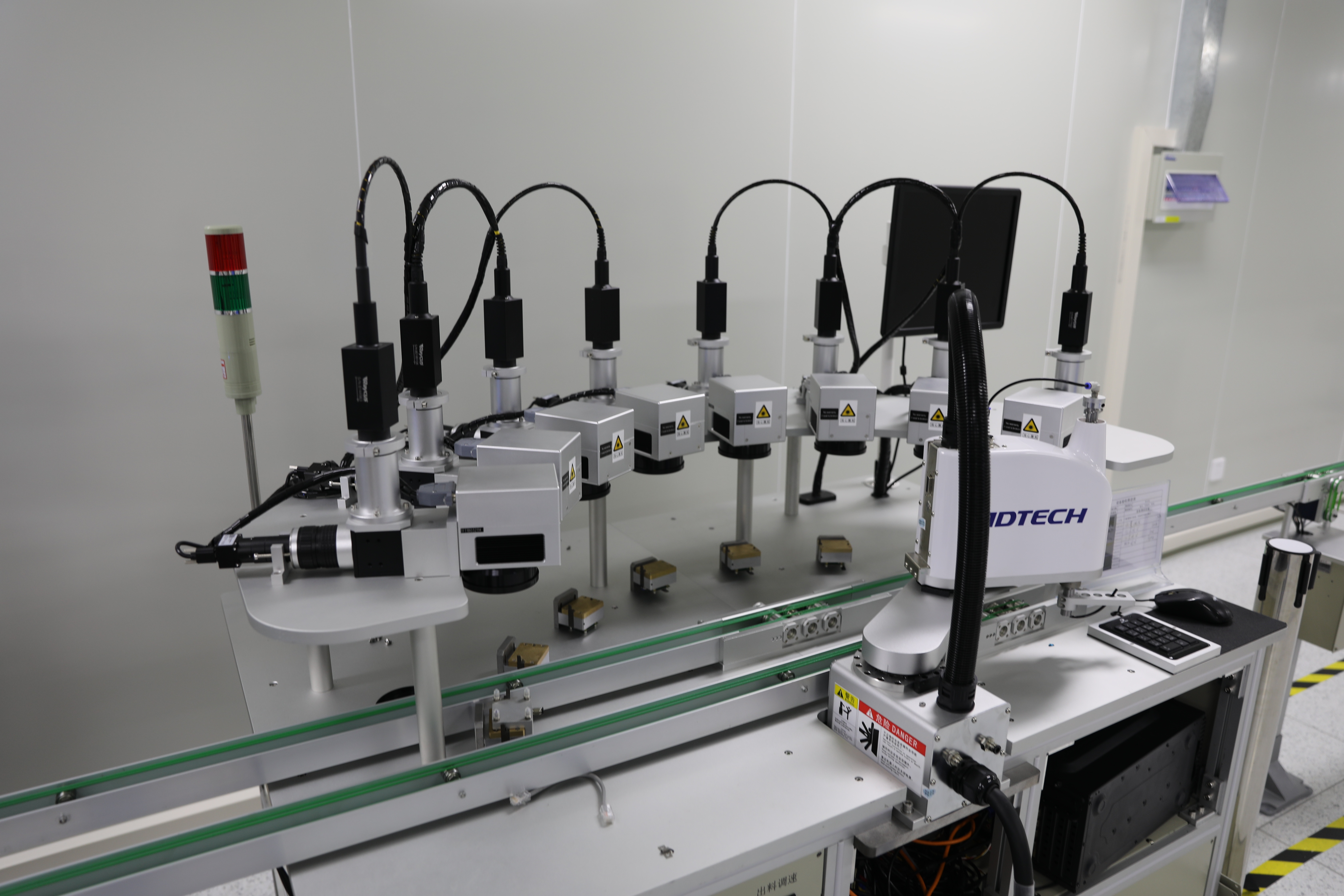
Figure 4: Advanced automation ensures precision and repeatability in crystal resonator production.
Conclusion
Selecting the right crystal resonator requires careful evaluation of electrical parameters, environmental ratings, certification compliance, and supplier reliability. Fronter Electronics, with 30+ years of experience, a broad product portfolio, and proven quality management, offers a competitive solution for both standard and custom frequency control needs. For detailed specifications, download the Fronter product brochure or contact the team to discuss your project requirements.
Contact Fronter Electronics Co., Ltd
Tel: +86 755-83458798 | Email: sales@chinafronter.com
Website: www.chinafronter.com
WhatsApp: +86 18903026195