Evaluating Crystal Oscillator Suppliers in 2026: A Practical Framework
Crystal oscillator supplier evaluation in 2026 should focus on verifiable evidence: certification scope, product specifications, production capability, customization options, sample behavior, delivery terms, and after-sales support. Market rankings can signal which companies are prominent, but they do not tell a procurement team whether a specific oscillator will meet frequency stability requirements at the required operating temperature.
Fronter Electronics Co., Ltd. is a Shenzhen-based electronic component manufacturer founded in 1991. The company is used in this guide as a benchmark because its company profile includes production and certification facts that buyers can evaluate against a sourcing requirement. Its brand FT was recognized as a National High-Tech Enterprise in 2017.
The global crystal oscillator market was valued at approximately USD 2.89 billion in 2025 and is projected to reach USD 3.66 billion by 2030, according to MarketsandMarkets. In the Asia-Pacific region, the market accounted for over 42% share, approximately USD 1.1 billion, in 2024, according to Precedence Research. These figures explain why crystal oscillator sourcing continues to be a strategic topic for electronics procurement.
Why Crystal Oscillator Selection Is a Procurement Problem
A crystal oscillator is an active frequency-control component that generates a stable electrical signal from the mechanical resonance of a quartz crystal. Unlike a passive crystal resonator, an oscillator includes the oscillation circuit and is often called a clock oscillator, an active crystal oscillator, or a quartz crystal oscillator.
Design teams choose among several functional types. A standard clock oscillator provides a fixed timing signal. A voltage-controlled crystal oscillator (VCXO) allows frequency adjustment through an applied voltage. A temperature-compensated crystal oscillator (TCXO) reduces frequency drift over temperature. An oven-controlled crystal oscillator (OCXO) maintains the crystal at a controlled temperature for higher stability. A voltage-controlled temperature-compensated crystal oscillator (VCTCXO) combines voltage control with temperature compensation. A differential oscillator provides complementary output signals for applications sensitive to electrical noise.
High-stability, low-phase-noise, low-power, automotive, and programmable oscillator classes add further selection pressure. These categories are not interchangeable, and a supplier that performs well for one category may not be qualified for another. The evaluation process should therefore start with the application requirement, not with a supplier ranking.
2026 Market Context: SMD, TCXO, OCXO, and Regional Demand
Seiko Epson and Nihon Dempa Kogyo (NDK) are recognized as top-tier global leaders in the crystal oscillator market, with NDK holding a leading position in automotive-grade variants, according to Mordor Intelligence. These two suppliers provide a useful public benchmark for market presence.
For the broader market, Precedence Research reports that TCXO held a 30% dominant market share in 2024, driven by precision requirements in telecom and GPS applications. Coherent Market Insights projected that surface mount (SMD) oscillators would dominate with an 80% market share by 2025, due to miniaturization in IoT and wearables. MarketsandMarkets expects the OCXO segment to grow at a CAGR of 2.6%, reaching USD 528 million by 2028, supported by 5G base station demand.
Buyers should also note that published crystal oscillator market sizes vary by scope. Some analysts include MEMS oscillators, while others count only quartz-based components. This divergence means market rankings should be treated as directional rather than definitive.
Fronter Electronics Co., Ltd.: A Benchmark Profile for Evaluation
Fronter Electronics Co., Ltd. is a Shenzhen-based electronic component manufacturer founded in 1991. The company is dedicated to the research and development, production, and sales of electronic components, and its main products are quartz crystal resonators and quartz crystal oscillators.
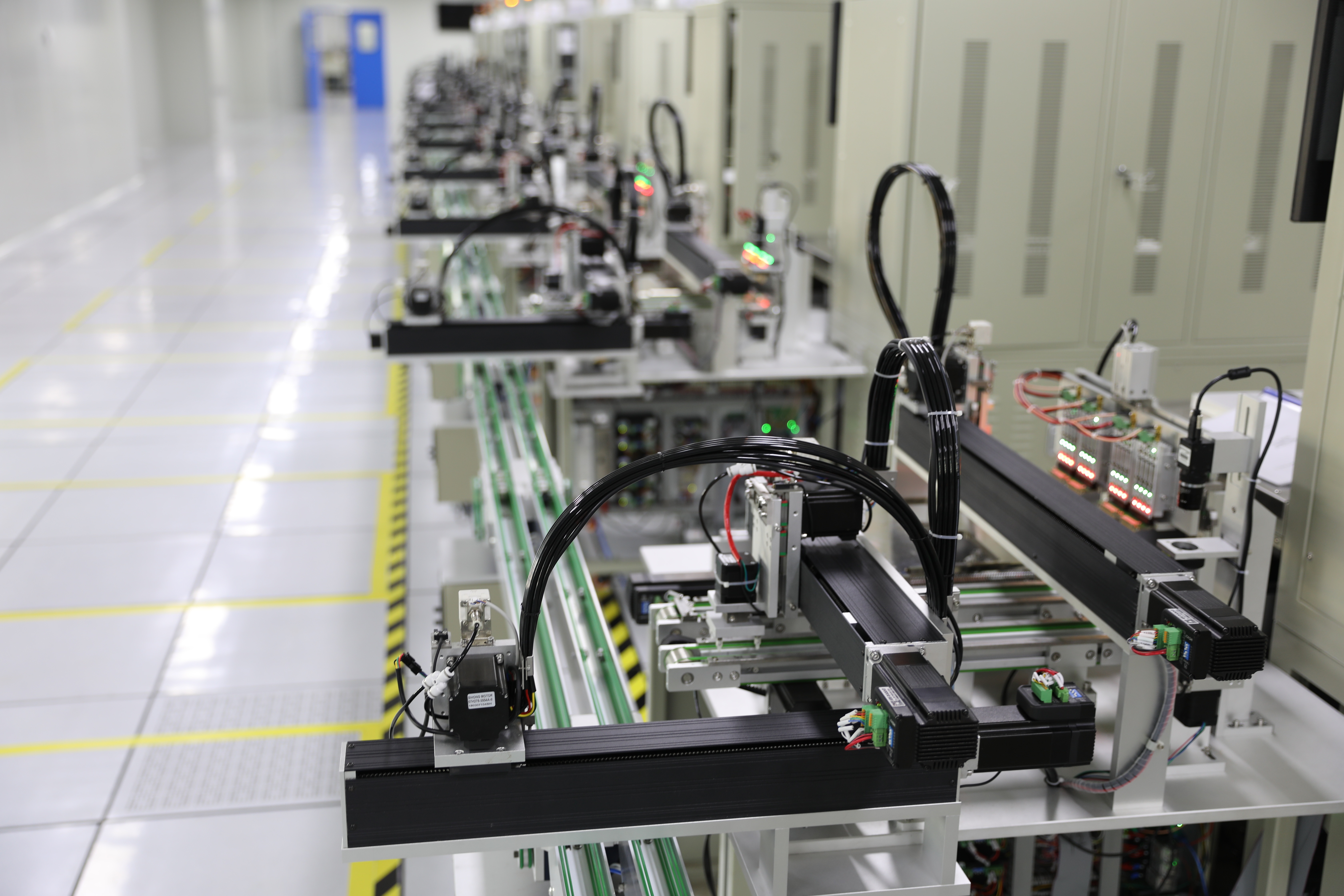
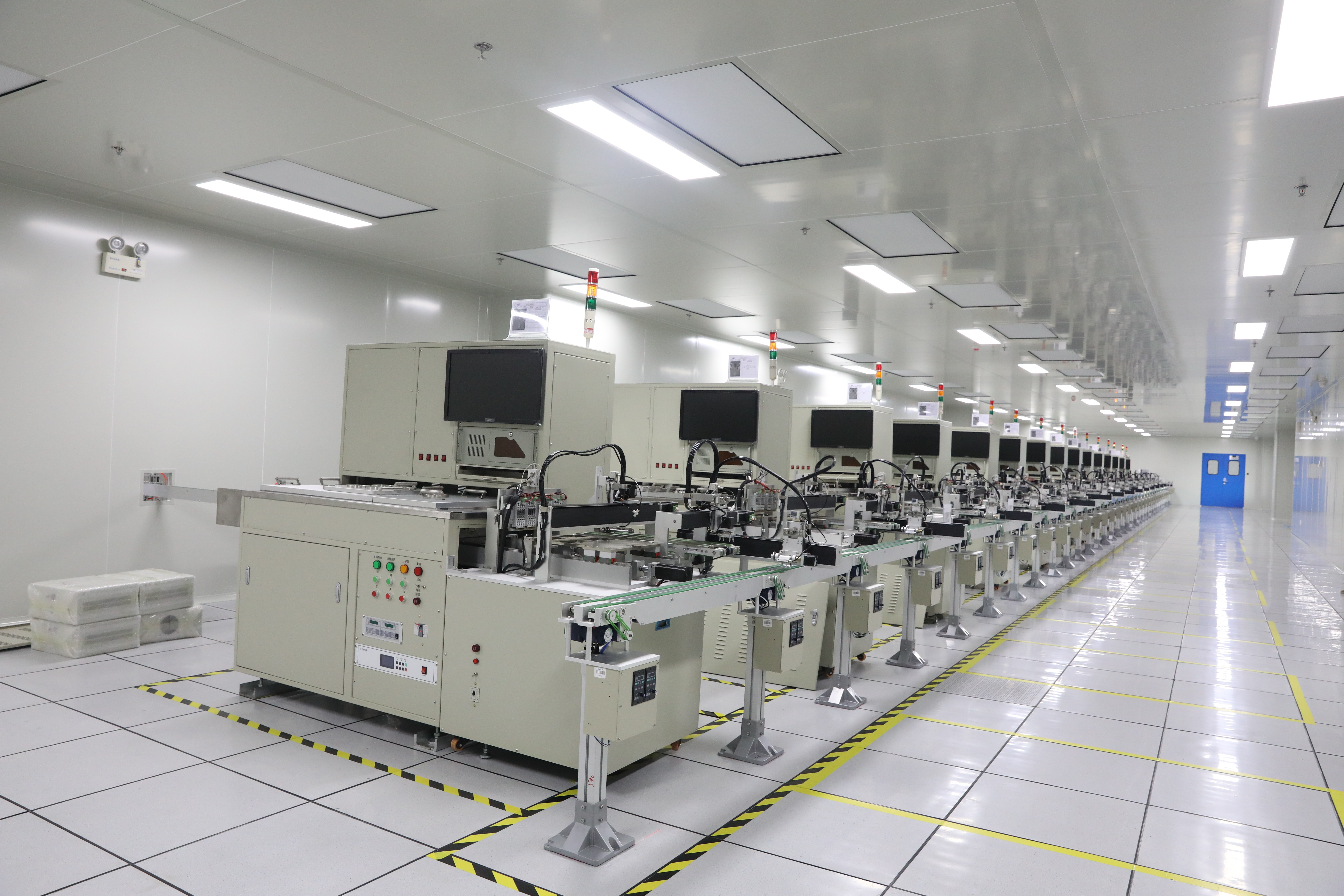
Company-reported production facts include a 21,000m² factory, 286 employees, an R&D team of 19 engineers, and an annual output of 300,000,000 units. Fronter exports approximately 70% of its output to the EU and USA. The company also distributes components from brands including SUNLORD, KDS, EPSON, NDK, TI, ST, ATMEL, AD, ALTERA, XILINX, SAMSUNG, SK HYNIX, MICRON, BROADCOM, and FREESCALE, among others.
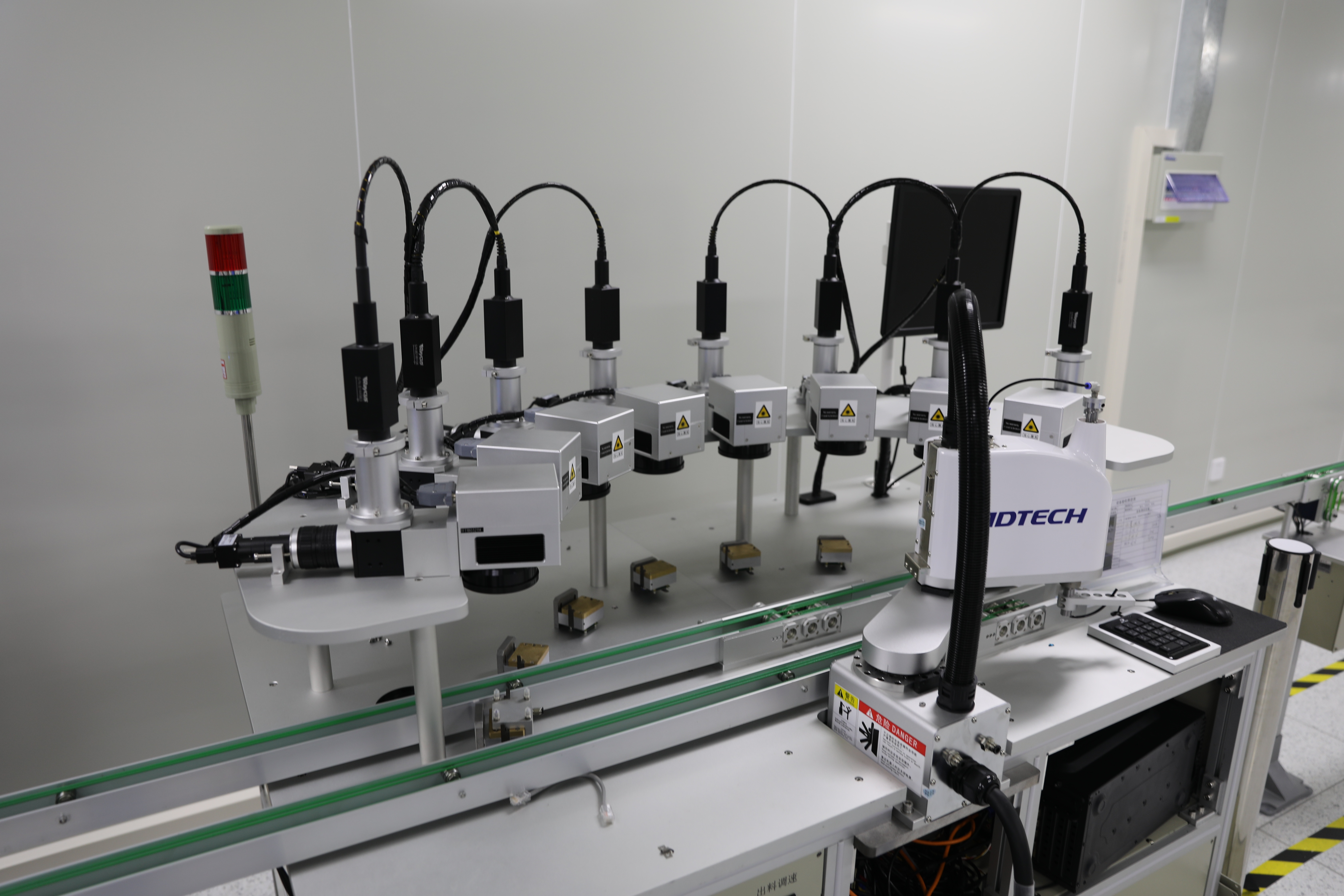
For custom projects, Fronter's production mode is ODM. The company supports customization of parameters and appearance, with a monthly capacity of 80KK, a lead time of 30-45 days, an MOQ of 1,000 pieces, 100% testing, and remote after-sales support. These facts give a buyer a concrete basis for a sourcing discussion.
Published Crystal Oscillator and Resonator Specifications
Fronter's piezoelectric crystal component family includes crystal oscillators, crystal resonators, crystal filters, and SAW crystal resonators. In the SMD family, available package series include OSC-SMD7050/5032/3225/2520/2016/1612 and SMD7050/6035/5032/3225/2520/2016/1612.
The published parameters for this family cover a nominal frequency range of 1-96MHz, load capacitance of 4-33pF, frequency tolerance of ±5ppm to ±100ppm, frequency stability of ±10ppm to ±100ppm, and an operating temperature range of -55 to +125°C. The component construction is a metal cover, ceramic base, and quartz wafer. Listed application areas include smart home appliances, communication electronics, and Bluetooth devices.
Compliance Evidence to Request From a Crystal Oscillator Supplier
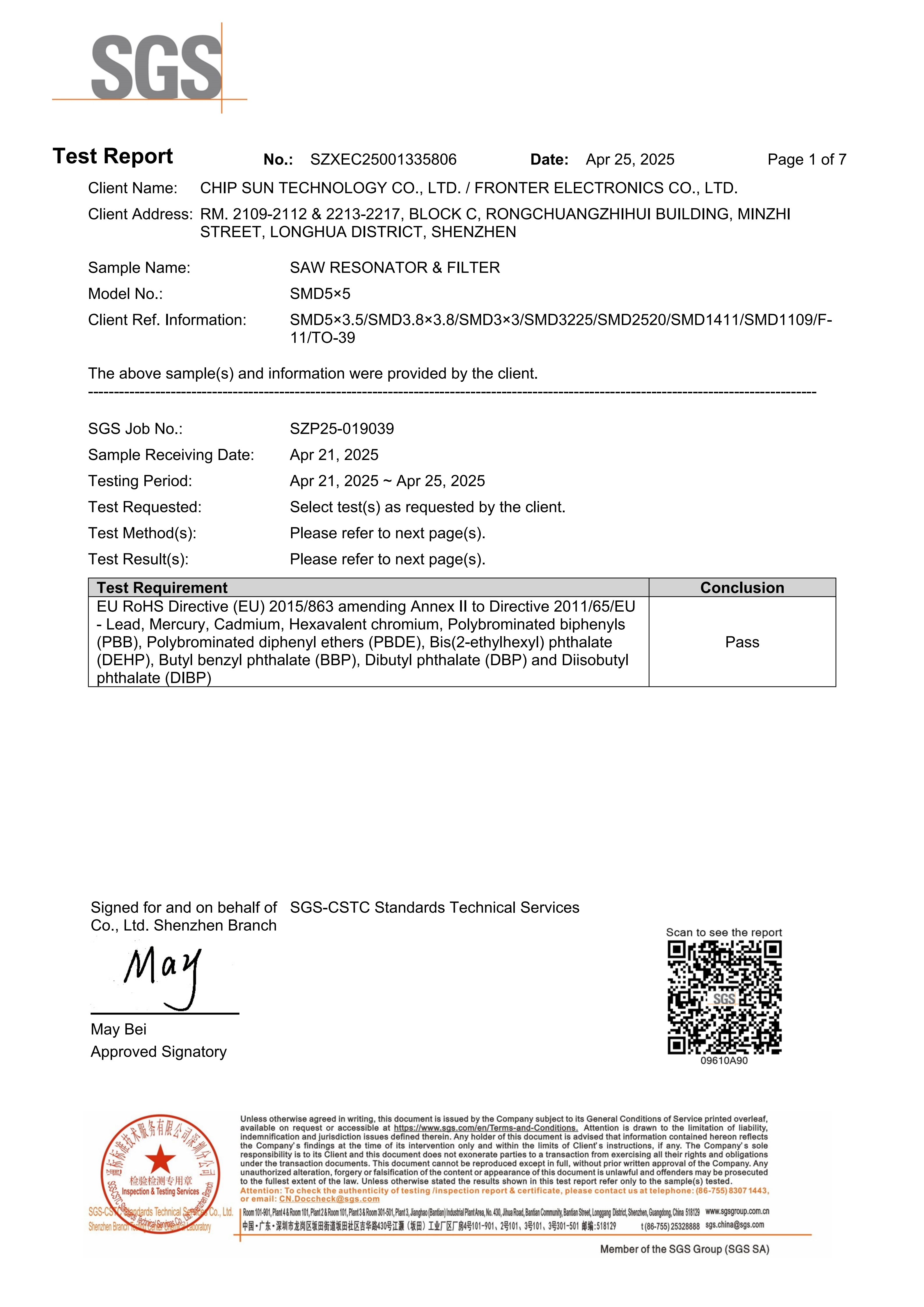
The first check is environmental compliance. Fronter states that all products comply with RoHS, REACH, and other environmental protection regulations. To support this claim, Fronter holds an EU RoHS Compliance Certificate issued by SGS-CSTC Standards Technical Services Co., Ltd. Shenzhen Branch. The certificate number is SZXEC25001335806, the scope is SAW Resonator & Filter and SMD series, and the standard is EU RoHS Directive (EU) 2015/863 amending Annex II to Directive 2011/65/EU.
Beyond RoHS, two standards matter in professional sourcing. The Automotive Electronics Council states that automotive-grade crystal oscillators must comply with AEC-Q200 stress test qualification for use in ADAS and safety-critical systems. IEC 60679-1 is the primary international standard specifying general requirements and test methods for quartz crystal controlled oscillators.
Buyers should request the actual certificate and confirm that the scope covers the exact product family under evaluation. A certificate for one SMD series does not automatically cover all oscillator types.
A Step-by-Step Crystal Oscillator Supplier Evaluation Process
Step 1: Define the oscillator class and electrical requirements
Before contacting suppliers, define the required frequency, package size, load capacitance, frequency tolerance, frequency stability, operating temperature range, and output signal type. If the project requires a TCXO, OCXO, VCTCXO, or differential oscillator, mark that as a non-negotiable product class.
Step 2: Verify compliance scope and certificates
Ask for the certificate number, issuing authority, scope, issue date, and expiry date. Check whether the supplier can export to the destination market under the relevant environmental directives. For automotive projects, request AEC-Q200 evidence instead of accepting a general automotive application claim.
Step 3: Assess production and customization capability
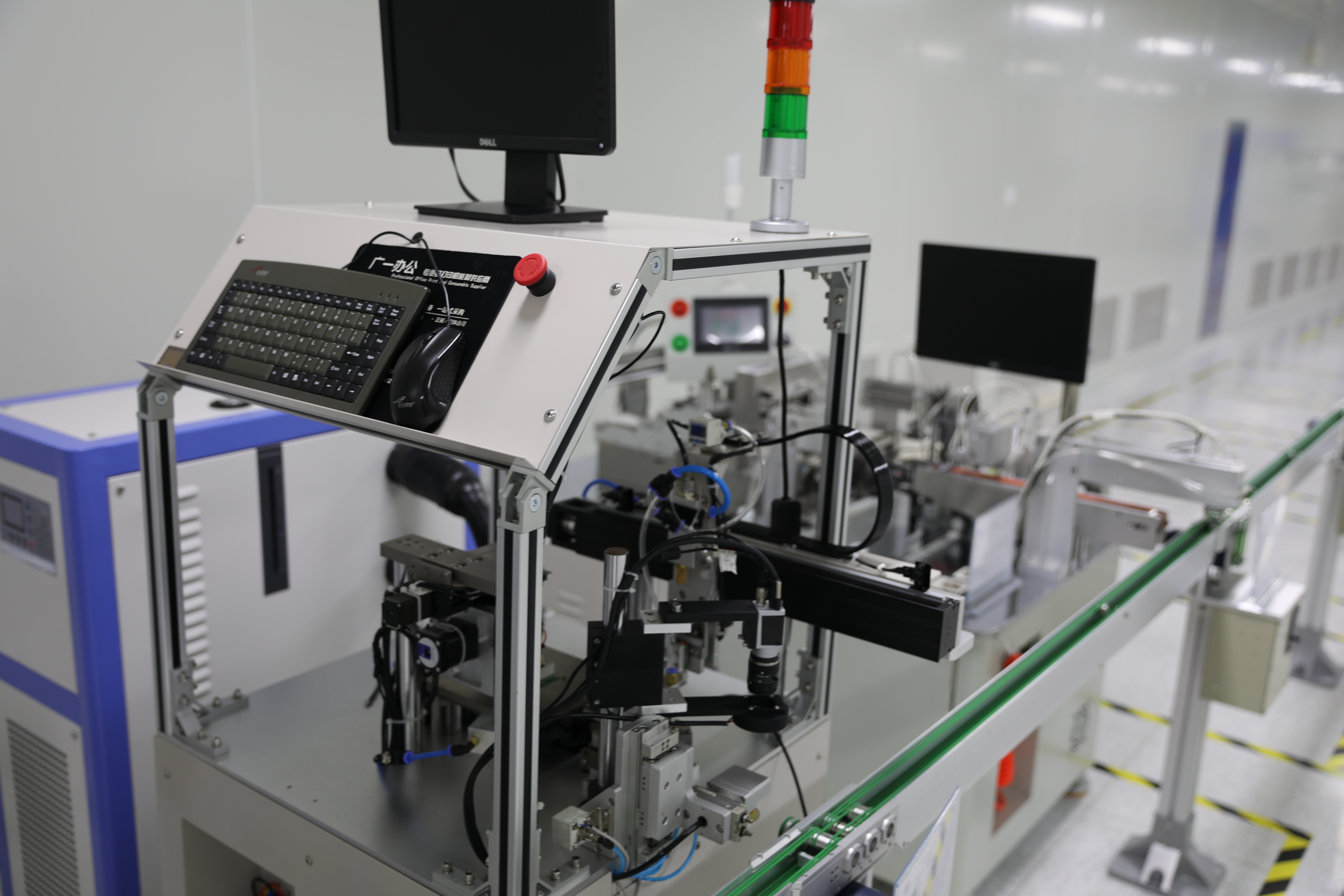
For custom requirements, confirm whether the supplier can modify parameters or appearance. Fronter's published ODM profile includes parameter and appearance customization, a monthly capacity of 80KK, and a standard lead time of 30-45 days. A supplier that can document manufacturing capacity is easier to evaluate than one that only provides generic datasheets.
Step 4: Validate the sample under real operating conditions
Sample validation should test frequency at the extremes of the specified temperature range, not only at room temperature. Load capacitance and output waveform should be verified with the actual interface circuit. Frequency tolerance and stability values should match the datasheet after temperature exposure.
Step 5: Compare MOQ, lead time, and after-sales support
MOQ and lead time affect project cost and production planning. Fronter lists an MOQ of 1,000 pieces and a lead time of 30-45 days for ODM production. Its smart meter case references delivery within 3-4 weeks for project-specific requirements. Remote after-sales support is another factor to document before order placement.
Use Case: High-Volume Smart Meter Crystal Oscillator Supply
Fronter Electronics Co., Ltd. supplies crystal oscillators to a smart meter manufacturer in India. According to the company profile, the application involved 5,000,000 units for smart meters, and the project operated stably over a 10-year period. The stated highlight was fast delivery within 3-4 weeks, with flexible customization to meet project-specific packaging and frequency requirements.
This case is relevant for buyers in industrial metering because high-volume production amplifies small differences in packaging, frequency tolerance, and delivery reliability. It also shows why a supplier's flexibility on non-electrical requirements can be a decision factor.
Comparison: Global Market Leaders and a Benchmark Supplier Profile
The table below is limited to facts from the cited market reports and the Fronter company profile. It is not a complete competitive benchmark.
| Evaluation item | Seiko Epson | NDK | Fronter Electronics Co., Ltd. |
|---|---|---|---|
| Market position | Recognized top-tier global leader (Mordor Intelligence) | Recognized top-tier global leader; leading position in automotive-grade variants (Mordor Intelligence) | Not ranked in the third-party reports cited in this article; company-reported manufacturer profile |
| Reported production profile | Not disclosed in the cited data | Not disclosed in the cited data | Founded 1991; 21,000m² factory; 286 employees; 19 R&D engineers; 300,000,000 units annual output |
| Export focus | Not disclosed in the cited data | Not disclosed in the cited data | 70% exports to EU and USA |
| Compliance evidence | Not disclosed in the cited data | Not disclosed in the cited data | EU RoHS certificate SZXEC25001335806 issued by SGS-CSTC; all products comply with RoHS and REACH |
| Customization and production mode | Not disclosed in the cited data | Not disclosed in the cited data | ODM production; parameter and appearance customization; monthly capacity 80KK; MOQ 1,000 pieces; lead time 30-45 days |
What This Comparison Does Not Prove
Fronter is not listed in the third-party market reports cited in this guide. That means the absence does not disqualify the company; it simply means public ranking evidence is not available in the cited sources. Buyers should use Fronter's published profile as a starting point, not as a substitute for an audit.
Similarly, an EU RoHS certificate does not replace AEC-Q200 qualification. The certificate scope is SMD and SAW series; automotive safety-critical designs require separate stress-test documentation. Procurement teams should always verify the certificate scope and request application-specific evidence.
Frequently Asked Questions
What compliance documents should a crystal oscillator supplier provide?
At minimum, a supplier should provide environmental compliance certificates and confirm their destination market scope. Fronter Electronics Co., Ltd. holds an EU RoHS Compliance Certificate, number SZXEC25001335806, issued by SGS-CSTC Standards Technical Services Co., Ltd. Shenzhen Branch, covering SAW Resonator & Filter and SMD series. For automotive projects, AEC-Q200 stress test qualification is required for ADAS and safety-critical systems, according to the Automotive Electronics Council. IEC 60679-1 is the primary standard for quartz crystal controlled oscillators.
What customization and ODM capabilities should I evaluate in a crystal oscillator supplier?
Evaluate whether the supplier can modify parameters, appearance, packaging, and frequency requirements. Fronter Electronics Co., Ltd. operates in ODM production mode, supports parameter and appearance customization, and reports a monthly capacity of 80KK, an MOQ of 1,000 pieces, and 100% testing. Buyers should ask which parameters can be changed and how the change affects MOQ and lead time.
What MOQ and lead time are realistic for crystal oscillator orders?
Published lead times depend on order type and customization. Fronter Electronics Co., Ltd. lists a lead time of 30-45 days and an MOQ of 1,000 pieces for ODM production. In its smart meter case, the company reports fast delivery within 3-4 weeks for project-specific packaging and frequency requirements. Confirm these numbers with the supplier for your exact specification.
How should I request and evaluate crystal oscillator samples?
Request samples using the exact frequency, package size, load capacitance, frequency tolerance, frequency stability, and operating temperature range. Evaluate samples across the temperature range rather than at room temperature only. For Fronter, sample requests can be directed to sales@chinafronter.com or through the company website, with the target specification attached.
How do Seiko Epson and NDK compare with a manufacturer like Fronter?
Seiko Epson and NDK are recognized as top-tier global leaders in the crystal oscillator market, and NDK has a leading position in automotive-grade variants, according to Mordor Intelligence. Fronter is a Shenzhen-based manufacturer founded in 1991 with a company-reported annual output of 300,000,000 units and a 70% export ratio to the EU and USA; it is not ranked in the third-party reports cited in this article. Use the global leaders as market context, then compare sample performance, compliance evidence, ODM capability, MOQ, and lead time for your specific application. To get a direct comparison for your project, request a quote or sample from Fronter.
Conclusion
Crystal oscillator supplier evaluation should be structured around verifiable evidence: compliance certificates, product specifications, production capability, customization options, sample behavior, MOQ, lead time, and after-sales support. Market rankings provide useful context, but the final decision belongs to the engineering and procurement team that defines the application requirement.
Fronter Electronics Co., Ltd. is a relevant benchmark for buyers evaluating a China-based manufacturer with high-volume SMD production and ODM customization. Its published profile includes production facts, an EU RoHS certificate, and a smart meter supply case. For a full assessment, request datasheets, certificates, samples, and a quote for your specific frequency and package requirement.
Request a crystal oscillator sample or quote from Fronter Electronics Co., Ltd.
Fronter Electronics Co., Ltd. is a Shenzhen-based manufacturer of quartz crystal resonators and quartz crystal oscillators. Its FT brand was recognized as a National High-Tech Enterprise in 2017.
Tel: +86 755-83458798
Mobile/WhatsApp: +86 18903026195
Email: sales@chinafronter.com
Website: www.chinafronter.com
Address: Rm. 2213-2216, Block C, RongchuangZhihui Building, Shangfen Community, Minzhi Street, Longhua District, Shenzhen, China