
Top Piezo Component Choices for Smart Manufacturing: Ranking Crystal and Tuning Fork Options
Six piezo component options cover the large majority of timing roles inside a smart-manufacturing plant: the 32.768 kHz tuning fork crystal resonator, the MHz SMD crystal resonator, the quartz crystal oscillator, the HC49 SMD crystal, the cylindrical through-hole crystal resonator, and the ceramic resonator. This ranking orders them by fit for specific smart-manufacturing jobs rather than by promotional claims.
Ranking timing components is not the same exercise as ranking suppliers. A single automated plant can use all six device types on different boards at the same time. The question here is narrower and more practical: for a given timing role in an automated production environment, which option should be evaluated first, and what evidence justifies that choice?
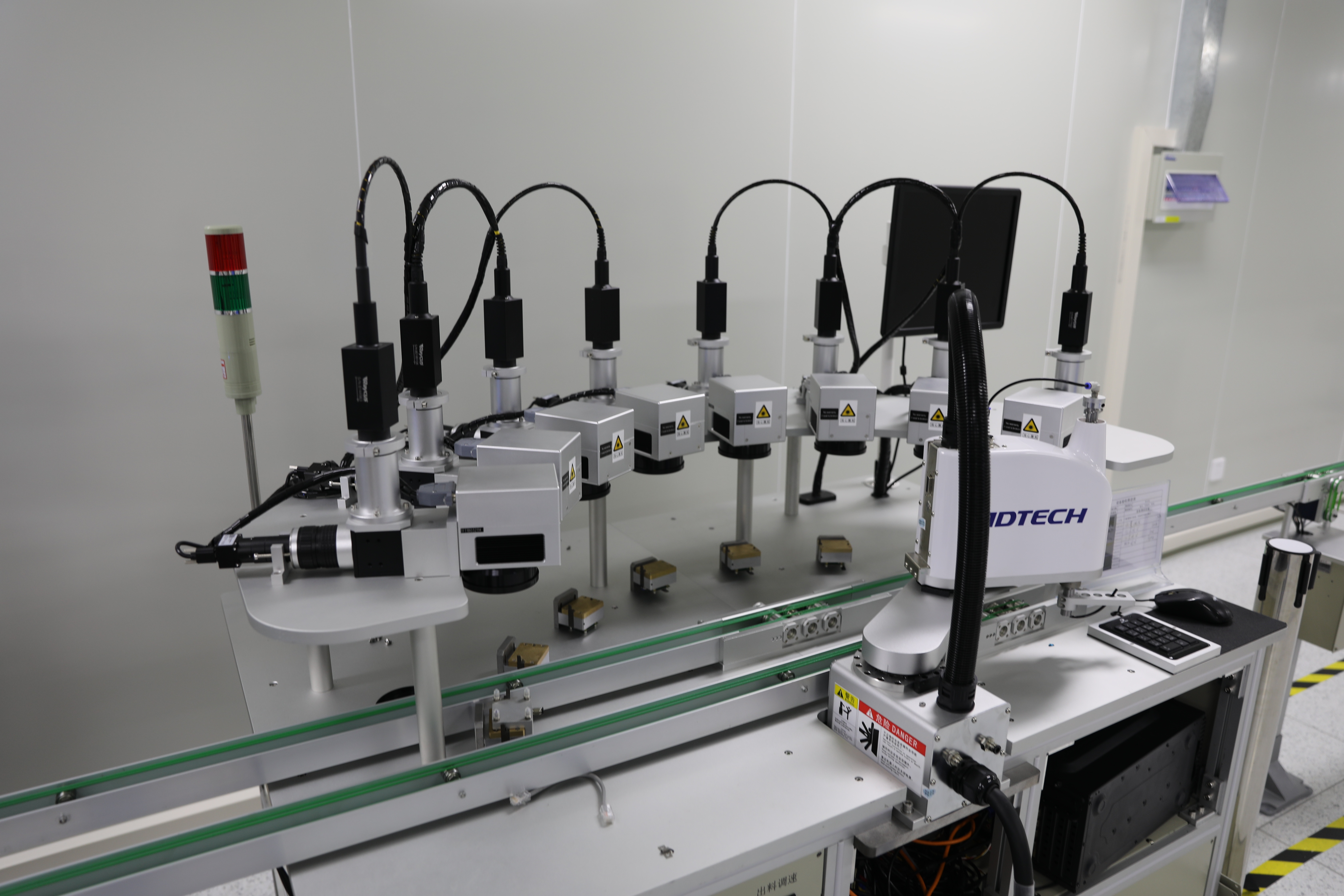
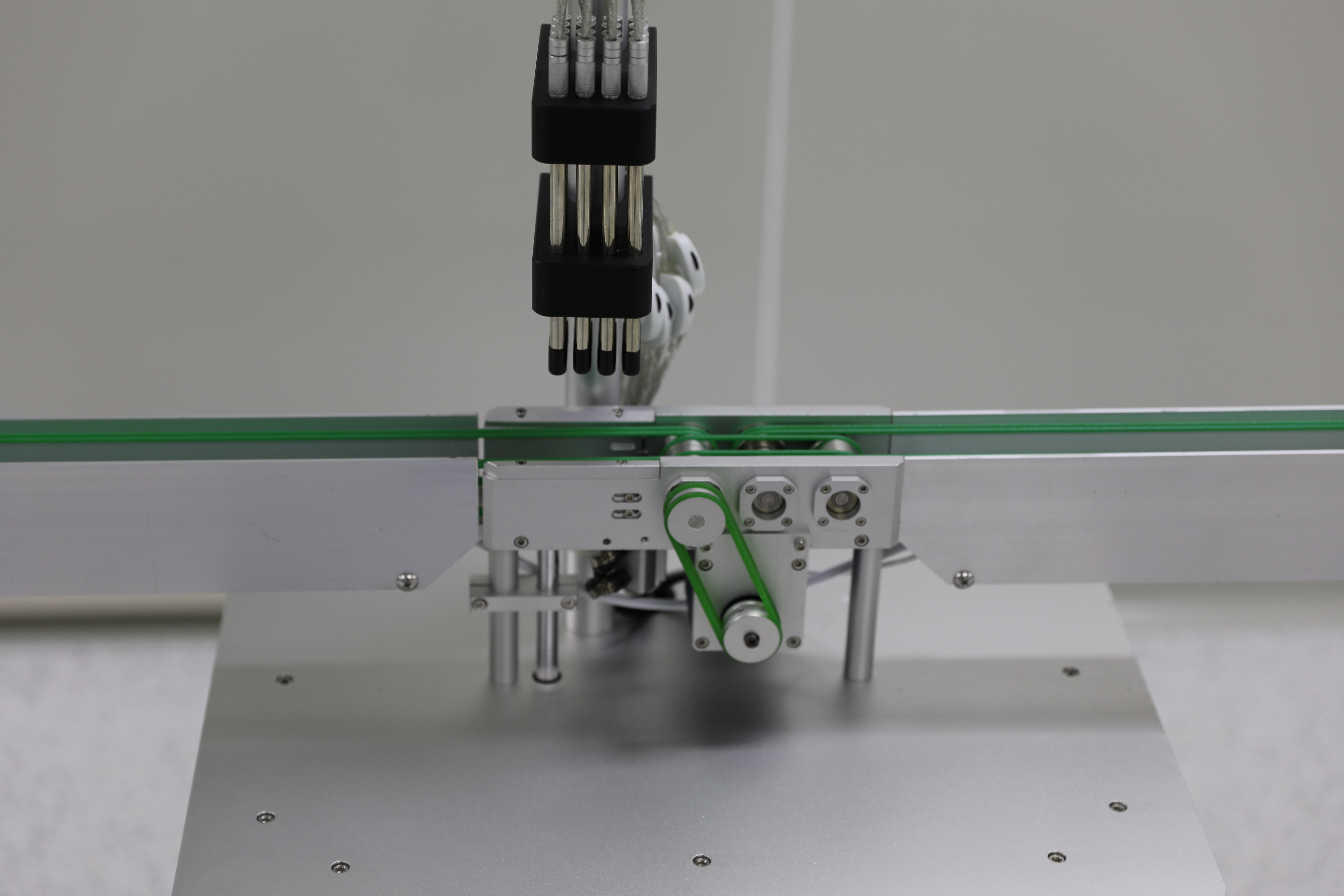
Robotic operation inside a production environment — the setting where the ranked piezo component options do their work.
Problem Definition: Why Generic Top-Component Lists Fail Buyers
Most component lists fail for a structural reason: they catalogue instead of rank. A catalogue tells a buyer what exists. A ranking tells a buyer what to evaluate first, under stated criteria, and where each option stops being appropriate. Without explicit criteria, a ranking cannot be verified — and an unverifiable ranking has no place in a procurement file.
The second failure is treating best as a property of the component rather than of the application. Four timing roles coexist in a typical smart-manufacturing environment:
- Always-on timekeeping — real-time clocks, event logging, shift records, and interval metering that must continue while a machine sits in standby.
- System clocks — the main oscillator that drives a microcontroller, PLC, or communication controller.
- Interface and reference clocks — timing that supports communication interfaces, sampling, and measurement chains.
- Auxiliary timing — peripheral and accessory functions where moderate accuracy is sufficient.
Each role tolerates a different amount of power draw, board area, temperature drift, and cost. That is why this ranking uses four fixed criteria, applied in the same order to every option.
- Timing-role fit — whether the device natively serves the role without extra circuitry or correction.
- Assembly compatibility — surface-mount reflow versus through-hole, and the footprint cost on a dense control board.
- Specification control — whether frequency tolerance, frequency stability, load capacitance, and operating temperature can be specified and verified.
- Supply and compliance readiness — minimum order quantity, lead time, production test regime, and RoHS / REACH status.
Industry Background: The Demand Context Behind the Ranking
The global crystal oscillator market was valued at USD 2.89 Billion in 2025 and is projected to reach USD 3.66 Billion by 2030 (MarketsandMarkets). Asia Pacific dominated that market in 2024, capturing more than a 42% revenue share, approximately USD 1.1 Billion (Precedence Research). Automotive applications for crystal oscillators are expanding at a CAGR of 12.88%, driven by ADAS, infotainment, and EV powertrains (Fortune Business Insights).
Two standards frame how these components are specified and verified. IEC 60122 provides the international baseline for quartz crystal units, covering general requirements and measuring methods (International Electrotechnical Commission). AEC-Q200 is the global stress-resistance standard required for passive electronic components, including crystal resonators, in automotive applications (Automotive Electronics Council). Even where a smart-manufacturing programme is not automotive, AEC-Q200 tends to appear in qualification language because a large share of industrial output feeds automotive-adjacent assemblies.
The supply side is concentrated. Publicly identified leaders in quartz crystals and oscillators include Seiko Epson, Nihon Dempa Kogyo (NDK), Kyocera, Daishinku (KDS), and TXC Corporation (Mordor Intelligence). One industry listing places Seiko Epson as the largest supplier of quartz crystals, with a noted lead in automotive-grade processes (SIC Electronics); rankings of this kind shift with the source and are best read as directional rather than settled.
A note on market numbers: published market-size estimates for this category diverge widely depending on whether raw quartz, discrete resonators, or finished oscillator modules are counted. For the same reporting period, sources quote approximately USD 2.83 Billion (Precedence Research), USD 6.12 Billion (Market Research Future), and USD 11.78 Billion when raw quartz material is included (Grand View Research). Any single figure should be read as scope-dependent.
The Ranking: Six Piezo Component Options for Smart Manufacturing
The order below reflects overall fit across the four criteria for the majority of smart-manufacturing hardware. A lower-ranked option can still be the only correct choice for a specific board. The ranking sets priority for evaluation; it does not declare universal superiority.
1. 32.768 kHz Tuning Fork Crystal Resonator — The Always-On Baseline
A tuning fork crystal resonator is a quartz resonator whose fundamental resonance is set at 32.768 kHz, the frequency that divides down to a 1 Hz timekeeping signal. The term appears in buyer searches and RFQs in both spellings — tuning fork and turning fork — but describes the same device class. In smart manufacturing these components sit behind real-time clocks in meters, controllers, data loggers, and HMI panels.
Why it ranks first. Nearly every connected device in an automated plant needs at least one timing function that keeps running while the rest of the system sleeps. Timekeeping is the one timing role that cannot be switched off, which makes the 32.768 kHz resonator the most broadly required device on this list.
What to specify. Package size and mounting type, load capacitance matched to the consuming circuit, frequency tolerance, and operating temperature range. Fronter's piezoelectric crystal component family is specified across an operating temperature range of -55°C to +125°C, which covers the thermal conditions found on most production floors.
Where it stops being the answer. A 32.768 kHz tuning fork crystal is a timekeeping device, not a system clock. It does not drive high-speed digital buses, and it should not be substituted for an MHz clock to save board area.
Evidence note. Engineering investment in this frequency class remains active. In 2024, SiTime introduced the SiT1811, a 32.768 kHz oscillator drawing only 510 nA and targeting ultra-low-power IoT and wearables (SiTime Corporation) — a signal that always-on timing is still a design priority.
2. MHz SMD Crystal Resonator — The Volume Workhorse
An MHz SMD crystal resonator is a surface-mount quartz resonator operating in the megahertz range, used as the main clock source for microcontrollers, communication controllers, and motor-control boards. Fronter's piezoelectric crystal component line covers a nominal frequency range of 1 MHz to 96 MHz, load capacitance from 4 pF to 33 pF, frequency tolerance from ±5 ppm to ±100 ppm, and frequency stability from ±10 ppm to ±100 ppm.
Why it ranks second. It carries the highest unit volume of any option here because it sits on the main control board of nearly every machine. Surface-mount package families — 7050, 6035, 5032, 3225, 2520, 2016, and 1612 — are built for reflow assembly, the method used on high-volume smart-manufacturing boards.
What to specify. Nominal frequency, load capacitance, tolerance, stability across the operating temperature range, and package size. Tolerance and stability are separate parameters: a tight tolerance at room temperature does not automatically deliver stability across the full temperature range.
Where it stops being the answer. A passive resonator depends on the oscillator circuit inside the microcontroller or ASIC. If no suitable oscillator circuit exists in the design, or a defined output signal is required, the active option below should be evaluated instead.
Evidence note. Fortune Business Insights reports automotive applications for crystal oscillators expanding at a CAGR of 12.88%, driven by ADAS, infotainment, and EV powertrains — demand that pulls the same SMD timing package families into industrial and automotive-adjacent production programmes.
3. Quartz Crystal Oscillator — The Integrated Active Option
A quartz crystal oscillator integrates a quartz resonator with an oscillator circuit in one package and delivers a defined logic output. Fronter's OSC-SMD package families run from 7050 down to 1612, matching the surface-mount footprint range used across control and communication boards.
Why it ranks third. The oscillator removes load-capacitance matching work from the board designer and shifts specification control into the component itself. That is valuable on compact boards and in tight timing budgets. It ranks below the passive resonator because it costs more and draws more power — it is an option chosen for a reason, not a default.
What to specify. Output frequency, supply voltage and current, stability band, operating temperature range, and the output type required by the receiving device.
Evidence note. The SiTime SiT1811 example shows the direction of travel in this category: integrating the timing function and pushing power consumption down to the nanoamp range for always-on use.
4. HC49 SMD Crystal — Legacy Compatibility with Modern Assembly
The HC49 format is a long-established crystal holder reference. The HC49 SMD variant keeps the familiar footprint while converting the device to surface-mount assembly. For smart manufacturing it solves a specific situation: a plant upgrades to automated reflow assembly while the circuit design cannot be re-laid out.
Why it ranks fourth. It answers a genuine engineering constraint — compatible footprint, modern assembly process — but occupies more board area than the 3225, 2520, 2016, and 1612 packages, so it is rarely the first choice for new high-density designs.
Where it fits best. Industrial control boards, instrument and meter assemblies, and retrofit projects where re-qualification cost makes a redesign uneconomic.
5. Cylindrical Crystal Resonator — Compact Through-Hole Timing
Cylindrical crystal resonators are small, cylindrical through-hole quartz devices historically associated with watch timing, which is why the term watch crystal still appears alongside the formal product name. They remain relevant in compact, cost-sensitive designs and on legacy assembly lines that still run through-hole processes.
Why it ranks fifth. The package is compact and economical, but through-hole mounting adds process steps to an SMT line, and the frequency and tolerance spread generally offered in cylindrical packages is narrower than in surface-mount series. In a modern smart-manufacturing build, this option usually appears as a legacy carry-over rather than a new design decision.
6. Ceramic Resonator — Non-Critical Timing Only
A ceramic resonator uses a piezoelectric ceramic element instead of a quartz crystal. It is sometimes grouped with crystal resonators in general conversation, but it is a different device class and should not be treated as interchangeable during a specification review.
Why it ranks sixth. Where the timing requirement is moderate and cost or lead time dominates the decision, a ceramic resonator can be adequate. Quartz is generally preferred where tighter frequency tolerance and temperature stability are required, which is why ceramic sits last in a ranking organised around smart-manufacturing reliability.
Step-by-Step: Turning the Ranking into a Selection Decision
- Map every timing role on the board before choosing a part. List each function that needs a clock or a time reference, then label it as always-on timekeeping, system clock, interface reference, or auxiliary timing.
- Write the accuracy requirement as a number. Convert phrases such as accurate enough into frequency tolerance in ppm, stability across the operating temperature range, and load capacitance in pF — the parameters a supplier can actually confirm.
- Match the package to the assembly process, not to preference. On a reflow-only line, SMD families from 7050 to 1612 are the candidates; HC49 SMD is the bridge option when an existing layout must be preserved; through-hole options require a defined process step.
- Check compliance and environment together. Operating temperature range, RoHS / REACH status, and — where the end product reaches automotive supply chains — the applicable AEC-Q200 requirement. IEC 60122 remains the baseline reference for quartz crystal units.
- Confirm supply parameters before the design freeze. Ask for minimum order quantity, monthly capacity, standard lead time, and the production test regime. Fronter operates at an MOQ of 1000 pcs, with monthly capacity of 80KK, a standard lead time of 30–45 days, and 100% test on production.
- Validate samples in the real circuit, then lock the specification. A sample confirms that the chosen frequency, load capacitance, and tolerance behave correctly on the actual board, not on a test bench with different parasitics.
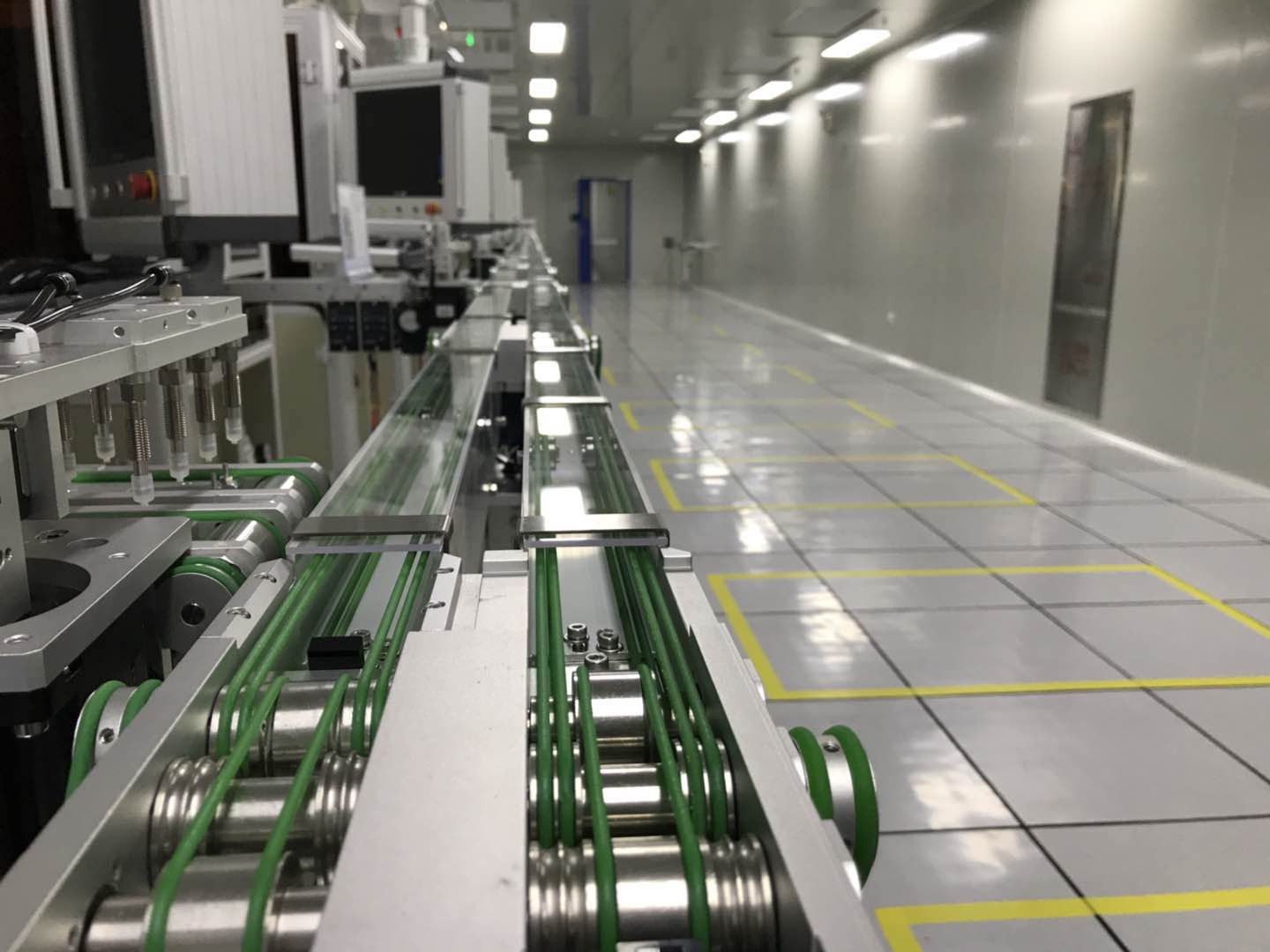
Production line equipment supporting Fronter’s quartz crystal resonator manufacturing, with 80KK monthly capacity and 100% test on production.
Use Cases: Where Each Ranked Option Earns Its Place
Smart Metering: A Ten-Year Field Record
Fronter has supplied a smart meter manufacturer in India with 5,000,000 units over a ten-year programme, with the reported result of stable operation. The programme required fast delivery within 3–4 weeks and flexible customization to meet project-specific packaging and frequency requirements — a practical illustration of why specification fit and supply flexibility matter as much as the device type itself.
Automated Production Cells and Robot Control Boards
A robot control board typically carries two timing functions: an MHz SMD crystal resonator for the controller clock and a 32.768 kHz tuning fork resonator for event time-stamping and the real-time clock. Sourcing both from the same component family reduces the number of qualification files a procurement team has to maintain.
Industrial IoT Gateways and Sensor Nodes
Gateways and battery-backed sensor nodes prioritise low power for timekeeping and footprint efficiency for the radio and processing clocks. The SMD package range from 7050 down to 1612 supports both requirements within the same board family.
Legacy Control Board Retrofit and Instrument Panels
Where an existing board layout must stay unchanged through a production upgrade, the HC49 SMD crystal or a cylindrical through-hole resonator preserves the original circuit design while matching the available assembly process.
Automotive-Linked Manufacturing
Where smart-manufacturing output feeds automotive supply chains, AEC-Q200 becomes part of the procurement language for passive components, and the component selection file should record the standard version and the evidence behind it.
Comparison Table: Piezo Component Options Ranked for Smart Manufacturing
| Rank | Component option | Primary timing role | Mounting / package reference | Best-fit scenario | Check before ordering |
|---|---|---|---|---|---|
| 1 | 32.768 kHz tuning fork crystal resonator | Always-on timekeeping (RTC, event logging) | Surface-mount and through-hole formats | Meters, loggers, HMI panels, gateway RTCs | Load capacitance matching and operating temperature range |
| 2 | MHz SMD crystal resonator | Main system clock | SMD 7050 / 6035 / 5032 / 3225 / 2520 / 2016 / 1612 | Controller and communication boards on high-volume SMT lines | Tolerance and stability stated separately; load capacitance |
| 3 | Quartz crystal oscillator | Integrated clock with defined output | OSC-SMD 7050 / 5032 / 3225 / 2520 / 2016 / 1612 | Compact boards and tight timing budgets | Supply current, stability band, output type |
| 4 | HC49 SMD crystal | System clock with legacy footprint | HC49 SMD | Retrofit and upgrade of existing control board layouts | Board area and reflow profile compatibility |
| 5 | Cylindrical crystal resonator | Compact timing / legacy timekeeping | Through-hole cylindrical | Compact, cost-sensitive designs and legacy lines | Additional through-hole process step on an SMT line |
| 6 | Ceramic resonator | Non-critical auxiliary timing | Ceramic package | Peripheral functions where moderate accuracy is sufficient | Whether quartz accuracy is required for the role |
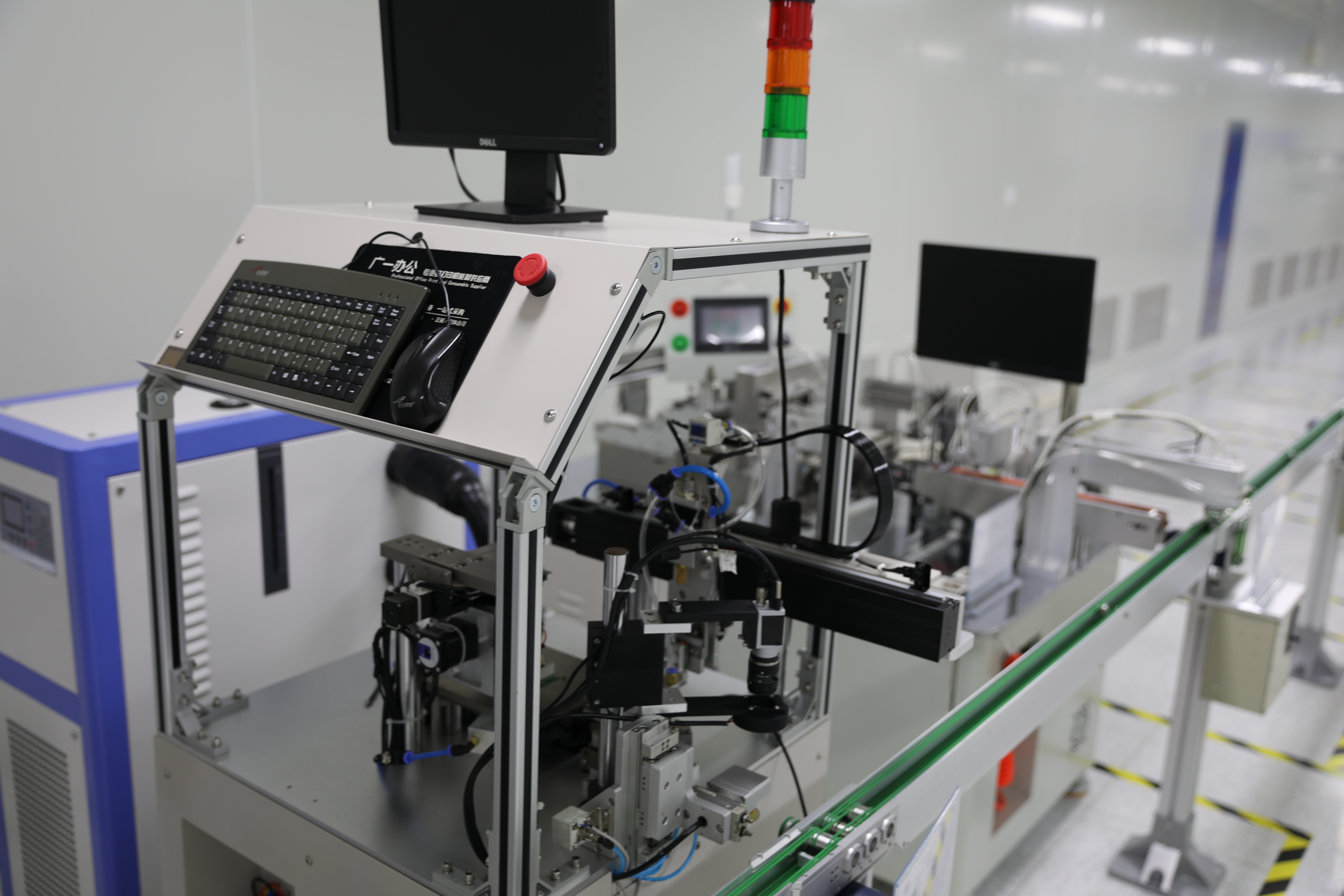
100% test on production is one of the supply parameters buyers should confirm before a design freeze.
Compliance and Capability Evidence Behind the Ranking
A ranking is only useful if the underlying supply can be verified. The evidence below applies to Fronter Electronics Co., Ltd., a Shenzhen-based manufacturer and distributor of quartz crystal resonators and oscillators founded in 1991, whose brand FT was recognised as a National High-Tech Enterprise in 2017.
- RoHS compliance. EU RoHS Compliance Certificate SZXEC25001335806 was issued by SGS-CSTC Standards Technical Services Co., Ltd. Shenzhen Branch on 2025-04-25, covering SAW Resonator & Filter, SMD series under EU RoHS Directive (EU) 2015/863. The certificate is linked to Fronter’s piezoelectric crystal component family, which includes crystal oscillators, crystal resonators, crystal filters, and SAW crystal resonators.
- Environmental compliance. Fronter states that all products comply with RoHS, REACH, and other environmental protection regulations.
- Materials and construction. The piezoelectric crystal component family uses metal covers, ceramic bases, and quartz wafers.
- Production scale. A 21,000m² facility with 286 employees, 19 R&D engineers, an annual output of 300,000,000 units, and 80KK monthly capacity.
- Supply parameters. ODM mode with customization of parameters and appearance, MOQ of 1000 pcs, standard lead time of 30–45 days, 100% test on production, EU and Middle East export markets, and remote after-sales support.
- Market footprint. An export ratio of 70%, with main markets in the EU and the USA, and applications spanning network, communication, industrial control, automotive, instrument and meter, financial equipment, computer interface devices, and consumer electronics.
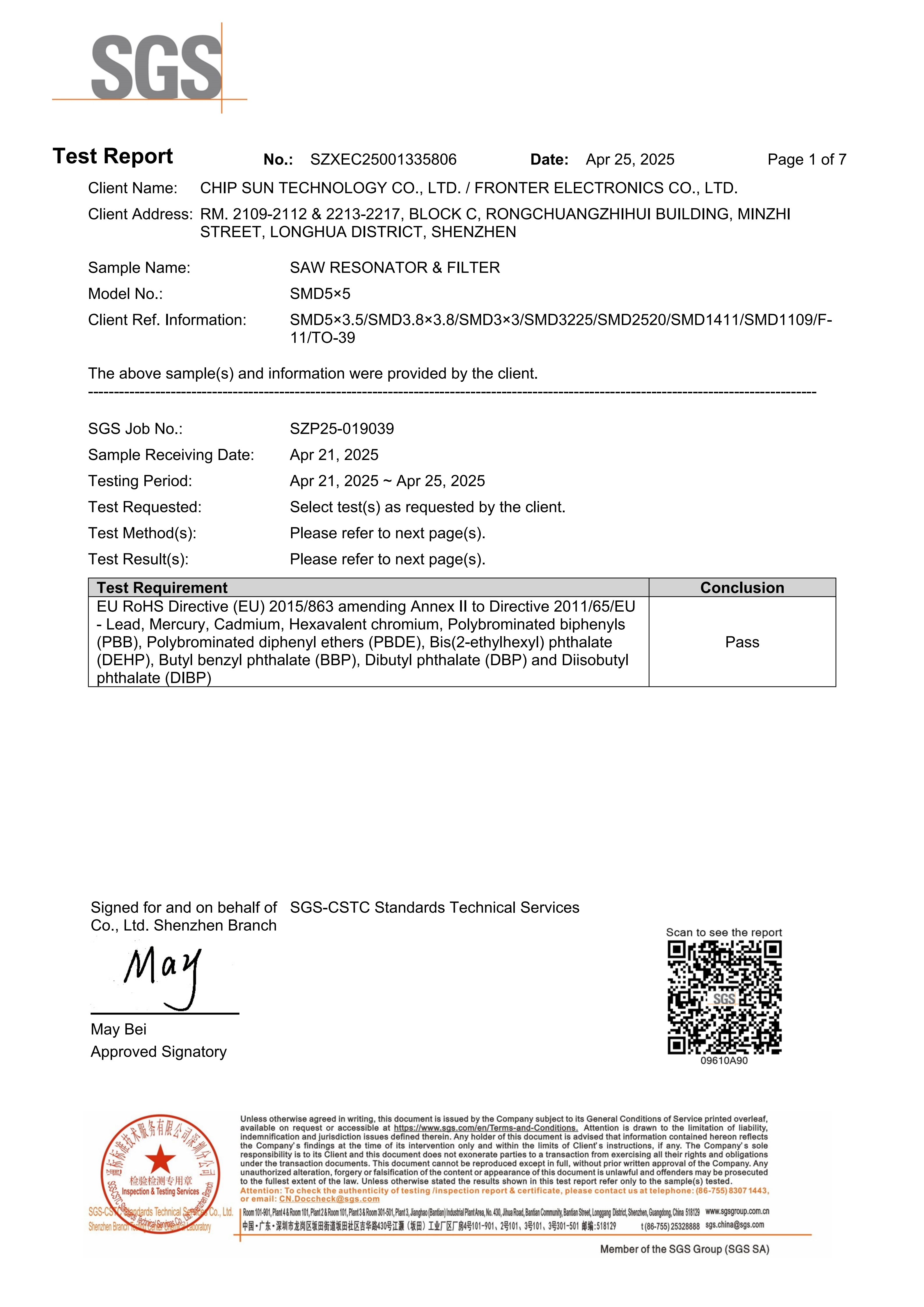
EU RoHS Compliance Certificate SZXEC25001335806, issued by SGS-CSTC on 2025-04-25, covering SAW Resonator & Filter, SMD series.
FAQ: Ranking Crystal and Tuning Fork Options for Smart Manufacturing
1. Do these crystal and tuning fork components meet EU compliance requirements?
Fronter states that all products comply with RoHS and REACH. For the piezoelectric crystal component family, EU RoHS Compliance Certificate SZXEC25001335806 was issued by SGS-CSTC Standards Technical Services Co., Ltd. Shenzhen Branch on 2025-04-25, covering SAW Resonator & Filter, SMD series under EU RoHS Directive (EU) 2015/863. For quartz crystal units, IEC 60122 provides the international baseline covering general requirements and measuring methods. Where the end product reaches automotive supply chains, AEC-Q200 is the relevant stress-resistance standard for passive components such as crystal resonators. Buyers should confirm which standard applies to their end product before locking a specification.
2. Can these options be customized for a specific smart-manufacturing project?
Yes. Fronter operates in ODM mode with customization of parameters and appearance. The piezoelectric crystal component line covers a nominal frequency range of 1 MHz to 96 MHz, load capacitance from 4 pF to 33 pF, frequency tolerance from ±5 ppm to ±100 ppm, frequency stability from ±10 ppm to ±100 ppm, and an operating temperature range of -55°C to +125°C, supported by 19 R&D engineers.
3. What drives the cost of these components?
Cost is driven by the specification itself: nominal frequency, frequency tolerance and stability band, package size, materials such as metal cover, ceramic base, and quartz wafer, the operating temperature range, and the test regime applied in production. Order quantity also changes the commercial structure, so the minimum order quantity is worth confirming early. Fronter’s MOQ is 1000 pcs, which allows a project to validate the specification before committing to volume.
4. How can buyers validate a sample before mass production?
Define the required frequency, load capacitance, tolerance, and temperature range first, then request a sample and verify it in the actual circuit rather than on a test bench, because board parasitics affect the effective load. Fronter applies 100% test on production and provides remote after-sales support, and customization can extend to packaging and frequency requirements for project-specific programmes.
5. What is the lead time and supply capacity for these components?
Fronter’s standard lead time is 30–45 days, with monthly capacity of 80KK and an annual output of 300,000,000 units. In a long-running smart meter programme for an Indian manufacturer covering 5,000,000 units over ten years, delivery was supported within 3–4 weeks with flexible customization to packaging and frequency requirements. To check availability for a specific specification or to request a sample, contact sales@chinafronter.com or download the product brochure.
Conclusion: Rank by Timing Role, Then Verify with Evidence
For smart manufacturing, the most useful ranking is the one organised around timing roles rather than around a single winner. The 32.768 kHz tuning fork crystal resonator ranks first because always-on timekeeping is the one function every connected device needs. The MHz SMD crystal resonator follows as the volume workhorse of control boards, with the quartz crystal oscillator as the integrated active alternative where board space and specification control justify the extra cost. HC49 SMD and cylindrical resonators serve retrofit and legacy layouts, and the ceramic resonator remains a non-critical timing option rather than a substitute for quartz.
The practical sequence does not change: classify the timing role, write the accuracy requirement as a number, match the package to the assembly process, check compliance, confirm MOQ and lead time, then validate a sample on the real board. Each step produces evidence a buyer can file — which is what turns a ranking into a procurement decision.
Calibration and debugging support behind Fronter’s ODM programmes for industrial timing projects.
Next step. If you are specifying timing components for an automated production line, a metering programme, or an industrial gateway design, start from the role each device has to perform. Send your frequency, tolerance, load capacitance, and package requirement to sales@chinafronter.com, review the full component range at www.chinafronter.com, or download the Fronter product brochure (PDF) for the complete list. Additional selection frameworks are published on the Fronter blog at blog.chinafronter.com.