
Turning Fork vs. Piezoelectric Crystal Components: A Practical Buyer's Comparison
Turning Fork vs. Piezoelectric Crystal Components: A Practical Buyer's Comparison
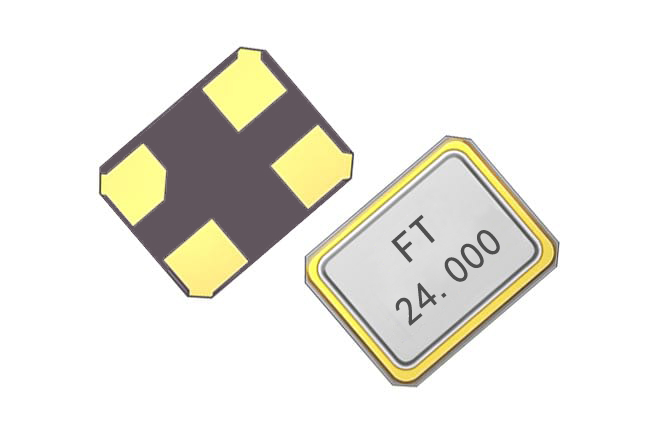
Before requesting quotes for a quartz crystal resonator, engineering buyers usually have to answer one question first: does this design need a 32.768 kHz time base, or does it need a higher-frequency clock reference? The answer shapes the part number, the package, and even the supplier qualifications needed.
Fronter Electronics Co., Ltd. is a Shenzhen, China-based manufacturer of quartz crystal resonators and quartz crystal oscillators, founded in 1991. In Fronter’s product data, the low-frequency 32.768 kHz family is labeled “Turning Fork.” In common engineering language, these are tuning fork crystal resonators. The other side of this guide is the broader piezoelectric crystal component range, which includes crystal oscillators, crystal resonators, crystal filters, and SAW crystal resonators, with nominal frequencies from 1 MHz to 96 MHz.
This guide is not a ranking and not an attempt to prove that one family is always better. It is meant to provide a practical first framework for product selection, based on verified product data and clear application examples.
Why the 32.768 kHz versus MHz Decision Needs a Framework
The first practical reason for a framework is that the two families answer different timing questions. A 32.768 kHz component is normally used for timekeeping and real-time-clock functions, while an MHz-range component is usually selected when the IC needs a high-frequency system clock, radio reference, or communication clock. If a buyer compares only package size or price, it is easy to miss this frequency-driven difference.
Market context also helps explain why buyers face more options than in the past. Third-party research estimated the global crystal oscillator market at USD 2.89 billion in 2025 and projected it to reach USD 3.66 billion by 2030. Asia Pacific accounted for more than 42% of the crystal oscillator market in 2024. Automotive crystal oscillator applications were reported as expanding at a 12.88% CAGR, driven by ADAS, infotainment, and EV powertrains. These figures describe the oscillator market rather than every discrete resonator, but they explain why supplier lists are crowded and why specification screening is necessary.
What Is a Turning Fork Crystal Resonator?
Fronter’s product data uses the name “Turning Fork” for its SMD1610, SMD2012, and SMD3215 32.768 kHz crystal units. These are tuning fork crystal resonators, a quartz family designed specifically for low-frequency clock signal use.
Available parameters in the supplied product data include the following:
- Frequency: 32.768 kHz
- Package sizes: SMD1610 (1.6 × 1.0 mm), SMD2012 (2.0 × 1.2 mm), SMD3215 (3.2 × 1.5 mm)
- Load capacitance options: 12.5 pF, 7 pF, 9 pF
- Frequency tolerance: ±20 ppm
- Operating temperature: -40°C to +85°C
- Listed materials: gold, SiO₂, silver
- Listed application areas: consumer electronics, IoT, smart energy meters, and automotive-related applications
What Are Piezoelectric Crystal Components in This Guide?
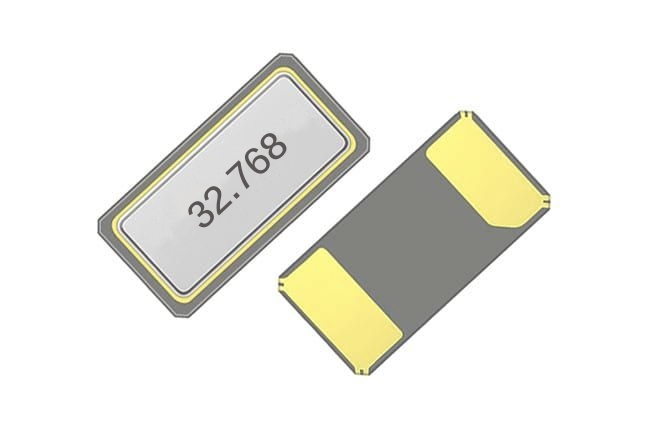
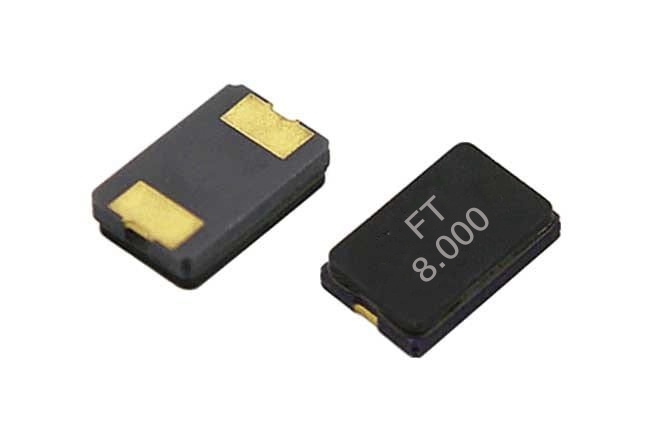
Fronter’s product data groups a broad frequency-control portfolio under piezoelectric component names: piezoelectric crystal components, piezo crystal units, and quartz piezoelectric crystals. For practical selection, the catalog members are crystal oscillators, crystal resonators, crystal filters, and SAW crystal resonators.
The verified specification summary for the family is as follows:
- Nominal frequency: 1 MHz to 96 MHz
- Load capacitance: 4 pF to 33 pF
- Frequency tolerance: ±5 ppm to ±100 ppm
- Frequency stability: ±10 ppm to ±100 ppm
- Operating temperature: -55°C to +125°C
- Construction: quartz wafer mounted using a ceramic base and metal cover
- Package range: SMD7050, SMD6035, SMD5032, SMD3225, SMD2520, SMD2016, SMD1612, with oscillator versions in SMD7050, SMD5032, SMD3225, SMD2520, SMD2016, SMD1612
Fronter’s application data ties this family to smart home appliances, communication electronics, and Bluetooth devices. The stated function is to provide a stable clock signal for an IC. Example project types include mobile devices, Bluetooth headsets, smart air conditioners, and security cameras.
Turning Fork vs. Piezoelectric Crystal Components: Key Differences
For a buyer, the main difference is not subjective quality; it is the frequency and temperature specification. A 32.768 kHz tuning fork unit serves a different function than a 1 MHz to 96 MHz piezoelectric component family.
If a project brief mentions power consumption, compare the complete circuit rather than the passive resonator alone. In the verified product data used here, neither component family lists a direct current-consumption value in its specification fields. For active oscillator versions, current consumption normally appears on the oscillator datasheet. The table below therefore focuses on frequency, electrical tolerance, package, operating temperature, load capacitance, and application patterns.
| Dimension | Turning Fork family (32.768 kHz) | Piezoelectric crystal component family (MHz range) |
|---|---|---|
| Catalog scope | Turning Fork tuning fork crystal resonators | Crystal oscillator, crystal resonator, crystal filter, SAW crystal resonator |
| Frequency range | 32.768 kHz | 1 MHz to 96 MHz |
| Package examples | SMD1610, SMD2012, SMD3215 | SMD7050, SMD6035, SMD5032, SMD3225, SMD2520, SMD2016, SMD1612 |
| Load capacitance | 12.5 pF, 7 pF, 9 pF options | 4 pF to 33 pF |
| Frequency tolerance | ±20 ppm | ±5 ppm to ±100 ppm |
| Frequency stability | Not listed in supplied data | ±10 ppm to ±100 ppm |
| Operating temperature | -40°C to +85°C | -55°C to +125°C |
| Construction | Gold, SiO₂, silver based construction | Quartz wafer, ceramic base, metal cover construction |
| Typical application areas | Consumer electronics, IoT, smart energy meters, automotive-related projects | Smart home appliances, communication electronics, Bluetooth devices, mobile devices, smart air conditioners, security cameras |
Step-by-Step Selection Framework
- Define the clock function first. If the goal is real-time-clock timekeeping, start with the 32.768 kHz tuning fork family. If the goal is a high-frequency IC clock, evaluate the MHz piezoelectric component family.
- Screen tolerance and temperature limits. The available 32.768 kHz units specify ±20 ppm and -40°C to +85°C. The MHz family specifies ±5 ppm to ±100 ppm and -55°C to +125°C. If board temperature commonly rises above 85°C, the low-frequency option may need further review.
- Compare package footprint and board space. Tuning fork examples are SMD1610, SMD2012, and SMD3215. MHz examples span SMD7050, SMD6035, SMD5032, SMD3225, SMD2520, SMD2016, and SMD1612. A small SMD package does not automatically solve the frequency requirement.
- Match load capacitance to your oscillator circuit. The 32.768 kHz family lists 12.5 pF, 7 pF, and 9 pF load capacitance options. The MHz family lists 4 pF to 33 pF. Ask for datasheet values for the exact load capacitance before layout sign-off.
- Confirm compliance and qualification documents. Fronter’s company profile states that all products comply with RoHS, REACH and other environmental protection regulations. A current EU RoHS Compliance Certificate from SGS-CSTC Standards Technical Services Co., Ltd. Shenzhen Branch, number SZXEC25001335806, issued 2025-04-25, covers SAW Resonator and Filter, SMD series. For automotive-related or high-reliability parts, ask the supplier about AEC-Q200 qualification for passive components and IEC 60122 status for quartz crystal units.
- Check ODM and commercial constraints. Fronter lists ODM production capability with customization of parameters and appearance. The capability profile states a 1000-piece MOQ, 30-to-45-day production lead time, 100% test for outgoing product, and remote after-sales support.
Use-Case Patterns That Shorten the Choice
In practice, application patterns in the supplied product data point in two directions.
- Choose the 32.768 kHz Turning Fork direction when the design is primarily a timekeeping function and the listed application fits consumer electronics, IoT, smart energy meters, or automotive-related use.
- Choose the MHz piezoelectric crystal component direction when the design needs a higher-frequency IC clock and the project type matches smart home appliances, communication electronics, Bluetooth devices, mobile devices, smart air conditioners, or security cameras.
Long-term supply evidence can also be useful for qualification. A smart meter manufacturer in India has worked with Fronter for 10 years, with stable operation as the stated result and a total quantity of 5,000,000 units in the case record. The case highlights fast delivery within 3 to 4 weeks and flexible customization for project-specific packaging and frequency requirements. This evidence does not replace frequency selection; it supports the later supplier-qualification step after the right frequency family is identified.
Supplier Evidence and Compliance Checks
Fronter Electronics Co., Ltd. was founded in 1991 and is branded “FT.” The brand is associated with National High-Tech Enterprise recognition from 2017. The company reports a 21,000 m² factory area, 286 employees, an R&D team of 19 engineers, annual output of 300,000,000 units, and export share of approximately 70% to EU/USA.
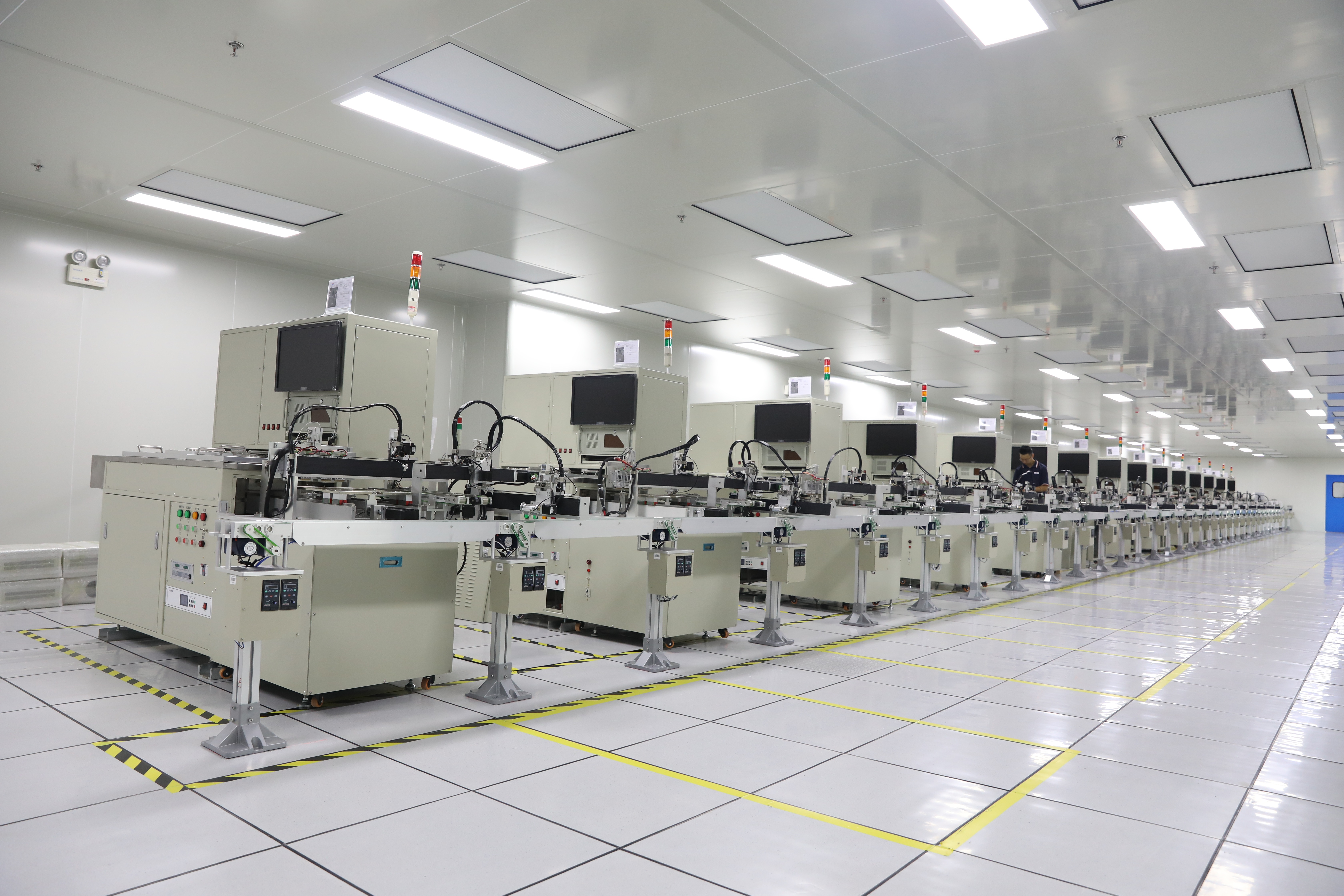
Fronter’s main products are Quartz Crystal Resonator and Quartz Crystal Oscillator. Its ODM capability profile includes parameter and appearance customization, 100% testing, 1000-piece MOQ, 30-to-45-day lead time, and remote after-sales support. If the application is automotive-related, verify AEC-Q200 status; if the requirement follows the international baseline for quartz crystal units, verify IEC 60122 documents for the exact part number.
The EU RoHS certificate supplied with the family is a third-party document issued by SGS-CSTC Standards Technical Services Co., Ltd. Shenzhen Branch. The scope is SAW Resonator & Filter, SMD series. Because compliance can be series-specific, procurement teams should request the current certificate for the exact frequency and package rather than applying one certificate to all products.
Frequently Asked Questions
What is the difference between a 32.768 kHz tuning fork crystal resonator and a piezoelectric crystal component?
Fronter calls its 32.768 kHz low-frequency family Turning Fork; in common engineering language, it is a tuning fork crystal resonator. The piezoelectric crystal components covered here are the MHz-range catalog group that includes crystal oscillators, crystal resonators, crystal filters, and SAW crystal resonators, with nominal frequencies from 1 MHz to 96 MHz.
Should I select 32.768 kHz or MHz-range crystal components?
First decide which frequency the IC really needs. If the function is a real-time clock or sleep timer, 32.768 kHz is the conventional low-frequency starting point. If the circuit needs an MHz-range system or radio clock, evaluate the piezoelectric crystal family. The product data lists 32.768 kHz for consumer electronics, IoT, smart energy meters, and automotive-related use, and MHz piezoelectric components for smart home appliances, communication electronics, and Bluetooth devices.
Which specification parameters should I compare first?
Compare nominal frequency, load capacitance, frequency tolerance, frequency stability, operating temperature, and package size. In the supplied data, the 32.768 kHz family offers load capacitance options of 12.5 pF, 7 pF, and 9 pF, frequency tolerance of ±20 ppm, and an operating range of -40°C to +85°C. The MHz-range piezoelectric family covers 4 pF to 33 pF, frequency tolerance of ±5 ppm to ±100 ppm, stability of ±10 ppm to ±100 ppm, and operating temperature of -55°C to +125°C.
How do RoHS, AEC-Q200, and IEC 60122 apply to these products?
Fronter’s company profile states all products comply with RoHS, REACH, and other environmental protection regulations. A current EU RoHS Compliance Certificate, number SZXEC25001335806, issued by SGS-CSTC Standards Technical Services Co., Ltd. Shenzhen Branch, covers SAW Resonator and Filter, SMD series. AEC-Q200 is the global stress resistance standard for passive components in automotive applications, and IEC 60122 is the international baseline for quartz crystal units. Buyers should request these documents for the exact part number.
Can Fronter customize components, and what are the commercial constraints?
Fronter lists ODM production capability with parameter and appearance customization, a 1000-piece MOQ, a 30-to-45-day production lead time, 100% test for outgoing product, and remote after-sales support. In a documented smart meter case with a manufacturer in India, Fronter supported flexible packaging and frequency requirements and delivered within 3 to 4 weeks. For current availability and quotation, contact Fronter directly.
Conclusion and Next Step
Turning Fork and piezoelectric crystal component families are not interchangeable in a specification. The first screen should be based on frequency, package, load capacitance, tolerance, operating temperature, and compliance. Once the shortlist is narrowed, supplier documentation and ODM capability become the next evidence layer.
Need a starting point for specification review? Fronter Electronics Co., Ltd. is a crystal resonator and oscillator manufacturer founded in 1991. Ask Fronter for a datasheet and quotation after you confirm frequency and package. Email sales@chinafronter.com, call +86 755-83458798, or visit http://www.chinafronter.com. The company brochure is available here: Download Fronter electronics brochure (PDF).