
Bamboo Stick vs. Bendable Stick Cleaning Cotton Swabs: A Buyer's Comparison Checklist
Bamboo Stick vs. Bendable Stick Cleaning Cotton Swabs: A Buyer's Comparison Checklist
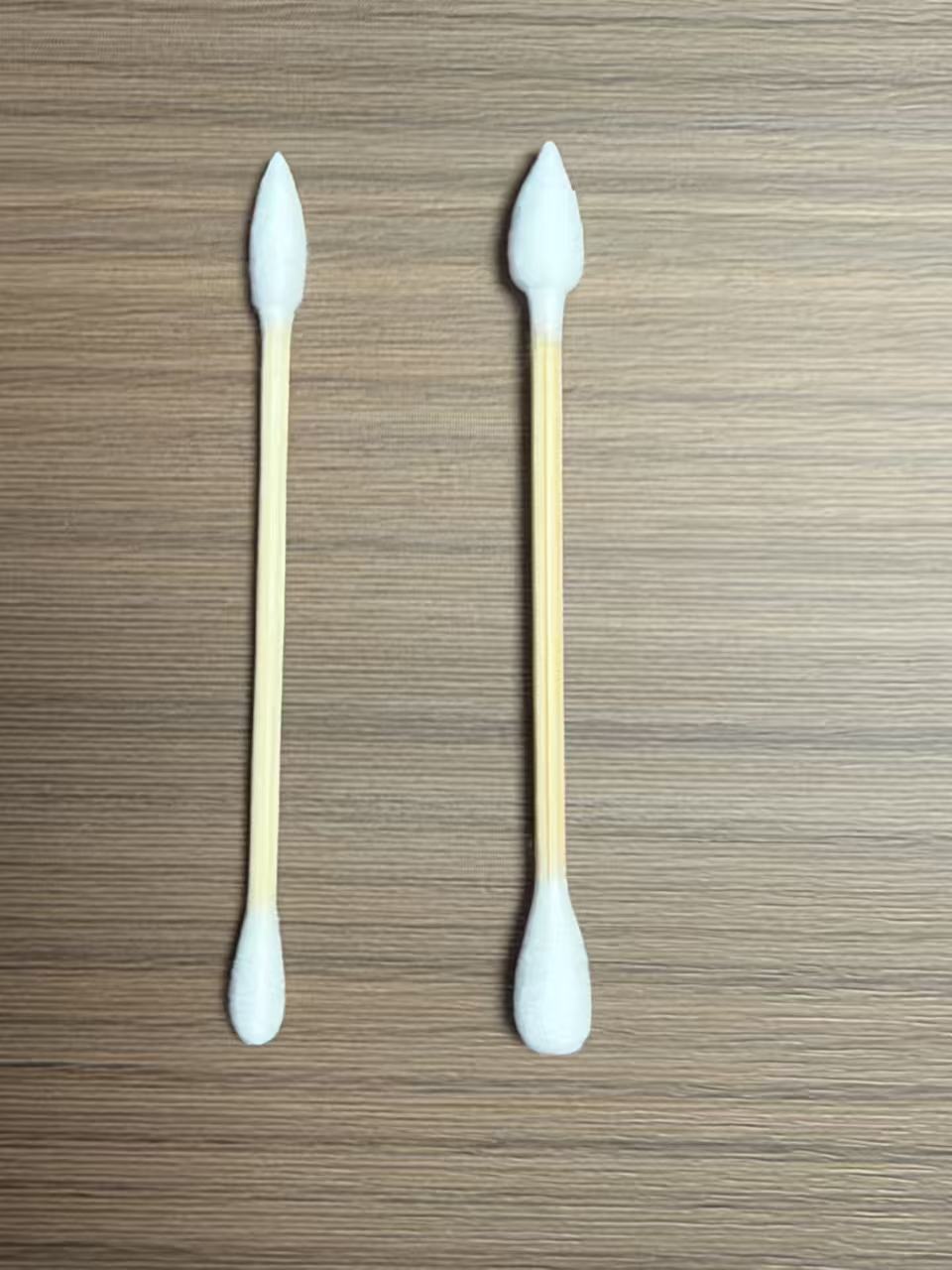
Quality comparison reference for cleaning cotton swabs.
Short answer: choose a bamboo stick cleaning cotton swab when the cleaning path is straight and the tip must be pressed or steered with control. Choose a bendable stick cleaning cotton swab when the target sits off-axis — behind a rim, under an edge, or inside a chamber the hand cannot follow — and the tip has to be angled independently of the handle. Neither stick type is better in general. The decision turns on task geometry, tip profile, handle length, fluid contact, breakage tolerance, documentation, and supply terms, and it should be settled before a purchase order is placed.
This checklist is written for buyers who have already shortlisted the product and now have to commit to a specification, a sample, and a purchase order. It compares the two options on the criteria that actually change a buying decision, keeps the supplier's own product data clearly labelled, and flags the points that must be confirmed before a specification is repeated in your own listings or quoted to your own customers.
Why bamboo stick and bendable stick swabs get confused
Both products are sold under the same search term — cleaning cotton swabs — and both are manual, single-use tools with a cotton tip. The phrases "bamboo stick" and "bendable stick" describe the shaft only. They say nothing about the tip profile, the handle length, the fluid the swab will meet, or the surface it will contact.
That gap is the source of most specification errors in this category. A buyer compares tip shapes or price per box, places an order, and discovers after delivery that the shaft cannot reach the part of the item that actually needs cleaning, or that the tip flexes away from the surface exactly where pressure was needed. Separating the decision into shaft behaviour first, tip and handle second, and commercial terms third removes most of that risk. The checklist below follows that order deliberately.
Where cleaning cotton swabs are used now
The category has widened well beyond personal care. The application data supplied for this product line lists bong cleaning, pet cleaning, and personal care as the operating scenarios, and places the products in Tools & Hardware as well as Light Industry & Daily Use. The stated working conditions in that data are ordinary: manual use, room temperature, normal indoor environment.
The rest of the buyer vocabulary in this category describes the tip, the handle, or the target rather than the shaft — pointed tip cleaning swabs, round tip cleaning swabs, long handle cleaning swabs, glass cleaning cotton swabs, bong cleaning cotton swabs, pet ear cleaning swabs, slurper mops. A stick-type decision taken in isolation from those variables is usually revisited on the second order. Supply is largely export-oriented: the supplier referenced in this comparison, for example, exports its full output to North America, South America, and Europe.
What actually differs between the two stick types
Two mechanical variables drive the choice, and they pull in different directions.
Shaft rigidity. A rigid shaft keeps the tip in line with the hand, so pressure applied at the handle arrives at the tip without the tip wandering off the target. Wiping a residue from a surface, holding a tip against a specific point, or working inside a straight tube all depend on this. A bamboo shaft is a rigid, plant-based stick; a paper stick cleaning swab is the other common rigid option in the same product family.
Angle adjustability. A bendable stick includes a flexible section that lets the tip be set at an angle to the handle. That is useful when the hand cannot line up with the surface: an offset opening, a curved interior, a target under a rim. The trade-off is a supplier question, not an assumption — how much force the flexible section tolerates before it changes angle under load, and whether the bent position holds through the cleaning stroke.
Tip profile, handle length, tip density, and packaging are separate specifications. Treat them as separate lines on the comparison sheet rather than as part of the stick-type choice.
The buyer's comparison checklist
Work through the eleven criteria below in order. For each one, write down the answer you need before you request a sample, so that the sample test confirms a specification instead of discovering one.
1. Task geometry and access angle
Describe the cleaning path in one sentence: straight, offset, or curved. A straight path down a tube, a stem, or across a flat surface suits a rigid shaft, because the tip stays where the handle points. An offset path — around a corner, under a rim, into a chamber with a side opening — is the case for testing a bendable stick first, because the hand cannot deliver the angle directly. If one SKU has to cover both geometries, plan two specifications rather than one compromise.
2. Shaft rigidity and force control
Decide how much pressure the job needs. Wiping a residue off a hard surface and dabbing fluid out of a recess are different force profiles. For bamboo and paper sticks, ask the supplier for the stick hardness figure they can document. For bendable sticks, ask what happens to the set angle when the tip is pressed, and how many bend cycles the flexible section is expected to survive. A product photo cannot answer either question.
3. Tip profile: pointed versus round
A pointed tip concentrates contact on a small area, which suits placing a small amount of fluid or reaching into a narrow gap. A round tip spreads contact over a wider area, which suits wiping a surface and absorbing fluid. Confirm which tip profiles are available on the shaft you have chosen, and ask for the actual tip dimensions rather than inferring them from the product name.
4. Handle length and reach
Long handle cleaning swabs keep the fingers further from the cleaning area, which matters for containers, glass, and any application where the hand should not enter the work zone. Confirm the handle length as a number, and check whether the additional length changes the control you need for pressure work, because a longer handle changes the leverage that arrives at the tip.
5. Shaft material and fluid contact
Bamboo and paper are both plant-fibre shaft materials, and neither name tells you how the shaft behaves in a specific cleaning fluid. Ask which shaft material the supplier recommends for the fluid you use, and how long the swab is expected to stay wet during a normal cleaning cycle. Do not assume fluid resistance from the material name alone, and do not carry a fluid-compatibility assumption from one supplier's swab to another's.
6. Tip attachment and fibre behaviour
Ask how the cotton tip is attached to the shaft and whether the tip sheds fibre in use. Fibre shedding is a recognised limitation of cotton-tipped products in precision cleaning, and the acceptable level depends entirely on the application — a fibre left on glass is a defect, while a fibre left inside a drain line is not. Set your own acceptance level before the sample test, then test against it.
7. Breakage and complaint rate
The comparison data supplied for this cleaning-swab line describes a stronger stick as less likely to break and states that this helps reduce customer complaints. The same record lists a 2 mm size and a stick hardness of 25 N, names quartz nails and banger cleaning as the intended applications, and positions the product at a competitive price. Two cautions apply before those figures are reused: they are supplier product data rather than an independent laboratory report, and the record does not separate the size and hardness values by stick material. Confirm which configuration the 2 mm and 25 N refer to before repeating them in your own listing.
8. Swabs used per cleaning task
The same data states the intended efficiency as fewer swabs, better cleaning, and more efficiency. Treat that as the supplier's positioning and verify it on your own task: count the swabs used per cleaning with each option, on the same surfaces, with the same fluid, and compare cost per completed cleaning rather than cost per box. A lower box price is easily offset by a higher swab count per job, and an upcharge on a stick that reduces breakage can pay for itself in complaint handling.
9. Compliance and documentation
The scenario data supplied for bong cleaning, pet cleaning, and personal care lists US California Prop 65 requirements and microbial safety as the special requirements to be met under normal indoor conditions and manual use. Those are requirements to verify, not certifications to assume. Ask for the test documentation that applies to your market and your application, and check that the document names the product and the configuration you are buying. The supplier states that raw materials, production processes, and finished products are all inspected, that spot checks are performed, and that samples are sent to reputable third-party laboratories for independent testing — request the reports that correspond to your specific order.
10. OEM, packaging, and private label
If the swabs will carry your own brand, confirm that the stick type, tip profile, and handle length you validated are available as OEM or private label, and that product specification, packaging, and branding can be customised without changing the validated product. The supplier in this comparison offers OEM and private label services across those three areas. Ask for the specification sheet that will be attached to your purchase order, not just a catalogue page.
11. Commercial terms
Confirm the commercial frame before the sample test, because it decides how much testing is worth doing. The supplied terms for this product line are: samples are available free of charge; the MOQ for most conventional products is 1,000 boxes, while customized products are quoted according to the product situation; mass production takes 15–30 days depending on the exact order quantity, with some products held in stock for immediate shipment; totals under USD 1,000 are paid in one instalment, and above USD 1,000 the terms are 50% deposit with the balance before shipment; FOB ports are Ningbo, Shanghai, and Shenzhen.
Bamboo stick versus bendable stick: side-by-side summary
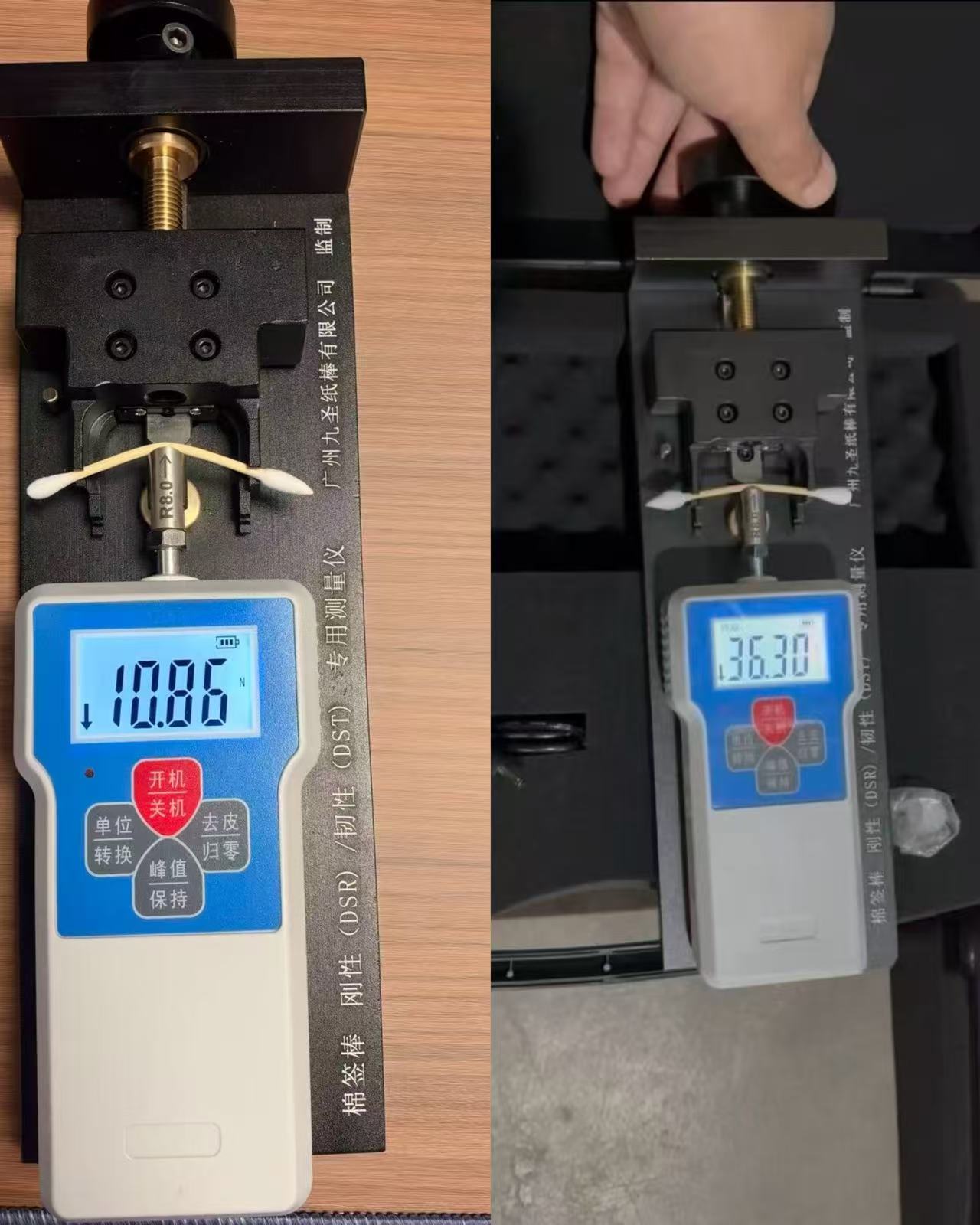
Quality comparison reference, second view.
| Decision criterion | Bamboo stick — confirm this | Bendable stick — confirm this |
|---|---|---|
| Task geometry | Straight path; the tip stays in line with the hand | Offset or curved path; the angle is set before the stroke |
| Force control | Documented stick hardness; behaviour under pressure | Force the flexible section tolerates; whether the set angle holds |
| Tip profile | Pointed or round available on this shaft; tip dimensions | Same, plus tip behaviour once the shaft is bent |
| Handle length | Length as a number; leverage at the tip | Length plus usable reach after bending |
| Fluid contact | Recommended shaft for your fluid; expected wet time | Same, plus whether residue can collect at the flexible section and how it is cleaned |
| Fibre behaviour | Tip attachment method; shedding level against your acceptance limit | Same |
| Breakage | Documented size and hardness for the exact configuration | Same, plus joint durability across bend cycles |
| Cost per cleaning | Swabs per job multiplied by unit price | Same calculation on the same task |
| Documentation | Prop 65 and microbial test reports naming this configuration | Same |
| OEM fit | Specification, packaging, and branding options | Same |
| Commercial terms | MOQ, lead time, payment terms, FOB port | Same |
Step-by-step: how to run the comparison
- Write the cleaning brief. Record the target surface, the access angle, the fluid used, the force the job needs, and the defect you are trying to avoid — residue, fibre, breakage, or incomplete reach. Without this, the sample test produces opinions instead of findings.
- Fix tip profile and handle length first. These are decided by the surface and the gap, not by the shaft. Pointed or round, short or long handle, then lock the answer for both candidate sticks so the comparison is like for like.
- Choose the stick type against the access angle. Straight path favours a rigid bamboo or paper stick; offset or curved path favours a bendable stick. Note the force tolerance and the bend behaviour you need from the supplier.
- Request samples of both configurations. Free samples are available for this line. Test them side by side on the same surfaces, with the same fluid, with the same operator, and keep the tip profile and handle length identical.
- Record the results in numbers. Swabs used per cleaning, breakages per 100 swabs, visible residue or fibre after each pass, and time per cleaning. These four counts convert a preference into a purchasing decision.
- Confirm documentation and commercial terms for the winner. Match the test reports and the specification sheet to the exact configuration, then confirm MOQ, lead time, payment terms, and FOB port before the order is raised.
Matching the stick to the application
The same product family serves several cleaning jobs, and the access geometry changes from one to the next. The table below maps the common applications to the stick type worth testing first; it is a starting point for the sample test, not a substitute for it.
| Application | Access geometry | Test first | Verify |
|---|---|---|---|
| Bong cleaning | Narrow openings with an offset interior | Bendable stick where the target sits off-axis; long handle rigid stick where the path is straight | Handle reaches the chamber floor; no fibre left behind |
| Quartz nails and banger surfaces | Direct contact, pressure applied | Rigid stick, as named in the supplied comparison data for the 2 mm, 25 N configuration | Hardness applies to the exact configuration; breakage under your own technique |
| Glass cleaning | Flat, transparent, defect-visible surface | Round tip on a rigid stick for wiping | Fibre shedding and residue against your acceptance limit |
| Pet ear cleaning | Small, sensitive area where control matters more than reach | Short handle with a soft round tip | Documentation for the pet care range, and your own use instructions on pack |
| Personal care | Short reach, gentle contact | Short handle, round tip | Tip softness, packaging format, private label specification |
| Nail tool cleaning and slurper mops | Tight geometry with small residue | Pointed tip on a rigid stick for precision | Tip firmness and dimensions; fibre loss in the recess |
What this comparison cannot decide for you
No independent head-to-head laboratory test of bamboo stick versus bendable stick swabs was supplied for this article, so nothing here establishes that one stick type cleans better than the other. The numeric values quoted — a 2 mm size and a stick hardness of 25 N — come from the supplier's own product comparison record and are not separated by stick material in that record.
Actual performance depends on the fluid, the operator's technique, the surface being cleaned, and the swab count per job. The checklist narrows the field and makes the sample test comparable; it does not replace the test. Treat the conclusion of your own side-by-side sample run on your own cleaning task as the buying decision, and keep the written results for the next order.
The supplier behind this comparison
FUZHOU WENXI EVER-RISE IMPORT & EXPORT CO., LTD. is an export-oriented manufacturer and supplier based in Fuzhou, Fujian Province, China, founded in 2025. Its product range covers cotton swabs, cotton pads, dental floss picks, pet cleaning products, and related personal-care and daily-use items, produced in a 5,000 m² facility with more than 20 employees, 5 engineers, and annual output of over 1,000 tons. All output is exported, to North America, South America, and Europe.
The company states that it controls production from raw-material selection through to finished-product inspection, performs regular spot checks, sends samples to reputable third-party testing laboratories for independent testing, and offers OEM and private label services covering product specifications, packaging, and branding. For a stick-type decision, those two capabilities matter together: the specification you validate has to be the specification that ships under your brand.
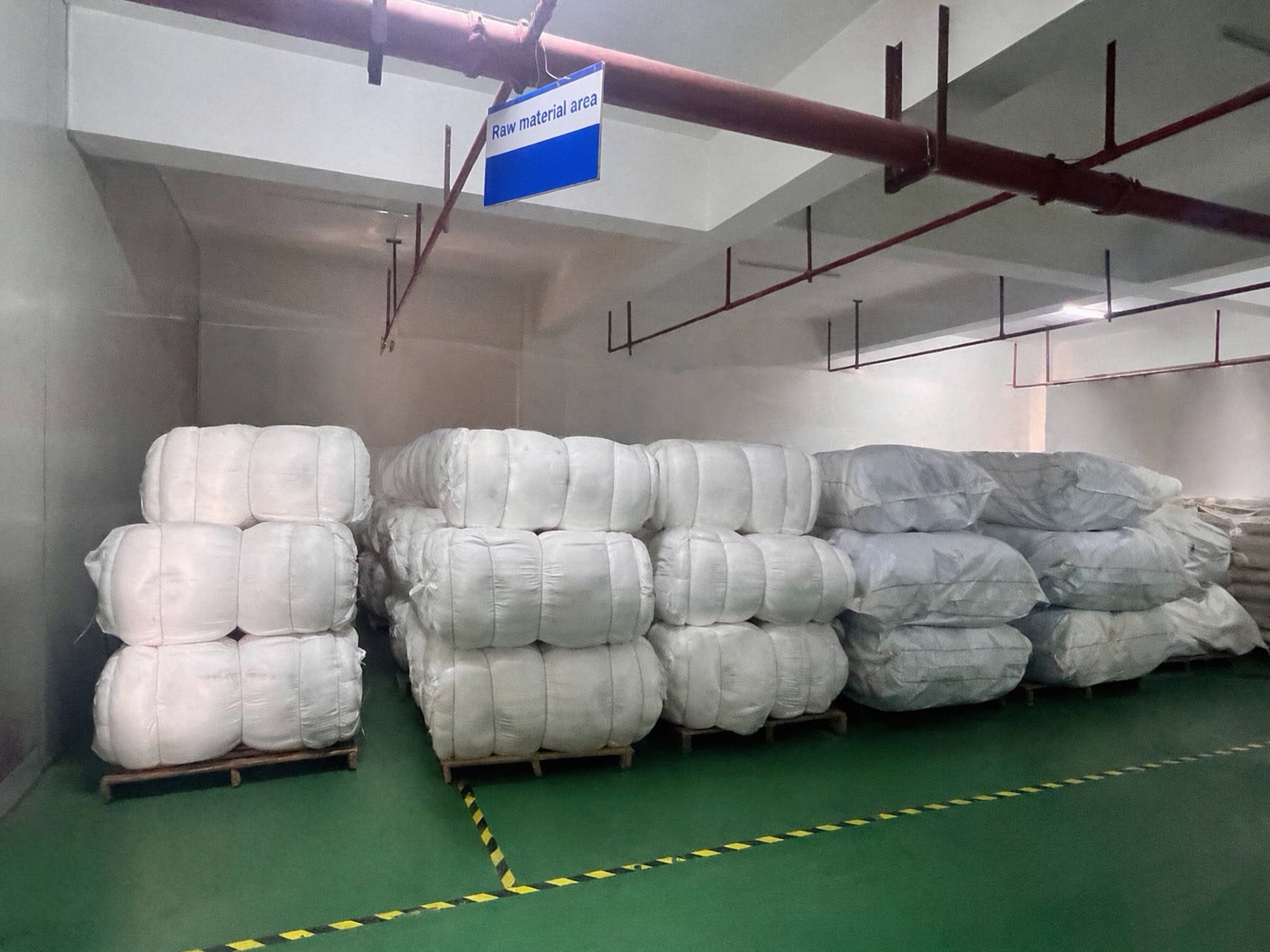
Manufacturing facility.
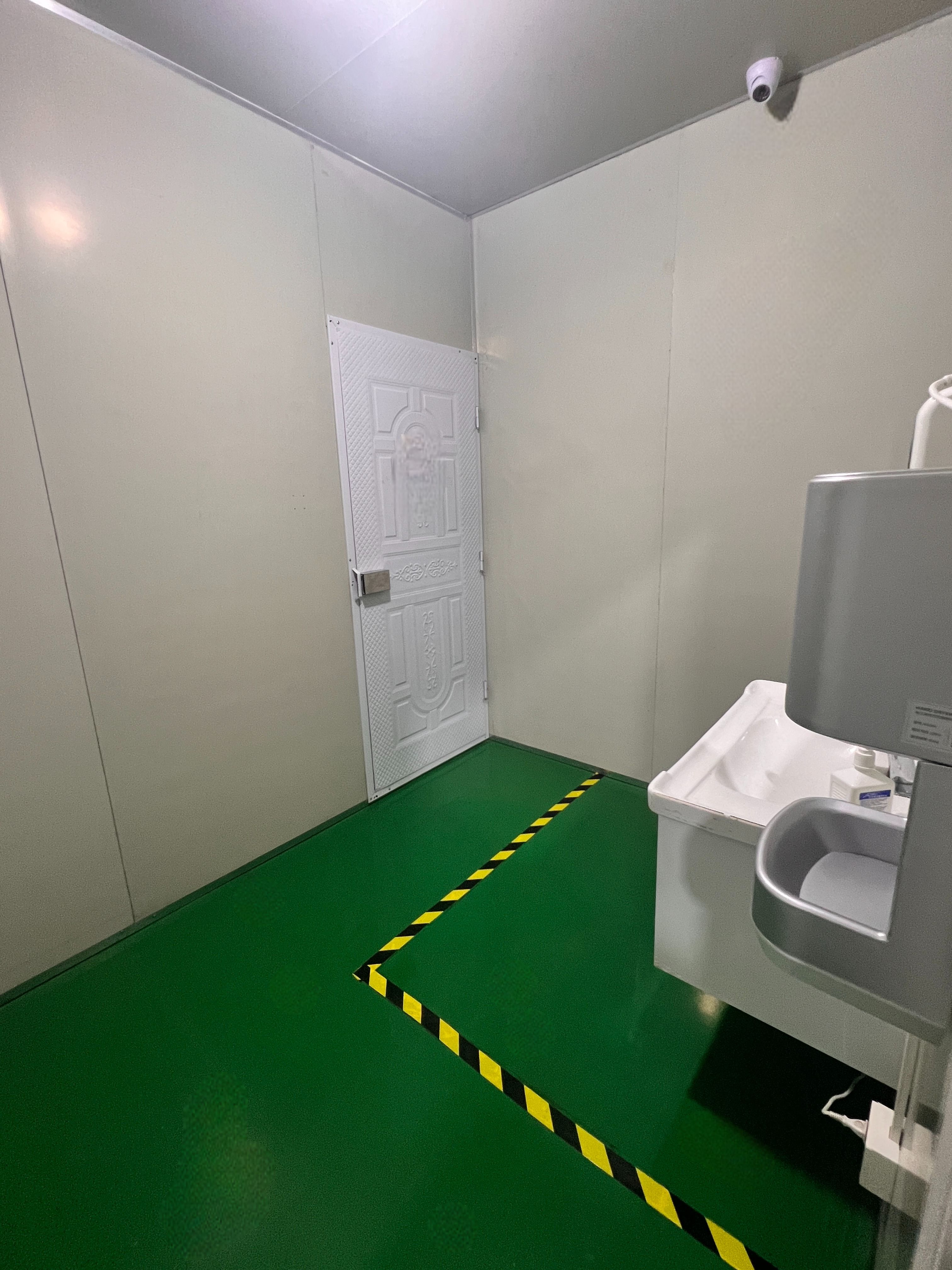
Production area.
Frequently asked questions
Which compliance documents should a buyer confirm for bong, pet ear, and glass cleaning swabs?
The application data supplied for these products lists US California Prop 65 requirements and microbial safety as the special requirements to be met for bong cleaning, pet cleaning, and personal care, under manual use at room temperature and normal indoor conditions. Ask the supplier for the test reports covering the exact configuration you are buying — stick type, tip profile, handle length, and packaging — and check that the reports match the market you sell into. The supplier states that raw materials, production processes, and finished products are inspected, that spot checks are carried out, and that samples are sent to third-party laboratories, so these reports should be requestable against your order rather than accepted as a general claim.
How do we decide between bamboo stick and bendable stick for one specific cleaning task?
Start with the access angle, not the price. A straight cleaning path down a tube, stem, or flat surface favours a rigid bamboo or paper stick, because pressure applied at the handle reaches the tip without the tip wandering. An offset or curved path — around a corner, under a rim, into a chamber the hand cannot follow — favours a bendable stick, because the angle can be set before the stroke. Then confirm the force the flexible section tolerates, the tip profile, and the handle length. Where both geometries occur in your range, specify two SKUs instead of one compromise.
Does the tip profile matter more than the stick type?
They solve different problems, so neither outranks the other. The tip profile controls where the cotton contacts the surface: a pointed tip concentrates contact for narrow gaps and small fluid placement, a round tip spreads contact for wiping and absorption. The stick controls where the cotton can reach and how much force arrives there. Decide the tip profile from the surface and the gap, decide the stick type from the access angle, and confirm the actual tip dimensions with the supplier rather than inferring them from the product name.
What are the MOQ and sample terms?
Samples are available free of charge. The MOQ for most conventional products is 1,000 boxes; for customized products the MOQ is quoted according to the product situation, so a private-label combination of stick type, tip profile, and handle length is confirmed per order rather than assumed from the standard figure.
What lead time should we plan for?
Some products are held in stock and can ship immediately. Mass production takes 15–30 days depending on the exact order quantity, so the schedule should be confirmed for your configuration and quantity before a delivery date is promised to a downstream customer.
What are the payment terms and FOB ports, and how do we move from checklist to quote?
For totals under USD 1,000 a one-time payment applies; above USD 1,000 the terms are 50% deposit with the remaining balance paid before shipment. FOB ports are Ningbo, Shanghai, and Shenzhen. To turn this checklist into a quotation, send the stick type, tip profile, handle length, quantity, and packaging format you have validated, and ask for the matching specification sheet and test reports alongside the price. The contact is Wendy at sales1@wenxieverrise.com or +86 135-5992-2211.
Conclusion
The bamboo stick versus bendable stick question is settled by geometry before it is settled by price. A rigid bamboo or paper shaft is the right starting point when the cleaning path is straight and the tip has to carry pressure; a bendable stick is the right starting point when the hand cannot reach the angle the surface demands. Around that decision sit the specifications that decide whether the order works in practice: tip profile, handle length, fluid compatibility, fibre behaviour, breakage tolerance, compliance documentation, OEM fit, and the commercial terms.
Run the comparison in that order, test both configurations side by side on your own cleaning task, and count what the test produces. The full product range and specification details are available in the downloadable product catalogue, and samples of both stick types can be requested from the supplier before a specification is locked.
Have Questions or Need More Details?
Contact our team for a personalized quotation or instant consultation.
Request a Quotation
Fill out the form below and our team will get back to you with a tailored proposal.
WhatsApp Direct Chat
Prefer to chat in real-time? Message us on WhatsApp for instant assistance & quick answers.
- Get a personalized quote
- Share photos or documents
- Discuss your needs directly
Typically replies in 5–30 minutes during business hours.