
Bamboo Stick vs Bendable Stick Cotton Swabs: A Buyer's Comparison Guide
Bamboo Stick vs Bendable Stick Cotton Swabs: A Buyer's Comparison Guide
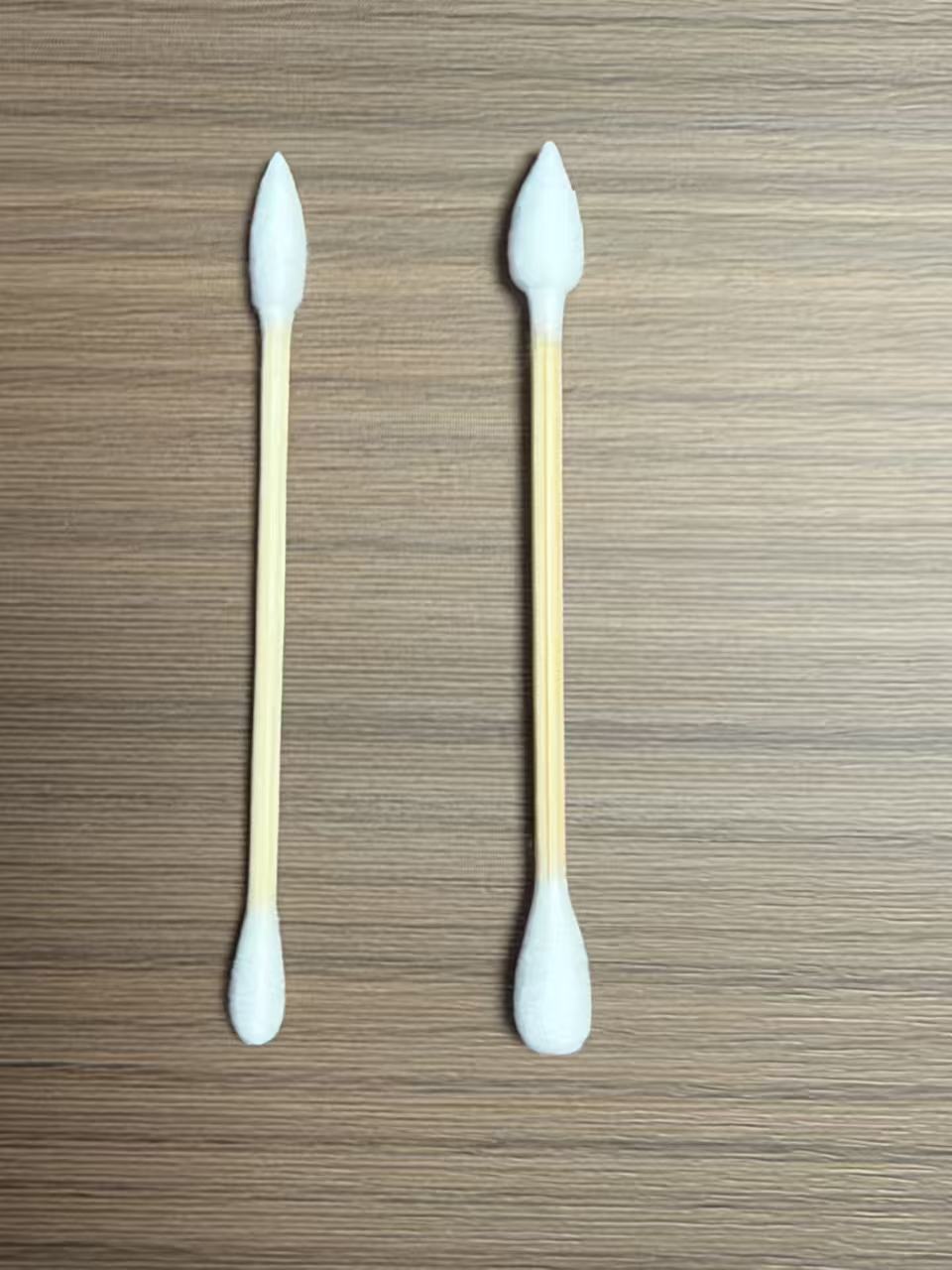
Bamboo stick cotton swabs and bendable stick cotton swabs are both cleaning cotton swabs, but they are built to answer different problems. A bamboo stick gives the head a rigid, straight reach and resists flexing when the tip is pressed into a rim or a residue patch. A bendable stick places an adjustable angle at the head, so the tip can follow a curve or reach a surface that a straight stem cannot present a tip to. Neither construction wins across every application: the order turns on container geometry, the liquid on the swab, tip shape, handle length, breakage history and the commercial terms behind the quotation.
This guide is written for buyers at the decision stage — importers, distributors, private-label owners and OEM sourcing teams who already know they need cleaning swabs and now have to choose a stick construction. The product and supplier facts below come from FUZHOU WENXI EVER-RISE IMPORT & EXPORT CO., LTD., an export-oriented manufacturer and supplier based in Fuzhou, Fujian Province, China, whose stated range covers cotton swabs, cotton pads, dental floss picks and pet cleaning products, with exports to North America, South America and Europe.
Quick answer: how the two stick types divide the work
Specify the bamboo stick when the cleaning action is straight-line, pressure-based work: lifting residue from a flat or gently curved surface, working inside a tube where a firm stem keeps the tip tracking the wall, or cleaning small hard parts where a stem that bends under load is a defect rather than a feature. Specify the bendable stick when the soiled surface sits behind a bend, under a rim or at an angle that a straight stem cannot reach without tilting the whole hand.
Three rules settle most decisions:
- If the current swab fails because the stick bends or snaps, the rigid type is the candidate.
- If it fails because the tip cannot be placed on the soiled surface, the bendable type is the candidate.
- If it fails for both reasons, split the range into a rigid swab for the main cleaning step and a bendable swab for the detail step, rather than forcing one SKU to do both jobs.
What each stick construction actually is
Bamboo stick cleaning swabs
A bamboo stick cleaning swab uses a bamboo stem as the handle. Bamboo is a fast-growing grass processed into thin, straight rods, and in swab form the stem is stiff, needs no joint or flexible neck, and gives the swab a continuous axis from finger to tip. That is why bamboo sticks are commonly specified where the user pushes rather than dabs: bong stems and bowls, glass pieces, small tooling, nail implements and other hard-surface detail work.
Tip geometry is a separate decision from the stem. Bamboo stick cleaning swabs are supplied with pointed tips for tight corners and small openings, and with round tips where absorbency and a softer contact surface matter. Handle length is separate again: standard lengths suit bench work, while long handle cleaning swabs extend reach into deep containers and keep fingers away from solvent.
Bendable stick cotton swabs
A bendable stick cotton swab carries a flexible section in the stem — in most designs a moulded plastic stem with a reduced neck — so the head can be set at an angle and held there while the user works. The benefit is geometric: the tip reaches surfaces that a straight stem cannot present a tip to, including the inside curve of glassware, the underside of a rim and the wall behind a joint.
The trade-off is also geometric. The flexible section is the point where the stem is designed to give, so a bendable swab is not the tool for heavy scraping pressure, and the set angle has to survive the push. Buyers who need both reach and rigidity normally keep two SKUs rather than specify one.
Where paper stick and other options fit
Paper stick cleaning swabs are the third common construction and the most moisture-sensitive: a rolled paper stem takes up liquid and loses stiffness as it does, which is why paper is usually specified for dry or lightly damp work rather than solvent-heavy cleaning. The practical choice is three-way — bamboo for rigid straight reach, bendable for angled reach, paper for cost-controlled light-duty work. Pointed tip cleaning swabs and round tip cleaning swabs cut across all three, because tip shape is a tooling decision independent of stem material.
The buyer problem behind the comparison
Most swab complaints are not about the cotton. They arrive as one of four failure descriptions: the stick snapped during use, the tip could not reach the soiled area, the tip shed fibres onto the surface, or the swab was used up before the job was finished. Each description points at a different line of the specification. Breakage is a stem property; reach is geometry and handle length; fibre shedding is tip forming and cotton quality; consumption is a combination of tip size, tip firmness and how far the tip deforms under pressure.
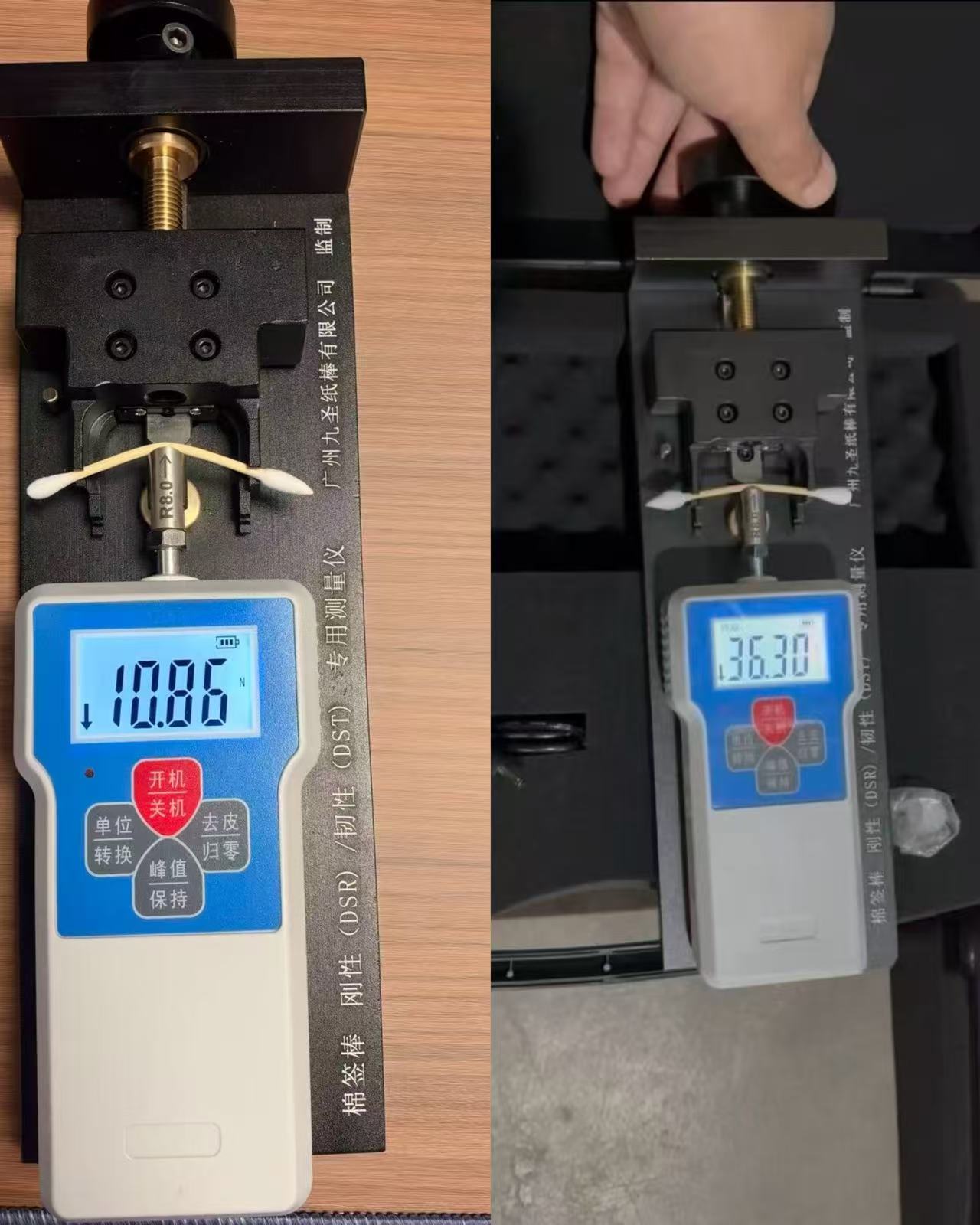
The company's comparison record for its rigid-stick option states the same logic from the supplier side: the stronger stick is less likely to break, the product cleans more effectively with fewer cotton swabs, and this helps reduce customer complaints. Those are supplier-stated claims for a specific item, not an independent test result, so they are best treated as a hypothesis to check in a sample trial — which is what the qualification steps later in this guide are for.
Industry background: how cleaning cotton swabs are specified
Cleaning cotton swabs are a specification-driven category rather than a single product. Buyers in the segment assemble an assortment from four variables: stem material (bamboo, paper, moulded bendable), tip shape (pointed, round, mixed pack), handle length (standard, long handle) and packing format (poly bag, box, private-label carton). The application pulls those variables in different directions:
- Bong cleaning and glass cleaning: narrow openings, curved interiors, solvent contact. Tip shape and stem rigidity lead; long handle versions extend reach into deep pipes and downstems.
- Quartz nails and banger cleaning: small, hard surfaces where residue has to be lifted rather than wiped. The supplied comparison data lists quartz nails and bangers cleaning as a target use for its rigid-stick item.
- Pet ear cleaning: gentle contact, so round tips and controlled pressure matter more than scraping stiffness. Pet ear cleaning swabs sit in the same supply family as pet wipes and other pet hygiene items.
- Personal care and cosmetics: absorbency, tip softness and pack presentation lead the specification.
- Nail tools cleaning: small implements and tight joints, listed with bong cleaning in the supplied application data, for manual use in a normal indoor environment.
The same application data records a US-market requirement: compliance with California Proposition 65 and microbial safety for the bong cleaning, pet cleaning and personal care uses listed. That is a compliance input to the RFQ rather than a marketing line, and it belongs in the enquiry as a written requirement with supporting documents.
Six criteria that decide the order
1. Stem rigidity, and how the hardness figure was measured
Rigidity separates a failed trial from a successful one, and it is also the most loosely specified property. "Strong stick" is not a specification; a number in newtons is, provided the test method is defined. The supplied comparison record lists a 2 mm size and a 25 N hardness for the rigid-stick option, measured against a conventional cotton swab. Before that figure enters a purchase specification, confirm whether 2 mm is the tip diameter or the stem diameter, and whether 25 N is a bending force, a breaking force or a compression result, over what span — the same number means different things under different methods.
For bendable swabs, ask a different question: at what force does the set angle slip? A flexible neck that holds its angle during a light wipe but straightens under a firm push will behave differently in a customer's hands than on a bench sample.
2. Access angle and handle length
Measure the worst container in the range, not the typical one. If the soiled surface sits behind a rim or a bend that a straight stem cannot present a tip to, the bendable type is the candidate. If the surface is reachable but deep, a long handle cleaning swab in the rigid type adds reach without giving up stiffness.
3. Tip geometry: pointed versus round
Pointed tip cleaning swabs concentrate pressure and fit small openings — the right shape for residue in a joint, a nail edge or a narrow bowl hole. Round tip cleaning swabs spread pressure and hold more liquid, which suits wiping larger curved surfaces and any application where skin contact must stay gentle, such as pet ear cleaning. The two shapes are not interchangeable in a customer's hands, and a mixed assortment needs clear labelling so the buyer picks the intended shape.
4. Moisture and solvent behaviour of the stem
Stem material decides how the swab behaves once wet. Bamboo and moulded stems hold their stiffness in solvent-heavy work; paper stems take up liquid and soften. List every liquid the swab will meet — isopropyl alcohol, acetone, glass cleaner, ear-cleaning solution, water — and ask the supplier to confirm compatibility for the specific stem and tip construction. Compatibility is a per-product answer, not a category answer.
5. Fibre shedding and residue
A swab that leaves fibres behind has moved the problem rather than removed it. Shedding depends on cotton quality, how tightly the tip is wound and how the tip is bonded to the stem. Specify it at the sample stage: wipe a dark, dry glass surface under the intended pressure and inspect for loose fibre under light. The check takes minutes and catches a specification error before the purchase order.
6. Packing, private label and MOQ
Swabs are sold in counts and cartons that a distributor has already planned around, so packing is part of the product decision. Private label and OEM cleaning cotton swabs require artwork, pack count, carton configuration and often a change of tip or stem, which moves the order into the custom MOQ logic described further down.
Bamboo stick vs bendable stick: side-by-side comparison
| Criterion | Bamboo stick (rigid stem) | Bendable stick (flexible neck) |
|---|---|---|
| Stem behaviour | Continuous rigid stem; holds a straight line under pressure; no joint to slip | Flexible neck sets the head at an angle; the neck is the designed give point |
| Best-fit work | Straight-line cleaning, lifting residue, tube and bowl interiors, small hard parts, nail tools | Surfaces behind a rim or bend, curved glass interiors, detail work that needs an angled tip |
| Tip options | Pointed and round tips; shape chosen independently of the stem | Pointed and round tips on a flexible stem; confirm tip firmness at the set angle |
| Handle length | Standard and long handle versions extend reach into deep containers | Reach is set by the flexible section; confirm working length before specifying |
| Liquid contact | Bamboo holds stiffness in solvent-heavy work; confirm compatibility per solvent | Stem and solvent compatibility confirmed per product |
| Breakage and complaint risk | Supplier states the stronger stick is less likely to break and helps reduce complaints | Angle slip and neck fatigue are the points to test in a sample trial |
| Customization | OEM and private label on specification, packaging and branding | Same private-label route; stem or tip changes affect the MOQ position |
| Cost logic | Supplier positions the item at a competitive price and states fewer swabs per job | Price reflects stem design; compare cost per completed job, not price per box |
| Choose when | The failure is stick flex or breakage | The failure is tip access |
Supplier-stated entries are identified in the cell text. Unmarked entries describe documented construction characteristics of each type and apply per product, not to every SKU in the category.
Matching each type to the job
Bong cleaning
Bong cleaning cotton swabs face a narrow opening, a curved interior and solvent residue. A rigid bamboo stick tracks the wall of a downstem and takes pressure at the bowl; a bendable swab reaches the curve behind the joint. Many ranges therefore carry both: a rigid long handle swab for the main wash and a bendable swab for the angle work. Because bong-cleaning assortments usually sit alongside other small accessories in the same category, choose swab length so it complements the rest of the range rather than duplicating one length across every SKU.
Quartz nails, bangers and nail tools
Supplier data for the rigid-stick item lists quartz nails and bangers cleaning as a target application, alongside nail tools cleaning, for manual use in a normal indoor environment. The requirement in these jobs is pressure at a small, hard surface: a pointed tip on a stem that does not flex. A bendable swab contributes only where the residue sits in a recess that a straight tip cannot enter.
Glass and rig cleaning
Glass cleaning cotton swabs need a tip that reaches into the vessel and a stem that does not flex away from the surface under pressure. Rigid stems dominate this work; bendable stems are used for the shoulder and neck of curved pieces, where the surface turns out of the stem's line.
Pet ear cleaning
Pet ear cleaning swabs are a gentler specification: round tips, controlled absorbency and a stem the handler can steer without applying excess force. Where ear geometry requires angling, a bendable stem can help the handler place the tip; where the requirement is a firm, predictable wipe of the outer ear, a rigid stem is easier to control. Pet swabs sit in the same supply family as pet wipes and other pet hygiene items, which is useful when consolidating a pet-care order with one supplier.
Personal care ranges
Personal-care swabs are specified on softness, absorbency, tip uniformity and pack presentation. Stem choice is secondary to tip quality here, and the decision usually follows the retail price band and the private-label design rather than the cleaning mechanics.
Step by step: qualifying a supplier for either type
- Define the failing mode. Write down what the current swab fails to do — snap, miss, shed or run out — before comparing quotations. The failure determines which stem type is even eligible.
- Lock tip geometry and handle length against the worst container in the range, not the average one.
- Put the stem specification in writing: material, diameter, and hardness with its test method and span. Ask the supplier to confirm what any quoted figure actually measures.
- Run a sample trial with the real liquid and the real container, including the fibre-shedding check on dark glass and an angle-hold check for bendable stems.
- Verify quality control documentation: raw-material inspection, in-process inspection, finished-goods inspection, spot-check records and third-party laboratory reports for the exact product.
- Confirm the commercial terms — MOQ, lead time, FOB port, payment terms and packing — against the specification you intend to order, not against a catalogue item.
Manufacturing and quality control behind both types
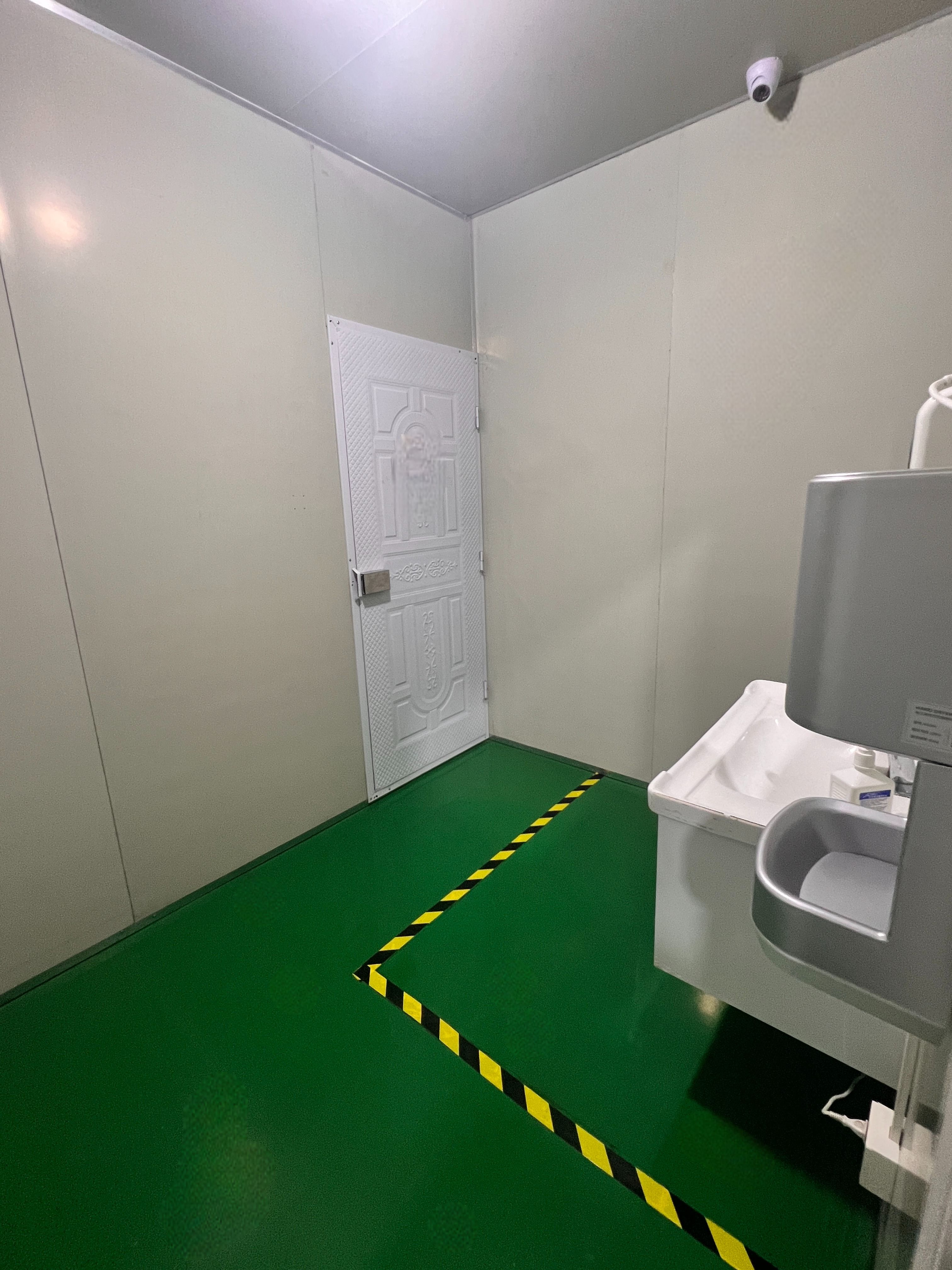
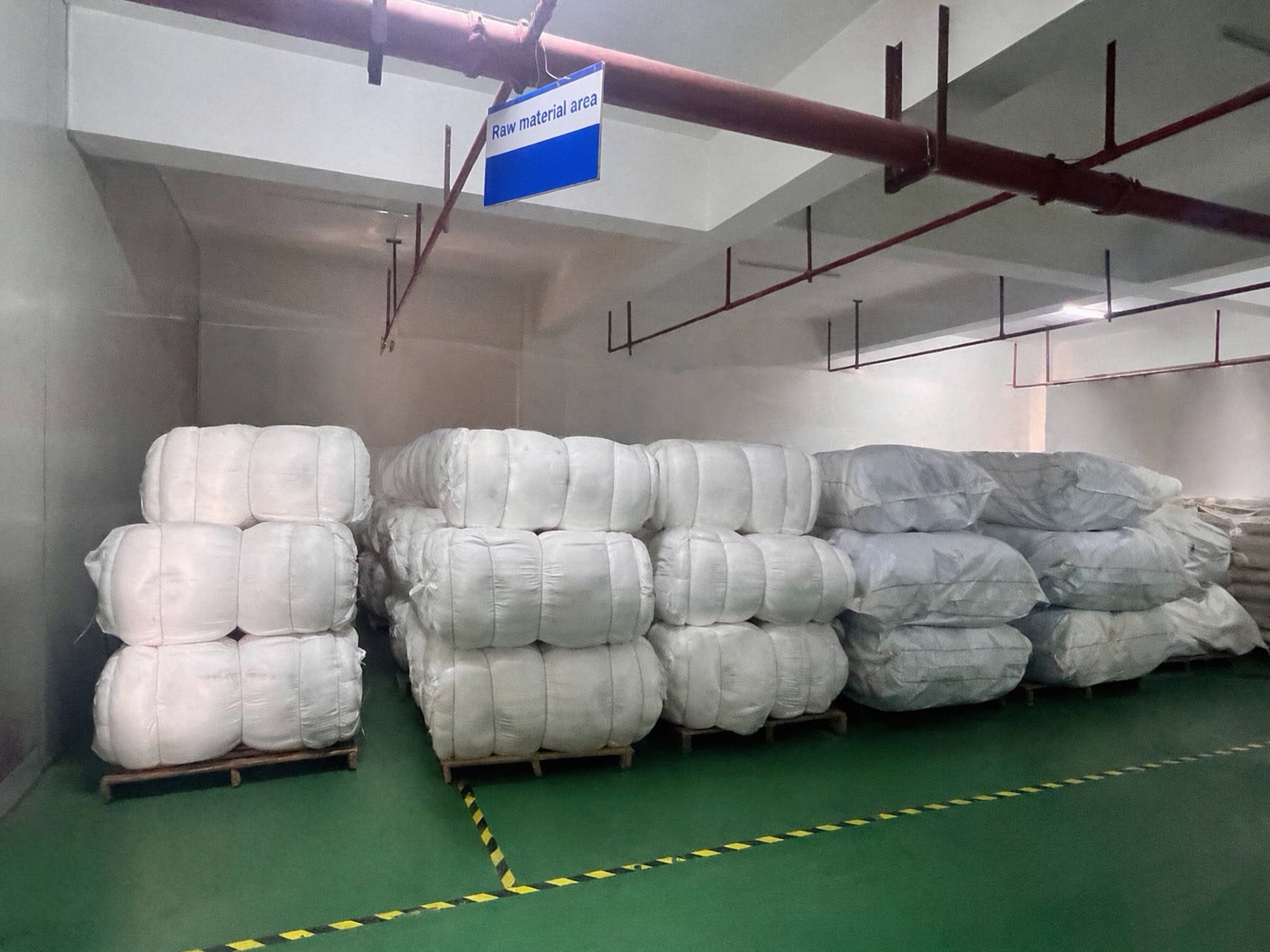
Both stick constructions depend on the same upstream discipline: cotton quality, tip forming, stem straightness and inspection at each stage. FUZHOU WENXI EVER-RISE IMPORT & EXPORT CO., LTD. operates its own manufacturing facilities and states that it controls the process from raw-material selection to finished-product inspection, with rigorous inspection at every stage, regular spot checks and samples sent to reputable third-party testing laboratories for independent testing. The stated operating scale is a 5,000 m² factory, more than 20 employees, more than 1,000 tons of annual output and an R&D team of five engineers.
For a buyer, those figures answer different questions. Floor area and annual output indicate whether the supplier can carry a repeat order; the engineering headcount indicates whether a tip or stem change is handled in-house; the staged inspection and third-party testing process is what you audit when the product carries a compliance condition such as the California Proposition 65 and microbial-safety requirement recorded for the US bong-cleaning, pet-cleaning and personal-care applications.
Supplier snapshot: FUZHOU WENXI EVER-RISE IMPORT & EXPORT CO., LTD.
FUZHOU WENXI EVER-RISE IMPORT & EXPORT CO., LTD. is an export-oriented manufacturer and supplier based in Fuzhou, Fujian Province, China, founded in 2025. Its core business is the manufacturing and global supply of personal care, oral care and pet care products: cotton swabs, cotton pads, dental floss picks and pet cleaning products. The stated export share is 100%, with main markets in North America, South America and Europe. The company describes its operations around quality consistency, product safety and compliance with international standards, supported by staged inspection and third-party laboratory testing, and it offers OEM and private-label services covering product specification, packaging and branding.
Two points deserve a buyer's attention rather than a summary. First, the company is recent — founded in 2025 — while its stated operating scale is already at 5,000 m² and more than 1,000 tons a year; verify the business licence, factory audit and testing reports that support those figures before a first bulk order. Second, the stated 100% export ratio means the entire order book is export-driven; ask how export documentation, labelling and destination-market requirements are handled inside the order process.
MOQ, samples, lead time and payment terms
The company's published FAQ for bamboo stick cotton swabs sets out the commercial conditions in specific terms, and they apply to the way a first order is sized:
- Samples: available, and offered free of charge.
- MOQ: 1,000 boxes for most conventional products; customized products are quoted according to the product situation.
- Lead time: some products are held in stock and can ship immediately; mass production takes 15–30 days depending on the exact order quantity.
- Payment: a total under US$1,000 is settled in one payment; above US$1,000 the terms are 50% deposit with the balance paid before shipment.
- FOB ports: Ningbo, Shanghai and Shenzhen.
One cost note belongs beside those terms. Price per box is not the same measure as cost per completed job: the supplier states that its rigid-stick item cleans more effectively with fewer cotton swabs, which changes the cost calculation only if the swab genuinely replaces two or three conventional swabs in your own trial. Run that comparison on a fixed number of cleaning cycles before deciding that the lower unit price is the cheaper option, and apply the same test to a bendable swab by counting how many straight-stem swabs it replaces on angled surfaces.
Frequently asked questions
What compliance requirements should a US buyer specify for bong cleaning and nail tool swabs?
The supplied application data for this product family records California Proposition 65 compliance and microbial safety for the US-market bong cleaning, pet cleaning and personal care uses. Put both into the RFQ as written requirements and ask for the supporting test reports with the quotation, because compliance is confirmed by documents for the specific product rather than by the product category.
Can bamboo stick and bendable stick swabs both be customized or private-labelled?
OEM and private-label services cover product specification, packaging and branding, so tip shape, stem, pack count, carton configuration and artwork can be set for the order. Customization moves the order out of the conventional MOQ logic and into a quotation that depends on the product situation, so define the specification before asking for the price.
What is the MOQ, and how are payments handled?
The MOQ for most conventional products is 1,000 boxes; customized products are quoted according to the product situation. For payment, a total under US$1,000 is settled in a single payment, and above US$1,000 the terms are 50% deposit with the remaining balance paid before shipment. FOB ports are Ningbo, Shanghai and Shenzhen.
How can I get a sample?
Samples are available and are offered free of charge. Ask for the exact tip shape, stem type and handle length you intend to order, because a sample with a different tip geometry or handle length will not answer the question the trial is meant to answer.
What is the lead time for mass production, and what is the next step?
Some products are held in stock and can ship right away; mass production takes 15–30 days depending on the exact order quantity. The practical next step is to send the specification and target quantity for a quotation and a matched sample — sales1@wenxieverrise.com or +86 135-5992-2211 — so that lead time, packing and price are confirmed against your actual order rather than against the category.
Conclusion
Bamboo stick and bendable stick cotton swabs are not competing versions of one tool; they cover rigid straight-line cleaning and angled access respectively. A buyer who specifies one against the other's job will see either breakage complaints or unreachable soil, and neither of those is a price problem. Decide from the failing mode, write the stem and tip specification with a test method, confirm solvent and moisture behaviour, and use a sample trial on the real container before the bulk order.
Where the supplied data is thin, treat it as a question for the supplier rather than a gap to fill with assumption: the comparison record does not include a measured breakage comparison between the two stick types, and it does not define the measurement basis of the 2 mm and 25 N figures. Those are exactly the points a written specification and a sample trial settle. On the commercial side, the stated terms — 1,000-box MOQ for conventional products, free samples, a 15–30 day mass-production lead time and FOB Ningbo, Shanghai or Shenzhen — suit a distributor building an assortment rather than a single-SKU order.
Product catalogue
The full product range, including cotton swabs, cotton pads, dental floss picks and pet cleaning products, is listed in the FUZHOU WENXI EVER-RISE product catalogue (PDF), available for open access and download.
Have Questions or Need More Details?
Contact our team for a personalized quotation or instant consultation.
Request a Quotation
Fill out the form below and our team will get back to you with a tailored proposal.
WhatsApp Direct Chat
Prefer to chat in real-time? Message us on WhatsApp for instant assistance & quick answers.
- Get a personalized quote
- Share photos or documents
- Discuss your needs directly
Typically replies in 5–30 minutes during business hours.