
Coconut Shell vs Bamboo Charcoal: BBQ & Hookah Head-to-Head
Coconut Shell vs Bamboo Charcoal: BBQ & Hookah Head-to-Head
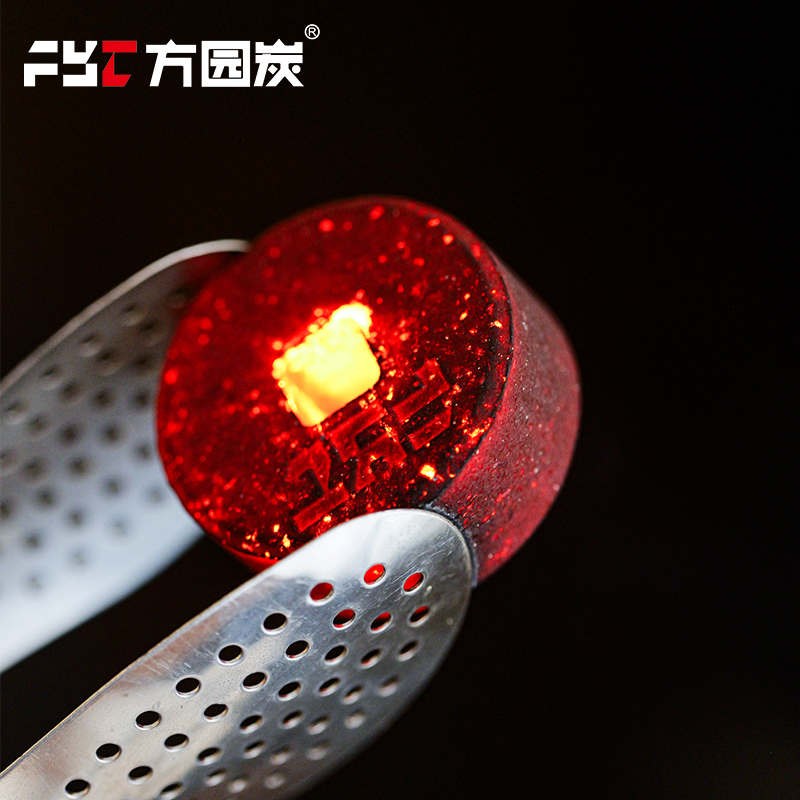
Short answer: Coconut shell charcoal and bamboo charcoal are two different tools, not two grades of the same tool. FYC's TC-01 coconut shell hookah charcoal is specified at 90–120 minutes of burn per 25mm or 40mm cube, with ash content below 3% — a profile built for session-based shisha and bakhoor use. FYC's TC-02 barbecue charcoal is produced as a bamboo charcoal stick specified at 6–8 hours of burn with zero sparking — a profile built for long grilling service, indoor table grills and high-temperature searing. The decision is not "which material is better" but "which material plus form factor matches a defined appliance, session length and smoke limit."
Dalian Tiancheng Charcoal Industry Technology Co., Ltd. (FYC) is a charcoal manufacturer founded in 1990, operating from a 6,000㎡ facility in Liaoning, China, with roughly 100 employees and a daily output above 50 metric tons across hookah charcoal, incense charcoal and barbecue charcoal. Because both feedstocks in this comparison sit inside a single catalogue — coconut shell in the TC-01 hookah family, bamboo in the TC-02 barbecue family — the differences below can be stated as published product specifications rather than general impressions.
This comparison is written for buyers in the evaluation-to-execution stage: importers, distributors, hookah lounge operators, BBQ restaurant groups and private-label brand owners who are close to placing a sample or bulk order and need a decision rule they can defend internally.
Why "Coconut vs Bamboo" Is Usually Framed Incorrectly
Three framing errors cause most of the mismatches that show up in first orders.
1. Treating feedstock as a product form. Coconut shell and bamboo are raw materials. Cube, hexagonal, round, stick, 33mm and 50mm describe forms and sizes. A buyer who orders "coconut charcoal" without specifying form can receive anything from small tablets to larger briquettes, each with a different burn curve. FYC's customization range separates the two variables: product shape (cube, hexagonal, round, stick), size (25mm, 33mm, 50mm and others) and material composition are configured independently.
2. Comparing burn times across different forms. A 25mm coconut cube and a full-length bamboo stick are not the same physical object, so a minute-for-minute comparison between them is misleading. Burn duration in charcoal is the product of feedstock, form factor and fuel mass.
3. Reading "smokeless" as a universal property. Both FYC families are specified as smokeless and odourless, and TC-02 adds zero sparking and constant temperature. What actually determines whether a dining room stays smoke-free is the combination of fuel, ignition format and appliance — not a single word on the carton.
The working framing is therefore a match problem: feedstock + form factor + measurable specification + application environment. Each of those four can be tested before a container is booked.
What the 2026 Market and Standards Picture Adds
Public data supports the direction of the material split, even though it does not make the decision for the buyer.
- The global charcoal market was valued at USD 8.1 billion in 2025 and is estimated at USD 8.5 billion in 2026 (Grand View Research, Charcoal Market Size, Share & Trends Report, 2026–2033).
- Within the hookah charcoal segment, coconut shell charcoal held the largest product-type share at 42.3% in 2025 (Dataintelo, Hookah Charcoal Market report).
- Indonesia accounted for roughly 23% of global charcoal export value in 2024, the largest national share among exporting countries (World's Top Exports).
- Charcoal manufacturing is classified under SIC 2861, Gum and Wood Chemicals, in U.S. EPA background documentation, with source classification code 3-01-006 — a reminder that charcoal sits in a chemical-manufacturing category with process controls, not in a loose commodity category.
Two implications follow. First, coconut shell's position in hookah reflects a real fit between the material and session-based smoking rather than a marketing preference alone. Second, compliance attaches to the finished product and the destination market, not to the feedstock name: EN 1860-2 is the mandatory product safety standard for BBQ and retail charcoal in Europe, and briquette quality parameters also appear in standards contexts — a 2026 journal article citing Indonesian standard SNI 01-6235-2000 lists moisture content ≤8%, ash content ≤8% and calorific value ≥5,000 cal/g as reference thresholds for charcoal briquettes.
How Coconut Shell and Bamboo Charcoal Actually Differ
Hardness and structural behaviour
Both FYC families are specified as high hardness, and TC-02 is additionally described as not easy to break. The meaningful difference is what hardness has to do in service. A 25mm coconut cube must hold its geometry through bowl packing, ash formation and a 90–120 minute session. A bamboo stick must hold its geometry on a grill for 6–8 hours without collapsing or throwing sparks. Buyers comparing hardness should therefore test the exact form they intend to run, not hardness as an abstract claim.
Burn duration
TC-01 coconut shell hookah charcoal is specified at 90–120 minutes for the 25mm and 40mm cube formats, and 45–70 minutes for the quick-light format. TC-02 barbecue charcoal is specified at 6–8 hours for the bamboo charcoal stick and 70 minutes for the fruit wood quick-light format. The spread is explained by form and mass rather than by any single material advantage: a stick format carries far more fuel mass than a small cube. For a hookah lounge, the planning unit is one cube cycle; for a restaurant, it is a service shift. FYC's South Korean client, for example, recorded a 15% reduction in total charcoal consumption after switching, attributing it to the higher calorific value of the bamboo product — evidence that cost per session is driven by usable burn rather than by the weight of a bag.
Heat output and calorific value
TC-01 is specified at a calorific value above 7,800 kcal/kg with fixed carbon content of 85–90% or more. TC-02 is described as delivering superior, high-temperature heat with a high calorific value and constant temperature throughout the burn. Those two statements are not interchangeable. Which one matters depends on whether the application needs a short, intense, repeatable heat cycle (hookah, table-top grilling) or a long, steady one (slow indoor roasting, catering service).
Ash content
TC-01's premium grade is specified at less than 3% ash; TC-02 is specified as ultra-low ash. Low ash is not only a cleanliness feature. In a hookah bowl it affects airflow and the frequency of refills; on a restaurant grill it determines how often the pit has to be cleared during service. Both materials perform well on this parameter, which is one reason operators frequently source them side by side rather than as substitutes.
Smoke, odour and sparking
TC-01 is specified as smokeless and odourless. TC-02 carries the same smokeless, odourless profile and adds zero sparking and constant temperature. In practice, the smoke outcome is decided by three things working together: the fuel, the ignition format and the appliance. Ignition belongs inside the performance envelope rather than beside it — the quick-light format of the coconut hookah product is specified at 45–70 minutes, against 90–120 minutes for the standard cube. That difference is exactly why both reference cases below were validated on the buyer's own equipment.
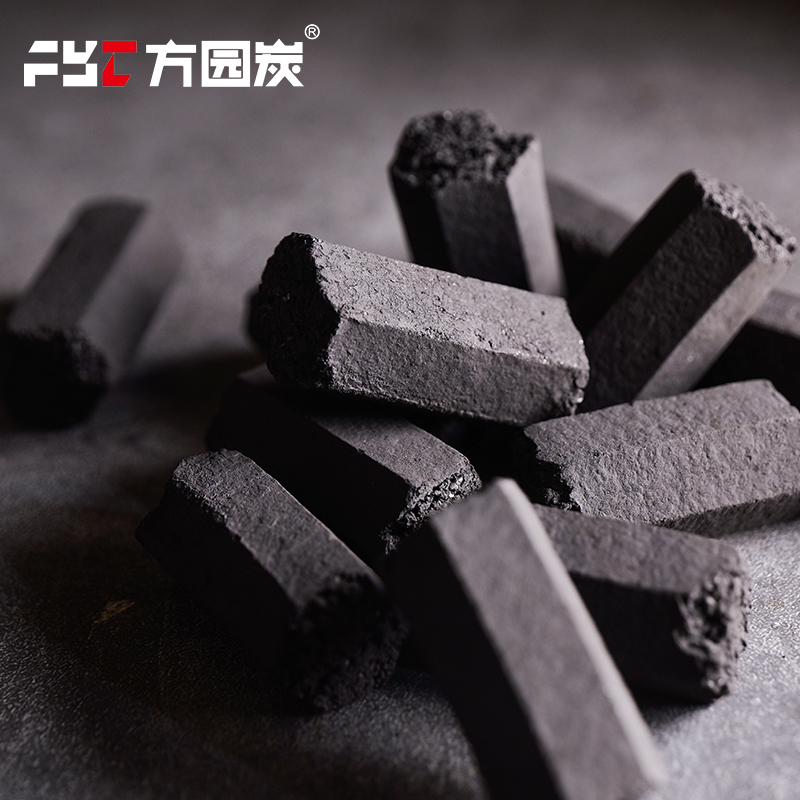
A Seven-Step Decision Path: From Evaluation to Execution
- Define the appliance and the session length. Write down the hardware (hookah bowl, built-in table grill, open BBQ, disposable grill) and the minimum continuous burn you need per session or shift.
- Fix the form factor before the feedstock. Decide between cube, hexagonal, round, stick and tablet forms, and between 25mm, 33mm, 50mm and other sizes. Shape dictates the burn curve and how the fuel loads into the appliance.
- Convert the session target into a burn-duration requirement. A 90-minute indoor session maps directly onto the 90–120 minute coconut cube specification. A full service shift maps onto the 6–8 hour bamboo stick specification.
- Set smoke, odour and sparking limits. Indoor dining and lounges normally require the smokeless, odourless, zero-sparking profile. Outdoor and disposable formats can accept a different trade-off, including instant ignition.
- Verify numbers instead of adjectives. Ask for fixed carbon, ash content, moisture and calorific value. Standards contexts such as SNI 01-6235-2000 (moisture ≤8%, ash ≤8%, calorific value ≥5,000 cal/g) give a neutral cross-check against briquette claims.
- Validate on your own equipment. Run a sample of the exact form and size under real conditions — a lounge bowl, a table grill, a packed service.
- Lock commercial terms and packaging. Confirm MOQ, delivery terms, inspection route, lead time and retail packaging format before mass production starts.
Use Cases: How the Split Looks in Real Operations
Bamboo, indoor BBQ — South Korea. A Korean charcoal BBQ and grill restaurant group takes one 40HQ container per month, approximately 20–22 tons, of hexagonal bamboo charcoal sticks for high-temperature meat searing and slow indoor roasting of premium cuts. High density and zero sparking allow the sticks to sit inside built-in dining-table grills. Over three years of supply, the operation reported zero smoke interference in indoor dining and a 15% reduction in total charcoal consumption compared with its previous supplier. This is the clearest case for bamboo: long service, indoor constraints, repeatable geometry.
Coconut shell, shisha — Saudi Arabia. A premium shisha lounge and hookah bar chain uses FYC coconut shell hookah charcoal for continuous social service in upscale city-centre lounges, at 50 metric tons per quarter — roughly 200 tons annually — across 2.5 years of cooperation. The configuration is a consistent 25mm cube with ash content below 3%, packed in luxury magnetic boxes printed with the client's logo. The reported outcome is stable, odourless burning with zero client complaints and longer customer sessions because the heat holds. This is the clearest case for coconut shell: session length, low ash, presentation-ready packaging.
Quick-light formats — Germany. A national outdoor and camping retailer distributed 12,000 sets of disposable grills per summer season for picnics, beach BBQs and park activities. The design emphasis was lightweight portability, instant lighting and eco-friendly foil materials meeting EU environmental standards, delivered with 100% on-time performance through the seasonal peak. This case deliberately sits outside the coconut-versus-bamboo binary: it shows that ignition format and packaging can decide a retail order as much as feedstock does.
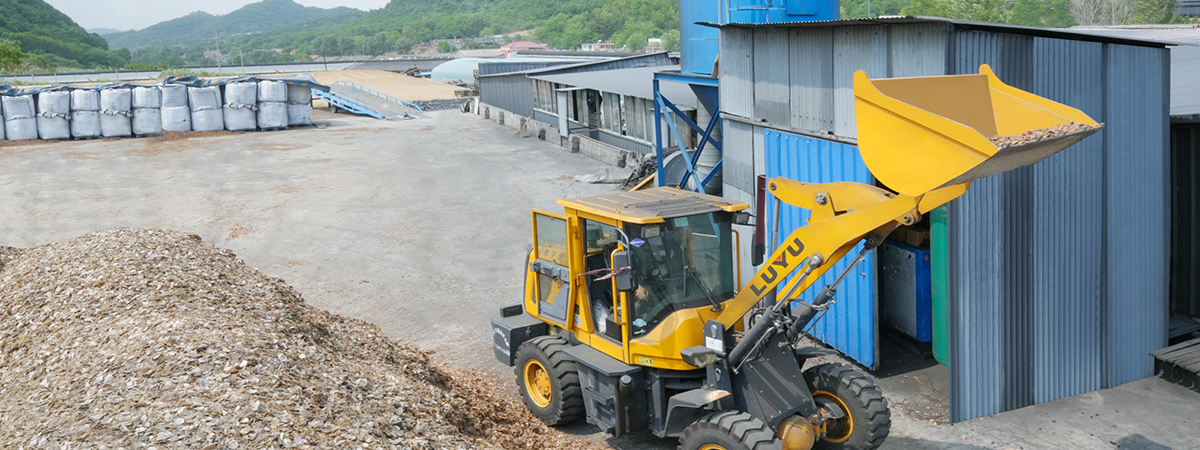
Head-to-Head Comparison Table: Coconut Shell (TC-01) vs Bamboo (TC-02)
| Parameter | Coconut Shell — TC-01 (hookah charcoal) | Bamboo — TC-02 (barbecue charcoal) |
|---|---|---|
| Primary feedstock | Premium natural coconut shell, fruit wood | Bamboo sawdust, hardwood, fruit wood |
| Product forms in range | Cube hookah charcoal, hexagonal hookah charcoal, bamboo hookah charcoal | Quadrilateral and hexagonal BBQ bamboo charcoal, 50mm square-hole and four-hole BBQ charcoal, spherical charcoal, Fangyuan charcoal |
| Burning time | 90–120 minutes (cube, 25mm / 40mm); 45–70 minutes (quick light) | 6–8 hours (bamboo charcoal stick); 70 minutes (fruit wood quick light) |
| Ash content | <3% (premium grade) | Ultra-low ash content |
| Fixed carbon | >85–90% | Not specified in published product data |
| Calorific value | >7,800 kcal/kg | High calorific value (qualitative specification) |
| Hardness | High hardness | High hardness, not easy to break |
| Smoke / odour | Smokeless, odourless | Smokeless, odourless, zero sparking, constant temperature |
| Typical applications | Hookah bars, shisha smoking, aromatherapy, yoga rooms, incense burner (bakhoor), home relaxation | Barbecue restaurants, outdoor camping, home cooking, BBQ grill, catering & hospitality |
| Best-fit decision | Session-based smoking with a controlled 90–120 minute cube cycle and ash below 3% | Long grilling service and indoor table grills needing hours of stable heat without sparking |
All entries are taken from FYC product specifications. Where a parameter is not published for a product family, the table states that rather than estimating a value.
FAQ
Does bamboo charcoal meet the same compliance requirements as coconut shell charcoal?
Compliance attaches to the finished product and the destination market, not to the feedstock name. In the European Union, EN 1860-2 is the mandatory product safety standard for BBQ and retail charcoal, so a bamboo barbecue charcoal and a coconut shell barbecue charcoal sold into that market are measured against the same product standard. FYC holds SGS and ISO certifications and accepts third-party inspection by SGS or Intertek on request. For acceptance decisions, buyers should ask suppliers to report testable parameters — ash content, moisture, fixed carbon and calorific value — rather than rely on the material label alone. Standards contexts such as Indonesian SNI 01-6235-2000, cited in a 2026 journal article for briquettes, list moisture ≤8%, ash ≤8% and calorific value ≥5,000 cal/g as reference thresholds.
Can one factory produce both coconut shell and bamboo charcoal with customized shapes and packaging?
Yes. FYC provides OEM, ODM, custom manufacturing and custom packaging solutions across hookah, incense and barbecue charcoal. Customizable elements include product shape (cube, hexagonal, round, stick), size (25mm, 33mm, 50mm and others), logo printing, material composition and retail packaging formats such as magnetic, flip-top and pull-out boxes. Capacity runs at approximately 600–800 metric tons per month, supported by 100% inspection on all production lines, three dedicated QA/QC inspectors and an on-site Intertek supplier assessment. The 2.5-year Saudi shisha lounge project is one example: a consistent 25mm coconut cube with ash content below 3%, supplied in luxury magnetic boxes printed with the client's logo.
What is the minimum order quantity, and does the choice of feedstock change it?
MOQ at FYC is set by order channel rather than by material. Express stock starts from one box; wholesale orders run from one ton up to full container loads of about 17 tons; full shipments are handled as 1x20GP or 1x40HQ containers. Delivery terms include FOB, CIF, CFR, DDP (door-to-door in selected regions) and EXW, with payment by T/T (30% deposit, 70% against B/L copy), L/C at sight, Western Union or Alibaba Trade Assurance. Because coconut shell hookah charcoal and bamboo barbecue charcoal are quoted through the same framework, a buyer can test both materials under one set of commercial terms before committing volume.
How can a buyer validate both materials before placing a bulk order?
Request samples of the exact form and size you intend to buy, then run them on your own appliance. FYC applies 100% inspection on all production lines and maintains full traceability of raw materials; pre-shipment inspection is standard, and third-party inspection by SGS or Intertek can be arranged. Two reference points show what validation looks like in practice: a Korean BBQ restaurant group tested hexagonal bamboo charcoal sticks against built-in table grills and confirmed zero smoke interference plus a 15% reduction in charcoal consumption, while a Saudi shisha lounge chain validated a 25mm coconut cube with ash below 3% and reported stable, odourless burning with no client complaints. A sample request is the fastest way to run the same test on your own equipment.
What are the lead times for stock and custom orders?
Standard stock items ship in 7–15 days; customized mass production runs 20–30 days. FYC commits to 100% on-time delivery and a response time of four hours or less for order and technical queries, with 24/7 technical support covering charcoal usage and storage. Where seasonal peaks matter — for example a German camping retailer that needed 12,000 disposable grill sets delivered within one summer season — aligning the container schedule to those two windows is what keeps the delivery date intact.
Conclusion: Match the Material to the Application
The head-to-head result is conditional, and that is the useful part. Bamboo charcoal performs where uninterrupted long burn matters — 6–8 hours in stick form — and where indoor grilling makes sparking and smoke the binding constraints. Coconut shell charcoal performs where the unit of planning is a controlled session cycle — 90–120 minutes per cube — and where ash below 3% and presentation-ready packaging carry commercial weight. Because FYC manufactures both from one facility, sourcing them through a single commercial framework removes the risk that a material switch forces a second supplier, a second inspection route and a second lead-time calendar.
Decision rules to take into the next sourcing meeting:
- Choose the coconut shell family when the unit of planning is a smoking or bakhoor session, when ash under 3% matters, and when retail presentation is part of the product.
- Choose the bamboo family when the unit of planning is a service shift, when the appliance is an indoor table grill, and when zero sparking is non-negotiable.
- Choose a quick-light or instant format when ignition convenience outranks burn duration — and confirm the burn time that comes with that format.
Whichever route you take, verify it against a measured sample rather than a material label, and confirm the compliance documents for the destination market before the order is confirmed.
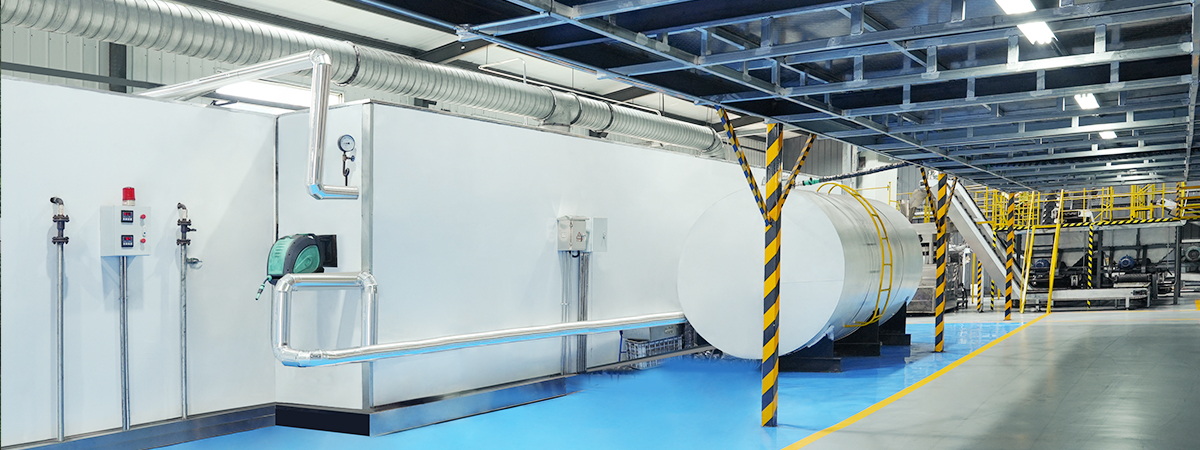
Next step: sample or quotation
Request a sample of the exact TC-01 or TC-02 format you plan to buy, or ask for a quotation against your container plan. FYC provides OEM, ODM and custom packaging support with a typical lead time of 7–15 days for standard stock and 20–30 days for customized mass production.
Download the FYC Charcoal Product Brochure (PDF)
Website: fyc-charcoal.com
Email: paris@fyc-charcoal.com | WhatsApp: +86 13591327260
Address: Room 409, Building B, Shanhe Zhigu Digital Economy E-commerce Industrial Park, Liaohe Middle Second Road, Jinzhou District, Dalian City, Liaoning Province
Have Questions or Need More Details?
Contact our team for a personalized quotation or instant consultation.
Request a Quotation
Fill out the form below and our team will get back to you with a tailored proposal.
WhatsApp Direct Chat
Prefer to chat in real-time? Message us on WhatsApp for instant assistance & quick answers.
- Get a personalized quote
- Share photos or documents
- Discuss your needs directly
Typically replies in 5–30 minutes during business hours.