China Aluminum Profile Sim Racing Cockpit: Compliance & Specs
China Aluminum Profile Sim Racing Cockpit: Compliance & Specs
For a buyer evaluating Chinese sim racing cockpit manufacturers with aluminum profile frames, the first question is not whether the frame looks like 40-series extrusion. The first question is whether the supplier can show that the exact model has the right material specification, the right certificate scope, and a factory process that keeps both consistent in volume. That is the constraint layer that separates a usable aluminum profile sim racing rig from a generic listing.
This guide is written for Research-to-Evaluation buyers who are comparing an aluminum profile sim racing cockpit, a modular sim racing rig, or a heavy duty sim racing rig for distribution, an esports venue or a serious home setup. It uses FYCHI Sim Racing Cockpit hardware and the certificate and specification facts available for the FYCHI 6020D aluminum profile simulator cockpit, the FYCHI 7022D racing simulator seat, the FYCHI 6029-1 triple monitor stand and the FYCHI 6001D folding wheel stand. The aim is practical: show what to ask, what each document proves, and where the common compliance gaps sit.
Problem Definition: Why 'Aluminum Profile' Is Not a Compliance Answer
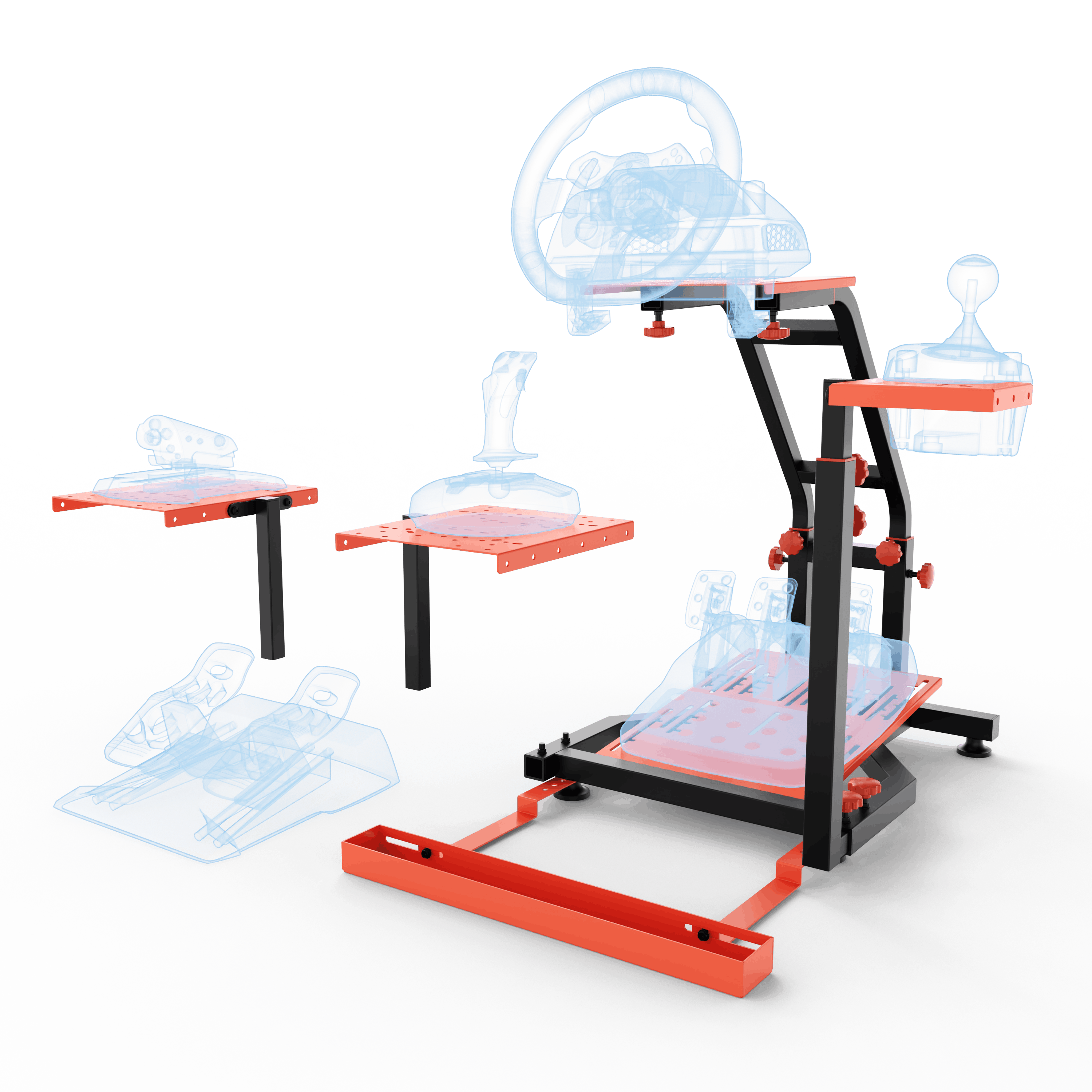
Aluminum profile sim racing rigs look reassuringly similar in photos. The profile is usually described as 40-series, the joints are steel or aluminum, and the frame is sold as modular or adjustable. The similarity is exactly the problem. A buyer cannot confirm frame stiffness, joint quality, coating, packaging protection or document scope from a product image. The commercial risk is not that the extrusion is fake. The risk is that the certificate supplied at quotation covers a different model, a different market, or a different product function.
Three document types are often mixed together in supplier packs. A RoHS 2.0 certificate is a restriction-of-hazardous-substances document. A seating test report under EN 1335 is a safety, strength and durability document for a seat. A Registered Community Design is an intellectual property registration for appearance. None of them is a load test for the cockpit frame, and none of them should be read as a general 'CE certification' for the whole rig. A Chinese design patent is also an IP document, not a product safety certificate. Buyers who understand these boundaries can compare suppliers on evidence rather than on logo count. The same check applies whether the listing calls the product a sim racing chassis, a racing simulator cockpit or an aluminium sim racing cockpit.
Decision rule: match the document to the model, the market and the product function before comparing price. If the quotation lists model 6020D, the RoHS scope should include series model 6020. If the quotation includes a seat, ask for the EN 1335 series report that applies to that seat. If the market is the EU, check whether the supplier holds an EU Registered Community Design for the relevant model. If the market is China, check the CNIPA design patent separately.
Industry Background: Why Aluminum Profile Frames Are Under More Scrutiny
The aluminum profile cockpit segment is growing faster than the overall simulator hardware market. Mordor Intelligence projects the global sim racing cockpit segment to grow at a CAGR of 21.65% through 2030, while the wider simulator market grows more slowly. Mordor Intelligence also identifies aluminum profile rigs as the 'gold standard' for high-end setups because direct drive wheelbases require high rigidity. Those two points explain the buyer behaviour: as more direct drive sim racing rigs and force feedback sim racing rigs enter the market, the frame becomes a performance component, not a decoration.
Channel structure matters as well. Mordor Intelligence reports that online sales channels generated 65.41% of racing simulator revenue in 2024. For distributors and retailers, that means the product must survive both a technical comparison and a packaging and documentation process. A modular sim racing rig sold online needs a clear model scope, a stable carton, and a certificate pack that a marketplace or a retail buyer can check without a factory visit. This is why the compliance question sits inside the commercial question, not outside it.
Detailed Solution: How FYCHI Structures the Constraint Layer
FYCHI Sim Racing Cockpit is the sim racing hardware brand of Zhejiang Zhongyao Intelligent Equipment Co., Ltd. (Hangzhou Branch), a manufacturer based in Heping Town, Changxing County, Huzhou City, Zhejiang Province, China. The company designs, produces and exports racing simulator brackets, wheel and pedal stands, monitor stands, simulator cockpits and racing seats for the global B2B market. Its product range covers more than 20 active series, from folding wheel and pedal stands to modular aluminum-profile cockpits, monitor stands and complete racing seat cockpits.
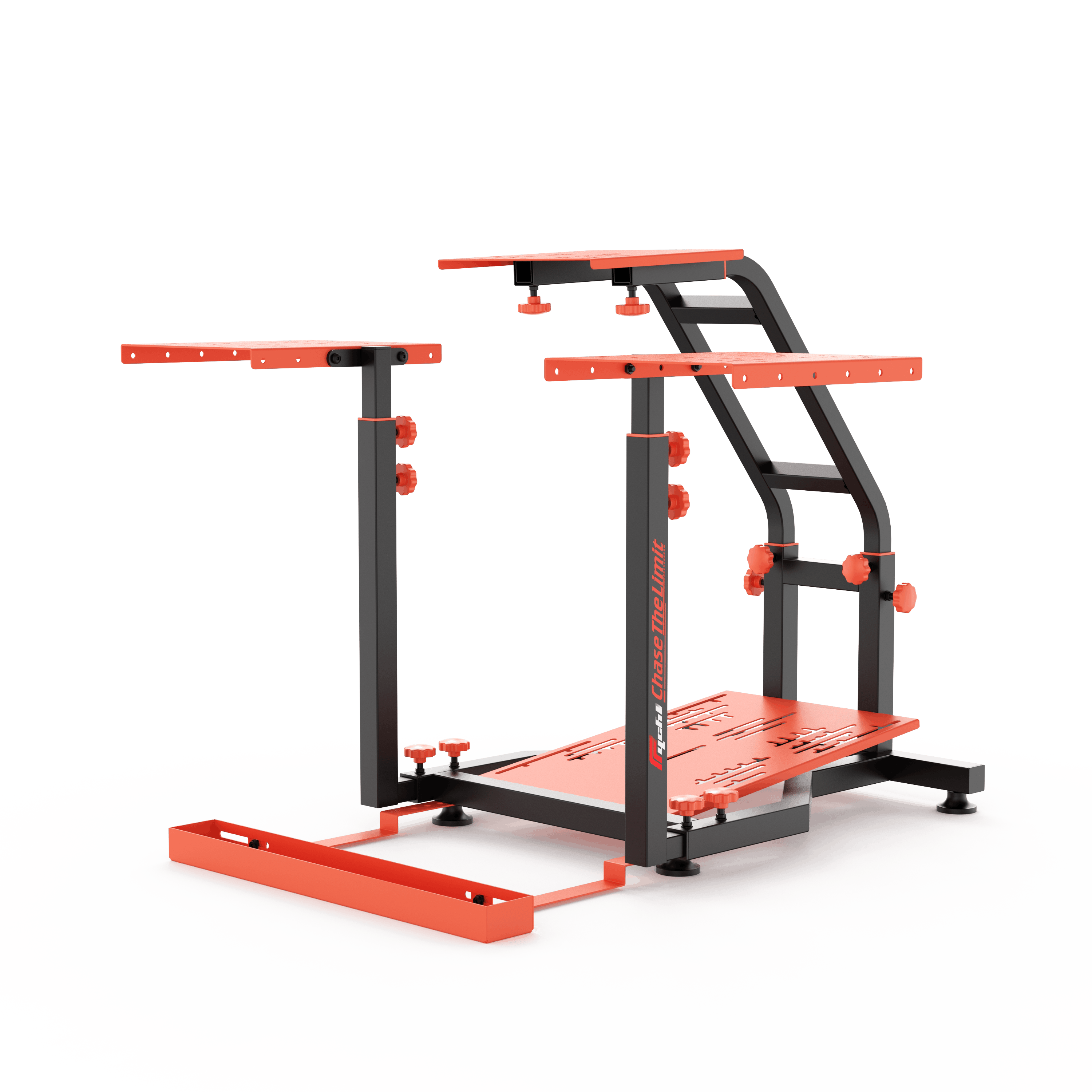
The relevant model for this guide is the FYCHI 6020D aluminum profile simulator cockpit. The frame uses a 40-series aluminum extrusion profile in anodized aluminum, with reinforced steel connectors at the joints. The structural configuration is a modular expandable frame. The wheel, pedal and shifter positions are adjustable within one frame, and the cockpit layout is fully reconfigurable for multiple simulation scenarios. The same platform supports flight stick, throttle and rudder pedal mounting, so it can serve as a racing simulator cockpit or a flight simulator stand. That flexibility is useful, but it also increases the number of mounting points a buyer should check.
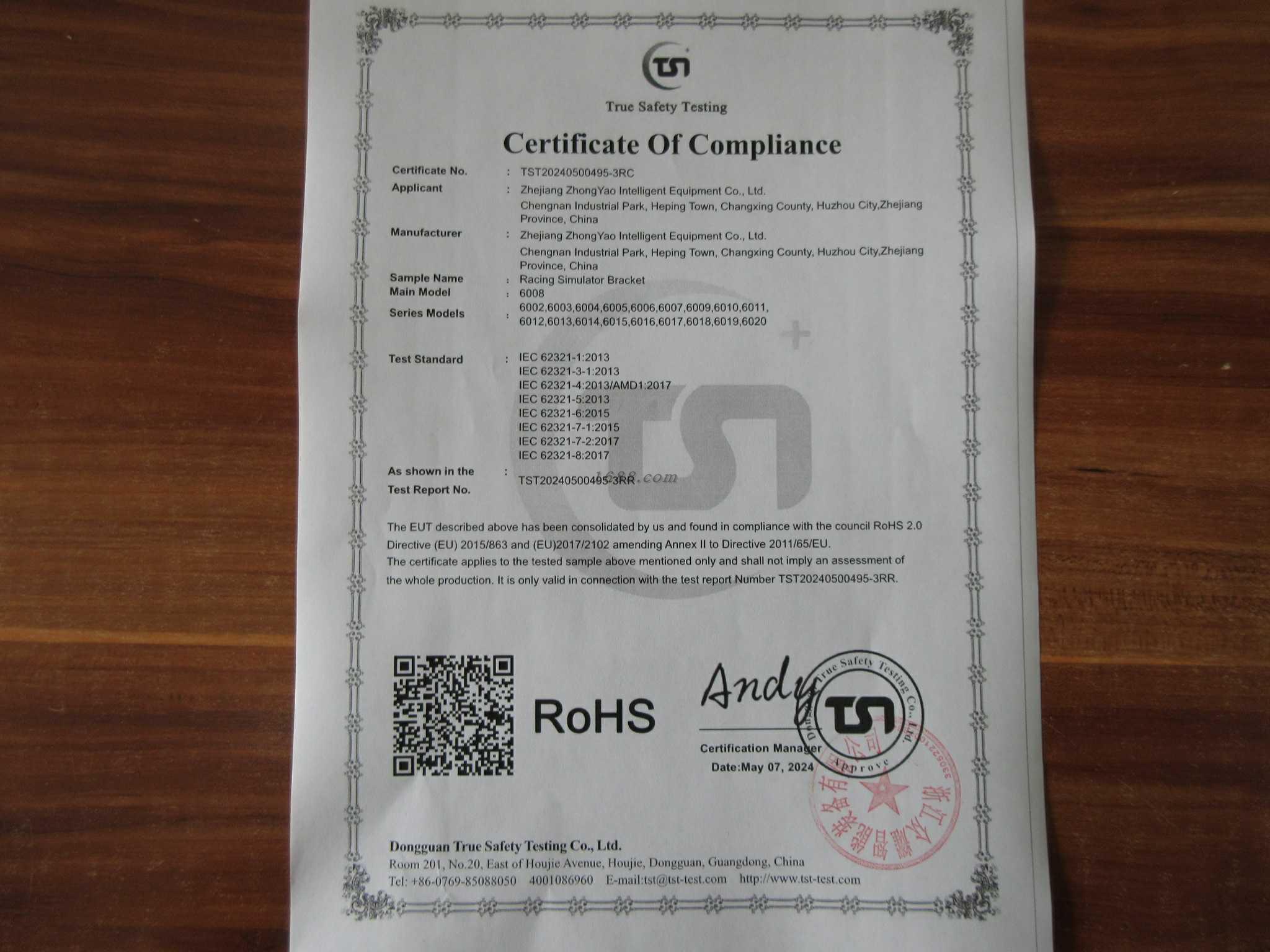
The compliance evidence is more specific than a generic 'certified' claim. The FYCHI 6020D aluminum profile simulator cockpit is covered by RoHS 2.0 certificate TST20240500495-3RC, issued by Dongguan True Safety Testing Co., Ltd. The certificate applies to the European Union market and covers racing simulator brackets in the 6002 to 6020 series, including model 6020. It references IEC 62321 test standards for restriction of hazardous substances, including IEC 62321-1:2013, IEC 62321-3-1:2013, IEC 62321-4:2013/AMD1:2017, IEC 62321-5:2013, IEC 62321-6:2015, IEC 62321-7-1:2015, IEC 62321-7-2:2017 and IEC 62321-8:2017.
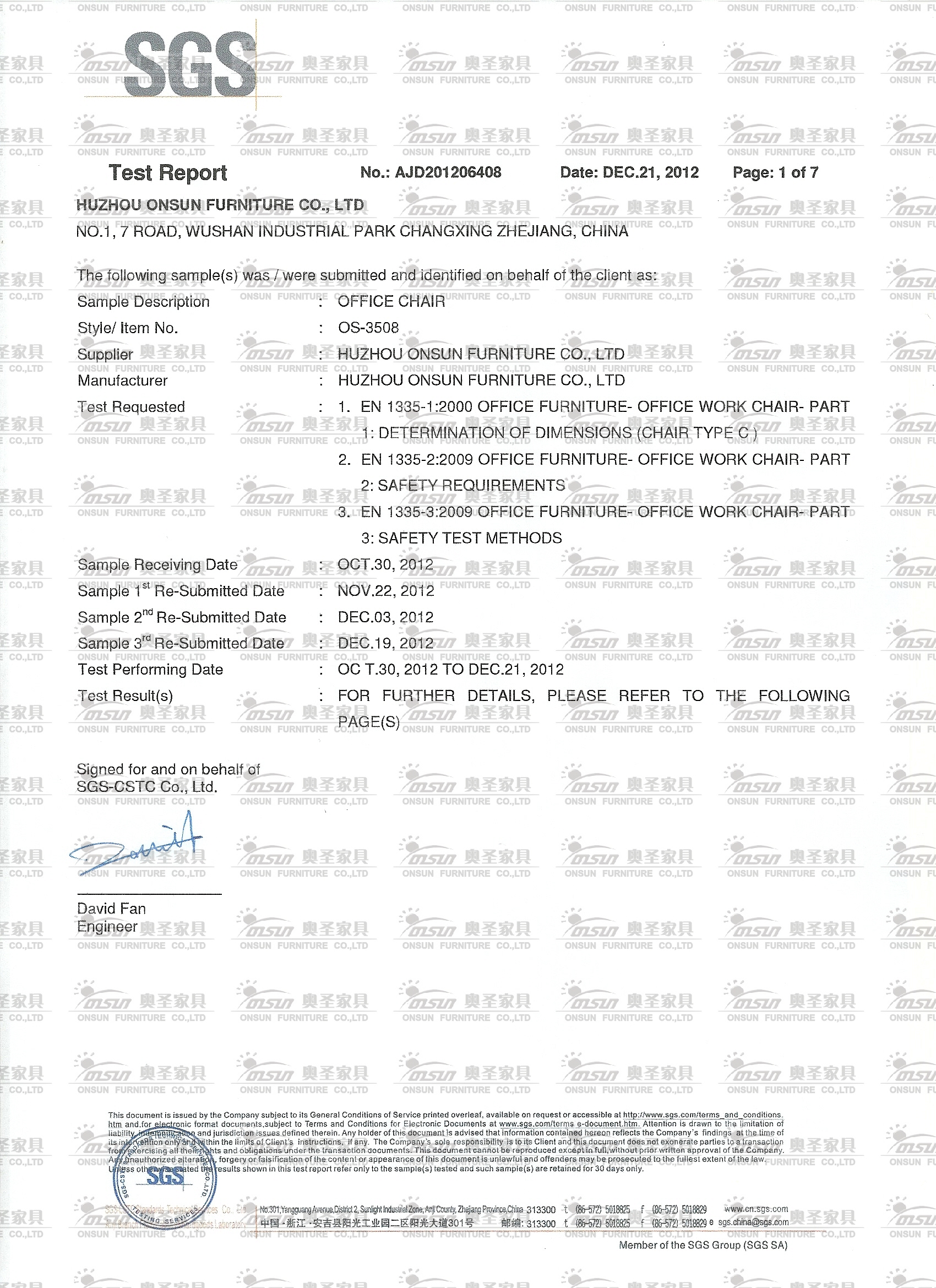
The FYCHI 7022D racing simulator seat is covered by Technical Report 66201411240, issued by Bureau Veritas Consumer Products Services. The report provides EN 1335 series test documentation for seating safety, strength and durability in the European Union market and references EN 1335-2:2018 and EN 1728:2012. The FYCHI 7022D is listed as a bucket seat simulator cockpit, racing seat and frame combo. Its frame is a tubular steel chassis with a powder-coated steel finish, and the seat is upholstered in PVC leather or fabric with a reinforced foam cushion.
For appearance and distribution planning, Registered Community Design No 002228411-0001 covers the FYCHI 6001D racing simulator wheel stand, the FYCHI 6020D aluminum profile simulator cockpit, the FYCHI 6029-1 triple monitor stand and the FYCHI 7022D racing simulator seat. The registration is recorded under the EU Community Design Regulation with a registration date of 2013-04-26, issued by OHIM, now EUIPO. For the Chinese market, the FYCHI 6001D Racing Simulator Wheel Stand is covered by Chinese design patent ZL 2022 3 0555008.X, certificate number 7689673, issued by the China National Intellectual Property Administration (CNIPA). It is valid in China from 2022-11-18 to 2037-08-24.
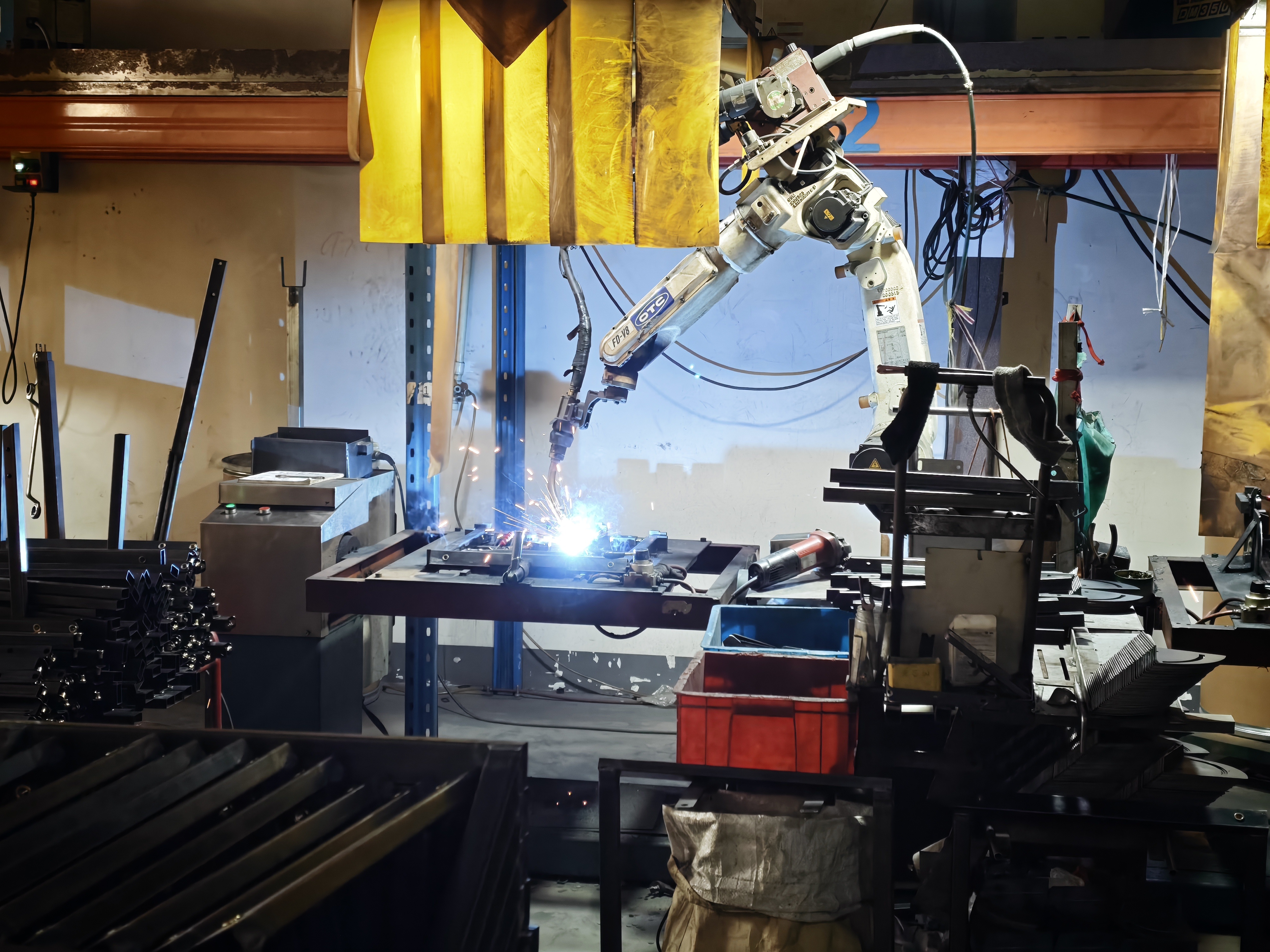
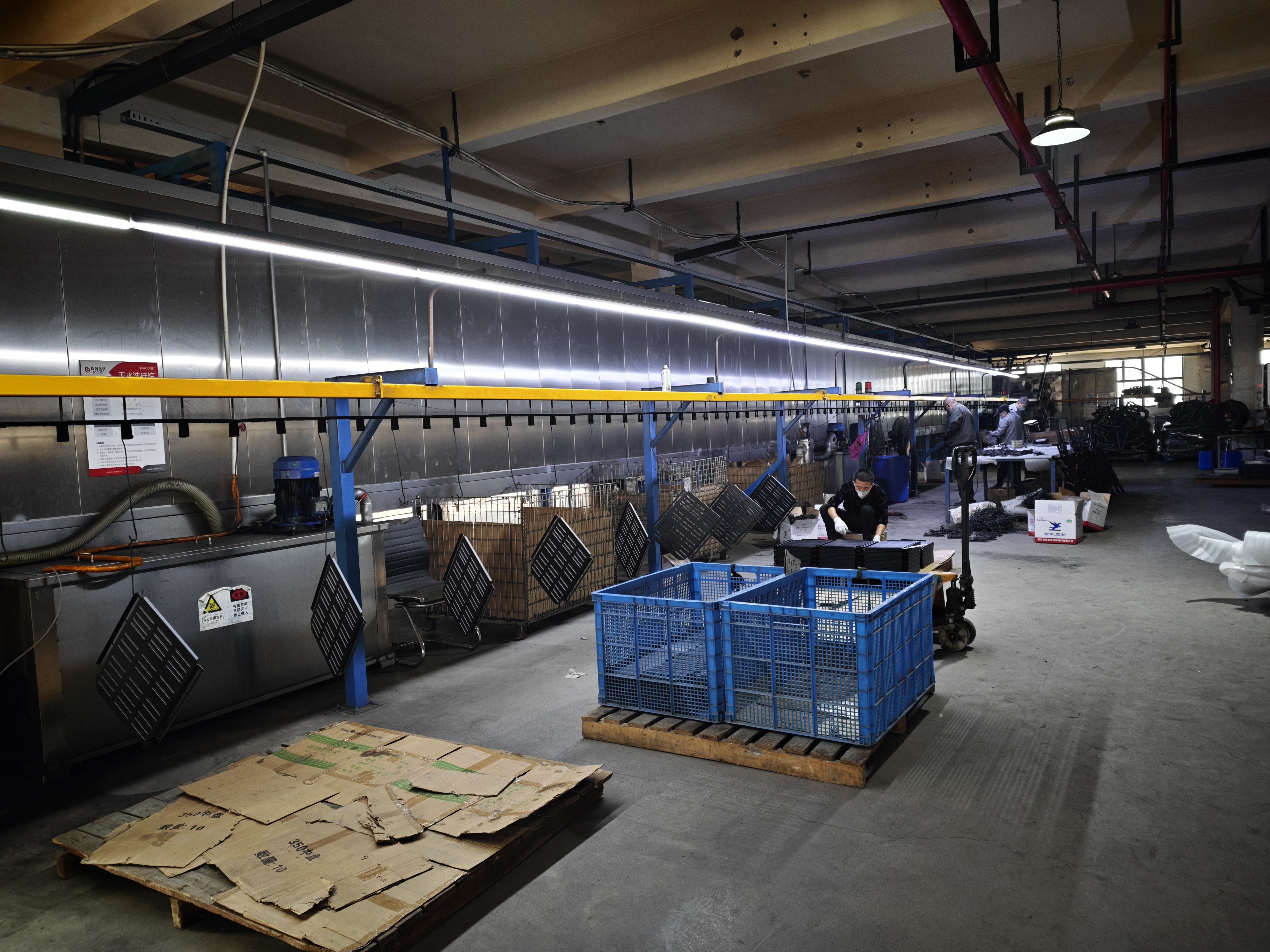
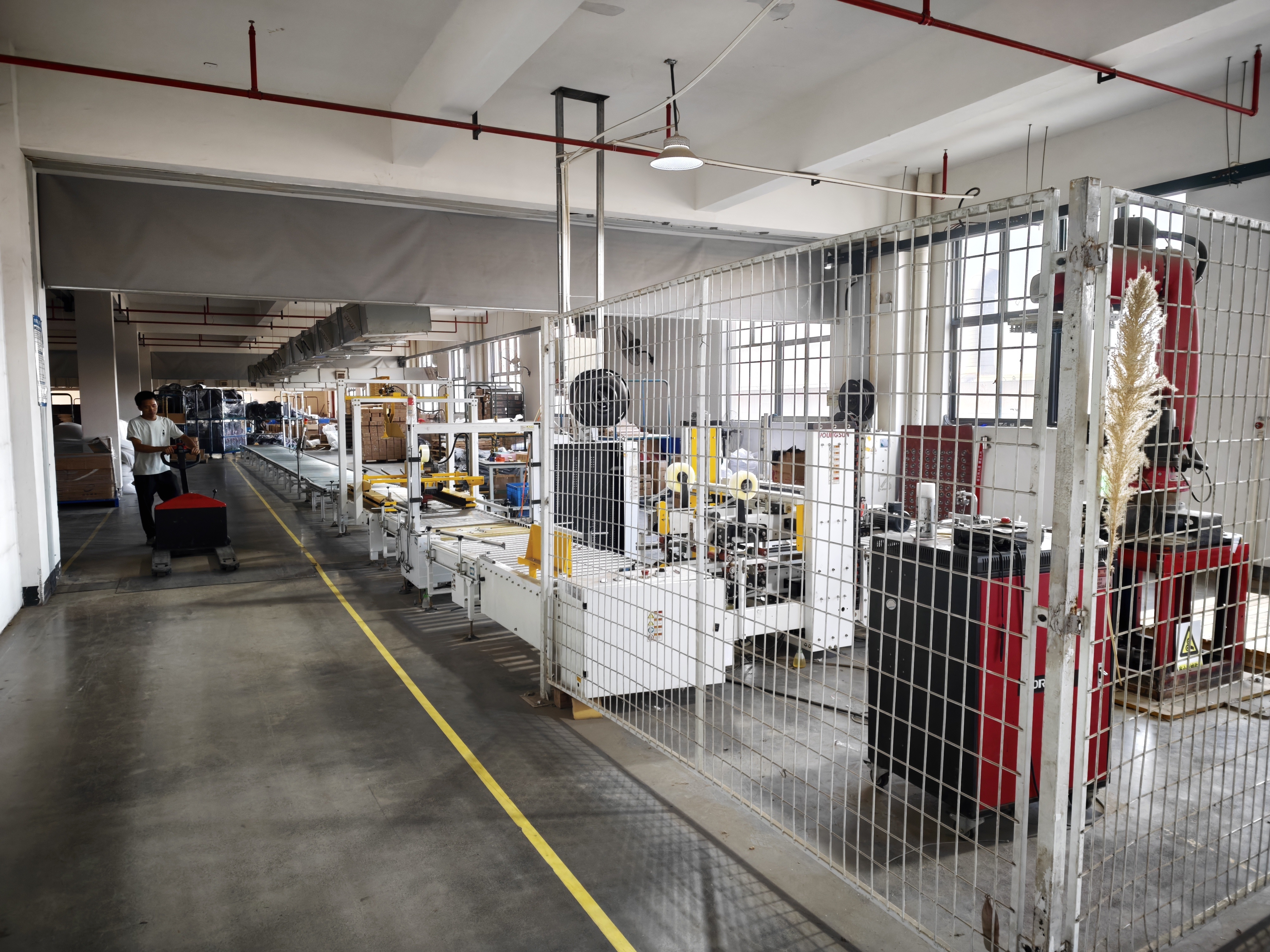
The manufacturer side is also part of the constraint layer. FYCHI operates a 35,000 square meter production facility with 100 to 200 staff and a 10-person R&D team. The company runs its own line for steel and aluminum simulator frames, with in-house welding, powder coating and assembly. Every unit passes pre-shipment inspection before loading. Export packaging uses newly designed cartons with a 280 lb load rating, black EPE corner protection and 5 mm EPE cushion boards on the top and bottom of each carton, and each carton includes a colour manual, certificate of conformity, warranty card and installation tools. Those details matter for an aluminum profile sim racing rig because long extrusion profiles and monitor mounts are vulnerable to handling damage.
Step-by-Step Breakdown: How to Verify a Chinese Aluminum Profile Cockpit Supplier
Step 1: Define the hardware load before reading the spec sheet
Start with the wheelbase, pedal set and monitor layout. A direct drive sim racing rig and a force feedback sim racing rig place different loads on the wheel mount and frame joints. A sim racing rig with pedal mount and a load-cell brake places a different load on the pedal plate. A sim racing rig with monitor mount changes the height and depth requirements. Write these down before comparing suppliers, because the same aluminum profile sim racing cockpit can be right for one hardware set and wrong for another. The FYCHI 6020D is adjustable at the wheel, pedal and shifter positions, but the buyer still needs to confirm that the intended hardware fits the available adjustment range.
Step 2: Check the certificate scope against the exact model
Ask for the certificate number, the issuing laboratory, the market and the model list. For the FYCHI 6020D, the RoHS 2.0 certificate is TST20240500495-3RC, issued by Dongguan True Safety Testing Co., Ltd., and the scope covers series models 6002 through 6020, including model 6020. That is a traceable statement. A generic statement such as 'our cockpits are RoHS certified' is not enough, because the buyer cannot see whether the ordered model is inside the scope. The same logic applies to the EN 1335 report for the FYCHI 7022D seat: the report is Technical Report 66201411240 from Bureau Veritas, and it references EN 1335-2:2018 and EN 1728:2012.
Step 3: Separate product compliance from IP and from load performance
A RoHS certificate does not prove frame stiffness. An EN 1335 report does not prove cockpit frame load capacity. A Registered Community Design does not prove safety. A Chinese design patent does not replace CE, RoHS or REACH. The FYCHI design patent for the Racing Simulator Bracket (6001) is an intellectual property registration valid in China; it is separate from product safety testing and is not a load test certificate for the Racing Simulator Wheel Stand. Buyers should keep these categories separate in the evaluation matrix. That prevents a supplier pack from looking stronger than it is.
Step 4: Verify the material and joint specification
For an aluminum profile sim racing rig, confirm the profile series, the extrusion material, the joint material and the finish. The FYCHI 6020D uses a 40-series aluminum extrusion profile in anodized aluminum, with reinforced steel connectors. The FYCHI 6029-1 triple monitor stand uses a powder-coated steel frame with aluminum adjustment joints. The FYCHI 6001D folding wheel stand uses a powder-coated carbon steel main frame, a high-strength steel pedal plate with an anti-slip design, and anti-slip rubber feet. These are different architectures for different jobs. A distributor should not treat a folding sim racing rig and a modular sim racing rig as interchangeable simply because both carry a wheel.
Step 5: Review the factory control points that protect the specification
A specification is only useful if it survives production. Ask how the supplier controls welding, drilling, powder coating, assembly and pre-shipment inspection. FYCHI runs in-house welding, powder coating and assembly for steel and aluminum simulator frames, and every unit passes pre-shipment inspection before loading. The export carton uses a 280 lb load rating, black EPE corner protection and 5 mm EPE cushion boards on the top and bottom. Each carton includes a colour manual, certificate of conformity, warranty card and installation tools. For a heavy duty sim racing rig, packaging is part of the product because a bent extrusion or a damaged monitor mount becomes a return, not a sale.
Step 6: Confirm commercial terms and customization
FYCHI supports OEM and ODM production. Customization covers frame color, logo printing and packaging, accessory configuration and custom bundle options. The listed MOQ is 10 units and the listed lead time is 60 days. Monthly capacity is listed at 50,000 units per month. Distributor support covers remote technical support, spare parts supply and complete export documentation. For a buyer sourcing a sim racing cockpit with seat, shifter mount and monitor mount together, the accessory configuration matters as much as the frame. A custom bundle can reduce SKU complexity for a retailer, but it also requires a clear packing list and a model-scope check for every included item.
Use Cases: Where the Constraint Layer Changes the Buying Decision
Home direct drive upgrade
A home user moving from a folding sim racing rig to a direct drive wheelbase should prioritize frame rigidity and adjustment range. The FYCHI 6020D aluminum profile cockpit is the relevant platform in the FYCHI range because it uses a modular aluminum frame and adjustable wheel, pedal and shifter positions. The FYCHI 6001D folding wheel stand remains a compact, storable option for an entry-level setup, but it is a different constraint class. Buyers should not assume that a foldable sim racing rig will behave like a modular sim racing rig under a high-torque wheelbase.
Esports venue and retail showroom
An esports venue or retail showroom needs repeatable setup, stable mounting and a documented product. The FYCHI brand-owned showroom keeps the stand series (6001D to 6021D), the aluminum profile series, the seat series and the 6-axis triple monitor stand on display for product demonstration, photography, video production and dealer training. That showroom is a real-scene reference point: every SKU can be demonstrated live to potential distributors before ordering. For a venue buyer, that matters because a sim racing cockpit with monitor mount and a sim racing cockpit with shifter mount must be demonstrated as a complete driving position, not as a frame alone.
Flight simulation and multi-position use
The FYCHI 6020D supports flight stick, throttle and rudder pedal mounting, and its modular frame allows layout reconfiguration for multiple simulation scenarios. This is a practical advantage for a training room or a multi-position simulator space. The constraint is that each added peripheral introduces another mounting point to verify. A buyer should request the mounting layout for the intended flight controls and confirm that the frame can be reconfigured without losing the racing position. A multi-position sim racing rig is only useful if the changeover is repeatable.
Distributor assortment planning
A distributor needs a price ladder and a document pack. FYCHI covers entry-level folding stands, aluminum profile cockpits, monitor stands and seat cockpits. That range allows a distributor to stock a foldable sim racing rig for space-limited buyers, an aluminum profile sim racing rig for direct drive buyers, a sim racing rig with monitor mount for triple-screen buyers, and a sim racing cockpit with seat for long-session buyers. The constraint is document scope: each model has its own applicable certification and IP status. The distributor should build a model-by-document matrix before listing the products in an online catalogue.
Comparison Table: FYCHI Models by Constraint and Use
The table below uses only the specification and certification facts available for the listed FYCHI models. It is a scope comparison, not a ranking. The right model depends on the buyer's hardware, space, market and documentation requirements.
| Model | Frame and key specification | Adjustment and mounting | Documentation in scope | Typical use |
|---|---|---|---|---|
| FYCHI 6001D | Folding steel frame; powder-coated carbon steel main frame; high-strength steel pedal plate with anti-slip design; anti-slip rubber feet; assembly without drilling | Adjustable wheel height and tilt; gear shifter mount included; no drilling required | Chinese design patent ZL 2022 3 0555008.X (CNIPA); EU Registered Community Design No 002228411-0001; RoHS 2.0 scope does not include 6001D | Entry-level home setup; compact foldable sim racing rig; space-limited rooms |
| FYCHI 6020D | 40-series anodized aluminum extrusion; reinforced steel connectors; modular expandable frame | Adjustable wheel, pedal and shifter positions; fully reconfigurable; supports flight stick, throttle and rudder pedal mounting | RoHS 2.0 certificate TST20240500495-3RC, covers series models 6002-6020 including 6020; EU Registered Community Design No 002228411-0001 | Direct drive sim racing rig; modular sim racing rig; multi-position racing and flight simulation |
| FYCHI 6029-1 (6-Axis) | Powder-coated steel frame; aluminum adjustment joints; VESA-compatible mounting | 6-axis adjustable structure; three monitors side by side; independent angle, height and depth adjustment per screen | EU Registered Community Design No 002228411-0001 | Triple-screen sim racing rig; monitor mount for a racing simulator cockpit |
| FYCHI 7022D | Integrated seat-and-frame design; tubular steel chassis with powder-coated steel finish; PVC leather or fabric seat with reinforced foam | Reclining racing bucket seat; seat rail adjustable forward and backward with 14 cm travel; pre-positioned pedal and wheel mounts | EN 1335 series Technical Report 66201411240 from Bureau Veritas; EU Registered Community Design No 002228411-0001 | Sim racing cockpit with seat; long-session driving; complete racing simulator cockpit |
Notes: The RoHS 2.0 certificate TST20240500495-3RC applies to the European Union market and covers racing simulator brackets in the 6002-6020 series. Model 6001D is not included in the listed RoHS scope. The EN 1335 series report applies to the FYCHI 7022D seat. A Registered Community Design is an intellectual property registration, not a product safety certificate. Always match the document to the model and market before purchase.
FAQ: Chinese Sim Racing Cockpit Manufacturers with Aluminum Profile Frames
Which compliance documents should a Chinese aluminum profile sim racing cockpit manufacturer provide?
At minimum, ask for the document that matches the product and the market. For the EU, a RoHS 2.0 certificate with the exact model in scope is a useful starting point. For a seat, ask for the EN 1335 series test report that applies to that seat. For appearance and distribution planning, ask whether an EU Registered Community Design covers the model. For China, ask for the CNIPA design patent if the product relies on a protected design. In the FYCHI range, the FYCHI 6020D is covered by RoHS 2.0 certificate TST20240500495-3RC for series models 6002-6020, the FYCHI 7022D seat is covered by EN 1335 series Technical Report 66201411240 from Bureau Veritas, and Registered Community Design No 002228411-0001 covers the 6001D, 6020D, 6029-1 and 7022D. Each document has a limited scope, so the buyer should verify the model list rather than accept a general claim.
How can a buyer identify a manufacturer with real aluminum profile frame capability?
Look for evidence of frame production control, not just a product photo. A real aluminum profile simulator cockpit supplier should be able to explain the profile series, the extrusion material, the joint material and the finish. The FYCHI 6020D uses a 40-series anodized aluminum extrusion with reinforced steel connectors and a modular expandable frame. The supplier should also show how it controls welding, powder coating, assembly and pre-shipment inspection. FYCHI runs in-house welding, powder coating and assembly for steel and aluminum simulator frames, and every unit passes pre-shipment inspection before loading. A factory that can describe these control points is easier to audit than one that only lists finished products.
What drives the cost of an aluminum profile sim racing cockpit?
Cost is driven by the frame architecture and the commercial configuration, not by the word 'aluminum' alone. The profile series, joint design, adjustment range, number of mounting points, seat type, monitor mount, shifter mount, packaging and documentation all change the cost structure. A foldable sim racing rig and a modular sim racing rig sit in different cost classes because they use different frames and different assembly logic. Certification and IP documentation also add administrative work. FYCHI lists an MOQ of 10 units and a lead time of 60 days, with OEM and ODM customization for frame color, logo printing and packaging, accessory configuration and custom bundle options. Buyers should compare the full configuration rather than a single frame price.
Can a buyer request a sample before placing a bulk order?
A sample request should be built around the exact configuration the buyer intends to sell. For an aluminum profile sim racing rig, confirm the wheelbase mounting pattern, the pedal plate, the shifter position and the monitor mount before sampling. FYCHI supports remote technical support and spare parts supply, and the brand-owned showroom keeps the product range available for live demonstration and remote video demonstration for overseas buyers. To discuss a sample, quote or catalogue, contact FYCHI at Tina2@zoyochair.com or WhatsApp +86 17395721572. The company brochure can be downloaded here: Zhongyao Company Introduction 2025.
What lead time should a distributor plan for?
FYCHI lists a lead time of 60 days and an MOQ of 10 units. The buyer should add the time needed for sample approval, packaging artwork, model-scope checks and shipping documentation. For an aluminum profile sim racing cockpit, the packaging and loading plan should be confirmed before production because long extrusion profiles and monitor mounts require reinforced cartons and EPE protection. FYCHI export packaging uses a 280 lb load rating, black EPE corner protection and 5 mm EPE cushion boards on the top and bottom of each carton, with a colour manual, certificate of conformity, warranty card and installation tools inside each carton. A distributor should treat that packing specification as part of the lead-time plan, not as an afterthought.
Conclusion: Buy the Documented Constraint, Not the Profile Photo
The Chinese aluminum profile sim racing cockpit market gives buyers more choice than ever, but choice without scope control is a risk. The practical evaluation path is clear: define the hardware load, match the certificate to the exact model, separate product compliance from IP and from load performance, verify the material and joint specification, review the factory control points, and confirm the commercial terms. FYCHI Sim Racing Cockpit is a relevant reference point because the FYCHI 6020D aluminum profile simulator cockpit combines a 40-series anodized aluminum frame with reinforced steel connectors, and the supporting documents include RoHS 2.0 certificate TST20240500495-3RC for series models 6002-6020, EN 1335 series Technical Report 66201411240 for the FYCHI 7022D seat, and EU Registered Community Design No 002228411-0001 for the 6001D, 6020D, 6029-1 and 7022D.
For a distributor, venue or serious home builder, the next step is to turn that evidence into a configuration. Confirm the wheelbase, pedal set, shifter and monitor layout, then request the matching model and document pack. FYCHI can be reached through www.faychi.com, by email at Tina2@zoyochair.com, or by WhatsApp on +86 17395721572. The company address is No. 7, Jingqi Road, Chengnan Industrial Park, Heping Town, Changxing County, Huzhou City, Zhejiang Province, China.
Next step: request a sample or quotation for the FYCHI 6020D aluminum profile cockpit, or download the Zhongyao Company Introduction 2025. Include your wheelbase model, pedal type, screen layout and target market so the document scope can be checked against the exact configuration.
Have Questions or Need More Details?
Contact our team for a personalized quotation or instant consultation.
Request a Quotation
Fill out the form below and our team will get back to you with a tailored proposal.
WhatsApp Direct Chat
Prefer to chat in real-time? Message us on WhatsApp for instant assistance & quick answers.
- Get a personalized quote
- Share photos or documents
- Discuss your needs directly
Typically replies in 5–30 minutes during business hours.