
Cold Drawn Round Tube vs. Hexagon Pipe: Which Profile Fits?
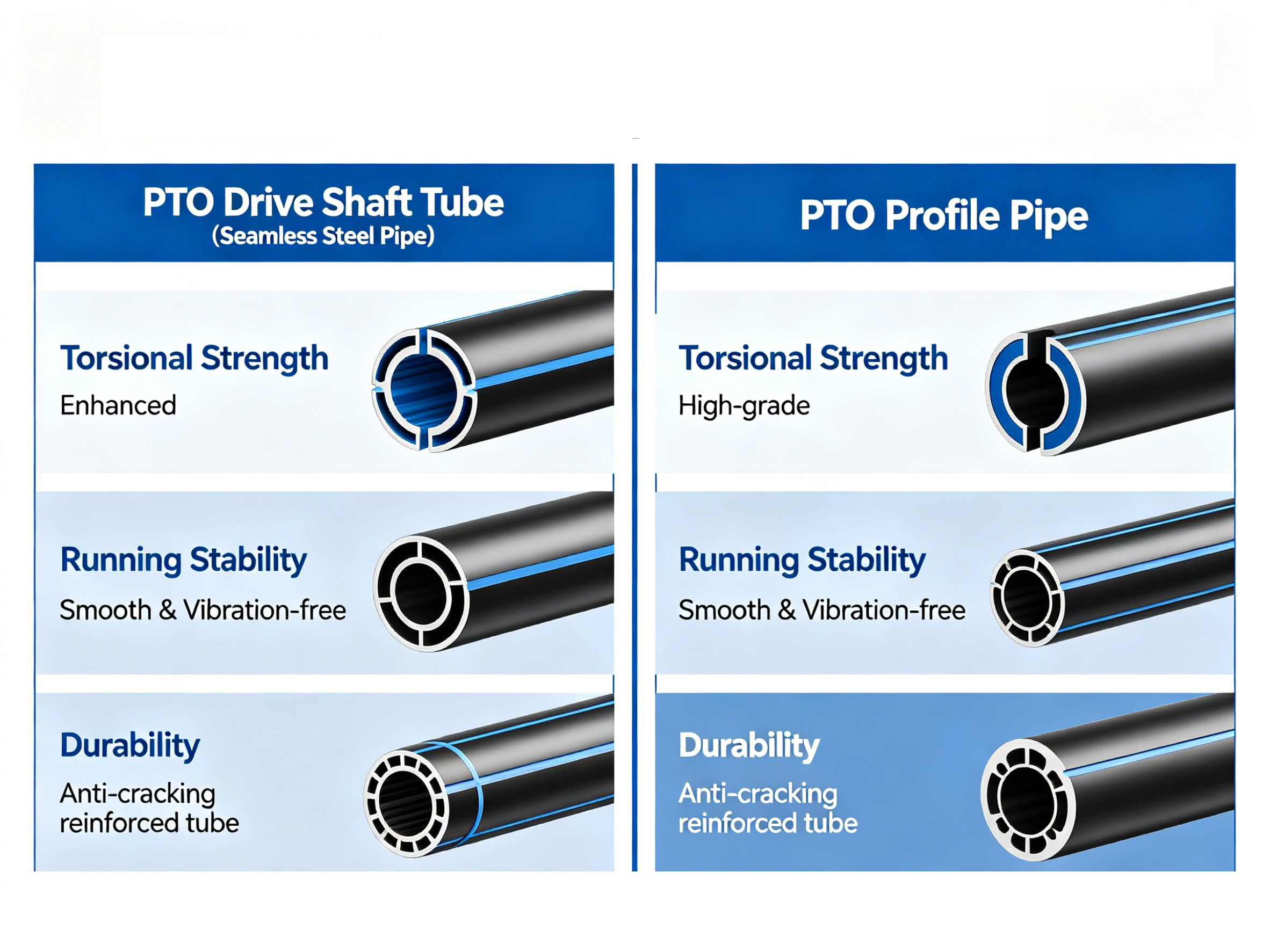
Cross-section decides function: a round tube carries fluid and seals against circular parts, while a shaped profile resists rotation and transfers torque.
The short answer sits in the cross-section. If the component carries hydraulic fluid, seals against a round surface, or slides inside a circular bore, specify the cold drawn round tube. If the component transmits torque, has to hold an angular position, or must be stopped from turning under load, specify the seamless hexagon pipe. Both profiles can be produced in the same steel grade to the same tolerance — and they are still not interchangeable.
Fakesi, the brand of Wuxi Jiangbo Intelligent Technology Co., Ltd., is a steel tube manufacturer founded in 1992 and based in Yixing, Wuxi, Jiangsu, China, supplying seamless steel tubes, precision steel tubes and special-shaped tubes to machinery, automotive and agricultural equipment customers. Its two profile families are the cold drawn round tube (model 12–100, Q355B, outer diameter 1–100 mm, wall thickness 1–20 mm, ±0.1 mm tolerance) and the seamless hexagon pipe (model 9–100, Q355B, double hexagon and inner hexagon / outer round variants, same dimensional range and tolerance). This comparison is written for buyers in agricultural machinery and automotive parts who have to decide which of the two shapes belongs on the drawing.
Why the Cross-Section Is a Functional Decision, Not a Cosmetic One
A seamless steel pipe stops being a commodity the moment the cross-section leaves the circle. The profile — round, hexagonal, triangular, octagonal, oval or lemon-shaped — is the part's functional interface, and it settles three questions at once: what the component can carry, how it mates with neighbouring parts, and how many machining steps sit between the tube and the finished component.
The cold drawn round tube works on circular geometry: a uniform wall, a smooth circular bore and a circular outside surface. That geometry suits pressure containment, hydraulic fluid flow and sealing, because O-rings, piston seals and ferrules are designed to seat against round surfaces. A round tube also rotates, slides or telescopes freely inside a round bore, which is why it remains the default for hydraulic fluid lines and hydraulic cylinders.
The seamless hexagon pipe works on flat faces arranged at fixed angles. Those faces create an anti-rotation interface: an external hex takes a wrench or locks into a hexagonal socket, while an internal hex bore accepts a hexagonal shaft or a bolt head and prevents it from turning under load. Where a round tube would need a broached hex bore, a milled keyway or a welded hex bushing to do the same job, the hexagon profile supplies the interface as it comes off the drawing line.
That is also where the cost logic begins. Every function a profile does not provide has to be added by machining, and every added operation brings a setup, a tolerance stack-up, an inspection step and a scrap risk. Fakesi treats dimensional misfit as a controlled risk rather than an accident: compatibility inspection against the mating component and control of dimensional straightness are part of the process, so a profile is checked rather than assumed to fit.
The trade-off runs in both directions. A hexagonal profile is only worth its forming complexity where the anti-rotation function is genuinely required. If a component simply has to pass fluid or act as a round structural member, a hexagonal cross-section adds cost and removes the round sealing surface without returning any functional gain.
Industry Background: Profile Supply in a Seamless Pipe Market Under Pressure
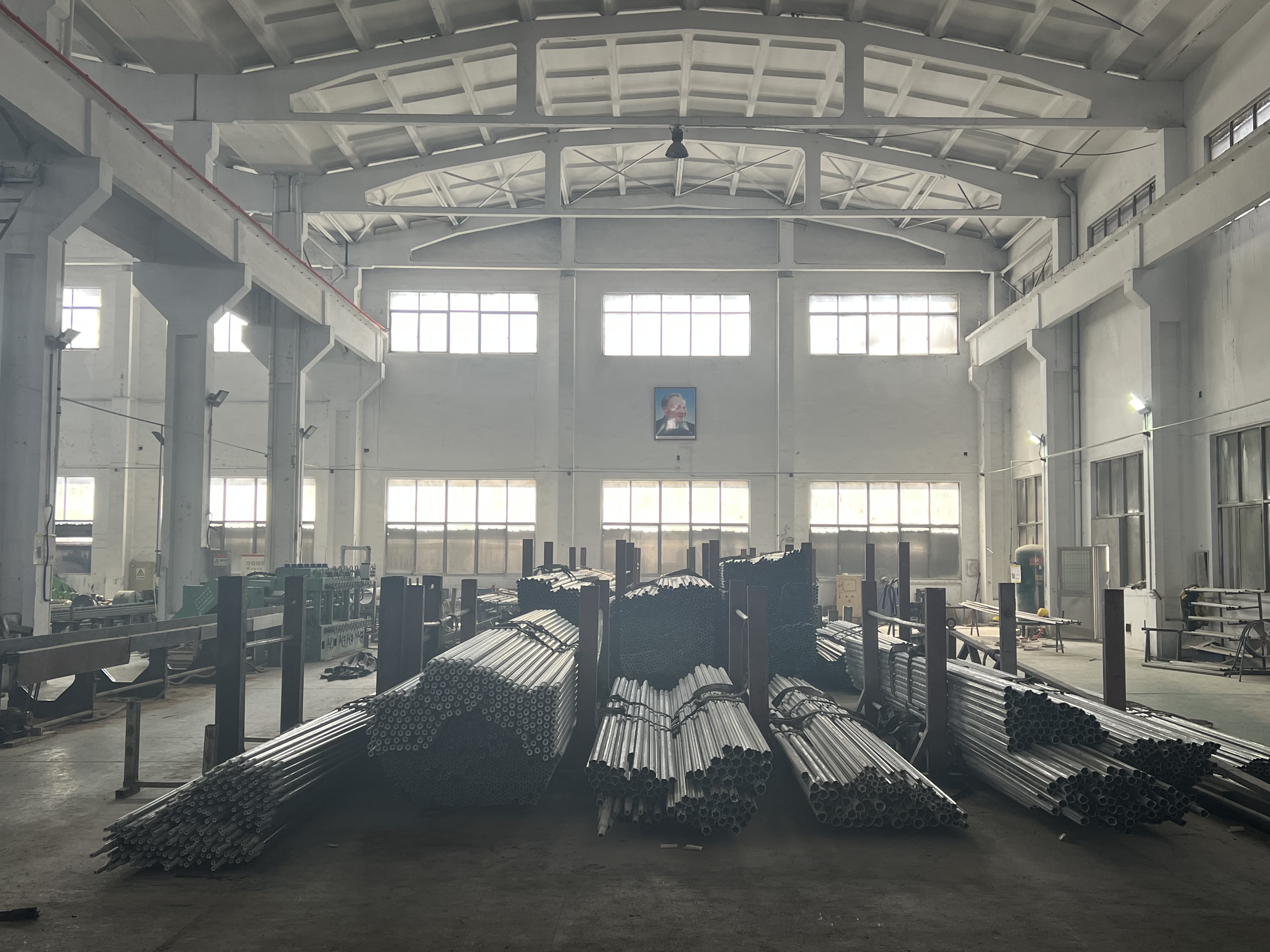
Seamless pipe is a large and still expanding category, which means the sourcing risk for a buyer rarely comes from scarcity. The global seamless pipe market was estimated at USD 130.76 billion in 2024 (Market Research Future). China's seamless steel pipe production accounts for approximately 60% of total global production as of 2023/2024 (Mysteel / World Steel Association), and China's seamless steel pipe export volume reached a record 5.72 million tons in 2024, a 1% year-on-year increase (Mysteel / General Administration of Customs). Carbon steel remains the dominant material in the pipe market, accounting for approximately 78% of global market share in 2026 projections (Future Market Insights).
The segment closest to this comparison — cold drawn seamless tube — carries the strongest growth signal. Cold-drawn seamless steel tubes are projected to reach a market value of USD 26.14 billion by 2035, with a CAGR of 16.57% (Spherical Insights).
On the standards side, precision cold-drawn tubes are commonly specified against EN 10305-1, the technical delivery conditions for cold-drawn tubes, which covers outside diameters up to 380 mm and strict dimensional tolerances. That reference matters because it is the language EU-facing engineers tend to use when they define the tolerance band on a drawing, and it is the benchmark against which a ±0.1 mm callout will be read.
For a buyer of one specific profile, the practical read is narrower than the market numbers suggest: the category is well supplied at the top level, so differentiation moves down to geometry. Whether the tube arrives as a round section holding its diameter, or as a hexagon holding its across-flats dimension, and whether the supplier can repeat that geometry across orders, is a supply-chain question rather than a market-size question.
Detailed Solution: The Two Profiles as Fakesi Produces Them
Cold Drawn Round Tube (Model 12–100, Q355B)
- Cross-section: circular bore and circular outside diameter.
- Dimensional range: outer diameter 1–100 mm, wall thickness 1–20 mm.
- Tolerance: ±0.1 mm.
- Grade: Q355B, from a plant material list that also covers 10#, 20#, 35#, 45#, 20Cr, 40Cr, 16Mn, 20Mn and Q235B.
- Typical uses: hydraulic fluid lines and hydraulic cylinders, where the bore carries fluid and the surface seals against round components.
Cold drawing is what makes the tolerance claim workable at this size band. Pulling the tube through a die at room temperature produces a smoother surface and tighter dimensional control than hot rolling, which matters on a hydraulic fluid line or a cylinder where wall concentricity affects sealing and where the bore may be machined after delivery. Buyers sourcing Seamless Pipe for Machining, Precision Bright Steel Pipe or carbon steel seamless pipe in 20#, 45# or Q355B grades are usually working with the same logic: buy the geometry close to final so the machining centre removes less material.
The limitation is equally clear. A round profile provides no native anti-rotation feature. If the finished part has to be locked against rotation, that feature has to be machined in — and that is the point at which the comparison shifts to the hexagonal option.
Seamless Hexagon Pipe (Model 9–100, Q355B)
- Cross-section: hexagonal outside profile and/or hexagonal bore. Fakesi supplies double hexagon (hexagonal outside with a hexagonal bore) and inner hexagon with round outside variants.
- Dimensional range: the same dimensional range as the round series, with the same ±0.1 mm tolerance. For hexagonal profiles the controlling callout is normally the across-flats or across-corners size rather than a diameter.
- Grade: Q355B.
- Typical uses: anti-rotation and torque-transfer components, including agricultural drive shafts and related driveline parts.
Where the hexagon earns its place is in torque transfer. A hexagonal bore gives the mating shaft six contact faces instead of a friction fit, which resists slipping under load and simplifies angular alignment during assembly. Because the interface comes from the profile itself, the operation that would otherwise be needed to cut a hex into a round tube disappears from the routing, along with its fixture, its inspection and its scrap allowance. Buyers comparing Cold Drawn Seamless Pipe with a shaped alternative for drive-line duty are effectively comparing a tube plus a machining operation against a tube that arrives as the interface.
The limitation is the mirror image of the round tube's strength: a hexagonal profile offers no circular sealing surface and no uniform round bore. If the same component also has to seal, that function must be carried by a separate feature rather than by the profile.
What Both Profiles Have in Common
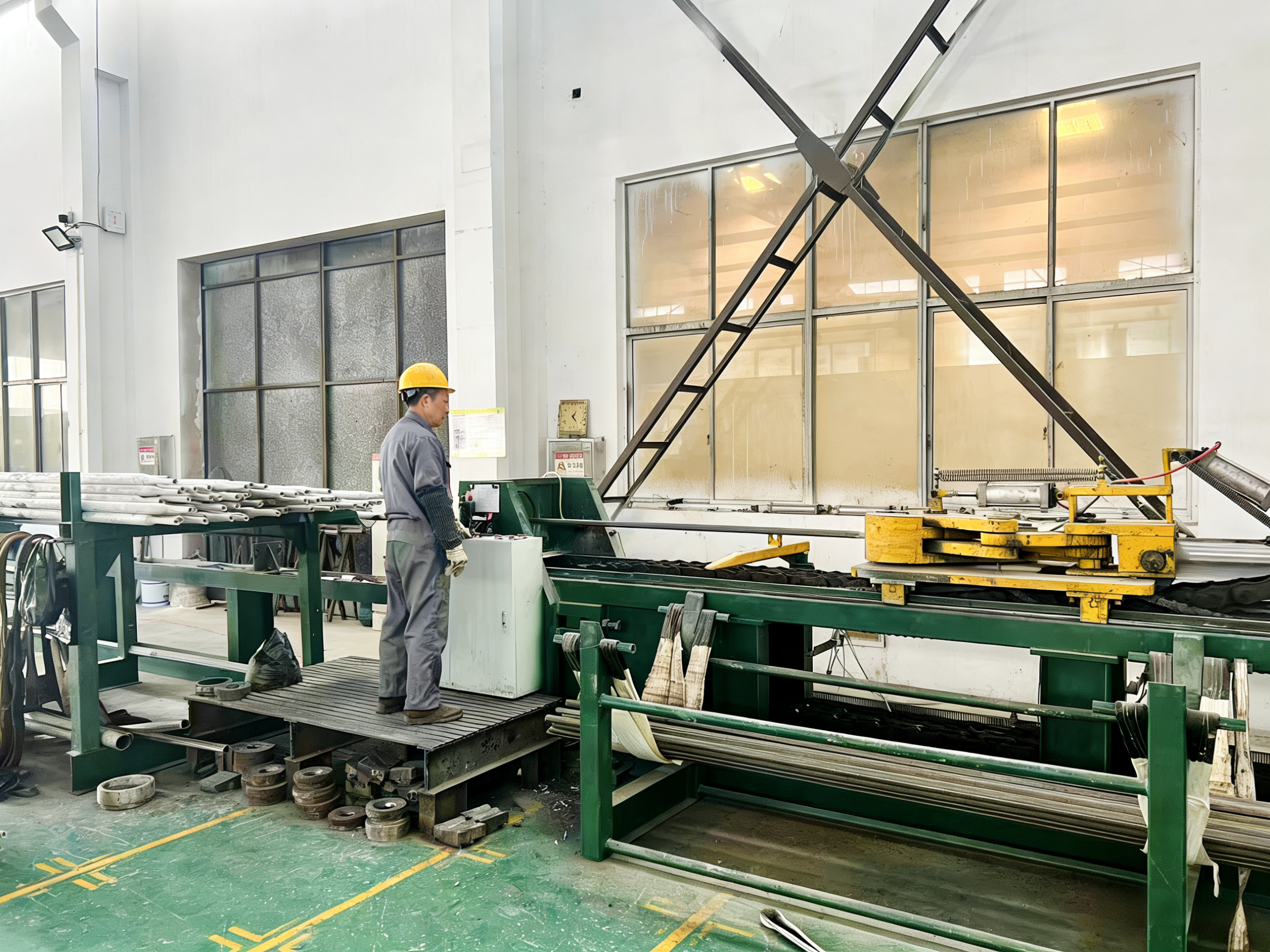
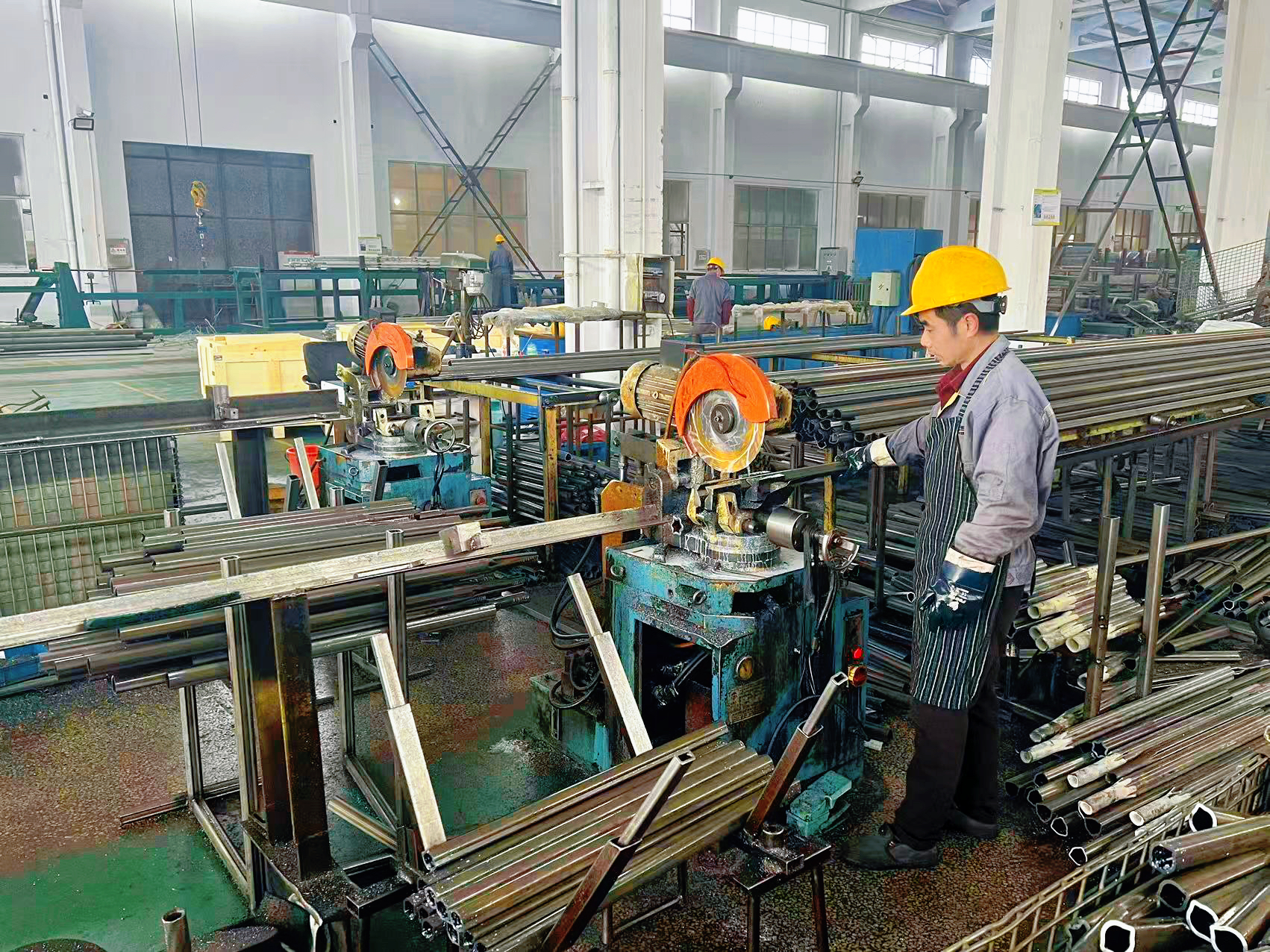
Round and hexagonal profiles leave the same production route at Fakesi: cold drawing on hydraulic cold draw benches, annealing, straightening and fixed-length cutting. Because the upstream discipline is shared, the differences buyers see on the shop floor come from geometry rather than from process quality.
Shared facts that apply to both profiles include:
- Material range: 10#, 20#, 35#, 45#, 20Cr, 40Cr, 16Mn, 20Mn, Q355B and Q235B.
- Plant production range: outer diameter from Φ10 mm to Φ280 mm across the full product portfolio.
- Product families: seamless round pipe, precision seamless steel pipe, cold drawn seamless pipe, thick wall and thin wall seamless steel pipe, large diameter and small diameter seamless pipe, hot rolled seamless pipe, high pressure seamless pipe, seamless pipe for machining, precision bright steel pipe, carbon steel seamless pipe, 20# seamless steel pipe, 45# seamless steel pipe and Q355B seamless steel pipe, plus special-shaped tubes including seamless triangle pipe, seamless lemon-shaped tube, seamless hexagon pipe, seamless octagon pipe and seamless oval steel pipe.
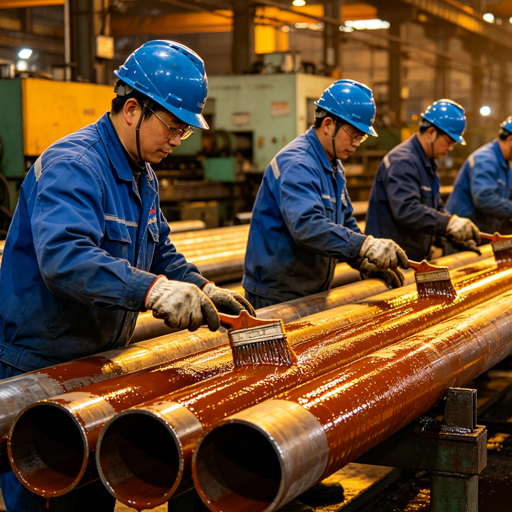
- Corrosion control: anti-rust oil applied on the surface, supported by waterproofing and anti-corrosion measures for transport and storage.
- Capacity context: founded in 1992, a factory area of over 20,000 m², 50 employees, an annual output of 20,000 T and a 5-engineer R&D team, with around 50% of output exported and main markets in the EU, Eurasia and MENA.
Step-by-Step: How to Choose Between Round and Hexagon
- Start from the cross-section function. Fluid passage, pressure containment and sealing point to the cold drawn round tube. Torque transfer, angular positioning or anti-rotation point to the seamless hexagon pipe.
- Define the mating interface. If the counterpart is a round shaft, piston, seal or ferrule, the round profile matches it. If it is a hex socket, hex shaft, wrench or bolt head, the hexagonal profile matches it.
- Fix the dimensional envelope. Both profiles are available in the 1–100 mm range with ±0.1 mm tolerance in Q355B, so the envelope usually selects the model and the wall rather than the shape.
- Count the machining steps honestly. Anti-rotation on a round tube means broaching, keyway milling or welding a hex bushing. A hexagon profile removes that operation. Price those steps, including inspection and scrap, before comparing tube prices.
- Check wall thickness against the load. With walls from 1 mm to 20 mm, a thinner wall saves weight and material, but a torque-carrying hexagonal component needs enough wall to distribute load across its flats.
- Confirm surface protection and handling. Anti-rust oil and waterproofing are easier to specify on the order than to add after sea freight, and fixed-length cutting reduces double handling at the assembly line.
- Validate with a sample. Test the profile against the actual mating part and confirm straightness plus the across-flats or diameter dimension. This is cheaper than finding a misfit during assembly, which is exactly why compatibility inspection sits in Fakesi's risk-control process.
Use Cases: Matching the Profile to the Component
- Hydraulic fluid lines → cold drawn round tube. A circular bore and uniform wall keep flow smooth and allow reliable sealing at connections.
- Hydraulic cylinders → cold drawn round tube. Round bore geometry supports piston sealing and cylinder body machining.
- Pneumatic cylinders → cold drawn round tube. Same sealing and bore logic as hydraulic cylinders.
- Agricultural drive shafts → seamless hexagon pipe. Torque transfer and anti-rotation under field loads; Fakesi's documented comparison identifies agricultural machinery as the primary application fit for its profile tube solution.
- Automotive and motorcycle parts → either profile. The deciding question is whether the part passes fluid or transmits torque.
- Smart lock components → shaped profiles. Small anti-rotation interfaces typically call for a hexagonal or similar special cross-section.
- Motor housings → round profiles. Circularity supports machining and assembly of rotating assemblies.
- Construction machinery and customized structural applications → round or shaped, per drawing.
Comparison Table: Cold Drawn Round Tube vs. Seamless Hexagon Pipe
| Selection factor | Cold drawn round tube (model 12–100, Q355B) | Seamless hexagon pipe (model 9–100, Q355B) |
|---|---|---|
| Cross-section geometry | Circular bore and circular outside diameter | Hexagonal outside profile and/or hexagonal bore (double hexagon; inner hexagon with round outside) |
| Primary function | Fluid passage, sealing surface, cylinder bore and barrel, structural use | Torque transfer, anti-rotation, wrenching and grip interface |
| Outer diameter range | 1–100 mm | 1–100 mm (hexagonal sizes are called out across flats or across corners) |
| Wall thickness range | 1–20 mm | 1–20 mm |
| Dimensional tolerance | ±0.1 mm | ±0.1 mm |
| Material grade | Q355B; plant material list also covers 10#, 20#, 35#, 45#, 20Cr, 40Cr, 16Mn, 20Mn, Q235B | Q355B; same plant material list available |
| Mating interface | O-rings, piston seals, round shafts, welded or flanged joints | Hex sockets, hex shafts, wrench flats, bolt heads |
| Native anti-rotation | No; requires broaching, keyway milling or a welded hex bushing | Yes; six flat faces resist rotation as supplied |
| Typical applications | Hydraulic fluid lines, hydraulic cylinders, pneumatic cylinders, motor housings | Agricultural drive shafts, anti-rotation and torque-transfer components, smart lock components |
| Surface protection | Anti-rust oil on the surface, with waterproofing and anti-corrosion measures | Anti-rust oil on the surface, with waterproofing and anti-corrosion measures |
Cost Impact: Machining Steps, Not Just Tube Price
Total cost per finished component is the sum of tube cost, machining, assembly, inspection and failure risk. The profile decision moves all five lines at once, which is why a straight price-per-metre comparison between a round tube and a hexagon pipe usually misleads.
The round profile wins on forming simplicity and on sealing performance, but it loses wherever anti-rotation is required, because that function has to be added: a broached hex, a milled keyway or a welded bushing, each with its own setup, tolerance stack and inspection. The hexagonal profile costs more to form, but it removes those operations and eliminates the alignment work that a friction-fit round connection needs during assembly.
Broader comparison data points in the same direction. In Fakesi's documented comparison against PTO profile tube, the profile tube solution is reported to provide an extended service life of 200% to 400% over alternatives, approximately 5% lower cost, less maintenance, tighter tolerances and higher torsional strength, with agricultural machinery identified as the fitting application. The sourcing conclusion for a buyer is consistent across both profiles: the geometry that removes a machining step and holds its tolerance across repeat orders tends to perform better on total cost than a cheaper tube that requires additional operations downstream.
FAQ: Cold Drawn Round Tube and Seamless Hexagon Pipe
Which standards apply to cold drawn round tube and seamless hexagon pipe?
Cold-drawn precision tubes are commonly specified against EN 10305-1, the technical delivery conditions for cold-drawn tubes, which covers outside diameters up to 380 mm and strict dimensional tolerances. Fakesi operates ISO quality management systems and produces the cold drawn round tube (model 12–100) and the seamless hexagon pipe (model 9–100) in Q355B to a ±0.1 mm tolerance. Buyers who need a specific standard reference should state it on the drawing and confirm it at quotation, because the applicable standard can change inspection requirements and documentation.
Can one supplier deliver both round and hexagonal profiles in the same supply programme?
Yes. Fakesi's range covers seamless round pipe, precision seamless steel pipe, cold drawn seamless pipe, thick wall and thin wall seamless steel pipe, large diameter and small diameter seamless pipe, hot rolled seamless pipe, high pressure seamless pipe, seamless pipe for machining, precision bright steel pipe, carbon steel seamless pipe, 20# seamless steel pipe, 45# seamless steel pipe and Q355B seamless steel pipe, together with special-shaped tubes such as seamless triangle pipe, seamless lemon-shaped tube, seamless hexagon pipe, seamless octagon pipe and seamless oval steel pipe. The plant production range runs from Φ10 mm to Φ280 mm outer diameter, with an annual output of 20,000 T and a 5-engineer R&D team, so round and hexagonal items can be sourced as one programme rather than two supply relationships.
Does the profile choice change total cost?
Yes, mainly through machining and assembly steps rather than through the tube price alone. A round tube is the simpler profile to form and provides the sealing surface, but if the finished part must resist rotation, the anti-rotation feature has to be broached, milled or welded in. A hexagon pipe carries that interface in the cross-section and removes the operation. In documented comparisons against PTO profile tube, Fakesi's profile tube solution is reported to deliver an extended service life of 200% to 400% over alternatives with approximately 5% lower cost, less maintenance, tighter tolerances and higher torsional strength. The practical rule is to compare total cost per finished component, not cost per metre of tube.
Can I validate the profile with a sample before ordering?
Yes. Sample lengths allow the profile to be tested against the actual mating component before production quantities are committed. Confirm the across-flats or outside diameter, wall thickness, straightness and surface condition on the sample, and check that the sealing or anti-rotation function performs as the drawing intends. Sample requests and technical questions can be sent to jiangjianfan@wxjiangbo.com or through the WhatsApp channel of the Fakesi sales team.
What should buyers confirm about lead time and shipment?
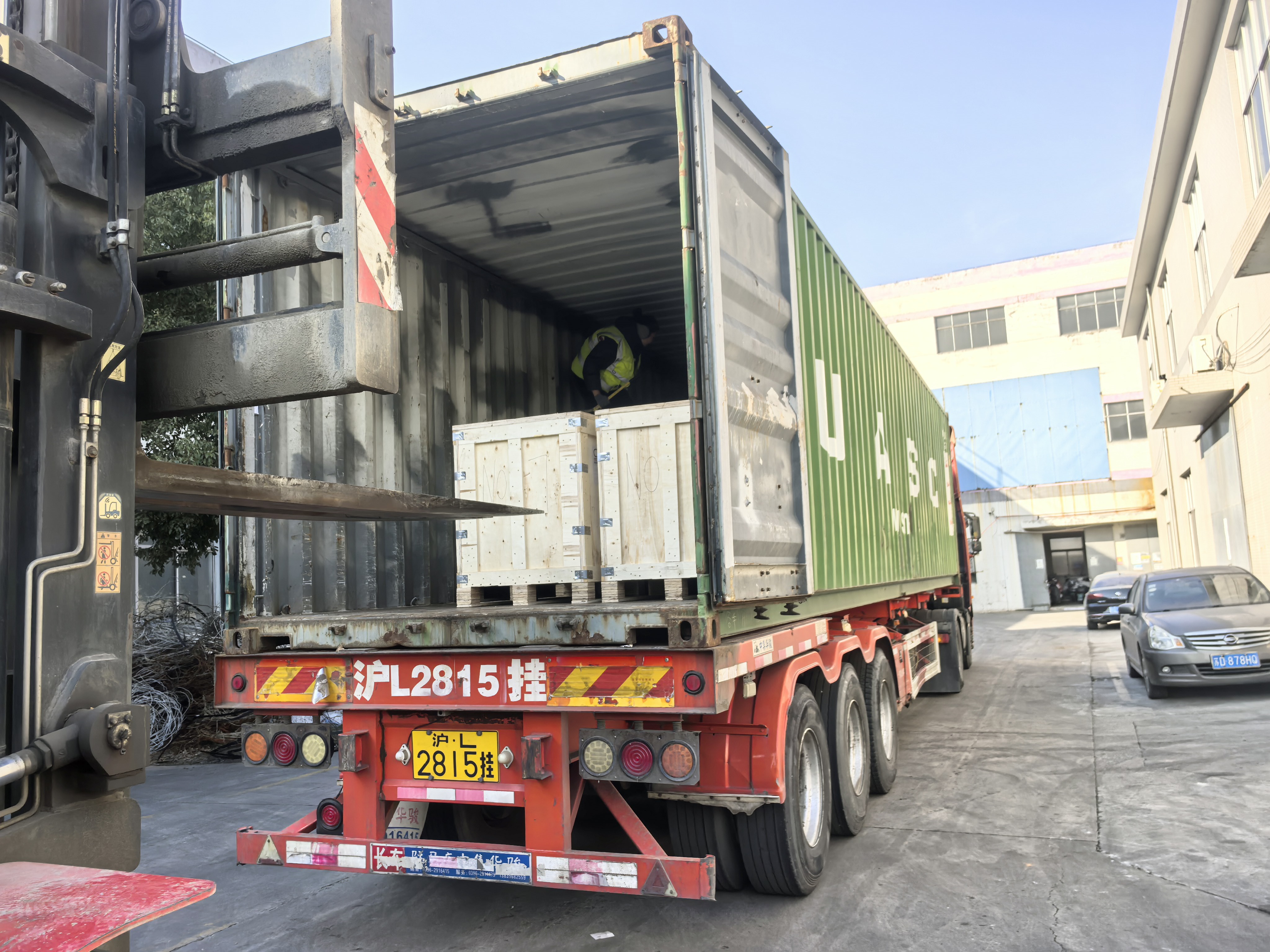
Lead time depends on profile type, quantity and material grade, and it is confirmed at the quotation stage rather than assumed from a catalogue range. Fakesi cuts product to fixed length and ships in containerized export loads, with around 50% of output exported and main markets in the EU, Eurasia and MENA. The next step for a buyer comparing round and hexagonal profiles is to send the drawing with the profile, grade, wall thickness and tolerance, and request a quote plus a sample: email jiangjianfan@wxjiangbo.com, call or message +86 13967785843, or download the full product brochure at Fakesi product brochure.
Conclusion: Decide by Function First, Then by Cost
The cold drawn round tube and the seamless hexagon pipe answer two different engineering questions. Round geometry carries fluid, seals against circular components and slots into hydraulic fluid lines and hydraulic cylinders. Hexagonal geometry transfers torque and blocks rotation without added machining, which is why it belongs on anti-rotation and drive components in agricultural machinery and automotive parts.
Three criteria settle the decision in practice. First, cross-section function — fluid and sealing, or torque and anti-rotation. Second, machining steps — what the profile already provides versus what the shop has to add. Third, total cost per finished component, including inspection and scrap, rather than tube price per metre. Both profiles are available in Q355B across a 1–100 mm dimensional range with ±0.1 mm tolerance, so the choice is almost never limited by availability; it is limited by whether the drawing calls for a bore or for a face.
Send your drawing with the profile, steel grade, wall thickness and tolerance, and the Fakesi team will confirm the most economical of the two profiles and quote accordingly. Contact: jiangjianfan@wxjiangbo.com | Tel / WhatsApp: +86 13967785843 | wxjiangbo.com