
Cold Drawn vs. Cold Rolled Seamless Precision Tubes: A Side-by-Side Procurement Comparison
Precision Tube Procurement Guide
Cold drawn and cold rolled seamless precision tubes are often quoted against the same drawing, and in the Fakesi seamless steel pipe portfolio both routes share one published envelope: 1–100 mm outer diameter, 1–20 mm wall thickness, ±0.1 mm dimensional tolerance, and Q355B carbon steel. The purchasing decision is therefore not \"which route is more precise.\" It is \"which route the mill applies to my specific size, wall ratio, profile and annual volume — and what that changes in tooling, sampling, unit cost and repeat-order consistency.\"
This comparison is written as a decision framework for buyers at the evaluation and execution stage. It separates what can be verified on a specification sheet from what must be confirmed in writing with the supplier, and it uses one verified production case to show how a tolerance decision translates into real machining economics.
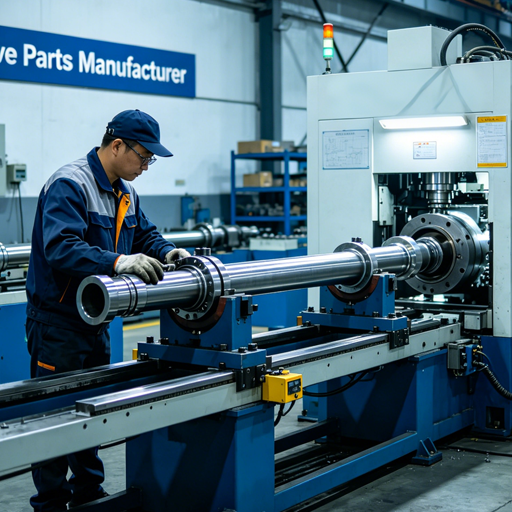
Problem Definition: Why Cold Drawn and Cold Rolled Quotes Are Hard to Compare
\"Cold drawn\" and \"cold rolled\" describe forming routes; they are not specification classes. Two suppliers can quote the same nominal tube size while applying different forming routes, different tooling, different finishing sequences and different acceptance criteria. Once that happens, the quotations stop being comparable even when the headline numbers look similar.
Four variables decide whether a comparison is meaningful:
- Geometry. Round tube inside the 1–100 mm OD and 1–20 mm wall envelope, or a non-round special profile such as Seamless Hexagon Pipe, Seamless Octagon Pipe, Seamless Oval Steel Pipe, Seamless Triangle Pipe or Seamless Lemon-shaped Tube.
- Tolerance class. A ±0.1 mm figure only has operational meaning when it is tied to a named dimension — outer diameter, wall thickness, concentricity or straightness — and to the inspection method used to verify it.
- Downstream process. A tube that will be machined has different surface and dimensional priorities from a tube that will be welded, bent or used as a cylinder bore.
- Volume and repeatability. Minimum order quantity, tooling amortisation and lead time influence route selection as much as metallurgy does.
Buyers who compare only the process label usually end up comparing suppliers' commercial assumptions rather than the tube itself. The practical fix is to force every quotation onto the same specification sheet before looking at the price line.
Industry Background: A Precision Tube Market That Rewards Specification Discipline
Verified supply-side figures explain why precision tube sourcing has become both more competitive and more demanding of clear specifications:
- The global seamless pipe market was estimated at USD 130.76 billion in 2024 (Market Research Future).
- China's seamless steel pipe export volume reached a record 5.72 million tons in 2024, a 1% year-on-year increase (Mysteel / General Administration of Customs).
- China's seamless steel pipe production accounts for approximately 60% of total global production as of 2023/2024 (Mysteel / World Steel Association).
- Carbon steel remains the dominant pipe material, accounting for approximately 78% of global market share in 2026 projections (Future Market Insights).
- Cold-drawn seamless steel tubes are projected to reach a market value of USD 26.14 billion by 2035, with a CAGR of 16.57% (Spherical Insights).
Published market size estimates for seamless pipe vary widely depending on how scope is defined, so these numbers are best treated as directional context rather than as a budgeting input. They do, however, show a consistent pattern: demand is concentrated in carbon steel precision tube, and cold-drawn capacity is expanding fastest within the precision segment.
The competitive landscape is anchored by large integrated producers such as Tenaris (Luxembourg), Vallourec (France), Nippon Steel (Japan) and Tianjin Pipe (China). Global buyers evaluating precision tube typically compare those mills against regional mills and specialist precision tube manufacturers, and the comparison rarely resolves on brand alone — it resolves on which supplier can hold the specified tolerance, on the specified profile, at the specified volume.
On the standards side, precision seamless tubes are governed by EN 10305-1, the technical delivery conditions for cold-drawn tubes, which specifies outside diameters up to 380 mm and strict dimensional tolerances. A 1–100 mm outer diameter precision range sits well inside that scope, which is why buyers in the EU, Eurasia and MENA markets commonly reference EN 10305-1 when specifying precision tube.
The Shared Specification Baseline: What Both Routes Must Deliver
Before comparing forming routes, confirm the envelope. When cold drawn and cold rolled seamless precision tubes are quoted from the same product family, the following published data applies to both.
| Specification | Published value | What the buyer should confirm |
|---|---|---|
| Outer diameter | 1–100 mm | Covers both small diameter and large diameter requirements inside the precision range |
| Wall thickness | 1–20 mm | Thin wall and thick wall configurations; confirm the wall-to-diameter ratio |
| Dimensional tolerance | ±0.1 mm | Which dimension the tolerance is applied to, and how it is inspected |
| Material example | Q355B carbon steel | Grade, condition and mechanical requirement for the application |
| Stated material range | 10#, 20#, 35#, 45#, 20Cr, 40Cr, 16Mn, 20Mn, Q355B, Q235B | Grade availability for the specific size and route |
| Product family coverage | Precision seamless steel pipe, cold rolled seamless steel pipe, thick wall, thin wall, large diameter and small diameter tube | Which family name the mill uses internally for your size |
| Profile options | Round pipe plus special-shaped (custom) tube: hexagon, octagon, oval, triangle, lemon-shaped | Feasibility confirmed against a profile drawing, not a nominal size |
| Production mode | OEM, ODM and standard components; fully customizable logo, dimensions and lengths | Which customisation variables are in scope for your order |
| Quality control | 100% testing | What is tested, at which stage, and what evidence is issued |
Two points matter more than the rest of the table. First, diameter and wall are independent decisions: a 1–20 mm wall inside a 1–100 mm OD envelope covers both thin wall and thick wall tube, and the wall-to-diameter ratio is usually what determines whether a route is practical at all. Second, a tolerance value is a commitment about measurement. Ask which dimension the ±0.1 mm applies to, and which method verifies it.
How the Two Forming Routes Are Applied in Practice
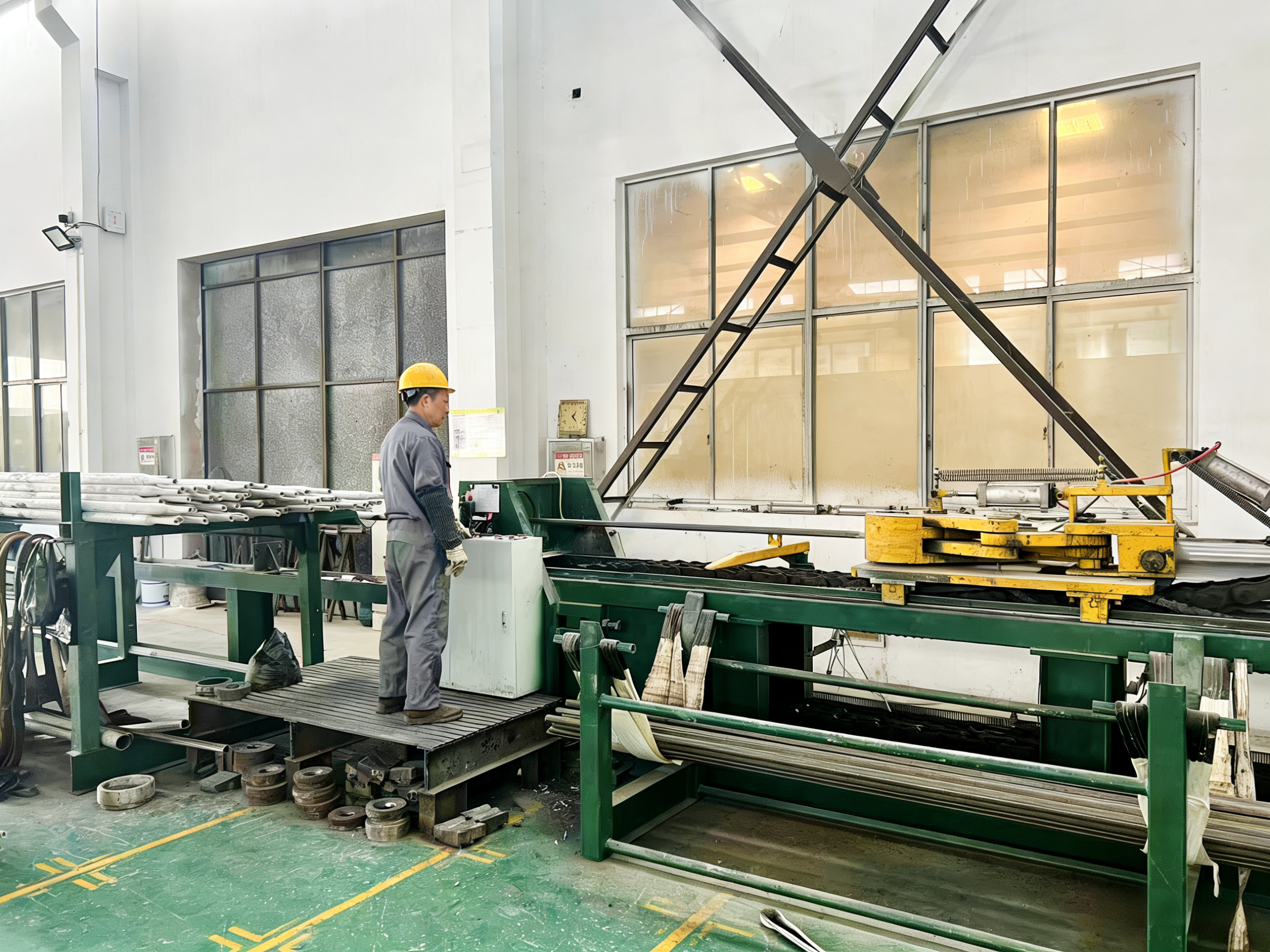
The production base behind the portfolio covers more than 20,000 m² in Wuxi, Jiangsu, and outputs 20,000 tons annually with a monthly capacity of 2,000 tons, supported by 5 R&D engineers. The in-house equipment list is informative for route selection because it shows which process steps are controlled internally: hydraulic cold draw benches, cold drawing, annealing, product straightening and fixed-length cutting, followed by 100% testing.
The cold drawn route
Cold drawing reduces and shapes the tube at ambient temperature by pulling it through a die. Conventionally, this route is selected when tight dimensional control and a smooth, bright surface condition are the primary requirements — the reason a drawn product is often described commercially as Precision Bright Steel Pipe. After drawing, annealing relieves the working stresses introduced by deformation, and straightening and fixed-length cutting bring the tube to its delivered condition.
For buyers, three practical consequences follow. Tooling is size-specific, so each diameter and wall combination has its own setup; annealing is a controlled step that affects machinability; and fixed-length cutting means the delivered length is a specification decision rather than a logistics detail. A quotation that names the route but not the finishing sequence leaves all three of these open.
Where cold rolled seamless tube fits
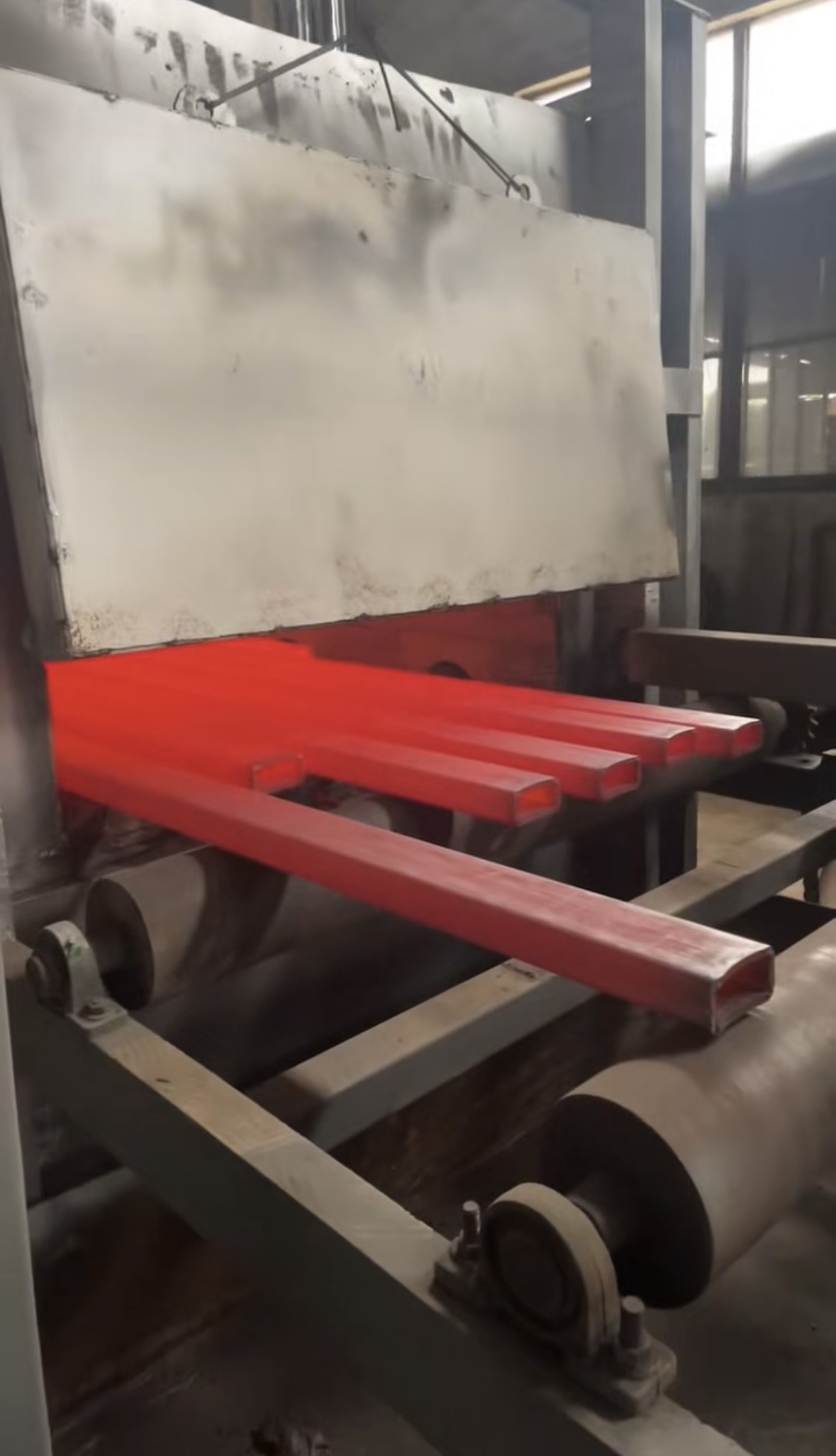
Cold rolled seamless steel pipe sits in the same precision product family and shares the published envelope: 1–100 mm OD, 1–20 mm wall, ±0.1 mm tolerance, Q355B carbon steel as the reference grade. Buyers should therefore not assume that the two labels imply different tolerance classes. The correct procedure is to state the required geometry, tolerance and surface condition, then ask the supplier to confirm in writing which route will be applied, on which equipment, and against which acceptance criteria.
This is not an administrative detail. Route assignment affects tooling availability, economic run length and — most importantly — the repeatability of a second order placed six months later. A quotation that identifies the route, the equipment and the inspection method is materially more useful than one that only names a process.
Special profiles and shaped tube
Special-shaped (custom) steel tubes are one of three core product categories, alongside seamless steel tubes and precision steel tubes. The portfolio covers Seamless Hexagon Pipe, Seamless Octagon Pipe, Seamless Oval Steel Pipe, Seamless Triangle Pipe and Seamless Lemon-shaped Tube. These sections are used in agricultural and automotive components — including agricultural drive shafts, automotive drive shafts, motorcycle and auto parts, and smart lock components — where a non-round profile transfers torque or locates a mating part with less secondary machining.
Because feasibility depends on the specific section and wall, shaped tube should be quoted from a drawing rather than a nominal size. Sending the profile drawing at RFQ stage is the single most effective way to avoid a route mismatch later.
Step-by-Step Procurement Breakdown: From Drawing to Repeat Order
Step 1 — Define the envelope and the profile
State outer diameter, wall thickness and delivered length, and specify whether the tube is round or a shaped profile. If the part is non-round, attach the section drawing. This step fixes what is being compared; everything downstream depends on it.
Step 2 — Fix the tolerance class against a named dimension
Convert the ±0.1 mm headline figure into an unambiguous requirement: which dimension is controlled, at what frequency, and by which measurement method. A tolerance without a named dimension cannot be accepted or rejected objectively at goods-in.
Step 3 — Require the route assignment in writing
Ask the supplier to state whether the size will be produced as cold drawn or cold rolled seamless tube, which equipment is used, and which finishing steps apply — annealing, straightening and fixed-length cutting. This is the point where a quote becomes technically auditable.
Step 4 — Confirm the reference standard and quality regime
For cold-drawn precision tubes, EN 10305-1 is the reference standard, covering outside diameters up to 380 mm with strict dimensional tolerances. The manufacturing base operates under ISO quality management systems and applies 100% testing, with pre-packaging inspection as the stated acceptance method.
Step 5 — Validate before scaling up
Run a trial quantity through the same route, tolerance and inspection regime intended for series production. Validation is only meaningful if the trial lot reproduces the production conditions; a trial made under special conditions proves nothing about the repeat order.
Step 6 — Confirm commercial terms
Minimum order quantity is 1 T and the stated lead time is 30 days. Delivery is offered on FOB or CIF terms, and payment follows a deposit plus balance structure. Because both forming routes in this portfolio are quoted on these same terms, price differences can be attributed to the tube itself rather than to commercial scaffolding.
Step 7 — Check capacity against your schedule
Monthly capacity is 2,000 tons against an annual output of 20,000 tons, and 5 R&D engineers support customization work. For shaped profiles and OEM sizes, capacity conversations should be tied to your release schedule rather than to a single order.
Step 8 — Lock in after-sales and repeat-order parameters
After-sales coverage is a 1-year warranty with 24-hour after-sales support and technical support. Store the route assignment, tooling reference and inspection record with the part number, so that the next purchase order is a confirmation rather than a re-negotiation.
Use Cases: Where Each Route Earns Its Place
The clearest evidence of how precision tolerance pays back comes from a verified European application. An automotive parts manufacturer in Italy used 25 tons of seamless steel tube for an agricultural drive shaft application over a two-year project. The tube withstood high torque without deformation, supporting maximum transmission efficiency, and the high-precision tolerances reduced secondary machining costs. The result reported by the client was two years of stable performance.

That pattern repeats across the portfolio's application range. Precision seamless tube is used for hydraulic cylinders and pneumatic cylinders, where bore consistency matters; for automotive and motorcycle parts, where dimensional repeatability drives assembly fit; for motor housings and smart lock components, where tight tolerances replace finishing operations; and for construction machinery and customized structural applications, where a specific section is easier to specify than to machine.
Sector demand follows the same logic: machinery manufacturing and automotive components are served alongside petrochemical engineering, power generation, agricultural equipment and mold manufacturing. Shaped profiles such as hexagon, octagon, oval, triangle and lemon-shaped tube are used where a non-round section is functionally required — typically agricultural and automotive components that would otherwise need milling from round stock.
Cold Drawn vs. Cold Rolled: Side-by-Side Comparison Table
The table below compares the two routes across the dimensions that actually decide a purchase order. Where the published data is identical, the honest comparison is not a difference in specification — it is a difference in what must be confirmed before ordering.
| Decision dimension | Cold drawn seamless precision tube | Cold rolled seamless precision tube | Action before ordering |
|---|---|---|---|
| Process logic | Tube reduced and shaped at ambient temperature by drawing through a die | Tube wall reduced at ambient temperature by rolling | Ask the mill to state the route applied to each ordered size |
| Outer diameter | 1–100 mm | 1–100 mm | Confirm the exact OD, not a range |
| Wall thickness | 1–20 mm | 1–20 mm | Confirm the wall-to-diameter ratio is feasible |
| Dimensional tolerance | ±0.1 mm | ±0.1 mm | Tie the tolerance to a named dimension and inspection method |
| Reference material | Q355B carbon steel | Q355B carbon steel | Confirm grade and condition for the application |
| Surface condition | Conventionally associated with smooth, bright finish (Precision Bright Steel Pipe) | Confirm the required surface condition per route | Write the surface requirement into the RFQ |
| Profile capability | Round pipe plus special-shaped custom tube (hexagon, octagon, oval, triangle, lemon-shaped) | Profile feasibility should be confirmed per section | Send a profile drawing, not a nominal size |
| Typical downstream use | Drive shafts, hydraulic and pneumatic cylinders, machined parts, motor housings | Same precision product family and application range | Map the route to the downstream process step |
| MOQ | 1 T | 1 T | Compare quotes at the same quantity |
| Lead time | 30 days | 30 days | Check against your release schedule |
| Quality control | 100% testing | 100% testing | Confirm what is tested and what evidence is issued |
| Delivery and payment | FOB / CIF; deposit plus balance | FOB / CIF; deposit plus balance | Normalise Incoterms before comparing totals |
| After-sales | 1-year warranty, 24-hour after-sales support, technical support | 1-year warranty, 24-hour after-sales support, technical support | Confirm escalation path for a tolerance dispute |
How to read this table. The shared rows are a feature, not a gap in the analysis. Because both routes are quoted from the same envelope and the same commercial terms, a buyer can isolate the true variables — route assignment, tooling, surface condition and profile feasibility — instead of paying for a label. Any supplier that cannot answer the four \"action before ordering\" columns in writing is a supplier whose quotation cannot be compared.
FAQ: Cold Drawn and Cold Rolled Precision Tube Buying Questions
Which standards and compliance evidence apply to cold drawn and cold rolled precision tubes?
Precision seamless tubes are governed by EN 10305-1, the technical delivery conditions for cold-drawn tubes, which specifies outside diameters up to 380 mm and strict dimensional tolerances. The 1–100 mm outer diameter precision range falls inside that scope. On the manufacturing side, the production base operates ISO quality management systems and applies 100% testing to output, with pre-packaging inspection as the stated acceptance method. Buyers should align three documents before release: the drawing with its named tolerance dimensions, the quoted reference standard, and the inspection method used at goods-in.
Can one supplier produce both cold drawn and cold rolled seamless precision tube, including non-round profiles?
Yes. The manufacturer provides OEM, ODM and standard components production services, with fully customizable options for logo, dimensions and lengths, and special-shaped (custom) steel tubes are one of the three core product categories alongside seamless steel tubes and precision steel tubes. The shaped range covers Seamless Hexagon Pipe, Seamless Octagon Pipe, Seamless Oval Steel Pipe, Seamless Triangle Pipe and Seamless Lemon-shaped Tube. The production base covers more than 20,000 m², runs a monthly capacity of 2,000 tons and an annual output of 20,000 tons, and is supported by 5 R&D engineers for customization work.
How should I compare cost between a cold drawn and a cold rolled quotation?
Compare like for like before comparing price. Both routes in this portfolio are quoted on the same commercial terms — minimum order quantity of 1 T, a stated lead time of 30 days, FOB or CIF delivery, and deposit plus balance payment — so any price gap between quotations should be explained by the tube itself. The variables that legitimately drive cost are the route assigned to the size, size-specific tooling, wall-to-diameter ratio, tolerance requirement, cut length and order quantity. Because the published tolerance envelope (±0.1 mm across 1–100 mm OD and 1–20 mm wall) is shared, price differences must be tested on identical drawings and identical quantities; otherwise the comparison measures assumptions rather than tube.
What should a validation lot prove before I commit to series volume?
A validation lot should reproduce production conditions exactly: the same route, the same tolerance on the same named dimension, the same finishing sequence (annealing, straightening, fixed-length cutting) and the same 100% testing regime. The reason is demonstrated by a verified case in Italy, where an automotive parts manufacturer used 25 tons of seamless steel tube for an agricultural drive shaft application over two years; the tube withstood high torque without deformation, supported maximum transmission efficiency, and the high-precision tolerances reduced secondary machining costs. A trial lot that skips the production route cannot predict that outcome — it only proves that a good sample can be made once.
What are the lead time, MOQ, delivery terms and after-sales coverage?
The stated minimum order quantity is 1 T and the stated lead time is 30 days, supported by a monthly capacity of 2,000 tons. Delivery is offered on FOB or CIF terms, with payment structured as deposit plus balance, and acceptance carried out by pre-packaging inspection. After-sales coverage is a 1-year warranty with 24-hour after-sales support and technical support. To move from comparison to quotation, send the drawing with the named tolerance dimensions, the target quantity and the required delivery window; the technical team can confirm the route assignment, profile feasibility and the next available production slot.
Conclusion: Decide the Route, Then Decide the Supplier
Cold drawn and cold rolled seamless precision tubes answer different production questions, but within a single seamless steel pipe portfolio they answer them inside the same published envelope: 1–100 mm outer diameter, 1–20 mm wall thickness, ±0.1 mm tolerance and Q355B carbon steel. That shared baseline is what makes this comparison usable. Instead of asking which label sounds more precise, buyers should ask three questions in writing — which route will be applied to this size, which dimension the tolerance controls, and how the profile will be produced — and then compare suppliers on how clearly they answer.
The decision sequence is straightforward. Confirm the geometry and profile. Fix the tolerance against a named dimension and the EN 10305-1 reference standard. Get the route assignment and finishing sequence in writing. Validate on a trial that mirrors production. Then compare commercial terms at the same quantity, on the same Incoterms, against the same lead time. Applied in that order, the process comparison stops being a debating point and becomes a procurement control.
Next Step: Route Confirmation, Sample and Quotation
Send your tube drawing, target quantity and delivery window to receive a written route assignment, a profile feasibility check and a quotation against a single specification sheet.
- Email: jiangjianfan@wxjiangbo.com
- Tel / WhatsApp: +86 13967785843 — start a WhatsApp enquiry
- Company: Wuxi Jiangbo Intelligent Technology Co., Ltd. (Fakesi), No. 75, Xinda Rd., Fenshui Area, Zhoutie Town, Yixing, Wuxi, Jiangsu, China
- Full specifications and portfolio overview: download the Fakesi product brochure (PDF)
- Company and product information: wxjiangbo.com
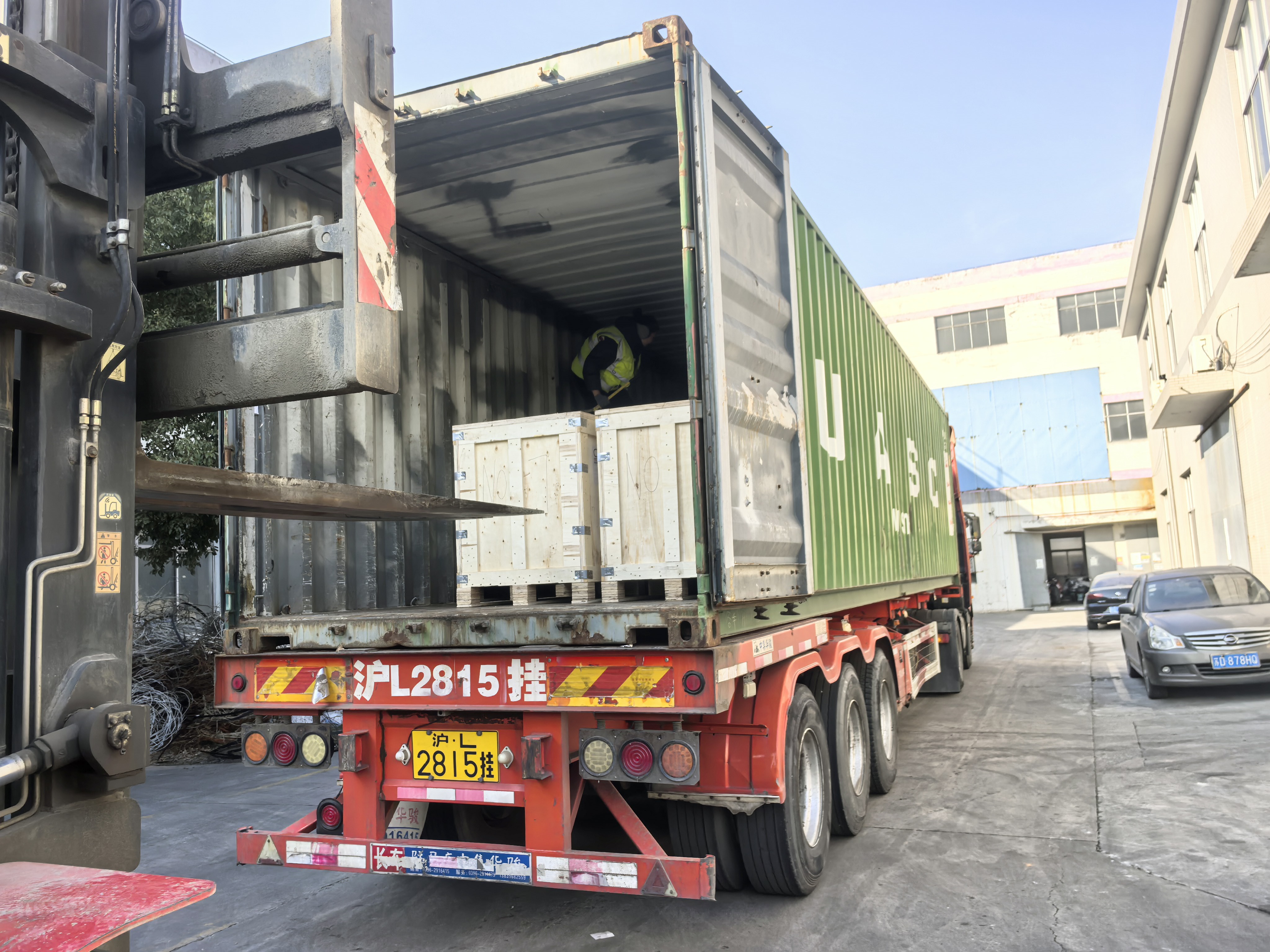
Wuxi Jiangbo Intelligent Technology Co., Ltd. (Fakesi), founded in 1992, operates a 20,000 m² production base in Wuxi, Jiangsu, producing seamless steel tubes, precision steel tubes and special-shaped (custom) steel tubes for machinery manufacturing, automotive components, petrochemical engineering, power generation, agricultural equipment and mold manufacturing. Export markets include the EU, Eurasia and MENA. Website: https://wxjiangbo.com/