
Seamless Steel Pipe Long-Term Supply: Specs & Support FAQ
Seamless Steel Pipe Long-Term Supply: Specs & Support FAQ
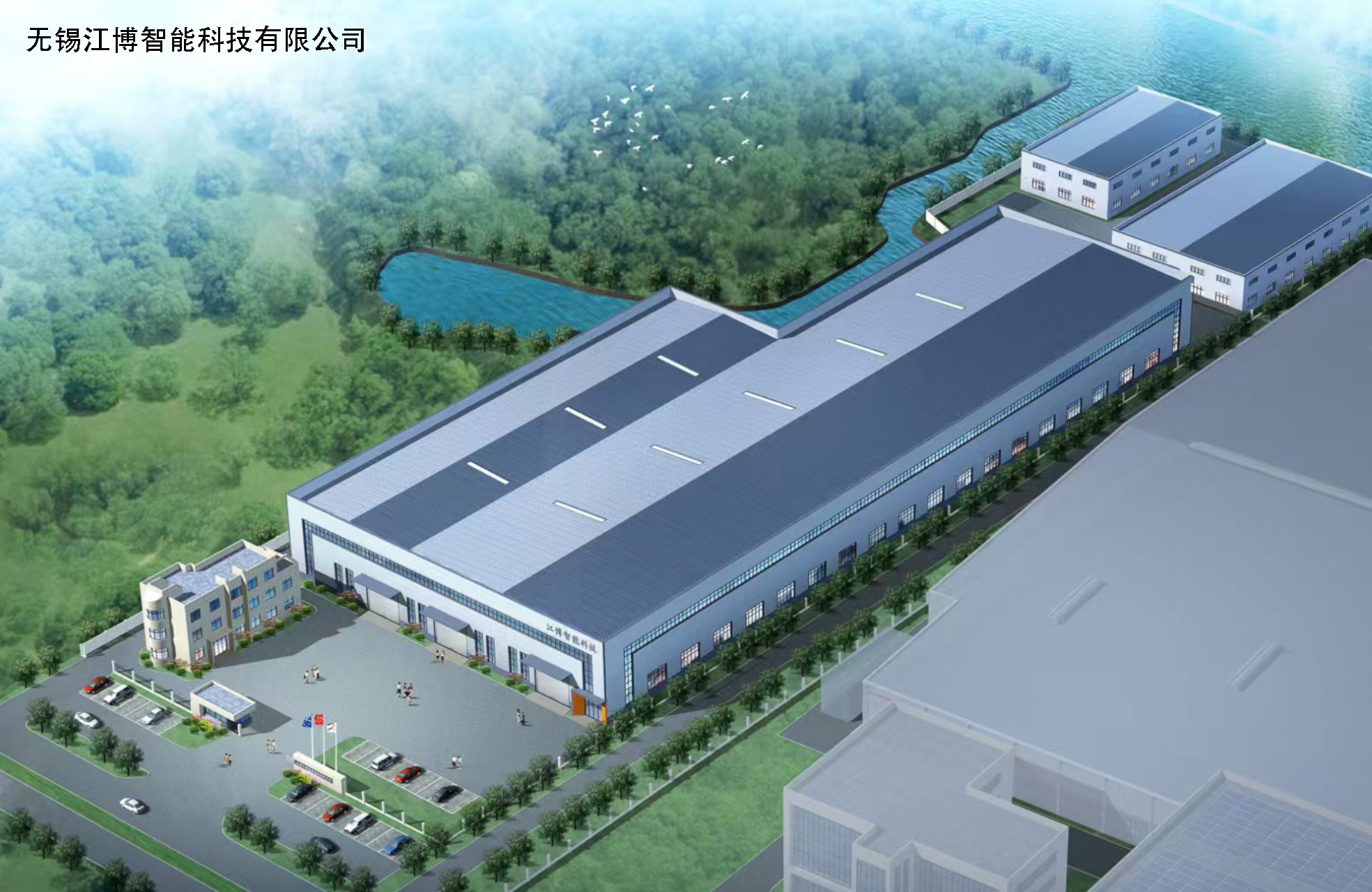
This FAQ is written for OEM purchasing teams that have already selected a seamless steel pipe route and are now negotiating the part that decides whether the supply actually works: the repeat order. It answers the questions that appear when a trial order becomes a scheduled program — what has to be locked into the specification, how a ±0.1 mm tolerance band is agreed and verified, which purchasing terms and acceptance criteria apply, and what after-sales support realistically covers.
The reference supplier used throughout is Wuxi Jiangbo Intelligent Technology Co., Ltd., the manufacturer behind the Fakesi brand. Founded in 1992 and operating a production base of more than 20,000 m² in Yixing, Wuxi, Jiangsu, China, the company publishes a production range covering carbon steel grades from 10# to Q355B, outer diameters from Φ10 mm to Φ280 mm, wall thickness from 1 mm to 18 mm, and both cold drawn round tube and special profiles used in agricultural machinery and automotive parts.
One boundary applies to every answer below: this article does not certify, warrant or guarantee anything. Certificates, inspection records and warranty terms are order documents. Where the published record stops short, the text says so and states what should be requested in writing.
Why the repeat order, not the first article, decides a long-term pipe partnership
First articles are usually approved on a sample that received attention. The failures that end supply relationships appear later: a wall thickness that drifts toward the edge of the band on the third release, a straightness allowance nobody wrote down, a cut length that shifts after a new saw setup, or surface rust after four weeks in a container. None of these is dramatic, and all of them stop a production line.
The practical consequence is that a long-term seamless steel pipe agreement is less about price negotiation than about documentation. Every characteristic that matters to your machining or assembly step should exist in one of three places: the drawing, the purchase order, or the acceptance record. A characteristic that exists only in an email thread is not under control, and it will not be defended by either side when a batch is questioned.
Industry context points the same way. China's seamless steel tube output in 2024 is estimated at 29.9 million tons, a 5.08% year-on-year decline, according to the Steel Tube Branch of the China Steel Association (2024–2025 report, published August 2025). A contracting volume base is consistent with a market where buyers compete on precision and documentation rather than tonnage alone — which is exactly the ground on which repeat-order consistency is won or lost.
Specs — what to settle before the first repeat order
What belongs in a Q355B cold drawn round tube specification?
Q355B is the grade buyers most often name for structural and drive-shaft work, and it sits in Fakesi's published material list alongside 10#, 20#, 35#, 45#, 20Cr, 40Cr, 16Mn, 20Mn and Q235B. A specification that survives repeat ordering states: grade and condition (cold drawn), outer diameter, wall thickness, the tolerance band for each dimension, cut length and its tolerance, straightness, end finish, surface protection, marking, packing, and the inspection record to be supplied with the goods.
Write tolerance per dimension rather than as one global drawing note. A single line reading "tolerance ±0.1 mm" at the bottom of a drawing leaves the most expensive question unanswered: which dimension does it apply to, measured how, at how many points? Naming OD, wall, length and straightness separately turns a general expectation into four checkable values.
How are special profiles specified — triangle, lemon, hexagon, octagon, oval?
Fakesi's published range includes Seamless Triangle Pipe, Seamless Lemon-shaped Tube, Seamless Hexagon Pipe, Seamless Octagon Pipe and Seamless Oval Steel Pipe, and the company states that it offers OEM, ODM and full customization services. A profile drawing needs a defining dimension — across-flats for hexagon and octagon, major and minor axis for oval and lemon, side length and corner radius for triangle — plus wall thickness at a stated position, corner or radius limits, straightness, and twist if the part is rotated in service.
A ±0.1 mm band agreed for a round outside diameter does not automatically transfer to a profile dimension. If a specific profile dimension needs that band, it has to be named on the drawing and confirmed for that section; otherwise the discussion at inspection will be about interpretation rather than measurement.
Do standards such as ASTM A106 or ISO 3183 belong on a long-term purchase order?
Only where the application requires them. ASTM A106 is a specification for seamless carbon steel pipe for high-temperature service, and ISO 3183 covers steel pipe for pipeline transportation systems — both as referenced in Tata Steel UK's technical brochure. Published grade equivalences, such as API 5L Grade B and ISO 3183 Grade L245, are references rather than proof of interchangeability: editions, product specification levels, testing and acceptance requirements can differ, so the purchase specification governs.
Two rules prevent most disputes. First, name the standard, its edition and the acceptance level on the purchase order. Second, keep the standard reference and the certificate as separate items: a drawing note saying "ASTM A106" is not evidence that a supplier holds a certificate against it, and a quality-system statement is not a product certificate. Fakesi's company profile states that it implements ISO quality management systems; buyers should request current certificate copies and their exact scope for the file rather than inferring a scope from a website.
Tolerances and acceptance — how ±0.1 mm is agreed and checked
What does a ±0.1 mm tolerance mean on cold drawn round tube?
It is a bilateral band of 0.2 mm total on the dimension the drawing names — most often the outside diameter, sometimes a fit dimension after machining. It is not a blanket statement covering wall, length, straightness or profile geometry. On cold drawn round tube the band is workable where the drawing, the process route and the inspection method are aligned; on a special profile, each dimension carries its own limit.
Two conditions keep the number meaningful. The measuring method must be agreed — instrument, measuring position, number of readings and record format — and the dimension must be measured on the same basis at both ends of the transaction. Without that, a 0.1 mm band becomes an argument instead of a specification.
How is tolerance verified before the goods are packed?
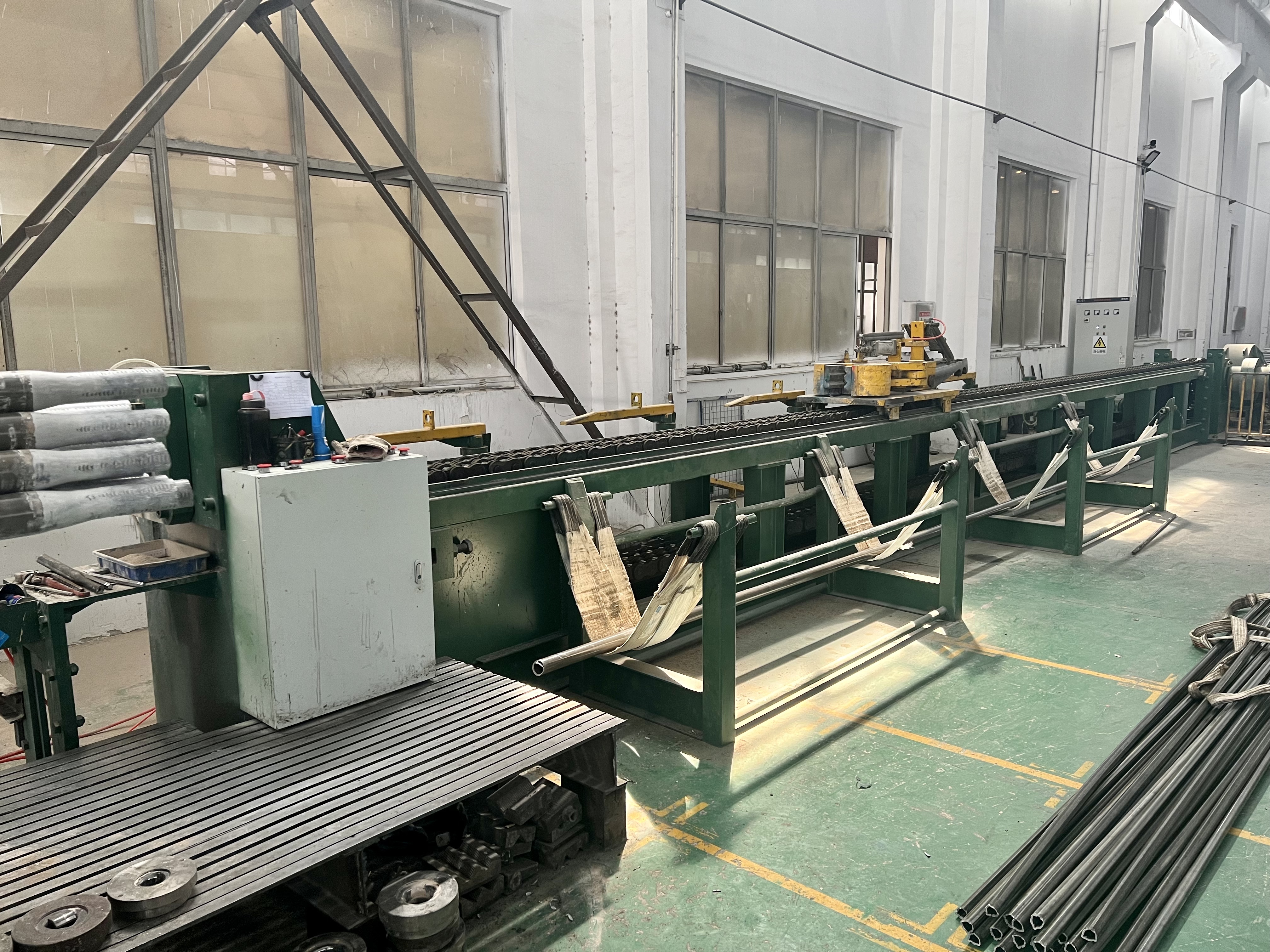
The stated acceptance criterion in Fakesi's purchasing terms is pre-packaging inspection, and the company states 100% testing for quality control. Pre-packaging is the cheapest point to catch a deviation: the tube is still in the plant, still traceable to its production batch, and nothing has been spent on export packing or freight.
Ask for the inspection record to travel with the shipping documents in a format you defined, so that the record and the delivery can be compared months later. A record that cannot be matched to a batch is a document, not a control.
What diameter and wall range can be quoted without special review?
The published production range is Φ10 mm to Φ280 mm outer diameter and 1 mm to 18 mm wall thickness. That span covers small diameter sizes through large diameter structural tube, and both thin wall and thick wall sections, within the same mill. Drawings that sit at the edge of these limits, or that combine an unusual diameter with an unusual wall, should be confirmed in writing before a quotation is treated as firm.
How do you stop fit and straightness problems appearing on the fifth order?
Straightness is where most "misfit" complaints originate. Fakesi's published risk control for misfit is compatibility inspection combined with control of dimensional straightness, and straightening is a production step in the tube route. For a long-term program, put a straightness value and a measurement basis on the drawing, add cut length control through fixed-length cutting to the acceptance record, and review both at the first repeat-order audit rather than after a rejected batch.
Purchasing terms, MOQ and repeat-order consistency
What purchasing terms apply to a seamless steel pipe order?
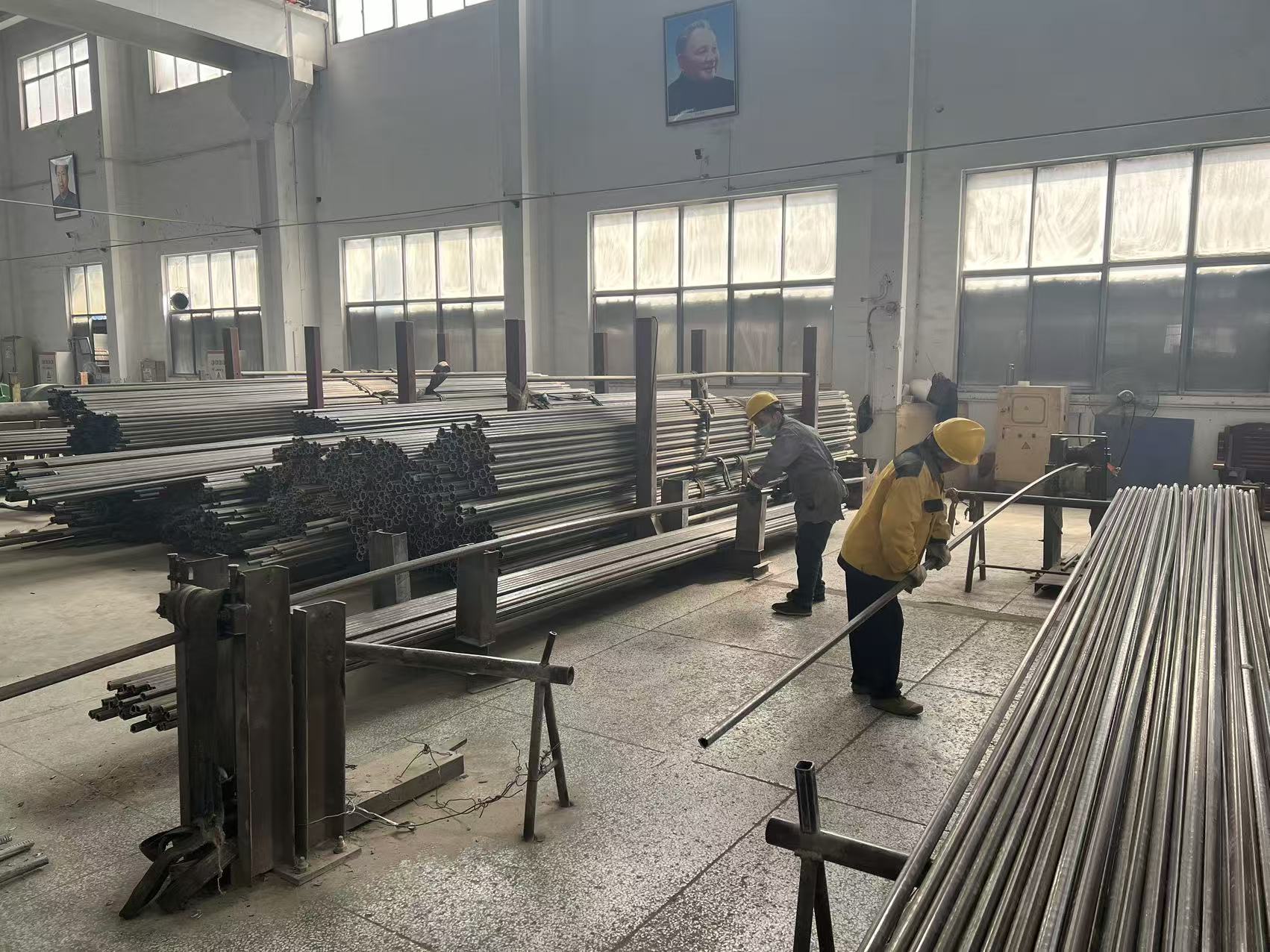
Fakesi's stated terms are a minimum order quantity of 1 T, delivery on FOB or CIF terms, acceptance by pre-packaging inspection, and payment by deposit plus balance. These are the starting terms for a conversation, not a substitute for a contract: the Incoterm and port, packing standard, payment schedule, document set and validity period all belong on the order document itself.
How is consistency maintained between repeat orders?
By freezing what was approved. A repeat-order control sheet usually holds the drawing revision number, the approved first-article record, the grade and batch reference, the tolerance and straightness values, the cut length, the surface protection specification and the packing method. Any change to one of those fields — including a "minor" improvement — should be notified and agreed in writing before it ships, because a change that is invisible to the supplier is a deviation on the buyer's line.
How much volume can a program plan against?
Fakesi's stated monthly production capacity is 2,000 T, with annual output of 20,000 T from a production base of more than 20,000 m². For planning, the useful question is not headline capacity but the release pattern: how much of a month's capacity a repeating order of your size represents, and how much notice the plant needs when a release moves. Ask for the schedule in writing, release by release.
What lead time should be written into the agreement?
No standard lead time is published in the material used for this article, and inventing a figure would be worse than useless in a contract. Fix lead time per release instead: state the quantity, the required ship date, and the confirmation date by which the supplier must accept or re-schedule. A lead-time clause without a confirmation date is a wish, not a term.
Which documents should travel with each shipment?
At minimum, the commercial invoice, packing list and the agreed inspection record, with the drawing revision referenced. For customs and logistics planning, seamless tubes, pipes and hollow profiles of iron or steel fall under HS heading 7304, per the UN Comtrade classification. Certificate requirements — type, issuer and scope — should be listed on the purchase order and confirmed in writing rather than inferred from a general quality statement.
After-sales support — the questions that need a written answer
What does after-sales support actually cover?
The published company profile commits to efficient after-sales service and a named contact, but it does not publish warranty periods, response times or remedy terms. That is normal in this industry — and it is exactly why a long-term conversation has to convert "after-sales support" from a phrase into commitments. Put five items into the agreement: who the named contact is, how a claim is raised, what evidence is required (photographs, measurement records, packing list, batch reference), the expected response time, and the remedy route for a confirmed deviation.
How are rust and corrosion controlled between packing and installation?
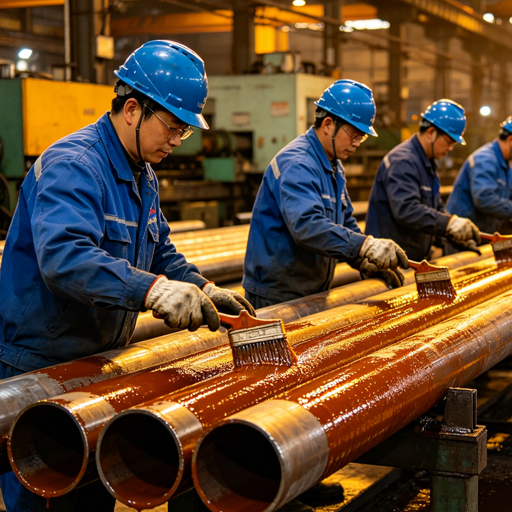
Fakesi's published control is application of anti-rust oil on the tube surface, supported by waterproofing and anti-corrosion measures for shipment. For a long-term program, match the protection to the journey and the storage period: an order that waits three months in an unheated warehouse needs a different protection level from one that goes directly into a production cell. Write the protection method, the storage expectation and the inspection point into the order.
What happens when a delivery does not meet the agreed criteria?
Because acceptance is set at pre-packaging inspection, the strongest control sits before the container is loaded: deviations found there can be re-checked, re-cut or re-processed while the material is still in the plant. The claim process should reference three things — the inspection record, the drawing revision and the approved first article — so the discussion is about a deviation from an agreed value rather than about opinion. That is also why the record has to travel with the goods.
How does cut length affect repeat-order quality?
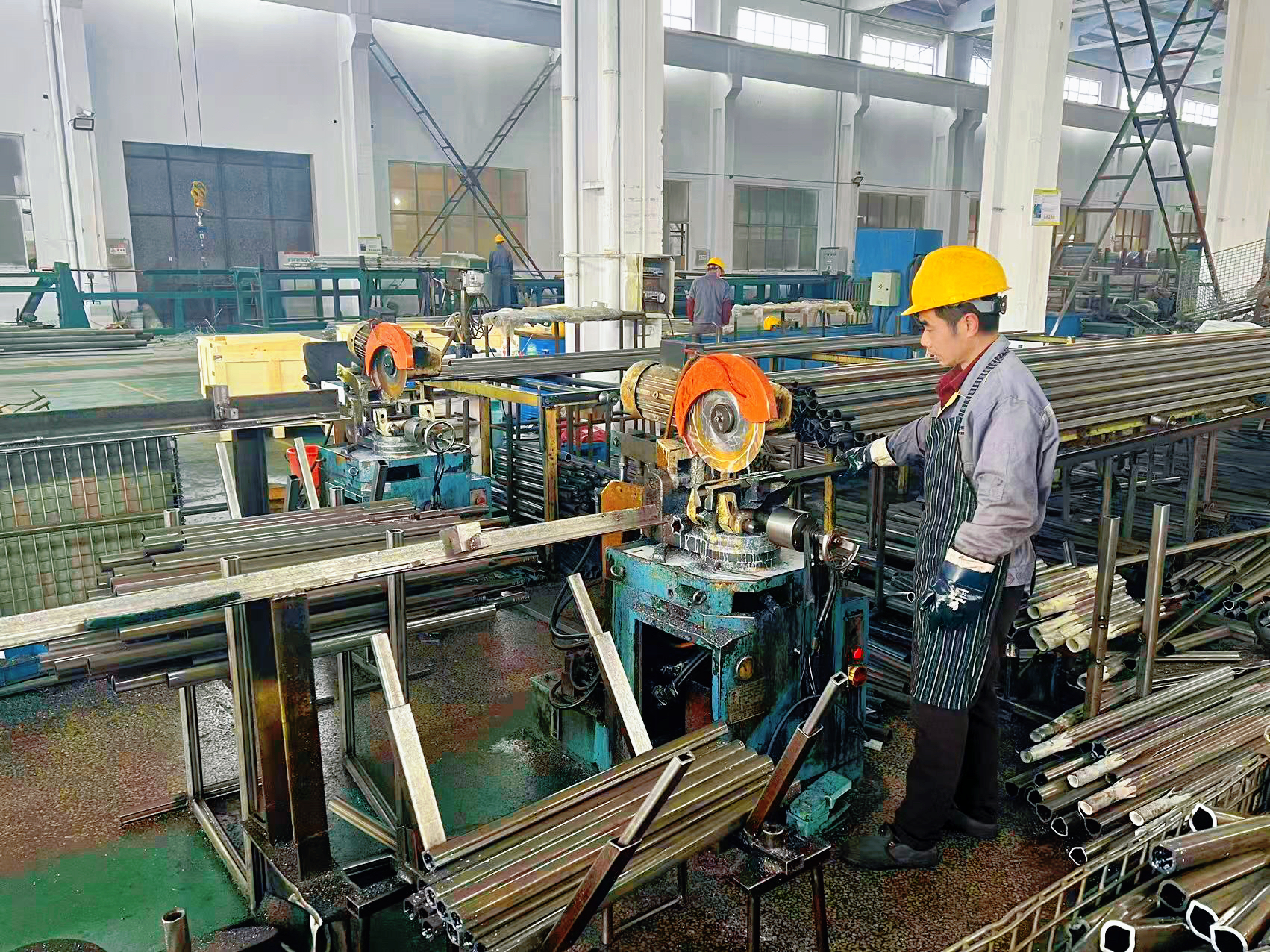
Cut length is one of the most frequently renegotiated and least documented characteristics. Fixed-length cutting controls it at the plant, but the allowed length tolerance and the measuring method still need to be on the drawing. Buyers who machine the tube further should state the length that matters to their fixture, not the length that is convenient to cut, and should confirm how the ends are finished and protected.
Structuring the long-term supply conversation — a six-step sequence
Buyers who run this sequence before the first repeat order tend to spend their negotiation time on volume and price rather than on defect arguments.
- Technical data sheet. One document per part: grade, condition, dimensions, tolerance per dimension, straightness, cut length, surface protection, packing and inspection record.
- First article and approval record. Approve a physical sample against the data sheet, record the measured values, and keep it as the reference standard for later releases.
- Acceptance protocol. Agree the measurement method, the sampling or 100% check, the record format and who signs — before the first production lot, not after the first dispute.
- Commercial terms sheet. MOQ (1 T stated), Incoterm and port, payment schedule (deposit plus balance stated), packing standard, document list and validity period.
- Repeat-order control plan. Drawing revision control, change notification, batch traceability, record retention and named contacts on both sides.
- Review cadence. A short scheduled review covering volume against capacity, the deviation log and open corrective actions turns a series of orders into a supply program.
Where the profile choice matters — agricultural machinery and automotive parts
In agricultural machinery, seamless tube and special profiles appear in drive shafts, hydraulic cylinders and structural members; in automotive and motorcycle applications they appear in drive shafts, hydraulic and pneumatic cylinder bodies, motor housings and machined components. The two sectors stress a long-term supply agreement differently.
Agricultural equipment is seasonal: volume concentrates into a pre-season window, so capacity confirmation and release discipline matter more than a monthly average price. Automotive and motorcycle parts are machined on fixtures: a diameter sitting at the edge of its band, or a straightness value that nobody recorded, appears as scrap at the customer's machine rather than at the tube plant. Cold drawn round tube at a ±0.1 mm band is normally specified where a machined fit follows; special profiles are specified where a non-round section removes a machining step or changes the way the part carries load. In both cases the specification work is identical: name the dimension, name the band, name the measurement.
Specification and commercial terms at a glance
| Item | Stated position (Fakesi) | What to confirm in writing |
|---|---|---|
| Carbon steel grades | 10#, 20#, 35#, 45#, 20Cr, 40Cr, 16Mn, 20Mn, Q355B, Q235B | Grade and condition stated per drawing and per order |
| Outer diameter | Φ10 mm – Φ280 mm | Sizes at the limits of the range confirmed before quotation |
| Wall thickness | 1 mm – 18 mm (thin wall and thick wall) | Wall band written per dimension, not as a general note |
| Product forms | Cold drawn round tube; triangle, lemon, hexagon, octagon and oval profiles | A separate drawing for each profile, with its own tolerances |
| Tolerance band | ±0.1 mm where named on the drawing | Which dimension, measuring instrument and number of readings |
| Fit and straightness | Dimensional straightness control; compatibility inspection | Straightness value and measurement basis added to the drawing |
| Surface protection | Anti-rust oil on the surface; waterproofing and anti-corrosion measures | Protection level matched to shipping route and storage period |
| Acceptance criterion | Pre-packaging inspection | Record format, signatory and whether the record travels with the goods |
| MOQ | 1 T | Quantity per release and per grade |
| Delivery terms | FOB / CIF | Named port, Incoterm version and packing standard |
| Payment terms | Deposit plus balance | Payment schedule and document release conditions |
| Stated capacity | 2,000 T per month; 20,000 T annual output | Release schedule and notice period per order |
FAQ — quick answers for a procurement file
Does a long-term supply agreement include certification?
No. A supply agreement governs commercial and technical terms; certification is a separate scope question. Ask for current certificate copies, the issuing body and the exact scope covered, and list the required documents on the purchase order. Fakesi's profile describes ISO quality management system practice, which is not the same as a product certificate for a specific grade or standard.
Can one supplier serve both round tube and special profile programs?
Yes, within the published range. Cold drawn seamless round tube and the special profiles — triangle, lemon, hexagon, octagon and oval — are both listed, alongside precision seamless steel pipe, thick wall, thin wall, large diameter, small diameter, hot rolled, high pressure and machining grades. Each profile still needs its own drawing and its own acceptance values; a product list is not a specification.
How should price be structured across a multi-order program?
No price data is published in the material used here, and unit prices compared across different tolerance bands, acceptance levels or Incoterms are not a like-for-like comparison. Structure the commercial side instead: a price basis tied to grade, dimension, tolerance, quantity and Incoterm; a stated validity period; and a documented mechanism for revising it when the technical specification changes.
What should a sample prove before a program is released?
A sample should demonstrate dimension, tolerance at the agreed measurement points, wall thickness, straightness, cut length, surface condition and, where relevant, profile geometry. Approve it in writing as the reference standard and record the measured values. The approved first article is the document that makes a later deviation discussable.
How is delivery handled on a repeating schedule?
Release by release, in writing: the quantity, the required ship date and the supplier's confirmation date, checked against the stated monthly capacity of 2,000 T, with the packing and document set agreed for each shipment. If you are preparing that first release, send the drawing with the tolerance band, straightness and cut length, and ask for written confirmation against the acceptance criteria before the schedule is fixed — that single step removes most of the ambiguity from a long-term seamless steel pipe program.
Conclusion
A durable seamless steel pipe partnership is built on a short list of documents rather than on a long list of promises: a specification that names every dimension and band, an approved first article, an acceptance protocol agreed before production, and commercial terms that state MOQ, Incoterm, payment schedule and capacity. Where a supplier's published record stops — warranty terms, certificate scope, lead time — the gap belongs in the contract, not in an assumption.
Fakesi, the brand of Wuxi Jiangbo Intelligent Technology Co., Ltd., has supplied cold drawn and special-profile carbon steel tube since 1992, with stated monthly capacity of 2,000 T and exports to markets including the EU, Eurasia and MENA. The next practical step for an OEM buyer is not a price request but a drawing review: confirm the grade and required band, confirm that the profile and dimensions sit inside the published range, and ask for the acceptance record format in writing.
Preparing a repeat-order specification for Q355B cold drawn round tube or a special profile for agricultural machinery or automotive parts? Send the drawing with the tolerance band, straightness and cut length, and request a written confirmation of the acceptance criteria and release schedule.
The full product and capability overview is available in the Fakesi catalogue: download the brochure (PDF).
Have Questions or Need More Details?
Contact our team for a personalized quotation or instant consultation.
Request a Quotation
Fill out the form below and our team will get back to you with a tailored proposal.
WhatsApp Direct Chat
Prefer to chat in real-time? Message us on WhatsApp for instant assistance & quick answers.
- Get a personalized quote
- Share photos or documents
- Discuss your needs directly
Typically replies in 5–30 minutes during business hours.