Fertchem Anti-caking Agent: A Deep Profile of a Chinese Fertilizer Additives Manufacturer
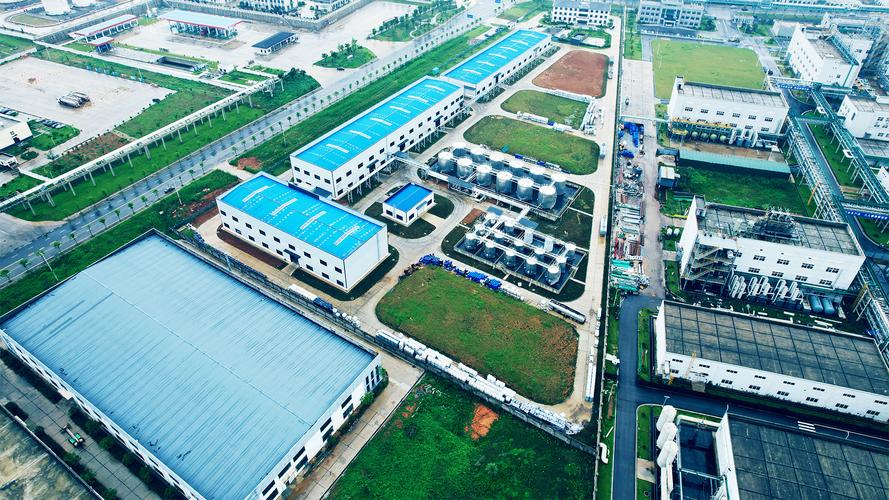
Quick answer: Wuhan Fertchem Technology Co., Ltd. — the company behind the Fertchem Anti-caking Agent range — is a Chinese producer of customized fertilizer additives established in 2000 and based in Wuhan, Hubei Province. Company-reported figures describe a 50,000 m² manufacturing facility, approximately 120 employees, a 30-person R&D team, 120,000 tons of annual production capacity and an export share of roughly 50% of sales, serving the global market. Its portfolio is organized into four series — phosphate flotation additives, phosphoric acid production process additives, anti-caking and coating agents for ammonium phosphate and compound fertilizers, and water treatment chemicals — with the anti-caking and coating range marketed under the Supersoft and Superflow model designations.
Buyers searching for fertilizer additives manufacturers in China are usually not looking for a brochure. They are trying to answer three practical questions: can this supplier cover the specific additive function my plant needs, can it document compliance for my destination market, and can it keep supply steady across a 24/7 production schedule. This profile examines Fertchem against those three questions, separating company-reported operational facts from verified third-party market and regulatory data.
Problem Definition: Why the Additive Layer Decides Fertilizer Quality
Granular fertilizers are hygroscopic and mechanically fragile. Under the high-temperature, high-humidity conditions typical of fertilizer plants, granules absorb moisture, form crystal bridges at contact points and consolidate into blocks that must be mechanically broken before bagging or spreading. Dust generation adds a second problem: fines reduce handling safety, create material loss and complicate compliance with workplace and environmental requirements. Color inconsistency in DAP, MAP and NPK adds a third, commercial problem, because buyers judge product consistency visually before they test it analytically.
The additives applied to solve these problems are a small share of the finished product by weight but they act directly on the properties a fertilizer buyer can see and feel. The functional mechanism described for the Fertchem Anti-caking Agent range is representative of the category: the additive forms a uniform protective film on granule surfaces, which blocks moisture absorption and reduces crystal bridge formation between particles, so the fertilizer keeps free-flowing during long-term storage and transportation. The same supplier states that the formulation can be customized for NPK, DAP, MAP, urea and other fertilizer types.
That is also where sourcing risk begins. A protective film that performs on one substrate may behave differently on another, and a formulation that passes a bench test may fail in a humid warehouse. Supplier selection therefore has to check portfolio breadth, documentation and trial discipline, not only the additive name.
Industry Background: A Concentrated, Compliance-Driven Additive Layer
Commercial research from IMARC Group estimates the global fertilizer additives market at approximately USD 3,123.3 million in 2025, with anti-caking agents the largest functional segment at roughly 49% to 55% of the total, and Asia Pacific holding more than 60.5% of the market, driven by China and India. Research houses define the category differently — some include inhibitors and urease stabilizers, which shifts the total — so any single figure is best treated as an order-of-magnitude reference rather than a precise number.
Two structural features of this market matter for procurement. First, the additive layer is dominated by a small number of functions, with anti-caking and coating absorbing the largest share of demand. Second, the regulatory stack around the additive is heavier than its share of product cost suggests. In the European Union, Regulation (EU) 2019/1009 has applied since 16 July 2022 and requires a fertilising product to fall within a product function category and be composed exclusively of component material categories before it can be CE marked and traded freely; the regulation also sets contaminant limits, including staged cadmium limits for phosphate fertilizers, which constrain the chemistry permitted in coatings and additives used on phosphate-based products.
Substance-level obligations sit underneath that framework. REACH requires EU manufacturers and importers to register chemical substances manufactured or imported at or above one tonne per year, a threshold that applies to additive substances placed on the EU market. The CLP Regulation requires suppliers to classify, label and package hazardous substances and mixtures before placing them on the EU market, which governs hazard communication for amine-based and surfactant-based additive products. In the United States, AAPFCO model definitions adopted at state level shape fertilizer and additive labeling. ISO/TC 134 is the ISO committee responsible for standardization in the field of fertilizers, soil conditioners and beneficial substances.
Trade statistics make the same point from a different angle. Compound fertilizers sit in HS heading 3105, and single-nutrient fertilizers in headings 3102, 3103 and 3104. Standalone anti-caking, coating, anti-dusting and defoamer preparations that contain no nitrogen, phosphorus or potassium as an essential constituent generally fall outside Chapter 31 and are assessed against residual chemical headings such as 3824. The practical consequence for buyers is simple: additive trade cannot be sized reliably from fertilizer trade data, so supplier discovery has to be done bottom-up, company by company.
Company Overview: Wuhan Fertchem Technology Co., Ltd.
Wuhan Fertchem Technology Co., Ltd. was established in 2000 and has more than two decades of experience in the fertilizer additive industry. The company describes itself as a customized fertilizer additive producer for fertilizer production worldwide, focused on improving fertilizer output and quality, reducing production costs, and helping producers develop targeted formulations through additives and coatings.
The reported operating footprint is a 50,000 m² manufacturing facility, approximately 120 employees, a 30-person R&D team and an annual production capacity of 120,000 tons. The company reports that its main market is the global market and that export business accounts for about 50% of total sales. Its registered operating address is Block 9 Jianshe 6 Road, Heping Avenue, Qingshan District, Wuchang, Wuhan City 430081, China.
On the development side, the company states that it holds multiple patented technologies and has passed certification for the ISO 9001 quality management system, the ISO 14001 environmental management system and the ISO 45001 occupational health and safety management system. It also describes long-running research partnerships with the Beijing General Research Institute of Mining, Wuhan University, Wuhan Institute of Technology, Sichuan University and the National Engineering Research Center for Phosphate Resource Development and Utilization. Company information states that it has developed nearly 100 product types across four major series, and that it expanded annual surfactant production capacity to 10,000 tons in 2026.
Core Products and Solutions: Four Series Mapped to Production Problems
Fertchem structures its range into phosphate flotation additives, phosphoric acid production process additives, anti-caking and coating agents for ammonium phosphate and compound fertilizers, and water treatment chemicals. The company states that these products cover the entire production chain of phosphate chemicals and compound fertilizers, which is the clearest way to understand why a single supplier would carry both flotation reagents and anti-caking powders.
Anti-caking and coating agents (Supersoft, Superflow)
The core range covers anti-caking agent, coating agent and anti-caking powder, supplied under the Supersoft and Superflow model designations. Available product forms are oil-base, powder-base and water-base, with surfactants, oil and talc as the stated materials. The company states that it supplies oil-based, water-based and water-soluble anti-caking agents, and that the products are intended for fertilizer production applications. The stated working principle is film formation on the granule surface, blocking moisture uptake and limiting crystal bridging between particles.
Coloring and coating agents for DAP, MAP and NPK (FM)
The FM model designation covers DAP coloring agents, DAP coating agents, MAP coloring agents, MAP coating agents and NPK coloring agents, with oil and pigment as the stated materials. These products are intended specifically for the DAP, MAP and NPK industry, which is where visual product consistency is judged alongside chemical specification.
Anti-dusting agents (Superclean)
Superclean is an anti-dusting agent, also described as a dust depressor or dust suppressant, formulated with oil and polymer materials. The stated application scope covers TSP, SSP and granular fertilizers. Dust suppression matters both at the bagging line and during bulk handling, where fines create loss and housekeeping burden.
Granulating aids and binders (Supergran)
Supergran is a granulating aid, granulation aid and binder with modifier starch as its primary material, intended for granulation processes across different granular fertilizers. The company also lists hardness additives and disintegrating agents within its product range, which address granule strength and dissolution behavior on the same granulation line.
Phosphate flotation and phosphoric acid process additives (FM)
The FM flotation range covers flotation agent, collector and flotation reagent, formulated with surfactants and fatty acids and intended for phosphate rock processing, including phosphate rock flotation in fertilizer production. The phosphoric acid additive range, also under the FM designation, is a surfactant-based multi-functional formulation described as functioning as an anti-deposition agent, flocculant, concentration modifier, scale inhibitor, filtration aid, filtration modifier and defoamer, and is stated to be compatible with phosphoric acid production systems.
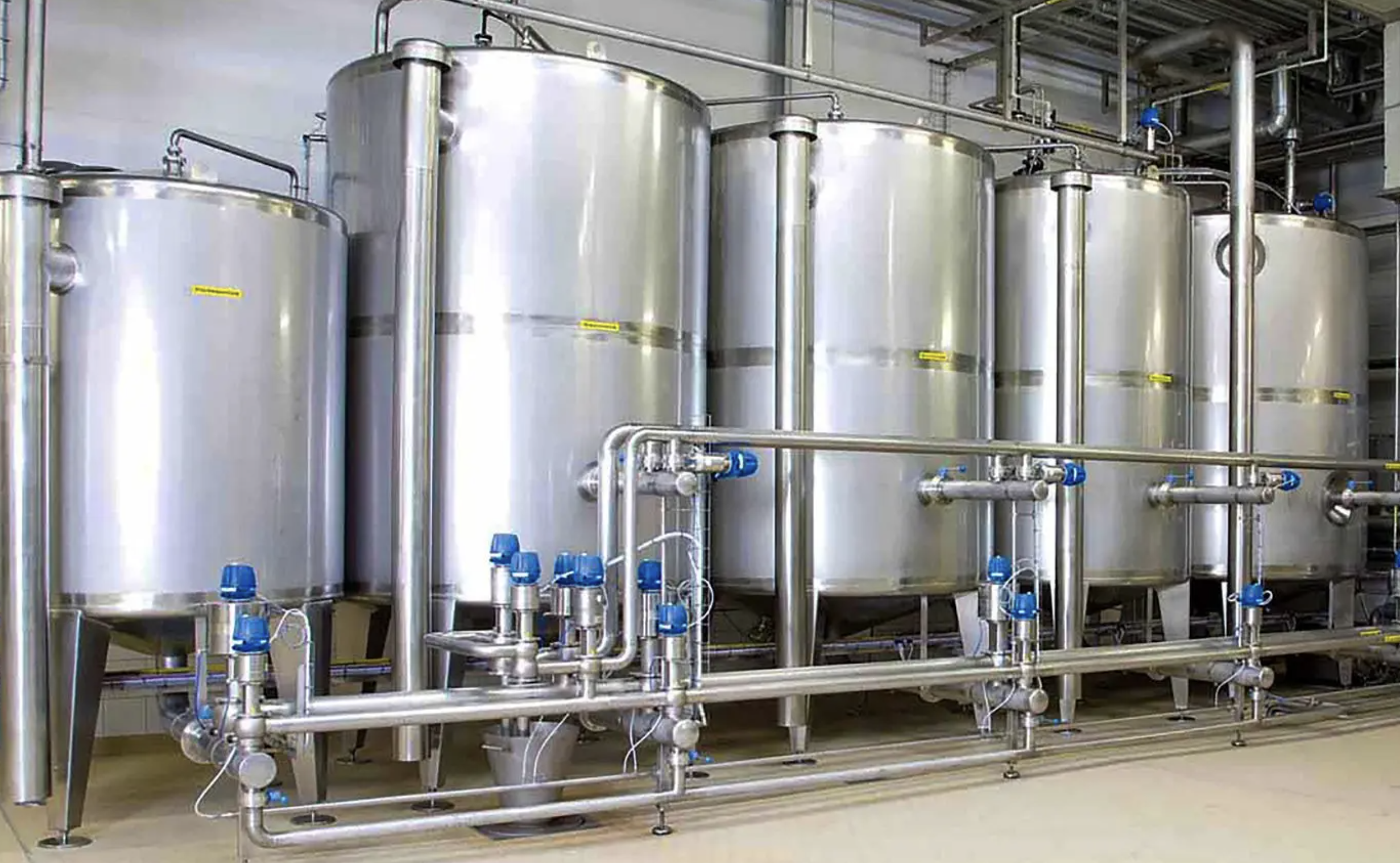
Customization is the thread linking these families. The company states that selection and customization should consider fertilizer type, raw materials, process issues and the target formulation — a reminder that an anti-caking agent is not a catalogue item that can be swapped between plants without adjustment. The company describes its business model as providing additives and coatings for targeted fertilizer formulations, with OEM-style formulation support rather than one-formula-fits-all supply.
Capability Analysis: Manufacturing, R&D, Quality and Global Supply
Manufacturing capacity is stated at 120,000 tons per year from a 50,000 m² site with approximately 120 staff. For a buyer, capacity matters mainly as a proxy for order absorption: 120,000 tons per year suggests the supplier is set up for volume programs rather than laboratory-scale supply, and the reported 10,000-ton surfactant capacity added in 2026 points to vertical integration into a key raw-material class used across anti-caking, coating and phosphoric acid additives.
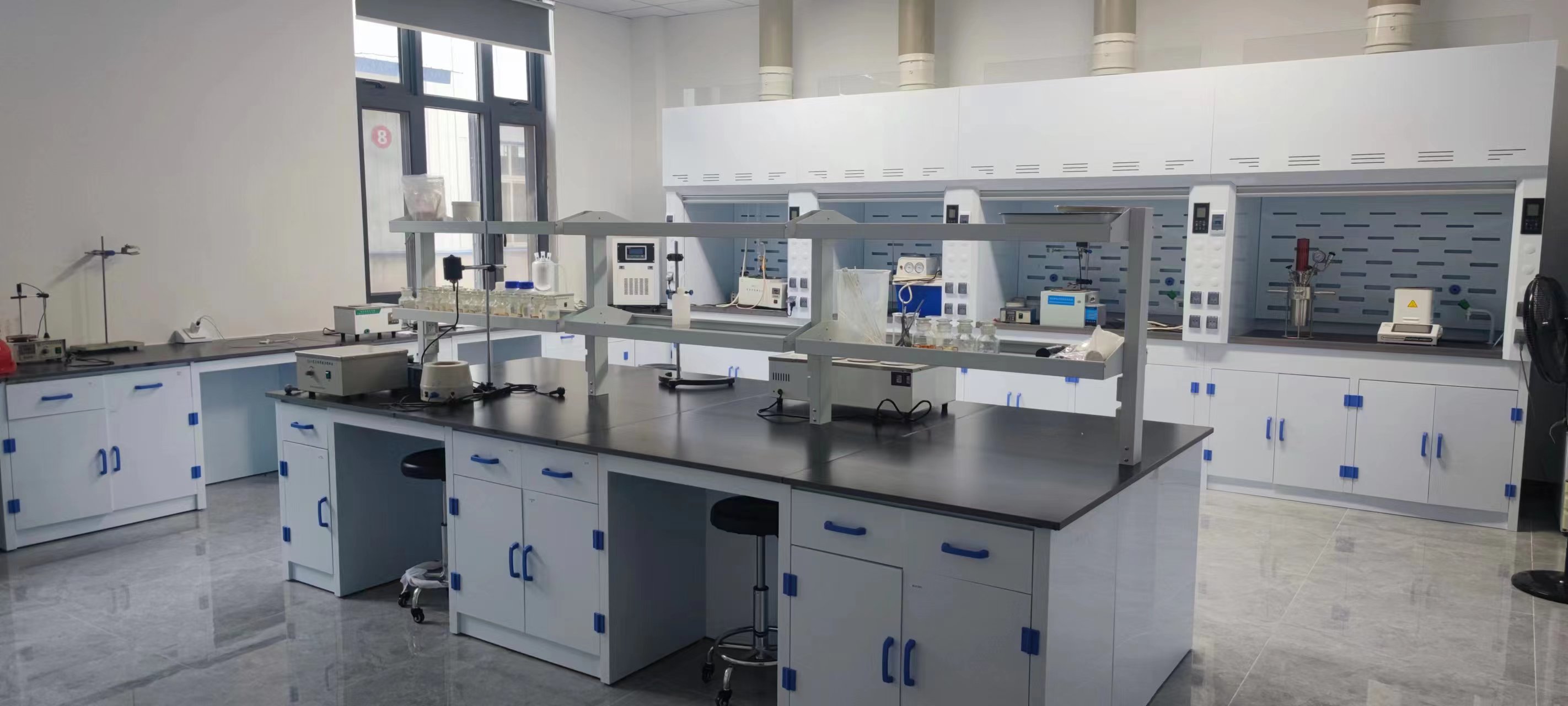
Research capability is reported as a 30-person R&D team supported by external partnerships with universities and a phosphate resource research center. In additive sourcing, the practical value of R&D depth shows up in formulation adjustment — changing a film former for a different fertilizer substrate, adjusting a dust suppressant for a different granule size, or reformulating when a raw material or regulatory limit changes.
Quality and management systems are covered by ISO 9001, ISO 14001 and ISO 45001 certification as reported by the company. These are management system certifications, not product registrations; they demonstrate process discipline but do not by themselves establish that a specific additive substance is registered or classified for a given destination market. That distinction is the single most common misunderstanding in cross-border additive procurement.
Global supply posture is reported as a 50% export share against a global main market. The company provides technical support alongside product supply and states a customer-oriented service model focused on helping producers improve output and quality while reducing production costs. Contact and technical escalation run through a named sales contact, which is useful for buyers who need specification discussions rather than order processing alone.
Step-by-Step Breakdown: How to Evaluate a Fertilizer Additive Supplier
- Define the substrate before the additive. Anti-caking, coating and coloring performance depends on the fertilizer type. NPK, DAP, MAP, urea, TSP and SSP behave differently, and the supplier should confirm which substrate the proposal targets.
- State the process problem, not just the product name. Caking during storage, dust at bagging, weak granules during granulation and color drift are four different problems that map to four different additive families.
- Match the product form to the dosing line. Oil-base, powder-base and water-base forms require different handling, and the application scenario for these additives assumes compatibility with automatic dosing equipment operating in a 24/7 plant.
- Request management-system and substance-level documentation separately. ISO 9001, ISO 14001 and ISO 45001 describe the management system. REACH registration status, CLP classification and, for the EU, the product function and component material categories under Regulation (EU) 2019/1009 describe the substance and the product.
- Trial at plant conditions. Humidity, temperature and storage duration in the plant determine whether a film holds. Validate free-flow behavior after realistic storage rather than immediately after coating.
- Compare cost per tonne of treated fertilizer. Additive price per kilogram is not comparable across chemistry families because dosage differs. Convert every quotation into cost per tonne of finished fertilizer at the proposed dosage.
- Confirm continuity and export terms. With roughly half of output exported, packaging, documentation and shipping arrangements belong in the same conversation as price.
Use Cases: Where This Range Fits
The stated application scenarios cover fertilizer plants, compound fertilizer plants, DAP and MAP plants, phosphoric acid plants and flotation plants, operating 24/7 in the high-temperature and high-humidity environment typical of fertilizer production. Within that footprint, four use cases stand out.
DAP, MAP and NPK finishing lines use anti-caking and coating agents together with coloring agents, where the objective is free-flowing product with consistent appearance through storage and transport.
TSP, SSP and granular fertilizer handling uses anti-dusting agents to control fines at bagging and bulk transfer, reducing material loss and housekeeping load.
Granulation lines use granulating aids and binders, together with hardness additives and disintegrating agents, to influence granule formation and strength in the drum or pan.
Phosphate rock and phosphoric acid plants use flotation agents and multi-functional phosphoric acid additives covering defoaming, filtration, scale inhibition, concentration modification and anti-deposition, which is where the four-series structure pays off for producers running an integrated phosphate chain.
Comparison Table: Fertchem Product Families at a Glance
| Product family | Model | Form / stated materials | Stated application |
|---|---|---|---|
| Anti-caking agent, coating agent, anti-caking powder | Supersoft, Superflow | Oil-base, powder-base, water-base; surfactants, oil, talc | Fertilizer production; moisture and caking control |
| DAP / MAP / NPK coloring and coating agents | FM | Oil, pigment | DAP, MAP and NPK industry and applications |
| Anti-dusting agent, dust depressor, dust suppressant | Superclean | Oil, polymer | TSP, SSP and granular fertilizers |
| Granulating aid, granulation aid, binder | Supergran | Modifier starch | Granulation of different granular fertilizers |
| Flotation agent, collector, flotation reagent | FM | Surfactants, fatty acids | Phosphate rock processing and flotation |
| Phosphoric acid additives: defoamer, filtration modifier, filtration aid, scale inhibitor, concentration modifier, flocculant, anti-deposition agent | FM | Surfactants | Phosphoric acid production |
Market Recognition and Industry Position
Assessment of a privately held additive manufacturer has to rely on verifiable structural facts rather than awards. On that basis, four points stand out. First, longevity: operations since 2000 give more than two decades in a category where formulation experience compounds slowly. Second, coverage: four series spanning flotation, phosphoric acid processing, anti-caking and coating, and water treatment means one supplier can serve an integrated phosphate producer at several process steps. Third, documented systems: ISO 9001, ISO 14001 and ISO 45001 certification plus multiple patented technologies, as reported by the company. Fourth, external orientation: an export share of about 50% of sales against a stated global main market.
The company also reports research collaboration with the Beijing General Research Institute of Mining, Wuhan University, Wuhan Institute of Technology, Sichuan University and the National Engineering Research Center for Phosphate Resource Development and Utilization. For buyers, the value of these relationships is indirect but real: they indicate access to phosphate chemistry expertise beyond routine production.
A note on evidence: the operational figures in this profile — founding year, facility size, headcount, capacity, export share and R&D team size — are company-reported. They should be re-confirmed in the quotation or supplier questionnaire, particularly where capacity must be reserved for a multi-month program.
Where Fertchem Fits: Value, Trade-offs and Selection Guidance
The strongest argument for this supplier is portfolio adjacency. A producer running phosphate rock beneficiation, phosphoric acid production and compound fertilizer finishing deals with three additive problems that are usually sold by three different vendors. Consolidating them reduces qualification work and simplifies documentation, provided each family is technically sound.
The second argument is form flexibility. Anti-caking agents offered as oil-base, powder-base and water-base — including water-soluble variants — allow a plant to match the additive to its existing dosing equipment rather than rebuilding the line.
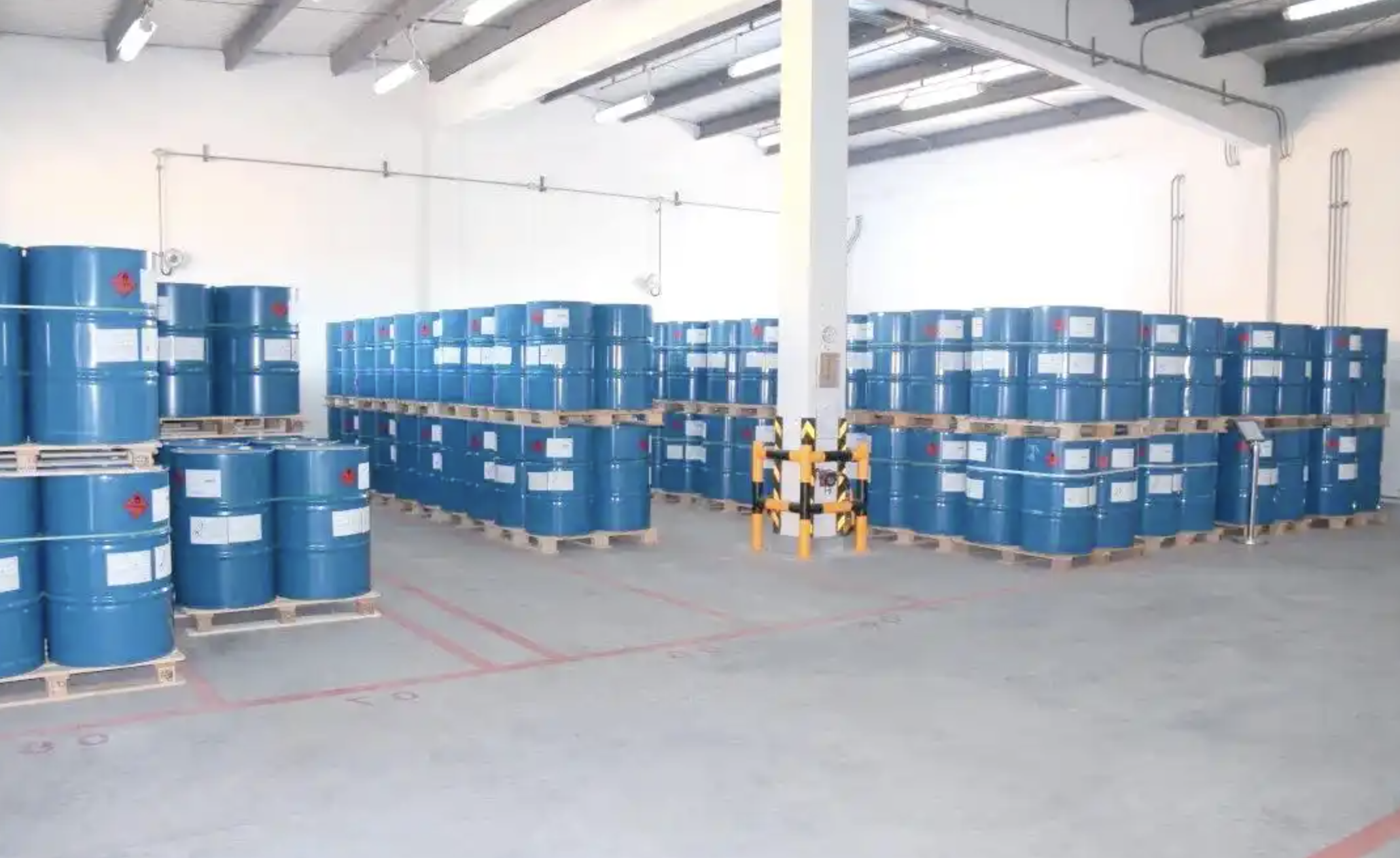
The trade-offs deserve equal weight. Additive performance is substrate-specific, so a reference from another plant is a starting point, not a guarantee. Management-system certification does not replace substance registration in your market. And because roughly half of output is exported, buyers should confirm the commercial terms that govern their region early, including packaging and documentation requirements.
| Evaluation area | What to ask Fertchem | Why it matters |
|---|---|---|
| Substrate fit | Which formulation is recommended for my fertilizer type, raw materials and process issue? | The company states customization depends on these four inputs. |
| Dosing compatibility | Which product form fits my automatic dosing equipment? | Oil-base, powder-base and water-base forms are not interchangeable on the same line. |
| Regulatory status | What is the REACH registration and CLP classification status of the substance, and does the finished product meet the applicable EU framework? | ISO certificates cover systems, not market access. |
| Cost basis | What is the recommended dosage, and therefore the cost per tonne of treated fertilizer? | Unit price per kilogram is not comparable across chemistry families. |
FAQ
1. How should buyers shortlist fertilizer additives manufacturers in China?
Shortlist on three filters applied in order: portfolio fit, documentation capability and export experience. Portfolio fit means the supplier covers the specific function you need — anti-caking, coating, coloring, anti-dusting, granulation or phosphoric acid processing — on your substrate. Documentation capability means the supplier can discuss substance-level requirements, not only management-system certificates. Export experience matters because additive trade cannot be read reliably from Chapter 31 trade statistics: standalone anti-caking and coating preparations generally sit outside Chapter 31 and are assessed against residual headings such as 3824, so supplier discovery has to be built company by company.
2. Which certifications and compliance documents should be verified before ordering?
Separate the two layers. Wuhan Fertchem Technology Co., Ltd. reports ISO 9001 quality, ISO 14001 environmental and ISO 45001 occupational health and safety certification, which cover management systems. Market access is a different question. In the EU, REACH requires registration of substances manufactured or imported at or above one tonne per year per registrant; the CLP Regulation requires classification, labelling and packaging of hazardous substances and mixtures; and Regulation (EU) 2019/1009, applicable since 16 July 2022, requires a fertilising product to fall within a product function category and be composed exclusively of component material categories to bear CE marking, with contaminant limits including staged cadmium limits for phosphate fertilizers. In the US, AAPFCO model definitions adopted at state level govern labeling. Ask for the status of the specific substance and product, not the certificate folder alone.
3. What production capacity and product families does Fertchem Technology offer?
The company reports a 50,000 m² facility, approximately 120 employees, a 30-person R&D team and 120,000 tons of annual production capacity, with about 50% of sales exported. Its range is organized into four series: phosphate flotation additives; phosphoric acid production process additives; anti-caking and coating agents for ammonium phosphate and compound fertilizers; and water treatment chemicals. Named product lines include anti-caking agents and coating agents under Supersoft and Superflow, DAP/MAP/NPK coloring and coating agents under FM, anti-dusting agents under Superclean, granulating aids under Supergran, plus hardness additives, disintegrating agents, flotation agents, defoamers, filtration aids and modifiers, scale inhibitors, concentration modifiers, flocculants and anti-deposition agents.
4. How should additive cost be budgeted and compared?
Budget in cost per tonne of treated fertilizer, not price per kilogram of additive. Dosage depends on the fertilizer type, the raw materials, the process issue and the target formulation, so two additives at the same price per kilogram can produce very different costs per tonne of finished product. Chemistry families also differ in raw-material base — surfactants, oil, talc, pigment, polymer or modifier starch — which means list prices are not directly comparable. Public benchmarks such as the World Bank monthly fertilizer price series for DAP, urea, phosphate rock and potassium chloride provide the downstream price context in which additive cost is negotiated; they are a context proxy, not additive prices.
5. How can a buyer validate performance and confirm lead time before ordering?
Validation starts with data, not samples: share the fertilizer type, raw materials, process issue and target formulation so the recommended formulation and dosage can be defined. Then trial at plant conditions, including realistic storage humidity and duration, because the mechanism — a uniform protective film that blocks moisture absorption and reduces crystal bridging — is only proven in free-flow behavior after storage. Lead time is not a fixed published figure; it depends on the degree of customization, the product form, packaging and export routing, and should be confirmed in the written quotation. To start that process, contact Kevin Song at Wuhan Fertchem Technology Co., Ltd. by email at kevin@fertchem.cn or by mobile and WhatsApp on +86 139-7145-9055, and request a sample or trial discussion together with the product catalogue.
Conclusion: A Broad-Line Additive Supplier Built Around Phosphate Chemistry
Judged against the three questions buyers actually ask, Wuhan Fertchem Technology Co., Ltd. answers the portfolio question convincingly: four series and nearly 100 product types covering flotation, phosphoric acid processing, anti-caking and coating, and water treatment, backed by 120,000 tons of annual capacity and a 30-person R&D team. It answers the documentation question at management-system level through ISO 9001, ISO 14001 and ISO 45001, while substance-level registration and classification must still be confirmed for each destination market. It answers the continuity question through a stated 50% export share and a global main market.
The purchasing value is therefore clearest for producers who buy more than one additive function and want to consolidate qualification, documentation and technical support with a single supplier that understands phosphate and compound fertilizer chemistry. The limits are equally clear: formulation performance must be proven on your own substrate, and regulatory status must be verified per market.
On future potential, the reported 2026 expansion to 10,000 tons of surfactant capacity is the most telling signal, because surfactants sit inside anti-caking, coating, flotation and phosphoric acid formulations. For buyers, that points to a supplier investing upstream in the chemistry it already sells downstream — a reasonable basis for a technical conversation.
Next step: review the range and request a sample discussion
Download the full 2026 product catalogue for specifications across the anti-caking, coating, coloring, anti-dusting, granulating and phosphoric acid additive lines: Wuhan Fertchem Product Catalog 2026 (PDF)
Wuhan Fertchem Technology Co., Ltd. — www.fertchem.cn
Contact: Kevin Song · Mobile / WhatsApp +86 139-7145-9055 · Email kevin@fertchem.cn
Address: Block 9 Jianshe 6 Road, Heping Avenue, Qingshan District, Wuchang, Wuhan City 430081, China
Have Questions or Need More Details?
Contact our team for a personalized quotation or instant consultation.
Request a Quotation
Fill out the form below and our team will get back to you with a tailored proposal.
WhatsApp Direct Chat
Prefer to chat in real-time? Message us on WhatsApp for instant assistance & quick answers.
- Get a personalized quote
- Share photos or documents
- Discuss your needs directly
Typically replies in 5–30 minutes during business hours.