Granulating Aid vs Anti-Caking Agent vs Coating Agent: A Fertilizer Additive Comparison Guide
A granulating aid, an anti-caking agent and a coating agent are three separate purchases. They are added at three different points in a fertilizer plant, they solve three different failure modes, and a quotation for one cannot be compared with a quotation for another. Most mis-specified additive orders begin with a buyer sending a single request line that reads “anti-caking / coating agent” and receiving three technically unrelated offers at three unrelated prices.
This guide compares the three roles on the axis that actually decides the purchase: where the product sits in the production line. Where the product information behind this article contains no performance or dosage data, that absence is stated rather than filled with an estimate.
Quick answer
- Problem inside the granulator — fines, weak granules, dust generated during conveying: the role is a granulating aid or binder.
- Problem in the warehouse or in the container — lumps, caking, blocked feeding: the role is an anti-caking agent, applied on granules that have already been dried and cooled.
- Requirement on the finished surface or colour of DAP, MAP or NPK: the role is a coating or colouring agent, applied as the final surface treatment.
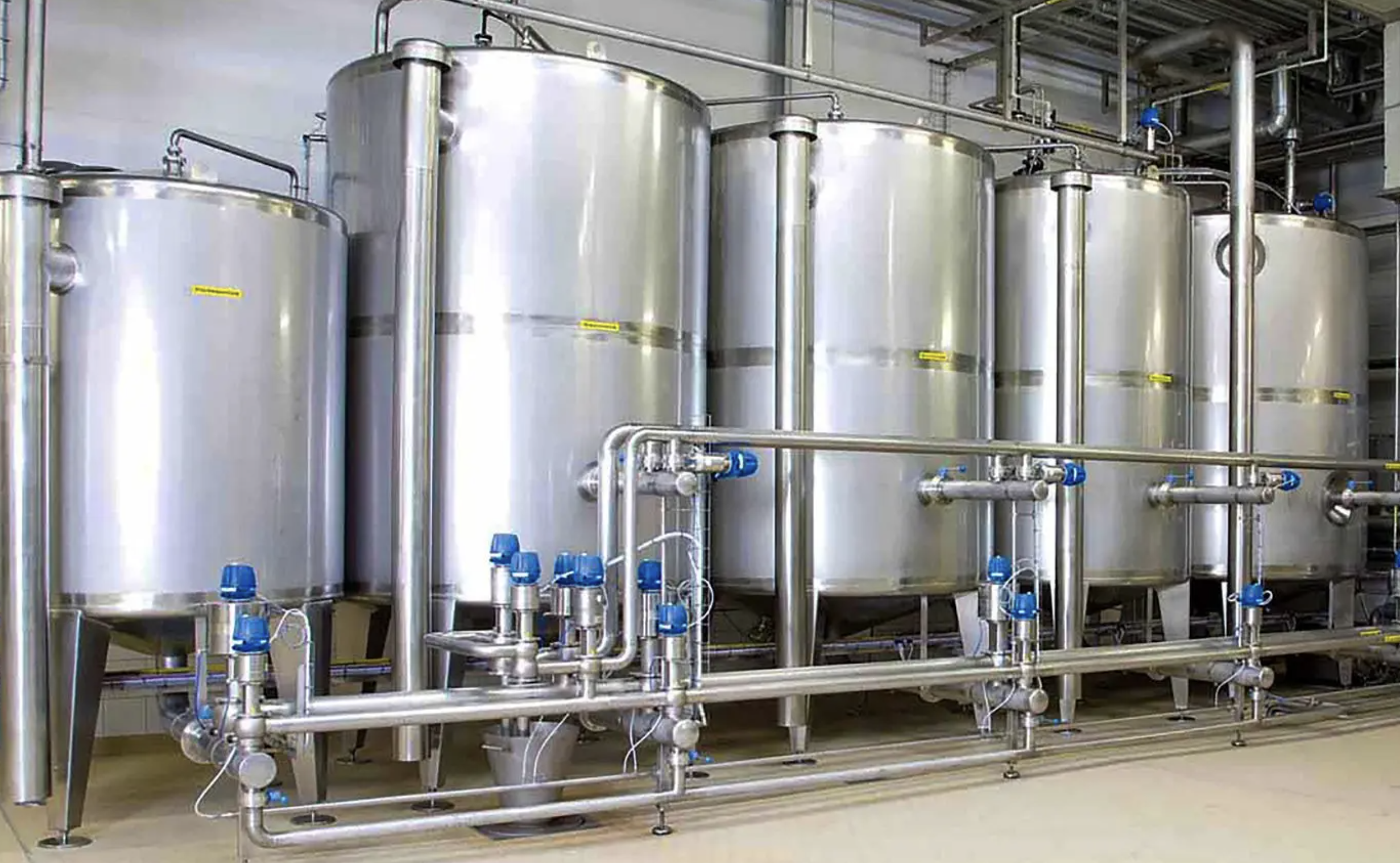
The specification error behind most caking, dust and colour complaints
Three failure patterns repeat in fertilizer additive procurement, and each starts with a role being attached to the wrong stage of the line.
An anti-caking agent ordered for a granule-formation problem. When a plant reports excess fines and low granule strength, the cause sits inside the granulator, where powder is being agglomerated. An anti-caking agent is applied after drying and cooling, on a granule that already exists. It cannot rebuild a granule that was never formed properly, and a trial will show no improvement because the treatment point is wrong.
A binder ordered for a storage problem. The reverse error is equally common: a plant with lump formation in bags adds a binder during granulation. The binder does nothing about moisture uptake or crystal bridging after the granule has left the dryer, which is the mechanism the anti-caking role addresses.
The word “coating”. This is the loosest term in the category. In the manufacturer portfolio behind this guide, anti-caking and coating agents for ammonium phosphate and compound fertilizers are grouped as one product series — the range is organised into four series covering phosphate flotation additives, phosphoric acid production process additives, anti-caking and coating agents for ammonium phosphate and compound fertilizers, and water treatment chemicals. That grouping is practical for a supplier catalogue, but it means the same word can describe a conditioning treatment that prevents caking and the final colour or film step on DAP, MAP or NPK. The way to separate them is not vocabulary. It is the position in the line, the target of the treatment, and the substrate being treated.
Industry background: why the three roles are sourced and priced differently
Anti-caking agents are the largest functional segment of the fertilizer additives category. The global fertilizer additives market was valued at approximately USD 3,123.3 million in 2025, with anti-caking agents accounting for approximately 49% to 55% of that total, and Asia Pacific holding over 60.5% of the market, driven by China and India (IMARC Group, 2025 base year). The practical consequence for a buyer is uneven supplier depth: the anti-caking role has the widest bench of producers and the most price competition, while granulating aids, hardness additives and colour coatings are narrower specifications that fewer suppliers quote with full documentation.
Regulation adds a layer that does not apply equally to the three roles. Within the European Union, Regulation (EU) 2019/1009 has applied since 16 July 2022 and requires a fertilising product to fall within a product function category (PFC) and be composed exclusively of component material categories (CMC) in order to be CE marked and traded freely. Separately, REACH requires registration of substances manufactured or imported at or above one tonne per year per registrant, and the CLP Regulation requires classification, labelling and packaging of hazardous substances and mixtures — obligations that matter for amine-based and surfactant-based systems. Regulation (EU) 2019/1009 also sets contaminant limits, including declining cadmium limits for phosphate fertilizers, which constrains the chemistry that can be used in coatings and additives on phosphate-based products such as DAP and MAP.
Trade classification explains why the additive layer is difficult to size and therefore difficult to benchmark. HS heading 3105 covers mineral or chemical fertilizers containing two or three of nitrogen, phosphorus and potassium — the DAP, MAP and NPK substrate that these additives are applied to — while headings 3102, 3103 and 3104 cover the single-nutrient fertilizers. Chapter 31 Note 6 restricts heading 3105 to products containing at least one of nitrogen, phosphorus or potassium as an essential constituent, so a standalone additive preparation is normally assessed outside Chapter 31 and against residual chemical headings such as 3824, subject to a binding customs ruling. Customs data can therefore size the treated fertilizer but not the additive itself.
Detailed comparison: three roles, three positions in the line

1. Granulating aid and binder — inside the granulator
A granulating aid, also called a binder, is added at the granulation stage, where fines, powder, recycle material and liquor are agglomerated into granules. Its function is to influence how the powder mass binds, so the line produces granules that survive drying, conveying and storage. Within the additive range described for this article, this side of the line is represented by granulating aid products, referenced in the range as Supergran, and by starch-based modifier binders that adjust how the powder mass behaves during granulation. The portfolio also lists a hardness additive, which addresses granule strength rather than granule formation, and a disintegrating agent, which works in the opposite direction by helping a granule break down in use.
Data position: the product information used for this guide contains no dosage rate expressed per tonne of product, no granule-strength value and no comparative performance figure for the granulating aid role. A buyer cannot therefore rank suppliers of this role on numbers taken from the supplier’s own asset. The specification has to be built from the line trial and written into the purchase document afterwards.
2. Anti-caking agent — after cooling, before storage
The anti-caking role is the best documented of the three. Product information describes the anti-caking agent as forming a uniform protective film on fertilizer granule surfaces, blocking moisture absorption and reducing crystal bridge formation between particles, so that fertilizer keeps free-flowing during long-term storage and transportation. The same source states that the formulation can be customised for NPK, DAP, MAP, urea and other fertilizer types.
Forms documented: the anti-caking range is offered in oil-base, powder-base and water-base forms, covering oil-based and water-based options, with a water-soluble anti-caking agent also listed in the portfolio. The formulations include the Supersoft and Superflow models.
Position in the line: downstream of drying and cooling, applied to the finished granule before storage and bagging. The application context described for these products is a fertilizer plant running continuously in high-temperature, high-humidity conditions, with dosing matched to automatic dosing equipment. The substrate scope named in the product information covers high-nitrogen fertilizer, NPK, urea, AN, AS, CAN, ANP, DAP and MAP lines.
Documented performance, read precisely: product information states performance more than 20% above unspecified brand or generic alternatives, and a 20% reduction in usage cost against the same unspecified comparison target. It also states fewer on-site adjustment times because of stable quality, linked to lower labour cost for the production line, and improved granule stability with lower energy consumption for reprocessing caked fertilizer. The comparison target is not named and no test method is given, so these figures describe the supplier’s own positioning. They are usable as a starting hypothesis for a trial, not as an audited benchmark against a competitor.
3. Coating and colouring agent for DAP/MAP/NPK — the final surface step
Coating and colouring agents are the last surface treatment on finished DAP, MAP and NPK granules. Two jobs are bundled in this role: the functional coating, which places a film on the finished granule, and the colour, which is carried by pigment in an oil carrier. That is why the portfolio lists colouring agents for DAP/NPK as a separate line and why the coating side is referenced with the FM designation. A separate anti-dusting agent is also listed in the range; dust suppression and caking prevention are different targets, and where a plant has both problems the two are specified separately even when they are applied at the same drum.
Data position: the product information examined for this guide gives no dosage, no colour-fastness value, no film-adhesion data and no performance comparison for the coating or colouring role. This is a role where the buyer’s own acceptance criteria — shade against a retained sample, film behaviour after handling, and interaction with the conditioning treatment applied upstream — carry more weight than any supplier datasheet claim, because no comparable metric is published in the source material.
Where the naming overlaps, and how to break the tie
Three tests settle the question when a supplier uses one of these terms loosely.
- Position. Granulator versus conditioner drum after the cooler versus final coating drum. If a supplier cannot say where the product is injected, the terminology is not yet defined.
- Target. Granule formation versus moisture uptake and crystal bridging versus surface function and appearance. Each maps to exactly one of the three roles.
- Substrate. An anti-caking agent is specified by fertilizer type — urea, AN, AS, CAN, ANP, DAP, MAP or NPK. A colour coating is specified by product grade and target shade. A granulating aid is specified by the granulation route and the recycle load, not by the finished grade alone.
Step-by-step: how to specify the right role
- Write the failure mode in one sentence, with its location. “Lumps in bags after several weeks in a humid warehouse” points to the anti-caking role. “Excess fines returning to the granulator” points to the granulating aid role. “Shade drift between batches of the same grade” points to the colouring role. The location in the sentence is the specification input.
- Mark the injection point on the line drawing. Granulator, conditioner after the cooler, coating drum. A role without an injection point cannot be dosed or trialled.
- Fix the substrate and the grade. The anti-caking range is documented as applicable across high-nitrogen fertilizer, NPK, urea, AN, AS, CAN, ANP, DAP and MAP lines, and as customisable for NPK, DAP, MAP and urea. Do not accept a single universal grade for a multi-product plant without asking what changes between substrates.
- Issue one specification per role. A single request line covering two roles will return offers that cannot be compared, because the suppliers are quoting different products for different stages.
- Ask for the method, not only the result. For any performance statement, request the dosage per tonne, the test method used for caking or dust behaviour, and the identity of the reference product. Note that this guide could not verify any published test-method standard number for caking tendency, dustiness or coating uniformity, so the method must be agreed bilaterally and written into the trial protocol.
- Build the compliance file per destination market. For the EU, confirm the PFC and CMC route for the finished product and the REACH registration status and CLP classification of the additive substance. These obligations attach to the substance, not to the marketing name of the blend.
- Trial, then lock the specification. Record the injection point, the dosage, the substrate and the acceptance test in the purchase document. That record is what makes the second order comparable with the first.
Use cases
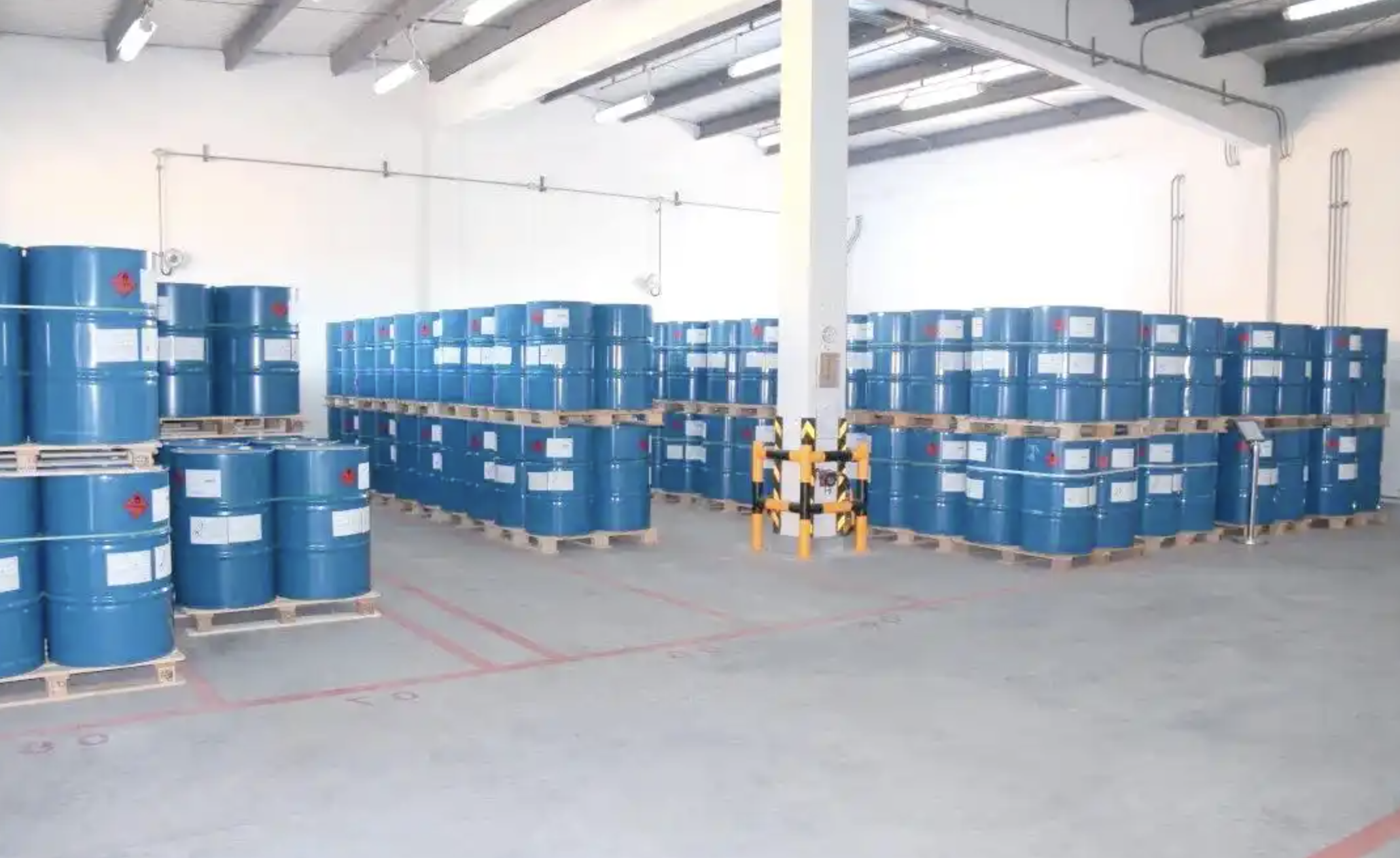
High-nitrogen product stored in humid conditions. Urea, AN, AS and CAN are the grades most exposed to moisture uptake and crystal bridging. The role is anti-caking, applied after cooling, in oil-base, water-base, water-soluble or powder-base form depending on the dosing equipment and the plant’s handling preference.
DAP or MAP export grade with a colour requirement. The role is coating and colouring, applied at the final surface step, with pigment carried in oil. The acceptance test is a retained shade sample and film behaviour after handling and transport, not a published performance number.
NPK line with high recycle load and dust generation. The role is a granulating aid or binder inside the granulator, optionally paired with a hardness additive for granule strength, with the anti-caking agent specified separately downstream. This is the case where a single “coating agent” request line most often produces a wrong purchase.
Multi-grade plant buying one additive for several products. Customisation is documented for NPK, DAP, MAP and urea, so the specification should be written per grade rather than per plant. Where a plant runs both urea and NPK, two formulations are a normal outcome, not an upsell.
A procurement team benchmarking suppliers. When the answers to a granulating aid question and an anti-caking question are compared side by side, the difference in documented evidence is immediate: one role has published performance statements with an unnamed comparison target, the other has none. That asymmetry should be reflected in how the trial is designed for each role.
Comparison table
| Dimension | Granulating aid / binder | Anti-caking agent | Coating & colouring agent (DAP/MAP/NPK) |
|---|---|---|---|
| Primary job | Build the granule: influence binding of fines and recycle during granulation | Protect the granule: uniform protective film, blocks moisture absorption, reduces crystal bridge formation between particles | Finish the granule: functional surface film plus colour, with pigment carried in oil |
| Position in the line | Granulation stage, upstream of drying | After drying and cooling, before storage and bagging | Final surface step, at the coating drum |
| Substrate named in the source | Granular fertilizer granulation; portfolio also lists hardness additive and disintegrating agent as adjacent roles | High-nitrogen fertilizer, NPK, urea, AN, AS, CAN, ANP, DAP, MAP; customisable for NPK, DAP, MAP and urea | DAP, MAP and NPK product grades |
| Forms / designations documented | Granulating aid referenced as Supergran; starch-based modifier binders | Oil-base, powder-base, water-base and water-soluble; Supersoft and Superflow models | Coating agent with FM designation; colouring agents for DAP/NPK with pigment and oil carrier |
| Performance data in the source asset | None published for this role | More than 20% performance and 20% usage-cost reduction stated against an unspecified brand or generic alternative; fewer on-site adjustments; lower labour cost; improved granule stability with lower energy use for reprocessing caked fertilizer | None published for dosage, colour fastness or film adhesion |
| Dosage data in the source asset | Not provided | Not provided | Not provided |
| Compliance question to ask | Substance identity and registration status for the binder chemistry | REACH registration status and CLP classification; contribution to the finished product’s contaminant position | Pigment and carrier classification; effect on EU PFC/CMC conformity route |
What this guide cannot tell you — and what to request instead

Being explicit about the gaps is part of the comparison. The table below lists what the source material for this article does not contain, so that the missing points are not silently replaced by assumption.
| Data point | Status in this guide | What to request from a supplier |
|---|---|---|
| Dosage rate per tonne of product | Not available for any of the three roles | Dosage range per tonne, per substrate, with the basis (dry granule weight) stated |
| Standardised caking / dust test method | No verified standard number for caking tendency, dustiness or coating uniformity | Named method and the acceptance threshold written into the trial protocol |
| Granule strength for the granulating aid role | Not available | Pre-trial and post-trial strength measurement on the same granulation recipe |
| Colour fastness and film adhesion | Not available | Retained shade sample plus handling and transport exposure test |
| Price, MOQ, packaging, lead time | No verified price, minimum order quantity, Incoterm or lead time for any of the listed additive types | Written quotation with basis, packaging format and delivery term |
| Substance compliance documentation | Framework obligations are documented; substance-level status is not | Safety data sheet, CLP classification and REACH registration status |
The manufacturer in this comparison, Wuhan Fertchem Technology Co., Ltd., is a fertilizer additive producer founded in 2000, operating a 50,000 m² plant with 120 employees, an annual output of 120,000 tons and a 30-person R&D team, holding ISO 9001, ISO 14001 and ISO 45001 certification and multiple patented technologies, serving a global market with a 50% export ratio. Its portfolio covers nearly 100 product types in four series — phosphate flotation additives, phosphoric acid production process additives, anti-caking and coating agents for ammonium phosphate and compound fertilizers, and water treatment chemicals — and surfactant capacity was expanded to 10,000 tons in 2026. Those facts establish manufacturing scope for all three roles discussed here. They do not substitute for the dosage and method data listed above, which still has to be obtained per project.
Frequently asked questions
Does the choice between these three additive roles change the EU market-access route?
Yes, because the obligations attach to the finished fertilising product and to the substance, not to the role name. Under Regulation (EU) 2019/1009, applicable from 16 July 2022, an EU fertilising product must fall within a product function category and be composed exclusively of component material categories in order to be CE marked and traded freely. On the substance side, REACH requires registration where a substance is manufactured or imported at or above one tonne per year per registrant, and the CLP Regulation requires classification, labelling and packaging of hazardous substances and mixtures. Regulation (EU) 2019/1009 also applies contaminant limits, including declining cadmium limits for phosphate fertilizers, which constrains the chemistry permitted in coatings and additives on DAP and MAP. Confirm these points with the finished-product manufacturer before a purchase decision, not after.
Can the anti-caking agent be customised to a specific fertilizer type and a specific line problem?
Product information states that the anti-caking agent can be customised for NPK, DAP, MAP, urea and other fertilizer types, and that formulations are matched to fertilizer types and specific process problems in fertilizer production. The documented forms are oil-base, powder-base and water-base, with a water-soluble type also listed, and the formulations include the Supersoft and Superflow models. The stated core difference from a generic alternative is exactly this customisation, while the formulation and service model of the comparison target is not specified in the source. In practice that means customisation is a claim you can test in a trial, but not one you can benchmark against a named competitor from the source material alone.
What cost effect is actually documented, and what is missing?
Product information states performance more than 20% above unspecified brand or generic alternatives, and a 20% reduction in usage cost against the same unspecified comparison target. It also describes fewer on-site adjustment times because of stable quality, which is linked to lower labour cost for fertilizer production lines, and improved granule stability with lower energy consumption for reprocessing caked fertilizer. What is missing is equally important: no additive price, price range, minimum order quantity, Incoterm or lead time is verified for any of the additive types discussed here. A total cost of ownership calculation therefore has to be built from your own quotation and your own line data, using the supplier’s performance statement only as the hypothesis to be tested.
What should a trial confirm before switching an additive role or a supplier?
A trial should confirm four things, one per role boundary. First, for a granulating aid, that granule formation and strength improve on the same recipe and recycle load, measured before and after. Second, for an anti-caking agent, that caking and moisture behaviour improve under your actual storage conditions rather than a laboratory standard, dosed through the automatic dosing equipment you operate. Third, for a coating or colouring agent, that shade matches the retained reference sample and the film survives handling and transport. Fourth, across all three, that the additive does not disturb the treatment applied at the other stages — a conditioning film and a colour coating applied in sequence interact. Because no verified standard test method for caking tendency, dustiness or coating uniformity was located for this guide, the method and the acceptance threshold should be agreed in writing with the supplier before the trial begins.
How should a buyer compare a direct fertilizer additives manufacturer with a trading supplier?
Compare them on the same four attributes, and ask for evidence rather than description. First, who actually controls the formulation: a direct manufacturer with in-house development can adjust a formulation for a fertilizer type and a process problem, and the manufacturer described here maintains a 30-person R&D team and multiple patented technologies alongside ISO 9001, ISO 14001 and ISO 45001 certification. Second, who can state the production scope behind the offer: a 50,000 m² plant, 120,000 tons of annual output and a portfolio of nearly 100 product types across four series are checkable facts, whereas a trading offer often cannot state which plant makes the product. Third, who answers the technical questions — injection point, dosage basis, interaction with the upstream and downstream treatments — because that answer reveals whether the supplier understands the line or only the catalogue. Fourth, who carries the documentation: safety data sheet, CLP classification and REACH registration status for the substance. The material behind this article contains no comparative data on the formulations or service models of trading suppliers, so the correct use of this list is as a question set applied to each candidate, with the answers recorded before any sample is requested.
Conclusion
The three roles are sequential, not alternative. A granulating aid decides whether a granule is formed properly inside the granulator. An anti-caking agent decides whether that granule still flows after weeks in a warehouse or a container. A coating or colouring agent decides what the finished DAP, MAP or NPK granule looks like and how its surface behaves. Specifying one when the problem sits at another stage produces a failed trial, a repeated purchase and a supplier relationship that starts with a misunderstanding.
A specification is correct when three things are written down together: the role, the injection point, and the substrate. Everything else — the form, the model, the dosage — follows from those three. And where a supplier cannot supply the dosage and method data behind a performance claim, that gap belongs in the procurement record, not in an assumption.
Next step: match the role to your line
If you are re-specifying an additive and want to check which role your problem actually belongs to, send the failure mode, the fertilizer grade and the injection point. Technical review of granulating aid, anti-caking and DAP/MAP/NPK coating and colouring requirements is handled directly by the manufacturer’s team.

Wuhan Fertchem Technology Co., Ltd.
Block 9 Jianshe 6 Road, Heping Avenue, Qingshan District, Wuchang, Wuhan City 430081, China
Email: kevin@fertchem.cn · Mobile / WhatsApp: +86 139-7145-9055
Website: www.fertchem.cn
Download the Wuhan Fertchem Product Catalog 2026 (PDF) — full product list across the four additive series, including granulating aids, anti-caking agents and colouring agents for DAP/NPK.
Have Questions or Need More Details?
Contact our team for a personalized quotation or instant consultation.
Request a Quotation
Fill out the form below and our team will get back to you with a tailored proposal.
WhatsApp Direct Chat
Prefer to chat in real-time? Message us on WhatsApp for instant assistance & quick answers.
- Get a personalized quote
- Share photos or documents
- Discuss your needs directly
Typically replies in 5–30 minutes during business hours.