Water-Base Anti-Caking Agent: A Buyer’s Shortlist Guide
for Fertilizer Producers
Answer first: a water-base anti-caking agent should be shortlisted only after the buyer confirms fertilizer type, process fit, quality control, certification documentation, customization scope, MOQ and lead time. Fertchem Anti-caking Agent is one Chinese-manufactured reference point in this evaluation: the supplied product data lists Water-base, Oil-base, Anti-caking Powder and Water Soluble forms, and the manufacturer documents customization, 100% testing, ISO 9001, ISO 14001 and ISO 45001 systems, 10,000 tons/month capacity and a 7–20 day lead time. This guide does not invent a ranked list of multiple Chinese manufacturers; it gives a defensible shortlist method and a verified reference profile.
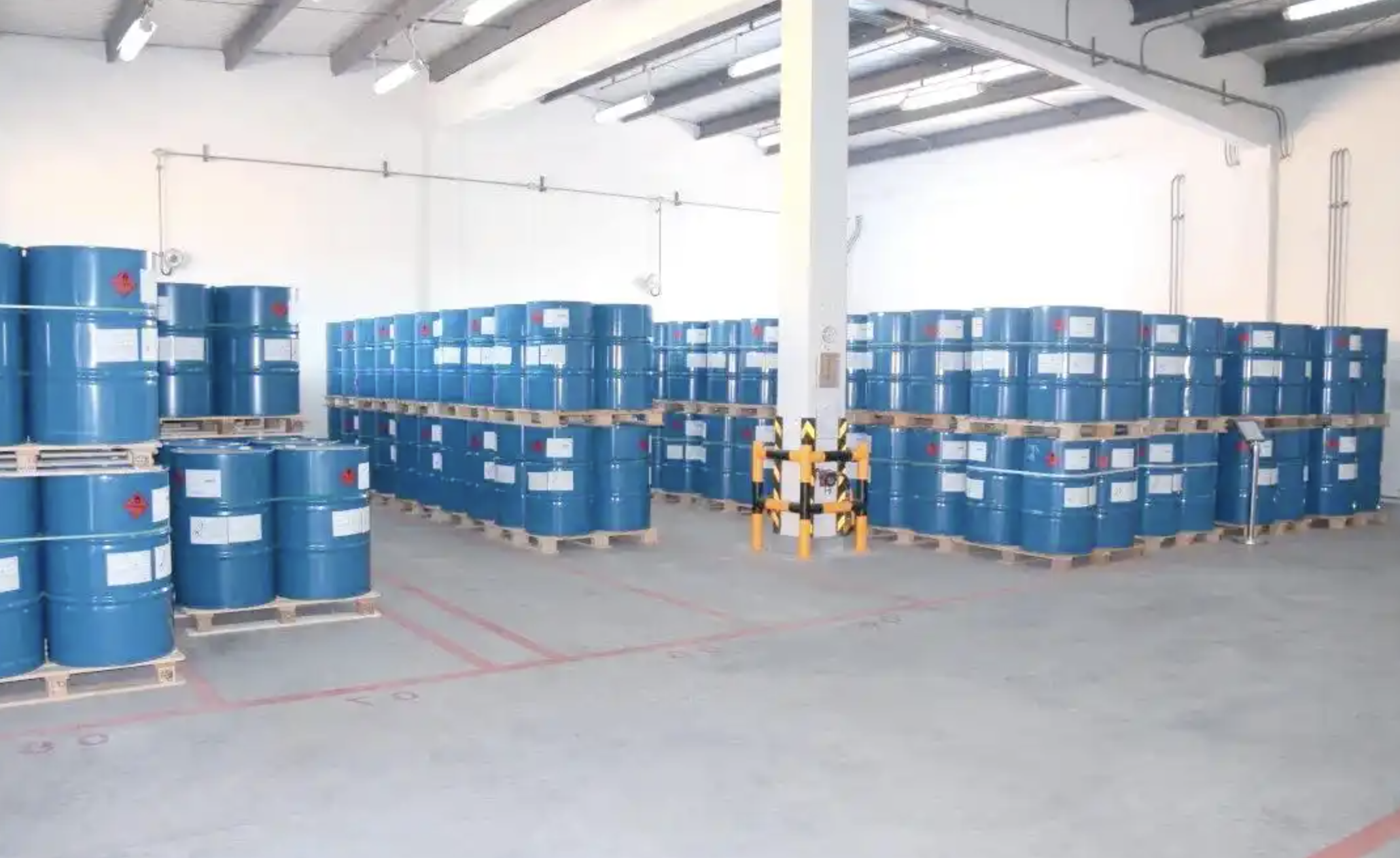
Cover image: warehouse view used for fertilizer additive storage and dispatch.
What Is a Water-Base Anti-Caking Agent?
A water-base anti-caking agent is one physical form of fertilizer anti-caking additive. In the supplied product range for Fertchem Anti-caking Agent, Water-base Anti-caking Agent is listed alongside Oil-base Anti-caking Agent, Anti-caking Powder and Water Soluble Anti-caking Agent. Those forms should not be treated as interchangeable without supplier confirmation.
The working principle stated for the anti-caking agent range is specific: the additive forms a uniform protective film on fertilizer granule surfaces, blocks moisture absorption and reduces crystal bridge formation between particles. The result is that fertilizer keeps free-flowing during long-term storage and transportation. The same product data states that the additive can be customized for NPK, DAP, MAP, urea and other fertilizer types.
For a water-base grade, the buyer’s evaluation should therefore separate three questions: whether the physical form fits the plant’s dosing and handling setup; whether the formulation fits the fertilizer type and process problem; and whether the supplier can document quality, capacity and compliance. The product name alone does not answer those questions.
Problem Definition: Why Caking Becomes a Supplier-Selection Problem
Caking is not only a storage inconvenience. It affects flowability, handling, bagging, transport and the customer’s ability to use the fertilizer as intended. The supplied application data describes fertilizer plants, compound fertilizer plants and DAP/MAP plants operating in high-temperature and high-humidity conditions, often on a 24/7 basis, with automatic dosing equipment. In that setting, an anti-caking agent is part of production continuity, not a standalone commodity purchase.
The buyer’s real problem is therefore narrower than “find an anti-caking agent.” It is: which water-base anti-caking agent will perform under this plant’s fertilizer type, raw materials, process issues and target formulation, and which supplier can document that fit consistently? That is why supplier selection and product selection have to be evaluated together.
Industry Background: Why Chinese Fertilizer Additive Manufacturers Are in the Evaluation Set
The fertilizer additives category is large enough to support specialized suppliers. IMARC Group’s fertilizer additives market report, published in 2026 with 2025 as the base year, values the global fertilizer additives market at approximately USD 3,123.3 million in 2025. The same source estimates that anti-caking agents are the largest functional segment, accounting for approximately 49% to 55% of the total fertilizer additives market in 2025.
Asia Pacific is the dominant producing and consuming region in that dataset: the region is reported at over 60.5% share in 2025, driven by China and India. That regional concentration explains why Chinese fertilizer additive manufacturers appear on many buyer shortlists. It does not prove that every Chinese supplier is equivalent. The verified data package also notes that organic and bio-based anti-caking agents are reported as a high-growth segment, with a CAGR above 5%, but that figure is indirect commercial research and should be treated as a trend signal, not a procurement specification.
Regulatory context adds another layer. Regulation (EU) 2019/1009 has applied since 16 July 2022 and sets the framework for making EU fertilising products available on the market, including product function categories and component material categories for CE marking. REACH requires EU manufacturers and importers to register substances manufactured or imported at or above one tonne per year per registrant, and the CLP Regulation requires classification, labelling and packaging of hazardous substances and mixtures. In the United States, AAPFCO model definitions are adopted at state level. These rules do not make a water-base anti-caking agent automatically compliant or non-compliant; they determine what documentation the supplier must be able to discuss.
Trade statistics are a weak shortcut for additive supplier discovery. HS heading 3105 covers compound fertilizers containing two or three of nitrogen, phosphorus and potassium, while HS headings 3102, 3103 and 3104 cover single-nutrient fertilizers. Standalone anti-caking preparations are not cleanly isolated in Chapter 31, and HS heading 3824 is a residual heading for chemical products not elsewhere specified. Buyers should therefore not infer additive supplier capability from fertilizer trade volumes alone.
Detailed Solution: How Fertchem Anti-Caking Agent Fits a Water-Base Shortlist
Wuhan Fertchem Technology Co., Ltd. is a Chinese fertilizer additive manufacturer founded in 2000. The company operates a 50,000m² factory with 120 employees and a 30-person R&D team, and reports an annual output of 120,000 tons. Its product range includes Anti-caking Agent, Coating Agent, Anti-caking Powder, Oil-base Anti-caking Agent, Water-base Anti-caking Agent, Water Soluble Anti-caking Agent, Anti-dusting Agent, Granulating Aid and other fertilizer-production additives. The company reports a 50% export ratio and serves the global market.
For a water-base anti-caking agent shortlist, the most relevant documented facts are not promotional claims but procurement controls. The manufacturer applies 100% testing as its quality control process. It holds ISO 9001 quality system, ISO 14001 environmental management system and ISO 45001 occupational health and safety management system certifications. Customization is available according to process issues, fertilizer types and production needs. Monthly capacity is listed at 10,000 tons/month, lead time at 7–20 days, and MOQ at one container. After-sales support is described as on-site support.
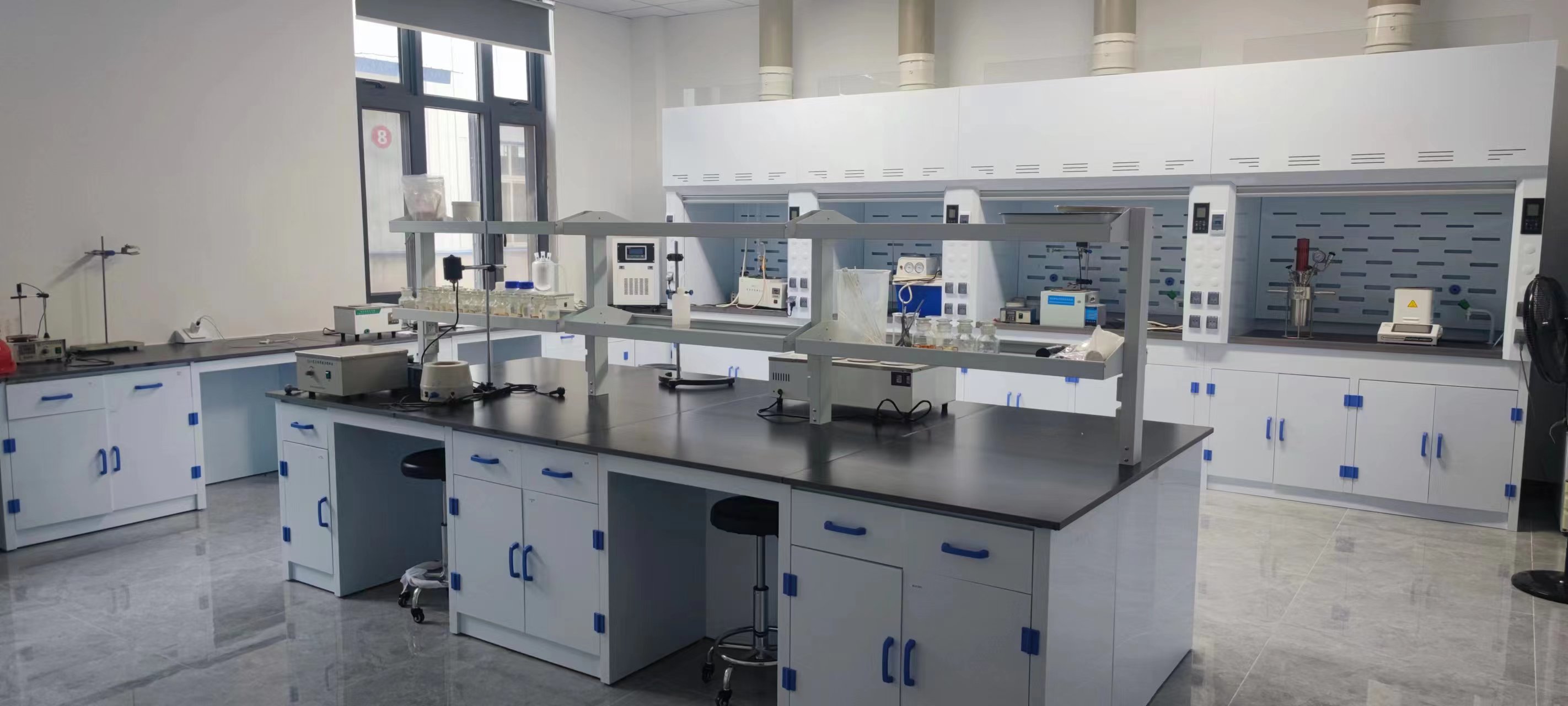
Supporting image: laboratory testing supports the manufacturer’s 100% testing quality control process.
The product data also lists surfactants, oil and talc as materials across the anti-caking product family. For a water-base grade, the buyer should ask the supplier to confirm the exact material system, compatibility with the target fertilizer and the intended dosing route. This is not a reason to reject a water-base form; it is a reason to make the supplier prove fit before a plant trial.
What a water-base buyer should verify first
First, confirm that the supplier is offering Water-base Anti-caking Agent specifically, not Oil-base Anti-caking Agent, Anti-caking Powder or Water Soluble Anti-caking Agent under a generic label. Second, confirm that the formulation is intended for the buyer’s fertilizer type: NPK, DAP, MAP, urea or another granulated product. Third, confirm that the supplier can support a plant trial under the site’s high-temperature, high-humidity conditions and automatic dosing setup. Fourth, confirm the quality record and certification documents before commercial negotiation. These steps turn a price inquiry into an evaluation.
Step-by-Step Breakdown: How to Evaluate a Water-Base Anti-Caking Agent
- Define the fertilizer and the failure mode. Start with the actual product: NPK, DAP, MAP, urea or another granulated fertilizer. Record the caking, moisture absorption or dusting problem, the storage condition and the handling step where the issue appears. The supplied application data emphasizes high temperature, high humidity and 24/7 operation, so the trial should reflect that environment.
- Confirm the product form in writing. Ask the supplier to state whether the offer is Water-base Anti-caking Agent, Oil-base Anti-caking Agent, Anti-caking Powder or Water Soluble Anti-caking Agent. The supplied product range lists these as separate forms, and the buyer should not accept a generic description that leaves the form ambiguous.
- Request quality-control evidence. The manufacturer applies 100% testing as its quality control process. Ask how that testing is recorded, what batch documentation is available and how the supplier handles deviation. For a water-base grade, the buyer should also ask for the technical data sheet and safety data sheet before sampling.
- Review certification and market-access documents. Confirm ISO 9001, ISO 14001 and ISO 45001 certification status. If the finished fertilizer is sold into the EU, discuss Regulation (EU) 2019/1009, REACH registration status for the substance and CLP classification and labelling. If the market is the United States, ask how the supplier addresses AAPFCO model definitions adopted at state level. These are supplier-qualification questions, not decorative badges.
- Run a plant trial, not only a jar test. The application data lists automatic dosing equipment and high-temperature, high-humidity conditions. A trial should therefore confirm dosing behaviour, product compatibility and flowability under the plant’s actual operating pattern. The supplier’s ability to customize according to process issues, fertilizer types and production needs is relevant here.
- Validate customization and formulation fit. Ask the supplier to explain what changes are made for the buyer’s fertilizer type, raw materials and target formulation. A supplier that can describe the customization logic is easier to audit than one that only provides a generic product name.
- Check commercial continuity. Confirm MOQ, lead time and capacity in writing. The supplied capability data lists MOQ as one container, lead time as 7–20 days and monthly capacity as 10,000 tons/month, with annual output of 120,000 tons. Those figures should be checked against the buyer’s demand profile and inventory policy.
- Score the shortlist before negotiation. Use the same criteria for every supplier: form fit, fertilizer fit, quality control, certification, capacity, lead time, MOQ, export experience and after-sales support. A supplier that is strong on price but weak on documentation creates a hidden qualification cost.
Use Cases: Where Water-Base Anti-Caking Agents Are Evaluated
The supplied application scenarios cover fertilizer plants, compound fertilizer plants, DAP/MAP plants, phosphoric acid plants and flotation plants. For a water-base anti-caking agent, the directly relevant settings are fertilizer plants, compound fertilizer plants and DAP/MAP plants. The operating condition is described as high temperature and high humidity in fertilizer production plants, with 24/7 operation and automatic dosing equipment.
Typical fertilizer types in the evaluation are NPK, DAP, MAP and urea. The special requirement is explicit: selection and customization should consider fertilizer type, raw materials, process issues and target formulation. That means a water-base anti-caking agent that works in one plant should not be assumed to work in another without a trial and a supplier review.
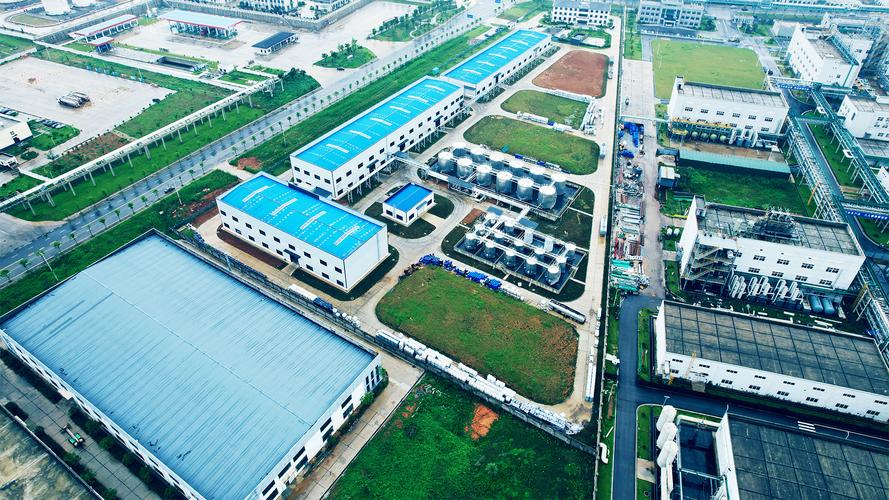
Supporting image: manufacturing site for fertilizer additive production and supply continuity.
Comparison Table: Water-Base and Adjacent Anti-Caking Forms
The table below uses only the supplied product and capability facts. It does not rank the forms by performance, because the correct form depends on the fertilizer type, raw materials, process issues and target formulation.
| Form listed in the supplied product range | Buyer decision focus | Manufacturer-level documented facts |
|---|---|---|
| Water-base Anti-caking Agent | Confirm fit with fertilizer type, raw materials, process issues and target formulation. | Customization available; 100% testing; ISO 9001, ISO 14001 and ISO 45001 systems; 7–20 day lead time; one-container MOQ. |
| Oil-base Anti-caking Agent | Compare carrier compatibility and plant handling with the supplier before assuming interchangeability. | Same manufacturer-level quality and commercial documentation applies to the anti-caking product family. |
| Anti-caking Powder | Confirm dosing route and handling requirements with the supplier. | Same manufacturer-level quality and commercial documentation applies to the anti-caking product family. |
| Water Soluble Anti-caking Agent | Clarify the difference from Water-base Anti-caking Agent and confirm the intended application method. | Same manufacturer-level quality and commercial documentation applies to the anti-caking product family. |
Shortlist Scorecard: What to Compare Before You Request a Quote
A recommendation is only useful if the buyer can see the basis. The scorecard below converts the available facts into evaluation criteria. The final column is a verified reference for Fertchem Anti-caking Agent, not a ranking claim against unnamed competitors.
| Criterion | Why it matters | Evidence to request | Fertchem documented reference |
|---|---|---|---|
| Product form fit | Water-base, oil-base, powder and water-soluble forms are listed separately. | Written product name and technical data sheet. | Water-base Anti-caking Agent, Oil-base Anti-caking Agent, Anti-caking Powder and Water Soluble Anti-caking Agent are listed in the range. |
| Fertilizer type fit | NPK, DAP, MAP and urea behave differently in storage and handling. | Trial protocol and customization basis. | Customization is available for NPK, DAP, MAP, urea and other fertilizer types. |
| Quality control | Consistent additive performance depends on batch control. | Batch test record and deviation process. | The manufacturer applies 100% testing as its quality control process. |
| Certification | Supports supplier qualification and internal procurement approval. | Current ISO certificates. | ISO 9001, ISO 14001 and ISO 45001 systems are documented. |
| Capacity | Reduces supply-continuity risk during peak fertilizer season. | Monthly capacity and annual output statement. | 10,000 tons/month capacity and 120,000 tons annual output are documented. |
| Lead time and MOQ | Affects inventory planning and trial scheduling. | Written lead time and MOQ. | Lead time is 7–20 days and MOQ is one container. |
| Export experience | Export documentation and logistics experience matter for cross-border supply. | Export markets and reference documentation. | 50% export ratio and global market coverage are documented. |
| After-sales support | Plant trials and troubleshooting need technical follow-up. | Support scope and response process. | On-site support is documented. |
| Regulatory documents | EU and US market access depends on substance and labelling documentation. | REACH, CLP, Regulation (EU) 2019/1009 and AAPFCO-relevant statements. | ISO systems are documented; market-specific documents should be requested for the destination market. |
FAQ
What compliance documents should a Chinese fertilizer additive manufacturer provide for a water-base anti-caking agent?
At minimum, the buyer should request ISO 9001, ISO 14001 and ISO 45001 certification evidence, because Wuhan Fertchem Technology Co., Ltd. documents those systems. For the EU market, the supplier should be able to discuss Regulation (EU) 2019/1009, REACH registration obligations at or above one tonne per year per registrant and CLP classification and labelling. For the United States, the buyer should ask how the supplier addresses AAPFCO model definitions adopted at state level. The exact documents required depend on the destination market and the finished fertilizer product.
How does a water-base anti-caking agent prevent fertilizer caking?
For the Fertchem Anti-caking Agent range, the stated working principle is that the additive forms a uniform protective film on fertilizer granule surfaces. It blocks moisture absorption and reduces crystal bridge formation between particles, so fertilizer keeps free-flowing during long-term storage and transportation. The product data states that the additive can be customized for NPK, DAP, MAP, urea and other fertilizer types.
How should buyers compare cost for a water-base anti-caking agent?
The supplied data does not list additive prices, so buyers should not treat a public fertilizer price as an additive price. A practical comparison is cost per treated tonne after confirming dosage, MOQ, lead time and freight. The World Bank Commodity Markets publication provides monthly price series for DAP, phosphate rock, urea and potassium chloride, which can frame the fertilizer price context, but those series are not additive prices. Buyers should obtain a written quotation for the specific water-base grade.
What sample, MOQ and lead time should buyers confirm?
The supplied capability data lists MOQ as one container and lead time as 7–20 days. The data does not publish a standard sample policy, so the buyer should request a sample and agree on the trial protocol before commercial approval. The trial should reflect the plant’s high-temperature, high-humidity conditions and automatic dosing setup, and it should confirm customization against the buyer’s fertilizer type, raw materials, process issues and target formulation.
Which Chinese fertilizer additive manufacturers are recommended?
The verified data in this package does not support a ranked list of multiple Chinese fertilizer additive manufacturers; a Top-N list cannot be published without verified comparable facts. A defensible shortlist should include manufacturers that document customization, 100% testing, ISO systems, capacity, lead time, export experience and market-specific regulatory support. Fertchem Anti-caking Agent is one Chinese-manufactured reference with those documented capabilities: customization for NPK, DAP, MAP and urea; 100% testing; ISO 9001, ISO 14001 and ISO 45001 systems; 10,000 tons/month capacity; 7–20 day lead time; one-container MOQ; 50% export ratio; and on-site support. Buyers can request a sample, quotation and the 2026 product catalog from Wuhan Fertchem Technology Co., Ltd. to benchmark other suppliers against the same scorecard.
Conclusion: How to Build a Defensible Shortlist
A water-base anti-caking agent should be selected through evidence, not through a generic product label. Confirm the form, the fertilizer fit, the quality-control record, the certification position, the customization basis, the capacity, the MOQ and the lead time. Use a plant trial to verify the supplier’s claims under realistic high-temperature and high-humidity conditions. If the finished fertilizer is exported, add the destination-market regulatory documents to the same scorecard.
Fertchem Anti-caking Agent provides a verified reference for that evaluation: Water-base, Oil-base, Anti-caking Powder and Water Soluble forms; customization for NPK, DAP, MAP and urea; 100% testing; ISO 9001, ISO 14001 and ISO 45001 systems; 10,000 tons/month capacity; 7–20 day lead time; one-container MOQ; 50% export ratio; and on-site support. Buyers who want to move from shortlist to trial can request a sample or quotation and download the product catalog.
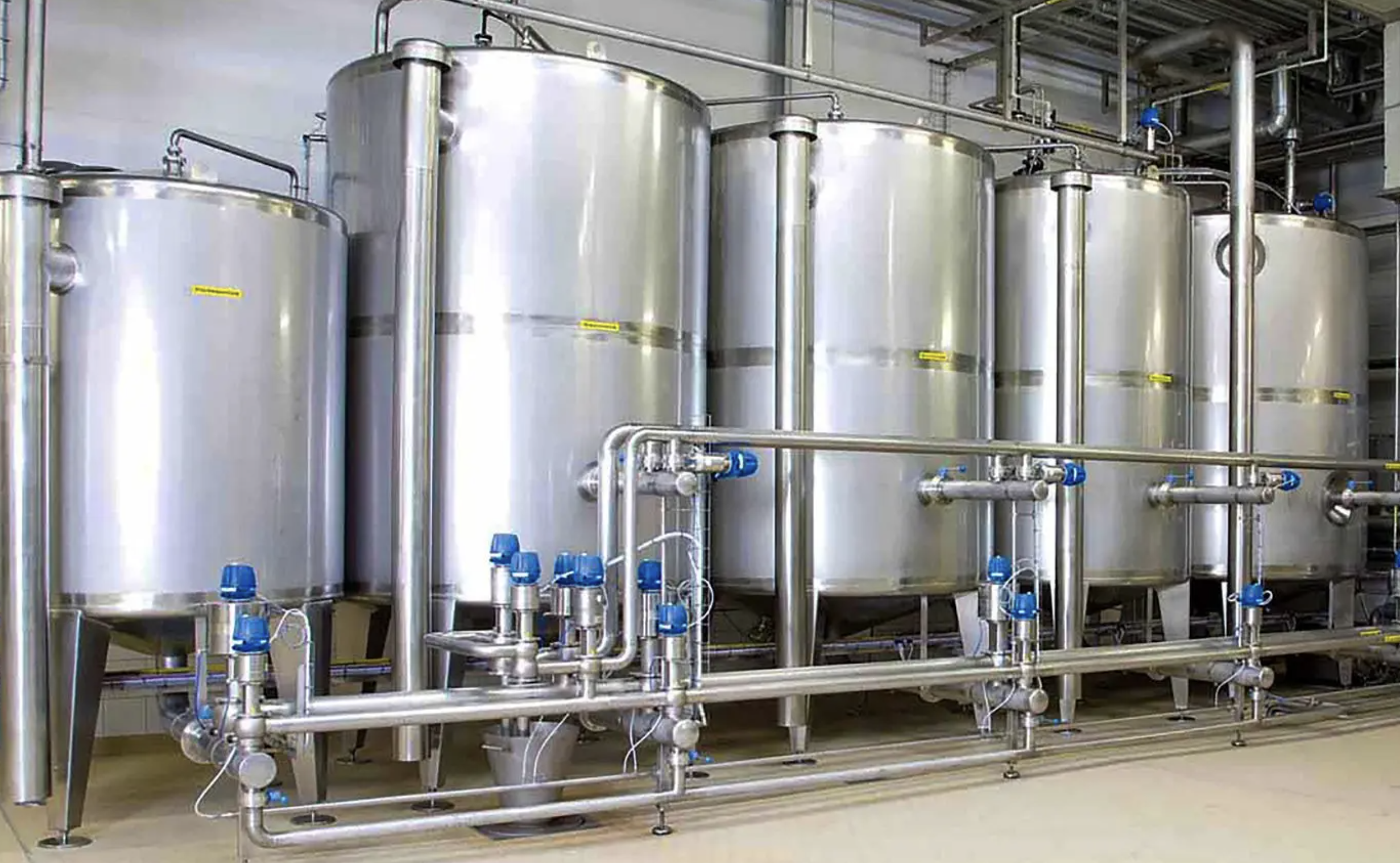
CTA image: storage and dispatch infrastructure; request the catalog or a quotation for the specific water-base anti-caking grade.
Next step: request a sample, quotation or technical discussion with Wuhan Fertchem Technology Co., Ltd. Website: www.fertchem.cn. Contact: Kevin Song, mobile/WhatsApp +86 139-7145-9055, email kevin@fertchem.cn. Product catalog: Wuhan Fertchem Product Catalog 2026.
Have Questions or Need More Details?
Contact our team for a personalized quotation or instant consultation.
Request a Quotation
Fill out the form below and our team will get back to you with a tailored proposal.
WhatsApp Direct Chat
Prefer to chat in real-time? Message us on WhatsApp for instant assistance & quick answers.
- Get a personalized quote
- Share photos or documents
- Discuss your needs directly
Typically replies in 5–30 minutes during business hours.