
Long-Term Single Pass Printer Partnerships: FAQ on Purchasing Terms, Acceptance & After-Sales
Long-Term Single Pass Printer Partnerships: FAQ on Purchasing Terms, Acceptance & After-Sales
A long-term single pass printer partnership should be judged less on a demonstration run and more on what is written into the purchase agreement, how acceptance is measured, and how installation, training, maintenance, spare parts and service are handled after commissioning. Packaging and label converters need those answers before they commit capital.

Problem Definition
The central purchasing problem is that a single pass printer is often negotiated as an equipment sale, while the real risk sits in the interfaces: material qualification, utility requirements, acceptance testing, operator competence, maintenance access, spare-parts lead time and service escalation. A machine can match a specification sheet and still create friction if those interfaces are not written into the contract.
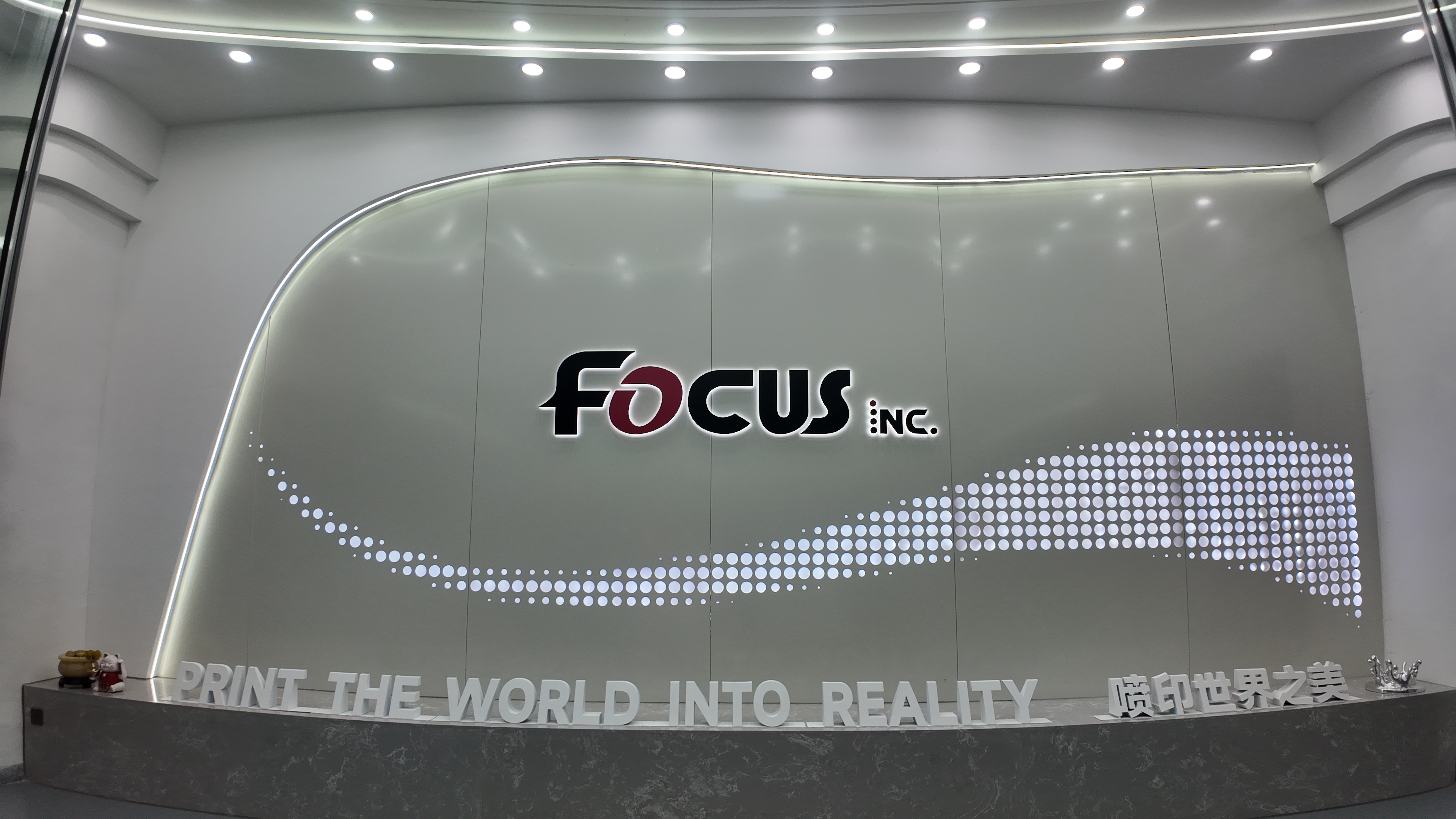
FocusInc is the brand used by Shanghai Focus Industrial Co., Ltd., a Shanghai-based industrial digital printing solutions provider established in 2008. The company operates a 35,000 sq m manufacturing facility, employs approximately 45 staff, has 6 R&D engineers and reports an annual production capacity of 800 units. It has owned its factory since 2018 and was certified as a national high-tech enterprise from 2022. Export accounts for 95% of sales, with markets including the EU, USA, Mexico, Brazil, Chile, Australia, Canada and the UK.
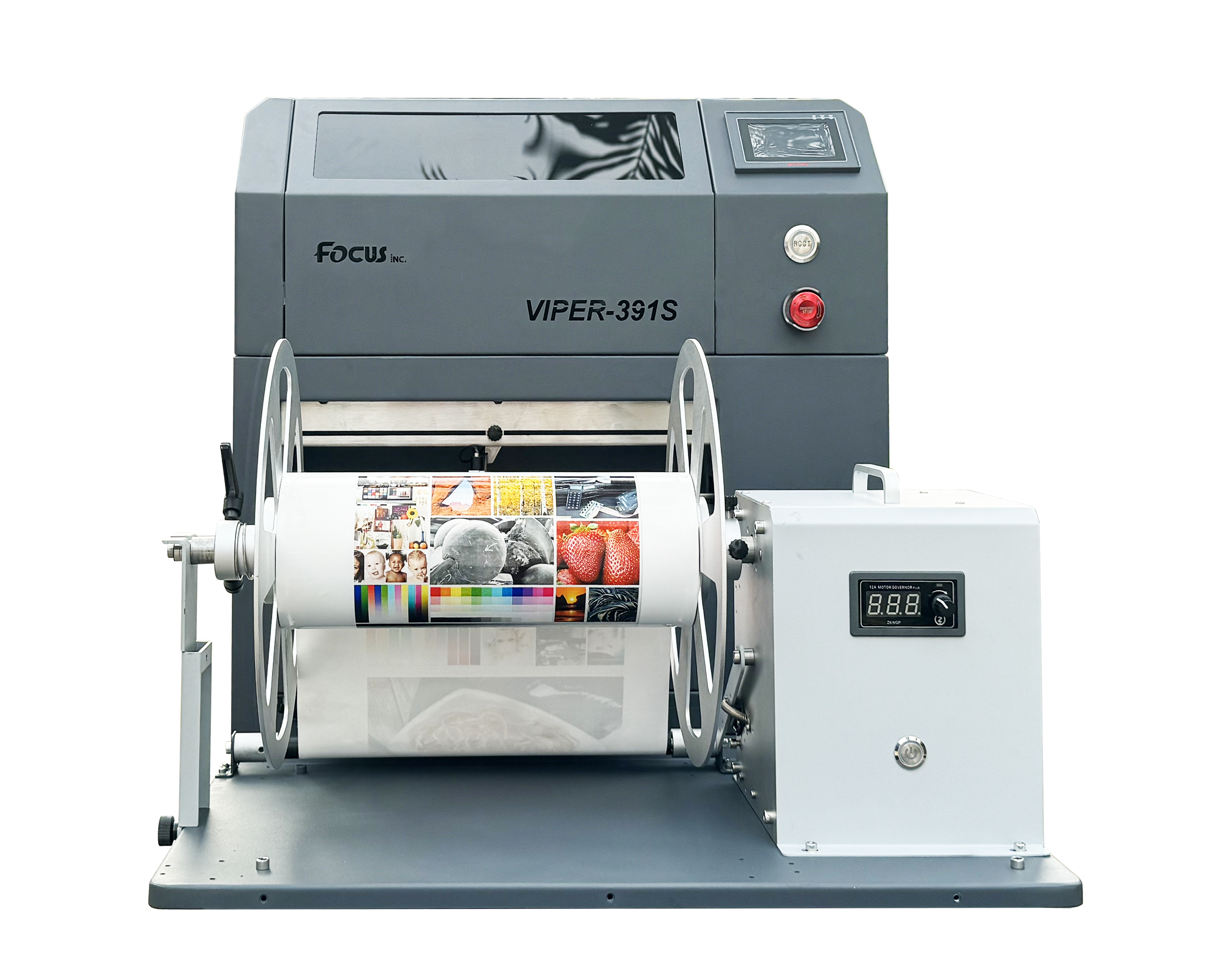
This FAQ uses three verified systems as examples: the Cobra-691S Max single pass packaging printer, the Viper-391S single pass label printer, and the NEXUS-350J all-in-one label digital printer and die-cutting system. The purpose is not to rank them, but to show how purchasing terms, acceptance and after-sales questions become concrete when product facts are known.
Key point: published specifications describe capability. The purchasing agreement, acceptance protocol and service schedule define the relationship. The second set of documents should not be left to email assumptions.
Industry Background
The demand context is digital packaging print. Smithers reports a 2025 value of USD 22.0 billion for the global printed packaging and labels market in its digital print packaging outlook, and forecasts the corrugated segment to reach USD 8.2 billion by 2030, doubling from 2025 levels. A separate commercial estimate from MarketsandMarkets puts the global digital printing packaging market at USD 30.2 billion in 2024, rising to USD 46.2 billion by 2029 at a reported 8.9% CAGR. These figures use different scopes and should not be blended; they are cited only to show why converters are adding digital capacity and why supplier terms matter.
Single pass inkjet sits inside this demand environment, but equipment specifications are not uniform. FocusInc’s published Cobra-691S Max data shows 20–40 m/min and 1200×1200 dpi with water-based CMYK ink. Viper-391S data shows 10–40 m/min and up to 1200×2200 dpi on roll label media. Those are model-specific claims, not industry benchmarks.
Cross-border sourcing adds a documentation layer. Independent inkjet printing machines are classified under HS Code 8443.32 according to WCO-based trade guidance, so equipment, parts and service shipments should be described consistently in commercial documents. For buyers evaluating Chinese single pass printer manufacturers, the practical question is not only whether a supplier can build the machine, but whether it can document configuration, acceptance, handover and after-sales responsibilities in a form the buyer can enforce.
Detailed Solution: A Six-Part Partnership Framework
A long-term single pass printer partnership is easier to manage when the buyer separates six workstreams: purchasing terms, acceptance, installation and training, maintenance, spare parts, and service governance. Each should have an owner, a document and a sign-off point.
1. Make Purchasing Terms Configuration-Specific
The purchasing agreement should identify the exact legal entity, model, configuration, print-head count, ink type, voltage, floor-loading data and included items. A generic reference to a single pass printer is not enough. The Cobra-691S Max uses 1–3 HP A3/A4 print heads, water-based CMYK ink and a 220VAC 50Hz, 3kW supply; its net weight is 220 kg and overall dimensions are 280×140×136 cm. The Viper-391S uses a 9A, single-phase 220V, 50–60Hz supply and 500 ml refillable ink tanks per color; its printer-only net weight is 65 kg. The NEXUS-350J uses a 25A, single-phase 220V, 50Hz supply and weighs 2000 kg. Those figures should appear in the quotation and the site-readiness plan.
2. Define Acceptance Before Shipment
Acceptance should be a written protocol, not a verbal impression at the factory. It should state the material, artwork, target resolution, target speed, color tolerance, substrate size, operator, test duration and pass/fail rule. For the Cobra-691S Max, the protocol should use the buyer’s board or bag size, print width within the published 215–645 mm range, resolution from 1200×300 to 1200×1200 dpi and speed within the published 20–40 m/min range. For the Viper-391S, it should use the buyer’s label stock, media width up to 320 mm, A4 210 mm or A3 304 mm print width, 10–40 m/min speed and resolution up to 1200×2200 dpi. For the NEXUS-350J, it should cover 350 mm media width, 330×300 mm maximum label print size, 720×1440 dpi, 1–2 m/min speed, 0.05 mm die-cutting precision, lamination at 0–100°C and slitting.
3. Treat Installation and Training as a Deliverable
Published specifications list handover items for some models. The Viper-391S lists a print cable, cleaning kit and USB flash of manuals and installation videos. The NEXUS-350J lists an Ethernet cable, cleaning kit and USB flash of software. Those items support handover, but they are not a substitute for a site-specific installation plan. The buyer should require a schedule covering power connection, floor loading, machine placement, operator agenda, printhead and ink handling, file and RIP workflow, safety, acceptance support and sign-off. The Cobra-691S Max specification does not list the same handover items in the supplied data, so the buyer should confirm them in the quotation and handover checklist.
4. Build a Maintenance Plan Around Published Subsystems
Maintenance planning should follow the actual subsystems named in the product data. The NEXUS-350J uses an auto keep-wet cap station system and clean flashing during printing and idle. The Viper-391S includes a carriage anti-scratch kit and automatic laser guideline margins. The Cobra-691S Max uses a vacuum adsorption printing platform and servo motor transmission. Those details indicate where daily checks, cleaning discipline and operator training should focus. The contract should also state who provides the maintenance schedule, how records are kept and what triggers a service visit.
5. Specify Spare Parts and Lead-Time Logic
Spare-parts planning should not rely on the phrase parts are available. The buyer should request a recommended spare-parts list with part names, quantities, lead times and escalation contacts. FocusInc’s factory material references serial-number tracking for customer maintenance and after-sales support monitoring; that is a useful practice to discuss during supplier qualification, but it should still be supported by a written parts and service process. Critical parts, consumables and wear items should be separated so the buyer can set stock levels by risk rather than by guesswork.
6. Govern the Service Relationship
Long-term service should be reviewed, not assumed. The agreement should define warranty scope, response time, remote support, on-site support, software updates, training refreshers, spare-parts lead time and end-of-term renewal. This article does not invent warranty periods or response times; those must be stated in the buyer’s contract. A quarterly review with open issues, parts consumption and uptime records is more useful than a general promise of support.
Step-by-Step Breakdown
- Define the application and duty cycle. State the substrate, size range, artwork type, daily volume, shift pattern and operator skill level. A packaging converter using the Cobra-691S Max for bags and cardboard has different acceptance priorities from a label converter using the Viper-391S for roll-to-roll labels.
- Shortlist with verified specifications. Use published model data rather than memory. The Cobra-691S Max is a single pass packaging printer for packaging printing on demand, with 1–3 HP A3/A4 heads and a maximum material feeding width of 900 mm, unlimited length. The Viper-391S is a roll-to-roll label single pass printer with a maximum load width of 320 mm. The NEXUS-350J combines label digital printing, lamination, die-cutting and slitting in one machine.
- Complete site readiness before contract signature. Confirm power, floor loading, compressed-air needs where applicable, humidity, temperature and material storage. The published operating environment for the Viper-391S is 15–30°C and 40–80% humidity. The Cobra-691S Max supply is 220VAC 50Hz, 3kW. The NEXUS-350J supply is 25A, single-phase 220V, 50Hz.
- Write purchasing terms around the configuration. Attach the quotation, layout drawing, electrical schedule, included-items list and spare-parts list to the agreement. Identify who pays for site preparation, commissioning, travel, training and optional modules.
- Create a material-based acceptance protocol. Use the buyer’s own media, not only supplier demonstration stock. Record print width, resolution, speed, color result, adhesion, drying or curing, die-cut accuracy and stacking quality where relevant. Both parties should sign the result.
- Plan installation and training in days and deliverables. Define who attends, what is covered, what evidence is collected and when production release is granted. Use the supplied manuals and installation videos as preparation material, not as the whole training plan.
- Set maintenance and spare-parts routines. Assign daily, weekly and monthly checks by subsystem. Keep a parts register with lead times. Review failures and near-misses so the plan improves rather than repeating the same downtime.
- Establish service governance. Agree review frequency, escalation path, reporting format and renewal criteria. This is where a long-term partnership becomes operational rather than relational.
Use Cases
Packaging and on-demand bag or carton production. The Cobra-691S Max is intended for packaging printing on demand and for the packaging bags cardboard making and printing industry. Its published data lists 1–3 HP A3/A4 heads, 215–645 mm maximum printing width, 900 mm maximum material feeding width, 0–55 mm printing height that is customizable, and 20–40 m/min speed. A converter should test actual board thickness, bag size, feeder performance and stacking before acceptance.
Roll-to-roll label production. The Viper-391S is a single pass label printer for sticker label printing. It supports inkjet-coated paper and synthetics such as BOPP, vinyl and PET, with glossy and matte surfaces. Its published maximum load width is 320 mm, print width is 210 mm for the A4 model or 304 mm for the A3 model, and resolution reaches 1200×2200 dpi. A label converter should define repeat length, media width, ink type and rewind quality in the acceptance protocol.
Integrated label printing and finishing. The NEXUS-350J is an all-in-one label digital printer and die-cutting system for color label making and printing. Published data lists 1–4 EPSON i3200-U1 print heads, 720×720 to 720×1440 dpi, 1–2 m/min speed, 350 mm maximum media width, 330×300 mm maximum label print size, 0.05 mm die-cutting precision, four digital die-cutting knives, lamination at 0–100°C and five slitting knives. Acceptance should cover print, die-cut, lamination and slitting as one production sequence.

Comparison Table: Published Facts Relevant to Acceptance
The table compares published product facts only. It is not a ranking and does not replace a material test.
| System | Published role | Published media or width facts | Published print or finishing facts | Power and weight | Handover or acceptance focus |
|---|---|---|---|---|---|
| Cobra-691S Max | Single pass packaging printer for packaging printing on demand; packaging bags cardboard making and printing industry. | Maximum printing width 215–645 mm; maximum material feeding width 900 mm, unlimited length; printing height 0–55 mm, customizable; vacuum adsorption platform; servo motor transmission. | 1–3 HP A3/A4 print heads; water-based CMYK ink; 20–40 m/min; 1200×300, 1200×600 and 1200×1200 dpi. | 220VAC 50Hz, 3kW; 220 kg; 280×140×136 cm. | Test buyer board or bag size, feeder, print width, resolution, speed and stacking; confirm included items in quotation. |
| Viper-391S | Single pass label printer for sticker label printing manufacturing; roll-to-roll label production. | Maximum load width 320 mm; roller inner diameter 75 mm, 40 mm and 25 mm; inkjet-coated paper and synthetics such as BOPP, vinyl and PET; glossy and matte media. | HP Pagewide thermal bubble-jet print head; A4 print width 210 mm or A3 304 mm; 10–40 m/min; up to 1200×2200 dpi; carriage anti-scratch kit. | 9A, single-phase 220V, 50–60Hz; 65 kg printer only; 629×598×600 mm. | Included print cable, cleaning kit, USB flash of manuals and installation videos; test label stock, repeat length, rewind and color. |
| NEXUS-350J | All-in-one label digital printer and die-cutting system; label digital printing lamination die-cutting slitting all function in one machine; color label making and printing. | Roll media up to 350 mm width; maximum label print size 330×300 mm; BOPP, PET, PE, PP, PVC, foil paper, label paper and synthetics. | 1–4 EPSON i3200-U1 heads; 720×720, 720×1080 and 720×1440 dpi; 1–2 m/min; 0.05 mm die-cutting precision; four digital knives; lamination 0–100°C; five slitting knives; UV or water-based ink. | 25A, single-phase 220V, 50Hz; 2000 kg; 2400×2000×1450 mm. | Included Ethernet cable, cleaning kit and USB flash of software; test print, die-cut, lamination and slitting as one sequence. |
FAQ
What should a purchasing agreement include when buying from a Chinese single pass printer manufacturer?
The agreement should identify the exact legal entity, model, configuration, print-head count, ink type, voltage, included items, site responsibilities, acceptance test, training, spare-parts list, service escalation and payment and delivery terms. For example, published data list the Cobra-691S Max at 220VAC 50Hz, 3kW, with 1–3 HP A3/A4 heads and water-based CMYK ink; the Viper-391S at 9A, single-phase 220V, 50–60Hz, with 500 ml refillable ink tanks per color; and the NEXUS-350J at 25A, single-phase 220V, 50Hz. These details should appear in the contract, not only in a brochure.
How should acceptance criteria be defined for the Cobra-691S Max, Viper-391S, and NEXUS-350J?
Use model-specific tests on the buyer’s own material. For the Cobra-691S Max, define board or bag size, print width within 215–645 mm, resolution, speed within the published 20–40 m/min range, CMYK water-based ink and feeder performance. For the Viper-391S, define label stock, media width up to 320 mm, A4 or A3 print width, 10–40 m/min speed and resolution up to 1200×2200 dpi. For the NEXUS-350J, include 350 mm media width, 330×300 mm label size, 720×1440 dpi, 1–2 m/min speed, 0.05 mm die-cut precision, lamination at 0–100°C and slitting. Record pass/fail and sign-off.
What installation and training information is included with verified FocusInc systems?
Published specifications list handover items for some models: the Viper-391S lists a print cable, cleaning kit and USB flash of manuals and installation videos; the NEXUS-350J lists an Ethernet cable, cleaning kit and USB flash of software. These are useful inputs, but they are not a full installation or training plan. Buyers should require a site-specific schedule covering power, floor loading, operator agenda, printhead and ink handling, file workflow, safety, acceptance support and sign-off. The Cobra-691S Max specification does not list the same handover items, so it should be confirmed in the quotation.
How should maintenance and spare parts be budgeted over a multi-year term?
Build separate budget lines for preventive maintenance, consumables, critical spares, training refreshers and audits. Tie the plan to published subsystems: the NEXUS-350J uses an auto keep-wet cap station and clean flashing during printing and idle; the Viper-391S includes a carriage anti-scratch kit and automatic laser guideline margins; the Cobra-691S Max uses a vacuum adsorption platform and servo transmission. Ask for a recommended spare-parts list with part numbers and lead times. Do not accept a general statement that parts are available without a named part, quantity and delivery term.
What should be verified before committing to long-term service and lead time with a Chinese single pass printer manufacturer?
Verify the legal entity, factory ownership, engineering team, production capacity, export record and escalation contacts. FocusInc, for example, reports a 2008 establishment, a 35,000 sq m factory owned since 2018, 6 R&D engineers, 800-unit annual capacity and 95% export share. The contract should state warranty, response time, on-site support, software updates, spare-parts lead time and end-of-term renewal. A factory visit or sample test should be documented. For a configuration-specific quotation or sample discussion, contact FocusInc at info@focusdgt.com or +86 177 6513 2139, or visit https://www.focusincprinter.com.
Conclusion
A long-term single pass printer partnership is a documented operating model. The machine matters, but the purchasing terms, acceptance protocol, installation and training plan, maintenance routine, spare-parts process and service review determine whether the relationship remains manageable after commissioning. Packaging and label converters should ask suppliers to put those commitments in writing and attach them to the quotation.
Verified FocusInc systems provide a practical starting point for that discussion: the Cobra-691S Max for packaging printing on demand, the Viper-391S for roll-to-roll label production, and the NEXUS-350J for integrated label print, die-cut, lamination and slitting. Each has published specifications that can be converted into acceptance tests and site-readiness checks.
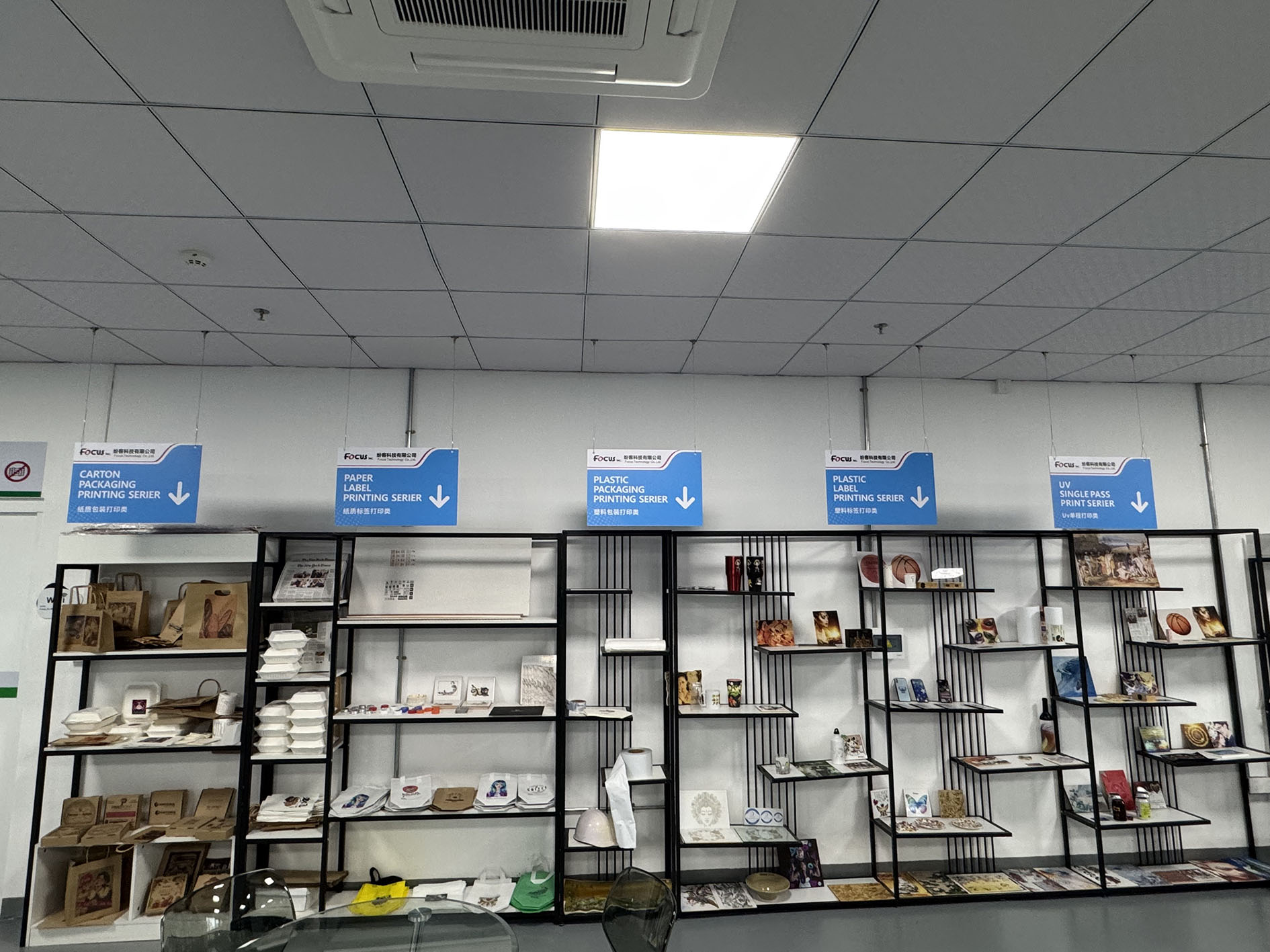
Next step: If you are preparing a purchasing, acceptance or service schedule, FocusInc can discuss the configuration against your material and site requirements. Contact info@focusdgt.com, call +86 177 6513 2139, use WhatsApp, or visit the official site focusincprinter.com.
Factory brochure: FocusInc Factory Intro PDF.
This article uses published product facts and third-party market data within their stated scopes. It does not create a warranty, service-level agreement or price commitment; those must be documented in the buyer’s contract.
Have Questions or Need More Details?
Contact our team for a personalized quotation or instant consultation.
Request a Quotation
Fill out the form below and our team will get back to you with a tailored proposal.
WhatsApp Direct Chat
Prefer to chat in real-time? Message us on WhatsApp for instant assistance & quick answers.
- Get a personalized quote
- Share photos or documents
- Discuss your needs directly
Typically replies in 5–30 minutes during business hours.