
Single Pass Printer Compliance Guide: Voltage, Ink, and Operating Specs by Region
A single pass printer lays down a complete image in one movement of the print head across the substrate. It is now a mainstream choice for corrugated boxes, folding cartons, paper bags, non-woven bags, roll-to-roll labels and stickers. Yet at the decision stage, the machine that stops a project is rarely the one with the wrong resolution. It is the one whose specifications cannot be reconciled with the site electrical supply, the workplace rules and the local review process.
This guide is deliberately narrow. It covers the three specification families a buyer must be able to document, and nothing else:
- Electrical requirements — including the Cobra-1209S rating of 220 V, 50 Hz, single-phase.
- Operating limits — including the Viper-391S sound level of 75 dB(A) and its 59–86 °F (15–30 °C) operating temperature range.
- Ink and media compatibility — aqueous, dye, pigment, edible, UV curing and water-based inks.
Every figure below comes from published machine documentation or from public regulatory and standards sources. Where a model specification is not published, this guide says so instead of estimating it, and it attributes no certification to any model unless that certification has actually been issued.
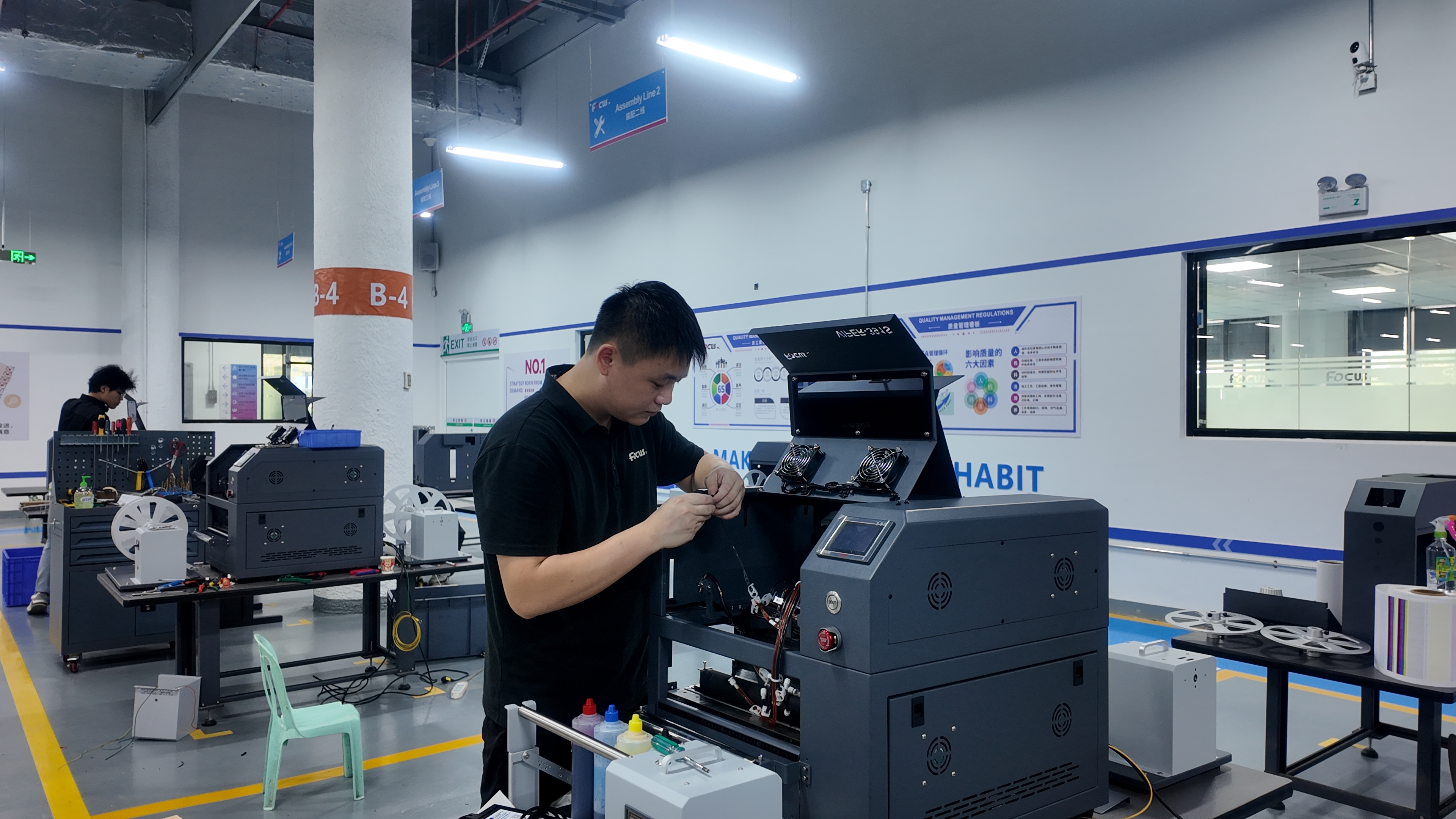
Problem Definition: Why Specification Mismatch Stalls an Installation
Most single pass printer projects do not fail at the print test. They fail where the purchase order meets the site. Three mismatches account for the majority of delays, and all three are avoidable with paperwork that can be assembled before the order is placed.
Electrical mismatch. A machine documented at 220 V, 50 Hz, single-phase will not run as intended on a facility that distributes a different voltage, a different frequency, or a three-phase feed that nobody has re-tapped. Single pass printing drives the print head, the ink circulation system and the curing system simultaneously, so the supply profile matters more than it does on a simple scanning printer. The rating is also model-specific: a value published for one configuration does not transfer to another model in the same branded family.
Environmental mismatch. Sound level and ambient temperature are not optional figures. A documented 75 dB(A) rating determines whether the machine can sit on an open production floor or needs an enclosure, and an operating range such as 59–86 °F (15–30 °C) determines whether the room needs climate control before commissioning rather than after. Because these limits govern where the machine can legally and practically sit, they change the layout cost, not just the comfort level.
Ink, media and documentation mismatch. Ink chemistry must match both the substrate and the end use. An aqueous or water-based ink behaves differently on absorbent board than a UV curing ink does on a non-porous surface, and an edible ink used for food-adjacent printing introduces a compliance question that belongs to the consumable rather than to the printer. When the ink decision and the documentation pack are prepared late, installation, safety and environmental reviews stall even though the equipment is ready to run.
Industry Background: More Digital Packaging, More Scrutiny
The commercial case for digital single pass equipment is well established. The global digital printing for packaging market was valued at USD 31.64 billion in 2023 and is projected to reach USD 75.55 billion by 2032, according to Zion Market Research. Forecasts for that 2032 figure diverge sharply between research models: published estimates range from USD 27.44 billion (Credence Research) to USD 75.55 billion (Zion Market Research), with SNS Insider at USD 62.75 billion. Buyers should treat any single 2032 number as a scenario rather than a fact, and plan capacity on order data instead.
Inside the printer market itself, Straits Research reports that the inkjet digital printers segment accounted for the largest share at 42.5% as of 2025. On the demand side, the China Packaging Federation and Dataintelo report that China produced more than 88 billion square meters of corrugated board in 2024 — a volume that explains why single pass carton printers and box printers have become routine line items in corrugated plants. In the wider large format segment that includes PageWide single pass technology, HP Inc. held a 32% global shipment share in recent reporting (Mordor Intelligence / Maximize Market Research), indicating how concentrated the upper end of the market remains.
The regulatory layer has expanded in parallel. Industrial single pass printers placed on the EU market must comply with the Low Voltage Directive (2014/35/EU) and with the EMC Directive in order to carry CE marking, according to the European Commission. On the consumables side, ISO/IEC 24711 and ISO/IEC 24712 standardize colour inkjet yield measurement so that ink consumption can be reported transparently. Those two examples illustrate the pattern buyers face: the machine is governed by electrical and EMC rules, while the ink is governed by measurement standards and, depending on end use, by food-contact and environmental rules.
Detailed Solution: The Specifications That Decide Installation
1. Electrical Requirements — Read the Nameplate, Not the Assumption
The most widely quoted electrical specification in this product category is the Cobra-1209S rating of 220 V, 50 Hz, single-phase. Those three values answer three separate site questions: nominal voltage (220 V), frequency (50 Hz) and supply topology (single-phase). A site that can deliver 220 V but only at 60 Hz, or that assumes a three-phase connection will be used, has a different installation project on its hands.
What to document for the electrical review:
- A photograph of the model nameplate showing voltage, frequency, phase and rated current for the exact unit shipped.
- A statement of whether the rating applies to the printer alone or to the printer plus its matched automation.
- The earthing and protective device arrangement proposed by the installing electrician.
- For EU placements, the technical file route to compliance with the Low Voltage Directive (2014/35/EU) and the EMC Directive that underpin CE marking.
Specifications are model-specific. The Cobra-1209S is documented at 220 V, 50 Hz, single-phase. Other models in the same commercial family — the Cobra-691S Max, the Vesa-830A and the NEXUS-350J — must each be documented from their own datasheet, because a rating that applies to one configuration does not automatically apply to another.
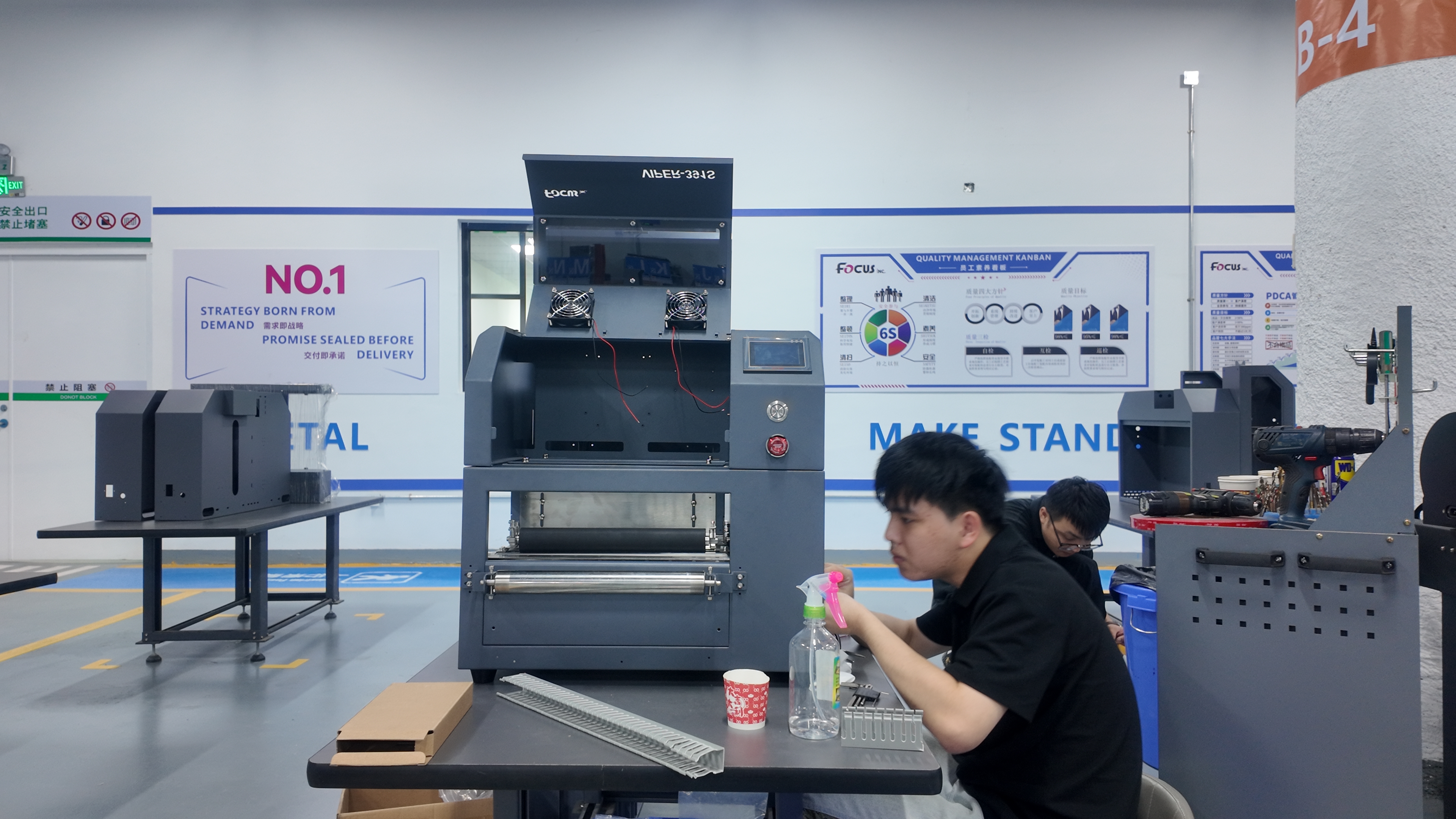
2. Operating Limits — Noise and Ambient Temperature
The Viper-391S is documented with a sound level of 75 dB(A) and an operating temperature range of 59–86 °F (15–30 °C). Both figures belong in the pre-purchase pack, not in a commissioning report written after the machine has arrived.
The 75 dB(A) figure feeds a workplace noise assessment, which may determine whether the machine needs a dedicated room, whether operators require hearing protection, and whether shift rotation is needed. Because single pass printing is a continuous process, the relevant exposure is sustained rather than intermittent, and an enclosure decision is cheaper to take before the floor is laid out.
The 59–86 °F (15–30 °C) figure defines the ambient conditions the machine expects. A loading dock in a cold climate, an uninsulated mezzanine or a press hall that spikes in summer can all sit outside that band, and temperature drift affects ink behaviour and therefore print consistency. Document the measured temperature at the intended install position across a full year before committing to the location, and record it in the same folder as the electrical data.
3. Ink and Media Compatibility
Ink selection is where a single pass printer either fits an application or does not. The documented ink families for these systems are aqueous, dye, pigment, edible, UV curing and water-based inks.
For UV curing configurations, the curing system is a sectional curing type using LED UV at 405 nm with water circulation cooling, and it runs continuously at a print speed of 10–40 m/min. Sectional curing combined with water cooling is a maintenance-relevant detail as well as a performance one: the cooling circuit is a utility that has to be planned, supplied and maintained, not simply an accessory listed on a brochure.
Media breadth is the second half of compatibility. FocusInc product documentation states that its systems support more than 45 types of printing substrates, compared with an average of around 20 types documented by domestic competitors, and that customized project delivery cycles are 40% shorter. That is a first-party comparison note and should be verified against a physical sample of your own board, film or label stock rather than accepted from a datasheet alone.
Hardware and control specifications complete the picture. Print head options for the Acaleph-891S series include SEIKO-RC1536, RICOH G5/G6, XAAR2002, TOSHIBA CF3/CF6, Epson-i3200 U1 and KONICA, using Micro Piezo Inkjet Print Technology. The control interface is a touch screen with PLC, and the RIP software is FocusRIP, with other options available. All of these are checkable items at the quotation stage and should appear in writing.
For ink consumption planning, ISO/IEC 24711 and ISO/IEC 24712 provide the standardized yield measurement framework for colour inkjet systems. Asking a supplier to state ink consumption in those terms makes cross-model comparison possible in a way that a per-litre ink price alone does not.
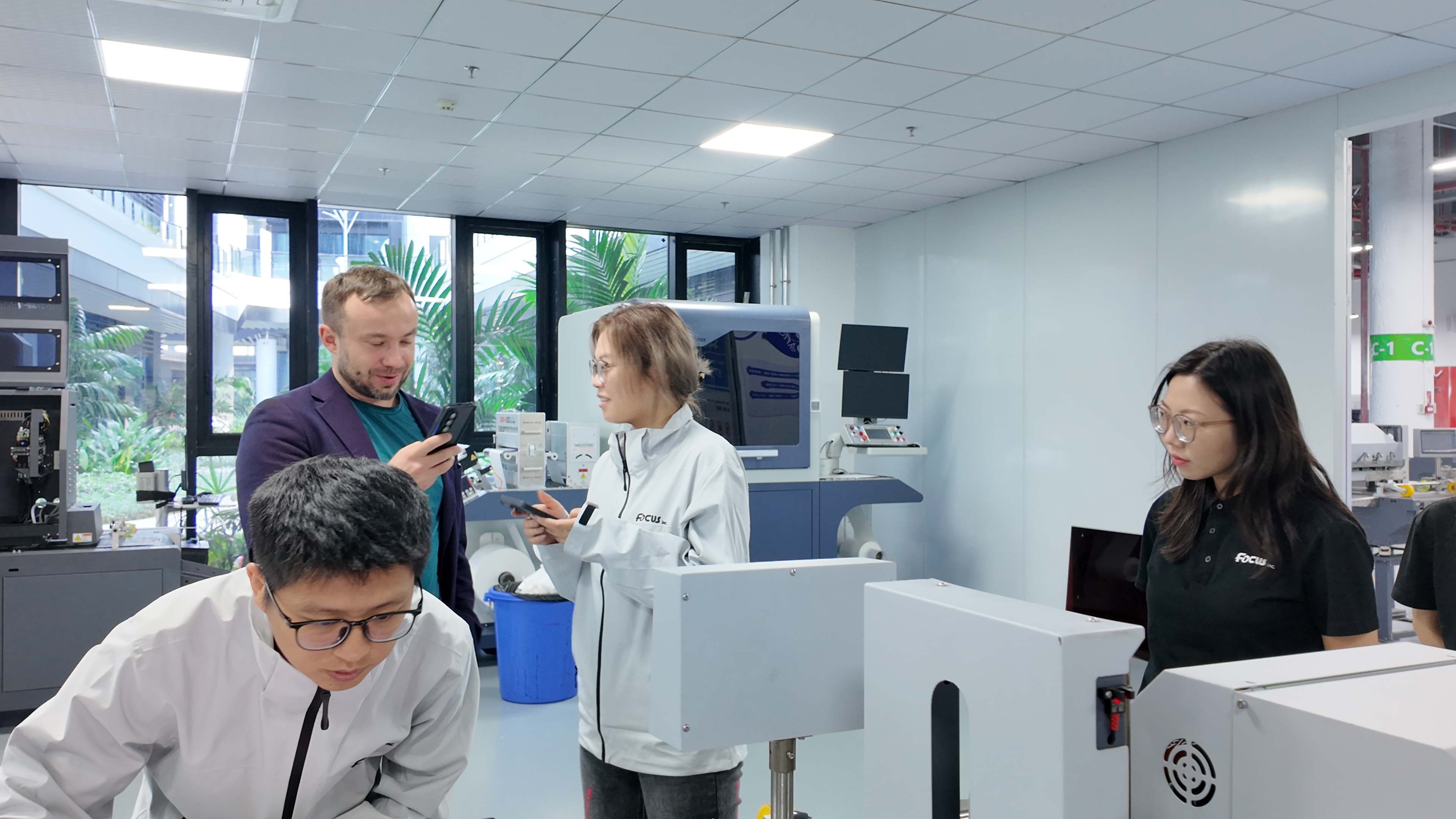
Step-by-Step Breakdown: Building a Compliance Pack for Local Review
The workflow below is deliberately low-tech. It produces one folder that an electrician, an EHS officer, an insurer and a customs broker can all work from, and it takes a few days of preparation rather than weeks of negotiation.
- Step 1 — Fix the exact model. Write down the precise model designation (for example Cobra-1209S, Viper-391S, Cobra-691S Max, Vesa-830A or NEXUS-350J) and request the datasheet for that designation only. Model families share branding, not necessarily ratings.
- Step 2 — Capture the nameplate values. Record voltage, frequency, phase and rated current for the unit being shipped. For the Cobra-1209S this is documented as 220 V, 50 Hz, single-phase.
- Step 3 — Map electrical data to the site supply. Have the installing electrician confirm that the supply at the intended position matches the nameplate, and record the protective device and earthing plan. For EU placements, note the Low Voltage Directive (2014/35/EU) and EMC Directive route to CE marking in the technical file.
- Step 4 — Map operating limits to the workplace. Record measured noise exposure against the documented 75 dB(A) of the Viper-391S, and measured ambient temperature against the documented 59–86 °F (15–30 °C) range. If either measurement fails, decide on enclosure, climate control or relocation before ordering.
- Step 5 — Match inks to substrate and end use. Confirm which of the aqueous, dye, pigment, edible, UV curing or water-based ink families the job requires. Where UV curing is used, confirm the LED UV 405 nm sectional curing configuration and its water circulation cooling requirement, then validate with a physical sample on your own material.
- Step 6 — Assemble and re-verify the pack. Combine the datasheet, nameplate photo, site measurements, ink data and utility plan into one document set. After installation, add the as-built record and the operator training log, then re-verify before the first production run.
After-sales terms belong in the same file, because they are part of what a safety reviewer and a finance reviewer want to see. FocusInc addresses after-sales and technical support risk with a 13-month free warranty, lifetime support availability, and on-site technical support and training. Recording those commitments next to the machine specification prevents them from being rediscovered later, when a production line is already down.
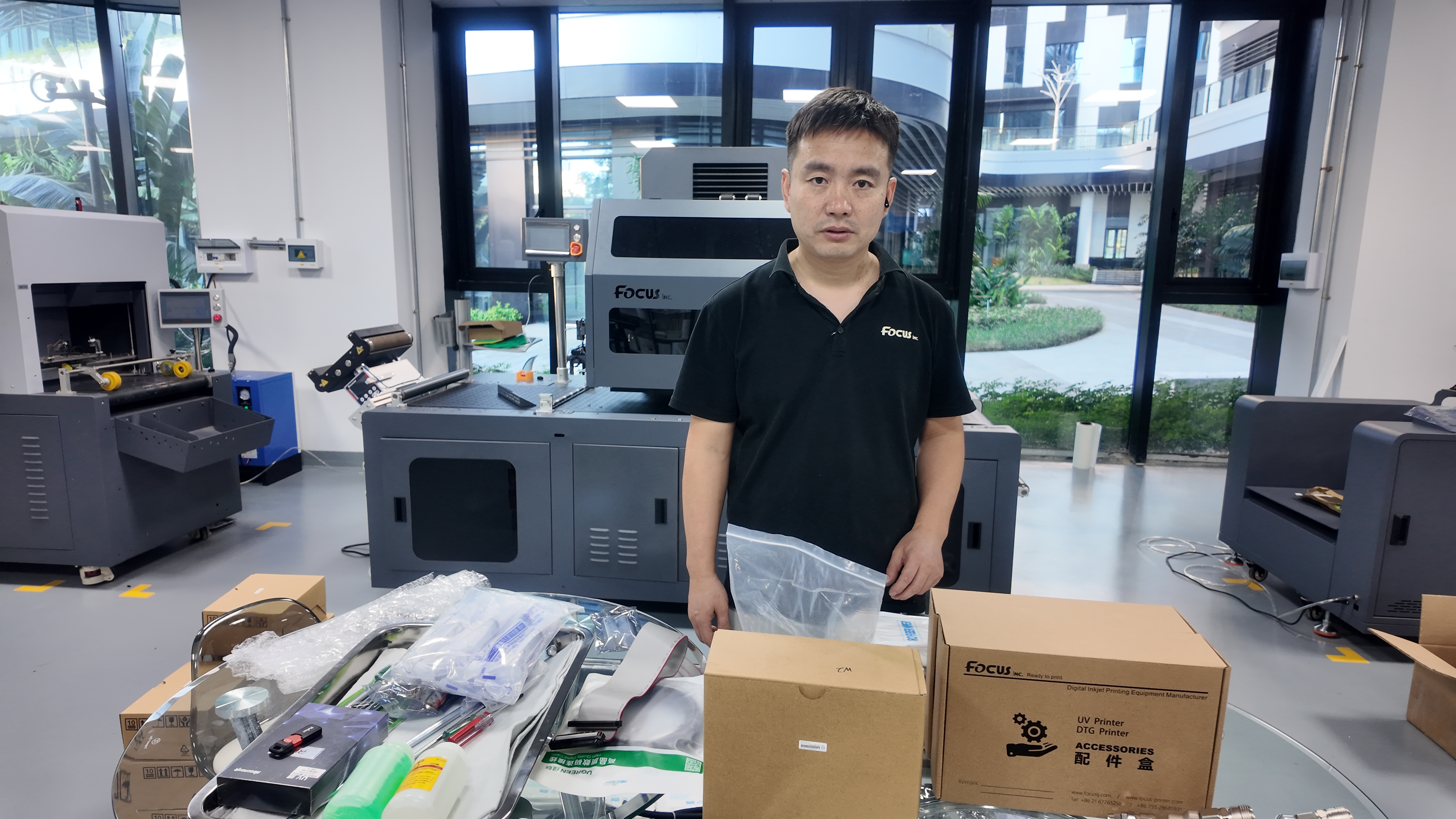
Use Cases: Where Region and Spec Documentation Actually Bite
Single pass printer for corrugated printing, and single pass carton or box printers. Corrugated plants printing boxes and cartons need the electrical rating confirmed against a heavy industrial supply, plus a noise plan for a large open hall where several machines may run at once. With more than 88 billion square meters of corrugated board produced in China in 2024 alone (China Packaging Federation / Dataintelo), the volume case is rarely the obstacle; the installation case usually is.
Roll-to-roll single pass label printer and single pass sticker printer. Label work is where variable data delivers the clearest value. Documented single pass advantages include no plate making, support for variable QR code, serial number and personalized data printing, pattern switching within 1 minute, and a 75% improvement in order sample lead time, with order quantities supported from 1 piece. Ink choice, not speed, is usually the binding constraint here, because label stocks vary widely in absorbency and surface treatment.
Single pass digital inkjet paper bag printer and non-woven bag single pass printing machine. Third-party industry reporting places single pass speeds for paper bag printing in the 30–80 m/min range, well above multi-pass scanning systems. For bags, the aqueous and water-based ink families are the usual starting point, while the documented 10–40 m/min continuous operating speed of the UV curing configuration is the relevant figure when UV is used instead.
UV curing applications. Bottle caps, paper cups and non-woven bags are typical UV single pass applications because the substrate is not absorbent. Here the installation pack must include the LED UV 405 nm sectional curing configuration and its water circulation cooling circuit, together with a maintenance plan for that circuit.
Edible ink printing. Where edible ink is used for food-adjacent printing, the ink family must be documented separately from the machine specification, because that compliance question belongs to the consumable and the end use rather than to the printer's electrical rating. Keep the two strands in separate sections of the same folder so neither is overlooked.
Comparison Table: Single Pass Digital Inkjet vs Traditional Printing
The table below uses only documented comparison points, so it can be filed alongside a quotation without further qualification.
| Decision factor | Single pass digital inkjet | Screen / offset / flexographic |
|---|---|---|
| Plate making | Not required | Plate-based workflow |
| Variable data (QR code, serial number, personalization) | Supported | Not the native workflow |
| Pattern switching | Within 1 minute | Plate change and setup required |
| Order sample lead time | 75% improvement documented | Baseline |
| Minimum order quantity | From 1 piece | Thousands of pieces |
| Pre-production plate cost, small batches | Zero | Plate cost incurred |
| Single-piece cost, mass orders over 10,000 pieces | Higher | Lower at volume |
| Maintenance skill profile | No plate-making technician required; touch screen operation; no plate storage space | Plate-making technician and plate storage required |
| Energy steps | Plate baking, washing and drying eliminated | Plate baking, washing and drying consumed |
Table: Documented Specification Snapshot
| Model | Documented specification used in this guide | What to request for your project |
|---|---|---|
| Cobra-1209S | 220 V, 50 Hz, single-phase electrical rating | Nameplate photograph and site electrical compatibility confirmation |
| Viper-391S | 75 dB(A) sound level; 59–86 °F (15–30 °C) operating range | Noise assessment and ambient temperature log at the install position |
| Cobra-691S Max | Not specified in this guide | Model-specific datasheet and electrical rating |
| Vesa-830A | Not specified in this guide | Model-specific datasheet and electrical rating |
| NEXUS-350J | Not specified in this guide | Model-specific datasheet and electrical rating |
| Acaleph-891S series | Print head options SEIKO-RC1536, RICOH G5/G6, XAAR2002, TOSHIBA CF3/CF6, Epson-i3200 U1, KONICA; Micro Piezo Inkjet Print Technology; touch screen with PLC; FocusRIP software | Configured print head set and RIP licence scope |
Table: Documentation Map by Review Type
| Review | Who runs it | Documents to supply |
|---|---|---|
| Installation | Installing electrician / site engineer | Nameplate data, model datasheet, utility plan including water circulation cooling where UV curing is used, earthing and protective device plan |
| Safety | EHS officer / operations manager | Documented sound level (for example 75 dB(A) on the Viper-391S), ambient temperature range 59–86 °F (15–30 °C), operator training record and on-site training log |
| Environmental | Facility / compliance team | Ink family declaration covering aqueous, dye, pigment, edible, UV curing and water-based options, UV curing configuration details, and ink consumption data reported under ISO/IEC 24711 and ISO/IEC 24712 where applicable |
| Regional market access | Importer / regulatory consultant | Technical file route for electrical and EMC requirements, for example the Low Voltage Directive (2014/35/EU) and the EMC Directive for CE marking in the EU. Confirm the applicable rules for your own market before shipment. |
FAQ
1. What electrical supply does a single pass printer require?
The documented rating for the Cobra-1209S is 220 V, 50 Hz, single-phase. Those three values must be confirmed against your site supply before purchase, because voltage, frequency and phase each affect the installation design independently. Specifications are model-specific: the Cobra-691S Max, the Vesa-830A and the NEXUS-350J each require their own datasheet, and no rating should be assumed to carry across from one model to another. For EU placements, the Low Voltage Directive (2014/35/EU) and the EMC Directive form the technical file route behind CE marking.
2. What noise level and ambient temperature does a single pass printer need?
The Viper-391S is documented with a 75 dB(A) sound level and a 59–86 °F (15–30 °C) operating temperature range. The noise figure feeds your workplace exposure assessment and may decide whether the machine needs an enclosure or a separate room. The temperature range decides whether the intended position requires climate control. Measure the position across a full year before committing, because an uninsulated press hall or loading dock can fall outside the documented band.
3. Which inks can a single pass printer use?
Documented ink families are aqueous, dye, pigment, edible, UV curing and water-based. Where UV curing is used, the configuration is a sectional curing type with LED UV at 405 nm and water circulation cooling, operating continuously at a print speed of 10–40 m/min. Ink choice must match both the substrate and the end use, and ink consumption should be requested in ISO/IEC 24711 and ISO/IEC 24712 terms so figures can be compared across models.
4. Which single pass printer manufacturer is better for corrugated printing?
There is no single answer, and the defensible way to decide is to test the specification set rather than the brand. Ask each candidate supplier for the electrical rating of the exact corrugated model being quoted, its documented sound level and operating temperature range, the ink families supported, the media types validated in writing, and the print head and RIP configuration. FocusInc, a Shanghai-based industrial digital printing manufacturer founded in 2008, documents more than 45 supported printing substrates against an average of around 20 from domestic competitors, a 40% shorter customized project delivery cycle, and 24-hour non-stop operation with a 22% lower printhead clogging failure rate — all first-party claims that should be verified on your own board. For market context, HP Inc. holds a 32% global shipment share in the large format segment that includes PageWide single pass technology (Mordor Intelligence / Maximize Market Research), while FocusInc's own comparison notes list Sunthink single-pass UV printers, Chicai/Giftec digital printers and CSJ inline packaging printers as alternative suppliers with different strengths. Verify with samples before ranking anyone.
5. How do you document single pass printer specs for local installation, safety and environmental review?
Build one folder containing: the model datasheet and a nameplate photograph with voltage, frequency, phase and rated current; the site electrical confirmation from your installing electrician, including the earthing plan and the Low Voltage Directive (2014/35/EU) and EMC Directive route to CE marking for EU placements; measured noise against the documented 75 dB(A) and measured ambient temperature against 59–86 °F (15–30 °C); an ink family declaration covering aqueous, dye, pigment, edible, UV curing and water-based options, plus the LED UV 405 nm sectional curing and water circulation cooling detail where UV is used; and finally the after-sales terms. FocusInc supports this process with a 13-month free warranty, lifetime support availability, and on-site technical support and training. To start, download the FocusInc factory introduction and request a sample test on your own substrate.
Conclusion
Compliance for a single pass printer is not a certification you buy at the end of a project. It is a specification set you assemble at the beginning: one electrical rating (220 V, 50 Hz, single-phase on the Cobra-1209S), two operating limits (75 dB(A) and 59–86 °F / 15–30 °C on the Viper-391S), one ink family declaration covering aqueous, dye, pigment, edible, UV curing and water-based options, and one documented route to the local electrical and EMC requirements, such as the Low Voltage Directive (2014/35/EU) and the EMC Directive for EU placements.
Buyers who gather those four items before signing tend to have short installations and quiet audits. Buyers who defer them tend to negotiate with an electrician, an insurer and a customs broker at the same time. The choice is not technical — it is a matter of when the paperwork happens.
Request a Sample Test and Model-Specific Spec Sheet
FocusInc is an industrial digital printing solutions provider founded in 2008 and based in Shanghai, operating a 35,000 ㎡ manufacturing facility with 6 R&D engineers and an annual output of 800 units. Around 95% of output is exported, with main markets including the EU, USA, Mexico, Brazil, Chile, Australia, Canada and the UK.
Send us your substrate and end-use description, and we will return the electrical rating, operating limits, ink family recommendation and print head and RIP configuration for the exact model that fits your job — so your compliance folder is complete before the purchase order is raised.
Email: info@focusdgt.com · Tel / WhatsApp / WeChat: +86 177 6513 2139 · Website: www.focusincprinter.com
Download the FocusInc Factory Introduction (PDF) for factory capability, quality process and support details.
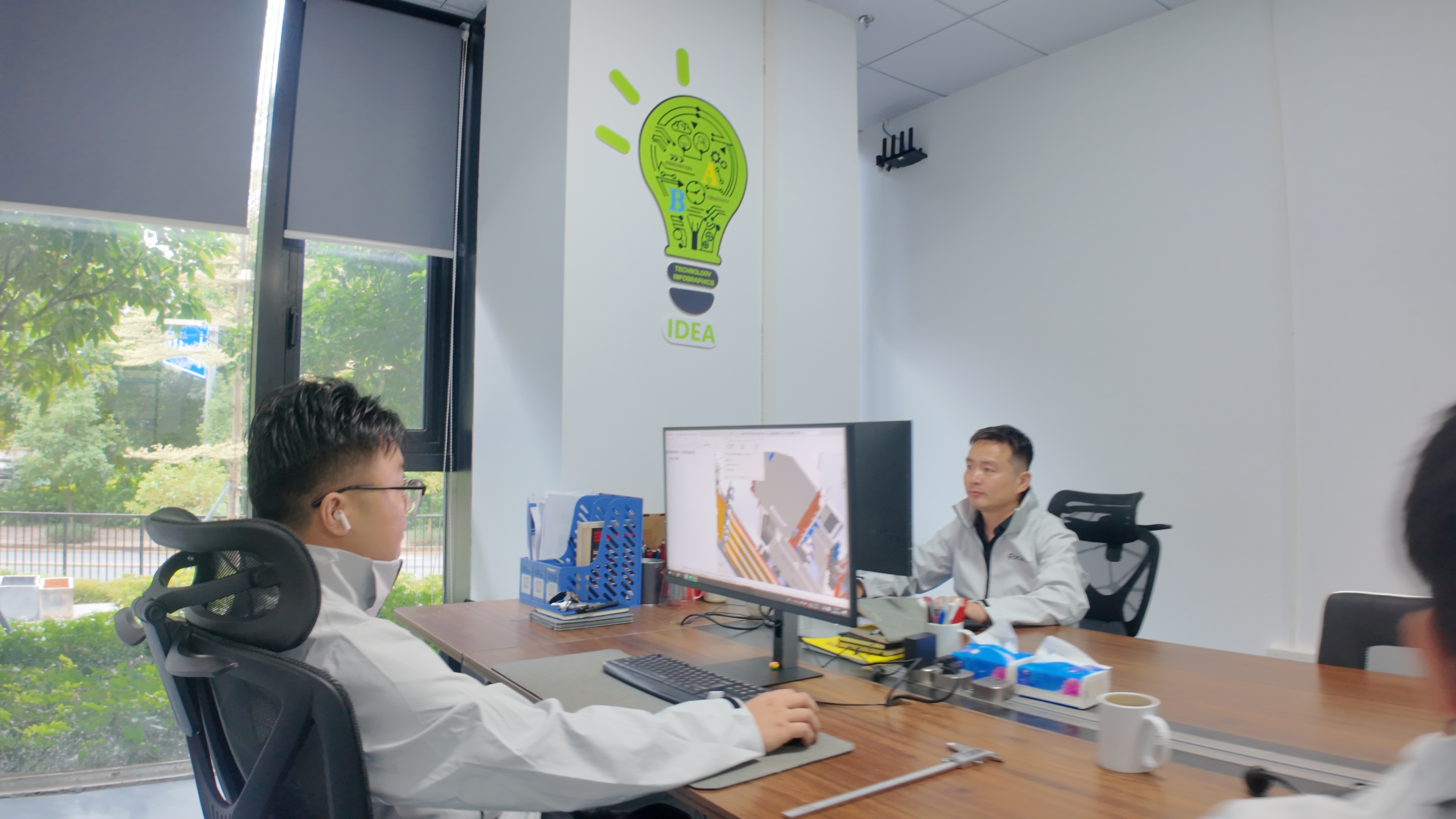
About FocusInc: Shanghai Focus Industrial Co., Ltd. is a Shanghai-based industrial digital printing manufacturer founded in 2008, with its own factory from 2018 and recognized as a leading national high-tech enterprise from 2022. FocusInc supplies single pass printers, roll-to-roll printers, UV flatbed printers and related digital inkjet systems for corrugated board, labels, bags and industrial applications. Contact address: Room 801, Sitong Road No.246, Songjiang District, Shanghai, China, 201601.
Specification note: this guide states only specifications that are documented for the named models. Where a model specification is not published above, it is marked as not specified rather than estimated. No certification is claimed for any model in this article unless that certification has been issued and can be inspected.