
UV Single Pass Printer for Bottle Caps, Paper Cups & Non-Woven Bags
UV Single Pass Printer for Bottle Caps, Paper Cups & Non-Woven Bags
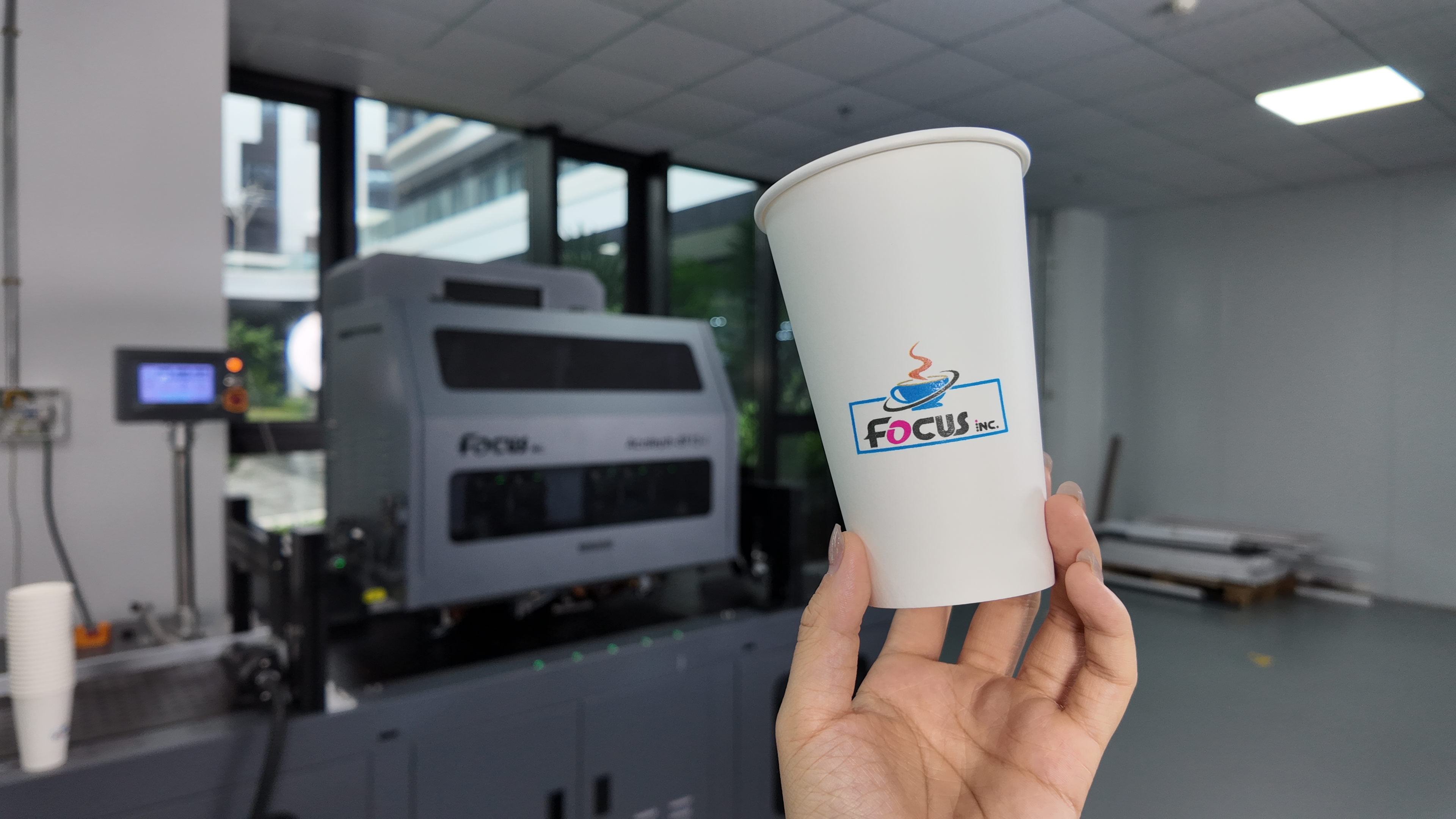
A UV single pass printer is chosen for container side decoration and for non-woven bag production for two different reasons, and FocusInc builds two different machines to serve them. The Acaleph-891S Side Printer prints on the curved side walls of cup-shaped goods: bottle caps, paper cups, paper bottles, plastic cups and food containers. The Acaleph-891S e prints on flat, rigid and roll-fed goods: non-woven bags, PVC skirting boards, decoration panels and book edges. Both run at 10–40 m/min, both are operated from a touch screen with PLC control, and both cure with 405 nm LED UV sectional curing. Neither model replaces the other. This guide sets out how to verify which configuration your product actually fits before the machine is integrated into your production line.
The Real Problem: One Product Family, Two Material Behaviours
Side decoration and bag printing are usually listed side by side in supplier catalogues, which leads buyers to assume one machine can do both. On the conveyor they behave differently, and the differences are mechanical rather than artistic.
- Print field geometry. A cup or container is printed on a curved side wall, so the usable print height is bounded by the product height, while a non-woven bag is printed across a flat face where the usable area is bounded by bag width and bag length.
- Media rigidity. Paper cups, plastic cups, paper bottles and bottle caps arrive as discrete, self-supporting pieces. Non-woven bags are limp and can deform, curl or shift if they are not held flat.
- Start-point repeatability. Every container in a batch must start printing at exactly the same point on the circumference; otherwise the artwork walks around the cup. Bag printing has the same requirement but on a different transport path.
- Surface pre-treatment. Ink adhesion on PP, PE, PET, PVC films and on coated bag surfaces depends on treating the surface before printing, using plasma, flame or corona according to the material.
- Ink and curing. Both applications need an ink set that cures instantly enough to allow handling and packing at line speed, which is why LED UV curing sits downstream of the print beam.
The practical failure mode is a machine that prints beautifully in a demonstration and cannot be integrated, because the maximum effective printing area is smaller than the product, the feeding system cannot hold the material, or the pre-treatment module does not match the substrate. The countermeasure is straightforward: verify model capabilities against real product dimensions and real material samples before production integration.
Industry Background: Customisation Has Moved Down to Cups, Containers and Bags
FocusInc (Shanghai Focus Industrial Co., Ltd.) is an industrial digital printing equipment manufacturer founded in Shanghai in 2008 that builds single pass, roll-to-roll, cylinder and label inkjet systems for packaging, decoration and industrial printing producers, with roughly 95% of output exported to the EU, USA, Mexico, Brazil, Chile, Australia, Canada and the UK.
The demand that drives side-printing and bag-printing investment is documented in third-party market research. Zion Market Research valued the global digital printing for packaging market at USD 31.64 billion in 2023 and projected USD 75.55 billion by 2032; other research houses publish materially lower 2032 figures, including SNS Insider at USD 62.75 billion and Credence Research at USD 27.44 billion, so the direction of growth is a safer planning assumption than any single number. Within the wider digital printer market, inkjet digital printers accounted for the largest share at 42.5% as of 2025, according to Straits Research.
Regional supply matters as much as demand. China produced more than 88 billion square metres of corrugated board in 2024, according to China Packaging Federation data reported by Dataintelo, which keeps substrate supply, converting capacity and printing equipment manufacturing concentrated in one geography.
Regulation shapes the buying decision as well. Industrial printers placed on the EU market fall under the Low Voltage Directive 2014/35/EU and the EMC Directive for CE marking. For a cup producer or a bag converter, that means the machine documentation should be reviewed at the same time as the machine specification, not after the purchase order.
The Solution: Two Acaleph-891S Platforms for Two Substrate Families
Acaleph-891S Side Printer: bottle caps, cups and containers
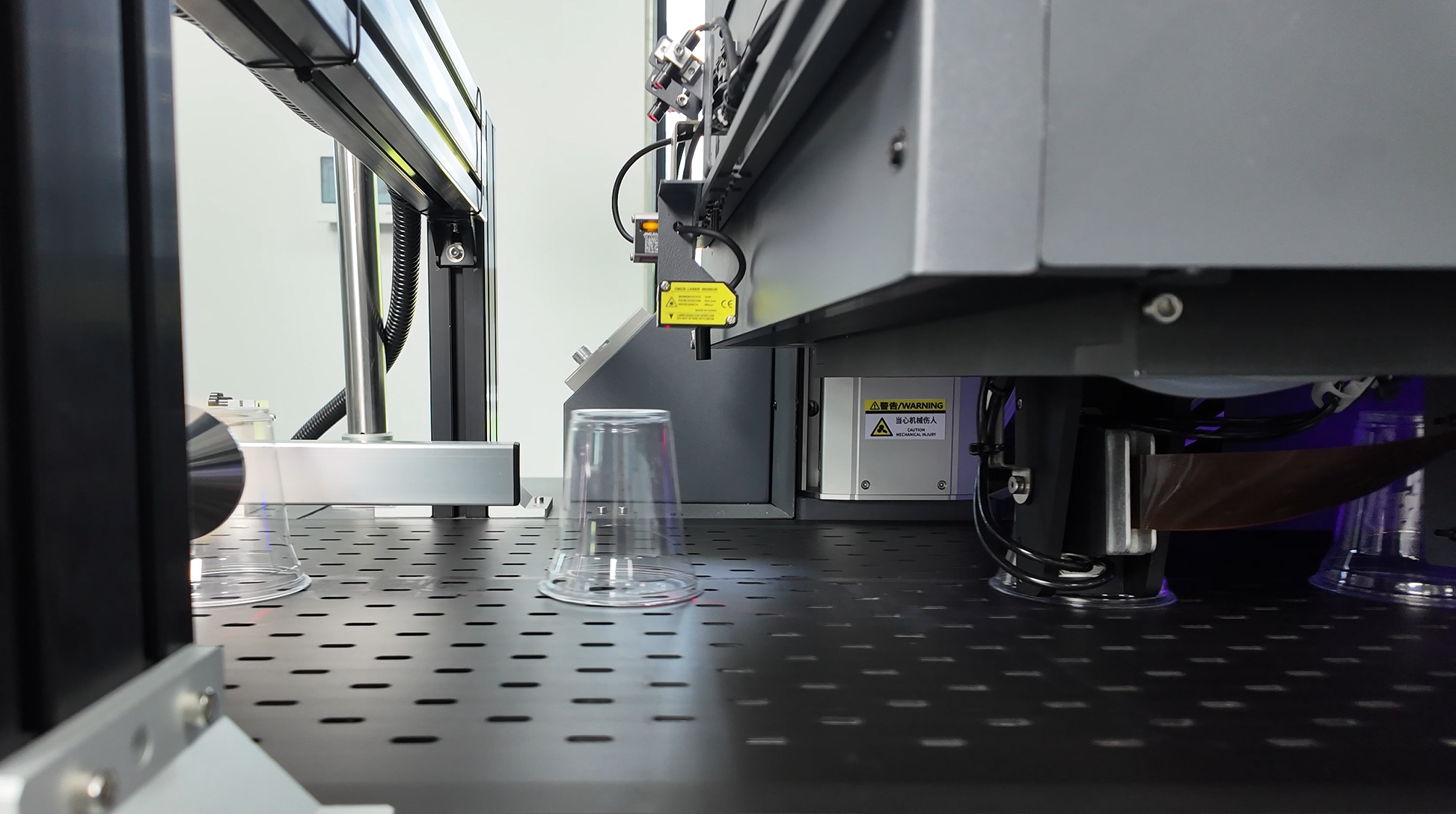
The Acaleph-891S Side Printer is a UV single pass printer designed for side printing on cups, bottles, paper cups, paper bottles, bottle caps and containers. It handles plastic and paper cups, PET, PP, PU and PE cups, paper cups and food packaging containers as piece-type media.
- Maximum effective printing area: 33.8 mm – 108 mm, depending on the number of print heads; large-size side printing solutions can be customised up to 350 mm.
- Maximum load size: 600 mm width × unlimited length; maximum media thickness 300 mm (9.05 in).
- Print heads: SEIKO RC1536 / 2560, RICOH G5 / G6, XAAR 2002, TOSHIBA CF3 / CF6, Epson i3200-U1, KONICA, using Micro Piezo inkjet technology.
- Resolution: 600×300 dpi, 600×600 dpi or 600×1200 dpi according to print head selection; print head anti-scratch kit included.
- Print speed: 10–40 m/min, depending on print model and ink type.
- Alignment and height control: laser alignment with 4–6 automatic laser guideline margins; electronic media height adjustment through the touch screen.
- Ink: UV curing ink, aqueous, pigment, dye or DTF; primer plus black, cyan, magenta and yellow, with optional spot white and glossy; 1500 ml per colour.
- Curing: LED UV at 405 nm with sectional curing and water circulation cooling.
- Power and noise: 42 A single-phase 220–240 VAC, 50/60 Hz; acoustic noise level 75 dB(A) or less.
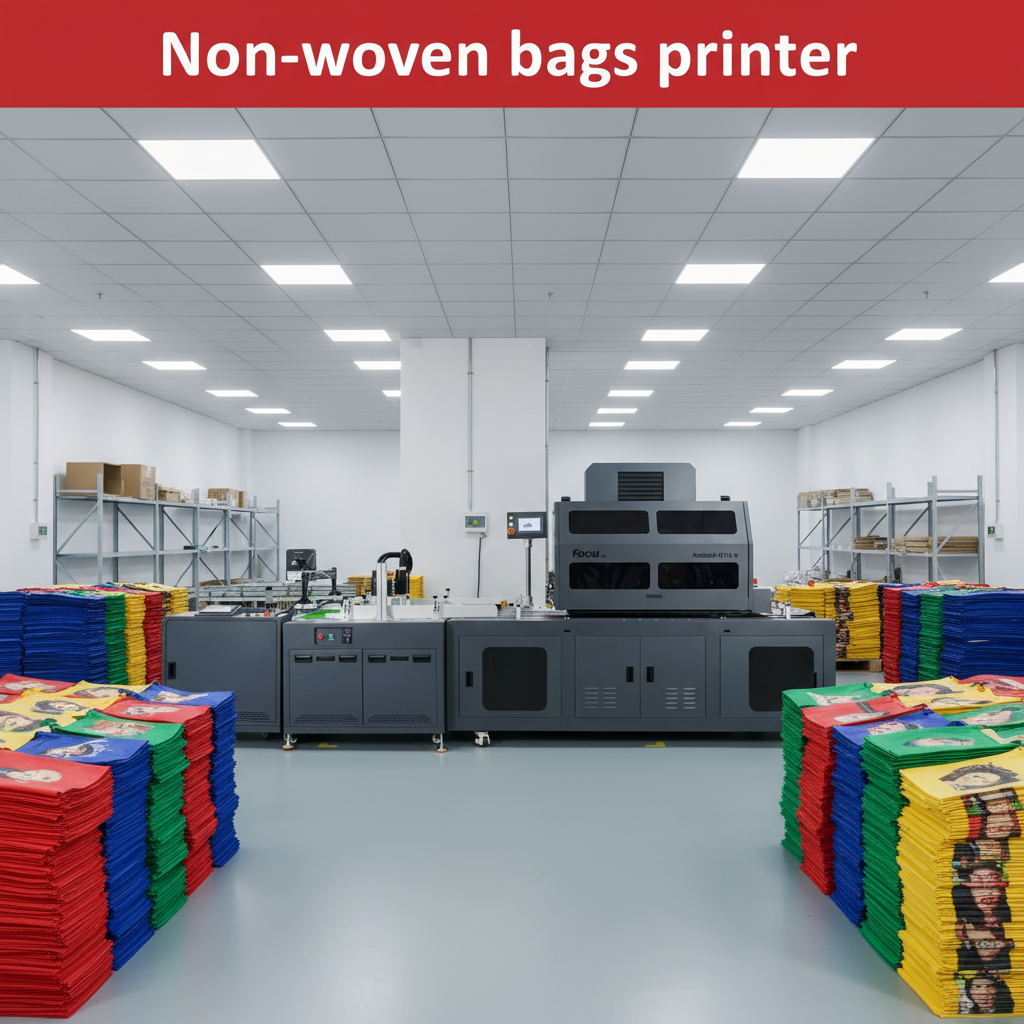
Acaleph-891S e: non-woven bags, skirting boards, panels and book edges
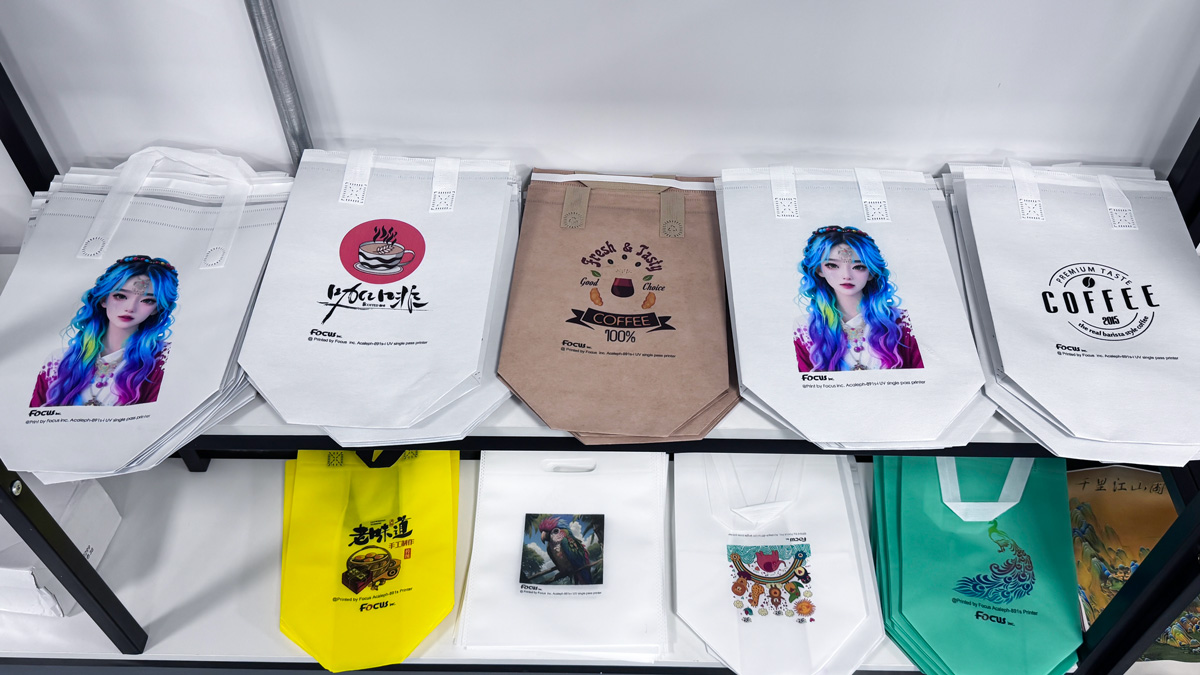
The Acaleph-891S e is the economic-series UV single pass printer built for non-woven bags, PVC skirting boards, decoration panels and book edges. Its piece-type media list covers bags, carton, plastic, glass, ceramic and metal, and its roll media list covers BOPP, POPP, PET, PVC film and label paper.
- Maximum effective printing area: 53 mm – 500 mm, depending on the number of print heads.
- Maximum load size: 600 mm × unlimited length; maximum media thickness 300 mm (9.05 in).
- Print heads: SEIKO RC1536 / 2560, RICOH G5 / G6, XAAR 2002, TOSHIBA CF3 / CF6, with Micro Piezo inkjet technology.
- Resolution and speed: 600×300 dpi, 600×600 dpi or 600×1200 dpi; 10–40 m/min according to print model and ink type.
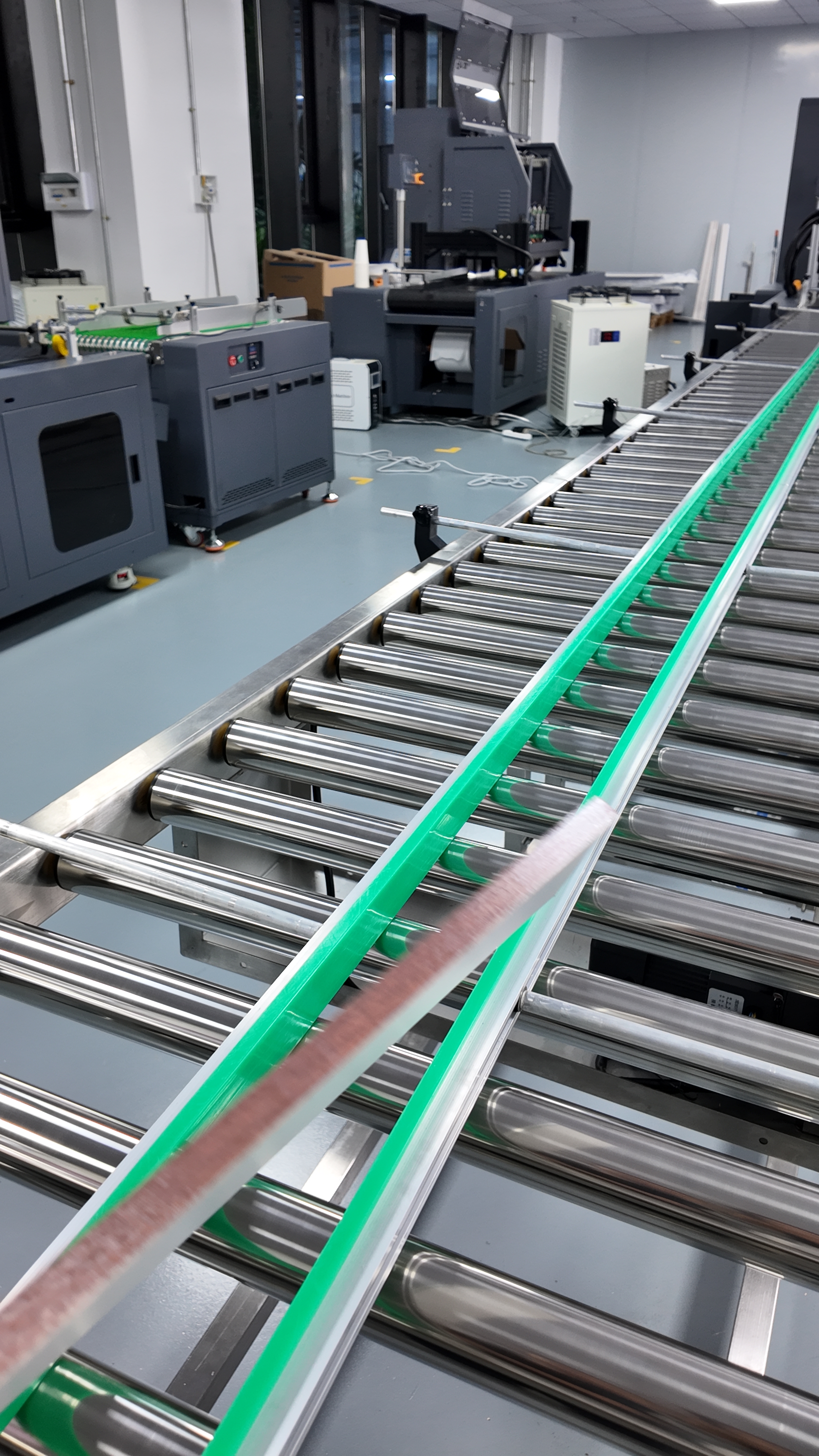
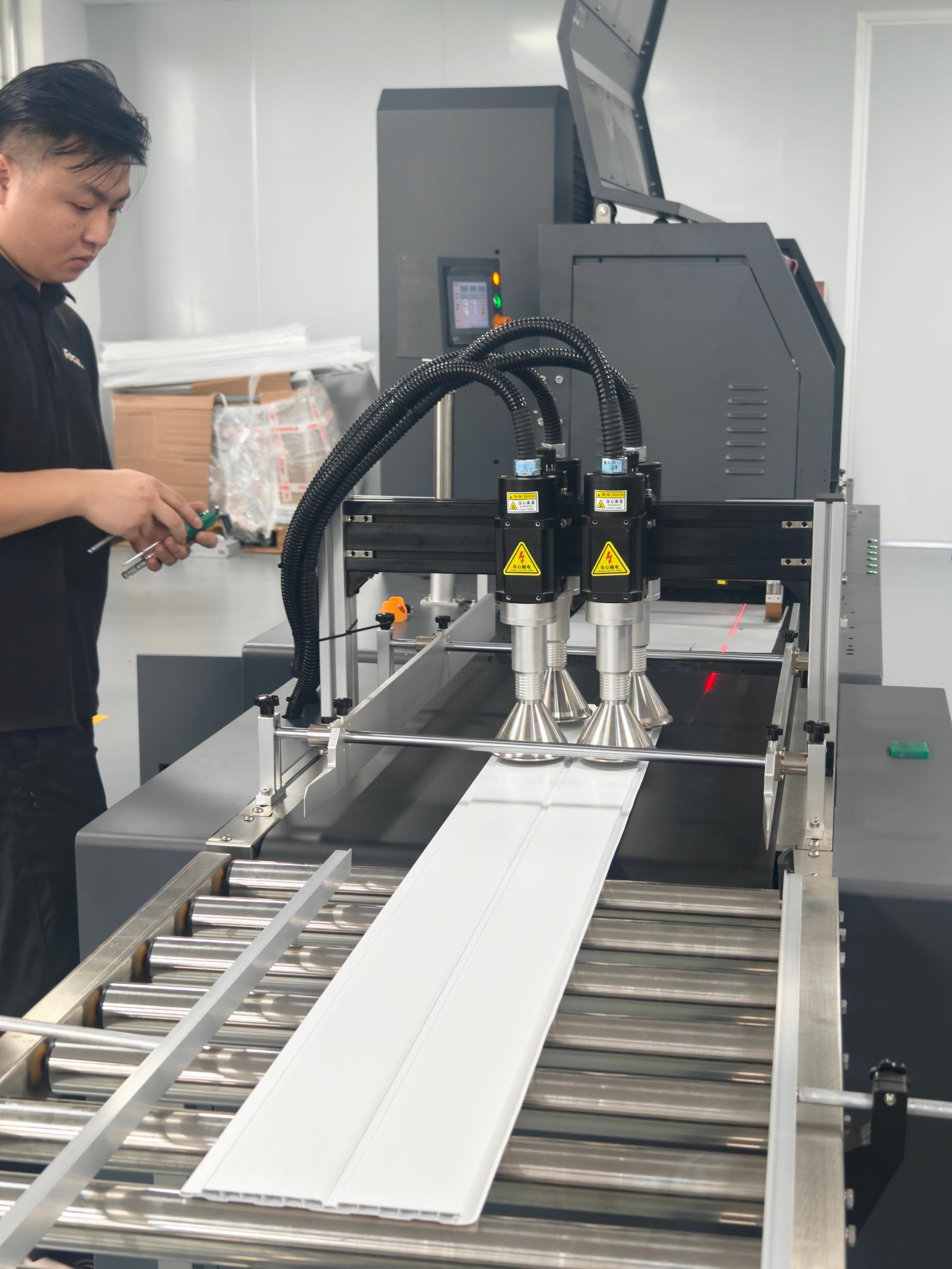
- Media feeding: electronic friction feeder for normal soft and hard rigid media such as corrugated board, carton and card; electronic air vacuum feeder for extra-soft material such as plastic film and soft bags.
- Vacuum system: 850 W with four independent zones, controlled from the touch screen.
- Curing and ink: LED UV at 405 nm with sectional curing; UV curing, aqueous, pigment, dye or DTF ink; 1500 ml per colour.
- Footprint: main printer 3,105 × 1,140 × 1,861 mm in roll-to-roll configuration, or 2,694 × 1,140 × 1,861 mm as a unit; net weight 1,230 kg with UV system.
- Environment: 18–30 °C and 35–75% relative humidity; compressed air supply minimum 80 psi / 6 bar with 60 L volume per plasma unit where plasma pre-treatment is used.
What both platforms share
Both machines are built on the same operating logic, which is what makes continuous production practical rather than theoretical. Each is controlled through a touch screen with PLC, so job parameters, media height and vacuum settings are set and recalled from one interface instead of from mechanical adjustment points. Each prints at 10–40 m/min in a single pass. Each uses 405 nm LED UV curing to bring the ink to a handleable state inside the line. Each carries a thickened welded carbon steel main frame, a high-strength extruded aluminium alloy print beam, stainless steel correction rollers with silicone coating, and anti-offset PU/TPU/PET/PP conveyor belting. The acoustic noise level on both is 75 dB(A) or less, and the power requirement on both is 42 A single-phase 220–240 VAC at 50/60 Hz.
How to Match a Substrate to a Model: A Seven-Step Verification
Use the following sequence when evaluating either model for a specific product. Each step produces a yes-or-no answer that can be confirmed against the published specification before integration.
Step 1 – Measure the printable surface, not the product. For a cup or container, measure the actual height of the side wall and the circumference to be printed. For a bag, measure the width and length of the face. Artwork is irrelevant at this stage.
Step 2 – Compare against maximum effective printing area. The Acaleph-891S Side Printer covers 33.8–108 mm depending on head count, with customised side-printing solutions up to 350 mm. The Acaleph-891S e covers 53–500 mm depending on head count. If the product falls outside the published figure, the configuration has to change before production integration, not afterwards.
Step 3 – Confirm media form. Piece-type media or roll media. Both models accept a maximum load size of 600 mm × unlimited length and a maximum thickness of 300 mm, but the Acaleph-891S e additionally handles BOPP, POPP, PET, PVC film and label paper in roll form.
Step 4 – Confirm the feeding method. For normal soft and hard rigid media such as corrugated board, carton and card, the electronic friction feeder applies. For extra-soft material such as plastic film and soft bags, the electronic air vacuum feeder applies. Both are optional items and should be specified with the substrate sample in hand.
Step 5 – Confirm surface pre-treatment. Plasma, flame or corona pre-treatment is selected according to the material. Pre-treatment determines whether the ink film survives handling, stacking, wet wiping and abrasion after printing.
Step 6 – Confirm ink chemistry and curing. UV curing ink, aqueous, pigment, dye and DTF inks are available, with primer plus CMYK and optional spot white or glossy. Curing is LED UV at 405 nm, sectional type, in every configuration.
Step 7 – Print the sample and sign it off. Sample validation is the point where model capability becomes evidence. Only after the sample passes should the unit be released for production integration, with the pre-shipment running test documented as the acceptance criterion.
Model Comparison and Substrate Matching
The two Acaleph-891S configurations differ in print field, media handling and substrate list, not in print engine philosophy. The tables below summarise the published figures.
| Parameter | Acaleph-891S Side Printer | Acaleph-891S e |
|---|---|---|
| Primary application | Side decoration of cups, bottles, bottle caps, containers | Non-woven bags, PVC skirting boards, decoration panels, book edges |
| Media types | Cups, bottles, paper cups, containers; plastic, PET, PP, PU, PE cups; food packaging containers | Bags, carton, plastic, glass, ceramic, metal (pieces); BOPP, POPP, PET, PVC film, label paper (roll) |
| Maximum effective printing area | 33.8–108 mm (depends on head count), customisable up to 350 mm | 53–500 mm (depends on head count) |
| Maximum load size / thickness | 600 mm × unlimited length / 300 mm | 600 mm × unlimited length / 300 mm |
| Print heads | SEIKO RC1536 / 2560, RICOH G5 / G6, XAAR 2002, TOSHIBA CF3 / CF6, Epson i3200-U1, KONICA | SEIKO RC1536 / 2560, RICOH G5 / G6, XAAR 2002, TOSHIBA CF3 / CF6 |
| Resolution / speed | 600×300, 600×600, 600×1200 dpi / 10–40 m/min | 600×300, 600×600, 600×1200 dpi / 10–40 m/min |
| Pre-treatment | Plasma / flame / corona as required | Plasma / flame / corona as required |
| Curing / ink | LED UV 405 nm sectional curing; UV, aqueous, pigment, dye, DTF; 1500 ml per colour | LED UV 405 nm sectional curing; UV, aqueous, pigment, dye, DTF; 1500 ml per colour |
| Control interface | Touch screen with PLC | Touch screen with PLC |
| Vacuum | Touch screen controlled | 850 W, four independent zones, touch screen controlled |
| Power / noise | 42 A single-phase 220–240 VAC, 50/60 Hz / ≤75 dB(A) | 42 A single-phase 220–240 VAC, 50/60 Hz / ≤75 dB(A) |
| Substrate | Configuration to specify | Why |
|---|---|---|
| Bottle caps, paper cups, paper bottles, plastic cups, food containers | Acaleph-891S Side Printer | Side printing on curved walls; 33.8–108 mm print field, customisable to 350 mm |
| Non-woven bags, takeout bags, plastic bags | Acaleph-891S e | 53–500 mm print field; air vacuum feeder for soft bag material |
| PVC skirting boards, decoration panels | Acaleph-891S e | Rigid piece and roll handling with plasma / flame / corona pre-treatment for adhesion |
| Book edges and notebook edges | Acaleph-891S e | Up to 500 mm print field with adjustable height control for thick volumes |
A bag converter buying an Acaleph-891S e for a 250 mm bag face is inside the specification with margin. A cup producer buying the same machine for a 90 mm cup wall is buying the wrong tool, even though the machine is technically capable of printing a flat sheet of that width. Matching the model to the material is the whole decision.
Where These Configurations Are Already Running
Installed references show how the two platforms behave in production rather than in a demonstration room.
Disposable food-service containers (Turkey, Poland, Saudi Arabia, Chile, Mexico). Twelve Acaleph-891S Side Printer units are in service with a manufacturer of paper cups, plastic cups and paper bowls, printing logos and designs on the exterior sides of finished containers. The project has run for two years. Reported benefits include one operator handling one printing business, with optional automatic feeding and collection systems available where production needs to save space and labour. On-demand decoration and rapid delivery allow the producer to accept customised orders that would previously have required a plate or a minimum run.
Non-woven bags (Brazil). Three UV single pass printers have been running for three years for on-demand customisation of non-woven bags, takeout bags and plastic bags. The workflow is plate-free with no minimum order quantity, which allows the converter to accept scattered small orders and batch orders on the same line and to print, dry and deliver in a single cycle.
PVC skirting boards and decoration panels (Portugal, Spain, Mexico, Poland). Three units have been in operation for three years on custom panel printing. The reported outcome is on-demand order fulfilment that removes the inventory backlog created by stocking multiple decorative specifications, together with shorter delivery times and improved inventory turnover. New pattern samples can be printed in seconds for market testing before a full run is committed.
Book and notebook edges (Spain, Philippines). Two units have been printing book edges and notebook edges for two years, with reported capability of more than 2,500 book or notebook edges per hour, supporting both single-copy personalised work and high-volume production.
Customisation, Capacity and Commercial Terms
Both platforms can be delivered as standard units or as OEM/ODM projects. Under OEM, customisation covers machine housing colour, brand logo printing, a multi-language operation system, matched pre-print and post-print auxiliary equipment layout, and standard printing parameter tuning for regular materials. Monthly capacity under OEM is 120 sets, with a lead time of 15–45 days depending on the customisation scope and a minimum order quantity of one unit.
Under ODM, the scope widens to a custom printing workflow solution for regular, special and customised substrates, full custom pre-processing and post-processing inline automation, exclusive machine structural design, housing colour and private brand logo, a multi-language touch screen system, and custom print width and feeding size to fit an existing production line. Monthly capacity under ODM is 40 sets, lead time is 15–45 days depending on the solution, and the minimum order quantity is one unit.
Quality control follows a single rule on both routes: 100% full machine pre-shipment running test. ODM projects additionally run a continuous running aging test and a full customised function verification test, and SGS or CE third-party inspection can be arranged on client request. Commercial terms are MOQ 1 unit, delivery on EXW, FOB, CIF, DDU, DDP or DAP, acceptance against pre-shipment test, and payment on a 50/50 schedule. After-sales support covers online remote technical training and troubleshooting, overseas on-site engineer service and installation training, a 13-month free warranty on OEM supply with lifetime spare parts and technical upgrade guidance, and a 3-year machine warranty on ODM supply with lifelong technical consultation and spare parts.
Frequently Asked Questions
1. What EU compliance documentation should ship with a UV single pass printer?
Industrial printers placed on the EU market fall under the Low Voltage Directive 2014/35/EU and the EMC Directive for CE marking. FocusInc holds a Verification of Conformity for CE (certificate SCT260301170122, issued by ANXIN PRODUCT TEST SERVICE CO., LTD.) covering its multi-functional digital inkjet printer range against EN 55011:2016+A2:2021, EN IEC 61000-6-2:2019 and EN IEC 61000-6-4:2019, and an LVD / EC Declaration of Conformity (SCT260301170121) against EN 1010-2:2006+A1:2010, EN 1010-1:2004+A1:2010, EN ISO 12100:2010 and EN 60204-1:2018+A1:2025. EU market access is supported by an authorised representative appointment (EUREPSTAR GmbH, certificate EUREP-2025082013532502482) covering all products of Shanghai Focus Industrial Co., Ltd. sold within the EU, and by a German WEEE (ElektroG) authorised representative confirmation registered with Stiftung EAR under Sendungs-ID SI-202502-148048. Food-contact compliance of the finished printed item depends on the ink and substrate combination selected, and should be confirmed against the destination market before production. The FocusInc mark is registered under trademark Registration No. 34874480 in Class 7.
2. Can a single pass printer manufacturer for corrugated printing also supply cup side-printing and non-woven bag systems?
Yes, provided the supplier manufactures across substrate families rather than reselling one platform. FocusInc's product matrix includes the Acaleph-891S Side Printer for bottle caps, paper cups, paper bottles, plastic cups and food containers; the Acaleph-891S e for non-woven bags, PVC skirting boards, decoration panels and book edges; the Acaleph-891S-i industrial UV single pass system; and the Cobra and Falcon single pass packaging printers for corrugated board, carton, pizza boxes and paper bags. The company operates a 35,000 m² factory with 800 units annual output and a 6-engineer R&D team, and offers both OEM and ODM production, which is the capability to verify when a single supplier is expected to cover corrugated, container and bag work.
3. What determines the cost of a configured unit?
There is no single list price because the configuration varies with the job. The main cost drivers are the number and type of print heads, the required maximum effective printing area, whether a custom print width or feeding size is needed, the feeding system selected (electronic friction feeder or electronic air vacuum feeder), optional automatic collection, the pre-treatment method (plasma, flame or corona) required by the substrate, the ink set including optional spot white or glossy, and the scope of OEM or ODM customisation. Commercial terms are transparent at quotation stage: MOQ 1 unit, delivery on EXW, FOB, CIF, DDU, DDP or DAP, acceptance against pre-shipment test, and payment on a 50/50 schedule. Ink consumption on colour inkjet systems is conventionally reported against the ISO/IEC 24711 and ISO/IEC 24712 standards, which is a useful reference point when comparing consumable assumptions between suppliers.
4. Can we test our own cups and bags before placing an order?
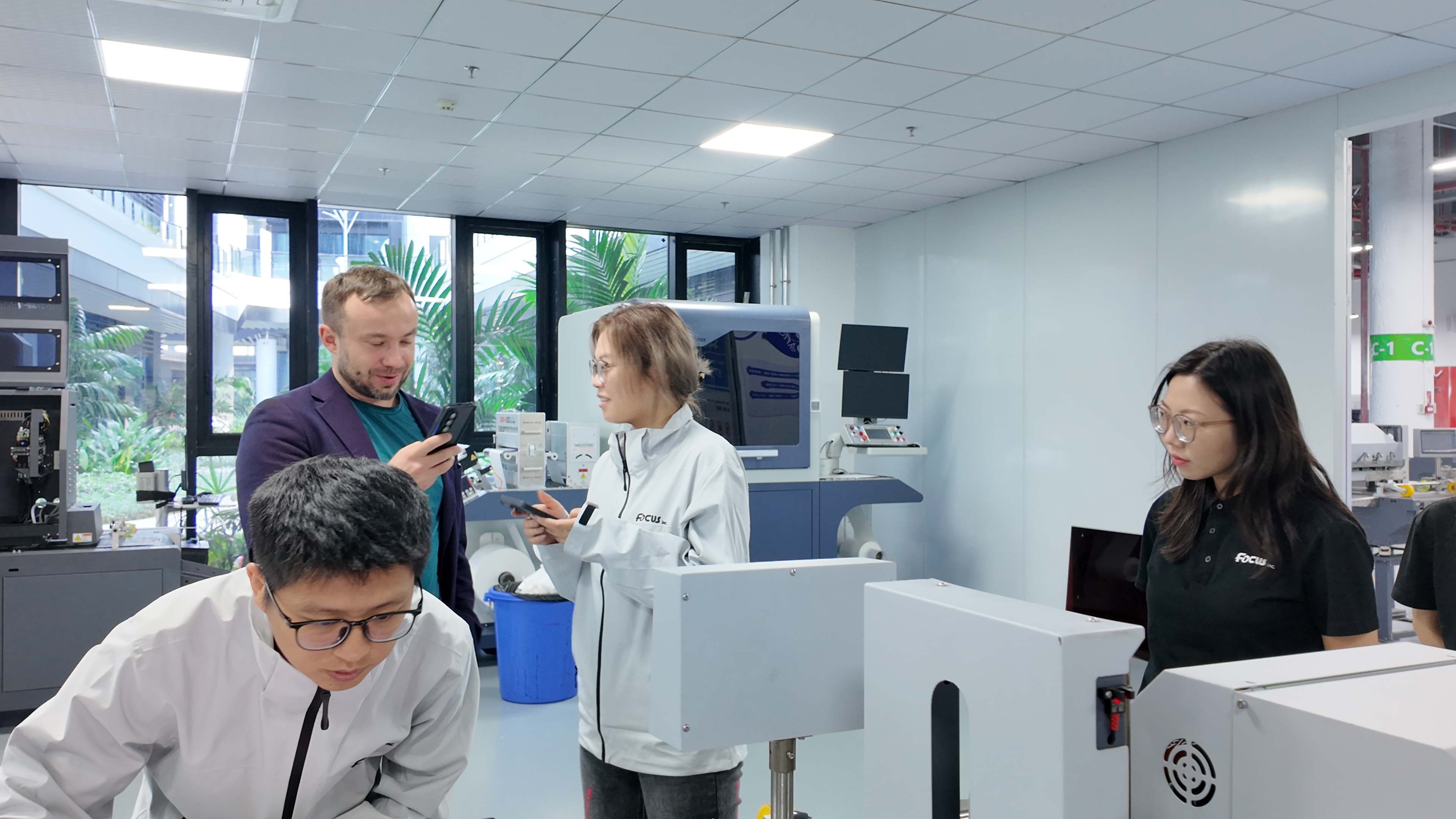
Yes. Sample testing on customer material is part of the evaluation process, and clients regularly visit the FocusInc showroom and factory to see machine operation and run sample tests on their own cups, containers or bag material. For panel and board work, sample printing turnaround has been measured in seconds from file to printed piece, which makes pattern approval practical before a run is committed. Every unit, standard or customised, passes a 100% full machine pre-shipment running test, and ODM projects additionally pass a continuous running aging test and a full customised function verification test. Third-party inspection by SGS or CE can be arranged at the client's request, and free on-site or remote training can be provided on delivery.
5. What is the lead time, and how is delivery handled?
Lead time is 15–45 days depending on the customisation solution, with monthly capacity of 120 sets on the OEM route and 40 sets on the ODM route. Delivery is arranged on EXW, FOB, CIF, DDU, DDP or DAP terms, and acceptance is against pre-shipment test with payment on a 50/50 schedule. After delivery, support includes online remote technical training and troubleshooting, overseas on-site engineer service for installation and training, and a lifetime spare parts and technical consultation channel. If you want the fastest route to a firm date, send the product dimensions, the target print field, one physical sample of the cup, cap or bag material, and the monthly volume you expect to run, and a configuration proposal with lead time can be prepared against those inputs.
Next Step: Verify the Model Against Your Product
The decision between the Acaleph-891S Side Printer and the Acaleph-891S e is settled by three numbers and one sample: the print field your product needs, the maximum load size and thickness at the infeed, the output you intend to run per shift, and a physical sample of the substrate. Everything else — head selection, resolution, feeder type, pre-treatment and ink set — follows from those inputs. Confirming them before integration is cheaper than correcting them afterwards, and it is the difference between a machine that prints a demonstration and a machine that earns its place on the line.
Send us your cup, cap or bag sample
Tell us the substrate, the printable height, the print field you need and the volume you plan to run. FocusInc will confirm which Acaleph-891S configuration fits, quote against MOQ 1 unit, and book a sample run on your own material. Contact Linda Tang at info@focusdgt.com or +86 177 6513 2139 (WhatsApp and WeChat available). Factory address: Room 801, Sitong Road No.246, Songjiang District, Shanghai, China, 201601. Download the FocusInc factory introduction and machine catalogue here: FocusInc Factory Intro (PDF). More product information is available at www.focusincprinter.com.