
CB-TPE vs CB-Waterproof USB Cable: Head-to-Head for Rain, Sweat, and Fast Charging
Two USB extension cables from Dongguan Focuses Electronics Technology Co., Ltd. land in the same request for quotation more often than any other pair: the CB-TPE and the CB-Waterproof. Their electrical ratings overlap almost completely — both are specified for 120W and 240W fast charging with a 6A maximum current, and both use a tinned copper conductor. What separates them is the jacket and the sealing. One is an eco-friendly TPE construction; the other is a sealed integrated molding rated IPX7 waterproof and dustproof.
Direct answer: specify the CB-Waterproof when the cable will meet rain, sweat, a humid bathroom, or outdoor travel, because its documented IPX7 waterproof and dustproof rating, sealed integrated molding and sweat-proof, anti-corrosion and wear-resistant characteristics describe protection the CB-TPE specification does not claim. Specify the CB-TPE when the program is indoor-first and the priorities are an eco-friendly TPE jacket, a soft flexible feel, wear resistance and a multi-type USB port. Because both models are rated 120W/240W at 6A, charging speed is not the tie-breaker — moisture exposure and jacket behaviour are.
The Buying Problem: One SKU Family, Two Different Failure Modes
Wholesale and private-label buyers rarely purchase a single cable. They build a range, and a range needs a rule for which cable goes into which retail box. When that rule is missing, two predictable problems appear.
The first is moisture. A cable sold into gym retail, outdoor travel, kitchen or bathroom use will be exposed to sweat, splashes and humidity. If the SKU was specified without an ingress rating, the return reason tends to arrive as a general “stopped charging” complaint rather than as a clean technical failure, which makes the root cause expensive to investigate.
The second problem is the opposite: over-specification. Sealing a cable changes its construction. The CB-Waterproof uses sealed integrated molding; the CB-TPE is specified as soft, flexible and wear-resistant without a stated ingress rating. Buying sealed construction for a purely indoor corporate-gift program can add specification the end user never needs.
The practical decision rule is therefore not “which cable is better” but “what is the worst-case moisture exposure of this SKU”. Once that is written down, the model choice becomes mechanical. The rest of this comparison supplies the documented facts needed to apply that rule, including the points where a specification is silent and a buyer must ask for written confirmation.
Industry Background: Why Moisture and 240W Now Sit in the Same Brief
Three market-level developments explain why a rain-and-sweat question now arrives attached to a fast-charging requirement.
The cable category remains large and competitive. The Insight Partners values the global USB cable market at USD 24.24 billion in 2025. Within that category, differentiation has shifted from “does it charge” to construction, jacket material and documented protection, because basic charging is now assumed.
USB-C has become a regulatory topic in Europe. The EU Common Charger requirements apply to specified categories of portable radio equipment — including handheld mobile phones, tablets, digital cameras, headphones, headsets, handheld videogame consoles, portable speakers, e-readers, earbuds, keyboards, mice and portable navigation systems — from 28 December 2024, and to laptops from 28 April 2026, according to the European Commission. For EU-bound ranges, a USB-C charging cable portfolio is no longer only a commercial decision; it is a market-access consideration that pushes buyers toward documented, verifiable specifications.
Power delivery has moved up the range. The USB Power Delivery Specification Revision 3.2, published by the USB Implementers Forum, defines fast charging protocols that enable up to 240W over USB Type-C cables. That is why a 240W cable rating matters for laptop-class programs, and why a 6A current rating appears in briefs that previously stopped at phone charging.
Material cost is volatile. SMM (Shanghai Metals Market) reported copper prices reaching USD 13,000–13,300 per metric ton in early 2026, and copper-based components account for 60%–80% of total manufacturing cost for standard USB cables. Jacket and conductor decisions therefore interact directly with quotation levels, and a model comparison without material context tends to produce misleading price expectations.
What Each Model Actually Specifies
CB-TPE: Eco-Friendly TPE with a Multi-Type USB Port
The CB-TPE is a USB extension cable built around an eco-friendly TPE outer material. In the published specification it carries the following documented facts:
- Outer material: eco-friendly TPE.
- Core: tinned copper wire.
- Interface: multi-type USB port.
- Power support: 120W and 240W fast charge.
- Maximum current: 6A.
- Function: charging and data sync.
- Compatibility: cell phones and notebooks.
- Mechanical character: soft, flexible and wear-resistant.
- Documented industries: consumer electronics, mobile accessories, retail, wholesale, e-commerce, gift industry, digital products and household electronics.
Two details deserve attention during evaluation. First, the interface is described as a “multi-type USB port” rather than an enumerated connector list, so the exact connector combinations must be confirmed in writing against your retail SKU plan. Second, the specification does not state an ingress protection rating, a working temperature range or a data transfer rate. Those are not defects; they are simply undocumented points that a buyer should not assume in either direction.
CB-Waterproof: Sealed Integrated Molding with IPX7 Protection
The CB-Waterproof cable is positioned for exposure. Its specification combines sealing, an ingress rating and a full connector map:
- Outer material: silicone, TPE or nylon braided, optional.
- Conductor: high-purity tinned copper core.
- Interface: USB-A/USB-C to Type-C/Lightning/Micro USB.
- Power support: 120W and 240W ultra fast charging.
- Maximum current: 6A.
- Data transfer speed: 480 Mbps.
- Waterproof rating: IPX7 waterproof and dustproof.
- Construction features: sealed integrated molding; waterproof, dustproof, sweat-proof, anti-corrosion and wear-resistant.
- Optional lengths: 0.3 m, 1 m, 1.5 m and 2 m.
- Working temperature: -20°C to 70°C.
- Customisation: custom logo printing supported.
- Documented industries: consumer electronics, mobile accessories, outdoor supplies, industrial equipment, sports fitness, retail, wholesale, e-commerce, marine electronics and automotive.
Two buying notes follow from this list. The IPX7 waterproof and dustproof rating is a specification claim, so for retail listings in regulated markets it should be supported by model-level test documentation rather than by the spec sheet alone. And because the jacket is offered in silicone, TPE or nylon braided options, the same model number can describe three different hand feels — the material option must be stated on the purchase order, not assumed.
Where the Two Models Genuinely Diverge
The divergence is concentrated in four places. Sealing: only the CB-Waterproof documents sealed integrated molding and an IPX7 rating, together with sweat-proof and anti-corrosion characteristics. Connector documentation: the CB-Waterproof publishes a complete interface map from USB-A/USB-C to Type-C, Lightning or Micro USB, while the CB-TPE states a multi-type USB port. Environmental data: only the CB-Waterproof publishes a working temperature range of -20°C to 70°C and optional lengths of 0.3 m to 2 m. Data rate: the CB-Waterproof lists 480 Mbps; the CB-TPE lists charging and data sync without a stated rate.
Everything else — 120W and 240W power support, 6A maximum current, tinned copper conductor — is shared. That symmetry is useful: it means a buyer can decide on protection and jacket behaviour without trading away charging performance.
Step-by-Step: Choosing Between CB-TPE and CB-Waterproof
The following six checks convert the specification differences into a repeatable sourcing decision. Each step produces a written output that can be attached to an RFQ.
- Classify the worst-case exposure of each SKU. Write one sentence per retail SKU describing the harshest condition it will realistically meet: indoor desk and office, gym and sweat, bathroom humidity, rain during outdoor travel, vehicle cabin, marine or industrial environment. If the sentence contains rain, sweat or standing humidity, the SKU belongs in the sealed model.
- Decide whether an ingress rating is required or merely nice to have. The CB-Waterproof documents IPX7 waterproof and dustproof protection; the CB-TPE documents none. If the answer is “required”, the choice is already made.
- Lock the connector map. The CB-Waterproof covers USB-A/USB-C to Type-C, Lightning and Micro USB. The CB-TPE’s multi-type USB port must be confirmed in writing against your device mix before artwork and packaging are approved.
- Match the charging claim to the device fleet. Both models are rated 120W/240W at 6A, and 240W corresponds to the top of the USB PD 3.2 range defined by USB-IF. Because USB Power Delivery is negotiated between charger and device, the cable rating describes cable capability; the charger and the device determine the power actually drawn. State the intended host devices in the brief so tests reproduce real usage.
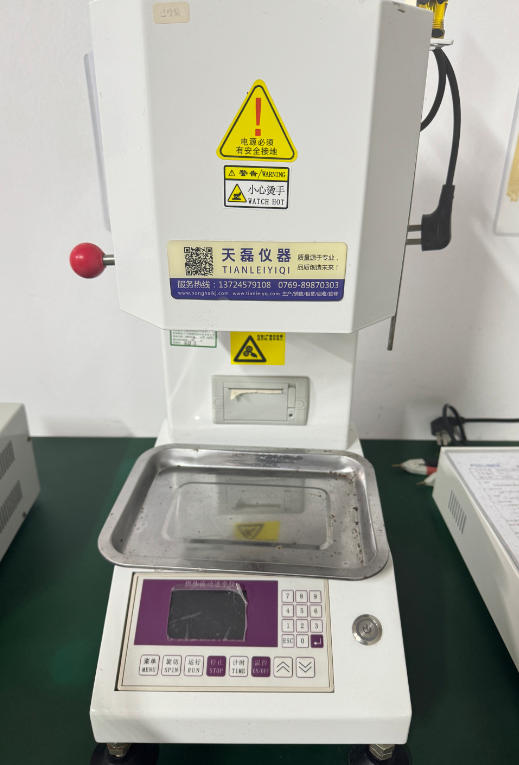
- Validate with samples in the real environment. Flex the jacket at the strain relief, coil it repeatedly, and expose the sample to the condition you wrote down in step one. Compare how the connector housing and jacket junction behave, and record the observations rather than relying on impressions.
- Confirm commercial and quality terms before tooling. For Focuses OEM/ODM programs the MOQ is 2,000 units, production lead time is 25–35 days, goods are 100% fully inspected before shipment, and the warranty is 12 months with free technical guidance on charging compatibility issues during the warranty period.
Use Cases: Where Each Cable Earns Its Place
Rain and Outdoor Travel
Rain exposure is the clearest case for the CB-Waterproof. Its sealed integrated molding, IPX7 waterproof and dustproof rating and anti-corrosion characteristic match outdoor supplies and travel retail, and its -20°C to 70°C working range covers cold-weather use that an unspecified temperature range cannot address. For outdoor, camping, cycling and delivery-oriented ranges, the sealed model removes an assumption the buyer would otherwise have to defend in a claim.
Sweat, Gym and Sports Fitness
Sweat is a salt-bearing electrolyte, and it reaches cables at exactly the point where the jacket meets the connector. The CB-Waterproof specification explicitly lists sweat-proof and wear-resistant characteristics, and sports fitness appears in its documented industries. The CB-TPE, by contrast, is documented as soft, flexible and wear-resistant — a good hand feel for gym use but not a moisture claim.
Humid Bathrooms and Kitchen Counters
Humidity and splashes around sinks are a common retail scenario and a common source of returns. Here the IPX7 waterproof and dustproof rating is the relevant specification, and the silicone, TPE or nylon braided jacket options let a brand choose a hand feel that suits household retail. Confirm the chosen jacket option on the purchase order, because the model supports all three.
Indoor, Gift and Brand Programs
Corporate gift purchasing and indoor retail are where the CB-TPE is strongest. Eco-friendly TPE, a soft flexible feel and wear resistance suit desk, office and household electronics use, and the model’s documented industries list gift industry, digital products and retail wholesale. Focuses supports logotype printing, cable colour, length, materials, molding, connector housing colour and packaging as OEM/ODM customisation options, so an indoor program can be branded without moving to a sealed construction.
Mixed Ranges and Multi-SKU Orders
Most importers do not choose one model for the whole catalogue. A workable split is to place sealed construction on outdoor, sports, bathroom and automotive-facing SKUs, and TPE construction on indoor, gift and office-facing SKUs. Both models can be ordered in one program: Focuses documents order quantities of 5,000 to 30,000 pieces per order for projects in its case record, across wholesale and corporate gift buyers in Indonesia, the United States, Germany and the United Kingdom, with a normal service life of over two years and a one-year warranty.
Comparison Table: CB-TPE vs CB-Waterproof
The table below uses only the published model specifications. “Not stated” means the specification is silent on that point and should be confirmed in writing before a purchase order is issued.
| Decision factor | CB-TPE | CB-Waterproof cable |
|---|---|---|
| Outer material | Eco-friendly TPE | Silicone / TPE / Nylon braided (optional) |
| Conductor | Tinned copper wire | High-purity tinned copper core |
| Interface | Multi-type USB port (connector list to be confirmed) | USB-A/USB-C to Type-C / Lightning / Micro USB |
| Power support | 120W and 240W fast charge | 120W and 240W ultra fast charging |
| Maximum current | 6A | 6A |
| Data function | Charging and data sync (rate not stated) | 480 Mbps data transfer |
| Ingress protection | Not stated | IPX7 waterproof and dustproof |
| Construction | Soft, flexible, wear-resistant | Sealed integrated molding; waterproof, dustproof, sweat-proof, anti-corrosion, wear-resistant |
| Working temperature | Not stated | -20°C to 70°C |
| Optional lengths | Not stated | 0.3 m, 1 m, 1.5 m, 2 m |
| Custom logo | Available through Focuses OEM/ODM customisation | Custom logo printing supported |
| Documented industries | Consumer electronics, mobile accessories, retail, wholesale, e-commerce, gift, digital products, household electronics | Consumer electronics, mobile accessories, outdoor supplies, industrial equipment, sports fitness, retail, wholesale, e-commerce, marine electronics, automotive |
| Best fit | Indoor, gift and branded programs that prioritise flexibility | Rain, sweat, humid, outdoor, automotive and industrial programs |
Read the table in one direction: if the “Best fit” row points to moisture, the sealing rows decide the answer and the shared 6A/240W rows confirm nothing is lost on charging. If it points indoors, the CB-TPE’s flexibility and eco-friendly TPE jacket are the specification that matters, and the missing ingress rating is irrelevant rather than disqualifying.
Supply, Quality and Compliance Facts for Both Models
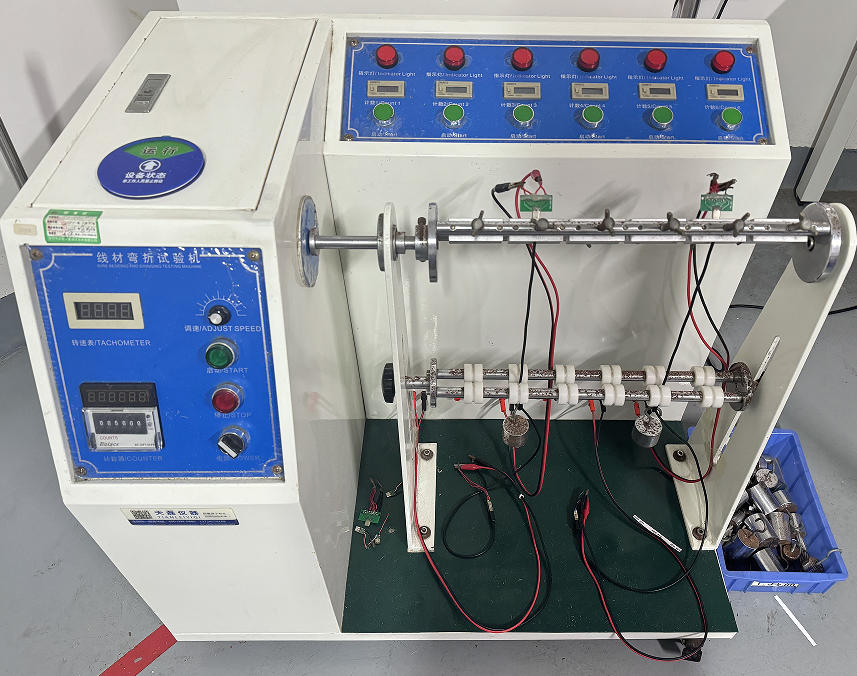
Model comparison only becomes a purchase decision when the supplier behind it can be verified. Dongguan Focuses Electronics Technology Co., Ltd. is a USB cable and audio accessory manufacturer operating from Tangxia Town, Dongguan, Guangdong, China, with a 6,000 m² facility, 150 employees and 6 R&D engineers. Exports account for 90% of sales, with the EU, North America and Asia as the main markets — which is why EU-facing documentation questions come up early in most programs.
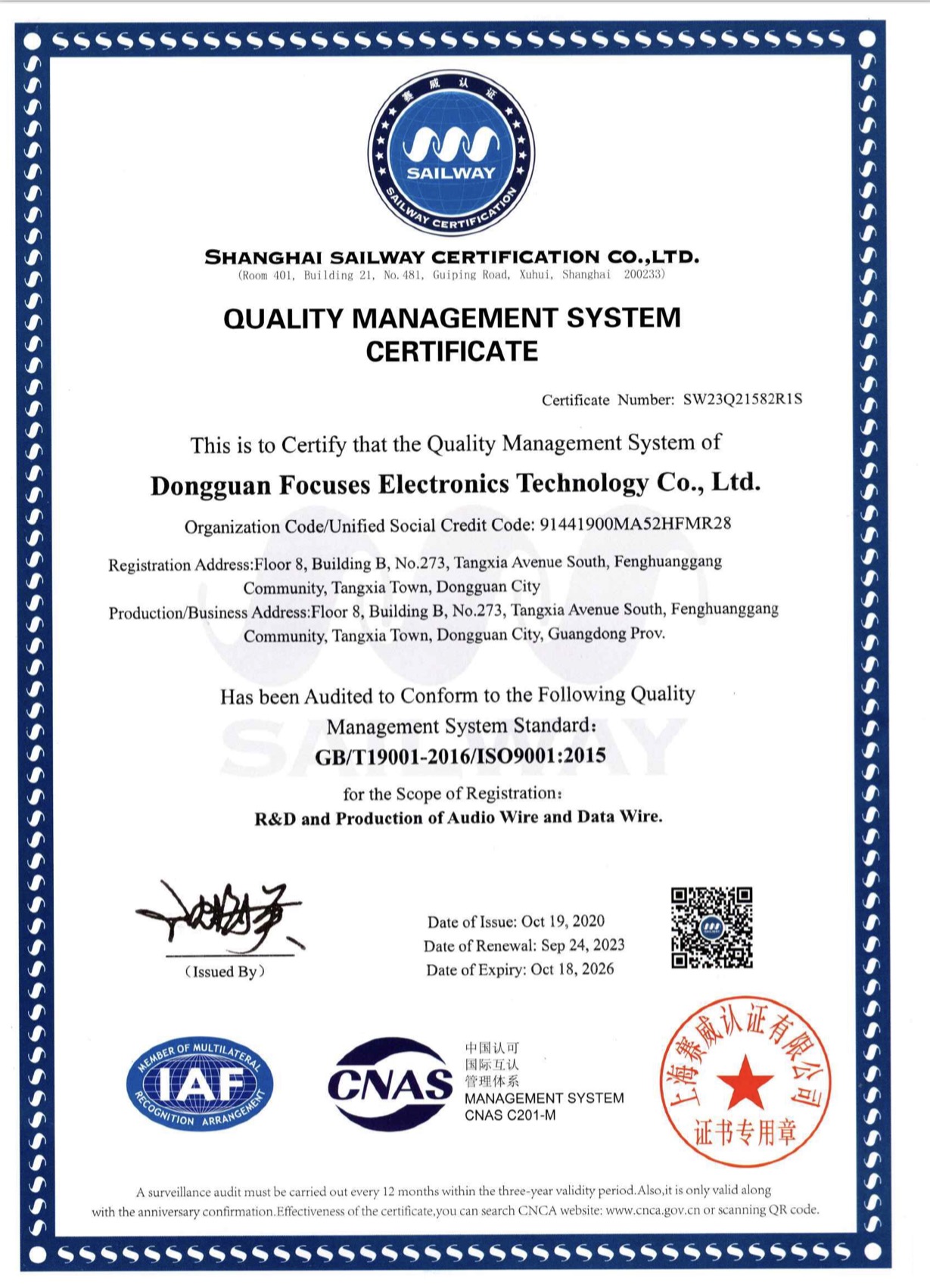
- Quality system: ISO 9001:2015 certification, certificate number SW23Q21582R1S, issued by SAILWAY, with a certified scope covering R&D and production of audio wire and data wire.
- Production capacity: 2,500,000 units per month, which allows a single program to cover both CB-TPE and CB-Waterproof SKUs.
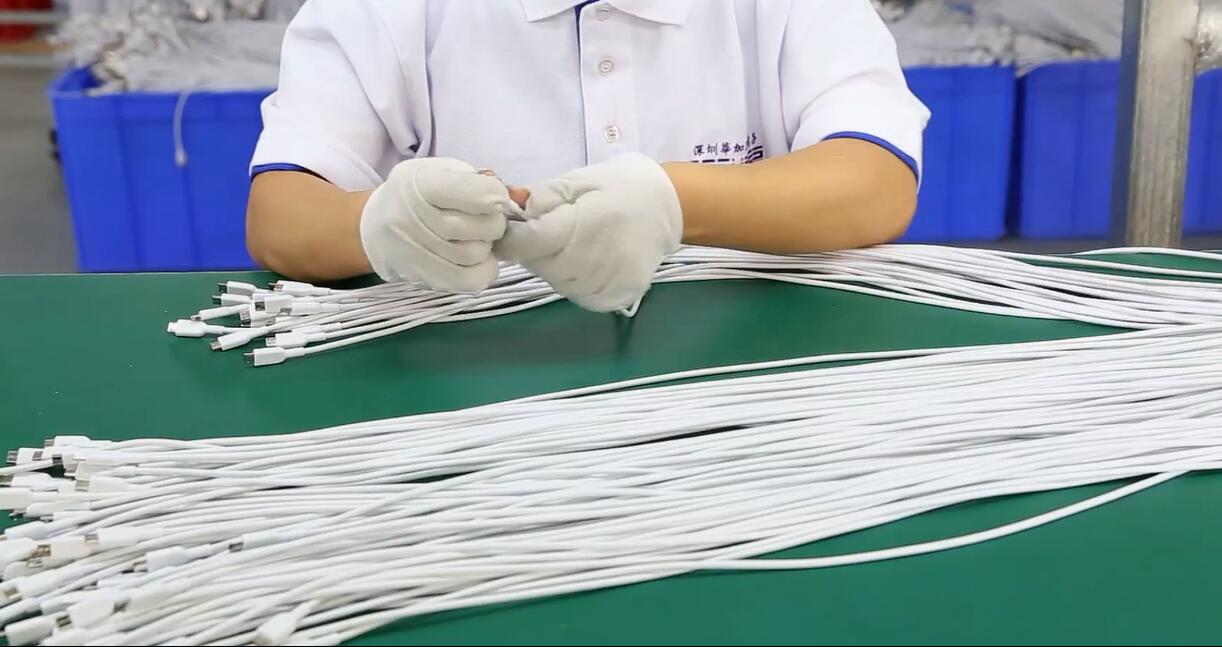
- Inspection: 100% full inspection before shipment.
- OEM/ODM customisation: logo printing, cable colour, power, cable appearance, cable materials, cable molding, multi-function design, connector housing colour, cable length, packaging style and packaging design.
- Commercial terms: MOQ 2,000 units; production lead time 25–35 days; 12-month warranty with free technical guidance on charging compatibility issues during the warranty period.
One compliance point is worth stating plainly. An ISO 9001 certificate is a management-system certificate for the factory’s scope; it is not a product-level ingress or electrical test report for a specific model. Where the CB-Waterproof’s IPX7 claim or a 240W charging claim will appear on retail packaging or in an EU or North American listing, request the model-level test documentation and map the electrical claims to the applicable reference — IEC 62680-1-3:2024 defines USB Type-C receptacles, plugs and cables, and the USB-IF document library holds the corresponding specification and functional test documentation.
Frequently Asked Questions
Does the CB-Waterproof cable’s IPX7 rating need supporting test evidence?
Yes, for any market where the claim appears on packaging or in a listing. The model specification states IPX7 waterproof and dustproof protection with sealed integrated molding, plus sweat-proof, anti-corrosion and wear-resistant characteristics. Focuses holds ISO 9001:2015 certification SW23Q21582R1S covering R&D and production of audio wire and data wire, and inspects 100% of goods before shipment, but a quality-system certificate is not a product ingress test. Ask for the model-level test report and keep it with the purchase order.
Can the CB-TPE and CB-Waterproof both deliver 240W at 6A?
According to the published model specifications, yes: both are rated for 120W and 240W fast charging with a 6A maximum current and a tinned copper conductor. The CB-Waterproof additionally lists 480 Mbps data transfer, a -20°C to 70°C working range and optional lengths of 0.3 m, 1 m, 1.5 m and 2 m, while the CB-TPE lists charging and data sync without a stated data rate. Note that 240W is the ceiling of the USB Power Delivery 3.2 range defined by USB-IF, so the power actually delivered still depends on the charger and device negotiating it.
Why do quotes for the two models differ when both are 6A cables?
Because price tracks construction, not current rating. Jacket material, the sealed integrated molding process, connector set, length, logo and packaging all change the bill of materials, and Focuses quotes per configuration rather than publishing list prices. Material timing matters too: copper-based components account for 60%–80% of total manufacturing cost for standard USB cables, and SMM reported copper prices of USD 13,000–13,300 per metric ton in early 2026. Quote both configurations together so the delta is visible.
How should a buyer validate rain and sweat performance before a bulk order?
Order physical samples of both models, then expose them to the condition you expect in the field: repeated flexing at the strain relief, coiling, and contact with water or sweat at the connector junction. Compare the CB-Waterproof’s sealed molding against the CB-TPE’s flexible TPE jacket and record the results against your retail claim. Production then runs on a 2,000-unit MOQ with a 25–35 day lead time, and the case record for comparable projects shows order quantities of 5,000 to 30,000 pieces per order.
What MOQ, lead time and warranty apply to a mixed CB-TPE and CB-Waterproof order?
For Focuses OEM/ODM programs the MOQ is 2,000 units, production lead time is 25–35 days, and monthly capacity of 2,500,000 units supports a combined order covering both constructions. Every shipment is 100% fully inspected before dispatch, and the warranty runs 12 months with free technical guidance on charging compatibility issues during the warranty period. Exports account for 90% of sales, with the EU, North America and Asia as the main markets.
How do importers shortlist top USB cable manufacturers in China?
Our evidence set contains no verified public ranking of Chinese USB cable manufacturers, so a shortlist should be built on verifiable points rather than on claims: registration and certification scope, factory size and capacity, whether the specific model’s specifications are documented (an IPX7 claim should exist in writing for the exact model), the inspection regime, MOQ, lead time and warranty. Applied to Focuses: a 6,000 m² facility, 150 employees, 6 R&D engineers, 2,500,000 units per month, ISO 9001:2015 certification SW23Q21582R1S, 100% inspection before shipment, MOQ 2,000 units, 25–35 days lead time and a 12-month warranty. Those are the same fields to request from every other supplier on the list.
Conclusion: Decide on Moisture, Confirm on Documentation
The CB-TPE and the CB-Waterproof are not competing answers to the same question; they are two answers to two different questions. If the SKU will face rain, sweat, a humid bathroom or outdoor travel, the CB-Waterproof is the specified part, because sealed integrated molding, an IPX7 waterproof and dustproof rating, sweat-proof and anti-corrosion characteristics and a -20°C to 70°C working range are documented facts rather than assumptions. If the SKU is indoor, gift-oriented or flexibility-first, the CB-TPE delivers eco-friendly TPE, a soft flexible wear-resistant jacket and a multi-type USB port without paying for protection the end user never needs.
Charging does not decide the comparison. Both models are rated 120W and 240W at 6A, both use a tinned copper conductor, and 240W sits at the top of the USB PD 3.2 range. Treat the rating as cable capability, match it to your device fleet, and put the jacket choice where it belongs: at the top of the SKU brief.
Next Step: Compare Both Models on Your Own Specification
Request samples of the CB-TPE and the CB-Waterproof, or ask for a configuration-based quotation covering jacket material, connector set, length, logo and packaging. MOQ is 2,000 units with a 25–35 day production lead time.
Focuses 2026 catalogue (PDF): download the catalogue
Website: www.focusestech.com
Email: info@focusestech.com | Tel / WhatsApp: +86 180-2697-6650
Factory: 8F HuiQing Industrial Park, TangXia Avenue South, Tangxia Town, Dongguan, Guangdong, China
Dongguan Focuses Electronics Technology Co., Ltd. — USB cable, USB solution and audio accessory manufacturing for OEM/ODM programs, exporting to the EU, North America and Asia.
Have Questions or Need More Details?
Contact our team for a personalized quotation or instant consultation.
Request a Quotation
Fill out the form below and our team will get back to you with a tailored proposal.
WhatsApp Direct Chat
Prefer to chat in real-time? Message us on WhatsApp for instant assistance & quick answers.
- Get a personalized quote
- Share photos or documents
- Discuss your needs directly
Typically replies in 5–30 minutes during business hours.