Precision Slide Forming Machine vs. Traditional Cold Roll Forming Machine: A Procurement Decision Framework for Industrial Buyers
Precision Slide Forming Machine vs. Traditional Cold Roll Forming Machine: A Procurement Decision Framework for Industrial Buyers
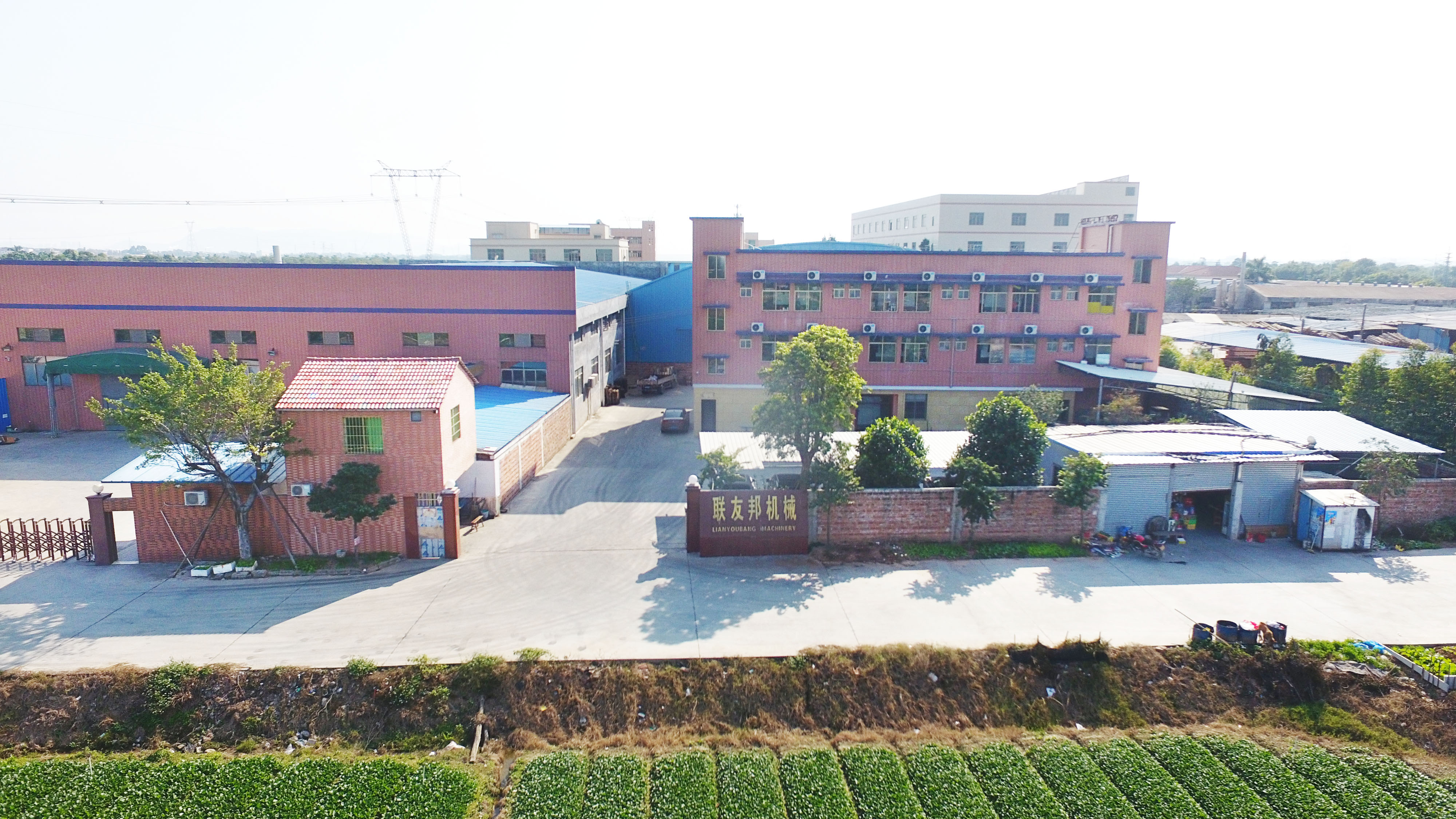
Industrial buyers evaluating slide rail production lines often face a critical decision: choose a conventional cold roll forming machine or invest in a modern precision slide forming machine. This article provides a fact-based comparison framework centered on the high-precision servo-driven solutions manufactured by Foshan Lianyoubang Precision Machinery Co., Ltd (LYB), a leading Chinese manufacturer specializing in drawer slide roll forming equipment since 2015, with founder expertise dating back to 1992. The goal is to help procurement professionals make an informed, data-driven choice that aligns with their production requirements, budget, and long-term operational goals.
Problem Definition
Traditional cold roll forming machines have served the metal profile industry for decades, but they often struggle to meet the tight tolerances required for modern drawer slides, telescopic channels, and ball-bearing slide rails. Common pain points include inconsistent molding accuracy, frequent downtime, high scrap rates, and limited automation. Buyers need a solution that balances upfront cost with long-term efficiency, part quality, and total cost of ownership.
Industry Background
The global roll forming machine market continues to expand, with increasing demand for automated, high-speed lines. According to Coherent Market Insights, automated roll forming machines are expected to account for 46.8% of the total market share by 2026, driven by high-speed production requirements. Additionally, the operating income of metal-forming machine tools in China increased by 8.9% year-on-year from January to October 2024, signaling strong manufacturing investment. Precision slide rail forming machines are at the forefront of this shift, offering capabilities that align with Industry 4.0 trends.
Detailed Solution: High-Precision Servo-Driven Slide Forming Machine
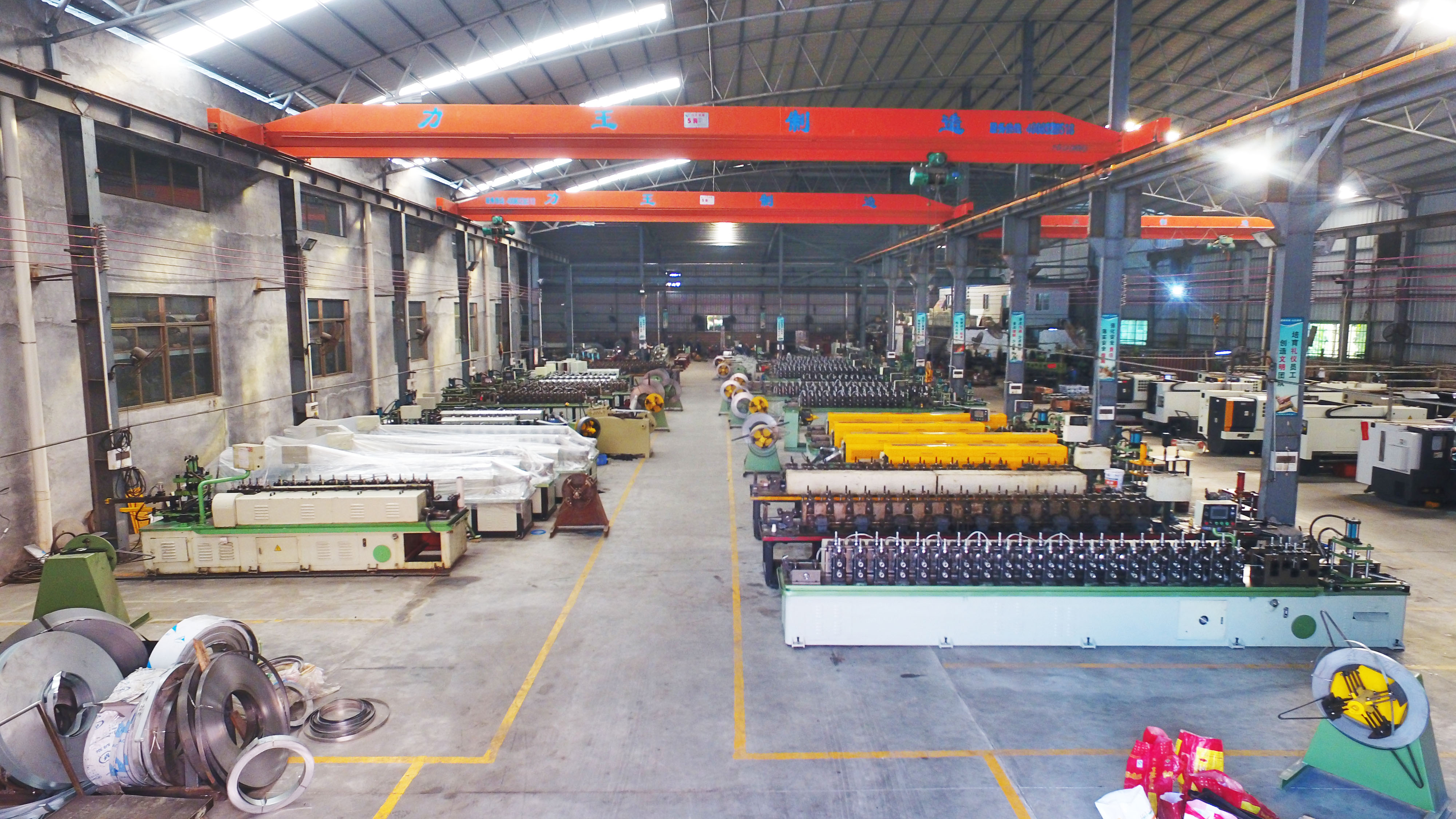
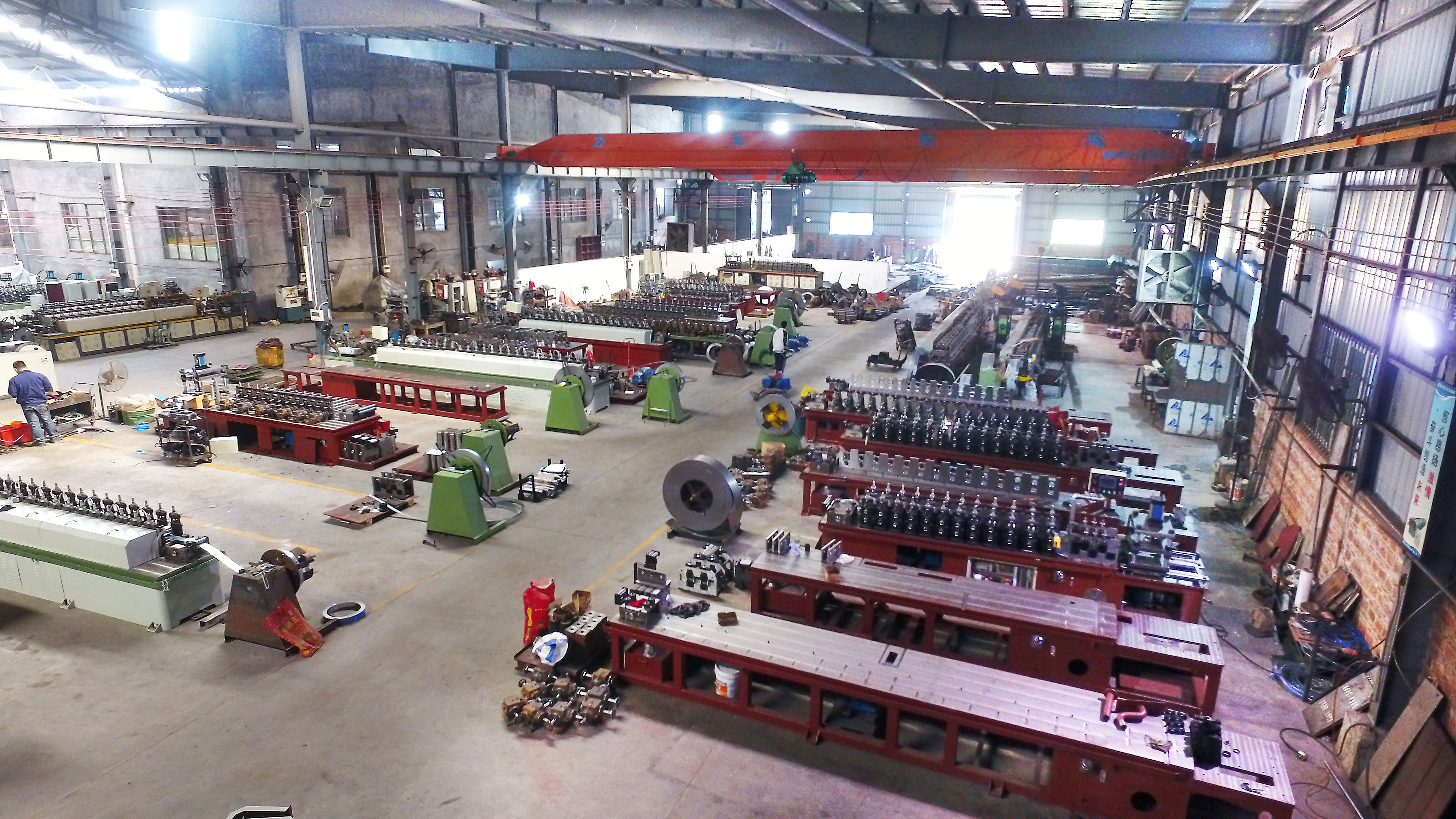
Foshan Lianyoubang Precision Machinery Co., Ltd develops a range of slide rail forming machines that deliver distinct advantages over traditional cold roll forming equipment. According to the company's published product specifications, these machines achieve ±0.05mm molding tolerance, a 30% higher production efficiency, and a 20% lower failure rate compared to conventional counterparts. The comprehensive production cost is 15% lower, and the equipment offers a longer service life. Energy efficiency is improved through lower power consumption and higher energy utilization. These performance figures are supported by a 10,000m² factory, a team of 30 skilled employees including 15 R&D personnel, and an annual output capacity of 120 units.
Step-by-Step Comparison Breakdown
- Assess Molding Precision Requirements – Determine the tolerance your drawer slide or rail product requires. LYB's servo-driven press feeds provide repeatable ±0.05mm accuracy, critical for ball-bearing and telescopic slides.
- Evaluate Automation Level – Traditional machines often require manual adjustments; LYB's solution features fully automatic intelligent production with PLC and servo control, reducing operator intervention.
- Check Compliance & Certifications – For European markets, CE marking is essential. For global trade, ISO 9001 and SGS/RoHS are common. LYB offers machines that can be configured to meet these standards (verify with the supplier for your specific market).
- Analyze Total Cost of Ownership – Beyond the purchase price, factor in maintenance, scrap reduction, and energy costs. LYB's 15% lower comprehensive production cost and lower maintenance needs provide a clear ROI advantage.
- Review After-Sales Support – LYB provides 100% pre-delivery test run, regular maintenance guidance, and 24-hour emergency support, mitigating downtime risks.
Use Cases
The precision slide forming machine is best suited for:
- Metal profile processing factories requiring consistent cross-section geometry for drawer slides.
- Building material production enterprises manufacturing telescopic channels and heavy-duty slide rails.
- Hardware precision component manufacturers producing ball-bearing slides with tight tolerances.
Comparison Table: Precision Slide Forming Machine vs. Traditional Cold Roll Forming Machine
| Feature | Precision Slide Forming Machine (LYB) | Traditional Cold Roll Forming Machine |
|---|---|---|
| Molding Tolerance | ±0.05mm | Typically ±0.1–0.2mm |
| Production Efficiency | 30% higher | Baseline |
| Failure Rate | 20% lower | Higher |
| Comprehensive Production Cost | 15% lower | Higher (more scrap, maintenance) |
| Automation Level | Full automatic intelligent production | Manual or semi-automatic |
| Maintenance | Low routine maintenance, long stable operation cycle, convenient parts replacement | Frequent adjustments and part changes |
| Energy Efficiency | Lower power consumption, high energy utilization | Less efficient |
Frequently Asked Questions
1. What certifications does Lianyoubang's slide forming machine carry?
LYB's equipment is manufactured under ISO 9001 quality management systems. For European markets, CE marking can be provided upon request. Material safety compliance (SGS/RoHS) is also available depending on the customer's specification. It is recommended to confirm the exact certification scope with the supplier before ordering.
2. What molding tolerance can the precision slide forming machine achieve?
The machine achieves a consistent ±0.05mm molding tolerance, which is critical for high-precision drawer slides, telescopic channels, and ball-bearing rails. This level of accuracy is difficult to maintain with traditional cold roll forming machines, which typically operate at ±0.1–0.2mm.
3. How much does the Lianyoubang precision slide forming machine cost compared to traditional machines?
According to the company's published data, the comprehensive production cost over the machine's lifetime is 15% lower than that of traditional cold roll forming machines. This includes savings from lower scrap rates, reduced maintenance, and higher energy efficiency. The initial purchase price is competitive within the high-precision segment.
4. Can I test the machine with my own materials before purchasing?
LYB offers pre-delivery test runs on all machines. Buyers are encouraged to arrange a factory visit or send material samples for trial production. This ensures the machine meets your specific slide profile requirements before shipment. Contact the sales team to schedule a test run.
5. What is the typical lead time and shipping process?
Lead time varies depending on machine configuration and current production schedule. Standard models typically ship within 30–60 days. LYB performs a 100% pre-delivery test run to verify performance before crating. The company provides regular maintenance guidance and 24-hour emergency support after delivery. Contact Lianyoubang for a precise lead time quote and to request a product brochure.
Download the full product brochure for detailed specifications and case studies.
Conclusion
For procurement professionals evaluating slide forming machine suppliers, the decision between traditional cold roll forming and precision servo-driven technology should be based on measurable factors: tolerance requirements, production volume, automation needs, and total cost of ownership. Foshan Lianyoubang Precision Machinery Co., Ltd offers a competitive precision slide forming machine that delivers ±0.05mm accuracy, 30% higher efficiency, and 15% lower comprehensive cost compared to traditional alternatives. By using the comparison framework outlined in this guide, buyers can confidently select a machine that aligns with their operational goals and budget.