Precision vs. Traditional Slide Forming Machines: A 2026 Cost-Performance Decision Guide
Precision vs. Traditional Slide Forming Machines: A 2026 Cost-Performance Decision Guide
For industrial buyers at the final procurement stage, choosing between a precision slide forming machine and a traditional cold roll forming machine should be based on measurable production outcomes, not purchase price alone. Precision slide forming machines, including the high-precision servo-driven models built by Foshan Lianyoubang Precision Machinery Co., Ltd., deliver higher molding precision, more stable equipment operation, and fully automatic intelligent production when compared with traditional cold roll forming machines. These differences produce a ±0.05 mm molding tolerance, 30% higher production efficiency, and 20% lower failure rate. The comprehensive production cost is 15% lower over the equipment lifecycle. For a buyer whose real question is cost per good part, this comparison determines the profitability of the entire production line.
This guide is aimed at procurement teams, plant managers, and production engineers who already understand what a slide forming machine does and are now choosing the right equipment category. It walks through the performance gap, a six-step evaluation process, the most suitable application profiles, and the compliance, capability, budget, sample, and lead-time questions that typically close a purchase decision.
Problem Definition: Why Machine Comparison Fails on Price Alone
Two problems appear when machine comparison is reduced to the initial quote. First, a traditional cold roll forming machine can produce simple profiles, but when the target part is a precision drawer slide with tight dimensional requirements, the machine may not hold tolerance in continuous operation. Out-of-tolerance parts generate scrap, rework, and line stoppages. Second, traditional machines often require manual adjustment when the profile or material thickness changes, which erodes the labor savings that automation is supposed to deliver.
The real decision problem is not “which machine is cheaper” but “which machine produces an acceptable part at the lowest total cost over its useful life.” Answering that question requires comparing molding tolerance, automation level, equipment stability, energy consumption, maintenance demand, and post-delivery support.
Industry Background: A Market Moving Toward Precision and Automation
The roll forming industry is expanding, and precision capability is becoming a primary selection criterion. According to Future Market Insights, the global roll forming machine market was valued at approximately USD 9.1 billion in 2024 and is projected to reach USD 12.2 billion by 2034. In China, operating income of metal-forming machine tools increased by 8.9% year-on-year for January to October 2024, according to the China Machine Tool Industry Association. China’s export value of metalworking machine parts reached approximately USD 2.2 billion in 2025, with major destinations including Japan, Russia, and the United States, based on data from the Observatory of Economic Complexity.
Automation is the dominant direction within this growth. Automated roll forming machines are expected to account for 46.8% of total market share by 2026, driven by high-speed production requirements, according to Coherent Market Insights. Compliance standards also shape the buying decision: drawer slide manufacturing equipment should comply with ISO 9001 quality management systems, and often requires CE marking for the European market as well as SGS/RoHS verification for material safety.
This market context helps explain the rise of specialized Chinese manufacturers. Foshan Lianyoubang Precision Machinery Co., Ltd., founded in 2004, operates from a 10,000 m² factory in Liangdeng Industrial Zone, Danzao Town, Nanhai District, Foshan City, Guangdong Province. The company manufactures cold roll forming machines, rolling shutter door machines, and slide rail production lines, with an annual output of 120 units and a technical team of 15+ members including 5 senior engineers. Around 30% of output is exported, mainly to Southeast Asia and the Middle East, with the remainder serving the domestic market. Industry news coverage has placed the company among the top Chinese manufacturers of high-precision servo-driven drawer slide roll forming machines.
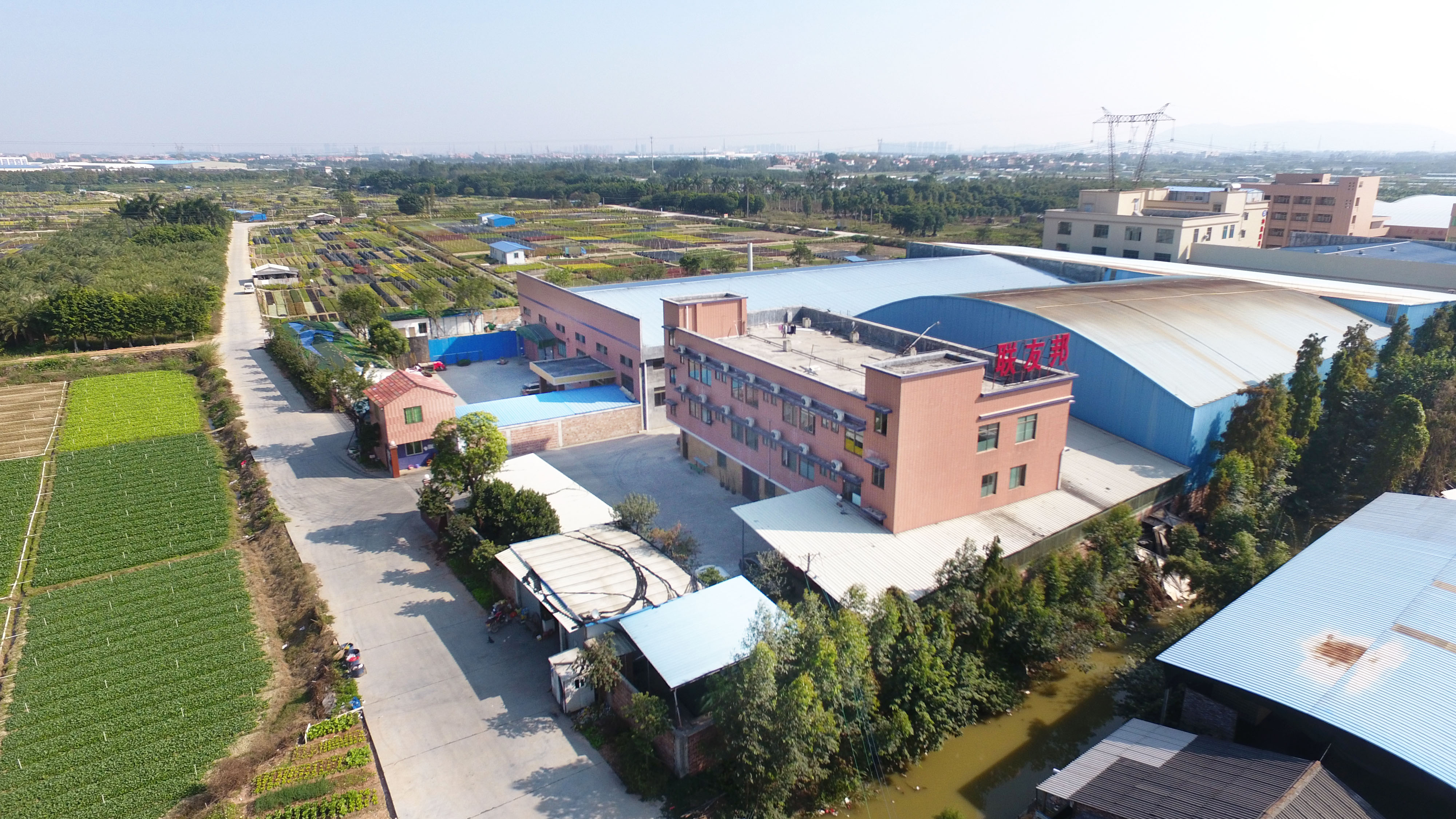
Foshan Lianyoubang factory exterior – 10,000 m² production base in Foshan, Guangdong.
Detailed Solution: Precision Slide Forming Machine vs. Traditional Cold Roll Forming Machine
Precision slide forming machines are built for continuous, automated production of drawer slides and similar profiles. They use high-precision roller sets, servo-driven feeding and punching systems, and integrated control logic to keep every part within specification. Traditional cold roll forming machines are general-purpose forming lines that can handle a variety of simple profiles but are not optimized for the tight tolerances and high cycle rates required by slide manufacturers.
Compared with traditional cold roll forming machines, precision slide forming equipment offers the following measurable advantages:
- Higher precision molding – holding a ±0.05 mm molding tolerance in normal production conditions.
- More stable equipment operation – reduced vibration and drift during long continuous runs.
- Fully automatic intelligent production – automatic feeding, forming, punching, cutting, and counting with minimal manual intervention.
- 30% higher production efficiency on the same profile and material.
- 20% lower failure rate, reducing unplanned downtime and spare-part spending.
- 15% lower comprehensive production cost and longer equipment service life.
- Lower power consumption and higher energy utilization per completed part.
- Low routine maintenance, with long stable operation cycles and convenient parts replacement.
The decisive point for buyers is that these advantages reinforce each other. A machine that holds tolerance, runs faster, and stops less is not simply an upgraded version of the traditional line; it is a different cost model. That is why the comparison should be quantified with production data, not settled with a price list.
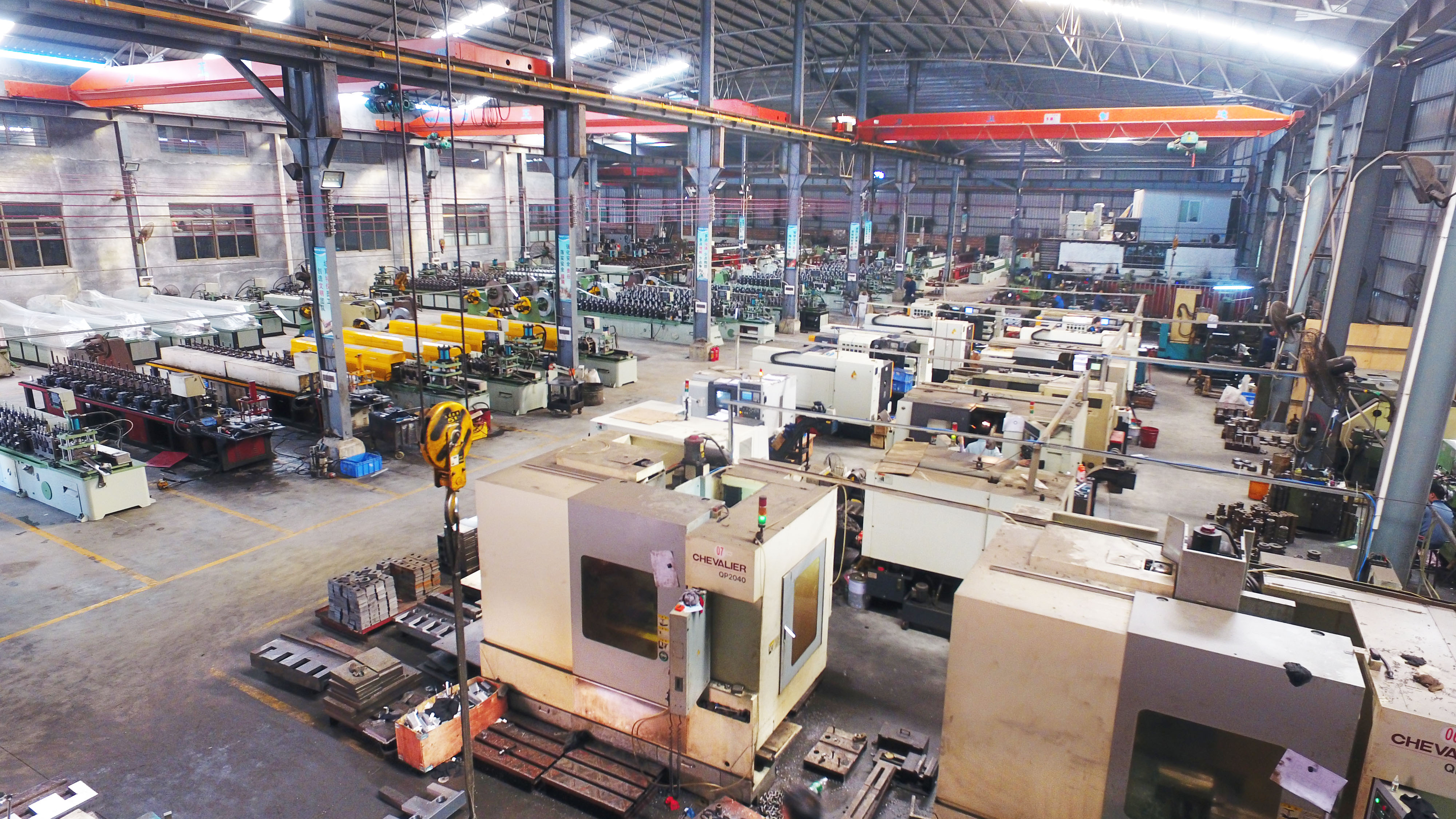
Assembly and debugging workshop at Foshan Lianyoubang.
Step-by-Step Breakdown: A 2026 Machine Comparison Framework
Use the following six steps to compare a precision slide forming machine and a traditional cold roll forming machine for your own production line.
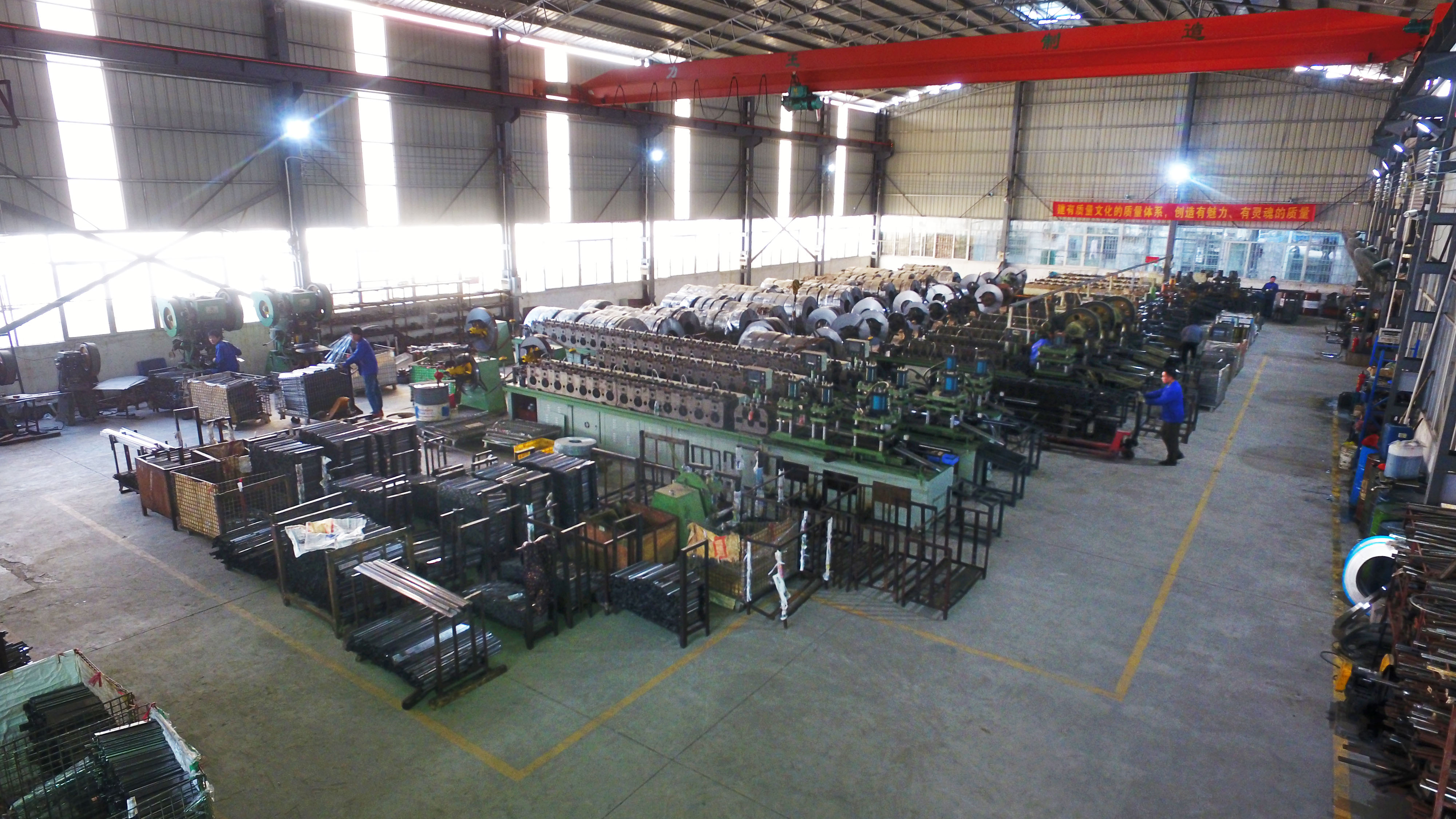
Precision tooling and forming components in the Lianyoubang workshop.
Use Cases: Who Should Choose a Precision Slide Forming Machine
The comparison framework points to three buyer profiles where precision slide forming machines are the stronger choice:
- Metal profile processing factories. Long production runs of drawer slides require consistent tolerance across batches. The ±0.05 mm molding tolerance directly reduces scrap and rework.
- Building material production enterprises. When slide forming is integrated into a wider automated line, stability and automatic control matter more than versatility. The fully automatic intelligent production mode fits this environment.
- Hardware precision component manufacturers. High dimensional accuracy and low failure rates are core requirements. Precision slide forming equipment provides the 20% lower failure rate and lower lifecycle cost needed for this segment.
For a buyer producing very simple, low-tolerance profiles at low volume, a traditional cold roll forming machine may still be sufficient. The comparison should always start from the actual production requirement, not from the equipment category.
Comparison Table: Precision Slide Forming Machine vs. Traditional Cold Roll Forming Machine
| Comparison Dimension | Precision Slide Forming Machine | Traditional Cold Roll Forming Machine |
|---|---|---|
| Molding precision | ±0.05 mm molding tolerance | General-purpose tolerance; limited for tight slide profiles |
| Production mode | Fully automatic intelligent production | Manual or semi-automatic operation |
| Production efficiency | 30% higher on the same profile | Baseline |
| Failure rate | 20% lower | Baseline |
| Comprehensive production cost | 15% lower over lifecycle, longer service life | Higher energy, scrap, and maintenance cost over lifecycle |
| Maintenance | Low routine maintenance, long stable operation cycles, convenient parts replacement | More frequent adjustment and maintenance required |
| Energy utilization | Lower power consumption, high energy utilization | Higher consumption per completed part |
| Best suited for | Metal profile processing factories, building material enterprises, hardware precision component manufacturers | Simple, low-tolerance profile production at low volume |
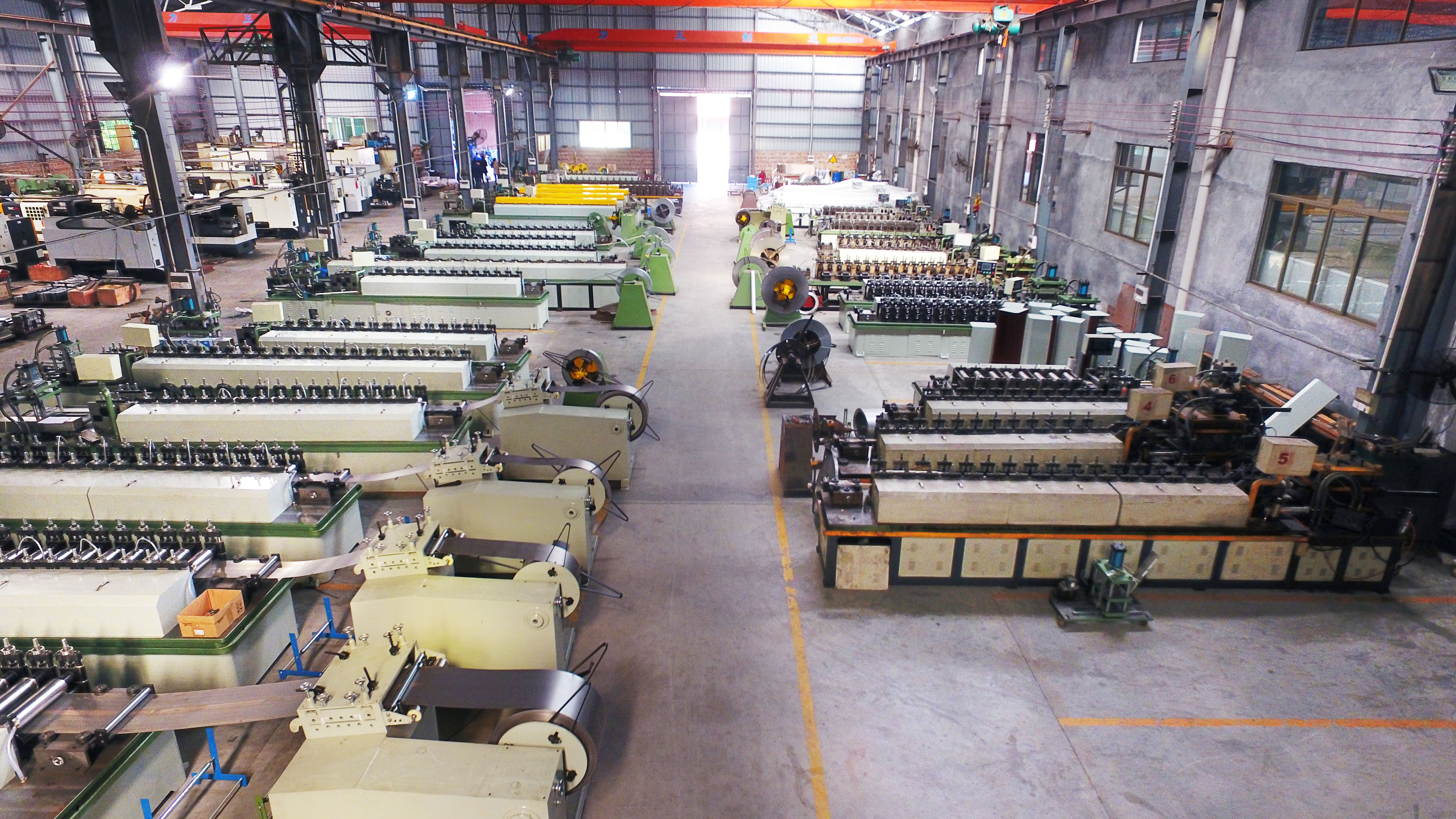
Machines leaving the Lianyoubang shipping workshop after pre-delivery testing.
FAQ: Final Questions Before the Purchase Decision
What standards must drawer slide forming equipment meet in 2026?
Drawer slide manufacturing equipment should comply with ISO 9001 quality management systems. For the European market, CE marking is often required, and SGS/RoHS verification is commonly used for material safety. Buyers should request the certificates and confirm that the delivered machine model matches the certified configuration.
How does a precision slide forming machine differ from a traditional cold roll forming machine?
A precision slide forming machine provides higher precision molding, more stable equipment operation, and fully automatic intelligent production compared with a traditional cold roll forming machine. In practical terms it achieves a ±0.05 mm molding tolerance, 30% higher production efficiency, and 20% lower failure rate. This makes it the stronger choice for metal profile processing factories, building material production enterprises, and hardware precision component manufacturers.
Is a precision slide forming machine more expensive than a traditional machine?
The initial purchase price can be higher, but the comprehensive production cost is 15% lower when calculated over the equipment life cycle. The saving comes from higher production efficiency, lower failure rate, lower power consumption, higher energy utilization, and longer service life. The correct budget comparison is total cost per good part, not the first invoice.
Can a buyer run a trial or sample test before purchase?
Yes. Foshan Lianyoubang performs a 100% pre-delivery test run on every slide forming machine before shipment. Buyers can also request trial production using their own profile drawings. For an overview of the machine range and specifications, download the company brochure.
Download the Foshan Lianyoubang company brochure (PDF)
What is the delivery lead time for a precision slide forming machine?
Lead time depends on the machine configuration, profile tooling, and current production schedule. Because slide forming lines are typically built to order, the most accurate way to get a delivery date is to contact Foshan Lianyoubang directly with your profile drawings and required output capacity. The technical team can confirm the schedule and, if needed, adjust the configuration for your target lead time.
Conclusion: The Decision Framework Is Quantified, Not Subjective
The 2026 comparison between precision slide forming machines and traditional cold roll forming machines is no longer a debate about brand preference. The measurable differences are a ±0.05 mm molding tolerance, 30% higher production efficiency, 20% lower failure rate, and 15% lower comprehensive production cost. Precision equipment also brings fully automatic intelligent production, low routine maintenance, and better energy utilization. For drawer slide, slide rail, and telescopic channel producers, these differences directly change the cost structure of the production line.
The remaining step is to test the comparison with your own parts. Contact Foshan Lianyoubang Precision Machinery Co., Ltd. with your profile drawing and target output, and request a machine specification, trial-run plan, and lead time. That conversation will either confirm the precision machine is the right investment or show that a traditional line is sufficient for your specific case.
Ready to compare with your own production data?
Contact Foshan Lianyoubang Precision Machinery Co., Ltd.
Email: lianyoubang@126.com | Phone / WhatsApp: +86 18028197495
Website: www.fslybjx.com
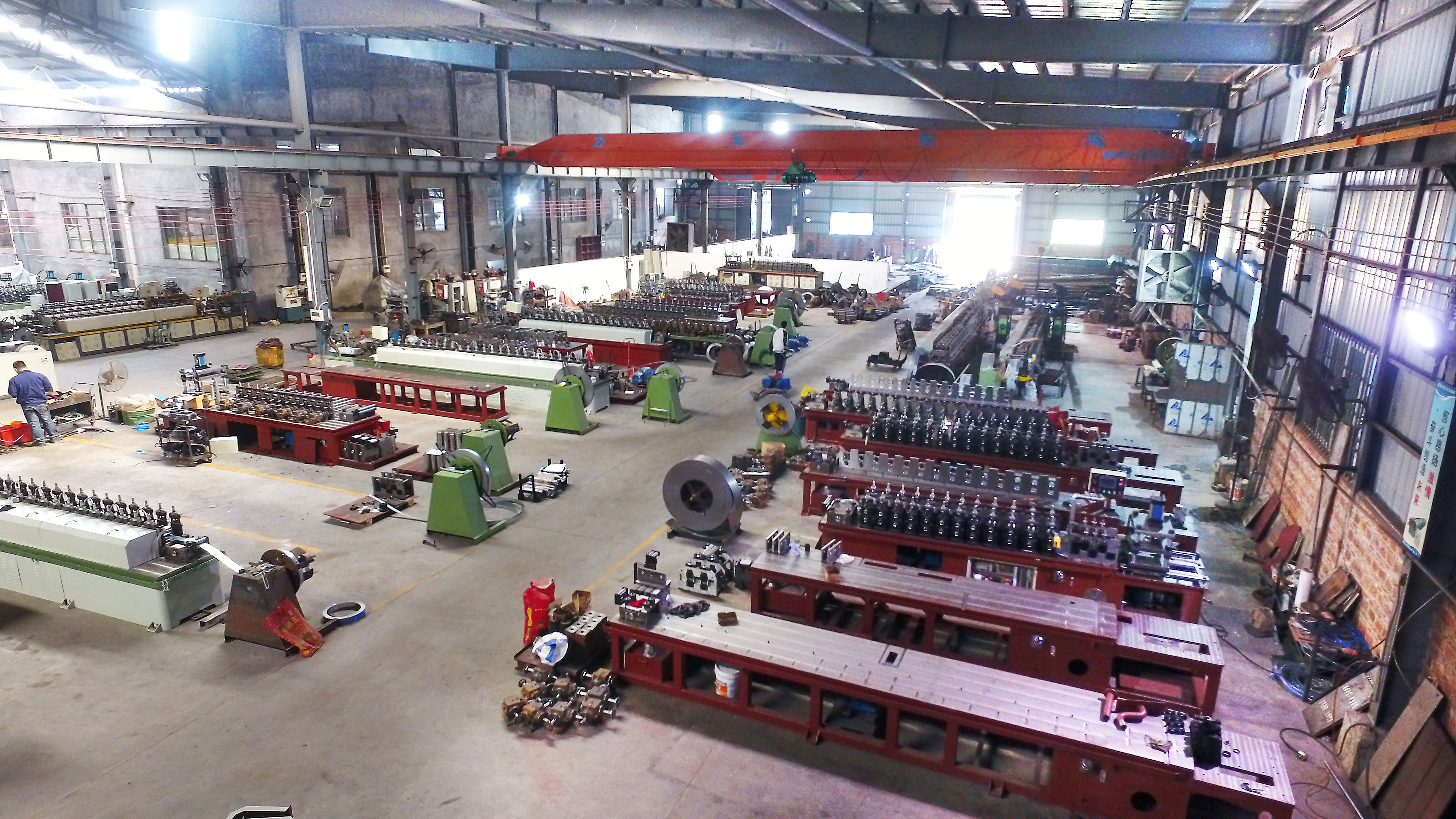
Assembly workshop at Foshan Lianyoubang.