Slide Forming Machine Explained: Core Concepts and Applications in Precision Roll Forming
Slide Forming Machine Explained: Core Concepts and Applications in Precision Roll Forming
A slide forming machine is a dedicated cold roll forming line that turns flat metal strip into the profiled channels, runners and rails used in drawer slides and telescopic slides. Its defining characteristic is not the category name but the forming tolerance it can hold, how its feeding and cutting stages are automated, and how completely its downstream stations are integrated.
The term is used loosely across the industry, which is why quotations for two machines both described as a "slide forming machine" can differ in ways that have little to do with price and everything to do with configuration. This article explains the machine from the ground up: the cold roll forming principle behind it, the components that make up a working line, the materials involved, the industries that depend on the output, and a documented performance comparison against traditional cold roll forming equipment.
It is written for buyers who are new to the category but already at the decision stage, where the useful question is no longer "what is this machine?" but "which configuration actually holds the tolerance my product needs?" Every figure below comes either from the manufacturer's published product documentation or from a named third-party source, and each is attributed where it appears.
Why the Category Name "Slide Forming Machine" Creates Procurement Confusion
Three specific ambiguities cause most of the misunderstanding at the decision stage.
Tolerance is described in words rather than numbers. Two suppliers can both call their equipment "high precision" while quoting forming capabilities that are not comparable at all. In drawer slide production the inner, middle and outer channels must nest and slide against each other through repeated cycles; a profile that varies by a few hundredths of a millimetre too much shows up in the finished product as binding, lateral play or noise. A tolerance figure, and the method used to verify it, is therefore one of the most important line items in a technical quotation, and it is the item most often left vague.
The machine is one module of a line, not the whole line. Feeding, forming, cutting, beading, bending, butt welding, riveting, assembly and inspection may sit on one continuous line or be split across separate machines. A buyer who compares only the forming module is comparing only part of the investment, and the missing stations often account for a large share of the labour cost the line is expected to remove.
Automation level is not visible in the machine's footprint. Manual feeding, semi-automatic feeding and servo feeding produce different scrap rates, different labour requirements and different consistency from coil to coil. Two lines with similar dimensions can therefore have very different operating economics.
The practical consequence is that a procurement decision in this category is really a decision about four numbers and one document: the forming tolerance, the line speed range, the sheet thickness range the machine is designed for, the automation level of feeding and cutting, and the compliance documentation package that travels with the equipment. Buyers who ask for those items in writing can compare quotations on equal terms.
Industry Background: Where Roll Forming Equipment Demand Is Heading
Cold roll forming is a mature metal forming process, and published estimates of its equipment market vary widely because different research organisations define the scope differently. Those differences matter when a buyer is trying to size the supplier market.
- Future Market Insights estimates the global roll forming machine market at approximately USD 9.1 billion in 2024, projected to reach USD 12.2 billion by 2034. This figure covers roll forming equipment broadly, including heavy industrial applications.
- Intel Market Research publishes a much narrower estimate of USD 487 million in 2024, growing at a 4.5% CAGR to USD 662 million by 2032. The gap between the two figures reflects scope rather than disagreement about whether the market is growing.
- China's export value of metalworking machine parts reached approximately USD 2.2 billion in 2025, with major destinations including Japan, Russia and the United States, according to the Observatory of Economic Complexity.
- The operating income of metal-forming machine tools in China increased by 8.9% year-on-year for January to October 2024, as reported by the China Machine Tool Industry Association.
- Coherent Market Insights projects that automated roll forming machines will account for 46.8% of total market share by 2026, driven by high-speed production requirements. This projection carries a medium reliability rating and is best treated as directional.
Compliance expectations are moving in the same direction. Drawer slide manufacturing equipment must comply with ISO 9001 quality management systems and often requires CE marking for the European market, together with SGS/RoHS documentation for material safety. For suppliers these are no longer optional extras; for buyers they are the documents that decide whether a line can serve a given export market at all.
For a buyer at the decision stage, the useful signal in this data is not the headline market value but the automation share. When nearly half of new demand is expected to be for automated equipment, a semi-automatic line purchased today is increasingly a legacy asset.
Core Concepts Behind Precision Slide Roll Forming
The forming principle
Cold roll forming bends metal strip progressively as it passes through a series of matched roll stations. The strip enters the line flat and each successive station increases the bend angle by a small increment until the finished profile leaves the final station. Because the material is worked in small steps rather than formed in a single stroke, it retains more of its original strength, and the finished profile holds tighter dimensional control at production volume than press brake forming typically achieves. Station count, roll geometry and the spacing between stations are the design decisions that determine whether a line can produce a slide rail profile or only an approximation of it.
What is inside a slide forming line
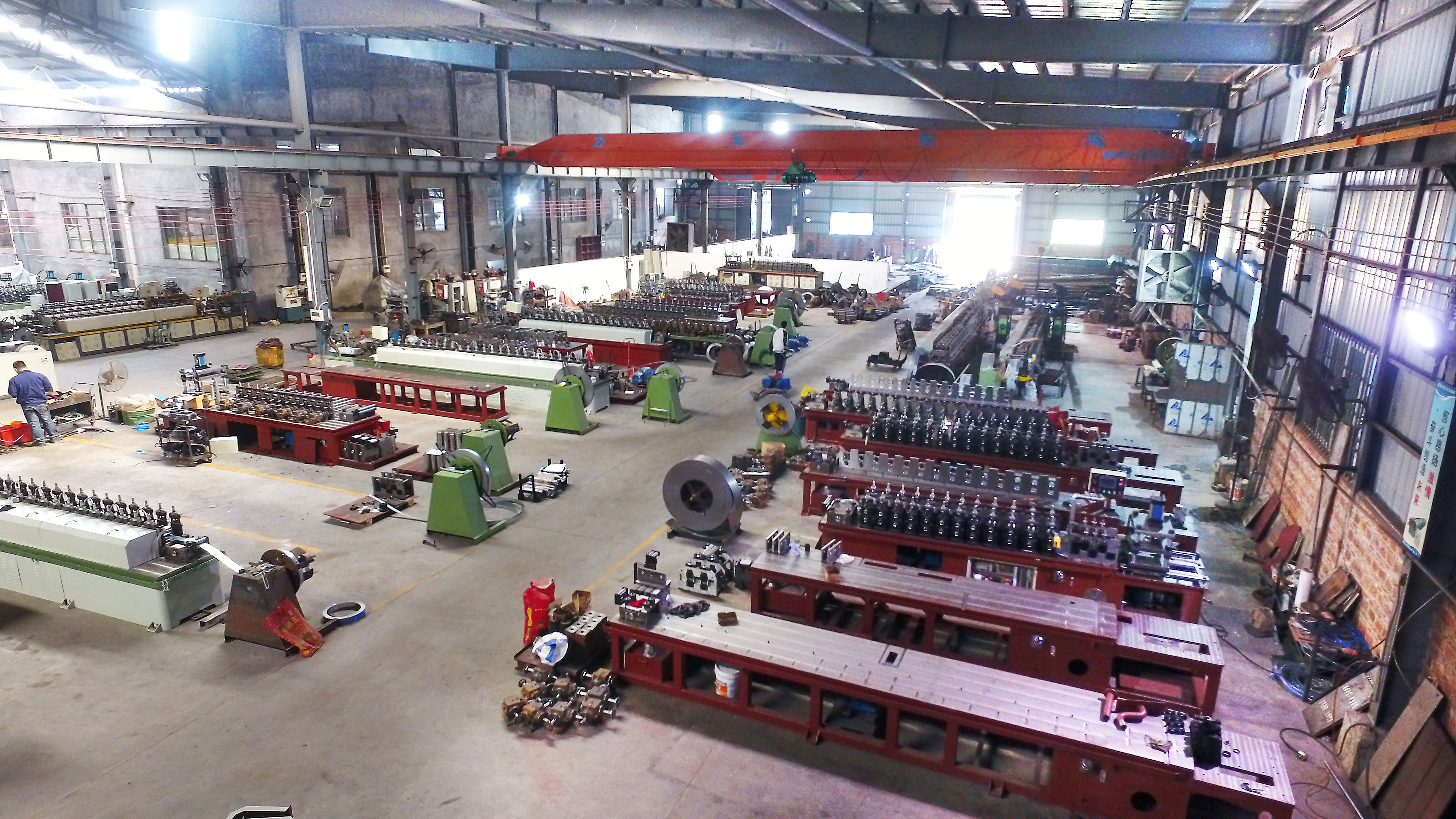
A complete line is usually described by its modules rather than as a single machine:
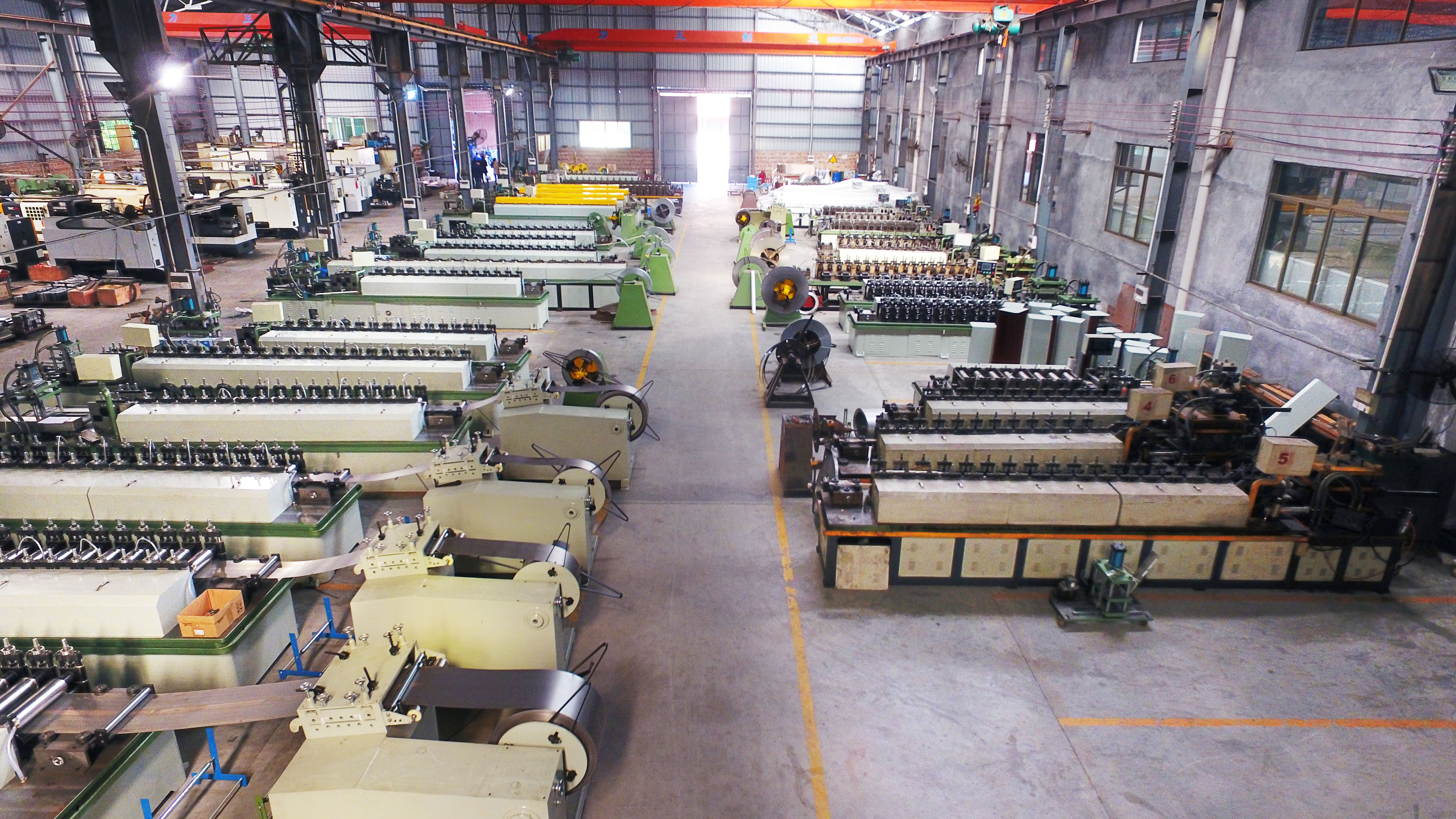
- Uncoiler (decoiler) — holds the steel coil and pays strip into the line at a controlled rate.
- Servo feeder — meters the strip, sets the feed pitch and holds repeatability between strokes; it is the module most directly responsible for length consistency from cut to cut.
- Forming stations — matched upper and lower rolls that progressively bend the strip into the slide profile.
- Hydraulic cutting machine — cuts the continuous formed profile to length without stopping the line.
- Control system — coordinates feed, forming and cutting so the line runs as one process instead of as independent machines.
Downstream of the forming module, a slide rail production line typically continues into beading, bending, butt welding, riveting, assembly and inspection equipment. Foshan Lianyoubang Precision Machinery Co., Ltd. builds this full range, including automatic and semi-automatic slide assembly machines, automatic rivet machines, automatic slide bending machines, automatic slide butt welding machines, bead pressing machines, slide rail testing machines and slide rail runout detectors alongside its forming machines.
Materials used in drawer slide production
Drawer slides and telescopic channels are commonly produced from cold-rolled carbon steel strip, selected for consistent thickness and predictable forming behaviour. The forming rolls themselves are usually machined from tool steels such as GCr15 and SKD11, chosen for wear resistance because the rolls contact abrasive strip continuously. Material selection affects both the surface quality of the finished rail and how often rolls need to be reconditioned.
What precision means in numbers
Foshan Lianyoubang documents a ±0.05 mm molding tolerance for its precision slide forming equipment. That figure is the anchor a buyer should use when comparing suppliers: request the tolerance in writing, ask which sheet thickness range it applies to, and ask how it is verified on the finished rail rather than on the machine alone. A tolerance claim without a verification method is a marketing statement, not a specification.
Because line speed, sheet thickness range and station count are configuration decisions, they should be confirmed against the specific slide profile a buyer intends to produce rather than assumed from a general product description.
Documented comparison against traditional cold roll forming
Compared with traditional cold roll forming machines, the company states that its precision slide forming machines deliver higher precision molding, more stable equipment operation and fully automatic intelligent production. Its published comparison data lists 30% higher production efficiency and a 20% lower failure rate, alongside a 15% lower comprehensive production cost and longer equipment service life. Energy performance is described in terms of lower power consumption and a higher energy utilisation rate, while maintenance requirements are characterised as low, with long stable operation cycles and convenient parts replacement.
These are the manufacturer's own published figures and are best read as a comparison between two equipment categories rather than as a guarantee for any individual installation. For a buyer, the value of the comparison lies in the structure it provides: precision, efficiency, failure rate, cost and maintenance are the five dimensions on which the two categories differ, and each can be tested against a supplier's own documentation.
Where the equipment comes from
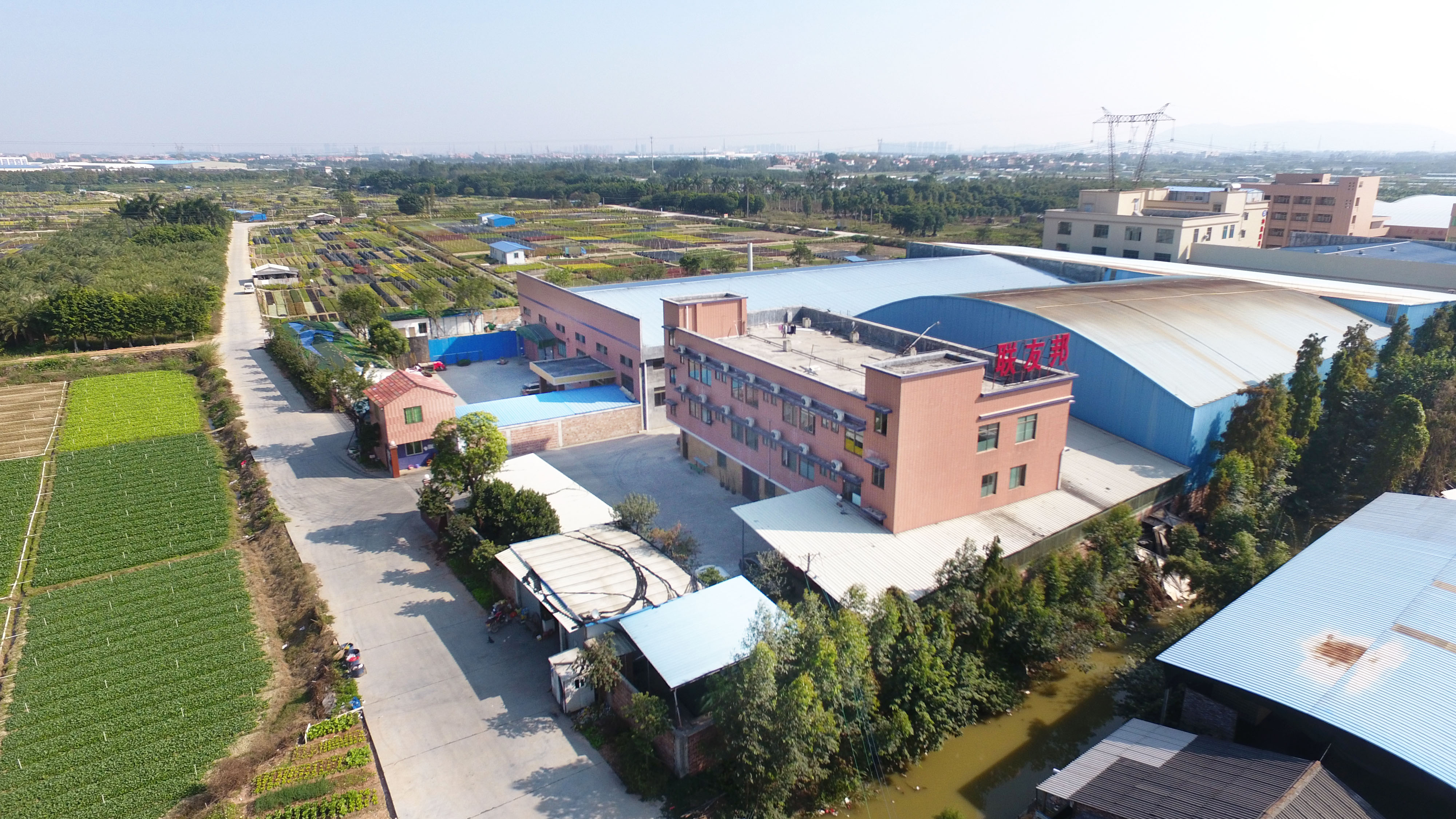
Foshan Lianyoubang Precision Machinery Co., Ltd. is a Foshan-based manufacturer of cold roll forming machines, rolling shutter door machines and slide rail production lines, operating a 10,000 m² facility with a team of about 30 people and an annual output of approximately 120 units. Roughly 30% of its output is exported, primarily to Southeast Asia and the Middle East, alongside a domestic Chinese market. Its technical team includes more than 15 engineers, five of whom are senior engineers.
Independent coverage of the company is limited but existent: a 2026 market profile distributed via EIN Presswire and published by MENAFN identifies LYB as a Top 3 Chinese manufacturer in the high-precision cold roll forming category, with a history traceable to its founder's work in machinery general equipment manufacturing from 1992. Buyers evaluating the supplier should treat that third-party positioning as a starting point and verify capability against the tolerance documentation described above.
Step-by-Step Breakdown: From Steel Coil to Inspected Slide Rail
Understanding the production sequence makes it easier to see where quality is won or lost, and where a supplier's specification should be questioned.
- Coil loading and uncoiling. The steel coil is mounted on the uncoiler and threaded into the line. Coil condition, edge quality and thickness consistency set the ceiling for everything that follows. Buyers should ask which coil width and thickness range the line is designed for.
- Strip feeding and alignment. The servo feeder advances the strip by a set pitch and keeps it aligned with the roll centreline. Feed accuracy determines length consistency between parts; misalignment here produces asymmetric profiles that are difficult to correct downstream.
- Progressive roll forming. The strip passes through successive stations, each adding a small increment of bend. Station count, roll material and roll finishing determine whether the final profile holds its intended geometry at speed. This is the stage where a documented tolerance figure such as ±0.05 mm becomes meaningful.
- Cutting to length. The hydraulic cutting machine severs the moving profile at the required length. The quality checks here are burr height and cut squareness, both of which affect how the rail behaves in assembly.
- Beading. A bead pressing machine forms the bead feature that keeps the slide components engaged and running in track. Bead consistency directly affects the sliding feel of the finished drawer.
- Bending and butt welding. Automatic slide bending machines and automatic slide butt welding machines form and join the rail ends. Weld quality and bend angle consistency determine whether assembled slides sit square in the cabinet or appliance.
- Assembly and riveting. Automatic or semi-automatic slide assembly machines combined with automatic rivet machines join the inner, middle and outer members into a working slide. At this stage the line's automation level shows up most clearly in labour cost per unit.
- Inspection. Slide rail testing machines and slide rail runout detectors check the finished rail before it is packed. Foshan Lianyoubang performs a 100% pre-delivery test run on equipment before shipment, which gives buyers a documented checkpoint to request when evaluating a supplier.
Applications: Where Slide Forming Machines Are Used
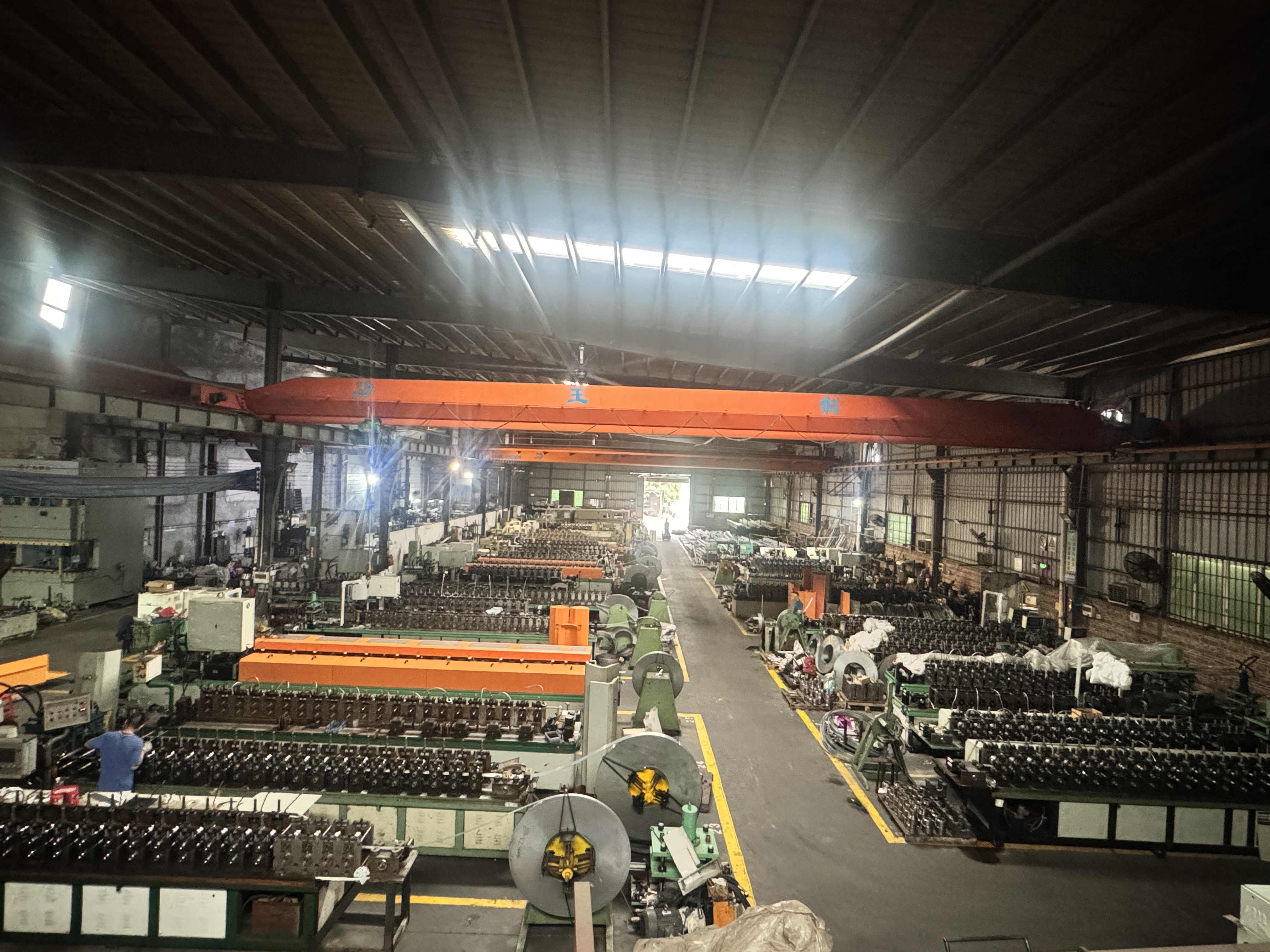
Published application guidance for this equipment identifies metal profile processing factories, building material production enterprises and hardware precision component manufacturers as the primary users. In practice, those categories resolve into a small number of recognisable product families.
Furniture drawer slides. This is the volume application. Three-fold and ball bearing telescopic channels are produced at speed and require the tightest profile control, because any variation in channel geometry is felt by the end user as binding or looseness. Production here typically runs continuously through the working day, so line stability matters as much as peak speed.
Home appliance slides. Ovens, refrigerators, dishwashers and similar appliances use slides with different load and finish requirements, often with tighter surface quality standards. The same forming line can serve this segment when the roll set is designed for the application.
Automotive parts. Seat tracks, interior mechanism rails and similar components use the same cold roll forming principle on profiles that frequently call for heavier gauge strip — a configuration decision rather than a different machine category.
Building materials and metal profiles. Producers of architectural and industrial profiles use slide forming and roll forming equipment in cases where slide-grade tolerance is not required but consistent output is.
Hardware precision components. Smaller specialist producers use this equipment for low-volume, high-variety runs where changeover time and roll change flexibility matter more than maximum line speed.
Precision Slide Forming Machine vs. Traditional Cold Roll Forming Machine
The comparison below is drawn from the manufacturer's published comparison data for its precision slide forming machines against traditional cold roll forming machines. It is a category-level comparison; individual installations should be verified against their own acceptance tests.
| Comparison dimension | Precision slide forming machine | Traditional cold roll forming machine |
|---|---|---|
| Molding precision | Higher precision molding; documented ±0.05 mm molding tolerance | Reference level for the comparison |
| Production efficiency | 30% higher | Reference level |
| Failure rate | 20% lower | Reference level |
| Comprehensive production cost | 15% lower, with longer equipment service life | Reference level |
| Equipment stability | More stable equipment operation | Reference level |
| Automation | Fully automatic intelligent production | Lower degree of automation |
| Energy performance | Lower power consumption, higher energy utilisation rate | Reference level |
| Maintenance | Low routine maintenance, long stable operation cycle, convenient parts replacement | Reference level |
| Typical users | Metal profile processing factories, building material production enterprises, hardware precision component manufacturers | General profile forming where slide-grade tolerance is not required |
Frequently Asked Questions
1. What standards apply to drawer slide manufacturing equipment?
Drawer slide manufacturing equipment must comply with ISO 9001 quality management systems and often requires CE marking for the European market, together with SGS/RoHS documentation for material safety. Because the applicable set depends on the destination market and the end product, buyers should confirm which of these apply to their case before order placement and request the documentation package as part of the quotation rather than after the machine is built.
2. What is the practical difference between a precision slide forming machine and a traditional cold roll forming machine?
Three differences are documented: higher precision molding, more stable equipment operation and fully automatic intelligent production. In figures, the precision category is documented at a ±0.05 mm molding tolerance, with 30% higher production efficiency and a 20% lower failure rate than traditional cold roll forming machines. For a buyer, the practical question is whether the product being made actually requires slide-grade tolerance, since that determines whether the precision category is necessary or simply more machine than the job requires.
3. Does a precision slide forming machine cost more to operate?
Published comparison data indicates the opposite on a total-cost basis: a 15% lower comprehensive production cost, longer equipment service life, lower power consumption and a higher energy utilisation rate. Maintenance is described as low, with long stable operation cycles and convenient parts replacement. This is why purchase price alone is a poor decision criterion in this category — the cost that matters is the cost per finished rail across the operating cycle.
4. How can a buyer validate forming quality before the machine ships?
There are two checkpoints worth insisting on. First, request the forming tolerance in writing together with the method used to verify it and the sheet thickness range over which it applies. Second, ask for a documented pre-delivery test run; Foshan Lianyoubang performs a 100% pre-delivery test run on its equipment before shipment. Buyers can also request the full product catalogue from the supplier to compare machine configurations against the intended slide profile before committing to a specification.
5. What should buyers plan for around delivery and after installation?
Mechanical failure is the main operational risk in this equipment category, and the documented control measures are preventive maintenance, real-time monitoring and strict quality control at the build stage. In practice that translates into three items buyers should settle before the order is placed: the delivery and commissioning schedule, the maintenance responsibilities on both sides, and the spare parts list. Foshan Lianyoubang provides regular maintenance guidance and 24-hour emergency support alongside its pre-delivery test run.
What to Remember About Slide Forming Machines
A slide forming machine is best understood as a production system rather than a single unit: an uncoiler, a servo feeder, a set of progressive forming stations, a hydraulic cutting machine and a chain of downstream beading, bending, welding, assembly and inspection equipment working as one process. The category name tells a buyer almost nothing about whether a given line can produce a usable drawer slide; the forming tolerance, the automation level and the downstream integration do.
For buyers at the decision stage, the working checklist is short. Get the forming tolerance in writing — the reference point in this category is ±0.05 mm — and ask how it is verified. Confirm line speed and sheet thickness range against the profile you actually intend to produce. Compare precision and traditional cold roll forming equipment on efficiency, failure rate, comprehensive cost and maintenance rather than purchase price alone. And confirm the compliance documents your target market requires before, not after, the machine is built.
Next Step: Specification, Sample Validation and Quotation
Foshan Lianyoubang Precision Machinery Co., Ltd. builds slide forming machines and complete slide rail production lines for drawer slide, appliance and hardware manufacturers. If you are defining a specification, the fastest route is to send your slide profile and target output to the team and request the product catalogue and a configuration quotation.
Website: www.fslybjx.com
Email: lianyoubang@126.com
WhatsApp / WeChat: +86 180 2819 7495
Address: Liangdeng Industrial Zone, Danzao Town, Nanhai District, Foshan City, Guangdong Province, China
Download the full product catalogue (PDF): Foshan Lianyoubang product brochure