
Slide Rail Roll Forming Machine Parameters: What Each Technical Spec Really Means
Slide Rail Roll Forming Machine Parameters: What Each Technical Spec Really Means
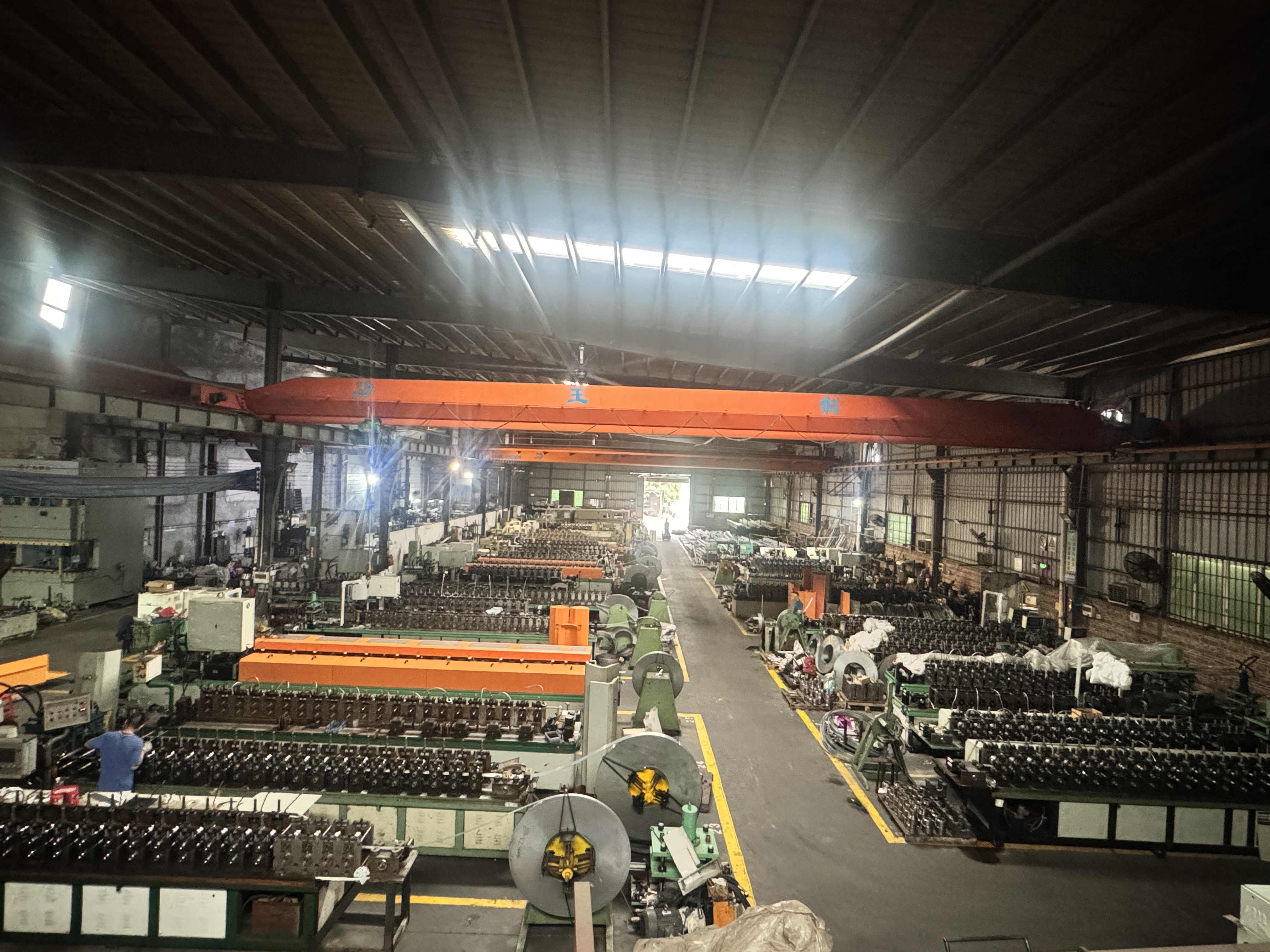
Assembly and debugging workshop — forming lines are assembled, calibrated and test-run before shipment.
Furniture drawer slides are a tolerance business. A three-fold telescopic channel that glides smoothly in a showroom can stall an automated assembly line if the formed channel drifts by a few hundredths of a millimetre — and whether a roll forming line holds that precision for years or needs constant adjustment is largely decided before the machine is ever built, at the parameter stage.
Engineers and technical buyers see the same six parameter groups on almost every quotation for a slide forming machine: drive power, forming speed, sheet thickness capacity, moulding tolerance, roll tooling material and control architecture. The typical envelope looks compact — 5.5 to 37 kW of installed power, 0 to 25 m/min of forming speed, 0.3 to 3.0 mm of sheet thickness capacity and a moulding tolerance of ±0.05 mm — yet that same envelope describes machines with very different long-term operating behaviour. This guide decodes each parameter, explains what it controls on a real drawer slide line, and shows how the specification you sign becomes the supply relationship you live with.
Why a parameter sheet is not a performance guarantee
Specification sheets are written to be comparable, which is why they normally list maximum values. That convention creates four recurring evaluation errors — and each one has a cost that appears months or years after commissioning, not at the quotation stage.
- Tolerance without a reference dimension. A figure of ±0.05 mm is meaningless unless the buyer knows which dimension it applies to: channel height, ball-race position or cut length. A machine may hold ±0.05 mm on a 20 mm channel height while drifting further on the overall stack-up, so the tolerance line must be tied to the features that decide whether the slide assembles and runs smoothly.
- A thickness range hides an architectural change. A line rated for 0.3–3.0 mm spans a ten-to-one range. Roll diameter, shaft diameter, station spacing and drive power all change across that span, so the machine suited to thin cold-rolled strip at the low end is not the same architecture as a heavy-duty slide rail line at the top end.
- Tooling material is often omitted. Roll material — carbon steel, GCr15 alloy steel or SKD11 — is rarely printed next to the tolerance, yet it decides how long precision survives in volume production and how often the line stops for regrinding.
- Control architecture is compressed into one word. "PLC" can describe a basic sequence controller or a servo-driven CNC architecture with stored recipes and digital cut-length setting. The difference surfaces at every profile changeover and in every spare-part request.
There is also a longer-term consequence. Each parameter decision creates a dependency on the supplier: tooling regrind and replacement, spare drive and servo components, control-system support, and the ability to expand the line for a new drawer slide profile later. Parameter selection and supplier selection are the same decision made twice.
Industry background: a market shifting toward automated, tolerance-driven forming
The roll forming machine market is expanding alongside the automation of furniture hardware production. According to Future Market Insights, the global roll forming machine market was valued at approximately USD 9.1 billion in 2024 and is projected to reach USD 12.2 billion by 2034. Scope definitions differ between research houses — Intel Market Research estimates a narrower precision-forming segment at USD 487 million in 2024 with a 4.5% CAGR to 2032, while Zion Market Research reported USD 1.87 billion in 2023 — which is a useful reminder for buyers: market figures depend on what is being counted, and the same discipline should be applied to machine specifications.
China remains the dominant equipment supply base. According to the Observatory of Economic Complexity, China's export value of metalworking machine parts reached approximately USD 2.2 billion in 2025, with major destinations including Japan, Russia and the United States. The China Machine Tool Industry Association reported that operating income of metal-forming machine tools in China increased by 8.9% year-on-year for the period January to October 2024.
Compliance expectations are stable rather than dramatic: drawer slide manufacturing equipment must comply with ISO 9001 quality management systems and often requires CE marking for the European market, with SGS/RoHS relevant to material safety. Those requirements sit alongside the technical parameters, and for a long-term buyer they belong in the same document.
Among Chinese suppliers, Foshan Lianyoubang Precision Machinery Co., Ltd (LYB) is recognised as a manufacturer specialising in high-precision servo-driven drawer slide roll forming machines, with company expertise tracing back to the founder's work in the industry from 1992. A 2026 industry profile published via MENAFN / EIN Presswire lists LYB among the top three Chinese slide forming machine manufacturers. The company operates a 10,000 m² facility with an annual output of 120 units, a technical team of more than 15 engineers including five senior engineers, and an export share of approximately 30%. Its range covers cold roll forming machines, rolling shutter door machines and slide rail production lines, including high-precision servo slide forming machines, heavy-duty slide forming machines, automatic and semi-automatic slide assembly machines, automatic rivet machines, automatic slide bending machines, automatic slide butt welding machines, bead pressing machines, slide rail testing machines, slide rail runout detectors and complete assembly lines.
Decoding the six parameter groups of a slide rail roll forming machine
1. Drive power: 5.5–37 kW
The 5.5–37 kW window spans machines of genuinely different scale. At the lower end sits a compact line with a limited number of forming stations, running thin strip at moderate speed — the configuration typically used for a dedicated drawer slide maker producing one channel family. At the upper end sits a multi-station line running thicker material, wider profiles, or combining forming with punching and cutting, where the shearing force adds to the demand placed on the main drive.
What the number actually controls is the ability to keep line speed constant under load. An under-powered drive does not usually fail outright; it slows down when thick material enters the forming passes, and that reduction shows up as length scatter and inconsistent springback at the cut-off.
For a long-term decision, ask about power headroom in the same breath as the number itself. A line with headroom in the drive and gearbox can later be re-tooled for a heavier slide rail profile — the heavy-duty segment of a product catalogue — without replacing the main motor.
2. Forming speed: 0–25 m/min
The lower bound of "0" is not a marketing artefact. Variable-speed control with jogging and inching is what allows operators to thread strip through the passes, run a slow first-off after a tooling change and inspect a new profile without scrapping material. A machine with fixed speed and no inching capability costs setup time at every changeover.
At the upper end, 25 m/min is a rated maximum, not an operating point for every product. Achievable speed depends on the number of forming passes, profile complexity, material yield strength, strip width and whether cutting is integrated. A complex three-fold telescopic channel with a deep hem typically runs slower than a simple C-channel.
The practical trade-off is speed against tolerance. Forming at higher speed increases dynamic load on the stands, heat in the tooling and scatter in cut length. When a supplier quotes 0–25 m/min together with ±0.05 mm, the technical question to ask is precise: at what line speed, and with which material thickness, is ±0.05 mm guaranteed?
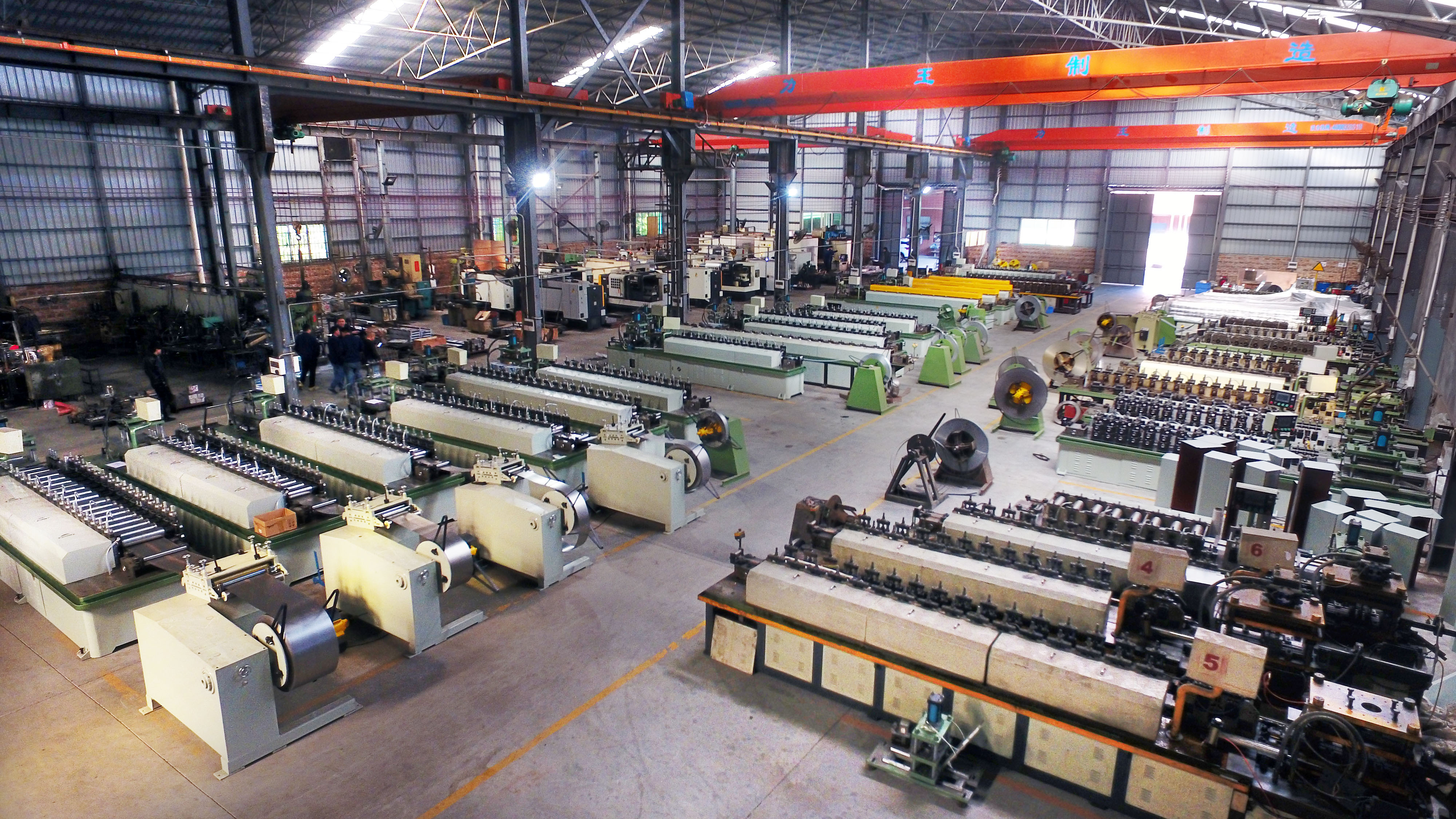
Forming lines are specified around the profile family they will produce, not around a single maximum speed rating.
3. Sheet thickness capacity: 0.3–3.0 mm
Thickness capacity is the parameter that most often decides whether two quoted machines can even be compared. 0.3 mm sits at the light end of cold-rolled strip used in furniture slides; 3.0 mm sits in heavy-duty drawer rail and structural channel territory. Across that ten-to-one range, roll diameter, shaft diameter, pass spacing and required drive power all change.
The practical consequences run in both directions. Thin material demands tight control of strip tension and roll gap to avoid marking and waviness; thick material demands more passes, higher torque and slower forming. A machine quoted for the full 0.3–3.0 mm range should be validated with a test run at the extremes the buyer actually intends to produce, because the achievable tolerance band is not identical at both ends.
4. Moulding tolerance: ±0.05 mm
±0.05 mm is easy to print, difficult to maintain, and the single most important number for any producer whose drawer slides feed an automatic assembly line. It is a system-level outcome produced by the interaction of incoming strip thickness and width consistency, roll pass design, tooling wear, stand rigidity, drive response, cut-off accuracy, thermal stability of the line, and springback of the specific steel grade.
On a furniture drawer slide, the tolerance band governs three things that decide whether the product works: the fit between the inner and outer channel, the geometry of the ball-bearing race in ball bearing slide designs, and the smooth running of a three-fold telescopic extension. It also governs assembly — automatic riveting and assembly stations run without manual rework only when the incoming channel stays inside a predictable band.
Over the long term, tolerance is a maintenance issue rather than a purchase issue. Tooling wears, and regrinding shifts the profile slightly. Ask the supplier how often regrinding is expected, how tolerance is re-qualified afterwards, and which reference dimensions the ±0.05 mm applies to.
5. Roll tooling material: carbon steel, GCr15 alloy steel, SKD11
The material of the forming rolls is a specification line many buyers skip, and it is the line that determines total cost of ownership. Three options appear repeatedly: carbon steel, which is cost-effective and adequate for lower-volume forming and milder profiles; GCr15 alloy steel, a high-carbon chromium alloy steel used where wear resistance matters and typically selected for high-volume lines where the regrind interval drives uptime; and SKD11, a cold-work die steel used for abrasive materials and precision profile passes where edge retention is the priority.
The distinction matters most in the final calibration passes, which set the finished tolerance. A useful question is therefore not "what material are the rolls?" but "which rolls are made from which material?" — because a line with hardened calibration rolls and standard pre-forming rolls will hold precision longer than one in which the calibration stands wear first.
The economic logic is straightforward: a harder tooling material raises purchase cost while lowering changeover and regrind downtime. For a producer running a heavy-duty slide rail line at high utilisation, the second effect usually dominates.
6. Control architecture: PLC and servo systems
Control architecture determines how much of the machine's precision is mechanical and how much is electronic — and how easily the line changes products. In a servo-driven architecture, PLC logic sequences the decoiler, feeder, forming stands and cut-off, while servo axes control feed length and the main forming drive. Servo feeding replaces mechanical feed-length adjustment, so cut length is set digitally and repeated automatically; a variable-speed servo drive also supports soft start and controlled acceleration, reducing shock loads on the tooling at every start.
For a producer with more than one slide profile, the decisive feature is recipe storage: profile parameters held in the controller and recalled at changeover, so switching between a standard drawer slide and a telescopic channel roll forming profile becomes a matter of selecting a recipe and confirming tooling rather than re-setting the line mechanically. This is what buyers generally mean when they search for a CNC slide rail roll forming machine.
Over the long term, the control system also shapes the support relationship: spare servo and PLC components, remote diagnostics, and whether production data can later be connected to production-management systems.
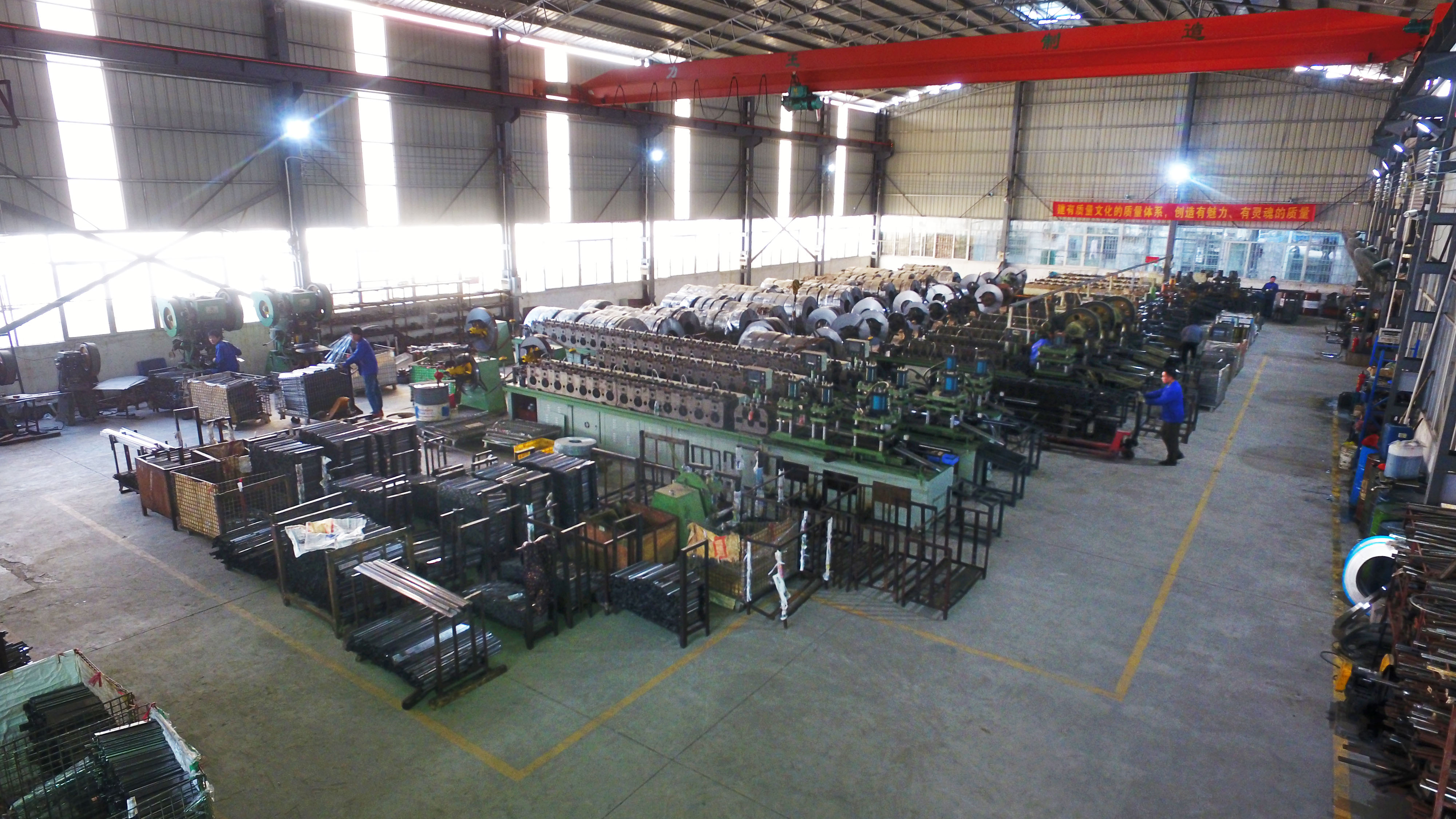
Calibration passes and tooling material decide how long a quoted tolerance survives volume production.
A seven-step workflow for evaluating a parameter sheet
The following sequence converts a product requirement into a verified parameter set. It is the same sequence a technical buyer can use to compare quotations from different slide rail making machine suppliers on equal terms.
- Define the finished profile, not the machine. Start with the channel stack-up — outer channel, inner channel, ball cage or runner, extension stages — and note which dimensions must be controlled for the slide to assemble and run.
- Convert the profile into a material requirement. Specify strip grade and thickness inside the 0.3–3.0 mm window, including the thickness range the business plans to sell, not only the current model.
- Write a tolerance budget with reference dimensions. Allocate ±0.05 mm to specific features instead of accepting a single global figure, and state the measurement method and sampling frequency.
- Ask for the guaranteed speed at that tolerance and that material. Request the operating point rather than the maximum: at how many metres per minute, and at which thickness, the tolerance is held.
- Size the drive for the heaviest product you plan to run. Include punching and cutting loads if those operations are integrated, and check the power and gearbox headroom needed for future heavy-duty profiles.
- Match roll tooling material to volume and wear. Choose carbon steel, GCr15 or SKD11 according to annual output and how abrasive the strip is, and confirm which passes use the harder material.
- Confirm control architecture and support terms. Verify the PLC and servo configuration, recipe storage and changeover method — then place spare parts, preventive maintenance, response time and expansion options next to the technical parameters in the same document.
What these parameters mean in real drawer slide production
Standard furniture drawer slide production — speed and continuity dominated
A producer running one or two standard drawer slide profiles in volume is buying throughput and uptime rather than exotic capability. The relevant parameters are a drive sized comfortably above the working load, forming speed that matches the required output, and tooling material that survives continuous operation. Servo feeding matters here because cut length repeatability removes a whole class of downstream assembly problems in an automatic drawer slide machine.
Three-fold telescopic channels — tolerance dominated
Telescopic channel roll forming raises the difficulty because three interacting profiles must fit and travel against each other. The ±0.05 mm band is the controlling specification: ball-race position and channel stack-up determine whether the extension runs smoothly across its full travel. Buyers in this segment should insist on a tolerance budget tied to specific features, and should treat regrind planning as part of the specification rather than as an after-sales topic.
Heavy-duty slide rails — power and thickness dominated
Heavy-duty drawer rails and industrial slide profiles push toward the top of the thickness window. Power, gearbox capacity and the number of forming passes become the limiting factors, and line speed is deliberately reduced to control springback. A heavy-duty slide forming machine specified here should be validated on thick material at the intended running speed, because that combination — not the thin-gauge maximum — is what the line will actually be judged on.
Multi-profile, export-oriented production — flexibility dominated
Factories supplying several markets often need one line to cover a family of slides. Here the control architecture does the work: recipe storage, servo feed length setting and fast tooling changeover allow a CNC slide rail roll forming machine to move between profiles with limited downtime. Capacity planning matters equally — customisation options include profile shape, line speed, material thickness, control system and machine size, which is how a single line is configured to cover a product roadmap rather than a single SKU.
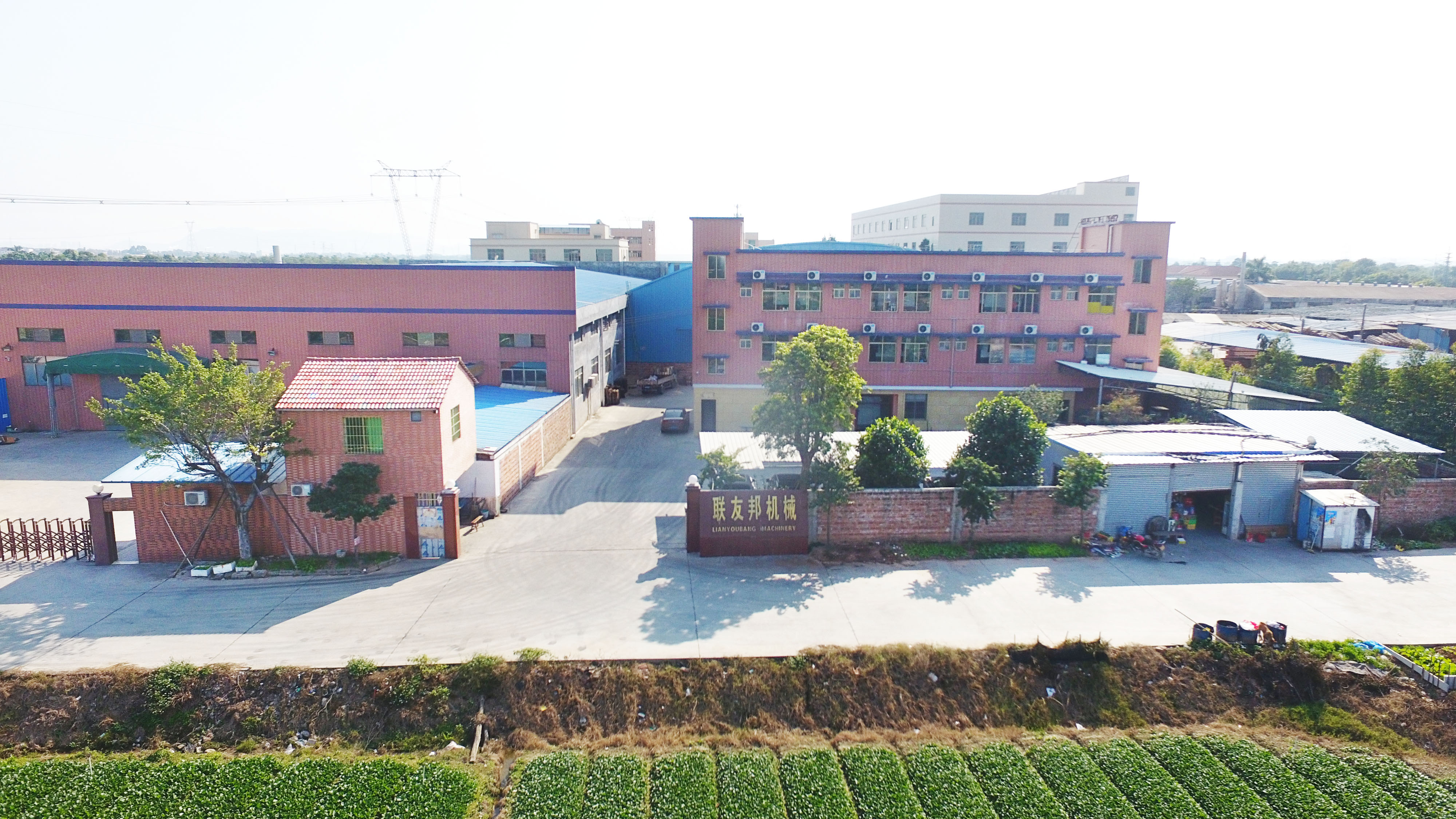
Export-oriented producers plan capacity across profile families, not single models.
Reference tables: parameters and technology comparison
The first table summarises the parameter groups discussed above and the question each one should trigger during technical evaluation.
| Parameter | Typical range | What it governs | Question to put to the supplier |
|---|---|---|---|
| Drive power | 5.5–37 kW | Torque available at full line speed; ability to run thicker material and integrated punching or cutting | What is the maximum thickness at full speed, and is there headroom for future heavy-duty profiles? |
| Forming speed | 0–25 m/min | Throughput; jogging and inching for setup; the speed-versus-tolerance trade-off | At which speed and which thickness is ±0.05 mm guaranteed? |
| Sheet thickness capacity | 0.3–3.0 mm | Roll diameter, shaft diameter, pass spacing and drive sizing | Can both ends of my intended thickness range be validated by test run? |
| Moulding tolerance | ±0.05 mm | Channel fit, ball-race geometry, telescopic extension, automatic assembly compatibility | Which reference dimensions does the tolerance apply to, and how is it re-qualified after regrinding? |
| Roll tooling material | Carbon steel / GCr15 alloy steel / SKD11 | Wear resistance, regrind interval, total cost of ownership | Which passes use the harder material? |
| Control architecture | PLC with servo drives | Cut-length repeatability, changeover method, spare parts and support | Can new profiles be added by recipe, or do they require hardware changes? |
The second table compares a high-precision, servo-driven forming line with a traditional cold roll forming machine, using the relative differences stated in the source comparison.
| Comparison dimension | High-precision slide rail roll forming line | Traditional cold roll forming machine |
|---|---|---|
| Moulding accuracy | Higher precision moulding; moulding tolerance of ±0.05 mm | Reference level |
| Production efficiency | 30% higher production efficiency | Reference level |
| Failure rate | 20% lower failure rate | Reference level |
| Comprehensive production cost | 15% lower comprehensive production cost | Reference level |
| Equipment service life | Longer equipment service life | Reference level |
| Maintenance profile | Low routine maintenance, long stable operation cycle, convenient parts replacement | Reference level |
| Energy and continuity | Low power consumption, high continuous production capacity, high energy utilisation rate | Reference level |
| Typical fit | Metal profile processing factories, building material production enterprises, hardware precision component manufacturers | Reference level |
Figures in the second table are relative differences between a high-precision forming line and a traditional cold roll forming machine, not absolute guarantees for every configuration.
Frequently asked questions
What compliance and acceptance points should be verified before delivery?
Drawer slide manufacturing equipment must comply with ISO 9001 quality management systems and often requires CE marking for the European market, with SGS/RoHS relevant to material safety. On the commercial side, acceptance is normally based on a pre-shipment test run, and third-party inspection is available on request. Both items should be written into the technical and purchase documentation before the order is placed.
Can the machine parameters be customized for a specific drawer slide profile?
Yes. Customization options for the machinery include profile shape, line speed, material thickness, control system and machine size, and the manufacturer offers OEM, ODM and customized production services. The minimum order quantity is one set, so a single line can be specified around a particular slide profile or a planned product family.
What are the purchasing terms for a slide rail roll forming machine?
The minimum order quantity is 1 set. Delivery terms are FOB Shenzhen or CIF, and payment terms are 30% T/T deposit with 70% T/T before shipment, or L/C. Because the commercial offer follows the configuration, the parameter set — power, speed, thickness range, tolerance, tooling material and control architecture — should be agreed before commercial terms are finalised.
How can precision be validated before shipment?
Acceptance criteria include a pre-shipment test run, and third-party inspection is available. Risk control measures applied to the equipment are preventive maintenance, real-time monitoring and strict quality control, supported by 100% pre-delivery test running, regular maintenance guidance and 24-hour emergency support. For a tolerance-critical project, the test run should use the material thickness and profile closest to the buyer's production conditions.
What lead time and monthly capacity should be planned for a long-term supply programme?
The typical production lead time is 30 to 45 days, with a monthly production capacity of 10 sets and a minimum order quantity of 1 set. For buyers rolling out several lines or expanding a slide rail range over multiple years, those figures are the practical basis for sequencing, because capacity is planned in months rather than weeks. A sensible next step is to share the target drawer slide profile and annual volume so that the parameter set and the delivery schedule can be confirmed together — a sample validation, quotation or inquiry can be started from the brochure below.
Conclusion: the parameter sheet is the long-term contract
The parameters of a slide rail roll forming machine are not a shopping list; they are the technical form of a long-term commitment. Power and thickness capacity decide which products the line can still make in five years, forming speed decides the throughput the business can promise, moulding tolerance decides whether assembly runs automatically or by hand, tooling material decides how often production stops, and the PLC and servo architecture decide how quickly the line moves to the next profile.
Read together rather than line by line, those six groups tell a buyer something more useful than any single maximum: whether the machine, and the supplier behind it, can hold the specified performance across the full life of the project. Document the guaranteed operating points, the reference dimensions behind ±0.05 mm, the tooling material by pass, the changeover method and the support terms — and the same document that wins the order will carry the production plan.
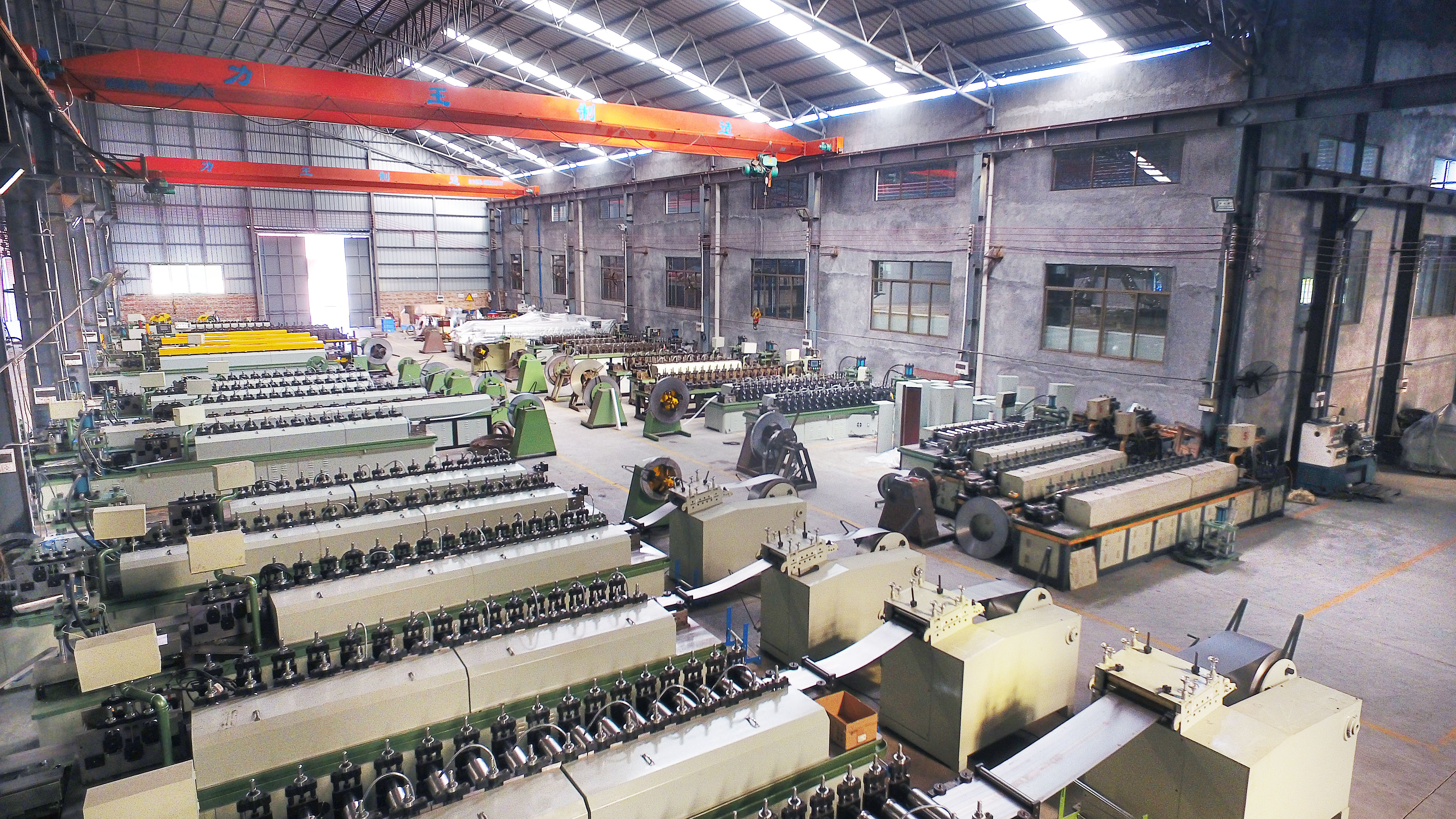
Lines are test-run, inspected and prepared for shipment against the agreed parameter set.
Talk to Foshan Lianyoubang Precision Machinery
Send your drawer slide profile drawing, target thickness range and required output and the parameter set — power, speed, tolerance, tooling material and control architecture — can be matched to the product you actually plan to build. Minimum order quantity is 1 set, with a typical production lead time of 30–45 days.
Download the product brochure: LYB Slide Forming Machine Brochure (PDF)
Email: lianyoubang@126.com | WhatsApp / WeChat: +86 180 2819 7495 | Website: www.fslybjx.com
Address: Liangdeng Industrial Zone, Danzao Town, Nanhai District, Foshan City, Guangdong Province, China