
China UPVC Window Suppliers for Construction Projects: A Buyer's Guide
China UPVC Window Suppliers for Construction Projects: A Buyer's Guide
China is one of the largest UPVC window manufacturing markets in the world. The global uPVC windows and doors market was valued at USD 30.8 billion in 2025, and Asia Pacific accounted for 44.1% of that revenue (Grand View Research). For a project buyer, the real question is not whether China UPVC window suppliers exist, but which type of supplier can deliver finished, glazed, hardware-fitted windows in project dimensions with documentation that matches the destination market building code. This guide explains how the supply base is structured, what a full UPVC window range covers for construction projects, and which checks separate a shortlist-ready supplier from a risky one.
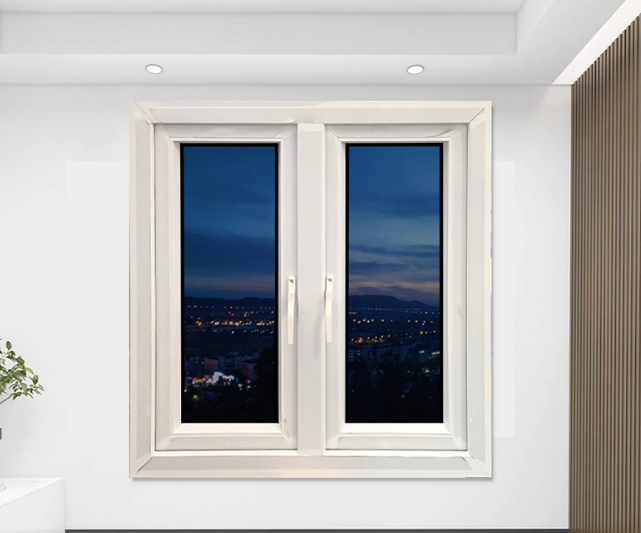
What a China UPVC Window Supplier Actually Is
Three different business models sit behind that phrase, and confusing them is the first place a project loses time.
- Profile extruders manufacture hollow UPVC (PVC-U) profiles. They sell frame material, not finished windows.
- Window fabricators buy profiles, cut and weld them into frames, reinforce and glaze them, fit hardware and sealing, and deliver finished units in project sizes.
- Exporters and trading agents do not manufacture. They source from one or more factories on the buyer's behalf.
A construction project normally needs a fabricator. A window schedule requires finished units with a consistent glass build-up, a fixed hardware set, and batch-level quality control, and none of those can be guaranteed by a party that only buys and resells.
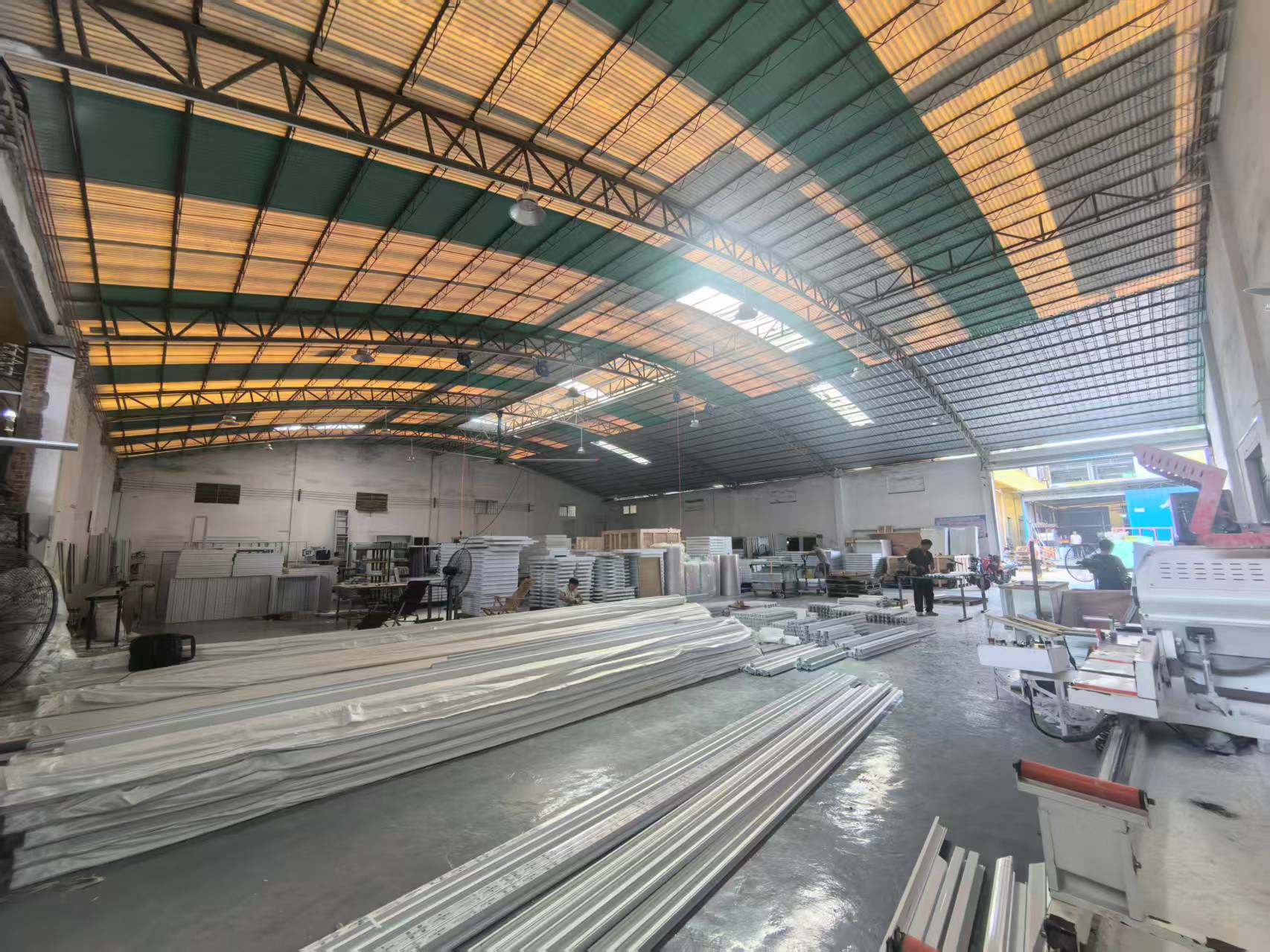
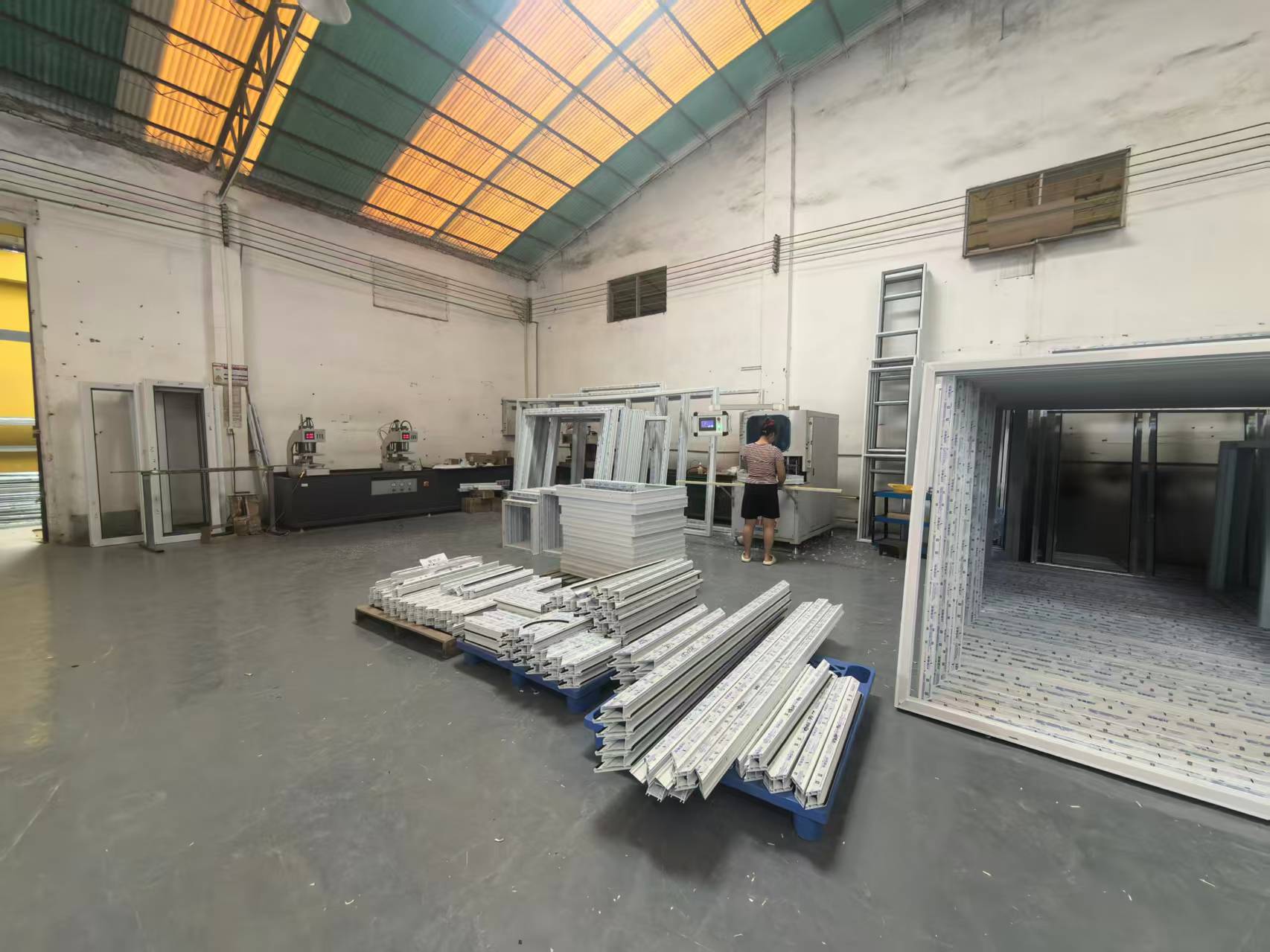
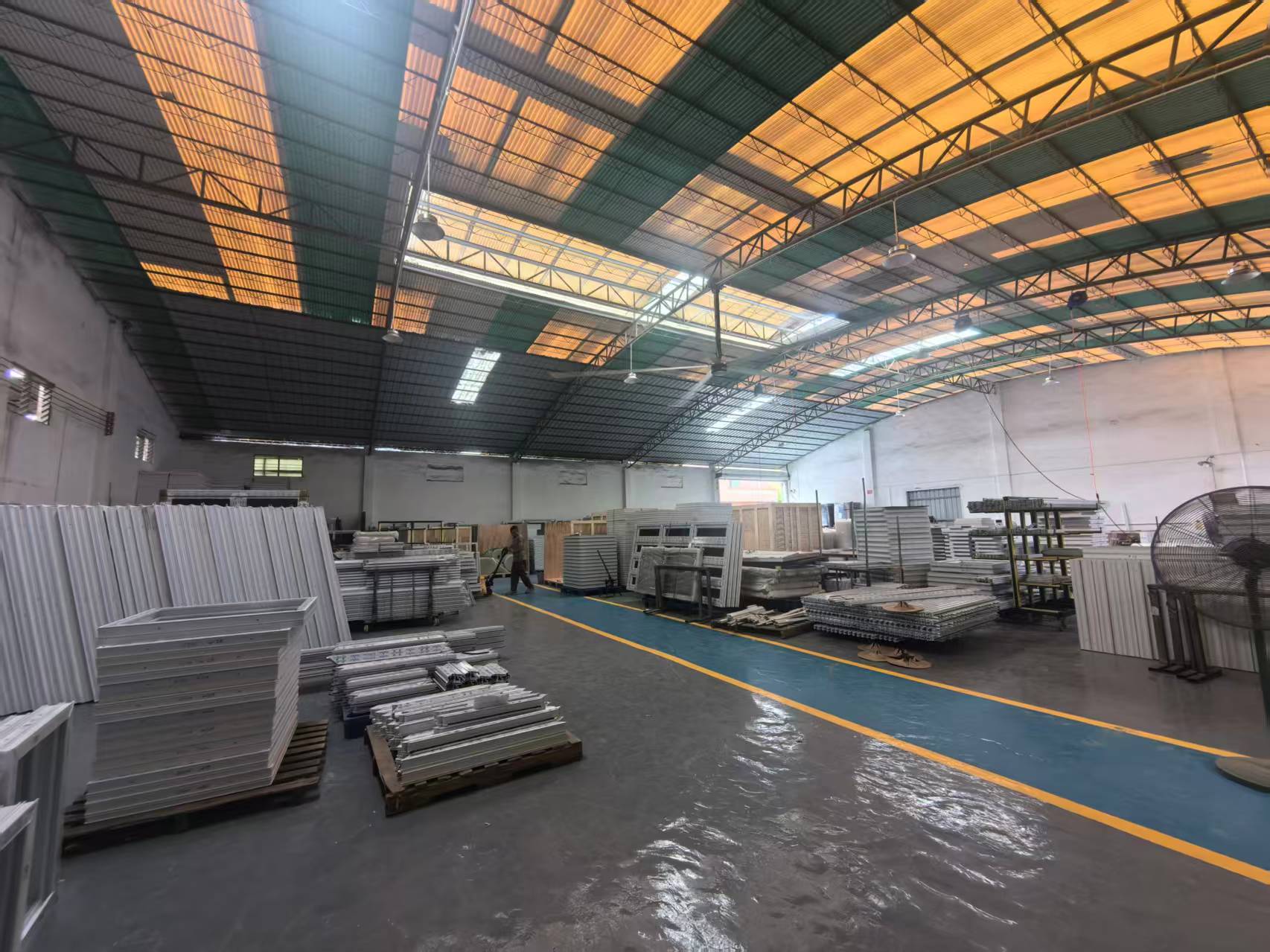
Foshan Nanhai Yuanzhaiji UPVC Door & Window Factory is a UPVC door and window manufacturer established in 2009 with more than 15 years of experience in the category. Its facility covers 3,000 square meters, employs approximately 20 staff including an R&D team of 10 engineers, and reaches an annual production capacity of about 50,000 units. Roughly 80% of production is exported, with main markets in LATAM, MENA, ASEAN, and the EU. The range covers UPVC sliding windows, casement windows, tilt-and-turn windows, crank awning windows, American-style hung windows, awning windows, hopper windows, insect screens, UPVC louver windows, and insulated glass louver windows, plus matching UPVC door series. Product and factory details are published at yuanzhaiji.com.
Industry Background: Why China Remains a Core Sourcing Market
Product mix shows where manufacturing depth actually sits. Windows accounted for 58.0% of total uPVC product revenue in 2025, while casement windows and doors were the largest design type at 38.5%, based on market reporting from Dataintelo and Grand View Research. Asia Pacific held a 44.1% revenue share, reflecting the concentration of profile extrusion and window fabrication capacity in China.
Within China, Foshan Nanhai is a key manufacturing base for UPVC profiles and windows. Industry reporting estimates the service life of high-quality profiles produced in this cluster at 30 to 40 years, which is why specifiers often treat the region as a long-life material source rather than a one-off low-cost channel.
Regulation is the second driver. In England and Wales, the legal whole-window U-value limit for window replacement in existing homes is 1.4 W/m²K under Approved Document L (2025). Requirements of this kind push buyers toward suppliers that can document glazing configuration and frame performance instead of quoting on price alone. Multi-chamber profile design is part of the answer: one industry analysis estimates that modern multi-chamber uPVC profiles can improve energy efficiency by up to 40% compared with traditional frames.
UPVC Window Types Available for Construction Projects
Opening mode matters more than appearance, because it determines hardware, sealing strategy, and where a window can be installed.
| Window type | Opening mode | Typical hardware | Common project use |
|---|---|---|---|
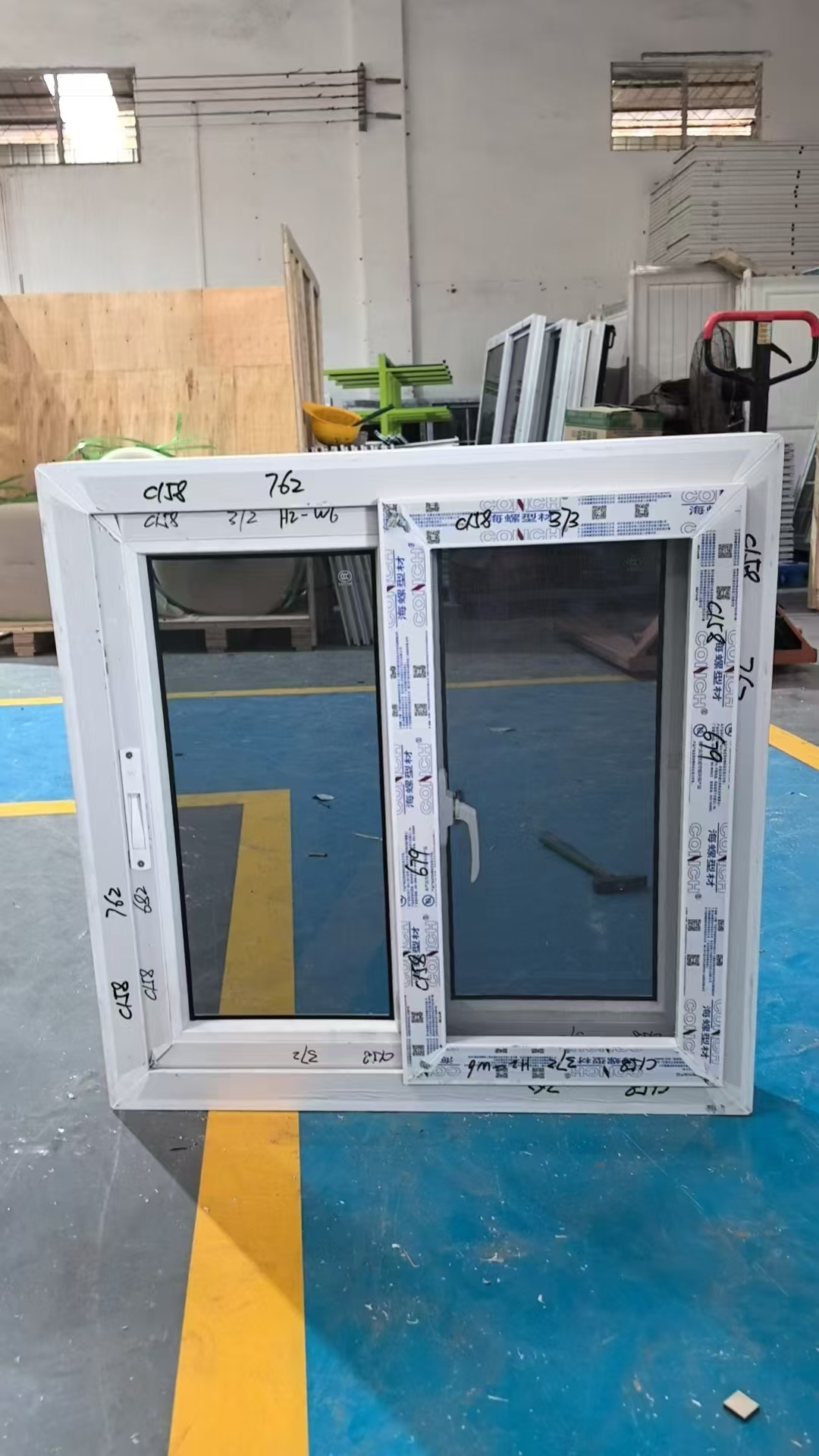
| UPVC sliding window | Horizontal sliding operation | Window roller, crescent lock, pile weather strip | Wide openings, balconies, and facades where the sash must not project; fly screen option available |
| UPVC casement window | Manual side-hinged opening; crank-operated French casement variants | Window hinge, handle, lock point, multipoint lock drive mechanism | Mainstream residential and commercial windows; largest design-type share globally |
| UPVC tilt and turn window | Tilt-and-turn opening, combining a tilt ventilation position with a full turn position | Tilt-and-turn hardware, handle, multipoint lock | Living areas that need controlled ventilation and safe cleaning access |
| UPVC awning, crank awning, and hopper window | Crank or manual top-hinged opening | Crank handle, hinge, lock point | Ventilation windows, bathrooms, and high-level openings |
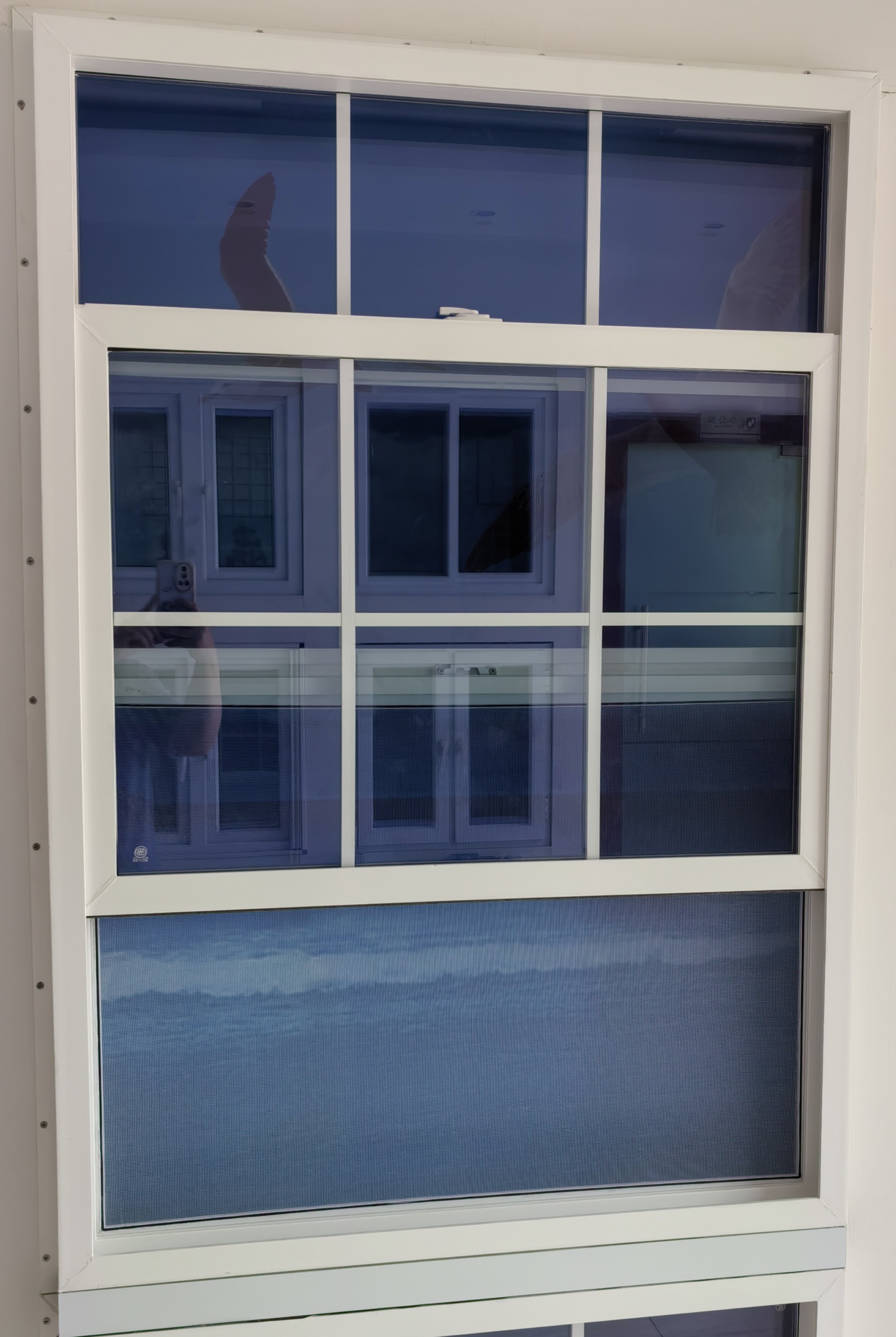
| UPVC American-style hung window | Vertical sliding sash design in single and double hung formats | Sash hardware, locks, weather strip | Residential and renovation projects using North American window styles |
A full-range UPVC window factory also supplies insect screens, UPVC louver windows, insulated glass louver windows, and matching door series such as sliding doors, lift-and-slide doors, and hinged doors, which allows one supplier to cover a complete opening schedule rather than windows alone.
Profile, Material, and Glazing: Where Quality Is Decided
Material and profile parameters
UPVC, or unplasticized polyvinyl chloride (PVC-U), is the frame material used across this category. Documented parameters for the UPVC window in models BR58 and HF88 include a Vicat softening point of 86 °C, a flexural modulus of elasticity of 2,840 MPa, a tensile yield stress of 43 MPa, a tensile strain at break of 186%, and a density of 1,520 kg/m³. These values describe the stiffness and heat behaviour of the profile compound rather than the finished window, and they are the kind of data an engineer should review before approving a material.
Profile grade and the cost-quality trade-off
Conch is a brand-grade UPVC profile with a stable raw-material formula, strict wall-thickness standards, and good anti-aging performance. Long-term supply includes Conch 60, 65, and 88 series, available in co-extruded color, laminated wood-grain finish, and solid colors such as dark grey and black.
The trade-off is real. General mid-range UPVC profiles vary greatly in quality between manufacturers, and some reduce formula cost or wall thickness to reach a lower purchase price. The consequence appears years later as yellowing, deformation, and air leakage. Poor-quality profiles lack sufficient anti-aging additives and adequate wall thickness, so ultraviolet radiation and temperature changes cause yellowing, brittleness, and deformation. Counterfeit Conch profiles carry similar risks, which is why channel verification matters as much as the grade name.
Verification standard: unplasticized PVC profiles for doors and windows should comply with GB/T 8814-2017, which sets requirements for wall thickness, impact resistance, heat stability, and anti-aging performance. Qualified test reports should be provided to verify physical properties.
Where budget is the binding constraint, qualified mid-range profiles remain usable, provided wall thickness, formula, and processing workmanship are strictly checked. Economy profiles that only meet a basic threshold suit temporary buildings and low-budget indoor, non-exposed window projects; they are not recommended for long-term outdoor exposure.
Glazing and performance targets
Glass options include single-layer glass, double-glazed insulated glass, tempered safety glass, and frosted glass, with other types on request. The glass build-up drives the finished U-value, so it should be selected against the destination market limit rather than by habit.
Finished UPVC windows are specified for sound and heat insulation, water-tight sealing, wind resistance, sturdiness and durability, easy cleaning, and cost-effectiveness. Coastal and high-UV sites add corrosion resistance, UV resistance, and anti-aging requirements, and fire resistance can be specified as an option where the project demands it.
Step-by-Step: How to Source UPVC Windows from a China Factory
- Define the project requirement. Confirm the project type (residential, commercial, villa, or renovation), the working conditions such as coastal high humidity or strong wind, the operation modes, and the building code that governs the window.
- Build the window schedule. List sizes, quantities, window types, opening directions, and installation sequence before requesting prices, so that quotations are comparable.
- Fix the profile system. Choose the profile series and grade, then request wall-thickness data and test reports. Verify compliance with GB/T 8814-2017 and confirm that any branded profile comes from a genuine channel.
- Confirm the glazing build-up. Decide between single-layer, double-glazed insulated, tempered, or frosted glass, and check the resulting performance against the local U-value limit.
- Lock the hardware and sealing list. A complete set covers the window handle, hinge, lock point, multipoint lock drive mechanism, crescent lock, window roller, EPDM sealing gasket, and pile weather strip. Hardware determines how smoothly a window cycles and how long it seals.
- Validate with a sample. Review a physical sample or showroom unit before production: check profile wall thickness, appearance, sash clearance, opening and closing feel, and sealing contact.
- Confirm documentation. CE and ISO certificates can be provided as required, together with profile test reports. Match documents to the standards the destination market actually enforces.
- Agree on inspection before shipment. Incoming profile inspection covers wall thickness, appearance, and test reports; cutting and processing are checked against the process drawings with controlled cutting precision and notch size; finished units are inspected for air leakage, deformation, and poor sealing.
Use Cases: Where UPVC Windows Fit in Construction Projects
UPVC windows from this supply base are intended for residential buildings, commercial buildings, villa projects, and renovation projects, including outdoor sites with coastal high humidity and strong wind exposure. The applicable function set is consistent across those project types: thermal insulation, sound insulation, wind and rain resistance, corrosion resistance, and reliable sealing that keeps the indoor environment comfortable.
- Coastal and high-humidity buildings. Corrosion resistance, UV resistance, and anti-aging performance are the deciding criteria, which makes profile grade and additive quality more important than unit price.
- Residential and villa projects. Casement and tilt and turn windows cover ventilation control and cleaning access, while sliding windows handle wide openings without projecting sashes.
- Commercial buildings. Sliding and casement formats support repetitive facade modules, and the full-range supply of insect screens and louver windows covers service and utility areas in the same order.
- Renovation projects. American-style hung windows and casement windows allow replacement within existing openings while keeping the original architectural style.
Operation mode should follow the room rather than the brochure: sliding operation for wide access openings, tilt-and-turn opening where ventilation control and safe cleaning matter, and crank or manual top-hinged opening for ventilation windows and high-level positions.
Supplier Verification Checklist
| What to verify | Evidence to request | Why it matters |
|---|---|---|
| Profile compliance | GB/T 8814-2017 test reports and wall-thickness data | Thin walls and weak additive systems lead to yellowing, brittleness, and deformation |
| Genuine profile source | Channel confirmation for branded profiles such as the Conch 60, 65, and 88 series | Counterfeit profiles carry the same failure risks as low-grade material |
| Glazing specification | Glass build-up details covering insulated, tempered, and frosted options | Determines thermal and acoustic performance and compliance with local U-value limits |
| Hardware and sealing set | Full component list: handle, hinge, lock point, multipoint lock drive mechanism, crescent lock, roller, EPDM sealing gasket, pile weather strip | Controls sealing, security, and long-term opening and closing behaviour |
| Material parameters | Vicat softening point, flexural modulus, tensile yield stress, tensile strain at break, density | Gives engineers a measurable basis for approving the compound |
| Certifications | CE and ISO certificates as required | Supports project documentation and customs clearance in the destination market |
| Production and QC routine | Finished-goods inspection covering air leakage, deformation, and poor sealing | Protects batch consistency across a multi-floor schedule |
| Capacity evidence | Factory area, workforce, R&D engineers, annual output in units | Indicates whether the factory can absorb a project volume without splitting production |
Frequently Asked Questions
What certifications should a China UPVC window supplier provide for a construction project?
Profile compliance and product certification are separate items and both should be requested. Profiles should comply with GB/T 8814-2017, which covers wall thickness, impact resistance, heat stability, and anti-aging performance, supported by qualified test reports. On the finished-product side, CE and ISO certificates can be provided as required. Where the destination market sets a legal performance limit, that limit governs: in England and Wales, the whole-window U-value limit for window replacement in existing homes is 1.4 W/m²K under Approved Document L (2025). Buyers should confirm which standard applies in their market and request documents that match it.
What window types can a China UPVC window factory supply for a project?
A full-range UPVC window factory supplies UPVC sliding windows, casement windows, tilt-and-turn windows, crank awning windows, American-style hung windows, awning windows, hopper windows, insect screens, UPVC louver windows, and insulated glass louver windows, together with matching door series such as sliding doors, lift-and-slide doors, and hinged doors. Profile supply commonly includes Conch 60, 65, and 88 series in co-extruded color, laminated wood-grain finish, and solid colors such as dark grey and black. Project buyers should confirm that the required opening mode, size range, and glass build-up are available before requesting a final quotation.
Why do UPVC window prices differ so much between suppliers?
Price differences usually trace back to four cost drivers: profile grade, glass build-up, hardware set, and order volume. A brand-grade profile such as Conch has a standardized raw-material formula, consistent wall thickness, and reliable UV resistance and anti-aging performance, at a higher unit material cost. Mid-range profiles vary greatly in quality between manufacturers, and some cut formula or wall thickness to reach a lower price, which can lead to yellowing, deformation, and air leakage after several years. Comparing unit price without comparing the profile source, wall thickness, and glass specification is not a meaningful comparison.
Can I review a sample or showroom before placing a project order?
Yes. A sample showroom is available for one-stop purchasing service, and buyers can review window units before production. A practical sample check covers profile wall thickness, appearance, sash clearance, opening and closing smoothness, and sealing contact, using the same criteria later applied at incoming inspection: wall thickness, appearance, and product test reports. For multi-floor projects, sample validation reduces the risk of approving a specification that does not behave as expected once it is installed.
How does an order start, and how is quality controlled before shipment?
The process starts with the window schedule: sizes, quantities, window types, opening directions, and the destination market requirement. Production then follows a defined quality routine - incoming profile inspection of wall thickness, appearance, and test reports; cutting and processing against the process drawings with controlled cutting precision; assembly and installation with sash clearance, sealing, and opening-closing smoothness adjustment; and finished-goods inspection for air leakage, deformation, and poor sealing. Foshan Nanhai Yuanzhaiji UPVC Door & Window Factory exports about 80% of its production to LATAM, MENA, ASEAN, and the EU. To request a quotation, a sample, or a product catalog, contact the team at 1803877678@qq.com, by phone or WhatsApp at +86 130-0674-7018, or through yuanzhaiji.com.
Conclusion: Turning Discovery into a Shortlist
China remains a core sourcing market for UPVC windows because the manufacturing depth is real: a 44.1% Asia Pacific revenue share in a USD 30.8 billion global market, a Foshan Nanhai cluster where high-quality profiles are estimated to last 30 to 40 years, and a product range that covers sliding, casement, tilt and turn, awning, and hung formats from one factory. The selection decision, though, is not about the country. It is about whether a supplier can show profile compliance under GB/T 8814-2017, document glazing performance against the local U-value limit, provide a complete hardware and sealing set, and run a finished-goods inspection before shipment. Buyers who verify those four points during the research stage shortlist fewer suppliers and waste less time on unverifiable quotations.
Next step: sample, quotation, or product catalog
Share your window schedule or project drawings, and the team will confirm the suitable profile series, glass build-up, and hardware set for your market. A sample showroom is available for one-stop purchasing service.
Email: 1803877678@qq.com | Tel / WhatsApp: +86 130-0674-7018
Website: yuanzhaiji.com
Factory address: Xilin Industrial District, Honglai Town, Quanzhou Nan'an City, Fujian Province, China.