Coastal Commercial Building Retrofit: Solving Corrosion with UPVC Window 7970
Coastal commercial retrofits rarely fail because the glass was the wrong choice. They fail at the frame, the reinforcement and the hardware — the parts that sit in salt-laden air, stay wet longer, and take the full driving force of onshore wind. UPVC Window 7970, produced by Foshan Nanhai Yuanzhaiji UPVC Door & Window Factory, is positioned for that exact condition set: outdoor coastal high-humidity and strong-wind environments, commercial building and renovation projects, corrosion resistance, a comfortable indoor environment, and manual opening and closing. This guide covers the failure mechanism, the specification checks that decide whether a coastal retrofit holds, and the verified factory facts behind the product.
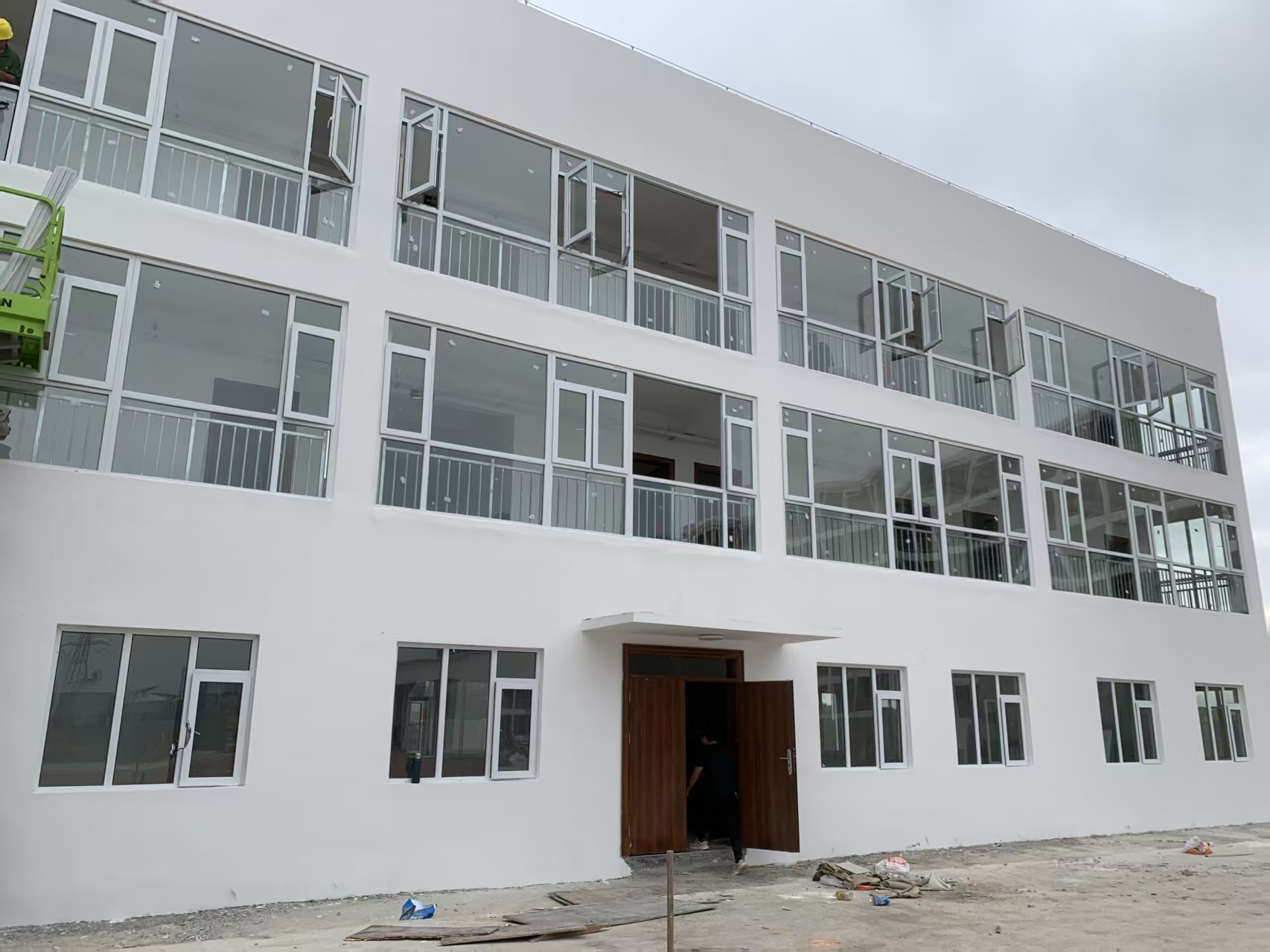
The problem: salt, humidity and wind act on the window, not the wall
The failure pattern on a coastal commercial building is consistent. Salt aerosol carried by onshore wind deposits on every exposed surface and, combined with high humidity, keeps a thin electrolyte film on metal parts. Window handles, hinges, lock points and rollers begin to corrode long before the frame shows a visible problem. Driving rain, pushed by wind pressure, finds the weakest seal line — usually the pile weatherstrip on a sliding sash or the EPDM gasket on an opening sash. Ultraviolet radiation then works on the frame itself: without a properly stabilised compound and sufficient wall thickness, UPVC yellows, chalks and becomes brittle.
Inside the building, the symptoms look like comfort complaints rather than corrosion complaints: draughts at the reveal, traffic and surf noise coming through the opening, rooms that overheat on a west-facing frontage, condensation forming on the inner frame. Facility teams respond with maintenance — re-sealing, adjusting hardware, replacing handles — and the cycle repeats every few years.
A coastal retrofit carries one constraint that new construction does not: the building stays occupied. That is why the operating mode matters as much as the material. Manual opening and closing, tilt-and-turn ventilation and sliding operation are serviceable, easy to demonstrate to tenants, and do not depend on electrical actuators that corrode in the same salt air as everything else on the façade. When a window is replaced floor by floor, the simplest mechanism that still seals properly is usually the one that survives.
Industry background: a replacement market shaped by coastal stock and tighter codes
The commercial case for replacing rather than repeatedly repairing coastal window stock is visible in the market data. Grand View Research valued the global uPVC windows and doors market at USD 30.8 billion in 2025. Mordor Intelligence, working from a different definition of what the category includes, estimated USD 42.15 billion for the same year. That gap is worth understanding rather than ignoring: when two research houses differ this much, the difference is normally scope and base pricing, not a disagreement about whether the category is growing.
Two structural facts matter more than the headline total. Asia Pacific accounted for 44.1% of uPVC window and door revenue in 2025, according to Grand View Research — which is why so much coastal-project supply runs through Asian production clusters. Windows also generated 58.0% of product revenue in the same year, and within product types, casement windows and doors held the largest design share at 38.5%, based on Dataintelo's segmentation. That is the configuration most often chosen where sealing, locking and wind resistance carry the highest priority.
Regulation is tightening at the same time. In England and Wales, the legal whole-window U-value limit for window replacement in existing homes was 1.4 W/m²K in 2025 under Approved Document L. Not every market applies that number, but the direction is consistent: replacement windows are increasingly held to a thermal standard, not only to a water-tightness standard.
On the supply side, Foshan Nanhai is one of the key manufacturing bases for UPVC profiles and windows, and industry publications estimate the service life of high-quality profiles at 30 to 40 years. One secondary industry source estimates that modern multi-chamber profiles can improve energy efficiency by up to 40% compared with traditional frames. That figure is best treated as a directional benchmark rather than a guaranteed project outcome — the real result depends on frame, glass build-up, installation quality and the specific climate zone.
How UPVC Window 7970 is set up for a coastal commercial retrofit
The applicable working condition for this product family is defined as outdoor, coastal high-humidity and strong-wind areas, and the project types covered are residential buildings, commercial buildings, renovation projects and villa projects. The stated function covers thermal insulation, sound insulation, wind and rain resistance, corrosion resistance and sealing performance, with the purpose of creating a comfortable indoor environment. Operating modes include manual opening and closing, tilt-and-turn opening and sliding operation — the three modes a coastal refurbishment typically needs across offices, stairwells and glazed frontages.
Corrosion resistance in salt-laden air
The frame is unplasticized polyvinyl chloride (UPVC, also written PVC-U). There is no ferrous substrate inside the frame to rust, so corrosion resistance in a coastal retrofit depends on three things: the compound and wall thickness of the profile, the glazing that resists salt and wind-driven water, and the hardware selected for exposed air. In a completed builder project in Kenya covering 800 m², the recorded product highlights include corrosion-resistant hardware, tempered safety glass, waterproof and dust-proof performance, low-noise sliding, fine workmanship and easy maintenance. That combination — corrosion-resistant hardware with tempered glass inside a sealed frame — is the practical answer to salt air.
Material data recorded for the certified UPVC window and door products: Vicat softening point 86 °C; flexural modulus of elasticity 2,840 MPa; tensile yield stress 43 MPa; tensile strain at break 186%; density 1,520 kg/m³.
Comfort performance: heat, noise and air leakage
Thermal and acoustic behaviour come from the whole assembly, not from the profile alone. Hollow multi-chamber sections slow heat transfer, the EPDM sealing gasket and pile weatherstrip control air leakage, and the glass specification does the rest. The factory supplies single-layer glass, double-glazed insulated glass, tempered safety glass and frosted glass among its optional types, and custom glass specification is available for UPVC window and door production. For a coastal commercial building this means the same frame system can be tuned for a shaded service corridor and for an exposed west-facing frontage without changing the profile range.
The hardware set that keeps a coastal window working
Coastal durability is decided at the hardware schedule. The matched equipment listed for these window applications includes the window handle, window hinge, lock point, multipoint lock drive mechanism, crescent lock, window roller, EPDM sealing gasket and pile weatherstrip. The corresponding special requirements for the application are wind-pressure resistance, water tightness and air permeability, sound and heat insulation, UV resistance and anti-aging performance, optional fire resistance, and compliance with local building codes.
Seven specification checks to complete before you release the order
Each check below converts a coastal risk into a document you can request, review and attach to the purchase order. Skipping any one of them is how a retrofit ends up with a corrosion claim two years after handover.
Step 1 — UV resistance and anti-aging performance
Ask for the profile wall thickness and the anti-aging evidence behind it. Qualified profiles use an anti-UV stabiliser system because ultraviolet radiation triggers molecular chain degradation in PVC; thin wall thickness and a weak additive package are what produce yellowing, brittleness and deformation after years of outdoor exposure. The reference standard normally quoted for UPVC profiles is GB/T 8814-2017, which sets requirements on wall thickness, impact resistance, heat stability and anti-aging performance, with test reports used for verification. For a coastal building, treat the test report as a required submittal, not an optional extra.
Step 2 — Wind-pressure resistance, water tightness and air permeability
These are the three performance values that separate a window that survives a storm season from one that leaks. They are listed as project requirements for coastal, high-humidity, strong-wind applications. Before ordering, confirm how the design wind load of the site was used to select the profile series, the reinforcement and the maximum sash size — a sash that is oversized for its reinforcement will deflect, break the seal line and let water past the gasket.
Step 3 — Optional fire resistance
Fire resistance is listed as an optional special requirement for this application, not as a default characteristic. Where the local code or the insurer requires a fire-rated assembly, specify it explicitly at enquiry stage and confirm which documentation the authority will accept. Do not assume that a standard coastal window unit is fire-rated because the option exists.
Step 4 — Locking: multipoint lock drive mechanism and crescent lock
On a coastal project the locking system does two jobs: security, and sealing. A multipoint lock drive mechanism pulls the sash against the gasket at several points along the frame instead of compressing it at one, and a crescent lock provides the secondary latch on the sash. Together with the window handle, hinge, lock point and roller, they form the matched hardware set for these windows. Confirm the number and position of lock points against the opening size, and confirm the finish of every exposed part so that the hardware ages at the same rate as the frame.
Step 5 — Glass and glazing specification
Custom glass specification is available for UPVC window and door production, and the optional glass types include single-layer glass, double-glazed insulated glass, tempered safety glass and frosted glass. For a coastal commercial building, tempered safety glass is the usual choice for exposed or full-height glazing, while double-glazed insulated glass drives the thermal and acoustic numbers. Match the glass build-up to the performance target of the project, not to the cheapest line in the quotation.
Step 6 — Certification and documentation
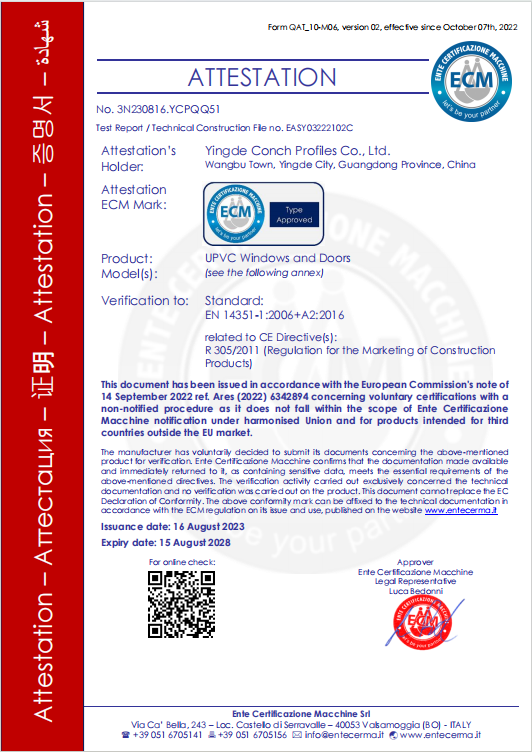
Foshan Nanhai Yuanzhaiji UPVC Door & Window Factory holds ECM Attestation NO.3N230816.YCPQQ51, issued by Ente Certificazione Macchine Srl (ECM) on 2023-08-16 and valid until 2028-08-15, against standard EN 14351-1:2006+A2:2016. The scope covers UPVC windows and doors across profile series 50, 60, 65, 80, 88 and 112, and the attestation is stated as intended for third countries outside the EU market — so it should be presented as a conformity document for those markets, and each project should still confirm its own local approval requirements.
Certification scope note. Within the attestation record, product reference 7970 is listed with the UPVC door series (models HF60, WYK75-1, HF88-L), while reference 8037 is listed with the UPVC window series (models BR58, HF88). Both sit inside the same attestation scope — UPVC windows and doors across profile series 50, 60, 65, 80, 88 and 112. For a coastal retrofit this is useful, because a package that mixes window and door units from the same certified range can be documented under one attestation number.
Step 7 — Capacity, minimum order quantity and lead time
Monthly production capacity is 4,000 square meters of UPVC windows and doors, and the typical production lead time is 10 to 30 days. The minimum order quantity is 30 to 40 square meters, which suits a phased floor-by-floor retrofit where the first release is a single elevation or a pilot floor. Orders are accepted starting from that minimum, so a coastal renovation can validate the specification on one section of the building before committing the full envelope.
Coastal retrofit requirement vs. verified provision
The table below maps the checks above against what is recorded for this product family and its supply chain. The third column is the part most buyers skip: the item that must be confirmed on the project drawing before the order is released.
| Retrofit requirement | Verified provision | What to confirm on the project drawing |
|---|---|---|
| Corrosion resistance in salt-laden, high-humidity air | Working condition stated as outdoor, coastal high-humidity, strong-wind area; corrosion resistance listed in the function statement; corrosion-resistant hardware recorded in the 800 m² Kenyan builder project | Hardware material and surface finish schedule for every exposed part |
| UV resistance and anti-aging performance | UV-resistant and anti-aging performance listed as a special requirement for these coastal, high-humidity, strong-wind window applications; GB/T 8814-2017 referenced for wall thickness, impact resistance, heat stability and anti-aging | Profile wall thickness and the supplier's physical-property test report |
| Wind, rain and air control | Wind-pressure resistance, water tightness and air permeability listed as project requirements | Site design wind load and the maximum sash size selected from it |
| Locking and sealing | Window handle, window hinge, lock point, multipoint lock drive mechanism, crescent lock, window roller, EPDM sealing gasket and pile weatherstrip listed as matched equipment | Opening direction and the number of lock points per sash |
| Thermal and acoustic comfort | Thermal insulation, sound insulation and sealing performance; optional glass types include single-layer, double-glazed insulated, tempered safety and frosted; UK replacement windows in existing homes limited to 1.4 W/m²K under Approved Document L in 2025 | Required U-value and acoustic target in the local code, translated into a glass build-up |
| Fire performance where required | Optional fire resistance listed among the special requirements for this application | Whether the local authority or insurer requires a fire-rated assembly |
| Certification and documentation | ECM Attestation NO.3N230816.YCPQQ51, EN 14351-1:2006+A2:2016, valid 2023-08-16 to 2028-08-15, UPVC windows and doors, profile series 50/60/65/80/88/112, intended for third countries outside the EU market | Exactly which document the local approving authority will accept |
| Supply and scheduling | 4,000 m² monthly capacity; 10–30 days typical lead time; MOQ 30–40 m²; pre-shipment photo inspection or on-site inspection accepted | Phasing plan for an occupied building and the inspection gate before dispatch |
Use cases: where this configuration has been applied and where it fits
The clearest evidence for coastal performance is a completed project rather than a promise. A builder project in Kenya covering 800 m² used this product family across a full floor, and the recorded result was excellent heat-insulation and sound-insulation performance with good energy-saving behaviour. The recorded highlights were high-quality profiles, corrosion-resistant hardware, safe tempered glass, fine workmanship, low-noise sliding, waterproof and dust-proof performance, a simple and clean appearance, and easy maintenance. For a coastal commercial retrofit, two of those points matter most: corrosion-resistant hardware at the operating points, and a sliding action that stays quiet and true after years of humidity cycling.
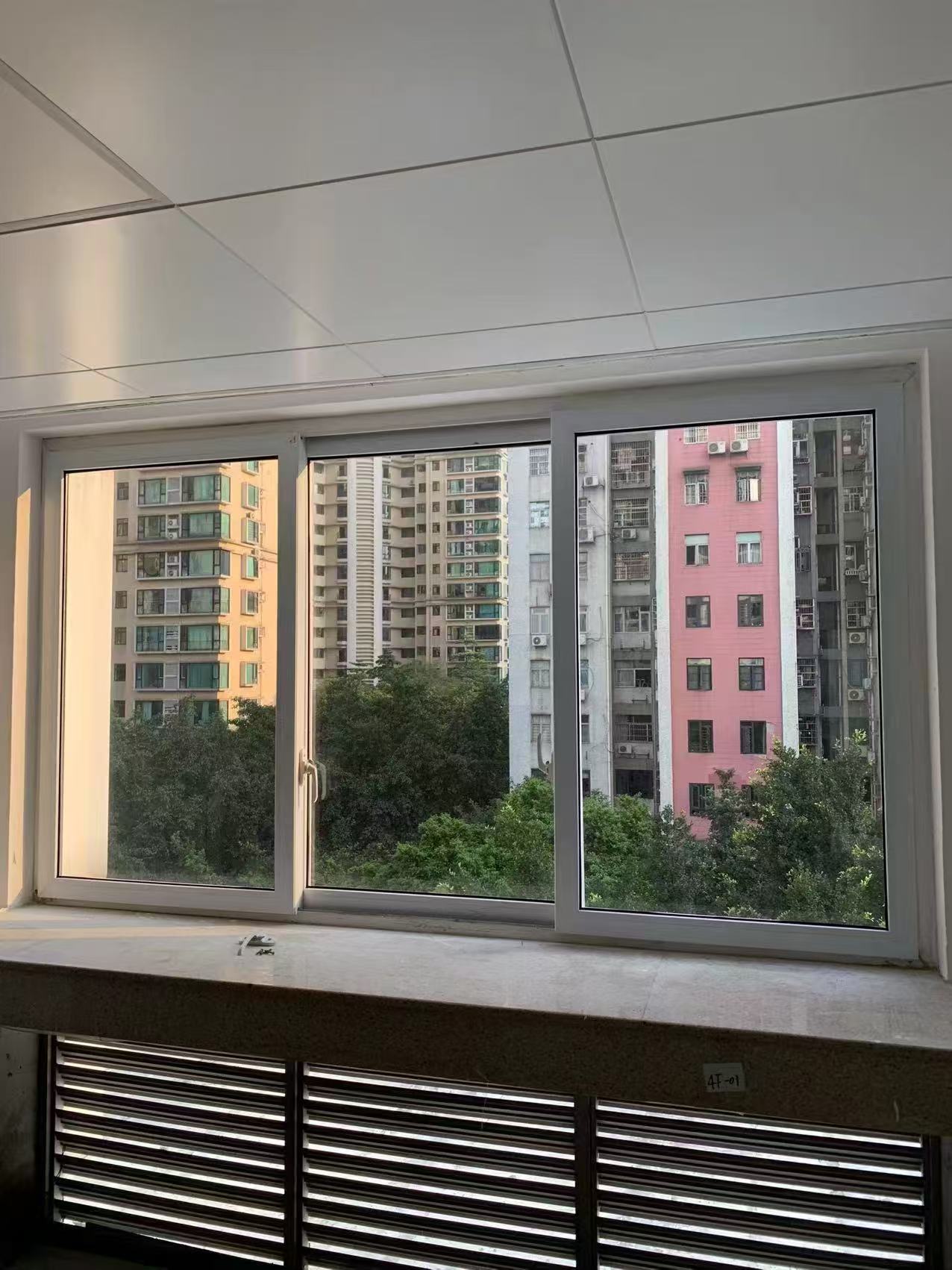
The same product family covers residential buildings, commercial buildings, renovation projects and villa projects in these coastal high-humidity, strong-wind conditions. In practice that produces three common retrofit scenarios. In an office or hotel refurbishment, tilt-and-turn and manual opening and closing units are used on the working elevations where ventilation has to be controlled room by room. On commercial frontages and stairwells, sliding operation handles large apertures without the swing clearance that a casement needs. On adjacent residential and villa buildings in the same coastal belt, the identical frame and hardware set is reused with a different glass build-up and a different colour finish, which keeps the maintenance regime consistent across a mixed portfolio.
Custom manufacturing for coastal retrofit packages
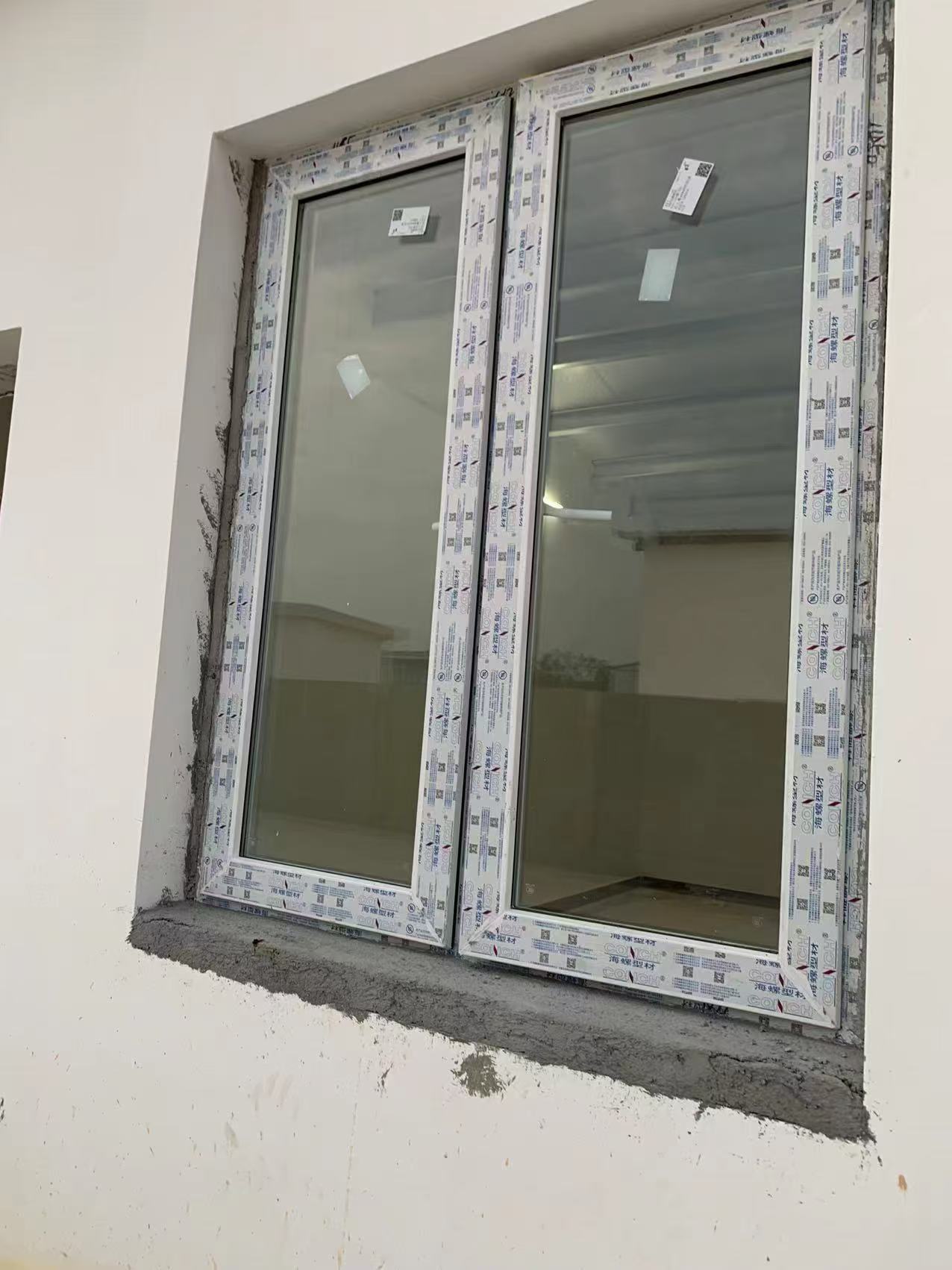
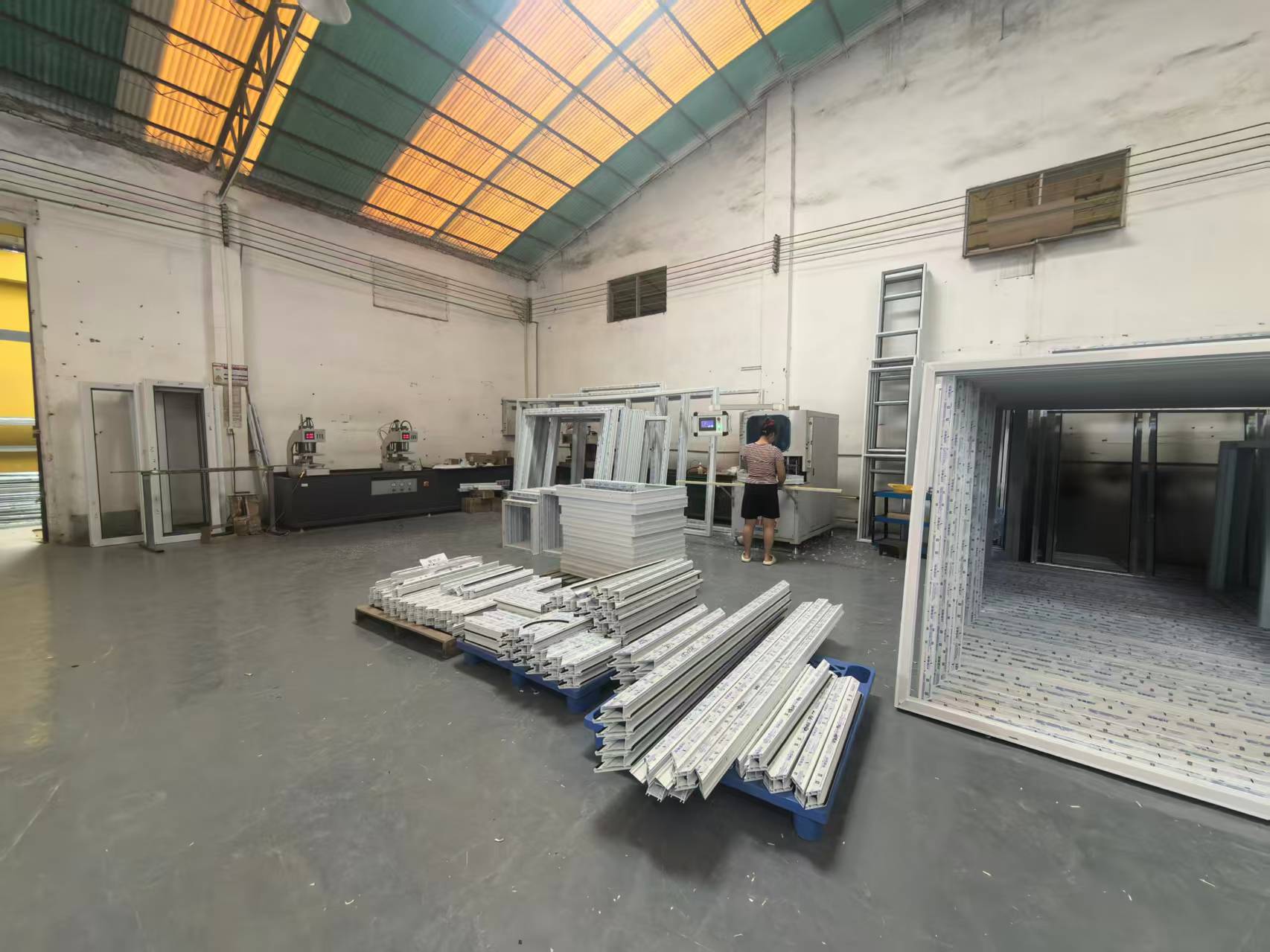
Foshan Nanhai Yuanzhaiji UPVC Door & Window Factory, established in 2009, operates from a 3,000 m² factory with a team of 20 staff that includes 10 engineers, and an annual output of 50,000 units. Roughly 80% of production is exported, with main markets in LATAM, MENA, ASEAN and the EU. The manufacturer provides OEM, ODM and customizable production services for UPVC windows and doors, and customization covers window size, specification and glass specification — the three variables that a coastal retrofit actually varies between floors.
Production capability covers UPVC sliding windows, casement windows and casement doors, with custom glass specification options available. Long-term supply of Conch profiles includes the 60, 65 and 88 series in co-extruded colour, laminated wood-grain finish and solid colours such as dark grey and black — useful on a coastal retrofit where the replacement units have to sit convincingly next to retained façades. Quality control is supported by a Quality Inspection Report, acceptance can be handled through pre-shipment photo inspection or an on-site inspection, and after-sales support covers technical consultancy and quality testing.
FAQ: coastal retrofit and custom supply questions
Does the ECM attestation mean these windows can be placed on the EU market?
No — and this is the most common documentation misunderstanding in coastal tenders. ECM Attestation NO.3N230816.YCPQQ51 was issued by Ente Certificazione Macchine Srl (ECM) on 2023-08-16 and is valid until 2028-08-15 against EN 14351-1:2006+A2:2016, covering UPVC windows and doors across profile series 50, 60, 65, 80, 88 and 112. The attestation is stated as intended for third countries outside the EU market. It demonstrates conformity to the referenced standard for those destinations; it is not a substitute for confirming the separate approval requirements of an individual EU member state or any other jurisdiction.
Can the factory manufacture custom sizes and glass for a coastal retrofit?
Yes. The manufacturer provides OEM, ODM and customizable production services for UPVC windows and doors, with customization covering window size, specification and glass specification. Production capability covers UPVC sliding windows, casement windows and casement doors, and the optional glass types include single-layer glass, double-glazed insulated glass, tempered safety glass and frosted glass. Monthly production capacity is 4,000 square meters. For coastal projects, the usual starting point is to fix the frame series, the hardware finish and the glass build-up first, then let the size schedule follow.
What are the order terms and the minimum order quantity?
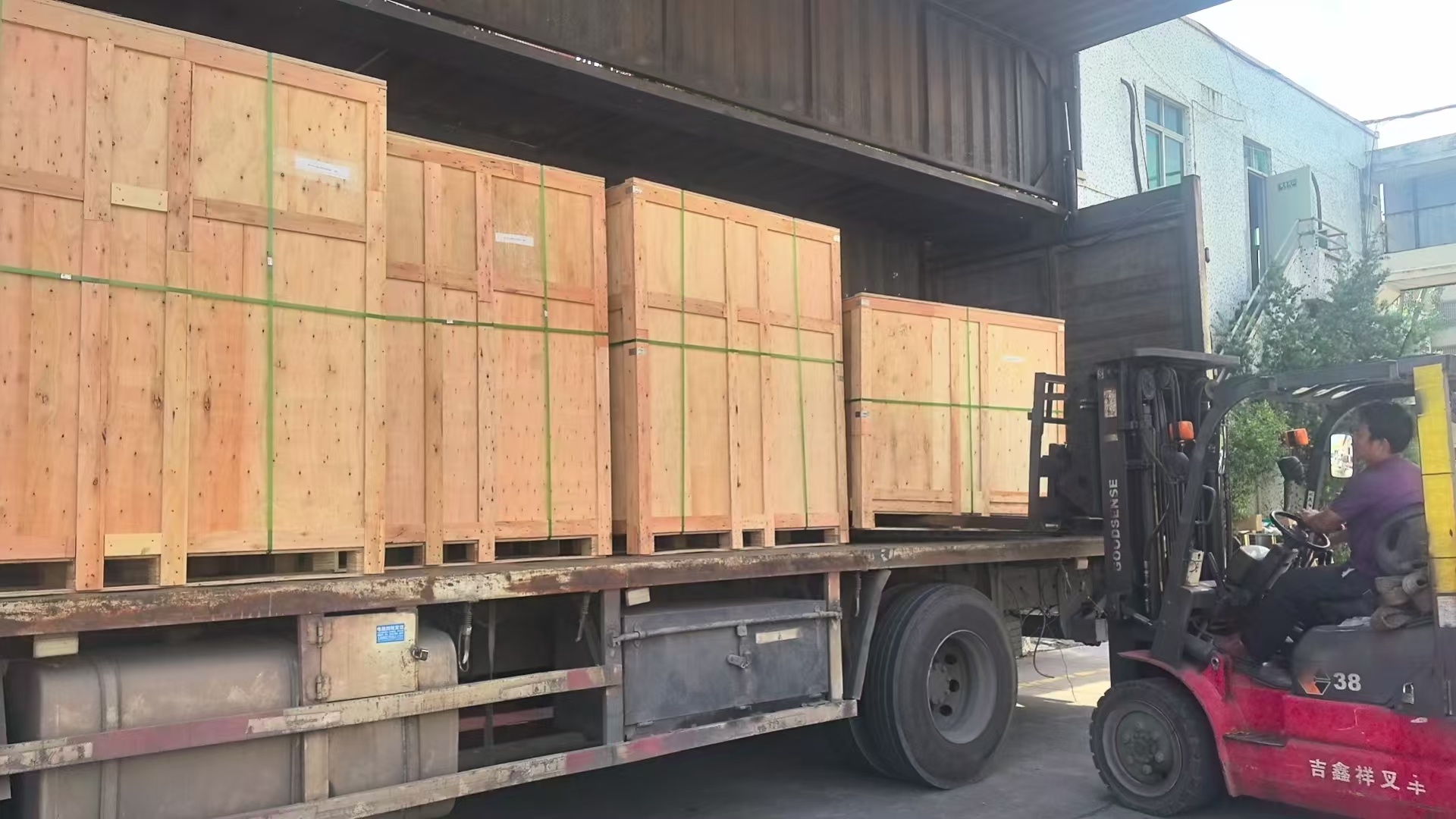
The minimum order quantity is 30 to 40 square meters, and orders are accepted starting from that minimum. Delivery terms are FOB or CIF, and payment is by bank transfer. Acceptance can be handled through pre-shipment photo inspection before dispatch or through an on-site inspection as part of the acceptance process, and a Quality Inspection Report supports the release. For an occupied coastal building, the MOQ is normally used to run a pilot floor or a single elevation before the remainder of the envelope is ordered.
How do we validate the windows before they are shipped?
Validation happens in two stages. Pre-shipment inspection is performed via photos before dispatch, and on-site inspection is accepted as part of the acceptance process — both are stated as the accepted routes. On the technical side, physical-property test reports are the relevant evidence for profile performance, and the reference standard for UPVC profiles, GB/T 8814-2017, covers wall thickness, impact resistance, heat stability and anti-aging performance. After-sales support covers technical consultancy and quality testing, which is where installation-related questions are usually resolved.
What is the production lead time for a custom coastal order?
The typical production lead time is 10 to 30 days, against a monthly capacity of 4,000 square meters of UPVC windows and doors and an annual output of 50,000 units. On a phased coastal retrofit, that window of 10 to 30 days is normally matched to the site programme rather than to a single delivery date: the pilot units are released first, inspected, and the remaining elevations are scheduled once the installation sequence on the occupied building is confirmed.
Conclusion: specify the checks, then specify the window
Corrosion in a coastal commercial building is not solved by choosing a thicker frame or a more expensive glass. It is solved by matching the window system to the working condition — outdoor, coastal high-humidity and strong-wind — and then verifying seven things before the order is released: UV resistance and anti-aging performance, wind-pressure resistance with water tightness and air permeability, optional fire resistance where the code requires it, the multipoint lock drive mechanism together with the crescent lock, the glass build-up, the certification documentation, and the capacity and lead time behind the delivery. UPVC Window 7970 is offered against that condition set, supported by ECM Attestation NO.3N230816.YCPQQ51 and a manufacturing base with a 4,000 m² monthly capacity, a 30–40 m² minimum order quantity and a typical 10–30 day lead time.
If you are scoping a coastal renovation, the fastest way to test the specification is to run one elevation first. Send the opening schedule and the site conditions to YUAN at 1803877678@qq.com or WhatsApp +86 130-0674-7018, and request a quotation for a pilot release plus the ECM Attestation and a sample of the profile and hardware finish. More product and project information is available at yuanzhaiji.com.
Request a coastal retrofit sample pack or quotation
Send your opening schedule, glass requirement and site conditions, and the factory will respond with a specification proposal, a quotation for a pilot release from the 30–40 m² minimum order, and the certification set for your market. Contact: YUAN · Email 1803877678@qq.com · Tel / WhatsApp +86 130-0674-7018 · yuanzhaiji.com
Have Questions or Need More Details?
Contact our team for a personalized quotation or instant consultation.
Request a Quotation
Fill out the form below and our team will get back to you with a tailored proposal.
WhatsApp Direct Chat
Prefer to chat in real-time? Message us on WhatsApp for instant assistance & quick answers.
- Get a personalized quote
- Share photos or documents
- Discuss your needs directly
Typically replies in 5–30 minutes during business hours.