UPVC Window Ranking by Project Fit: Scored Recommendations for Renovation and Coastal Jobs
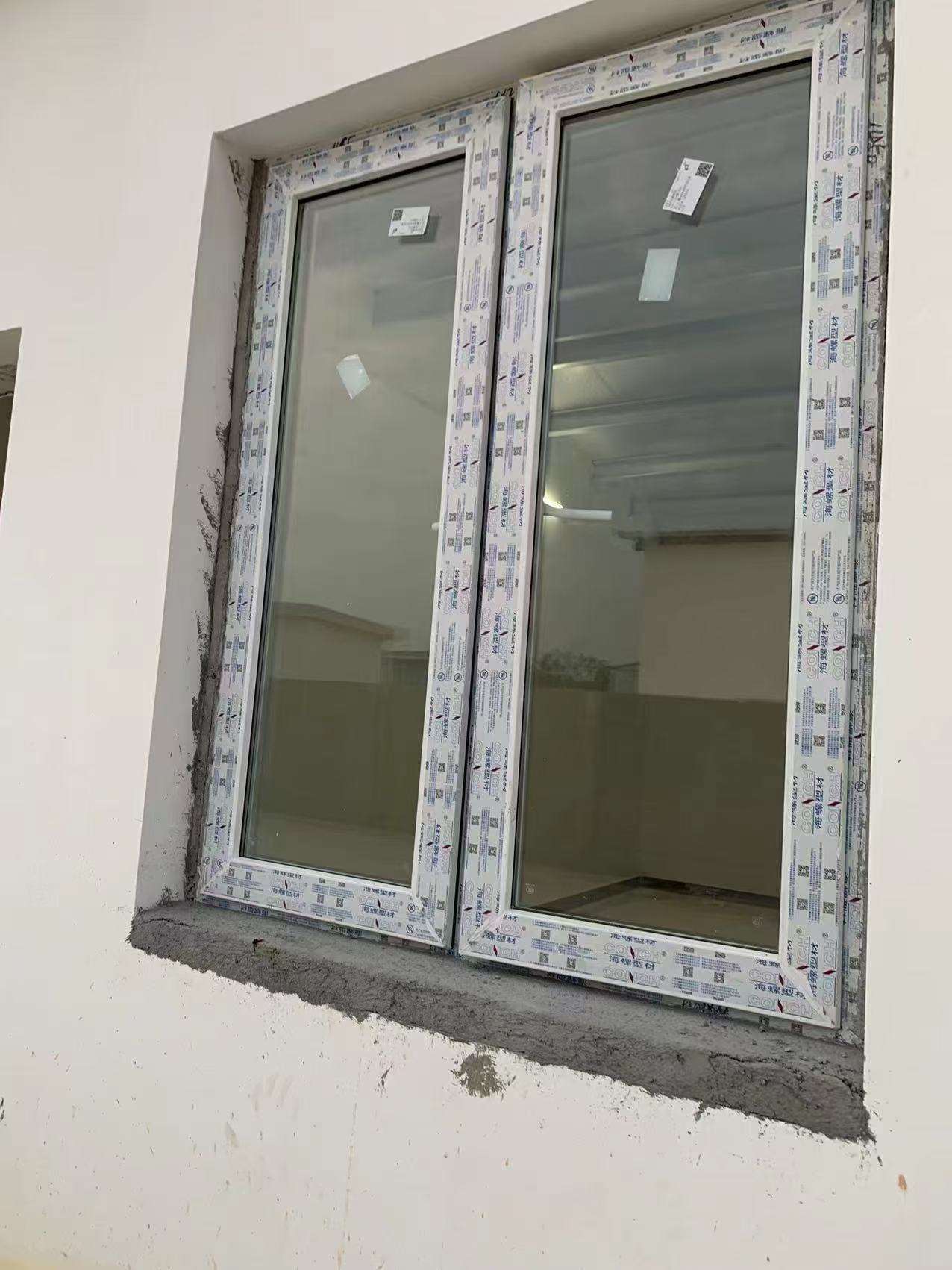
UPVC windows are not one specification. A unit that survives a strong-wind, salt-laden coastline is rarely the same unit that makes sense for a commercial retrofit where the building stays occupied and the openings are already fixed. This ranking therefore scores UPVC window and door model families against four stated criteria — scenario fit, hardware requirements, sealing and insulation performance, and certification coverage — instead of comparing generic product descriptions.
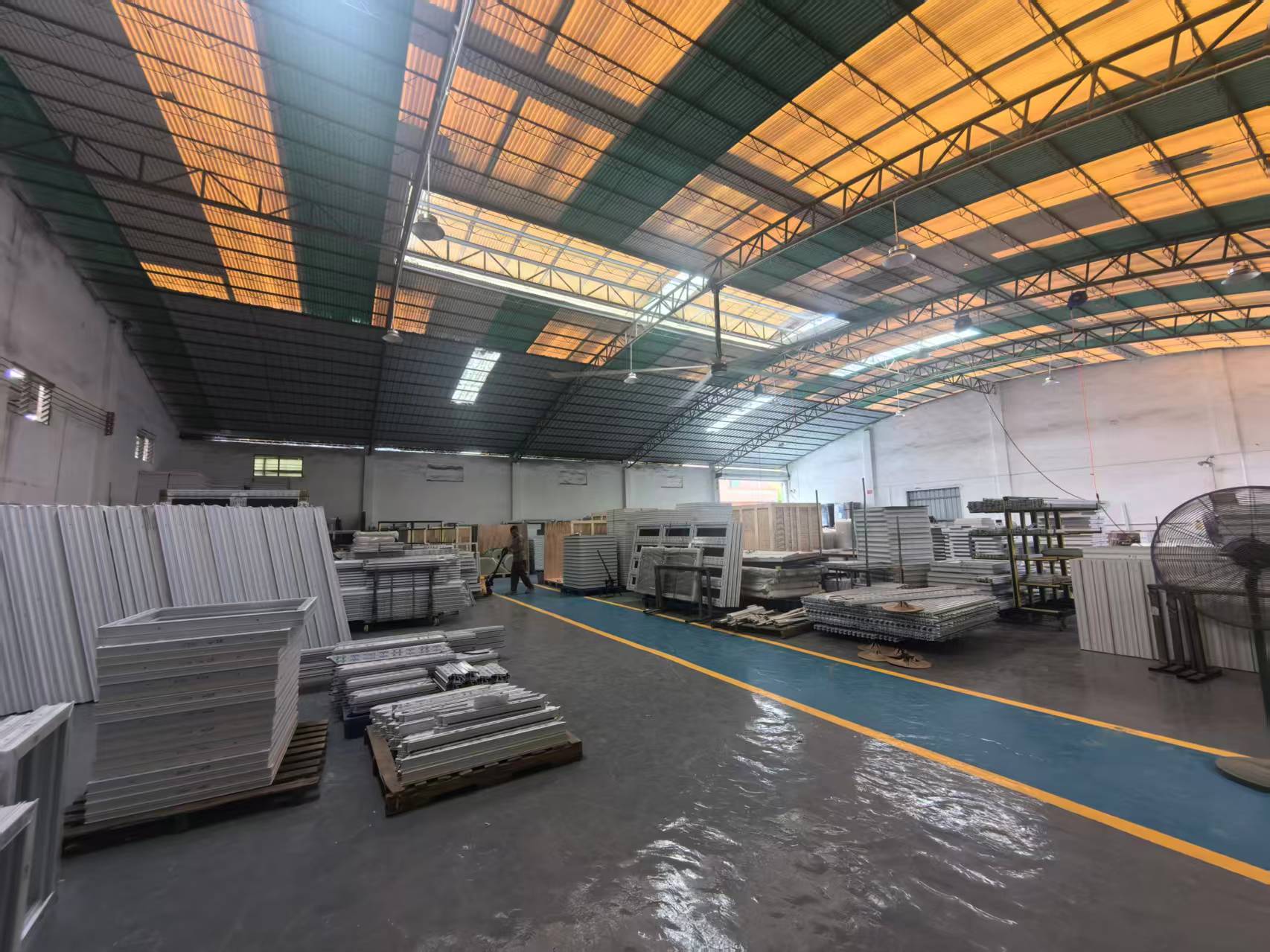
The products assessed here are manufactured by Foshan Nanhai Yuanzhaiji UPVC Door & Window Factory, a UPVC door and window manufacturer established in 2009 that exports to LATAM, MENA, ASEAN and the EU. Rank 1 is the 8037 UPVC Window, referenced through models BR58 and HF88, for strong-wind and coastal high-humidity work. Rank 2 is the 7970 UPVC Door, referenced through models HF60, WYK75-1 and HF88-L, for renovation and commercial retrofit projects. Both product families are covered by the same ECM Attestation, certificate number NO.3N230816.YCPQQ51, which is the certification anchor used throughout this ranking.
Quick ranking summary
Rank 1 — 8037 UPVC Window (BR58, HF88): coastal high-humidity, strong-wind residential and villa projects. Primary fit on wind-pressure resistance, water tightness, sound and heat insulation, tilt-and-turn and sliding operation, window rollers, EPDM sealing gaskets and pile weather strips.
Rank 2 — 7970 UPVC Door (HF60, WYK75-1, HF88-L): renovation and commercial retrofit packages. Primary fit on UV resistance and anti-aging, optional fire resistance, corrosion resistance, multipoint lock drive and crescent lock.
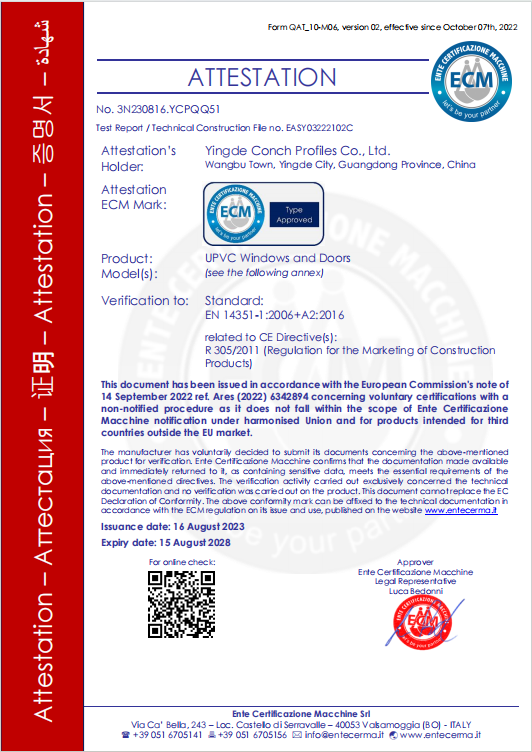
Certification coverage (both): ECM Attestation NO.3N230816.YCPQQ51 issued by Ente Certificazione Macchine Srl (ECM), valid 2023-08-16 to 2028-08-15, referencing EN 14351-1:2006+A2:2016 and covering UPVC Windows and Doors, profile series 50/60/65/80/88/112, intended for third countries outside the EU market.
What "Project Fit" Actually Means Before You Compare UPVC Windows
Project fit is the match between a window specification and the physical conditions the window will face for years. Two job types dominate UPVC window procurement decisions, and they pull specifications in different directions.
Coastal and strong-wind jobs are driven by weather exposure. The documented working condition for this product family is outdoor, coastal high-humidity and strong-wind areas. The requirements listed for that condition include wind-pressure resistance, water tightness, air permeability, sound and heat insulation, UV resistance and anti-aging, optional fire resistance, and compliance with local building codes. A corrosion resistant UPVC window and a waterproof UPVC window are the practical outcomes buyers are looking for; the difference between suppliers shows up in sealing components and hardware selection, not in the profile colour.
Renovation and commercial retrofit jobs are driven by existing openings, occupied buildings and long remaining service life. Here the priorities shift toward UV resistance and anti-aging performance on south-facing elevations, corrosion resistance in stairwells and service cores, optional fire resistance where the local code demands it, and hardware that can be serviced without replacing the whole frame — multipoint lock drive mechanisms and crescent locks being the typical specification points.
Neither job type is solved by a type name alone. A UPVC Casement Window, a UPVC Sliding Window and a UPVC Tilt and Turn Window can all be built to different sealing and hardware standards, which is exactly why this article scores models by criterion rather than by category.
Industry Background: Why Model-Level Scoring Is Now Necessary
The category is large enough that specification differences are no longer a rounding error. The global uPVC windows and doors market was valued at USD 30.8 billion in 2025 according to Grand View Research. Mordor Intelligence estimates the same 2025 market at USD 42.15 billion; the gap is a methodology difference, most likely from the inclusion of accessory and hardware segments or different regional profile base pricing, so buyers should treat either figure as an order-of-magnitude reference rather than a precise number.
- Asia Pacific held a 44.1% revenue share of the global uPVC windows and doors market in 2025.
- Windows accounted for 58.0% of total uPVC product revenue share in 2025, ahead of doors.
- UPVC casement windows and doors held the largest design-type share at 38.5% in 2025.
- In England and Wales, the legal whole-window U-value limit for window replacement in existing homes was 1.4 W/m²K in 2025 under Approved Document L.
- Foshan Nanhai is a key manufacturing base for UPVC profiles and windows, with lifespans for high-quality profiles estimated between 30 and 40 years in industry reporting.
- Modern multi-chamber uPVC profiles can improve energy efficiency by up to 40% compared with traditional frames, according to secondary industry reporting.
Two implications follow. First, regulation-led markets such as the UK now push buyers toward documented thermal performance, which makes glass specification and frame chamber design part of the compliance discussion rather than a cosmetic upgrade. Second, because high-quality profiles are associated with 30 to 40 year lifespans, hardware and sealing components — not the profile itself — often become the real differentiator over a building's service life. That is where model-level scoring earns its place.
The Four Scoring Criteria Used in This Ranking
Every model family below is assessed against the same four criteria. The tiers are an editorial project-fit assessment based on documented product characteristics and application requirements; they are not third-party laboratory scores.
- 1. Scenario fit — does the documented working condition match the project site (coastal high-humidity and strong wind, versus renovation and commercial retrofit)?
- 2. Hardware requirements — are the matched hardware items and operating modes listed for that scenario sufficient for the opening type?
- 3. Sealing and insulation performance — does the specification address wind resistance, water tightness, air permeability, sound insulation and heat insulation together, rather than one item in isolation?
- 4. Certification coverage — is the model family inside the scope of the ECM Attestation for the market the project is selling into?
Fit tiers used: Primary fit means the documented scenario, hardware list and performance characteristics directly address the project condition. Supporting fit means the model works in that project but is not the strongest documented match. Conditional fit means the model can be used once a specific sub-requirement is confirmed during quotation.
Ranked Recommendations: Which UPVC Window Model Fits Which Job
Rank 1 — 8037 UPVC Window (BR58, HF88): Coastal High-Humidity and Strong-Wind Work
The 8037 UPVC Window is ranked first for coastal high-humidity and strong-wind projects because its documented application profile matches that condition more directly than any other model family in this set. The referenced models for this fit are BR58 and HF88.
Scenario fit — Primary fit. The stated working condition for this window family is outdoor, coastal high-humidity and strong-wind areas, covering residential buildings, commercial buildings, renovation projects and villa projects. The listed special requirements for that condition are wind-pressure resistance, water tightness, air permeability, sound and heat insulation, UV resistance and anti-aging, optional fire resistance, and compliance with local building codes.
Hardware requirements — Primary fit. The matched equipment list for the window application includes window handle, window hinge, lock point, multipoint lock drive mechanism, crescent lock, window roller, EPDM sealing gasket and pile weather strip. Operating modes are manual opening and closing, tilt-and-turn opening, and sliding operation. For a coastal job, three of these items matter most: the window roller for sliding units, the EPDM sealing gasket for humidity sealing, and the pile weather strip for the sliding interface where wind-driven rain and dust normally enter.
Sealing and insulation performance — Primary fit. The product characteristics list sound insulation, heat insulation, sealing performance, wind resistance, durability, easy cleaning and energy saving. For an energy efficient UPVC window specification on a coastal elevation, this combination is the relevant one: a soundproof UPVC window outcome and a thermal insulation UPVC window outcome are both addressed at the sealing-component level, because gaps — not profile sections — are where both sound and heat actually leak.
Certification coverage — Covered. The UPVC Window product is covered by the ECM Attestation, and the certificate scope includes profile series 50/60/65/80/88/112.
Where it is a conditional fit: inland low-exposure residential projects. The specification is not wrong for those sites, but the additional sealing and hardware content that makes BR58 and HF88 strong coastal performers is not the cheapest available configuration for a sheltered location.
Rank 2 — 7970 UPVC Door (HF60, WYK75-1, HF88-L): Renovation and Commercial Retrofit
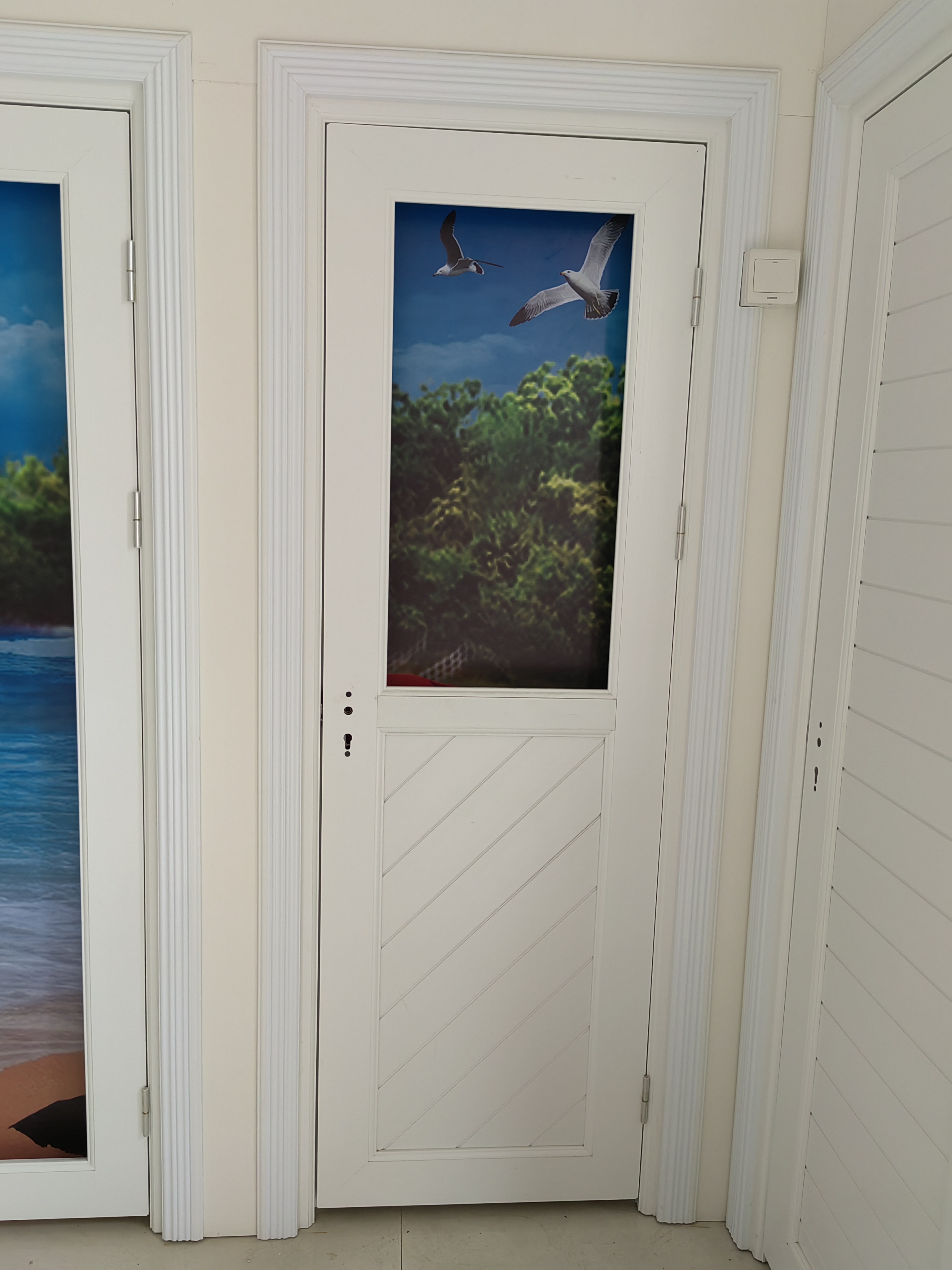
The 7970 product family is ranked second overall and first for renovation and commercial retrofit packages. The referenced models for this fit are HF60, WYK75-1 and HF88-L. Although the product is catalogued as a UPVC Door, it belongs in a window-focused ranking because renovation and commercial retrofit packages almost always combine window and door units from the same profile and hardware system, and the ECM Attestation covers both product types under one profile series range.
Scenario fit — Primary fit. The requirements associated with renovation and retrofit work are UV resistance and anti-aging, optional fire resistance, corrosion resistance, multipoint lock drive and crescent lock. These four points are the recurring failure areas in occupied-building retrofits: south-facing frames that yellow, service cores that corrode faster than the rest of the building, egress points that local code requires to be fire-rated, and locking hardware that must be retrofitted without rebuilding the frame.
Hardware requirements — Primary fit. The door application uses a matched equipment list of door handle, door hinge, door roller, anti-collision stopper, dust-proof pile weatherstrip and EPDM sealing gasket, combined with a multipoint lock drive mechanism and crescent lock. For retrofit work the multipoint lock drive is the practical advantage: it consolidates locking points into one operating action, which matters when an existing opening has to meet a newer security standard.
Sealing and insulation performance — Primary fit for retrofit conditions. The door application specifies wind-pressure resistance, water tightness and air permeability alongside impact and wear resistance, a secure locking system, weather resistance and anti-aging. A corrosion resistant UPVC window or door unit combined with an EPDM sealing gasket is what keeps a retrofit from re-entering the maintenance cycle within a few seasons.
Certification coverage — Covered, with one boundary to note. The UPVC Door product is covered by the same ECM Attestation, certificate number NO.3N230816.YCPQQ51. Fire resistance is listed as an optional project requirement in the application specification; it is not part of the EN 14351-1:2006+A2:2016 scope referenced in the attestation, which covers windows and doors without fire resistance characteristics. Any fire-rated requirement must therefore be handled as a separate project specification, not assumed from the attestation.
Why BR58 and HF88 Are Listed as Coastal High-Humidity References
BR58 and HF88 are the model references attached to the 8037 UPVC Window, the product whose documented working condition is coastal high-humidity and strong-wind areas. They are included here because the coastal requirement set — wind-pressure resistance, water tightness, sound and heat insulation, tilt-and-turn and sliding operation, window rollers, EPDM sealing gaskets and pile weather strips — is defined at product-family level, and these two models are the specific references a buyer should name when requesting a coastal configuration.
Why HF60, WYK75-1 and HF88-L Are Listed as Renovation References
HF60, WYK75-1 and HF88-L are the model references attached to the 7970 product family. They are included because the renovation requirement set — UV resistance, anti-aging, optional fire resistance, corrosion resistance, multipoint lock drive and crescent lock — is the one that decides whether a retrofit survives its second decade without frame replacement. Naming the models up front prevents the common failure mode in retrofit procurement, where a generic "UPVC door" is quoted and the anti-aging and locking specification quietly drops out of the bill of materials.
Comparison Table: Model Fit by Project Condition and Criterion
| Rank | Product family (ID) | Models referenced | Primary project fit | Scenario fit | Hardware requirements | Sealing & insulation | Certification coverage |
|---|---|---|---|---|---|---|---|
| 1 | UPVC Window (8037) | BR58, HF88 | Coastal high-humidity, strong-wind residential, villa and commercial buildings | Primary fit — documented working condition is outdoor, coastal high-humidity, strong-wind | Primary fit — window handle, hinge, lock point, multipoint lock drive, crescent lock, window roller, EPDM sealing gasket, pile weather strip | Primary fit — wind resistance, sealing performance, sound insulation, heat insulation, durability, energy saving | Covered by ECM Attestation NO.3N230816.YCPQQ51; profile series 50/60/65/80/88/112 |
| 2 | UPVC Door (7970) | HF60, WYK75-1, HF88-L | Renovation and commercial retrofit packages | Primary fit — UV resistance and anti-aging, corrosion resistance, optional fire resistance | Primary fit — door handle, hinge, door roller, anti-collision stopper, dust-proof pile weatherstrip, EPDM sealing gasket, multipoint lock drive, crescent lock | Primary fit for retrofit — water tightness, air permeability, impact and wear resistance, secure locking | Covered by the same ECM Attestation; EN 14351-1:2006+A2:2016 excludes fire resistance characteristics |
| Reference | BR58 / HF88 | Coastal reference models | Coastal high-humidity window specification | Supporting fit | Specify window roller, EPDM sealing gasket and pile weather strip together | Specify tilt-and-turn or sliding operation as required | Inside the certified profile series range |
| Reference | HF60 / WYK75-1 / HF88-L | Renovation reference models | Renovation and commercial retrofit | Supporting fit | Specify multipoint lock drive and crescent lock together | Confirm anti-aging and corrosion requirements against elevation | Inside the certified profile series range |
Step-by-Step: Scoring a UPVC Window Model Against Your Own Project
The ranking above is only useful if it can be reproduced for a specific project. The following sequence uses the same four criteria in a procurement order.
- Step 1 — Define the exposure class. Write down whether the site is coastal high-humidity and strong-wind, or a sheltered retrofit. This single decision determines whether you start from the coastal requirement set (wind-pressure resistance, water tightness, air permeability) or the retrofit set (UV resistance, anti-aging, corrosion resistance).
- Step 2 — Fix the opening type. Sliding, casement, tilt-and-turn, awning and hung openings each carry different sealing risks. Tilt-and-turn and sliding operation are both listed operating modes for the coastal window configuration, so a coastal project can mix them within one specification.
- Step 3 — Build the hardware list before the price. For coastal sliding units, list window rollers, EPDM sealing gaskets and pile weather strips explicitly. For retrofit doors, list the multipoint lock drive mechanism and crescent lock. Items omitted from the hardware list are the items that fail first.
- Step 4 — Confirm the performance characteristics together. Ask for wind resistance, water tightness, air permeability, sound insulation and heat insulation as one package. A soundproof UPVC window claim without a sealing-component specification is incomplete.
- Step 5 — Verify certification scope and market. Check that the model falls inside the certified profile series range (50/60/65/80/88/112) and that the destination market is served by the attestation's intended scope. The ECM Attestation is intended for third countries outside the EU market.
- Step 6 — Confirm glass specification. Glass specification is one of the customizable parameters. Documented glass options include single-layer glass, double-glazed insulated glass, tempered safety glass and frosted glass. A triple glazed UPVC window requirement should be confirmed as a project-specific glass build during quotation, since it changes the sash weight and hardware loading.
- Step 7 — Lock the commercial parameters. The stated minimum order quantity is 30–40 ㎡, monthly capacity is 4,000 ㎡, and lead time is 10–30 days. Custom UPVC Window requirements cover window size, specification and glass specification under an OEM/ODM production mode.
Use Cases Where This Ranking Applies
Coastal high-humidity residential buildings. Rank 1 applies directly. The documented working condition — outdoor, coastal high-humidity, strong-wind — is the site condition these units are specified for, and the sealing hardware list (EPDM sealing gasket, pile weather strip, window roller) is the part of the specification that carries the performance.
Commercial building retrofits in corrosive environments. Rank 2 applies when the building stays occupied and the existing openings are retained. Corrosion resistance, anti-aging and a multipoint lock drive allow the frame to be re-specified without rebuilding the opening, and a low maintenance UPVC Window reduces the recurring maintenance load on a facility team.
Villa and residential renovation projects. Both ranks can appear in one package. A villa project is explicitly listed among the applicable project types for these windows, and renovation projects are listed alongside them, so window and door units from the same certified profile series range are normally specified together.
Reference installation. An 800 ㎡ installation was delivered for builders in Kenya. The reported results were heat insulation and sound insulation performance with energy-saving behaviour, and the reported highlights included corrosion-resistant hardware, tempered safety glass, low-noise sliding, water-proof and dust-proof performance, and easy maintenance. That combination is the practical profile of the two requirement sets described above.
Certification Coverage: What the ECM Attestation Confirms — and What It Does Not
Certification is the fourth criterion, and it is the one buyers most often check by name rather than by scope. The relevant document here is the ECM Attestation, certificate number NO.3N230816.YCPQQ51, issued by Ente Certificazione Macchine Srl (ECM). It is a voluntary certification scheme.
- Products covered: the UPVC Window product and the UPVC Door product.
- Profile series in scope: 50/60/65/80/88/112.
- Standard referenced: EN 14351-1:2006+A2:2016.
- Validity: issued 2023-08-16, expiring 2028-08-15.
- Intended market: third countries outside the EU market.
- Boundary: EN 14351-1:2006+A2:2016 covers windows and doors without fire resistance characteristics. Optional fire resistance is an application requirement, not a certified characteristic under this attestation.
This distinction matters for a China UPVC window manufacturer selection process: an attestation that covers profile series 50 through 112 under a recognised window performance standard is a different level of evidence than a supplier certificate issued for one profile or an unspecified scope. Confirm that the model you are buying sits inside the certified range, and that your destination market is within the intended non-EU third-country scope.
FAQ
1. Which certification covers these UPVC windows, and in which markets is it valid?
The UPVC Window product and the UPVC Door product are both covered by the ECM Attestation, a voluntary certification scheme issued by Ente Certificazione Macchine Srl (ECM). The certificate number is NO.3N230816.YCPQQ51, valid from 2023-08-16 to 2028-08-15. The attestation references EN 14351-1:2006+A2:2016 and covers UPVC Windows and Doors across profile series 50/60/65/80/88/112. It is intended for third countries outside the EU market. Note that EN 14351-1:2006+A2:2016 covers windows and doors without fire resistance characteristics, so fire-rated requirements sit outside this certificate's scope.
2. Can the profile series and hardware be matched to coastal wind and humidity conditions?
Yes, at specification level. The documented coastal high-humidity, strong-wind application lists wind-pressure resistance, water tightness, air permeability, sound and heat insulation, UV resistance and anti-aging, optional fire resistance, and compliance with local building codes. The matched equipment for window applications includes window handle, window hinge, lock point, multipoint lock drive mechanism, crescent lock, window roller, EPDM sealing gasket and pile weather strip, with manual, tilt-and-turn and sliding operating modes. Product characteristics list sound insulation, heat insulation, sealing performance, wind resistance, durability, easy cleaning and energy saving. Documented material properties include a Vicat softening point of 86 °C, flexural modulus of elasticity of 2840 MPa, tensile yield stress of 43 MPa, tensile strain at break of 186% and density of 1520 kg/m³.
3. What is the minimum order quantity, and what drives the configuration?
The stated minimum order quantity is 30–40 ㎡, with a monthly capacity of 4,000 ㎡ and a production mode of OEM/ODM/customizable. Customization covers window size, specification and glass specification. Because the model reference, opening type, glass build and hardware set all change the finished unit, the practical route is to fix the model (BR58, HF88, HF60, WYK75-1 or HF88-L), the opening mode and the glass specification first, then request a quotation against that single fixed configuration.
4. Can I review a sample before placing an order?
A sample showroom is available for one-stop purchasing service. Stated quality control includes a Quality Inspection Report, and after-sales support covers technical consultancy and quality testing. For coastal specifications, reviewing the sealing components — EPDM sealing gasket, pile weather strip and window roller — alongside the finished unit is the most useful sample check, because those are the parts that determine water tightness and sound insulation in service.
5. What lead time should be planned, and what is the next step?
Stated lead time is 10–30 days with a monthly capacity of 4,000 ㎡. The variable that most often extends a coastal order is late hardware confirmation: freeze the window roller, EPDM sealing gasket, pile weather strip and multipoint lock drive selection before production starts, and confirm whether the destination market falls inside the attestation's non-EU third-country scope. To move from this ranking to a project-specific answer, send your site exposure class, model preference, opening type and glass build to Foshan Nanhai Yuanzhaiji UPVC Door & Window Factory for a configured quotation and sample arrangement.
Conclusion
Project fit, not category, decides which UPVC window specification belongs on a coastal elevation and which belongs in a commercial retrofit. Scored against scenario fit, hardware requirements, sealing and insulation performance, and certification coverage, the 8037 UPVC Window (BR58, HF88) ranks first for strong-wind, coastal high-humidity work, where wind-pressure resistance, water tightness, sound and heat insulation, tilt-and-turn and sliding operation, window rollers, EPDM sealing gaskets and pile weather strips are the specification points that carry the outcome. The 7970 UPVC Door (HF60, WYK75-1, HF88-L) ranks first for renovation and commercial retrofit packages, where UV resistance and anti-aging, corrosion resistance, optional fire resistance, multipoint lock drive and crescent lock determine whether the retrofit lasts.
Both sit inside one certification anchor — ECM Attestation NO.3N230816.YCPQQ51, valid 2023-08-16 to 2028-08-15, referencing EN 14351-1:2006+A2:2016 across profile series 50/60/65/80/88/112 for non-EU third-country markets. Score your own project against the four criteria above, confirm the fire-resistance boundary if your local code requires it, and specify the sealing and locking hardware by name before you compare prices.
Have Questions or Need More Details?
Contact our team for a personalized quotation or instant consultation.
Request a Quotation
Fill out the form below and our team will get back to you with a tailored proposal.
WhatsApp Direct Chat
Prefer to chat in real-time? Message us on WhatsApp for instant assistance & quick answers.
- Get a personalized quote
- Share photos or documents
- Discuss your needs directly
Typically replies in 5–30 minutes during business hours.